

What Happens If You Eat Too Much Fiber? Signs You Shouldn't Ignore

What happens if you eat too much fiber? You may feel bloated, gassy, cramped, constipated, or have loose stools. This often happens when fiber intake rises too fast, or you do not drink enough water.
Most mild symptoms improve by lowering fiber for a short time, drinking enough fluids, and adding fiber back slowly. Severe pain, vomiting, or trouble passing stool or gas needs medical care as soon as possible.
What Happens If You Eat Too Much Fiber?
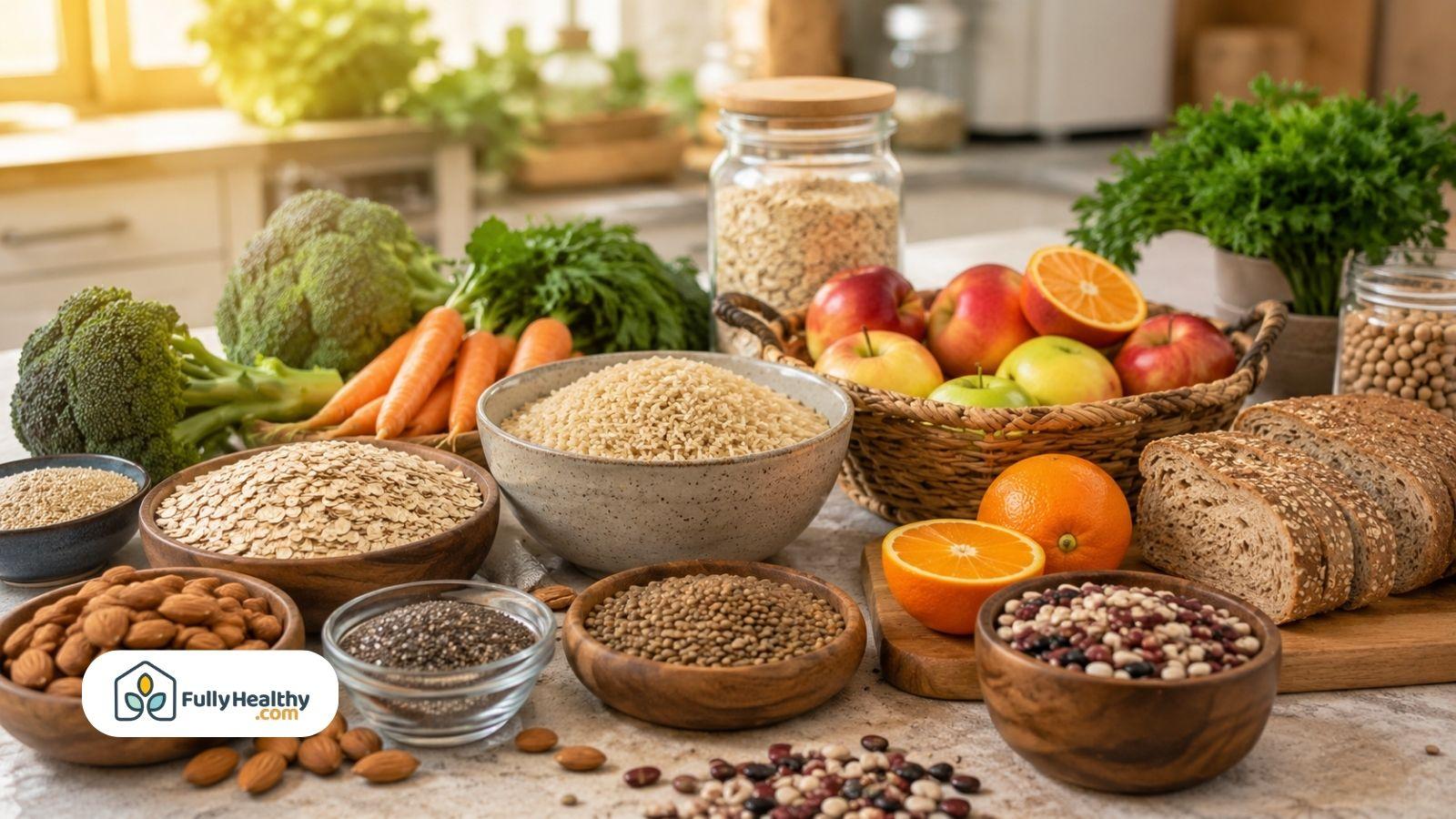
Eating dietary fiber supports gut health, healthy digestion, regular bowel movements, blood sugar control, and heart health. However, what happens if you eat too much fiber depends on how quickly your fiber intake increases and whether you drink enough water.
Consuming excessive amounts may cause gas, bloating, constipation, diarrhea, or abdominal pain. A high-fiber diet can be healthy, but excess fiber may create discomfort. The best approach is to get enough fiber from whole foods and increase it slowly.
Why Can Eating Too Much Fiber Upset Your Digestive System?
Fiber passes through the digestive tract without being fully broken down. Some soluble fibers are viscous and form gels that can slow gastric emptying or nutrient absorption; others are nonviscous. Insoluble fibers may increase stool bulk, although physiological effects depend more on viscosity, fermentability, and water-holding capacity than on solubility alone.
Many fermentable fibers feed gut bacteria and generate short-chain fatty acids, but fermentability varies considerably; some insoluble fibers are minimally fermented. Still, too much fiber from high-fiber foods, fiber-rich foods, or fiber supplements may overwhelm the digestive system.
-
How Fiber Works: Soluble fiber absorbs water, while insoluble fiber helps move stool through the digestive tract.
-
Common Sources: Whole grains, whole wheat bread, whole wheat pasta, wheat bran, brown rice, citrus fruits, and other plant foods all add to dietary fiber intake.
-
Health Benefits: Fiber may support gut health, weight management, cholesterol levels, blood sugar control, and regular bowel movements.
-
Helpful Tip: Check serving sizes because the grams of fiber in several food products can add up quickly.
What Happens If You Eat Too Much Fiber Without Enough Water?
Fiber absorbs water as it moves through the digestive system. Rapidly increasing certain fiber supplements without adequate fluid may worsen constipation or, rarely, contribute to obstruction. The relationship is fiber-specific, and additional water does not reliably relieve constipation in people who are already adequately hydrated.
This can lead to constipation, bloating, and abdominal pain. Instead of improving bowel movements, much fiber without proper hydration may slow healthy digestion. Drink plenty of water when increasing fiber intake or adding fiber through supplements and high fiber foods.
-
Possible Effects: Low fluid intake may cause hard stool, gas, bloating, and fewer bowel movements.
-
Better Habit: Increase fiber slowly and drink plenty of fluids throughout the day.
-
Daily Needs: How much fiber a person needs varies by age, sex, health, and overall food intake.
-
Medical Note: People who must limit fluids should speak with a healthcare professional before making dietary changes.
What Are the Symptoms of Too Much Fiber?

Too much fiber does not affect everyone in the same way. Symptoms depend on dietary fiber intake, hydration, and digestive health. Some people experience mild discomfort, while others may develop stronger symptoms.
Fiber tolerance varies among people with IBS or IBD. During active IBD—particularly with strictures or obstructive symptoms—some high-fiber foods may worsen symptoms, but routine fiber restriction is not appropriate for every patient or every flare. They may benefit from medical nutrition therapy.
What Common Digestive Symptoms Can Too Much Fiber Cause?
Symptoms often occur because gut bacteria ferment fiber and produce gas. Fiber also adds bulk inside the intestines. Although this process can support gut health, consuming excessive amounts may cause gastrointestinal discomfort.
-
Common Symptoms: Gas, bloating, cramps, abdominal pain, constipation, diarrhea, and uncomfortable fullness.
-
Stool Changes: Bowel movements may become more frequent, less frequent, looser, or harder to pass.
-
Likely Cause: Symptoms often begin after a sudden increase in high-fiber foods or fiber supplements.
-
Helpful Step: Track meals and symptoms to identify which fiber foods may be causing discomfort.
Which Symptoms of Too Much Fiber May Require Medical Attention?
Mild symptoms often improve with simple dietary changes. However, severe or lasting symptoms should not be ignored. Ongoing pain or blocked bowel movements may point to a condition that needs medical care.
-
Warning Signs: Seek medical help for severe abdominal pain, vomiting, fever, rectal bleeding, or an inability to pass stool or gas.
-
Higher Risk: People with inflammatory bowel disease, Crohn's disease, ulcerative colitis, or irritable bowel syndrome should contact a clinician if symptoms worsen.
-
Expert Support: Medical nutrition therapy may help create a healthy diet with less fiber during digestive flare-ups.
-
Safety First: Do not take more fiber if you may have a bowel blockage.
How Do I Flush Out Too Much Fiber?

You cannot instantly flush fiber from your body. Fiber must move through the digestive tract naturally. For mild symptoms, reduce your fiber intake for a short time, drink enough water, and choose simple foods. Once you feel better, slowly increase fiber again.
Can You Literally Flush Excess Fiber Out of Your Body?
No. Fiber passes through the digestive system before leaving the body. The goal is to reduce discomfort and support normal waste movement, not force fiber out quickly.
-
Reduce Fiber: Pause fiber supplements and eat fewer high-fiber foods for a short time.
-
Choose Simple Foods: Select lower-fiber whole foods or refined grains until symptoms improve.
-
Avoid Overloading: Do not continue adding fiber while bloating, pain, or constipation remains.
-
Watch Symptoms: Seek medical help if you cannot pass stool or gas.
What Can Help Your Body Recover After Eating Too Much Fiber?
For mild symptoms following a rapid fiber increase, temporarily reducing the recently added fiber and reintroducing it gradually may help. Hydration should remain adequate, but a low-fiber diet is not universally necessary, and persistent or severe symptoms require clinical assessment.
Add fiber back slowly after symptoms improve to support healthy digestion without causing another flare-up.
-
Stay Hydrated: Drink plenty of water unless your doctor has advised you to limit fluids.
-
Move Gently: A short walk may help stimulate normal bowel movements.
-
Reintroduce Slowly: Add fiber in small amounts and spread it across several meals.
-
Choose Balance: Include healthy fats, plant based foods, and other nutrients as your digestive system allows.
Is Too Much Fiber Bad for Poop?

Fiber supports healthy digestion and is known for promoting regular bowel movements. However, eating too much fiber or increasing it too quickly can change the texture and frequency of your stool. You may experience constipation, loose stools, bloating, or bulky bowel movements.
The effect depends on the type of fiber you eat, how much water you drink, and your overall digestive health. Because fiber varies across foods, balance is more helpful than simply adding more.
How Do Soluble and Insoluble Fiber Affect Your Poop?
Soluble and insoluble fiber affect stool in different ways. Soluble fiber absorbs water and forms a gel-like substance that may soften stool. Insoluble fiber adds bulk and helps waste move through the intestines. Both types are useful, but eating too much at once may upset normal bowel function.
-
Soluble Fiber: Gel-forming soluble fibers, such as psyllium, retain water and can soften hard stool or firm loose stool; not every soluble fiber produces this effect.
-
Insoluble Fiber: It adds bulk to stool and supports steady movement through the digestive tract.
-
Balanced Intake: Eating different fiber sources can help maintain regular bowel habits because fiber varies from one food to another.
-
Long-Term Health: Adequate fiber intake is associated with lower risks of cardiovascular disease and colorectal cancer. Replace ‘support nutrient absorption’ because some fibers slow glucose or cholesterol absorption, while high intakes of fiber-rich foods containing phytate may reduce absorption of certain minerals. ‘Colon cancer’ and ‘colorectal cancer’ are redundant here.
Why Can More Fiber Sometimes Make Constipation Worse?
Fiber often helps with constipation, but more is not always better. If you increase fiber without drinking enough water, stool may become dry, bulky, and harder to pass. Sudden changes may also cause gas and abdominal discomfort. The recommended grams of fiber per day differ based on age, sex, diet, and health needs.
-
Drink Enough Water: Fluids help fiber move through the digestive system and keep stool softer.
-
Increase Fiber Slowly: Gradual changes give your digestive system time to adjust.
-
Know Your Needs: Recommended grams of fiber per day are general guidelines and may not suit everyone.
-
Get Medical Advice: Speak with a healthcare professional if constipation continues, becomes painful, or comes with bleeding or unexplained weight loss.
How Fully Healthy Can Help You Shop for Specialty Foods.
Finding foods that match your dietary needs can take time, especially when you are trying to manage fiber intake. Fully Healthy offers a marketplace for AIP-friendly, gluten-free, allergen-aware, and specialty-diet products. The website does not treat digestive problems, but it may make label checking and product comparison easier.
How Can FullyHealthy Make Specialty-Diet Shopping Easier?
Fully Healthy brings specialty foods together in one online store. This can help shoppers compare ingredients, review nutrition labels, and choose items that fit their personal eating plans. Readers should still check the latest product details before buying.
-
Convenient Shopping: Browse different specialty-diet products without visiting several stores.
-
Clearer Comparisons: Review ingredients, serving sizes, allergens, and fiber content before making a choice.
-
Better Planning: Choose products that fit your current dietary needs, including a temporary lower-fiber plan.
-
Important Reminder: Gluten-free, AIP-friendly, or allergen-aware does not always mean low in fiber.
Which Verified FullyHealthy Products Should Readers Review Carefully?
Remove this statement or add a dated, archived source documenting the review. It is a time-sensitive commercial claim that cannot be treated as a stable scientific fact. Product prices, labels, ingredients, and stock may change, so always review the live listing before purchasing.
-
Bob's Red Mill Organic Coconut Sugar, 13 oz: Check the current nutrition label before deciding whether it fits your dietary plan.
-
Date Lady Date Sugar, 12 oz: This product was marked sold out during the review, and its description mentions fiber, so it should not be presented as a low-fiber choice.
-
Check the Label: Confirm the serving size, ingredients, and grams of fiber before buying.
-
Verify Availability: Stock status and product information may change at any time.
Final Thoughts
Eating fiber is one of the best ways to support gut health, healthy digestion, and overall wellness. However, what happens if you eat too much fiber depends on your fiber intake, hydration, and digestive health.
Increase fiber gradually, drink enough water, and choose a variety of whole foods to avoid discomfort. If symptoms are severe or do not improve, speak with a healthcare professional for personalized advice.
FAQs
How Much Fiber a Day Is Too Much?
There is no single limit because fiber needs vary, but eating far more than the recommended daily amount or increasing fiber too quickly may cause digestive discomfort.
Why Is My Poop Hard Despite Eating a High-Fiber Diet?
Hard stool may occur after rapidly increasing certain bulking fibers, particularly when fluid intake is inadequate, but persistent constipation despite high fiber can also result from slow-transit constipation, pelvic-floor dysfunction, medications, or other medical conditions.
What Should I Do If I Ate a Lot of Fiber?
Reduce high-fiber foods for a short time, drink plenty of water, stay active, and slowly return to your normal fiber intake once your symptoms improve.
What Foods Are Highest in Fiber?
Some of the highest-fiber foods include whole grains, beans, lentils, wheat bran, brown rice, whole wheat bread, whole wheat pasta, fruits, vegetables, nuts, seeds, and other plant-based foods.
Is 40 Grams of Fiber Too Much?
For many healthy adults, 40 grams of fiber can fit into a balanced diet, but if your body is not used to it or you increase your fiber intake too quickly, it may lead to gas, bloating, constipation, or abdominal pain.
Leave a comment