

What Is a Chickpea? From Garbanzo Bean to Superfood
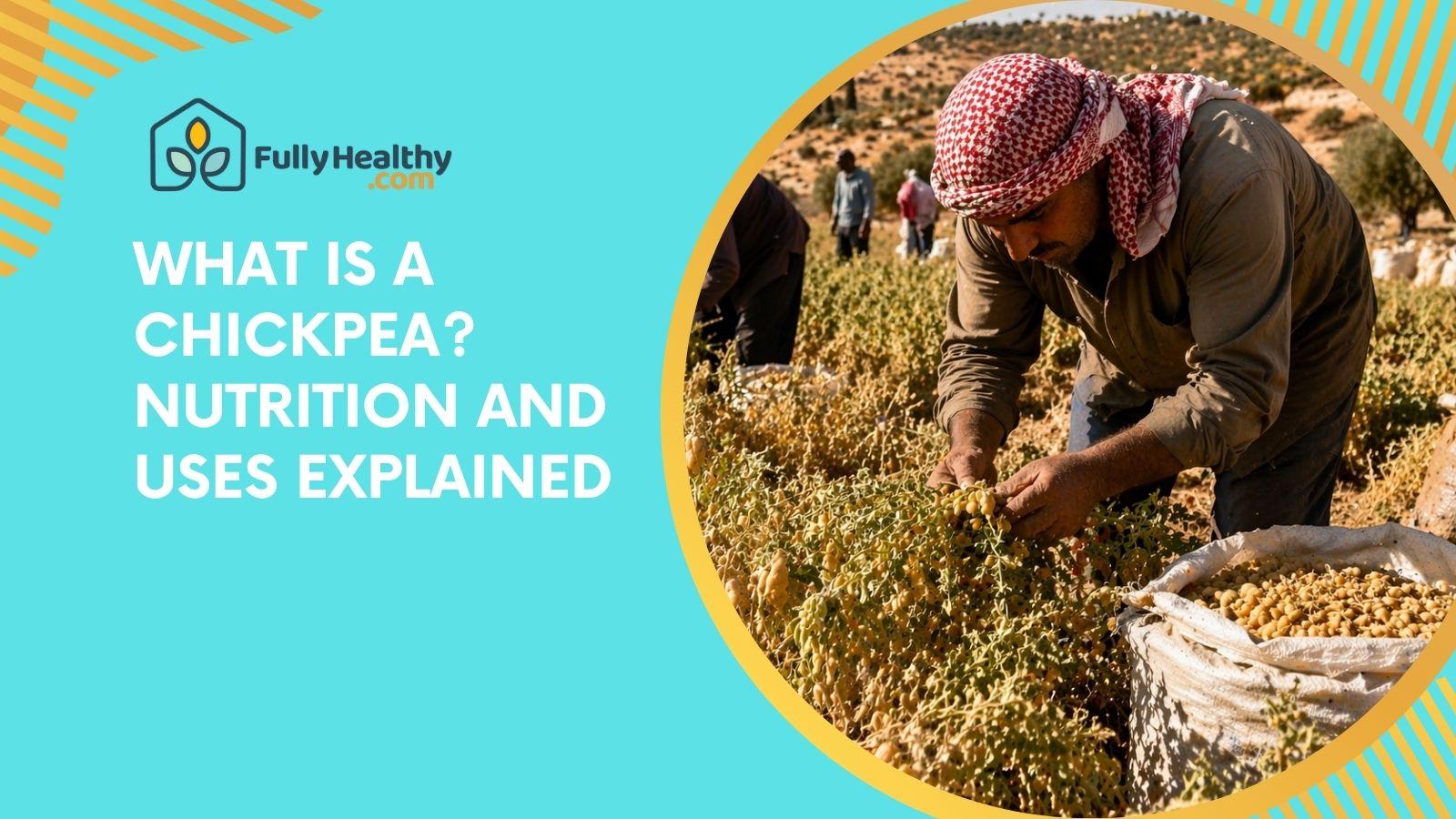
Chickpeas are small, round legumes that are very healthy and are used in many dishes around the world. What are chickpeas? They are a plant-based food that is high in protein, fibre, and important nutrients.
They help with digestion, heart health, and eating a healthy, balanced diet. You can eat chickpeas as a vegetable or as a source of protein. This article talks about their uses, benefits, and how they can be a part of a healthy lifestyle.
Featured Pantry Pick
Banza // Spaghetti
Loading...
What Is a Chickpea?
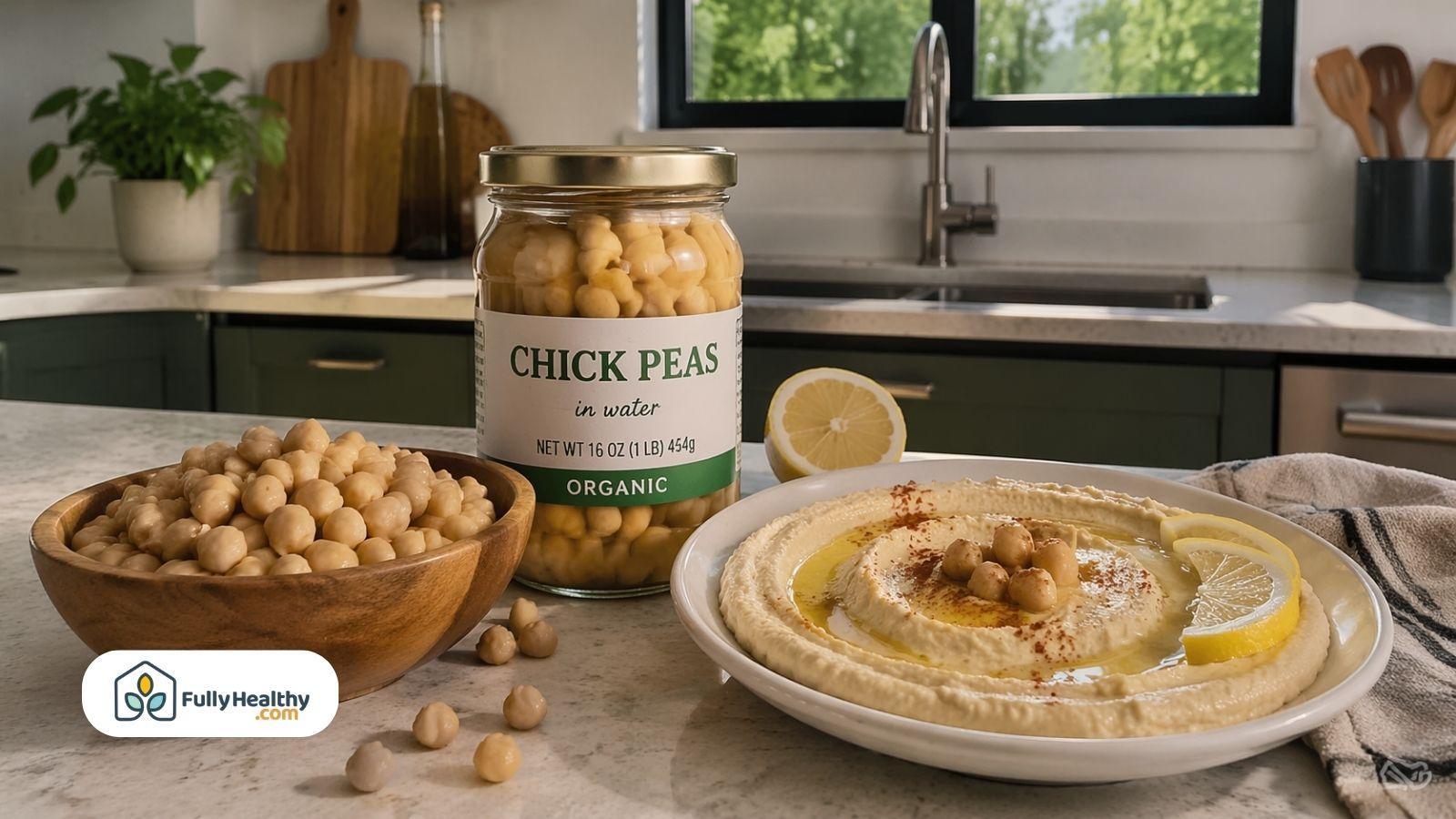
Chickpeas are small, round edible seeds that belong to the legume family Chickpea is the common name for the legume species Cicer arietinum. It is also known as the garbanzo bean; ‘Bengal gram’ usually refers to the desi type or split chickpea products such as chana dal.
These pulse crops are among the earliest cultivated legumes, especially in the Middle East and South Asia. Chickpeas are valued for their strong nutritional value, have a lot of protein, and can be used in many everyday foods, like soups, salads, and hummus.
What Is a Chickpea And Where Does It Come From
The name relates etymologically to Latin cicer; the statement about an Arabic origin and a German writer should be removed unless a reliable historical linguistic source is cited. Chickpeas were first grown in Turkey and nearby areas. They are now a common food all over the world.
-
Scientific Name: Cicer arietinum, related to the wild species Cicer reticulatum.
-
Other Names: Garbanzo, Egyptian pea, chana, and Bengal gram.
-
Origins: Chickpea was first domesticated in the Near East/Fertile Crescent, with subsequent early spread into South Asia.
-
Crop Importance: Chickpea is grown primarily for human consumption; crop residues may also be used as animal feed.
Types, Nutritional Profile, And Why Chickpeas Matter
You can get chickpeas in two main varieties. The Desi types have dark seeds and a rough coat, while the Kabuli types are bigger and lighter. Both have a lot of good nutrients, like fibre, amino acids, and B vitamins, which are good for your health in general.
-
Nutrition Per One Cup: One cooked cup provides substantial protein, dietary fiber, folate, iron, manganese, and other nutrients, but exact values depend on preparation method.
-
Health Role: May support digestive health and can contribute to lower cardiometabolic risk when included in a healthy dietary pattern.
-
Scientific Research: Genomic and breeding studies have identified genetic markers and genome information relevant to yield, stress tolerance, and crop improvement.
Are Chickpeas Good Or Bad For You?
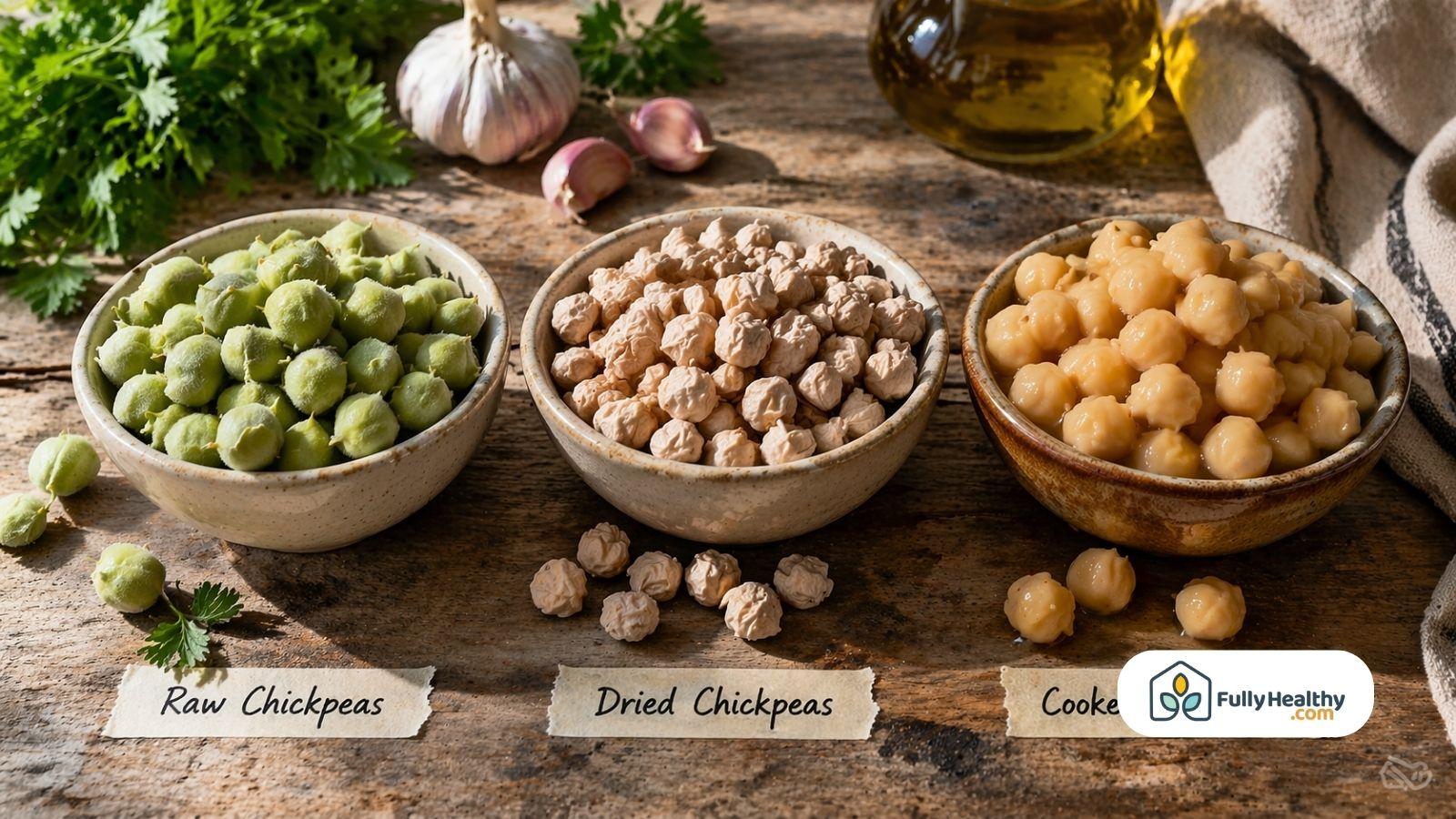
Chickpeas are generally considered a nutrient-dense food, though tolerance depends on portion size, preparation, and individual digestive sensitivity. Beans like chickpeas are good for you and full of nutrients that help you eat a balanced diet. But how you cook them can change how your body reacts to them.
Health Benefits That Make Chickpeas A Functional Food
Chickpeas are often discussed as a functional food because they provide nutrients and bioactive compounds associated with health benefits. They're good for your heart, your gut, and your overall health. They are also a great choice for plant-based diets because they are high in protein.
-
Gut Health: Rich dietary fiber helps improve digestion and supports healthy gut bacteria.
-
Heart Support: May help manage cholesterol levels and support heart health.
-
Protein Source: Contains protein and essential amino acids, but like other legumes it is relatively low in methionine compared with animal proteins.
-
Versatile Foods: Used in Indian dishes, hummus, salads, soups, snacks, and products such as chickpea flour or chickpea pasta.
Are There Any Downsides To Eating Chickpeas
Some people may experience gas after eating chickpeas, especially if they are undercooked or eaten in large amounts. This happens because of chemicals that are naturally found in legumes. You can lessen these effects and make them easier to digest by cooking them the right way.
-
Anti-Nutrients: Chickpeas contain antinutritional factors such as phytates, tannins, lectins, and enzyme inhibitors; soaking, cooking, germination, and fermentation can reduce them.
-
Cooking Methods: Boiling in water or broth improves taste and digestion.
-
Easy Options: Choose canned chickpeas, cooked chickpeas, or chickpea flour for convenience.
Is A Chickpea A Vegetable?
Some people think of chickpeas as both a vegetable and a protein food, even though they aren't strictly speaking vegetables. Chickpeas are legumes, not vegetables in the botanical sense, though dietary guidance may count them either in the vegetable group or the protein foods group.
Vegetable, Protein, Or Both? Understanding Chickpea Classification
Lentils and beans are also legumes, which are what chickpeas are. If you eat them a certain way, they can be considered both a vegetable and a source of protein.
-
Dual Role: In some dietary guidance systems, legumes including chickpeas may count either as vegetables or as protein foods, depending on the overall diet.
-
Diet Use: Commonly used in salads, soups, and stews.
-
Forms: Available as cooked, roasted, or ground into flour.
Why Chickpeas Are Important In Plant-Based Diets
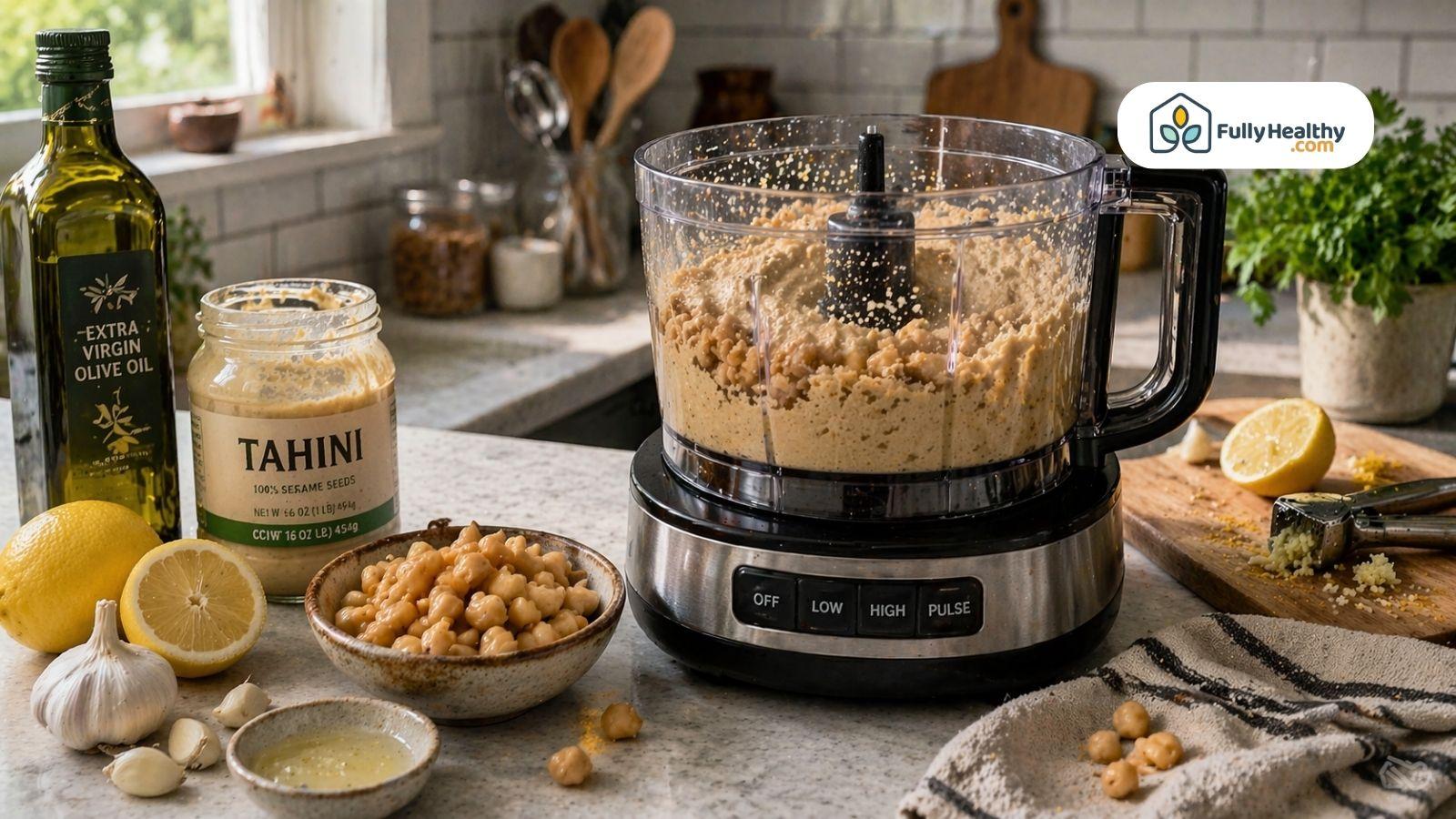
People who follow a vegetarian diet often eat chickpeas because they contain protein that comes from plants. A common example is hummus, which is made by using a food processor to mash chickpeas with tahini, olive oil, garlic, and lemon juice. This turns the mixture into a smooth, creamy texture.
-
Popular Foods: Hummus, roasted chickpeas, and chana dal in Indian dishes.
-
Cooking Uses: Used in paste, stews, soups, and roasted snacks.
-
Preparation Methods: Includes mashing chickpeas, cooking, or roasting for better flavor.
Do Chickpeas Help Lower LDL?
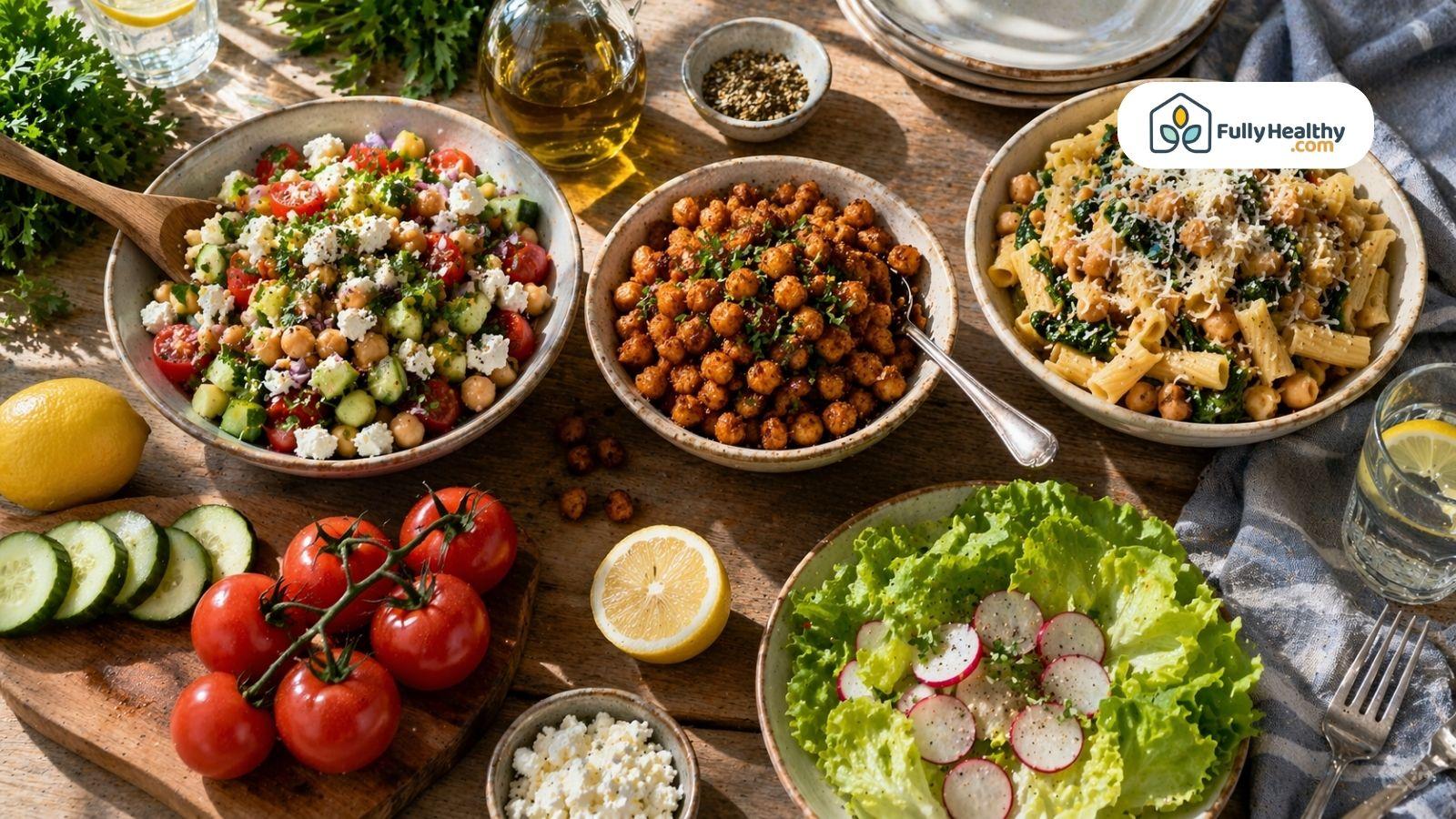
It is well known that chickpeas are good for your heart, especially when it comes to keeping your cholesterol in check. As part of a healthy diet, pulses including chickpeas may modestly help lower LDL cholesterol.
There are important nutrients in them that work together to lower cholesterol. Some people may have a lower risk of heart problems over time if they eat chickpeas often.
How Chickpeas Support Heart Health And Cholesterol Levels
Soluble fibre and other components in pulses are associated with modest LDL-lowering effects, although the effect size varies across studies and overall diet quality matters. In the digestive tract, this kind of fibre binds to cholesterol and helps the body get rid of it. So, it helps keep cholesterol levels normal and the heart healthy.
-
Soluble Fiber: Helps trap cholesterol in the gut and remove it from the body naturally.
-
Plant Compounds: Support better blood lipid levels and overall heart function.
-
Heart Benefits: Regular pulse intake is associated with improved cardiovascular risk markers, but direct reduction in cardiovascular disease risk from chickpeas alone has not been established.
What Science Says About Chickpeas And LDL Reduction
Meta-analyses suggest that non-soy pulses can modestly lower LDL cholesterol. They help lower LDL and keep your heart healthy over time because they have a good mix of fibre, protein, and nutrients.
-
Dietary Evidence: Studies link chickpea intake with improved cholesterol levels.
-
Balanced Eating: Works best when combined with a healthy, balanced diet.
-
Simple Habit: Adding chickpeas to meals regularly can support better heart health over time.
What Does FullyHealthy Offer For Chickpea-Friendly Diets?
This is an online store called Fully Healthy that helps people find healthy foods that are also good for them. It's not just about chickpeas, but it does support eating habits that make chickpeas easy to fit into. People who are allergic to foods or on special diets can use this platform to their advantage.
How FullyHealthy Supports Specialized And Clean Eating
FullyHealthy has a lot of products that are made for people with special dietary needs, like foods that are gluten-free or free of allergens. This lets people shop without having to worry about what's in the food they buy.
-
Special Diet Support: Designed for gluten-free, allergen-free, and AIP lifestyles.
-
Easy Shopping: Helps users quickly find foods that match their diet needs.
-
Trusted Products: Features brands that focus on clean and simple ingredients.
What Products Can Complement Chickpea-Based Diets
There are a lot of food options on the platform that go well with chickpea meals or can be used instead. These items can make it easy for you to make healthy, well-balanced meals.
-
Product Range: Includes snacks, breakfast foods, and baking mixes.
-
Healthy Options: Offers natural sweeteners, spices, and pantry staples.
-
Meal Ideas: Helps you create simple meals that work well with chickpea-based dishes.
Final Thoughts
Understanding what is a chickpea helps you see why this small legume is so valuable in daily diets. Whether you call it a chickpea or a garbanzo bean, it is a nutrient-dense legume that provides protein, dietary fiber, and several micronutrients. It goes well with a lot of different foods, like hummus and roasted chickpeas. Adding chickpeas to your diet on a regular basis is an easy way to improve your heart health, digestion, and overall health.
FAQs
Can diabetic patients eat chickpeas?
Chickpeas can fit into diets for people with diabetes because they are a low-glycemic legume and may help improve glycemic control when replacing higher-glycemic foods.
What is the healthiest way to eat chickpeas?
The healthiest ways include boiling, roasting, or blending them into hummus with olive oil and lemon juice.
Are chickpeas healthier than rice?
Chickpeas generally provide more protein, fiber, and micronutrients than white rice per serving, but ‘healthier’ depends on the food context, portion, and whether the rice is refined or whole grain.
Are chickpeas a carb or protein?
Chickpeas contain both carbohydrates and protein, making them a balanced and nutrient-dense food.
What country eats a lot of chickpeas?
India is the world’s largest producer of chickpeas and is also among the largest consumers.
Leave a comment