

What Is Balsamic? How It’s Made, Aged, and Used
What is balsamic? Balsamic is a dark, sweet-tart vinegar made from grapes. Traditional balsamic uses cooked grape must and ages in wooden barrels for years. Everyday balsamic often mixes grape must with wine vinegar.
This blog explains its ingredients, types, aging, flavor, uses, and how to choose the right bottle.
What Is Balsamic?
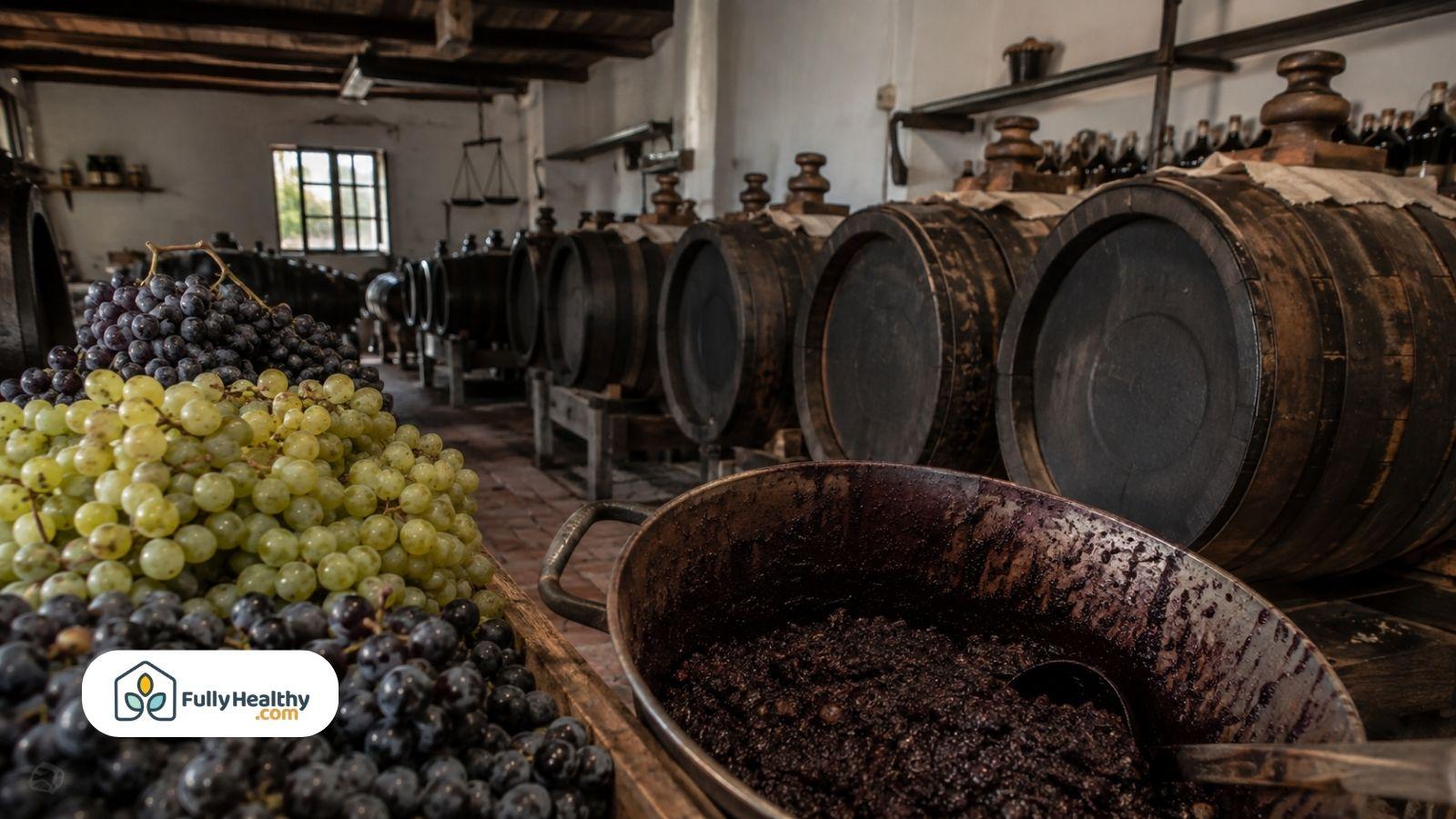
What is balsamic? Balsamic is a sweet and tangy vinegar with roots in Modena and Reggio Emilia, Italy. Traditional balsamic vinegar is very different from regular balsamic vinegar. Its flavor depends on the grapes, production method, and aging time.
Some products are made for everyday cooking, while others are aged for years and used in small amounts as a finishing condiment.
What Is Balsamic Vinegar, and What Makes It Different From Other Vinegars?
Traditional balsamic starts with grape must from pressed grapes. The must is cooked/concentrated, undergoes alcoholic fermentation followed by acetic fermentation/oxidation, and is then matured and aged.
Aceto Balsamico di Modena PGI follows a different process and combines grape-must ingredients with wine vinegar. Heating, fermentation, concentration, and aging contribute to balsamic vinegar’s color and flavor, but dark color alone is not an indicator of quality; Aceto Balsamico di Modena PGI may also contain permitted caramel coloring.
-
Origin: Aceto Balsamico Tradizionale comes from Modena or Reggio Emilia and follows strict traditional production methods.
-
Flavor: Balsamic has a balance of sweetness and acetic acid, which gives it a smoother taste than many sharp traditional vinegars.
-
Texture: Aged balsamic vinegar often develops a syrupy consistency and complex flavor as water slowly evaporates during aging.
-
Uses: Everyday vinegar works well in salad dressing and roasted vegetables, while a few drops of aged vinegar can enhance Parmigiano Reggiano cheese, vanilla ice cream, and other sweet treats.
How Are Traditional Balsamic and Everyday Balsamic Vinegar Different?
Traditional balsamic is made in small batches and aged in wooden barrels for at least 12 years. Traditional balsamic is matured in a battery of progressively smaller wooden casks; periodic withdrawal and topping-up transfers occur between casks rather than an entire batch simply moving sequentially from barrel to barrel. This long aging process creates subtle flavors and a thicker texture.
Balsamic vinegar of Modena is usually made for everyday consumption. It combines grape must with wine vinegar and follows different production rules.
-
Protected Labels: Protected Designation of Origin (PDO) applies to Aceto Balsamico Tradizionale di Modena and Aceto Balsamico Tradizionale di Reggio Emilia. Protected Geographical Indication (PGI) applies to Aceto Balsamico di Modena.
-
Production: Traditional balsamic follows a long aging process, while everyday balsamic is made faster and is better suited for everyday use.
-
Shopping: Grocery stores usually carry regular balsamic vinegar, while specialty stores are more likely to stock PDO traditional balsamic vinegar and aged products.
-
Quality Tip: Look at the ingredient list and origin instead of assuming every bottle labeled balsamic is made the same way.
What Is Balsamic Made From?
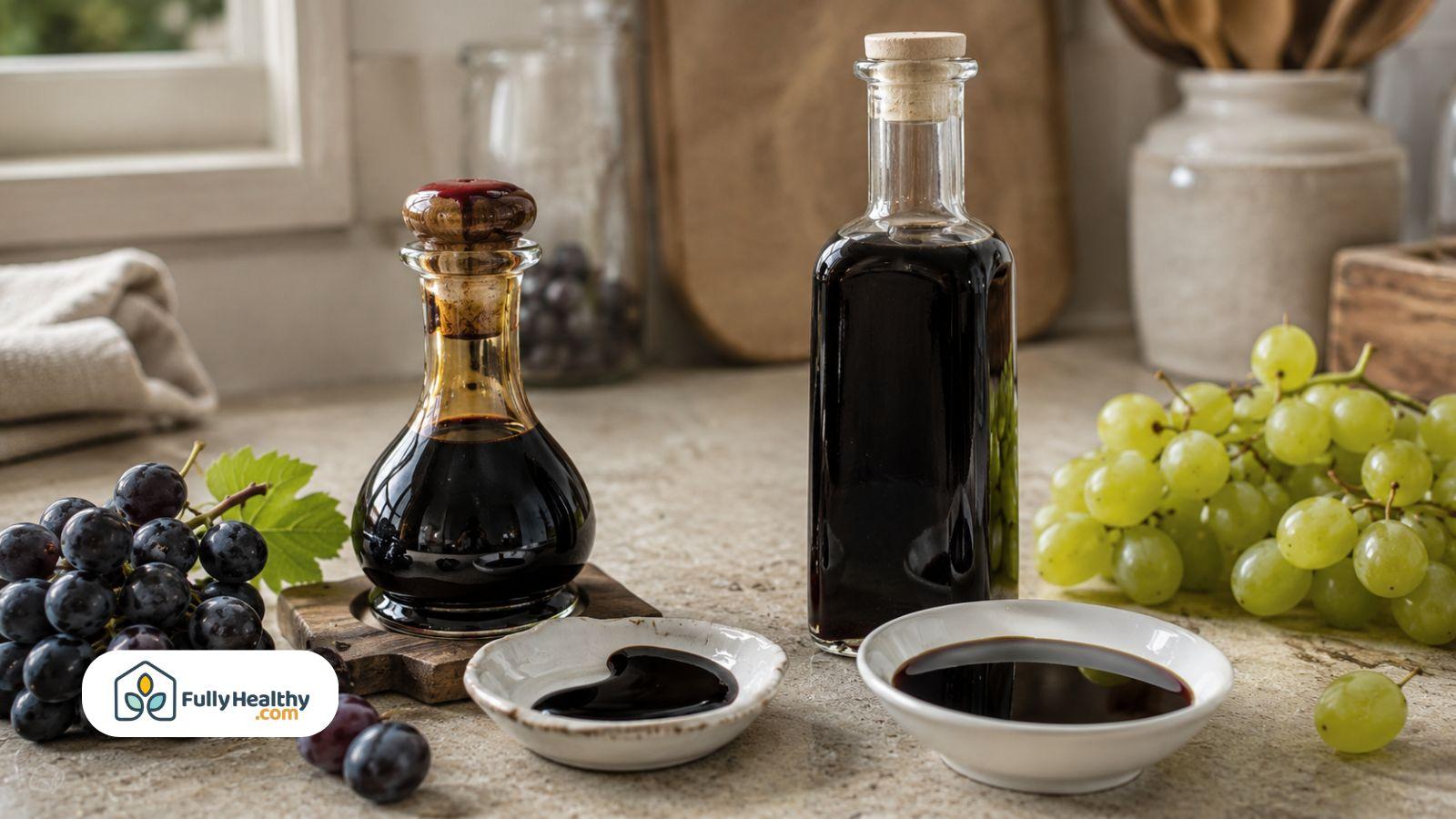
The ingredients depend on the type of balsamic. Traditional balsamic PDO is produced from cooked grape must, whereas Aceto Balsamico di Modena PGI is a separate protected category produced from grape-must ingredients together with wine vinegar.
Avoid the term ‘true balsamic,’ because both categories are authentic protected products. The cooking process, fermentation, acidification process, and aging all affect the final taste.
What Is Traditional Balsamic Made From?
Traditional balsamic begins with freshly crushed grape juice from grapes such as Trebbiano grapes. The freshly pressed juice is already grape must. For traditional balsamic, the must is cooked and concentrated, undergoes alcoholic and acetic fermentation/oxidation, and is subsequently matured and aged in wooden casks.
-
Raw Materials: Traditional balsamic is based on cooked grape must rather than ordinary wine vinegar.
-
Barrels: Wooden barrels and wooden casks help the vinegar develop deeper aromas as it ages.
-
Aging: The vinegar becomes more concentrated over time, creating a rich taste and syrupy consistency.
-
Label Tip: Condimento balsamico may refer to a balsamic condiment that does not follow the same protected rules as Aceto Balsamico Tradizionale.
What Ingredients Can Be Found in Balsamic Vinegar of Modena and Commercial Balsamic?
Balsamic vinegar of Modena usually contains grape must and wine vinegar. Aceto Balsamico di Modena PGI may contain caramel coloring, permitted up to 2% by volume under its production specification. Replace ‘natural caramel’ with ‘caramel coloring. Some non-PGI balsamic-style condiments may contain added sweeteners, flavorings, or thickening agents; formulations vary by product and jurisdiction.
Balsamic glaze and balsamic syrup are thicker products and may contain ingredients such as guar gum or xanthan gum. White balsamic is made in a way that limits browning, so it stays lighter in color.
-
Ingredient Check: Read the label to see whether the bottle contains grape must, wine vinegar, coloring, or added thickeners.
-
Product Type: Balsamic glaze is not the same as vinegar because it is usually reduced or thickened for use as a finishing sauce.
-
Health Claims: Possible health benefits of vinegar are still being studied, and using it for a sore throat should not replace proper medical care.
-
Best Use: Choose simple balsamic for cooking and salad dressing, and save aged balsamic for dishes where its complex flavor can stand out.
How Fully Healthy Can Help You Find Balsamic-Friendly Options
Fully Healthy helps shoppers look for products that may fit specific dietary needs. Its search results showed one balsamic-related product, making it easier to explore an option without confusing it with traditional balsamic vinegar.
What Balsamic-Related Product Can You Find at FullyHealthy?
The verified product is Hearty Sauces Herb Balsamic Dressing Dry Mix, 2.2 oz. It is a dry dressing mix, not traditional balsamic vinegar, balsamic vinegar of Modena, or white balsamic.
-
Best Use: Use it as a convenient option for making salad dressing at home.
-
Product Type: It is a seasoning mix, so it should not be described as true balsamic vinegar or Aceto Balsamico.
-
Check First: Review the current ingredient list and dietary labels before buying, especially if you have food restrictions.
-
Accuracy: Do not confuse it with Modena PGI, aged balsamic vinegar, or other protected vinegar products.
How Can FullyHealthy Help You Shop for Vinegar With More Confidence?
Fully Healthy also offers educational content about vinegar ingredients, acidity, shelf life, and storage. These guides can help readers understand labels and make better choices.
-
Compare Products: Look at ingredients, product type, and intended use before choosing a balsamic product.
-
Understand Labels: Learn the difference between grape must, wine vinegar, balsamic glaze, and traditional balsamic.
-
Match the Use: Pick everyday vinegar for cooking and dressings, and choose aged balsamic for finishing dishes.
-
Shop Carefully: Check current product details because ingredients, stock, and available options may change.
Final Thoughts
Balsamic is more than just vinegar. Its ingredients, origin, and aging process create different flavors and uses. Understanding the types of balsamic vinegar can help you choose the right option for dressings, cooking, or finishing dishes. When buying balsamic, check the ingredients, origin, and label for signs of quality.
FAQs
Is Balsamic Good or Bad for You?
Balsamic vinegar can be part of a balanced diet when used in moderate amounts, but it should not be treated as a cure or major source of health benefits.
Why Is It Called Balsamic?
The name comes from the Italian word balsamico, linked historically with something aromatic or restorative, and became associated with vinegar from the Modena region.
What Is Balsamic Flavour?
Balsamic has a sweet, tangy, and slightly fruity flavor, while balsamic made with traditional methods can develop deeper and more complex notes through aging.
Is Balsamic the Same as Vinegar?
Balsamic is a type of vinegar, but making balsamic can involve grape must, wine vinegar, or both, depending on the product and its production standards.
Why Is Balsamic So Expensive?
Traditional balsamic can be expensive because it requires quality grapes, years of aging, and careful production; protected products are also governed by Italian and European Union rules rather than simply being ordinary vinegar.
Leave a comment