

What Is Black Pepper Made From? From Plant To Spice
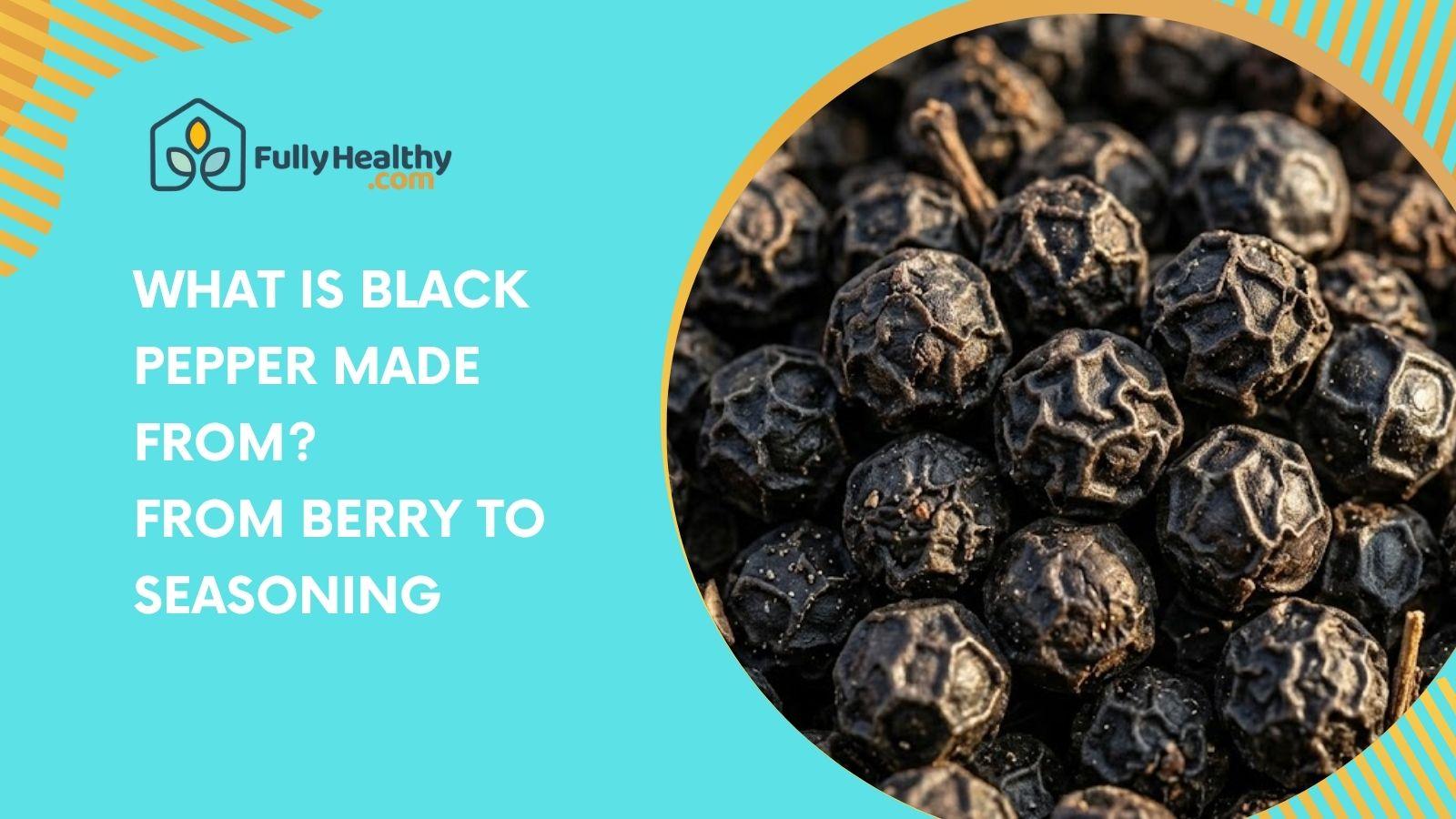
What is black pepper made from? The Piper Nigrum plant, which grows small berries, is where it comes from. The berries are picked while they are still green, blanched in hot water for a short time, and then dried until they turn black.
Black peppercorns are made by drying them out. They can be used whole or ground into powder for everyday cooking and seasoning.
Featured Spice Pick
Simply Organic // Black Pepper - 4 oz
Loading...
What Is Black Pepper Made From?
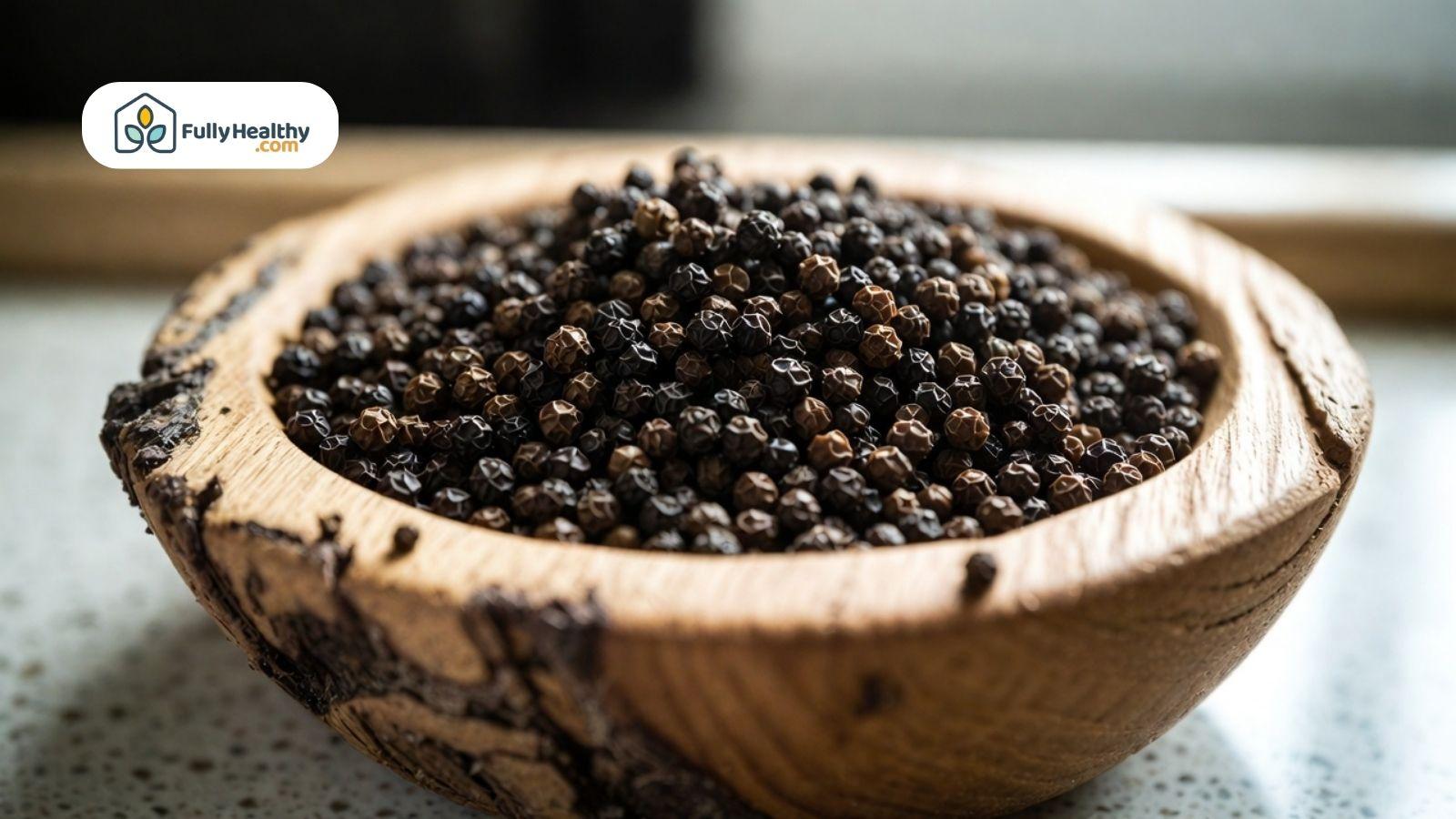
Black pepper comes from a tropical vine and has been used as a popular seasoning since ancient times. Understanding what is black pepper made from helps explain its flavor, aroma, and role in many eastern spices.
The Piper Nigrum Plant Explained
Black pepper is made from the dried unripe fruit of the Piper nigrum plant, a flowering vine grown across Southeast Asia. These berries grow in clusters on a pepper vine and later become black peppercorns after processing.
-
Pepper Plant: A tropical flowering vine that produces berries used as spices.
-
Piper Nigrum: The scientific name of the same plant responsible for black pepper and white pepper.
-
Peppercorns: Small berries that become whole peppercorns before being ground.
-
Dried Unripe Fruit: Harvested while still green and not fully ripe fruits.
-
Berries: These fruits can turn red when mature and contain ripe fruit seeds.
How Peppercorns Become Black Pepper
Black pepper production starts with unripe drupes that are briefly blanched, then dried to develop their dark color and strong flavor. The process keeps the outer layer intact, which gives black pepper its bold aroma.
-
Still Green: Peppercorns immediately picked before they turn red.
-
Boiling Water: Used briefly to clean and accelerate enzymatic browning during drying.
-
Sun Dried: Moisture is removed so the berries shrink and turn black.
-
Outer Layer: Remains intact, preserving pepper's aromatics and flavor.
-
Ground Pepper Derived: Created when whole peppercorns are mechanically ground into ground black pepper.
Is Black Pepper Healthier?
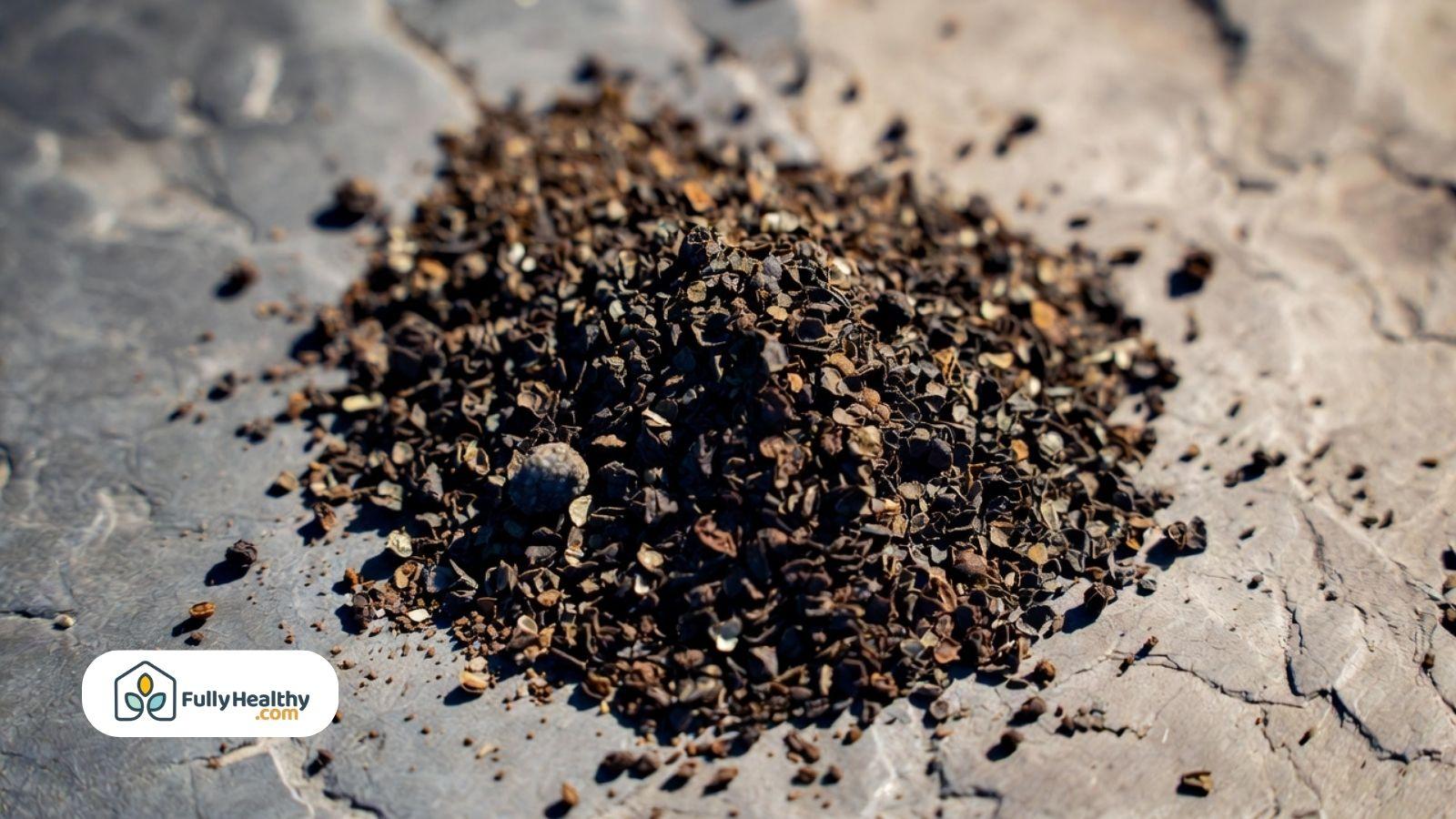
Black pepper is not just for flavor but also for its potential health benefits. Its active compounds support digestion and nutrient absorption when used in cooking.
Key Nutrients and Piperine Benefits
Piperine, which is found in black pepper, gives it its spicy flavor and helps the body do many things. Because it has useful properties, it is often found in eastern spices.
-
Pepper Contains: Piperine, the compound responsible for its spicy flavor.
-
Boosts Absorption: May enhance absorption of certain nutrients and compounds by affecting metabolic enzymes.
-
Antioxidants: Contains compounds that may help reduce oxidative stress based on laboratory studies.
-
Trace Amounts: Provides small levels of minerals like manganese and vitamin K.
-
Digestion Support: Helps release enzymes during cooking and digestion.
How Black Pepper Compares to White and Cayenne
There are differences in the nutrients and processing of different peppers, especially between red and black peppercorns and between red pepper varieties. Maintaining compounds is largely controlled by the outer layer.
-
Black And White Peppercorns: Come from the same plant but processed differently.
-
White Peppercorns: Soaked for about a week to remove the outer layer, leaving a naked seed.
-
Outer Layer: Retained in black pepper, preserving more active compounds.
-
Cayenne Or Red Pepper: Higher in vitamins A and E but different compound profile.
-
Green Peppercorns: Unripe drupes preserved or freeze drying for milder flavor.
Which Country Has The Best Black Pepper?
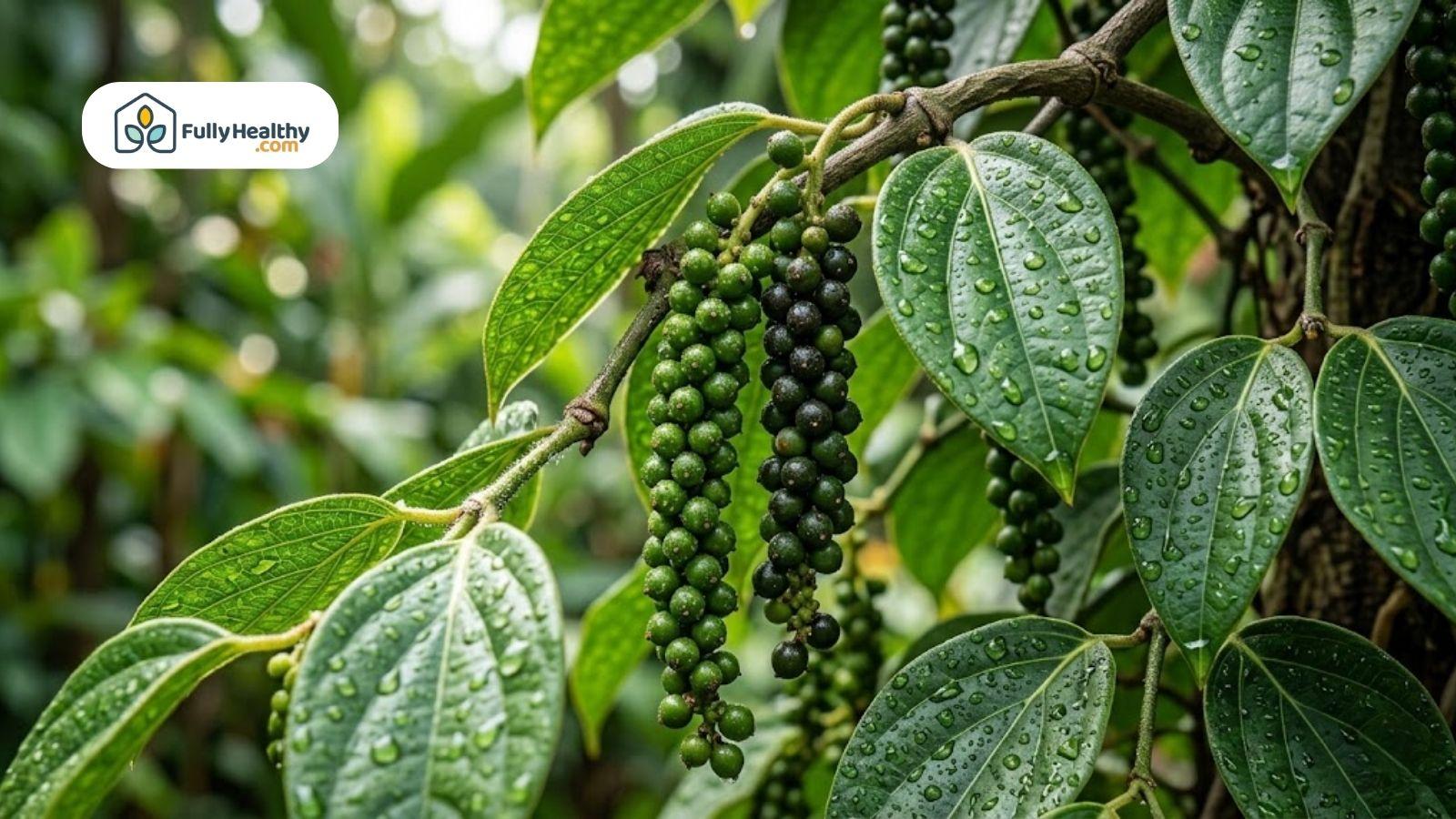
Black pepper is grown across tropical regions, but some countries dominate both production and quality. Climate, soil, and processing methods all influence flavor and aroma.
Top Producers And Global Supply Leaders
Black pepper production is concentrated in Southeast Asia, where conditions support consistent yields and large-scale farming. These countries supply most of the world’s black pepper and other spices:
-
Vietnam: The largest producer globally, leading black pepper production and exports.
-
India: One of the oldest producers, known since ancient times for pepper cultivation.
-
Indonesia: A major supplier with stable output and strong export presence.
-
Southeast Asia: Ideal climate for growing pepper vine crops and unripe drupes.
-
Black Pepper Is Produced: In tropical regions where humidity supports fruit development.
Quality Vs Quantity: Flavor-Based Origins
Some regions are known more for flavor than volume, especially where traditional methods are preserved. These origins often produce pepper with stronger aroma and more complex flavor.
-
India Tellicherry: Known for larger berries and a strong, rich flavor.
-
Cambodia Kampot: Valued for bright aroma and refined taste profile.
-
Aroma: Influenced by soil, drying method, and handling of peppercorns.
-
Flavor: Stronger when sun dried properly and processed with care.
-
Buying Peppercorns: Quality often depends on origin rather than size alone.
Which Pepper Is Better For Digestion?

Different types of pepper support digestion in different ways depending on their active compounds. Black pepper is commonly used to support enzyme activity and gut function.
Black Pepper Vs Other Peppers For Gut Health
Black pepper works differently from cayenne and white pepper due to its Piperine content and retained outer fruit. Each type affects digestion in its own way.
-
Black Pepper: Stimulates digestive enzymes and supports gut function.
-
Cayenne Pepper: Contains capsaicin that may increase metabolism.
-
White Pepper: Milder effect due to removal of the outer layer.
-
Spicy: All peppers support digestion but vary in intensity.
-
Cooking: Heat can influence how these compounds affect digestion.
How Piperine Supports Digestive Efficiency
Specifically, piperine helps the body better use nutrients and food. It supports absorption and helps the digestive system function more efficiently.
-
Piperine: Helps increase absorption of nutrients and compounds.
-
Improves Metabolism: Supports breakdown of food during digestion.
-
Soaked And Processed: Changes compound levels depending on pepper type.
-
Decay Quickly: Active compounds reduce if not stored properly.
-
Ground: Loses potency faster than whole peppercorns.
About FullyHealthy
FullyHealthy offers simple, clean-label foods designed for people who want better ingredient choices. The focus is on products that support everyday cooking and balanced eating.
What FullyHealthy Offers
The online store provides a curated range of foods that align with clean eating and dietary needs. These products are designed to complement common pantry staples like salt and pepper.
-
Spices And Snacks: Supports simple meals with clean ingredients.
-
Other Spices: Pairs well with everyday seasoning choices.
-
Seasoning: Helps improve flavor without unnecessary additives.
-
Cooking: Fits into daily routines focused on whole foods.
-
Popular Seasoning: Complements black pepper in many dishes.
Featured Products For Simple Nutrition
FullyHealthy features convenient options that support quick meals and simple nutrition. These products either contain black pepper or pair well with it to enhance flavor and everyday cooking.
-
Simply Organic Black Pepper 4 oz: A clean, organic source of ground black pepper made from whole peppercorns, ideal for seasoning and handheld pepper mills use.
-
Wild Zora Quick Quinoa Meal Fiesta Beef: A ready meal that includes spices and black pepper, adding a spicy and savory flavor profile.
-
Wild Zora Instant Soup Roasted Pumpkin: A simple soup blend that pairs well with added ground pepper to enhance aroma and depth during cooking.
Final Thoughts
Today, black pepper is still one of the most popular spices, both as a seasoning and for its strong taste. Long ago, people used to trade it as "black gold," which comes from the dried fruit of the pepper vine. Each type, such as green pepper, long pepper, and even green pepper drupes that haven't been preserved, can be used for different things.
Red peppercorns and pink peppercorns come from different plants. Pre-ground pepper doesn't last as long. Make good use of it when cooking every day.
FAQs
What Is The Main Ingredient In Black Pepper?
The main ingredient in black pepper is the dried unripe berries of the Piper nigrum pepper plant, known as black peppercorns.
What Is White Pepper Made Of?
White pepper is made from the ripe berries of the Piper nigrum plant, with the outer layer removed to leave only the inner seed.
What Is The Difference Between Black Peppercorns And Pink Peppercorns?
Black peppercorns come from the Piper nigrum pepper plant and are dried unripe berries, while pink peppercorns come from a different plant (the Peruvian peppertree) and are not true pepper.
How Does Pre Ground Pepper Compare To Whole Peppercorns?
Pre ground pepper loses its aroma and flavor faster, so it has a shorter shelf life, while whole peppercorns stay fresh longer and keep their stronger taste until freshly ground.
What Are Unpreserved Green Pepper Drupes And Red Peppercorns?
Unpreserved green pepper drupes are fresh, unripe berries of the Piper nigrum plant that haven’t been dried or preserved, while red peppercorns are fully ripe berries that have matured and turned red before drying.
Leave a comment