

What Is Bread Flour? Learn the Difference and When to Use It
What is bread flour? It's a wheat flour with a lot of protein that is made for baking bread that is chewy and has a lot of structure. It makes strong gluten that helps dough rise and keep its shape, unlike all-purpose flour.
Bread flour is best for recipes that use yeast, like pizza, sourdough, and bagels. This guide talks about what makes it different, when to use it, how to substitute it, and why it's important for making perfect homemade bread.
Featured Pantry Pick
Base Culture // Original Gluten Free Keto Bread - 16 oz
Loading...
What Is Bread Flour?
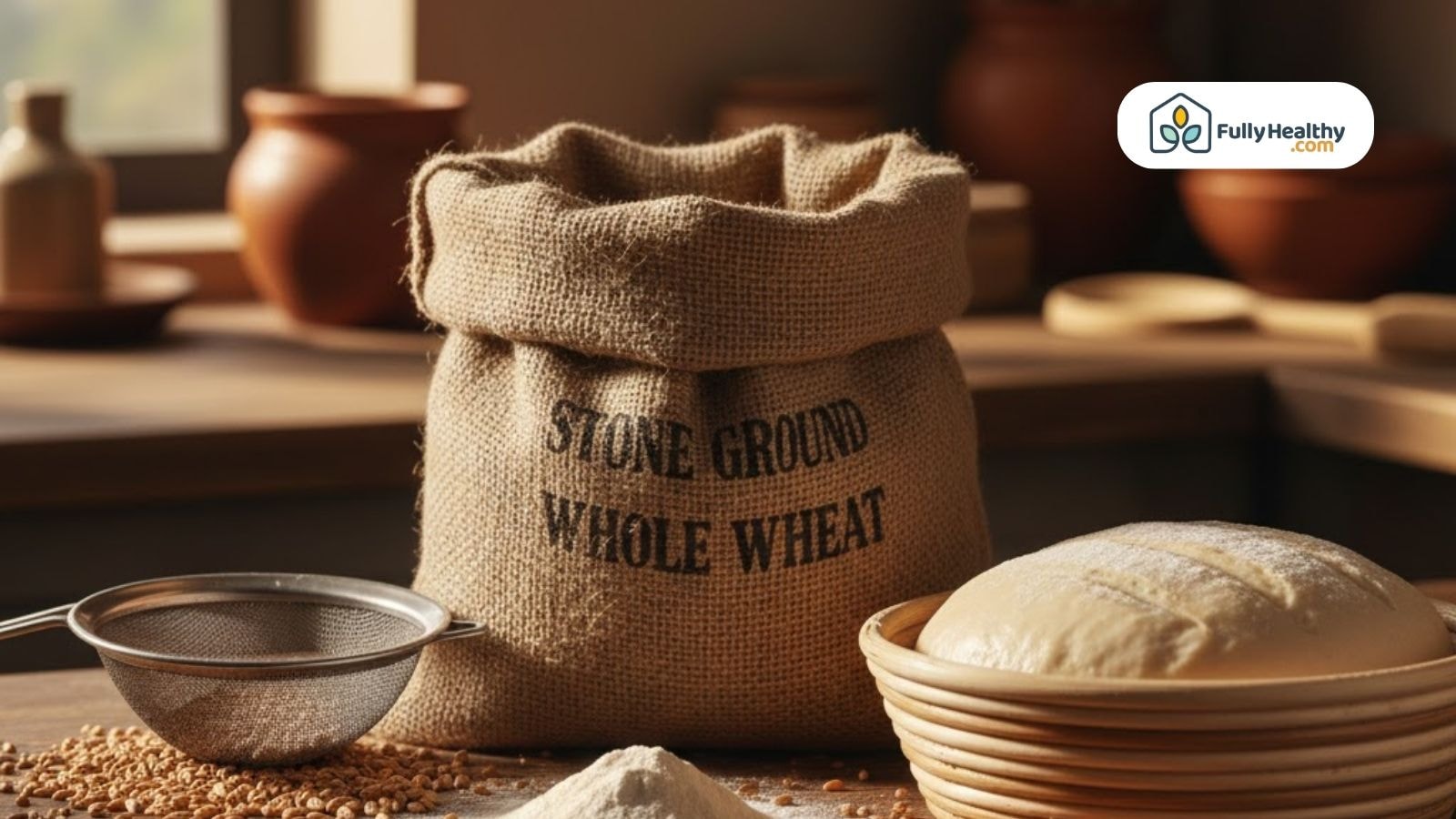
Bread flour is typically made from hard wheat, and while commonly available as white flour, it is also produced in whole wheat varieties. It has more protein than all-purpose flour. This has more protein, which helps gluten form. That makes it great for bread dough that needs to keep its shape and rise well. Bread flour is the best way to get a chewier loaf if you're baking at home.
What Makes Bread Flour Different From Other Flours
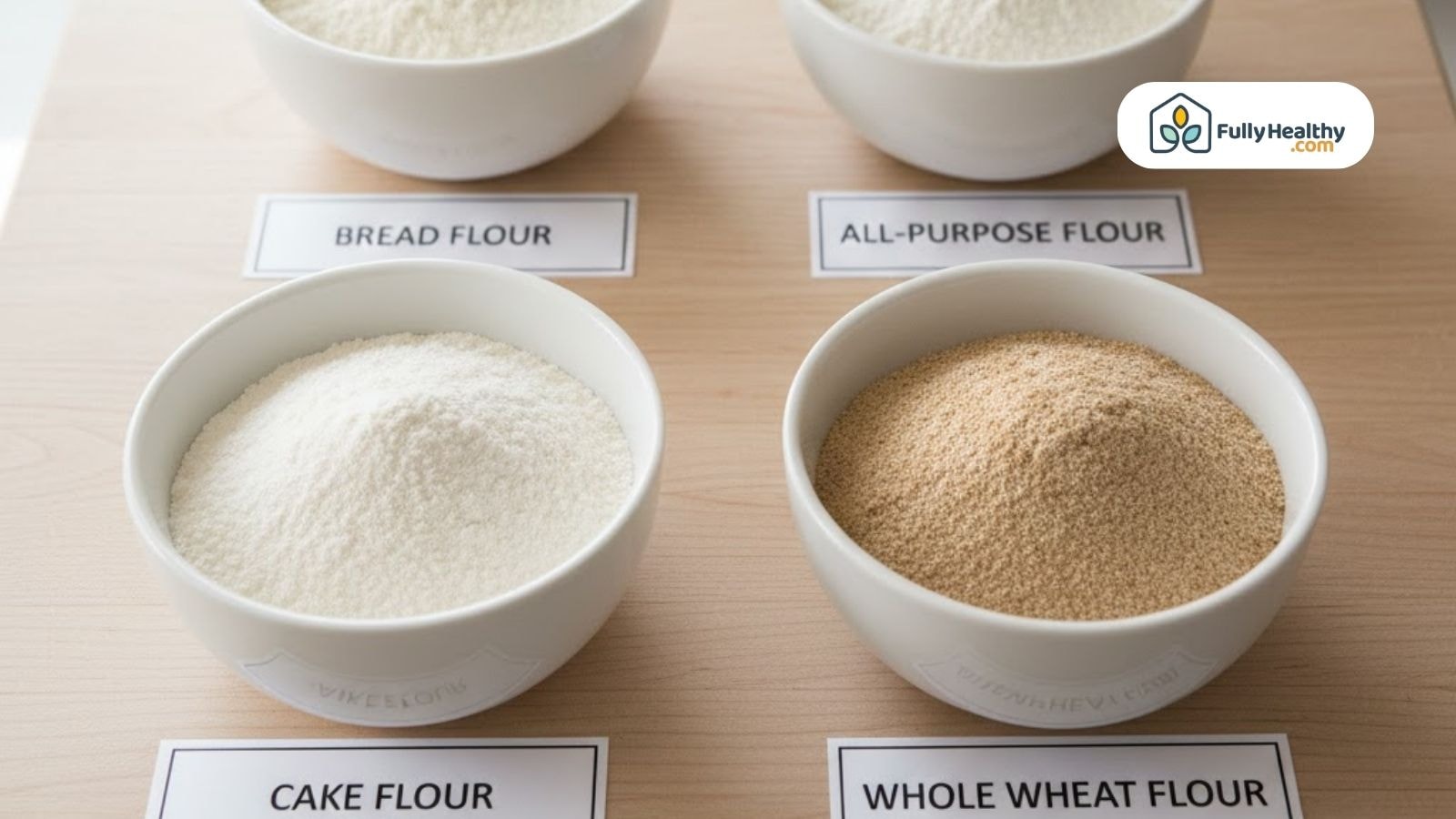
Bread flour has more protein than cake flour, pastry flour, and other kinds of flour. Bread flour has more protein, which helps make more gluten. This makes baked goods that need to rise and keep their shape better in terms of structure and texture.
-
Protein Content: Bread flour typically contains 12–14% protein, higher than most all-purpose flours, which generally range from 9–12%, depending on the brand and region.
-
Gluten Formation: More protein means more gluten, which makes dough that is stronger and can rise well.
-
Baking Results: It's great for making bread for sandwiches, crusty loaves, and chewy baked goods.
-
Compared To Others: Cake flour and pastry flour have less gluten and are better for cakes that are soft and have a tender crumb.
-
Used For: Recipes that need more structure and a chewier texture.
Why Bread Flour Is Essential In Yeasted Recipes
Recipes that use yeast need strong gluten to trap the gases that the yeast makes. Bread flour is the best choice for this because it makes your dough stronger and helps it rise. Bread may turn out flatter and softer if the dough lacks sufficient gluten development.
-
Gluten Development: Strong bread flour helps the dough rise for a long time and keeps its shape.
-
More Rise: Helps bread rise higher in the oven by holding gas bubbles.
-
Chewier Texture: The bread is chewier, has a hard crust, and is soft on the inside.
-
Avoid Using: Self-rising flour or bleached flour, which don't work well in these recipes.
-
Works Best For: Yeast-based baked goods like pizza dough, bagels, artisan bread, and more.
Is Bread Flour The Same As Plain Flour?

Bread flour and plain flour look the same, but they are made for different kinds of baking. Bread flour has more protein and gluten, while plain flour is more versatile and has less gluten. The flour you choose affects how your final product turns out.
Comparing Structure, Texture, And Protein
Bread flour and plain flour are different because of the amount of gluten they make and the texture they give. Bread flour is better for things that need a lot of structure, and plain flour is better for things that don't need as much structure.
-
Protein Levels: Bread flour has more protein than plain flour, which makes the dough stronger.
-
Texture Output: Bread flour makes things chewy, but plain flour makes them softer.
-
Gluten Makes a Difference: Bread holds its shape better with more gluten and has a softer crumb with less gluten.
-
Right Fit: Use plain flour for cookies, cakes, and muffins, and bread flour for bread.
Can You Swap Them Freely In Recipes?
You can use bread flour and all-purpose flour instead of each other in some situations, but don't expect the same results. Swapping may change how your baked goods feel, how much they rise, and how chewy they are.
-
Substitute Bread Flour: If you need to, you can use AP flour, but the bread might be softer and have less structure.
-
Main Difference: How much rise and chew you get depends on the gluten content in it.
-
Best Use Cases: Use the right kind of flour to bake well.
-
Wrong Swaps: Using bread flour in cakes can yield a dense texture, while plain flour in artisan loaves may result in reduced rise and structure.
Can You Substitute Regular Flour For Bread Flour?
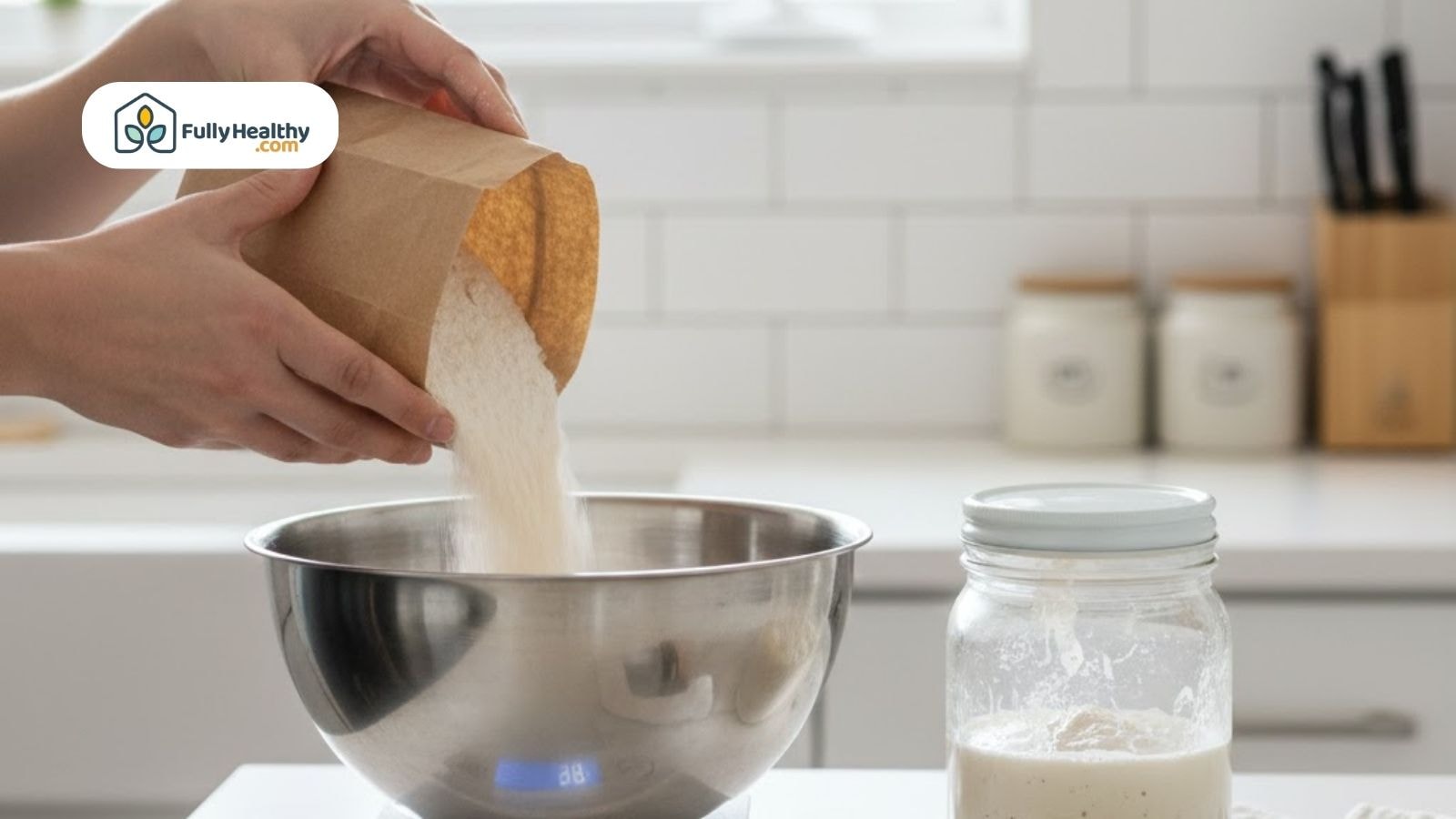
If you don't have bread flour, you can make it at home with AP flour and vital wheat gluten. This will help you get close to how well strong flour is used in professional baking.
How To Make A DIY Bread Flour Substitute
Adding vital wheat gluten to all-purpose flour will make it have more gluten. This increases the amount of protein and makes bread recipes work better.
-
Simple Formula: Take out 1 teaspoon of all-purpose flour, and add 1 teaspoon of vital wheat gluten.
-
Why It Works: Increases the protein found in flour for better gluten formation.
-
Use This Mix For: Foods like pizza dough and sandwich bread that need more structure in their recipes.
What To Expect When Using Regular Flour Instead
Using all-purpose flour without changing anything might give different results. The last bread might be softer and flatter because there was less gluten.
-
Softer Texture: Bread made with only AP flour won't be as chewy.
-
More Liquid Needed: Bread flour absorbs more water due to its higher protein content, so recipe hydration levels may need slight adjustment.
-
Flatter Loaf: The loaf might spread or fall apart a little.
-
Best Uses: Try this in simple loaves or when you don't care about the food styling.
Is Self-Rising Flour Bread Flour?
No, bread flour and self-rising flour are not the same. These two flours are used for very different things in baking. Bread flour is made from hard wheat and has more protein, which helps gluten grow and gives yeast-based doughs their shape.
On the other hand, self-rising, which contains baking powder and salt, is best for quick recipes like biscuits (in the U.S.) or scones (in the U.K.), though exact formulations vary by region. Changing these flours can make the bread's texture and structure worse.
Ingredient Differences And Gluten Levels
Bread flour and self-rising flour are different because of the ingredients they have and how much gluten they can make. Bread flour is made to make strong gluten, which gives bread its shape. Self-rising flour has less protein and contains chemical leavening, which is not good for recipes that use yeast.
-
Protein Content: Bread flour has more protein than self-rising flour, which is made from all-purpose flour with less protein.
-
Gluten Strength: Bread flour makes gluten better, while self-rising flour makes less gluten.
-
Added Ingredients: Self-rising flour has baking powder and salt, which can make it hard for yeast to ferment.
-
Flour Type: Bread flour has a lot of gluten, and self-rising flour is a low-protein flour that is already mixed.
-
End Results: Using self-rising flour instead of bread flour makes bread that doesn't turn out well, especially in recipes that need to rise and have a strong shape.
When To Use Each Flour Correctly
Using the right flour is very important for getting the best baking results. Bread flour is for yeast recipes, and self-rising flour is for quick, easy bakes that don't need much structure.
-
Best For Breads: If you want to make sourdough, crusty loaves, or any other bread that needs a strong structure, use bread flour.
-
Best For Quick Bakes: If you want to make biscuits, pancakes, or muffins that are light and fluffy, use self-rising flour.
-
Avoid Mistakes: Using self-rising flour in yeast recipes can hurt gluten formation and ruin your bread.
-
Helpful Tip: Before you make any changes, always see if your bread recipe needs a certain kind of flour.
What Does Fully Healthy Offer For Baking?
Fully Healthy is a one-stop shop for bakers who want to be healthy. It has a lot of baking ingredients that are good for special diets like gluten-free, grain-free, and AIP (Autoimmune Protocol).
This is especially useful for people who bake at home and want to have more control over the ingredients without losing flavor. This site has options that help you make better food choices, whether you want to avoid grain flours or find whole wheat flour substitutes.
What Baking-Friendly Products Are Available?
The platform has flours, mixes, and sweeteners that make baking cleaner easier. These choices are great for people who don't want all-purpose blends and wheat flour.
-
Flour Choices: Provides options other than grain flours, such as whole grain and nut-based flours.
-
Sweeteners: Contains natural sugar substitutes that come from coconut, maple, or dates.
-
Pre-Made Mixes: Includes mixes for cookies, brownies, and bread that are easy to use and fit into restricted diets.
-
Known Brands: Stocks trusted names that focused on clean-label baking.
-
Inclusive Offerings: Supports diets in North and South America by offering products that are good for each region.
How FullyHealthy Supports Specialty Diets
The store helps bakers who don't use common ingredients like bran or wheat flour. It lets people filter by dietary need and find certain kinds of flour that are good for them.
-
User Filters: It's easy to filter products by gluten-free, grain-free, or AIP needs.
-
Ingredient Labels: Products show how much protein they have, which helps people choose the right flour for structure.
-
Allergy-Friendly: Many things don't have dairy, soy, or other common allergens.
-
Easy for Beginners: Offers beginner kits for people who are new to clean baking at home.
-
Educational Support: Helps people learn how different kinds of flour and bread change the final product.
Final Thoughts
Knowing what bread flour is helps every home baker achieve better bread. Bread flour has more protein than plain, cake, or pastry flour. The main difference between bread flour and plain flour, cake flour, or pastry flour is the higher protein content, which gives more gluten forming potential for stronger bread dough.
Using the right flour, like high-gluten flour or strong flour,, helps gluten develop better, rise more, and stay in shape. If you want chewier bread, don't use bleached flour, self-rising flour, or low-protein flour. Whole wheat, whole grain, and bran-rich flours typically produce denser, coarser-textured bread due to bran interfering with gluten development.
FAQs
What is the best substitute for bread flour?
The best substitute bread flour option is ap flour mixed with vital wheat gluten for similar gluten-forming potential and protein content in bread dough.
What is the best flour to use for bread?
High gluten flour or strong flour is best for bread results with more rise, more structure, and proper gluten development using specific flour like bread flour.
Can I use all-purpose flour for bread?
Yes, but ap flour has less protein and less gluten, so resulting bread may have softer texture and less structure than using strong bread flour.
Which type of flour is most commonly used in bread making?
Bread flour is most used because it has higher protein percentage than plain flour, cake flour, or pastry flour, giving better texture in flour and bread.
What is the healthiest flour to use in bread making?
Whole grain or whole wheat flours are often considered more nutritious due to higher fiber and micronutrient content compared to refined flours.
Leave a comment