

What Is Flour Made Of? Why Your Flour Choice Matters
What is flour made of? Flour is usually made from ground wheat, but it can also come from rice, oats, almonds, coconut, cassava, chickpeas, and other plants. There is no release date to report because flour is not a new product or show.
Instead, this guide explains what flour contains, how whole and refined flour differ, why some people avoid it, and how to choose the right option for baking, health, or special diets at home or in stores today.
Featured Baking Pick
Bob's Red Mill // Gluten Free 1-to-1 Baking Flour - 44 oz
Loading...
What Is Flour Made Of?
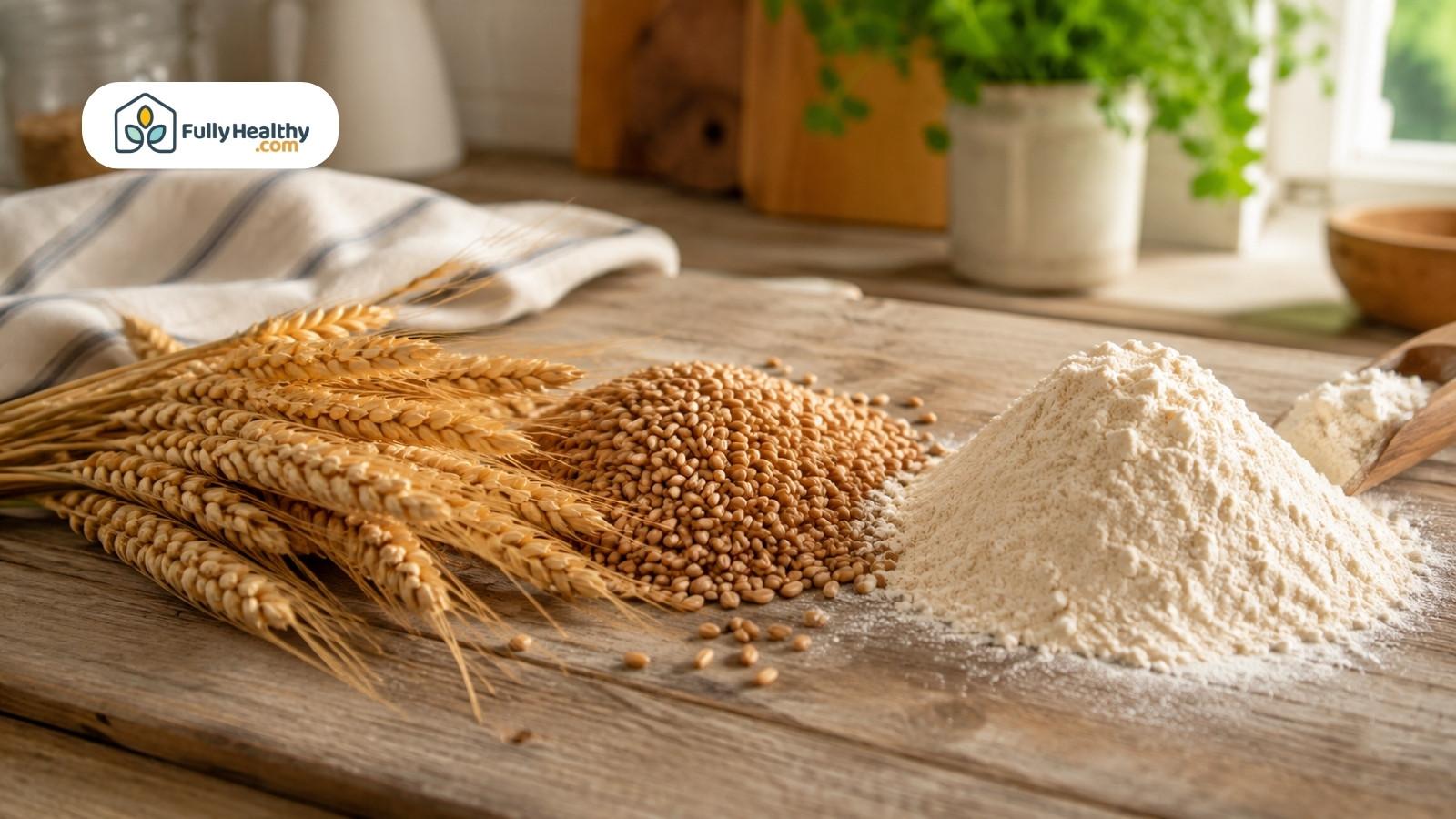
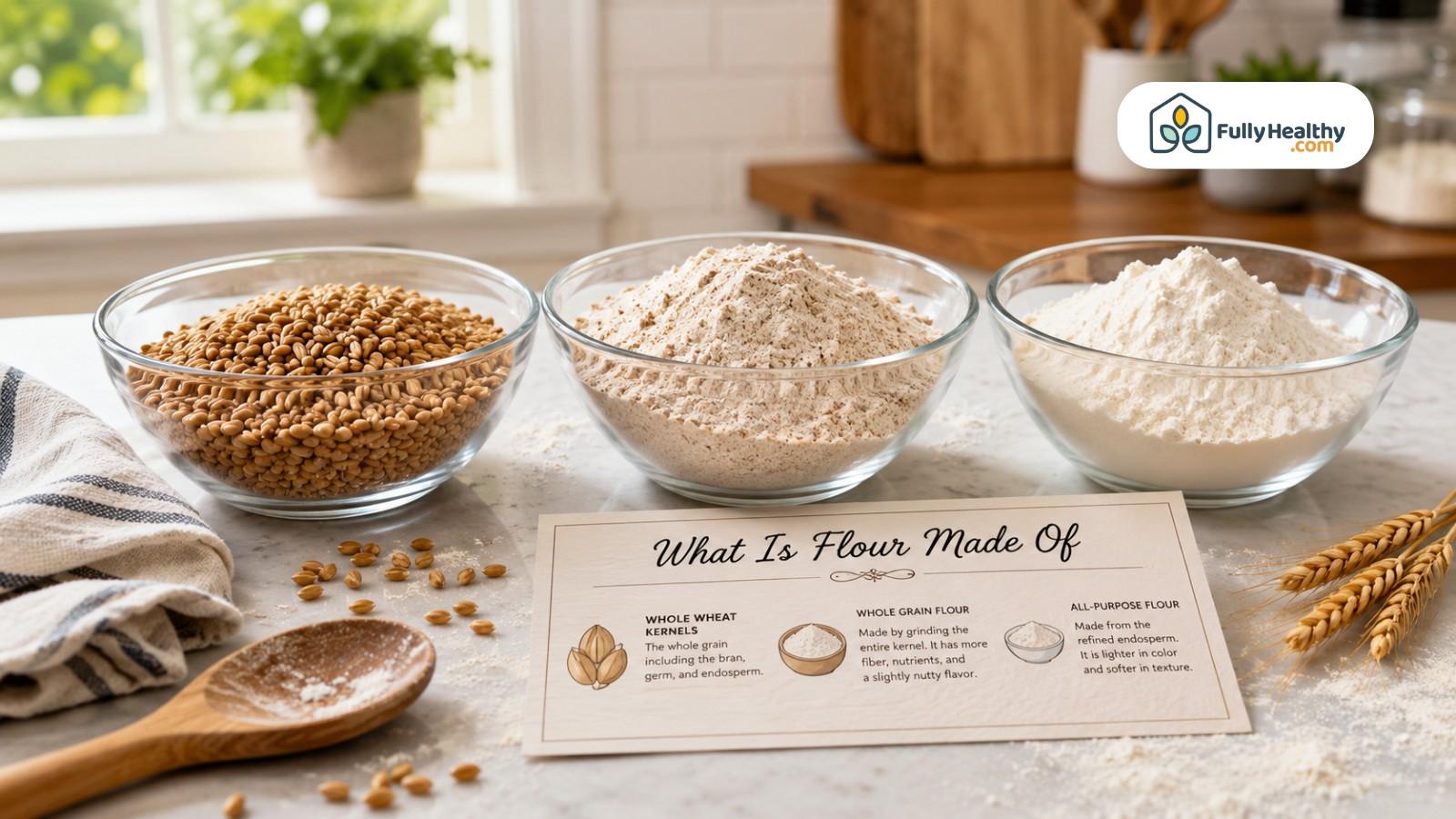
Flour3 is made by grinding a plant food into powder. Most wheat flour starts with the wheat plant and wheat grain. A wheat kernel has wheat bran, wheat germ, and endosperm. Some flours keep all parts, while others use just the endosperm.
The Main Parts Of Wheat Flour
The entire wheat kernel creates whole grain flour with fiber and a slightly nutty flavor. Whole wheat, whole wheat flour, wholemeal flour, and white whole wheat flour differ in color and taste.
-
Bran: This outer layer adds fiber, color, and a firmer bite.
-
Germ: This nutrient-rich part adds oils, flavor, and shorter shelf life.
-
Endosperm: This starchy center helps produce white flour and soft flour.
Common Flour Types And Uses
Wheat types produce flour with different protein levels. Bread flour is a high protein flour for baking breads and bread baking. Cake flour, pastry flour, and plain flour often come from soft wheat for tender goods.
-
Everyday choices: All purpose flour, purpose flour, and unbleached flour work well for many recipes.
-
Specialty choices: Self rising flour includes baking powder and salt, while bleached flour is treated to look whiter.
-
Non-wheat choices: Oat flour, corn flour, barley flour, and rye flour bring different flavors and textures.
Is Flour Healthy Or Unhealthy?
Flour is not always healthy or unhealthy. It depends on the type, amount, and recipe. Whole wheat flour gives more fiber, while white flour feels lighter but less filling. Raw flour should not be eaten because it may carry germs before cooking.
When Flour Can Support Better Meals
Whole grain flour can fit a balanced diet when paired with protein, fruits, vegetables, or healthy fats. It helps when you bake at home because you control sugar, salt, and portions.
-
Better choice: Whole wheat and wholemeal flour keep more natural grain parts.
-
Baking balance: Use bread flour for strong dough and pastry flour for soft baked goods.
-
Flavor note: Whole grain options add a slightly nutty flavor.
When Flour-Based Foods Need Limits
Flour-based foods become less helpful when they include too much sugar, fat, or refined starch. Cookies, pastries, and packaged snacks may use white flour with little fiber, so they digest faster.
-
Refined texture: White flour helps produce white flour products with a soft crumb.
-
Recipe helpers: Baking soda and baking powder help batters rise, but they do not add fiber.
-
Smarter swap: Mix whole wheat flour with all purpose flour for better texture and nutrition.
Why Are People Avoiding Flour?
People avoid flour for different reasons. Some need to avoid wheat because of gluten. Others reduce refined flour to support blood sugar, digestion, or weight goals. Best choice depends on health needs, not fear.
Gluten, Digestion, And Personal Needs
Wheat, durum wheat, rye flour, and barley flour contain gluten, so they are not safe for people with celiac disease. Others may choose oat flour, corn flour, or gluten-free blends if wheat feels hard to digest.
-
Medical reason: Celiac disease requires strict gluten avoidance.
-
Personal reason: Some people feel better when they eat fewer wheat-based foods.
-
Baking reason: Gluten-free flour blends often need more moisture or binders.
White Flour, Processing, And Better Swaps
Many people avoid refined flour because it uses just the endosperm and removes the bran and germ. This makes baked foods softer, but gives less fiber than whole grain choices.
-
Processing point: Mills produce flour in many textures and produce white flour for lighter baking.
-
Better choice: White whole wheat flour gives a mild taste with more whole grain value.
-
Kitchen tip: Store flour well, measure carefully, and match each flour to the recipe.
What Do Amish Use For Flour?
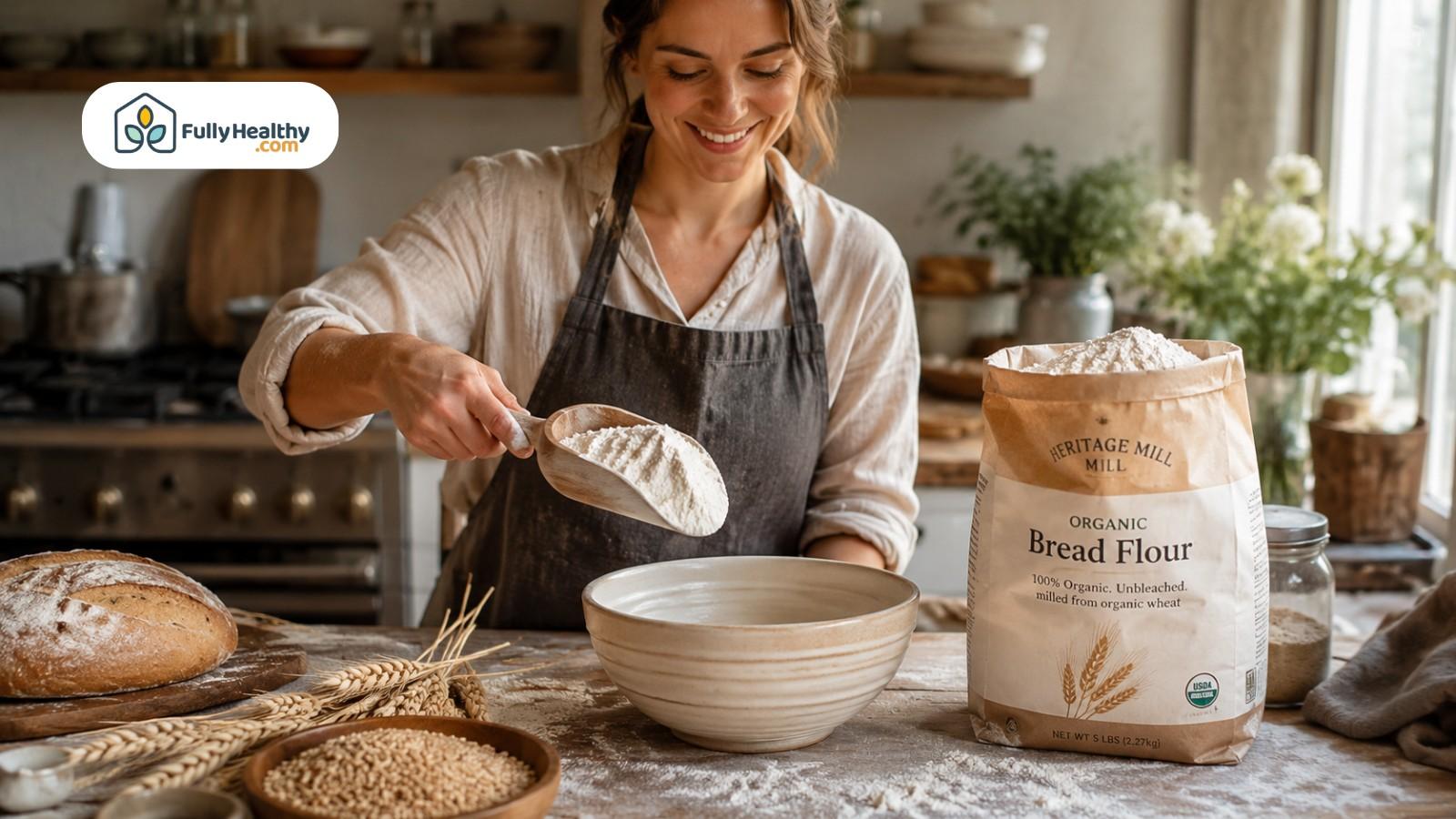
Amish baking often uses simple pantry flour for bread, rolls, noodles, and pies. Many stores tied to Amish-style foods sell practical types of flour for home baking. The right flour still depends on the recipe, because not all flour works the same.
Common Flour Choices In Amish-Style Baking
Many Amish-style recipes use wheat-based flour because it is easy to find and dependable. Hard and soft wheat both matter because each one gives a different result. Hard wheat has higher protein content, while soft wheat creates softer baked goods.
-
Everyday flour: Plain flour and commercial flour are often used for biscuits, rolls, cakes, and simple family recipes.
-
Bread flour: Strong flour from hard wheat gives dough more structure, which helps with bread baking.
-
Tender flour: Lower-protein flour works better for pie crusts, cookies, and cakes because it creates a softer bite.
Why Flour Choice Changes The Final Bake
The right flour affects chew, rise, softness, and flavor. Some flours create firm bread, while others create a finer texture for pastries. This is why home bakers and artisan bakers choose flour based on what they are making.
-
For bread: Choose higher-protein flour when you want strong dough and better rise.
-
For cakes: Choose softer flour when you want a light and airy texture.
-
For shortcuts: Self raising flour already includes a raising agent, so check if the recipe needs extra baking powder or baking soda.
How FullyHealthy Helps You Choose Flour-Based Products
FullyHealthy can help shoppers compare specialty flour products without checking many grocery stores. This is helpful if you want gluten-free, paleo, AIP, or allergy-aware baking options. It also helps you choose the right flour for steady and simple baking at home.
How Flour Is Made Before It Reaches You
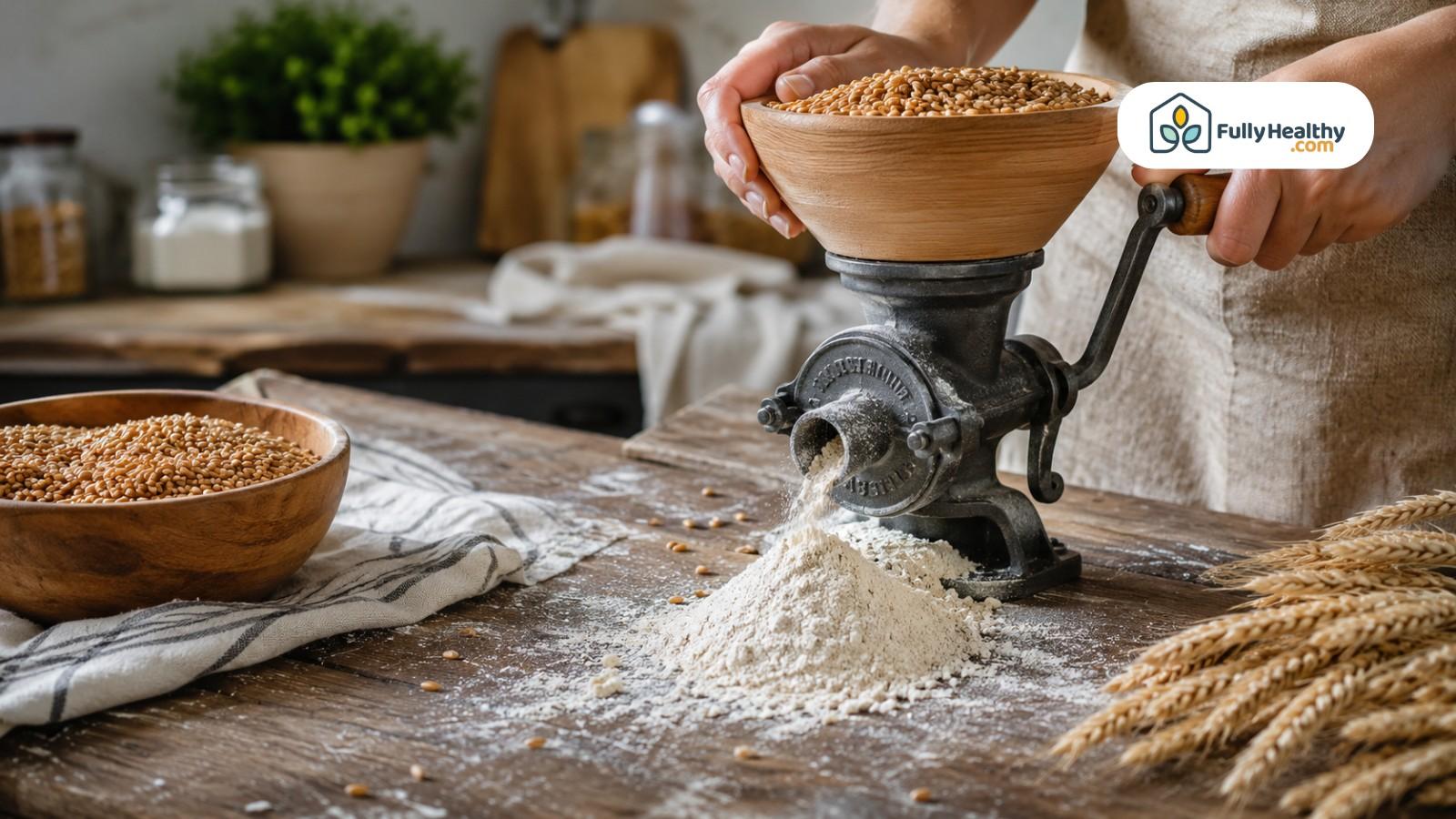
Most flour starts when wheat arrives at a mill. During the milling process, machines grind grain into smaller pieces. Modern roller mills separate the bran, germ, and starchy endosperm, then create flour that is finely ground for baking.
-
White flour: This usually comes mostly from the starchy endosperm for a lighter result.
-
Whole grain flour: This keeps more parts of the wheat kernel for more fiber and flavor.
-
Other uses: Ground grains can also appear in breakfast cereals, baking mixes, and other pantry foods.
How To Pick The Right Flour-Based Product For Your Needs
FullyHealthy is useful when you need clear product choices for special diets. Gluten-free baking flour can help if wheat is not a good fit. Almond and tigernut-based mixes may also work for certain diet plans.
-
AiPeazy option: AiPeazy Flatbread Pizza Crust Mix With Tigernut Flour 10.3 oz can help you make an AIP-style pizza crust.
-
Simple Mills option: Simple Mills Pumpkin Muffin & Bread Almond Flour Mix is useful for quick muffins or bread with almond flour.
-
Bob’s Red Mill option: Bob’s Red Mill Gluten Free Baking Flour 1 To 1 44 oz can help with gluten-free baking swaps.
-
Smart buying tip: Check the label, match the product to your recipe, and choose the flour mix that fits your diet.
Final Thoughts
Understanding what flour is made of helps you choose better ingredients for everyday cooking and baking. Different flours can change the taste, texture, rise, and nutrition of your recipe.
Some flours have more protein for bread, while others have less gluten for softer results when making cakes or pastries. Flour can also be used as a thickening agent in sauces, soups, and gravies. Some types are better for making pasta, while other flours work for gluten-free or special diets.
Wheat-based flour may contain b vitamins, fiber, and minerals, especially when it is whole grain. Even flour byproducts can be used in animal feed. Pick the flour that matches your recipe and health needs.
FAQs
What Type Of Flour Is Best For Bread?
Bread flour is often best for bread because it has more protein, which helps create strong dough and better rise.
Which Flour Works Best For Cakes?
Cake flour is often used for making cakes because it has less gluten, which helps create a soft and light texture.
Can Flour Be Used Outside Baking?
Yes, flour can work as a thickening agent for sauces, soups, and gravies, and some milling byproducts may be used in animal feed.
What Flour Is Good For Pasta?
Durum wheat flour or semolina is commonly used for making pasta because it gives pasta a firm bite and good structure.
Are All Flours The Same?
No, different flours and other flours vary in protein, fiber, b vitamins, texture, flavor, and how they work in recipes.
Leave a comment