

What Is Himalayan Pink Salt? Is It Better Than Table Salt?
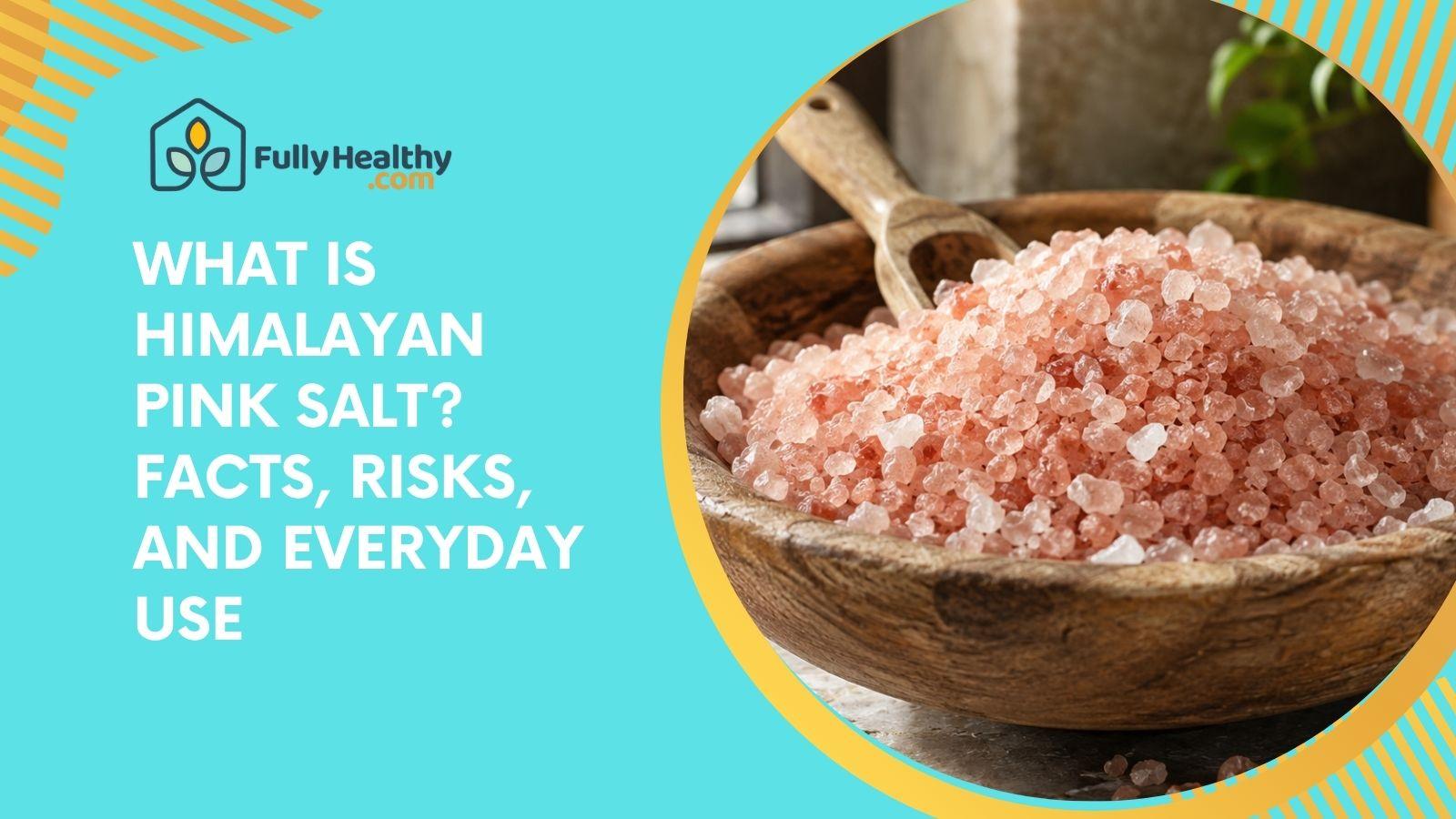
Himalayan pink salt is a natural rock salt mined in Pakistan. It is mostly sodium chloride, like regular table salt, but it contains small amounts of minerals that give it a pink color. People use it for cooking, seasoning, and some skin care routines. This article explains what Himalayan pink salt is, its possible benefits, daily use, health risks, and how it compares with normal salt in simple, clear terms.
What Is Himalayan Pink Salt?
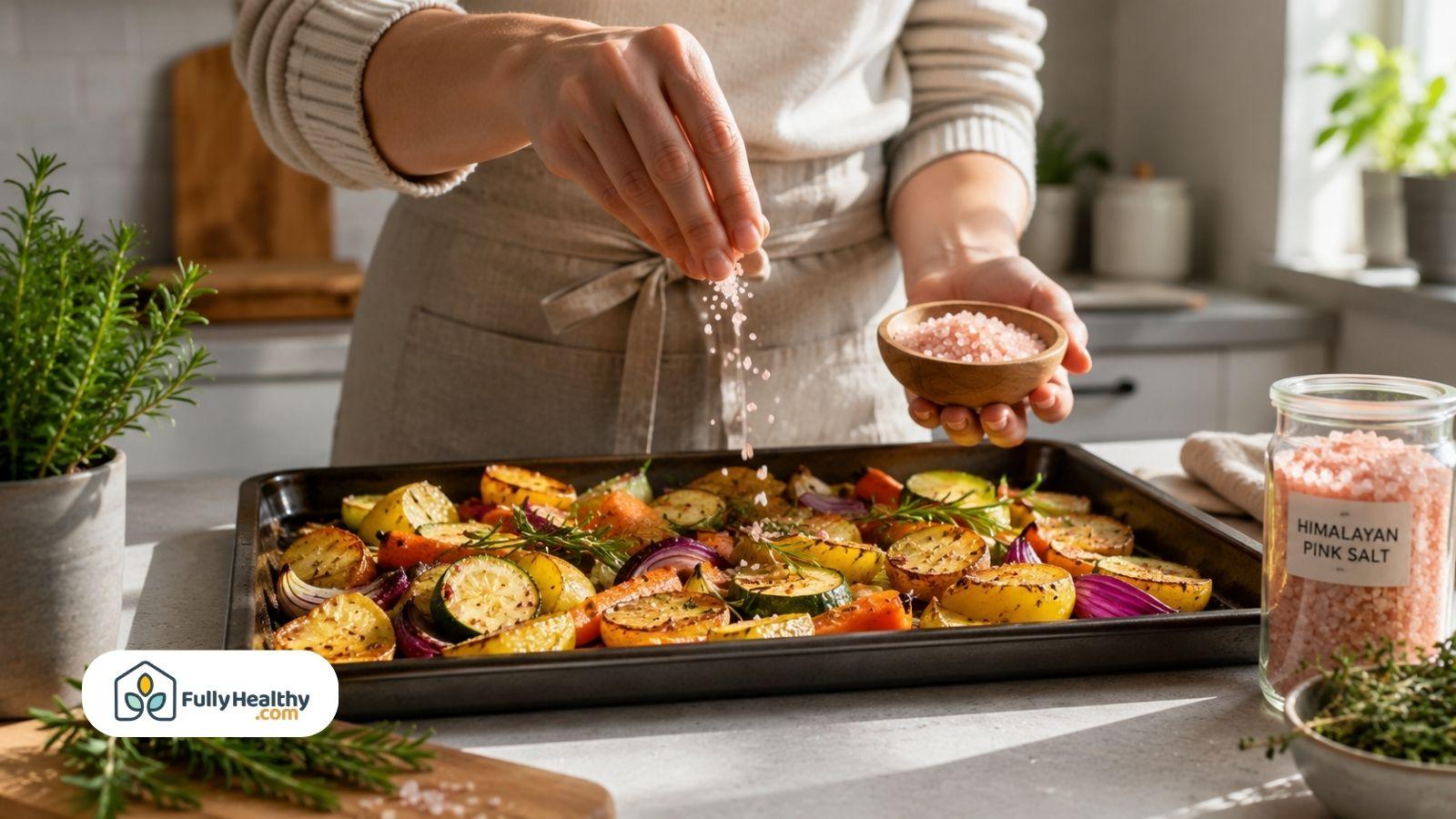
Himalayan pink salt is generally mined from Pakistan’s Salt Range in Punjab, including the Khewra area, south of the main Himalayan range. It is mostly sodium chloride, like common table salt. Its pink color comes from trace minerals. Research does not show major health benefits, so it should be used in moderation.
Where Does Himalayan Pink Salt Come From?
Himalayan pink salt formed millions of years ago after ancient seawater evaporated and left underground. The deposits formed through evaporation of ancient saline waters; their geological age varies among Salt Range formations and should not be described only as ‘millions of years ago’ without specifying the deposit.
Miners remove, clean, and crush the salt into different sizes. It is mined near the Himalayan region, not from mountain peaks.
-
Origin: The salt comes from underground deposits in Pakistan.
-
Processing: The crystals are cleaned and sorted into fine or coarse sizes.
-
Availability: It is often sold beside sea salt and common table salt.
What Is Himalayan Pink Salt Made Of?
Like regular salt, Himalayan pink salt is mainly sodium chloride. It also contains small amounts of minerals that create its color. These minerals do not provide major nutrition, so readers should rely on a balanced diet for essential nutrients.
-
Main Ingredient: Sodium chloride makes up most of the product.
-
Trace Minerals: Trace minerals vary among products; iron compounds are primarily associated with the pink coloration, while calcium, magnesium, and potassium contribute to mineral composition but are not established as the principal color-producing agents.
-
Nutrition: The mineral levels are too low to replace healthy foods.
What Is Himalayan Pink Salt Good For?
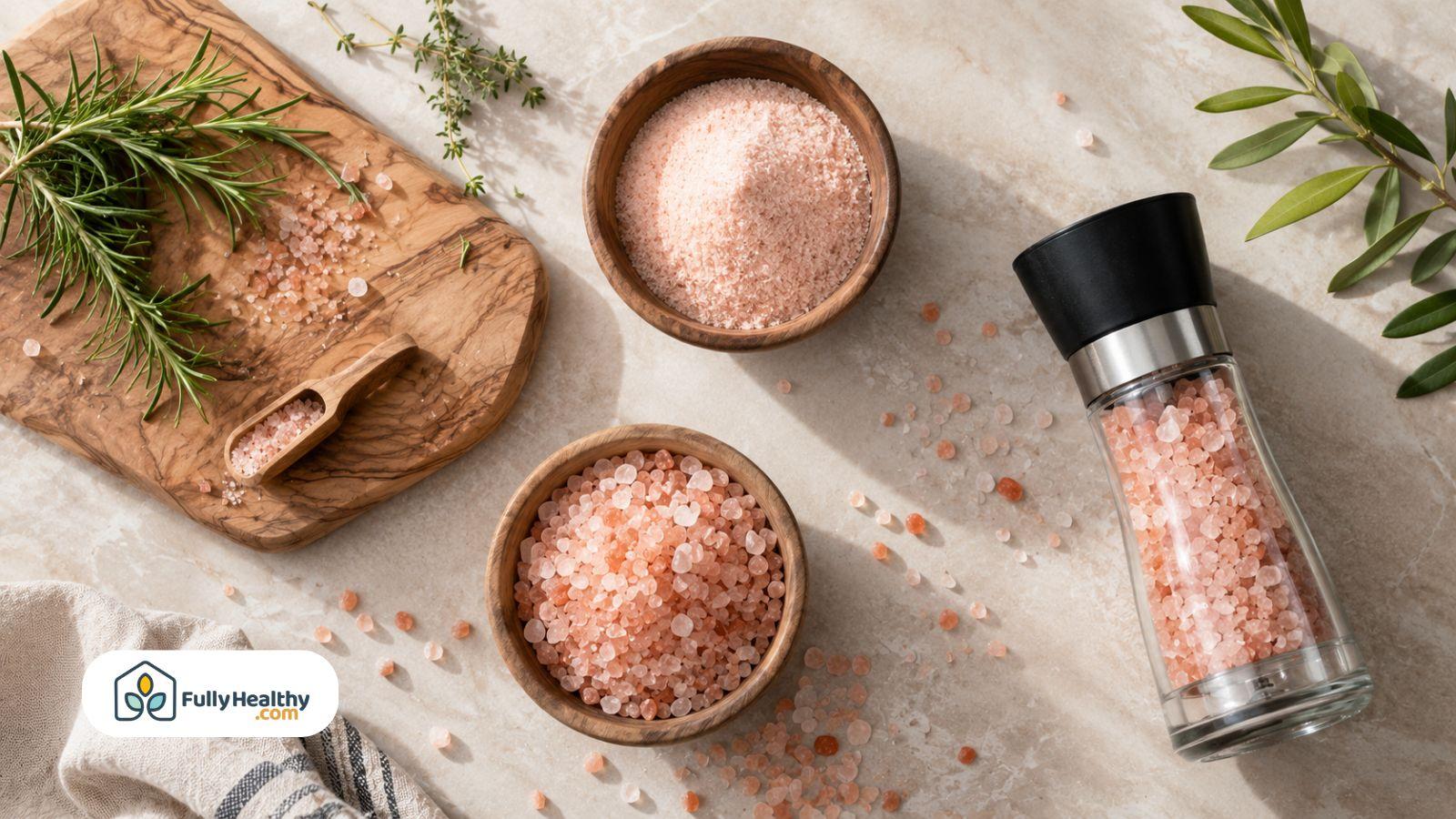
Himalayan pink salt is mainly used to season food and improve flavor. Some products promote it as a wellness ingredient, but research has not confirmed most of the claimed health benefits.
What Is Himalayan Pink Salt Good for in Cooking?
Himalayan pink salt comes in fine and coarse forms. Fine salt mixes easily into soups, sauces, and baked foods. Larger crystals add texture to finished dishes. It can replace sea salt or regular table salt in recipes.
-
Seasoning: It adds flavor to vegetables, meats, seafood, soups, and salads.
-
Finishing: Coarse crystals add texture and visual appeal.
-
Portion Control: Use small amounts because all salt adds dietary sodium.
Can Himalayan Pink Salt Improve Health?
Some claims say Himalayan pink salt improves hydration, supports weight loss, or removes toxins. Scientific evidence does not support these ideas. Like other salts, it provides sodium, which helps fluid balance and normal nerve function.
-
Hydration: Sodium supports fluid balance, but pink salt is not proven to be better.
-
Evidence: Most claimed health benefits need stronger support.
-
Practical Use: Choose it for flavor, not as a medical treatment.
Is It Okay to Eat Himalayan Salt Every Day?
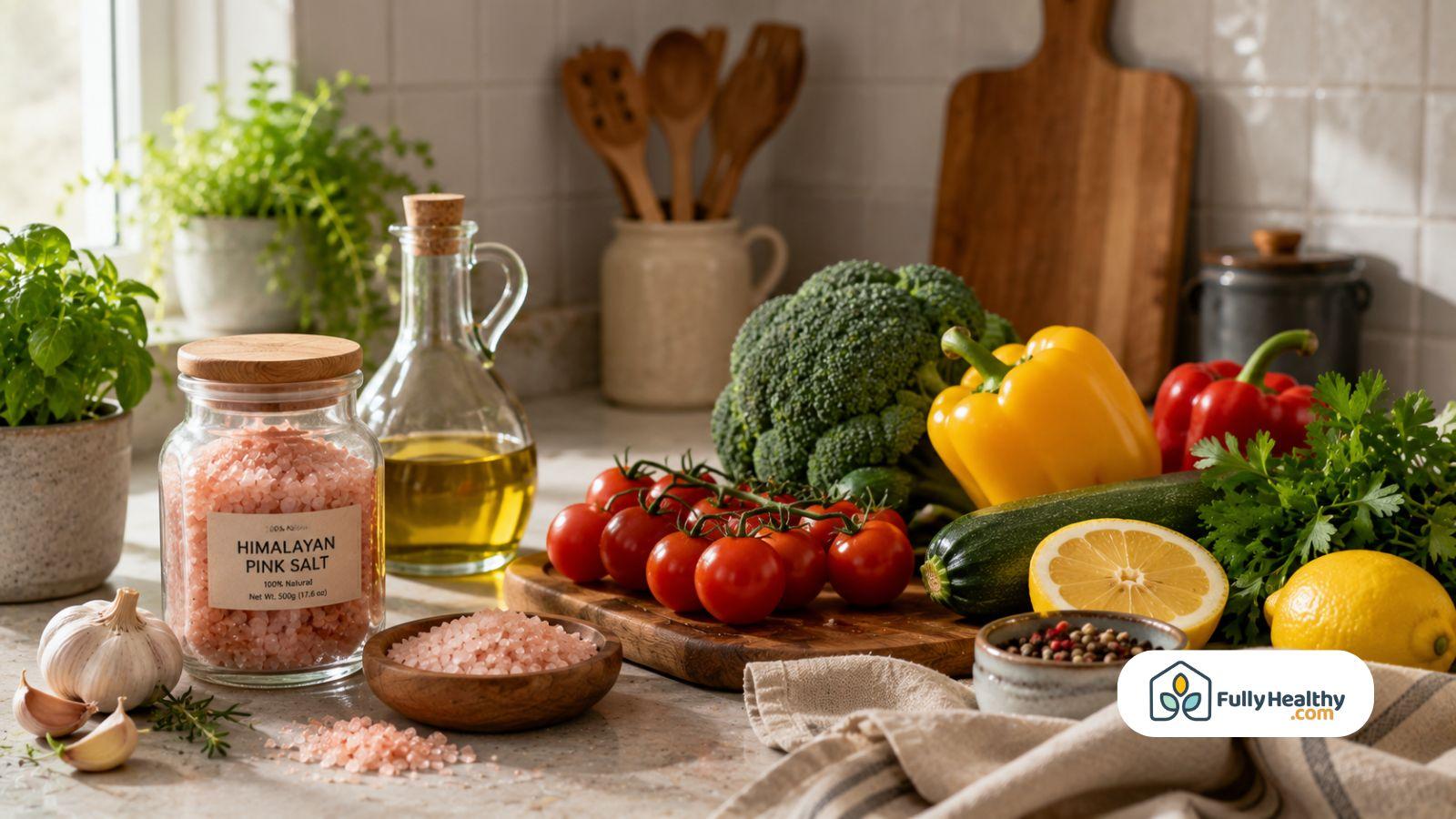
Himalayan pink salt can fit into a healthy diet when used in moderation. By weight, pink salt and table salt contain broadly similar amounts of sodium, although measured sodium concentrations vary among products; coarse crystals may provide less sodium per teaspoon because they pack less densely.
High sodium intake raises blood pressure, and reducing excessive sodium intake lowers blood pressure; the precise relationship between sodium intake and cardiovascular events is more complex and varies with baseline intake and population.
How Much Himalayan Pink Salt Is Safe Each Day?
Most healthy adults can use small amounts in a balanced diet each day. The main goal is to limit sodium from all foods, including packaged meals, sauces, snacks, and restaurant dishes.
-
Daily Intake: Count sodium from all food sources, not only added salt.
-
Health: Excess sodium may contribute to high blood pressure.
-
Labels: Check nutrition labels to manage sodium accurately.
Who Should Be More Careful With Salt?
People with high blood pressure, kidney disease, or heart disease may need stricter sodium limits. They should follow the advice from a healthcare professional. Some table salt is fortified with iodine and may contain anti-caking agents, whereas Himalayan pink salt is commonly non-iodized; iodine content should be confirmed from the product label because fortification practices vary.
-
High-Risk Groups: Some medical conditions require lower sodium intake.
-
Iodine: Iodized salt helps reduce iodine deficiency risk.
-
Additives: Anti-caking agents keep common table salt loose and easy to pour.
-
Smart Choice: Choose salt based on health needs, cooking use, and portion size.
What Is the Difference Between Normal Salt and Himalayan Pink Salt?
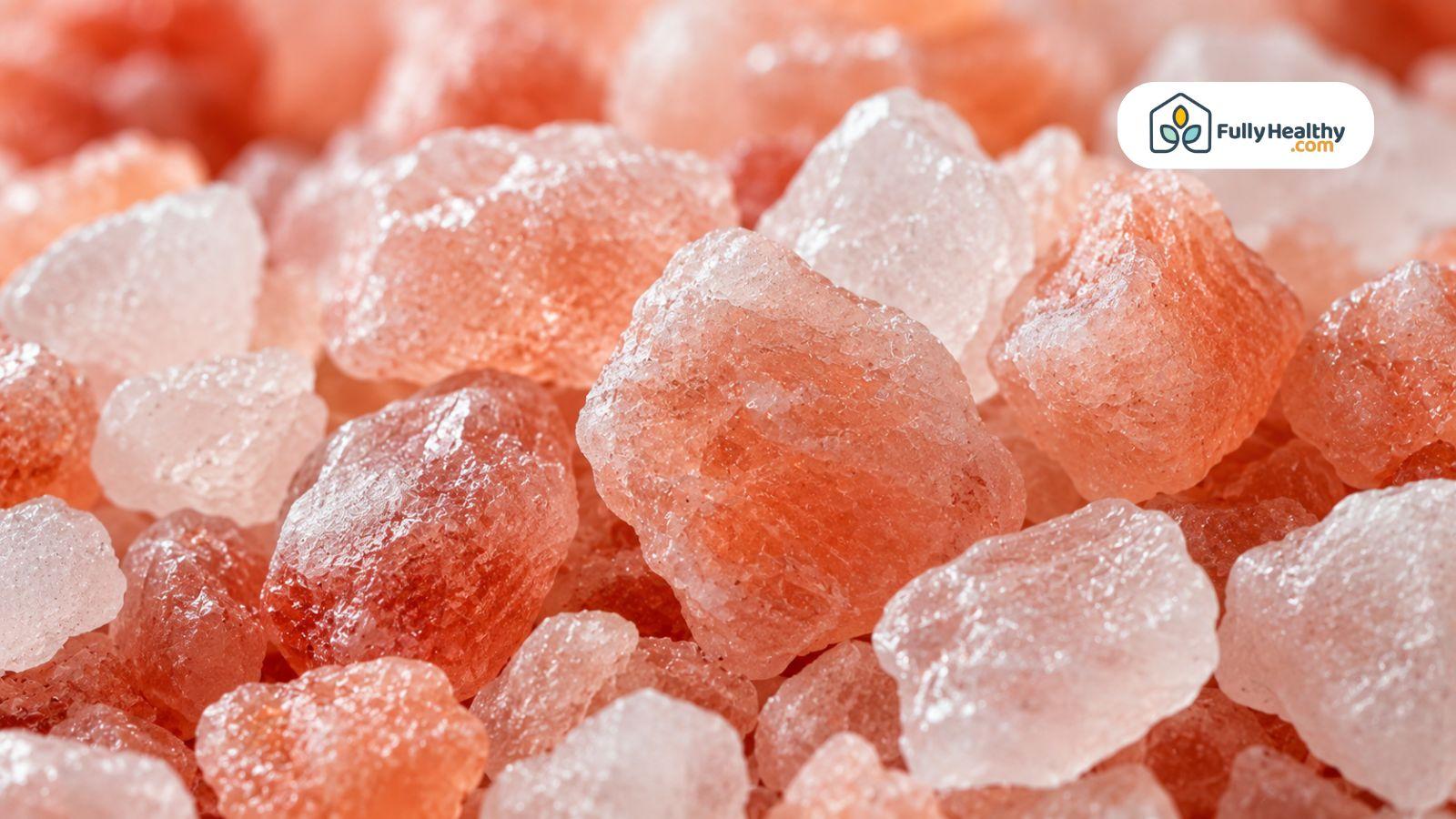
Many people compare pink Himalayan salt with white salt. Both add a salty taste, but they differ in color, texture, processing, and mineral content. The distinctive pink hue comes from mineral impurities and trace elements. Still, both contain similar sodium levels.
How Do Himalayan Pink Salt and Normal Salt Differ in Processing and Ingredients?
Pink Himalayan salt comes from deposits formed through seawater evaporation. Processing varies by producer and may include crushing, grinding, washing, screening, or other treatments; ‘minimally processed’ should not be presented as universal. White salt is often refined into fine grains. Himalayan salt crystals may be fine, coarse, or sold as large grains.
-
Source: Pink Himalayan salt comes from rock salt deposits, while white salt may come from mines or evaporated seawater.
-
Color: Its distinctive pink hue comes from iron, mineral impurities, and other minerals.
-
Texture: Fine salt dissolves quickly, while large grains work well as a finishing salt.
-
Cooking Use: You can use it in everyday cooking or replace table salt.
-
Shopping Tip: A local store may stock it near sea salt and kosher salt.
Is Himalayan Pink Salt Healthier or Lower in Sodium Than Normal Salt?
Pink Himalayan salt is often promoted as healthier, but there is little scientific basis for that claim. Its trace elements and mineral content are too low to offer a major health advantage. It contains nearly the same amount of sodium as regular salt, so too much salt may still cause health issues.
-
Sodium: Both salts have similar sodium levels and carry the same risks.
-
Health Claims: Claims about detoxing and hydration need stronger evidence.
-
Moderation: The American Heart Association advises limiting sodium.
-
Best Choice: Choose salt for flavor and texture, not unproven benefits.
How Can FullyHealthy Support Specialty-Diet Shopping?
Fully Healthy helps shoppers find specialty foods. The website focuses on gluten-free, AIP, and allergen-conscious products. It groups pantry items, baking products, and snacks into clear categories. Shoppers should still check labels before buying.
How Does FullyHealthy Make Specialty Shopping Easier?
FullyHealthy organizes products by dietary need and product type. This makes options easier to compare. This saves time and gives shoppers a clearer starting point.
-
Convenience: Shoppers can browse specialty foods on one website.
-
Categories: The store includes pantry goods, baking items, snacks, and bundles.
-
Diet Support: Filters may help shoppers follow gluten-free or AIP plans.
-
Label Check: Review ingredients.
Which Verified FullyHealthy Products Can Shoppers Explore?
The homepage lists Big Tree Farms Organic Brown Coconut Sugar, Bob’s Red Mill Organic Coconut Sugar, Coombs Family Farms Organic Maple Sugar, Coombs Family Farms Organic Maple Syrup, Date Lady Date Sugar, and EAT G.A.N.G.S.T.E.R baking mixes. No Himalayan pink salt product was verified there.
-
Verified Choices: The homepage features coconut sugar, maple sugar, maple syrup, date sugar, and baking mixes.
-
Important Limit: It did not verify salt lamps, essential oil products, warm water remedies, or sore throat products.
-
Safety Note: It also did not verify products to whiten teeth or body scrubs used in circular motions as a great exfoliator.
Final Thoughts
Himalayan pink salt can be a flavorful choice for everyday cooking, but it is not proven to be healthier than other types of salt. It contains small amounts of minerals, yet the best way to support your health is by eating a balanced diet and limiting sodium intake. Choose Himalayan pink salt or other natural products based on your cooking needs and taste, and always use salt in moderation.
FAQs
What is the healthiest salt to eat?
No salt is clearly the healthiest. Himalayan pink salt, sea salt, and table salt all contain sodium, so the healthiest approach is to use any salt in moderation as part of a balanced diet.
How much pink Himalayan salt should I consume a day?
Use Himalayan pink salt in moderation and keep your total daily sodium intake within recommended limits, especially if you have high blood pressure or heart disease.
What does putting Himalayan salt in your water do?
Adding Himalayan pink salt provides sodium but has not been shown to improve hydration compared with plain water under ordinary conditions; during prolonged exercise, heavy sweating, vomiting, or diarrhea, properly formulated oral rehydration or electrolyte solutions may be more appropriate than plain water or salt water.
What is the best time to drink salt water?
There is no proven best time to drink salt water, and it should not replace water or medical advice for hydration.
Are Himalayan pink salt products worth buying?
Himalayan pink salt and other natural products can add flavor and variety to meals, but they should be chosen for cooking preferences rather than unproven health claims.
Leave a comment