

What is the Difference Between Apple Juice and Apple Cider?
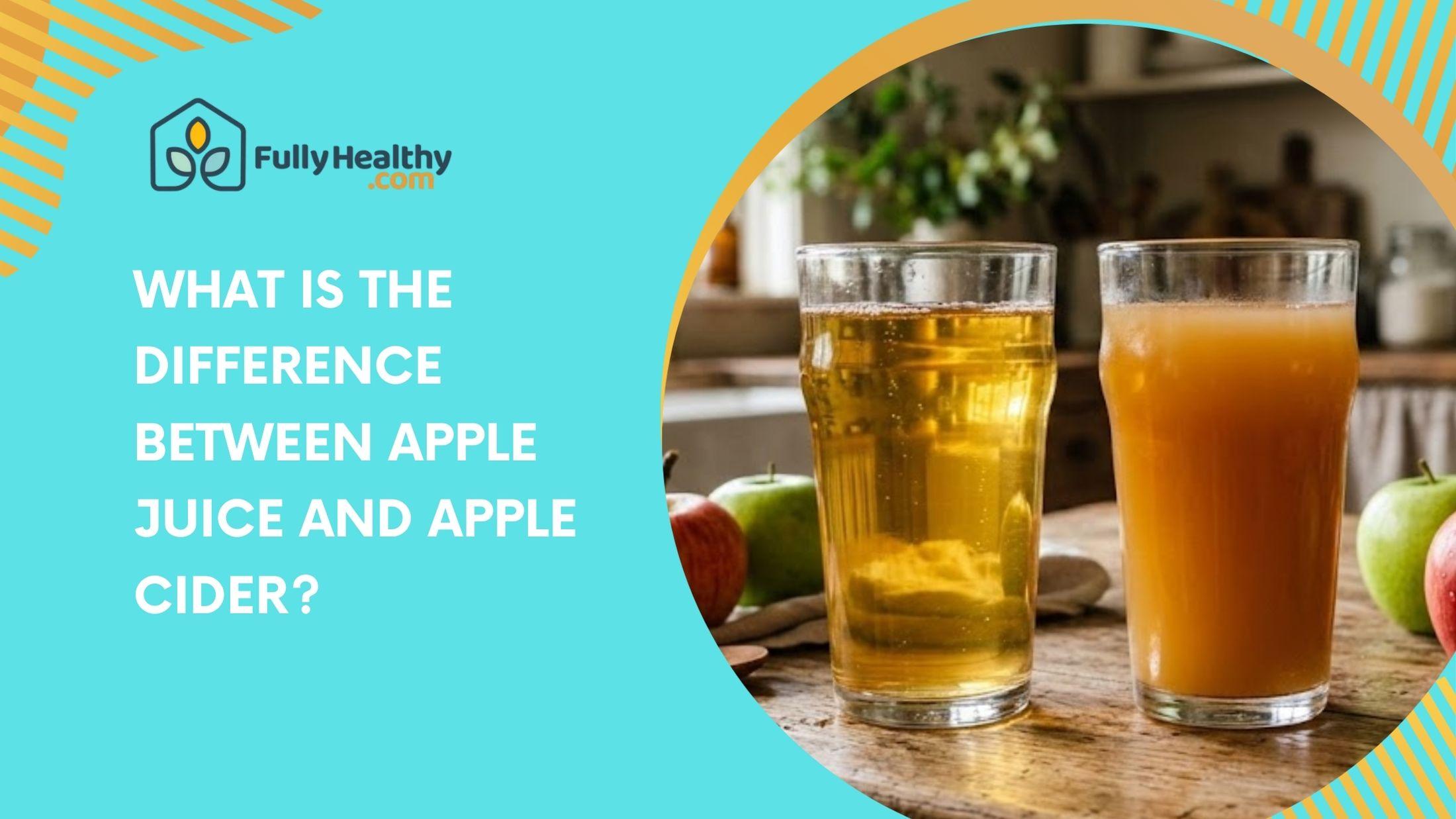
What is the difference between apple juice and apple cider? How each drink is made is the main difference. It is filtered and pasteurized to make apple juice clear and smooth. This also helps it last longer in stores. Most apple cider is not filtered and is not processed as much, so it tastes stronger and looks cloudy.
Both drinks are made from pressed apples, but they taste, feel, and last a different amount of time.
Featured Pantry Pick
Great Plain // Raw Sauerkraut - 16 oz
Loading...
What Is The Difference Between Apple Juice And Apple Cider?
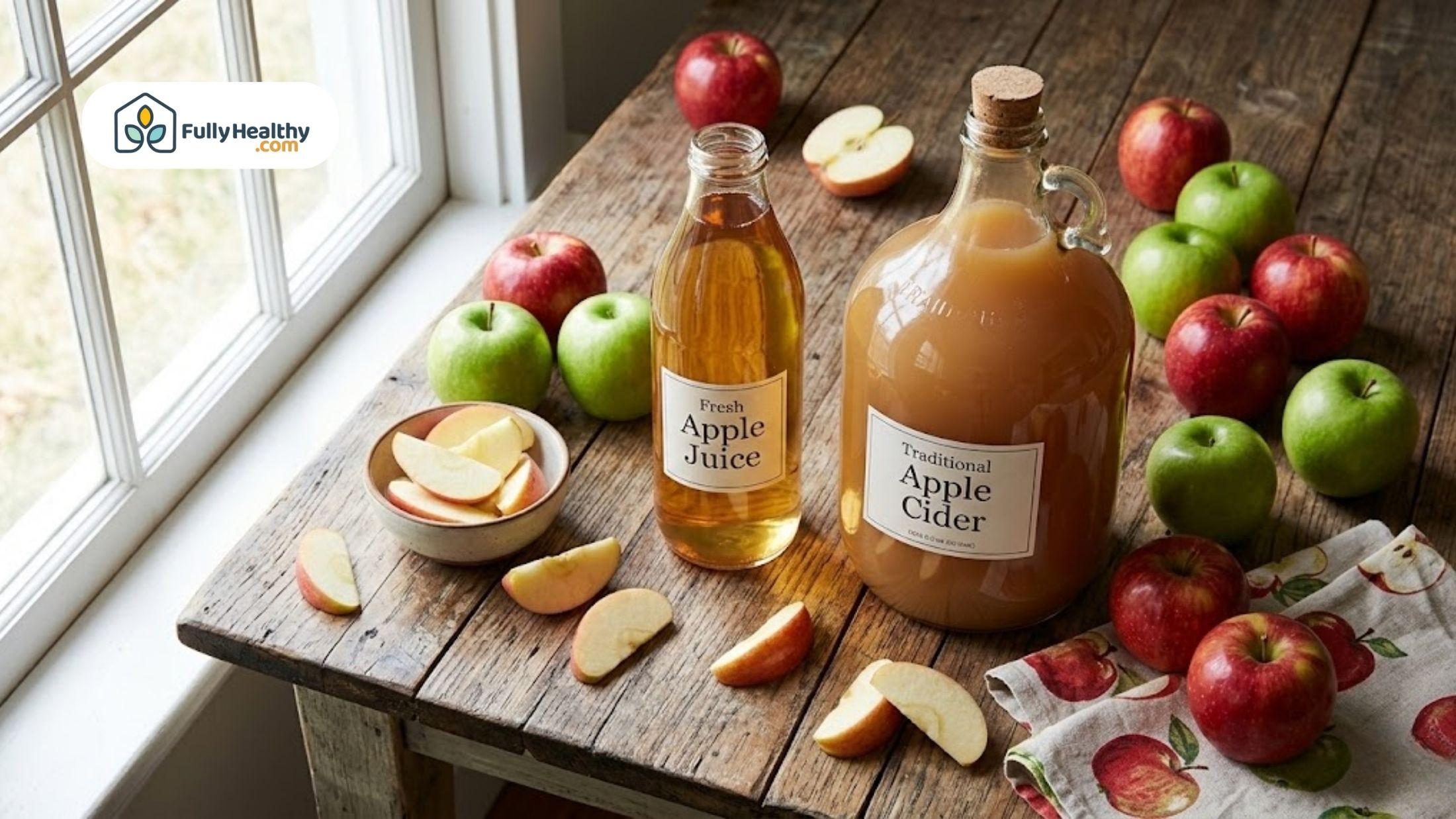
While both apple cider and apple juice are made from pressed apples, the way they are processed makes them very different. The real difference that people notice in stores is due to the filtration process, the ingredients, and the way the food is stored.
Apple Juice Processing And Characteristics
Filtered drinks like apple juice are made to last a long time and keep their flavor. Filtration and pasteurization are used by commercial producers to turn the liquid into a smooth drink that can be bought all year.
-
Production Method: Apple juice begins with pressed apples that are processed into a refined liquid for large scale distribution.
-
Processing Level: The drink undergoes more processing compared with fresh cider to standardize taste and quality.
-
Filtration Process: Apple juice goes through a filtration process that removes pulp and sediment from the liquid.
-
Appearance: Filtered apple juice usually has a clear texture and a bright yellow color.
-
Shelf Life: Apple juice is often pasteurized or made from apple concentrate so it can remain shelf stable longer.
Apple Cider Processing And Characteristics
Apple cider is a less processed beverage that often comes directly from pressed fresh apples. Fresh cider usually appears cloudy because it remains unfiltered and retains pulp and natural compounds from apples.
-
Production Method: Apple cider begins with pressed apples made from fresh apples harvested from orchards.
-
Processing Level: Fresh apple cider usually undergoes minimal processing compared with apple juice.
-
Filtration Process: Apple cider typically remains unfiltered or lightly filtered, which leaves pulp and natural particles in the liquid.
-
Appearance: Fresh cider typically looks cloudy and darker because solids from apples remain suspended.
-
Shelf Life: Apple cider has a shorter shelf life and usually stays refrigerated after production.
Is It Better To Drink Apple Juice Or Apple Cider?
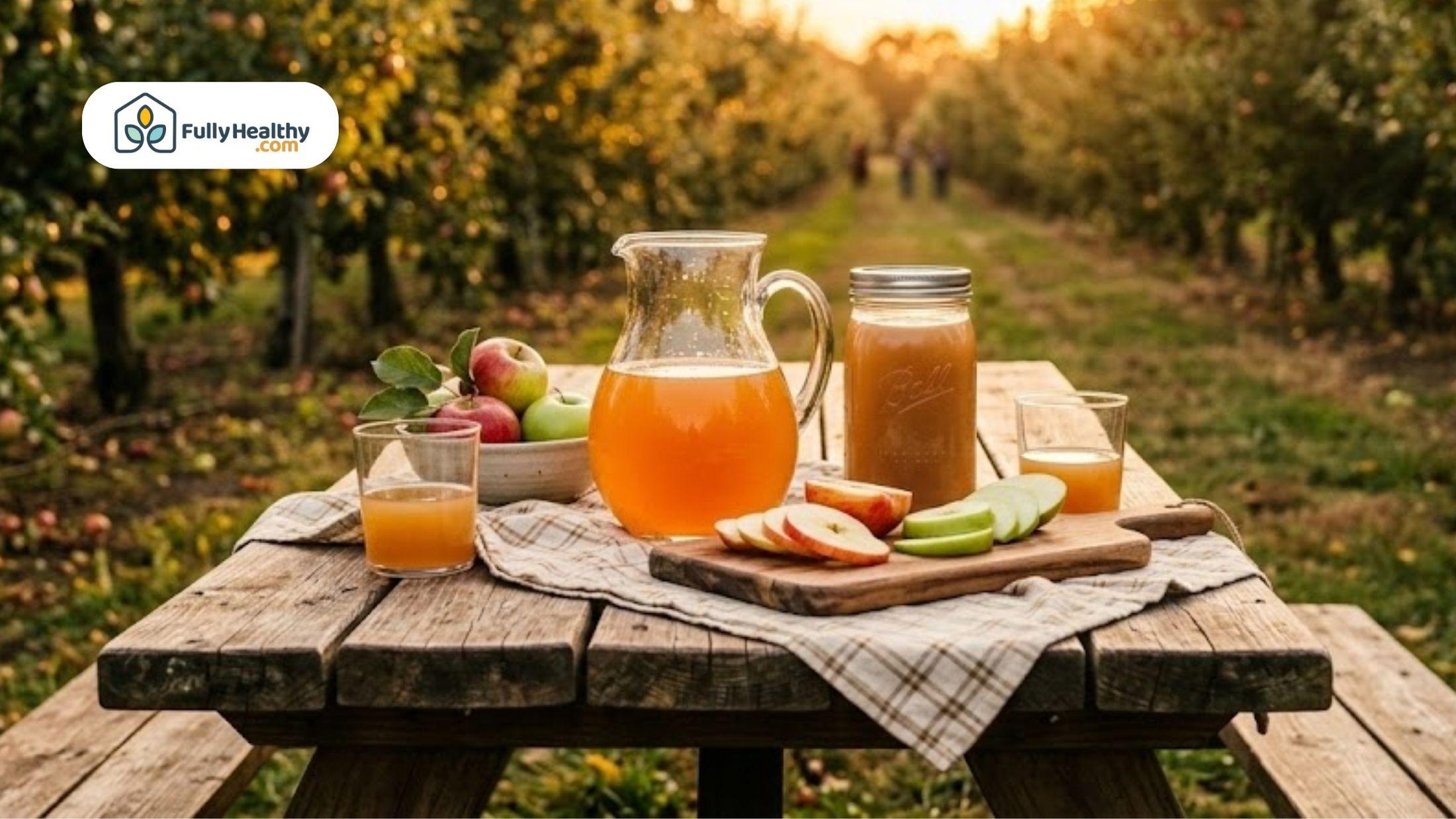
Apple cider and apple juice both contain nutrients from apples, yet processing influences nutritional value. Consumers often compare sugar levels, fiber content, and ingredient lists when choosing a drink.
Nutritional Differences Between The Two Drinks
Since both cider and apple juice come from apples, they have about the same amount of nutrients. The main nutritional differences between apple juice and apple cider are how they are made and what ingredients are used.
Fresh cider retains pulp and compounds from apples which contribute to texture and nutrients. Apple juice becomes filtered and sometimes includes added ingredients.
-
Natural Sugar: Both apple cider and apple juice contain sugar naturally present in apples.
-
Less Sugar: Apple cider and apple juice usually contain similar amounts of natural sugar, although differences may occur depending on apple varieties and processing.
-
Added Sugar: Some commercial juice brands include sugar added or added sweeteners.
-
Ascorbic Acid: Apple juice may contain ascorbic acid to maintain color and nutritional value.
-
More Fiber: Unfiltered cider may contain trace amounts of fiber from suspended pulp.
Health Considerations And Who Should Choose Each
The difference between apple juice and apple cider is also affected by how safe and easy it is to use. Processing methods change how safe microbes are and how long they need to be stored. Apple juice that has been pasteurized goes through a heat process that kills bacteria. Since fresh cider hasn't been pasteurized yet, it needs to be kept in the fridge.
-
Pasteurized Juice: Most apple juice products sold in stores are pasteurized to protect consumers.
-
Unpasteurized Cider: Unpasteurized apple cider may contain microbes if sanitation conditions vary.
-
Refrigerated Storage: Fresh cider must stay refrigerated because it undergoes minimal processing.
-
Shelf Stable Packaging: Apple juice remains shelf stable until the bottle is opened.
-
Consumer Preference: Consumers simply prefer the drink that fits personal preference and convenience.
What Turns Apple Juice Into Cider?
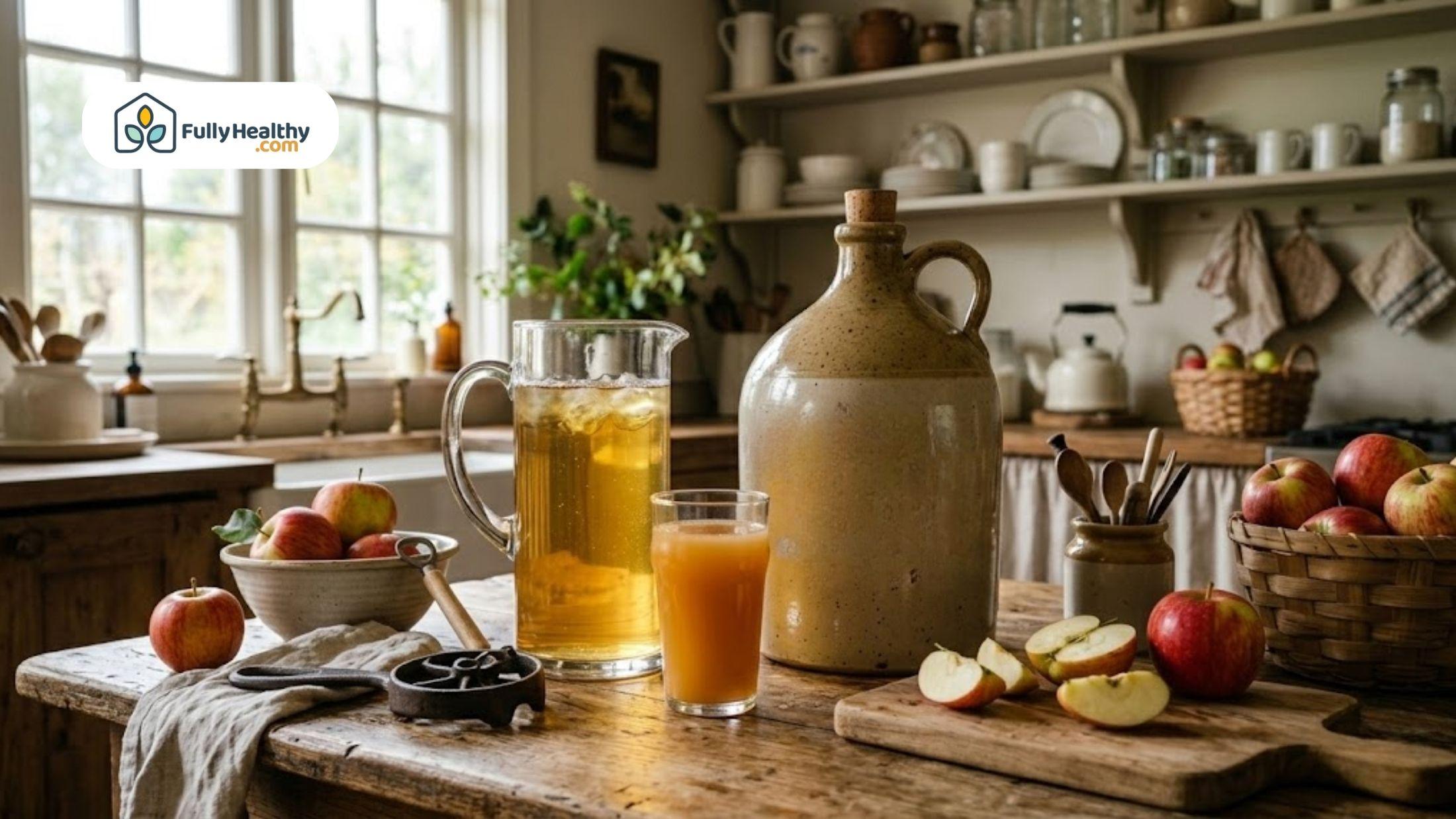
Apple beverages can change form depending on processing and fermentation. The transformation between juice and apple cider often occurs during pressing or fermentation.
Fresh Pressing Vs Processed Juice
Fresh apples are crushed and pressed into a liquid to make apple cider. This early step shows the difference between making apple cider and apple juice. Fresh cider is usually made from pressing fresh apples and filtering them very little. Apple juice is made in a more industrial way that is meant to be distributed on a large scale.
-
Pressed Fresh Apples: Fresh cider begins with pressed fresh apples collected during harvest season.
-
Cider Mill Production: A cider mill crushes apples and extracts liquid with minimal filtering.
-
Fresh Cider: The resulting liquid becomes fresh cider before heavy processing occurs.
-
Filtered Juice: Apple juice goes through filtration that removes pulp and sediment.
-
Shelf Stable Product: Processing allows apple juice to remain shelf stable for long storage.
Natural Fermentation And Hard Cider
Apple drinks can become alcoholic drinks through fermentation. In a natural process, yeast turns the sugar in the apple liquid into alcohol. When fermentation goes on for long enough to make alcohol, hard cider is made. This process links cider to drinks that are like beer and malt drinks.
-
Ferment Process: Yeast consumes sugar inside the apple liquid and begins to ferment the drink.
-
Alcoholic Result: Fermentation produces alcohol which turns cider into hard cider.
-
Hard Cider Beverage: Hard cider appears alongside beer and malt beverages in many markets.
-
Natural Fermentation: Fresh cider may naturally ferment if stored long enough.
-
Traditional Drink: Fermented cider served as a traditional drink before refrigeration existed.
How Much Apple Cider Should You Drink Per Day?
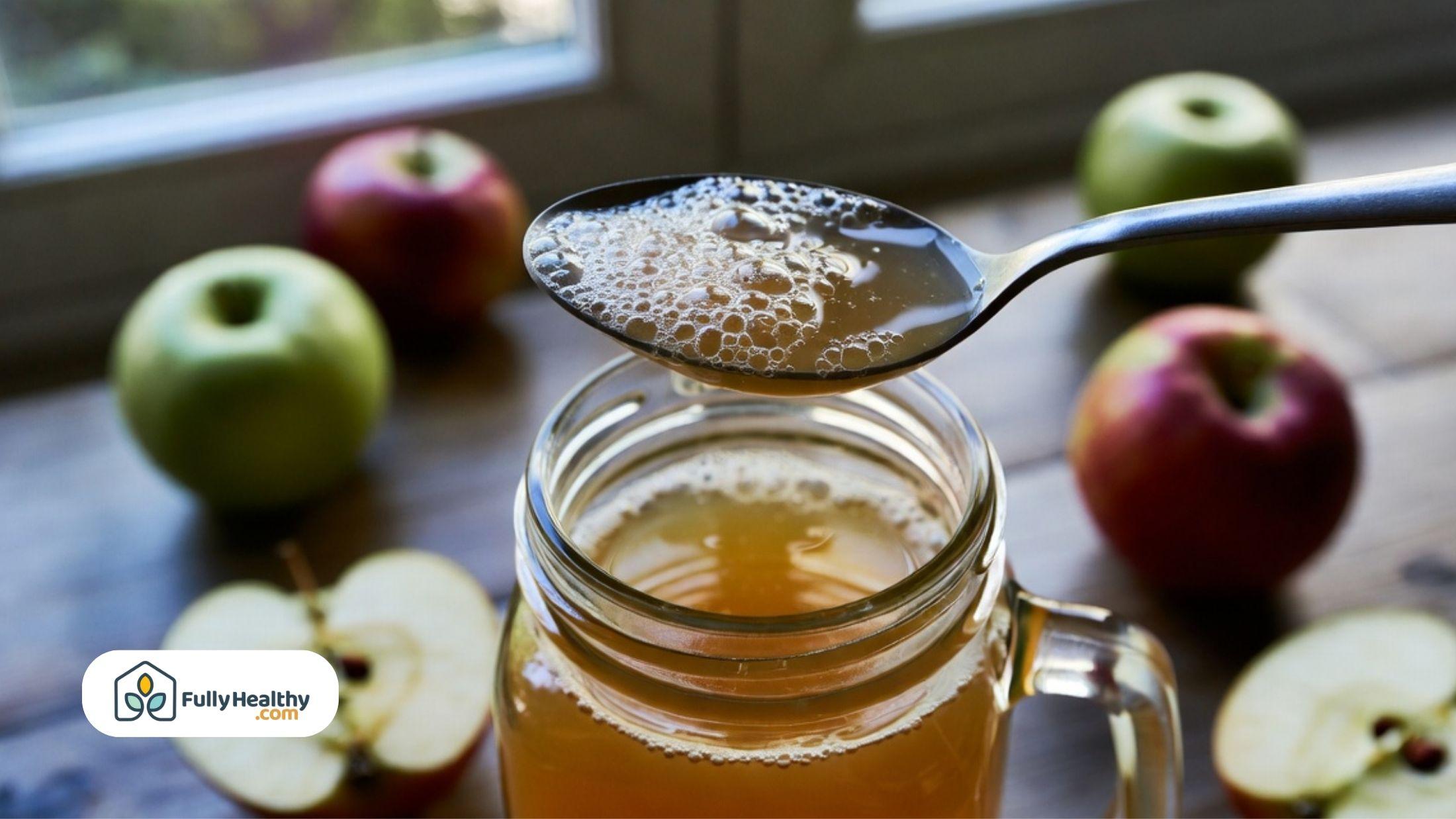
Apple cider vinegar has gained attention as a daily wellness drink, yet moderation is important. Health sources explain that small diluted servings support safe consumption while excessive amounts may cause irritation.
Recommended Daily Intake For Apple Cider Vinegar
Health experts recommend a small, diluted amount of apple cider vinegar each day to avoid irritation while still supporting normal digestion. Most guidance suggests mixing the vinegar into water before drinking because the acidity is strong.
-
Recommended Amount: 1 to 2 tablespoons of apple cider vinegar diluted in water per day.
-
Dilution Method: The vinegar should always be mixed into a large glass of water before drinking.
-
Split Servings: Many people divide intake into two smaller servings during the day.
-
Best Timing: Some consumers drink diluted apple cider vinegar before meals as part of daily routines.
-
Consumption Limit: Experts advise avoiding more than two tablespoons daily to reduce health risks.
Potential Risks Of Excess Consumption
Drinking too much apple cider vinegar can create problems due to its acidity. Excess intake may irritate the throat, damage enamel, or cause stomach discomfort.
-
Tooth Enamel Damage: High acidity may weaken tooth enamel when consumed frequently without dilution.
-
Throat Irritation: Drinking concentrated vinegar can irritate the throat lining.
-
Stomach Discomfort: Large amounts may lead to nausea or digestive discomfort.
-
Medication Interaction: Apple cider vinegar may interact with certain medications affecting potassium or insulin levels.
-
Long Term Overuse: Regular excessive consumption can worsen digestive irritation and enamel wear.
Inside The FullyHealthy Marketplace
FullyHealthy is an online store that offers health and wellness products and specialty foods that are made to meet specific dietary needs. There are carefully chosen items on the platform that support clear ingredient lists and transparency.
About FullyHealthy
People who want to buy clean pantry items, wellness supplements, and specialty diet items can do so on FullyHealthy. A lot of people go to the site to buy natural foods like apple cider vinegar that are good for everyday nutrition.
-
Marketplace Focus: FullyHealthy offers products designed for specialty diets and wellness focused consumers.
-
Ingredient Transparency: Many items highlight simple ingredient lists without unnecessary additives.
-
Natural Products: The store emphasizes minimally processed foods made from natural ingredients.
-
Wellness Category: The platform features vinegar products, snacks, and pantry staples that support healthy eating.
-
Consumer Convenience: Customers can buy apple cider vinegar and other wellness items online with easy ordering.
Apple Cider Vinegar Products Available
FullyHealthy sells a variety of apple cider vinegar products, some of which contain "the mother," which are natural enzymes and healthy compounds that are created during fermentation. People often use these items in their daily drinks or cooking recipes.
-
Bragg Organic Apple Cider Vinegar With The Mother 16 oz: A classic apple cider vinegar made from fermented apples that includes the natural mother culture and works well for daily drink routines or cooking.
-
Bragg Organic Citrus Ginger Apple Cider Vinegar With The Mother 16 oz: A flavored apple cider vinegar that blends citrus and ginger with fermented apples for a bright taste in drinks or recipes.
-
Fermented Production: Apple cider vinegar forms when apples ferment and natural bacteria convert alcohol into acetic acid.
-
Daily Drink Use: Many consumers mix small amounts of apple cider vinegar into water as part of a daily drink routine.
-
Cooking Ingredient: Apple cider vinegar can also be used in cooking recipes such as marinades, sauces, and salad dressings.
Final Thoughts
Apple cider and apple juice are both made from the same fruit, but the way they are filtered makes them different. There is more processing that goes into apple juice, which makes it clear, usually sweeter, and able to last longer with the help of preservatives.
In southern living culture, apple cider keeps the pulp and spices like cinnamon and nutmeg, and it shows up in fall traditions. Apple juice has a name that comes from being fresh pressed, but cider does not. It's now clear to readers how the process changes the drink.
FAQs
Why is apple cider not called apple juice?
Apple cider keeps a traditional name because the filtering process is lighter and the final product remains cloudy, unlike apple juice which undergoes processing that makes apple juice clearer.
Does apple cider clean your gut?
does not cleanse or detox the gut in a clinical sense, but it may support digestive health. It can improve digestion by adding acid, reducing bloat, and balancing gut bacteria with probiotics.
Is there more sugar in apple juice or apple cider?
Apple juice is typically sweeter because filtration and processing remove solids while cider may contain spices like cinnamon or nutmeg during fall recipes.
Is apple cider just apple juice and cinnamon?
Apple cider is not simply apple juice and cinnamon because fresh pressing makes apple cider with pulp while filtered processing makes apple juice as a clearer final product.
What does drinking cider really do to your body?
Drinking cider provides antioxidants (polyphenols) that fight inflammation, support heart health, and aid hydration. It contains vitamins like C and potassium, but is also high in sugar.
Leave a comment