

What Spices Are in Taco Seasoning? What Goes in the Mix
What spices are in taco seasoning? A homemade classic blend includes chili powder, cumin, garlic powder, onion powder, paprika, oregano, salt, and black pepper. Some recipes also add cayenne, red pepper flakes, or smoked paprika for extra heat and flavor.
The right combination can make even simple tacos taste better. Keep reading to learn what each spice does, how much seasoning to use, and easy swaps when you run out.
What Spices Are in Taco Seasoning?
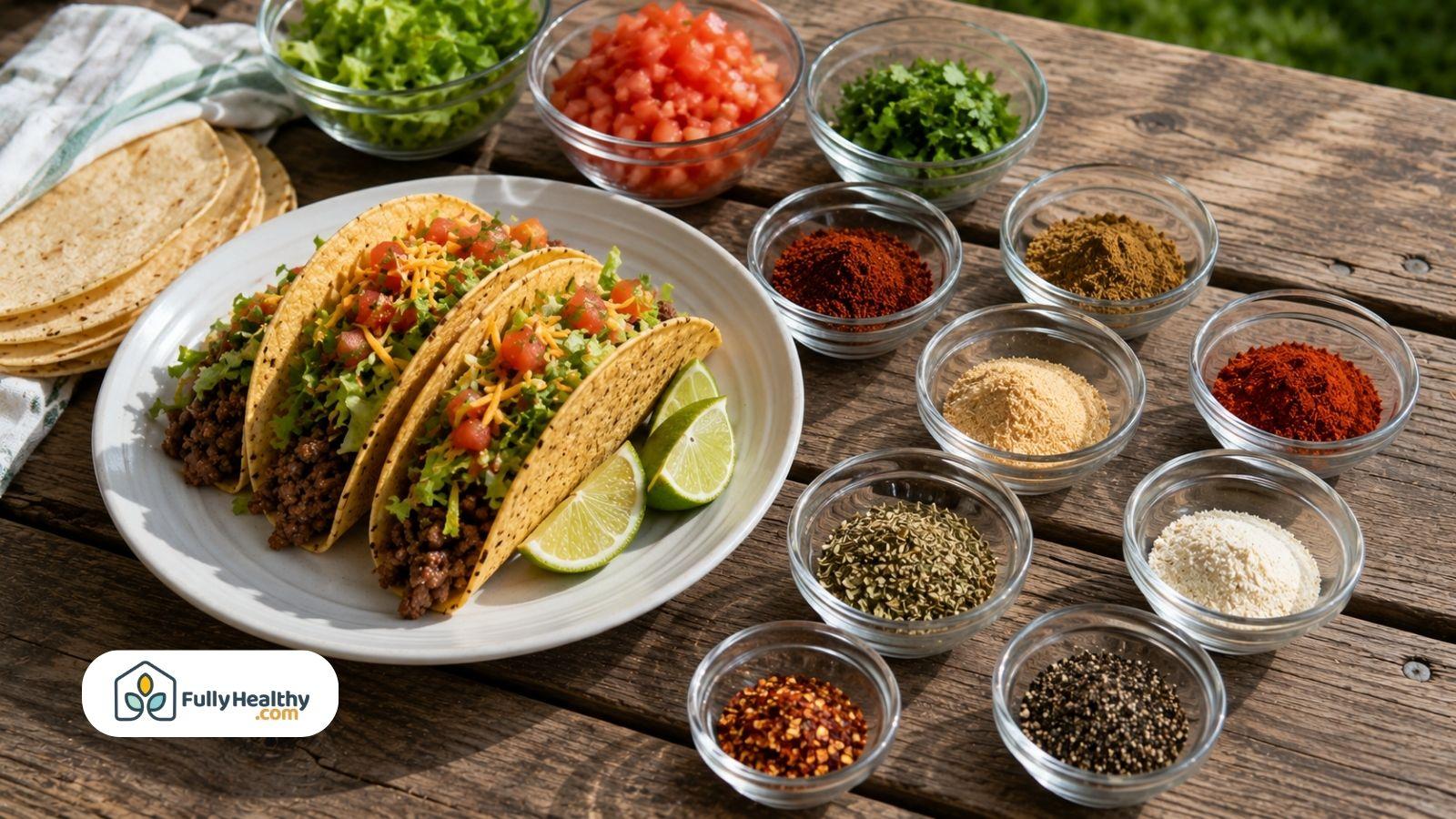
Taco seasoning typically contains chili powder, ground cumin, garlic powder, onion powder, paprika, dried oregano, salt, and black pepper. These spices create the warm, savory, and slightly smoky flavor used in tacos, while optional peppers and seasonings can make the blend hotter, sweeter, or smokier.
Essential Spices in Classic Taco Seasoning
Each spice has a specific job in the blend. Chili powder creates the main chile flavor, cumin adds earthy warmth, and garlic and onion bring savory depth. Paprika adds color and mild pepper notes, while oregano, salt, and black pepper round out the homemade taco seasoning mix.
-
Chili Powder: Creates the main chile flavor and color.
-
Ground Cumin: Adds earthy warmth and depth.
-
Garlic Powder: Gives the seasoning a savory garlic flavor.
-
Onion Powder: Adds mild sweetness and savory depth.
-
Paprika and Oregano: Bring mild pepper and herbal notes.
Ways to Customize Your Taco Seasoning Blend
A homemade taco seasoning recipe can easily be adjusted to match the flavor you want. Start with the classic spice blend, then change the type or amount of peppers for more heat or smoke. You can also reduce spicy ingredients for mild taco seasoning or add a little sweetness for balance.
-
Smoked Paprika: Creates a deeper smoky flavor.
-
Ancho Chili Powder: Adds mild, earthy chile notes.
-
Chipotle Powder: Brings noticeable smoke and heat.
-
Cayenne Pepper: Adds direct heat without changing the blend much.
-
Brown Sugar: Provides subtle sweetness that can balance spicy flavors.
What is the Best Substitute for Taco Seasoning?
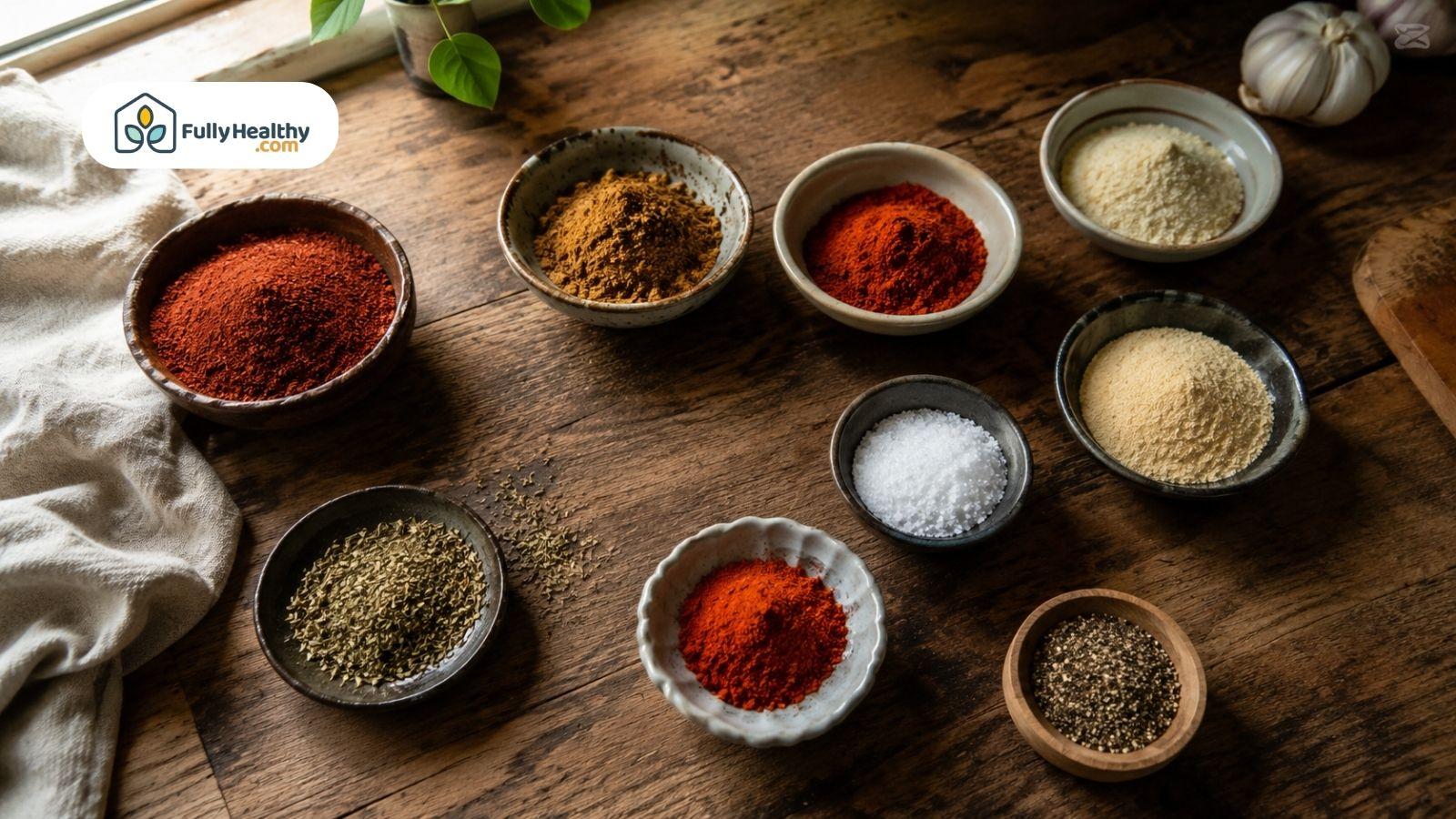
Chili powder mixed with ground cumin and salt is one of the simplest substitutes for taco seasoning. Fajita seasoning is another easy dry option, while salsa, taco sauce, and chipotle peppers in adobo can provide similar savory and spicy flavors when a taco seasoning mix is unavailable.
Dry Spice and Seasoning Substitutes
A good dry substitute should replace more than just the heat of taco seasoning. Chili powder provides the chile base, but adding cumin, garlic powder, onion powder, and salt creates a more balanced flavor. Fajita seasoning can also work because it contains many similar spices, although individual blends vary.
-
Chili Powder: Combine with cumin and salt for better balance.
-
Fajita Seasoning: Provides a similar ready-made spice profile.
-
Ancho Chili Powder: Creates a mild and earthy chile flavor.
-
Chipotle Chili Powder: Adds stronger smoke and heat.
Salsa, Taco Sauce, and Other Wet Substitutes
Wet ingredients are useful when you have no dry seasoning mix available because they can add chile, tomato, garlic, onion, and other taco-friendly flavors at once. They also introduce extra moisture, so allow ground meat to simmer until the liquid reduces and the flavor becomes concentrated.
-
Salsa: Adds tomato, chile, aromatics, and moisture.
-
Taco Sauce: Gives meat quick, familiar taco flavor.
-
Chipotle in Adobo: Provides concentrated smoky heat.
-
Tomato Paste: Adds richness when combined with other spices.
-
Hot Sauce: Brings heat and acidity without a complete spice blend.
How Much Taco Seasoning Do I Use Per Pound of Meat?
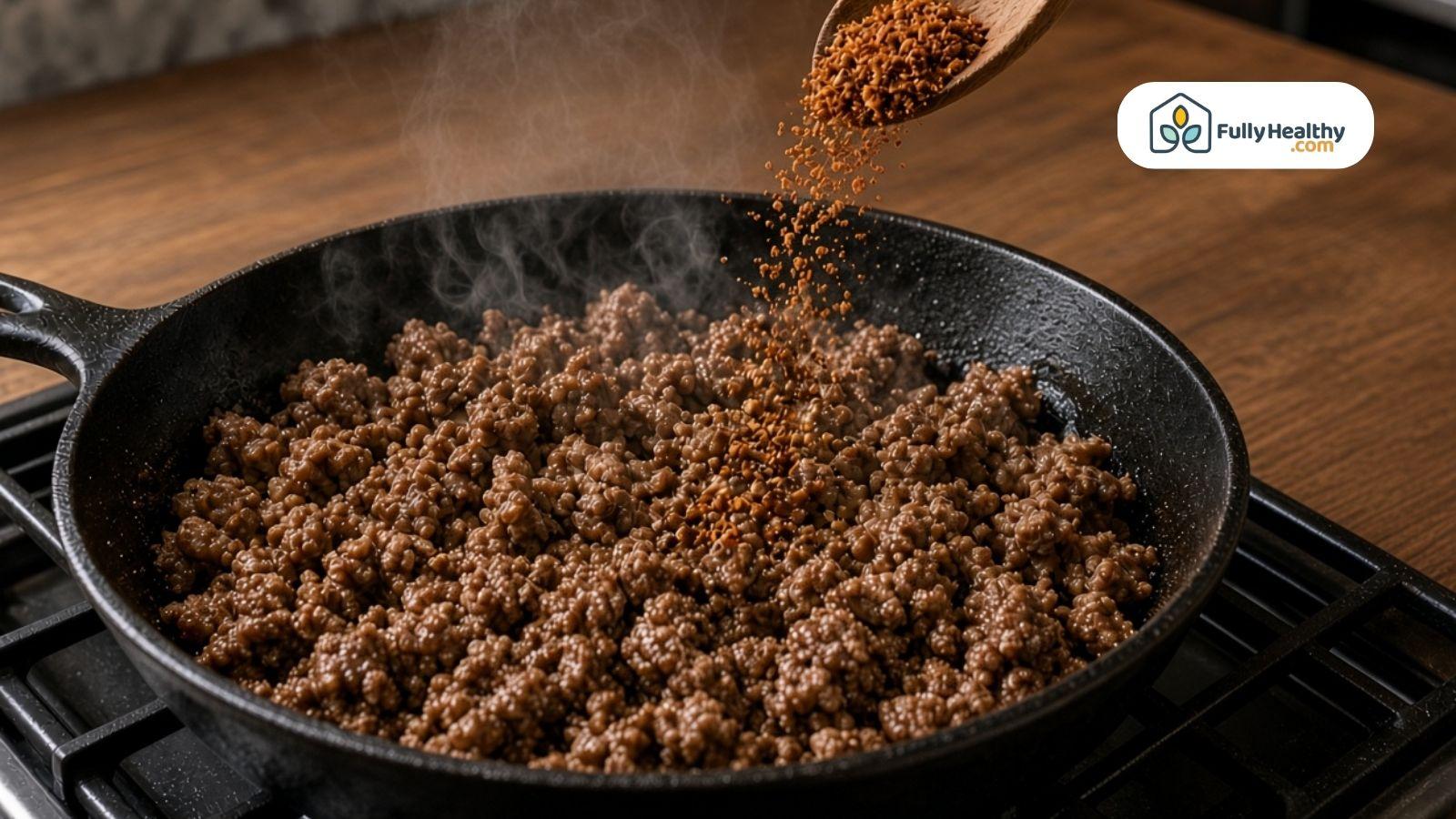
Use about 2 to 3 tablespoons of taco seasoning per pound of meat, but the exact amount depends on the recipe. Homemade blends have different ratios of chili powder, salt, cumin, and hotter spices, so one tablespoon of one seasoning may taste much stronger than the same amount of another.
Recommended Taco Seasoning Per Pound
For 1 pound of ground beef, use 2 to 3 tablespoons of taco seasoning and ½ cup of water. Brown and drain the beef first, stir in the seasoning and water, then simmer for about 3 to 5 minutes until the mixture thickens.
-
1 Pound Ground Beef: Use 2 to 3 tablespoons seasoning with ½ cup water.
-
2 Pounds Ground Beef: Use 4 to 6 tablespoons seasoning with 1 cup water.
-
Milder Flavor: Start with 2 tablespoons per pound.
-
Stronger Flavor: Increase to 3 tablespoons per pound.
-
Cooking: Simmer until most of the added water has reduced.
Adjusting Seasoning for Different Meats
The 2 to 3 tablespoons per pound guideline also works as a starting point for ground turkey and ground chicken. Lean meats may benefit from a little cooking oil, while the amount of water can be reduced if the meat already releases plenty of liquid.
-
Ground Beef: Use 2 to 3 tablespoons seasoning and ½ cup water per pound.
-
Ground Turkey: Start with 2 tablespoons seasoning and about ⅓ to ½ cup water per pound.
-
Ground Chicken: Start with 2 tablespoons seasoning and about ⅓ cup water per pound.
-
Grilled Meats: Use about 1 to 2 tablespoons as a dry seasoning per pound, without adding water.
What Seasonings Are Unhealthy?
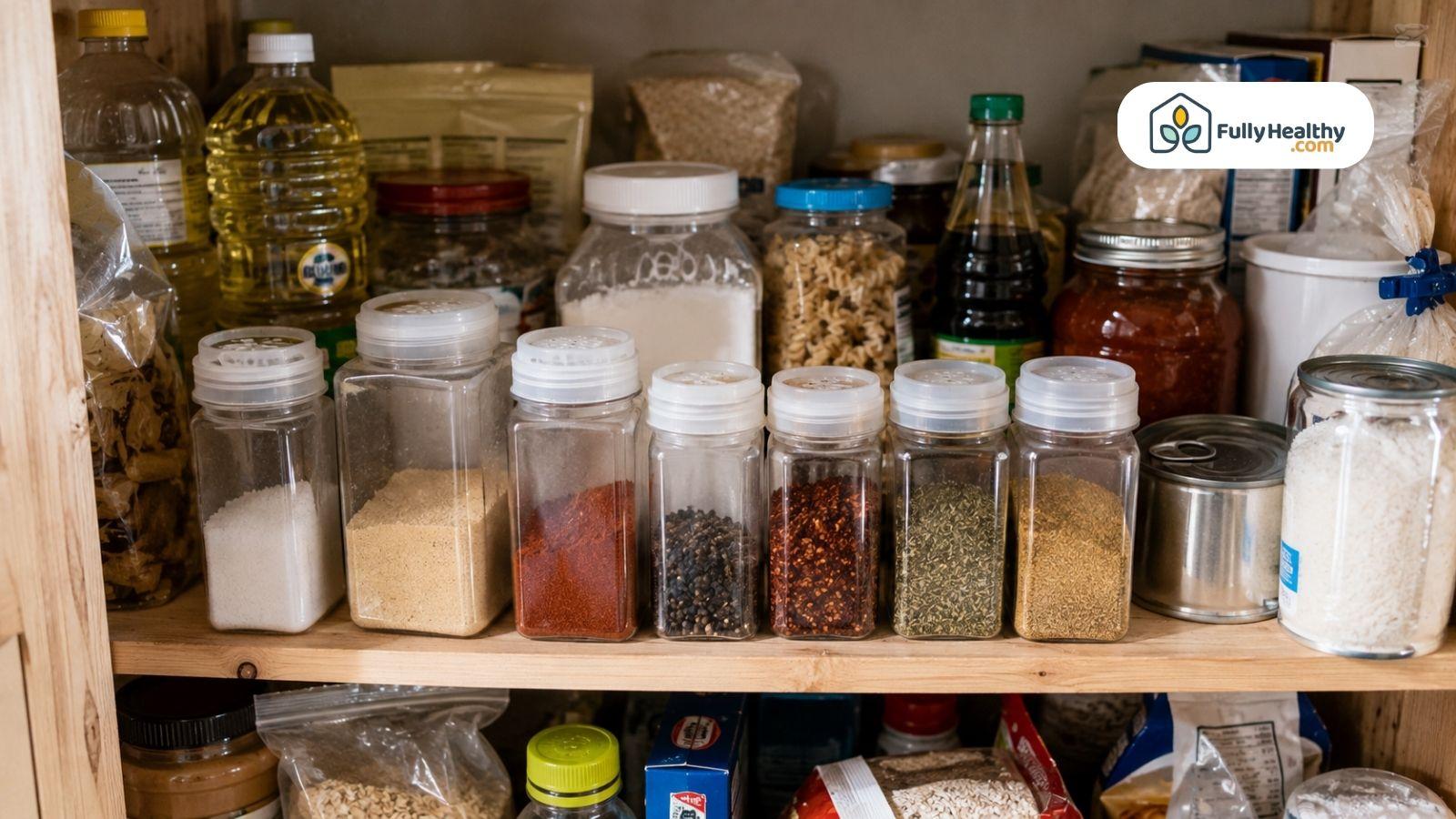
Common culinary seasonings are not automatically unhealthy when used in normal food amounts. The bigger concerns are often high sodium in packaged seasoning blends, excessive consumption, and possible contaminants in individual spice products.
Seasonings to Use in Moderation
Salt-heavy seasoning mixes are worth watching because sodium can add up quickly across an entire meal. Taco meat may be served with cheese, sauces, tortillas, and other foods that already contain sodium, so checking labels or making your own taco seasoning gives you more control over the final amount.
-
High-Sodium Blends: Compare sodium amounts between packaged products.
-
Added Sugar: Check labels if limiting added sugars is important.
-
Extra Salt: Taste food before adding additional kosher salt or fine sea salt.
-
Strong Spices: Use highly concentrated spices in normal cooking quantities.
Heavy Metals and Spice Quality
Heavy metals such as lead, arsenic, and cadmium have been detected in certain spice products, but this does not mean spices as a category are unsafe. Consumer Reports tested 126 herbs and spices from 15 brands and reported concerning combined levels of arsenic, lead, and cadmium in roughly one-third of the tested products.
-
Product Differences: Contamination levels can vary between individual products.
-
Spice Differences: Certain herbs and spices may test differently from others.
-
Reliable Sources: Look for recalls and credible product-testing information.
-
Balanced Perspective: A contaminated product does not make every version of that spice unsafe.
FullyHealthy: Shop for Specialty Seasonings
FullyHealthy sells specialty foods and seasonings for different dietary needs. Its selection includes all-purpose, meat, vegetable, herb, and specialty seasoning products.
FullyHealthy and Its Specialty Food Selection
FullyHealthy offers pantry products designed for shoppers with specialized dietary preferences. Its selection gives shoppers alternatives to conventional store bought packets and makes ingredient lists easier to compare before choosing a seasoning.
-
Specialty Options: The store carries products intended for specific dietary approaches, including AIP-friendly choices.
-
Everyday Uses: Seasonings can be used with meat, vegetables, and other dishes according to each product's directions.
-
Ingredient Awareness: Checking individual product labels helps shoppers select blends that match their dietary and cooking needs.
Seasoning Options Available at FullyHealthy
FullyHealthy carries several specialty seasonings for meat, vegetables, and everyday cooking. Each blend has its own flavor profile and ingredients, so these products are not necessarily direct replacements for taco seasoning.
-
Hearty Sauces AIP Taco Seasoning: A nightshade-free taco seasoning made with organic herbs and spices, including garlic, oregano, cilantro, onion, ginger, turmeric, and lime powder.
-
KC Natural Meat & Veggie All Purpose Seasoning: A versatile all-purpose blend made for adding savory flavor to meats and vegetables.
-
Frontier Co-op Organic Italian Seasoning: An organic herb blend that adds classic Italian-style flavor to sauces, vegetables, and savory dishes.
-
Truly AIP All Purpose Seasoning: An all-purpose seasoning designed for AIP-friendly cooking and adding flavor to everyday meals.
-
Paleo Powder All Purpose Seasoning Blend With Himalayan Sea Salt: A savory all-purpose blend with Himalayan sea salt for seasoning meats, vegetables, and other dishes.
-
KC Natural Seasoned Sea Salt: A seasoned sea salt that adds extra savory flavor without requiring a complicated spice mix.
-
Simply Organic Italian Seasoning: An Italian-style herb blend suited to vegetables, sauces, proteins, and other savory recipes.
-
Primal Palate Meat & Potatoes Seasoning: A savory seasoning blend created to complement meat, potatoes, vegetables, and hearty meals.
Final Thoughts
Making your own taco blend gives you control over the taco seasoning ingredients, from salt and heat to smoky flavor. A diy taco seasoning recipe takes minutes to mix in a small bowl and works well when you season ground beef, make chicken tacos, or plan taco night.
Compared with store bought taco seasoning, homemade blends are easier to adjust. Save or review recipe instructions before cooking, and try your favorite combination for your next taco meal.
FAQs
How Healthy is Taco Seasoning?
Taco seasoning can fit into a balanced diet, especially when you control the salt, sugar, and taco seasoning ingredients in a homemade blend.
Is Cumin Used in Taco Seasoning?
Yes, ground cumin is commonly used in taco seasoning because it adds the warm, earthy flavor that pairs well with beef, chicken, and beans.
Does Taco Seasoning Have Paprika?
Yes, many taco seasoning recipes contain paprika because it adds color and mild pepper flavor, although the exact taco seasoning ingredients vary by recipe.
Does Taco Seasoning Contain Cornstarch?
Yes, cornstarch is common in packaged taco seasoning because it helps thicken sauces and keeps the seasoning from clumping.
Does Taco Seasoning Contain Salt?
Yes, many taco seasoning blends contain salt, but homemade recipes let you reduce or omit it based on your taste and dietary needs.
Leave a comment