

Pink Pork or Overcooked? What Temperature Is Pork Done
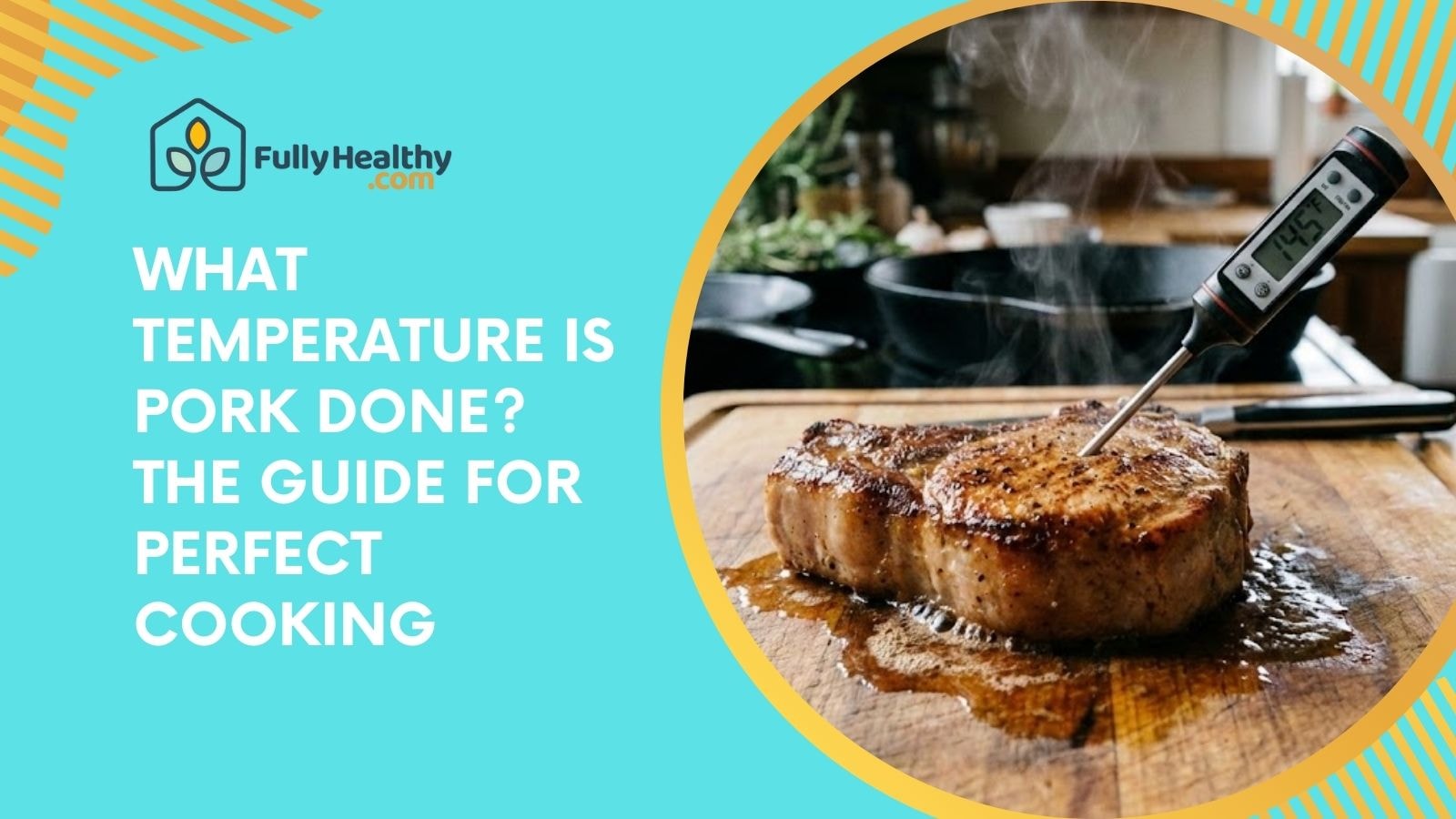
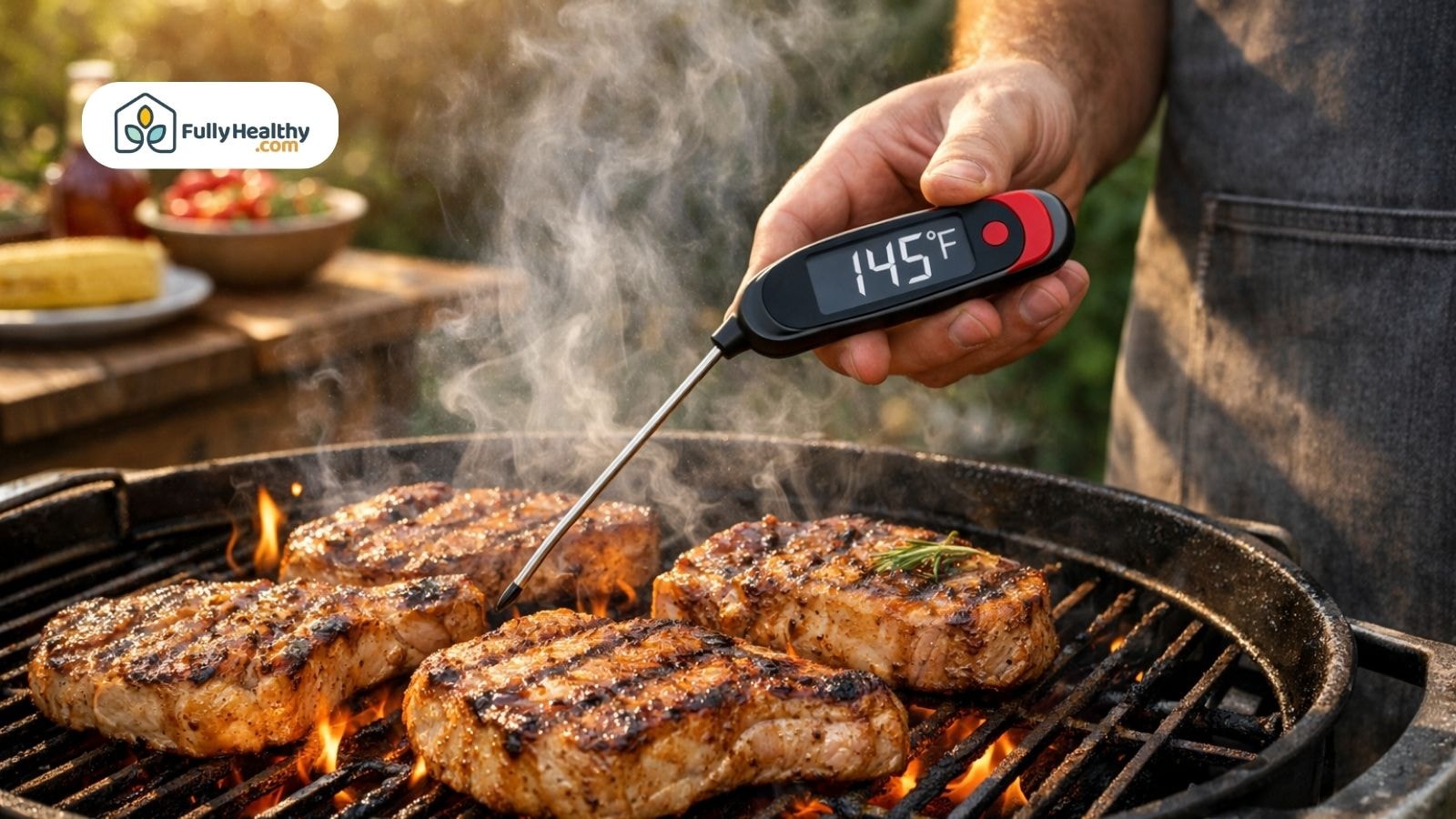
The right temperature for pork makes your meal safe, juicy, and tasty. The USDA states that pork is safe at 145°F (63°C) with a 3-minute rest, primarily to eliminate Salmonella. Ground pork should still reach 160°F because grinding mixes surface bacteria throughout the meat.
These numbers clear up the old confusion about pink meat or pork that is cooked too much. Knowing the right temperature lets you cook tender, tasty meat without any worries. Just use a thermometer and feel sure about what you're doing.
Featured Snack Pick
Epic // Smoked Maple Bacon Bar - 1.5 oz
Loading...
What Temperature Is Pork Done?
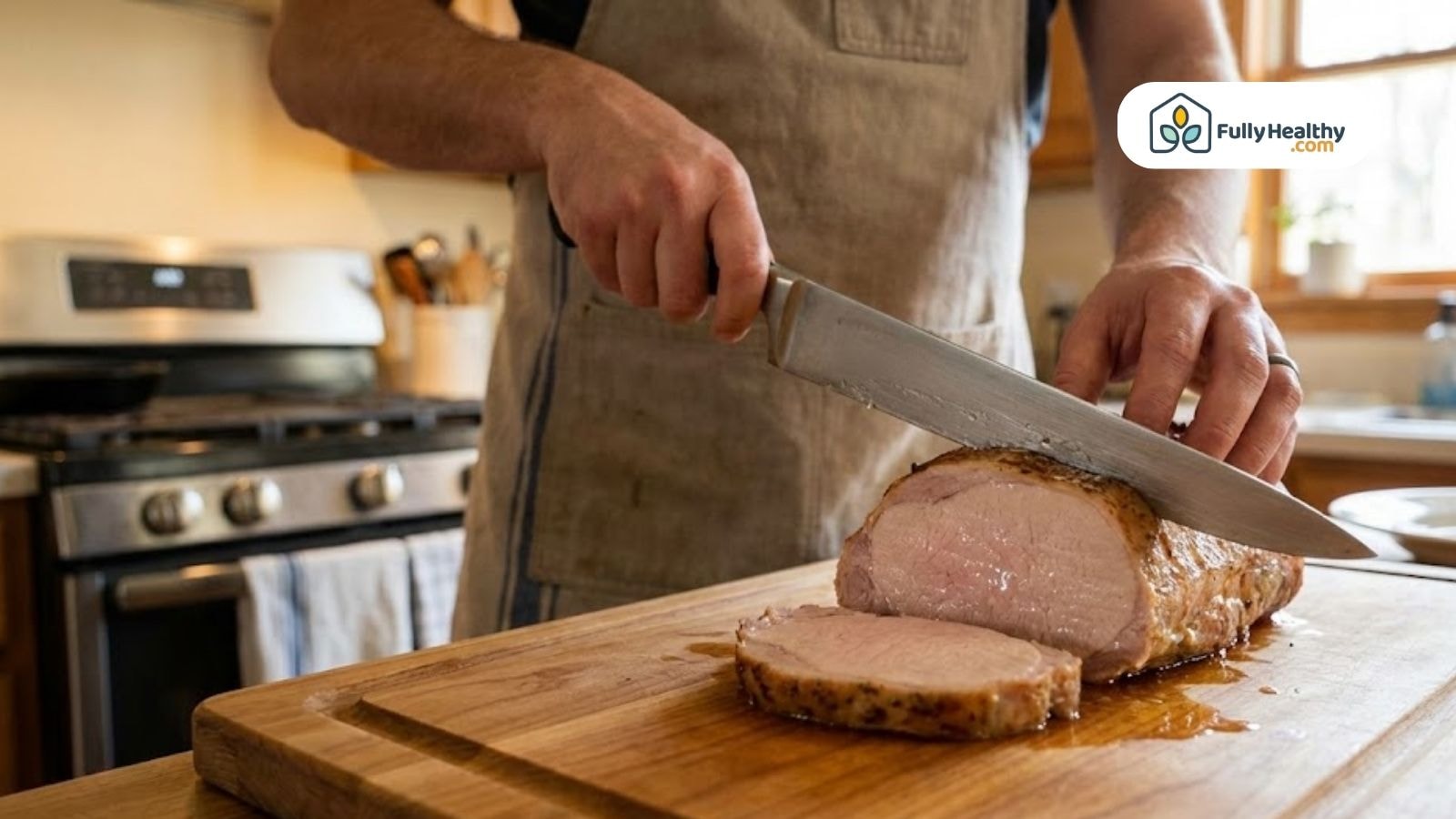
When pork is cooked the right way, it is safe to eat, juicy, and full of flavor. The USDA and the National Pork Board say that the minimum internal temperature for pork loin, pork tenderloin, and pork chop must be 145°F (63°C) inside and then rest for three minutes.
This short break lets the juices settle and helps the meat get to the right temperature. Always use a meat thermometer to make sure your food is cooked all the way through and is safe to eat.
USDA Pork Cooking Temperature Guidelines
In 2011, the USDA updated its food safety guidelines for pork, lowering the recommended minimum internal temperature. Before that, pork was often cooked too much, which made the meat dry. The new rules for cooking pork let you eat tender, tasty meat without worrying. Always use a good meat thermometer and check the thickest part of the cut, away from the bone, to make sure.
-
Safe Temp: 145°F (63°C) for whole pork cuts like loin, roasts, and chops.
-
Ground Pork: To kill bacteria and make sure the pork is not undercooked, cook it to 160°F (71°C).
-
Fresh Ham: Fresh (uncooked) ham should be cooked to 145°F (63°C) and rested for 3 minutes. Precooked ham can be eaten cold or reheated to 140°F (60°C).
-
Food Safety Tip: To get the right temperature, always use a meat thermometer or an instant-read thermometer.
Why Resting Time Matters
The temperature isn't the only thing that matters when cooking meat; resting it is just as important. Juices spread out evenly, and the inside temperature goes up a little. This keeps the meat safe and moist.
-
Three Minute Rest: Let the juices spread out, which keeps the pork tender.
-
Whole Cuts: For the best texture and taste, cook at a low temperature for a long time.
-
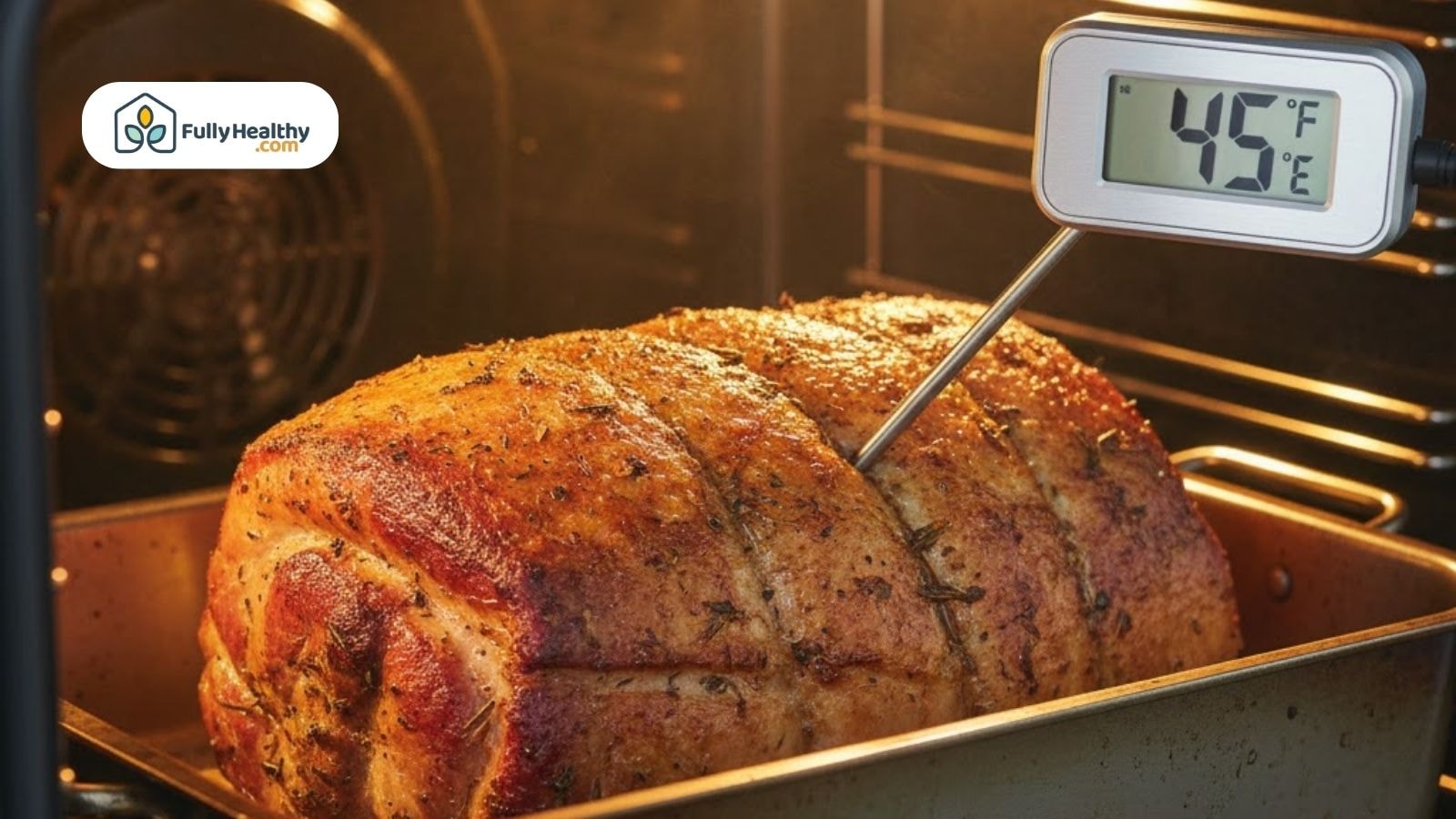
Thermometer Placement: To get an accurate reading, put the thermometer in the thickest part of the meat.
Is Pork Done at 145 or 160?
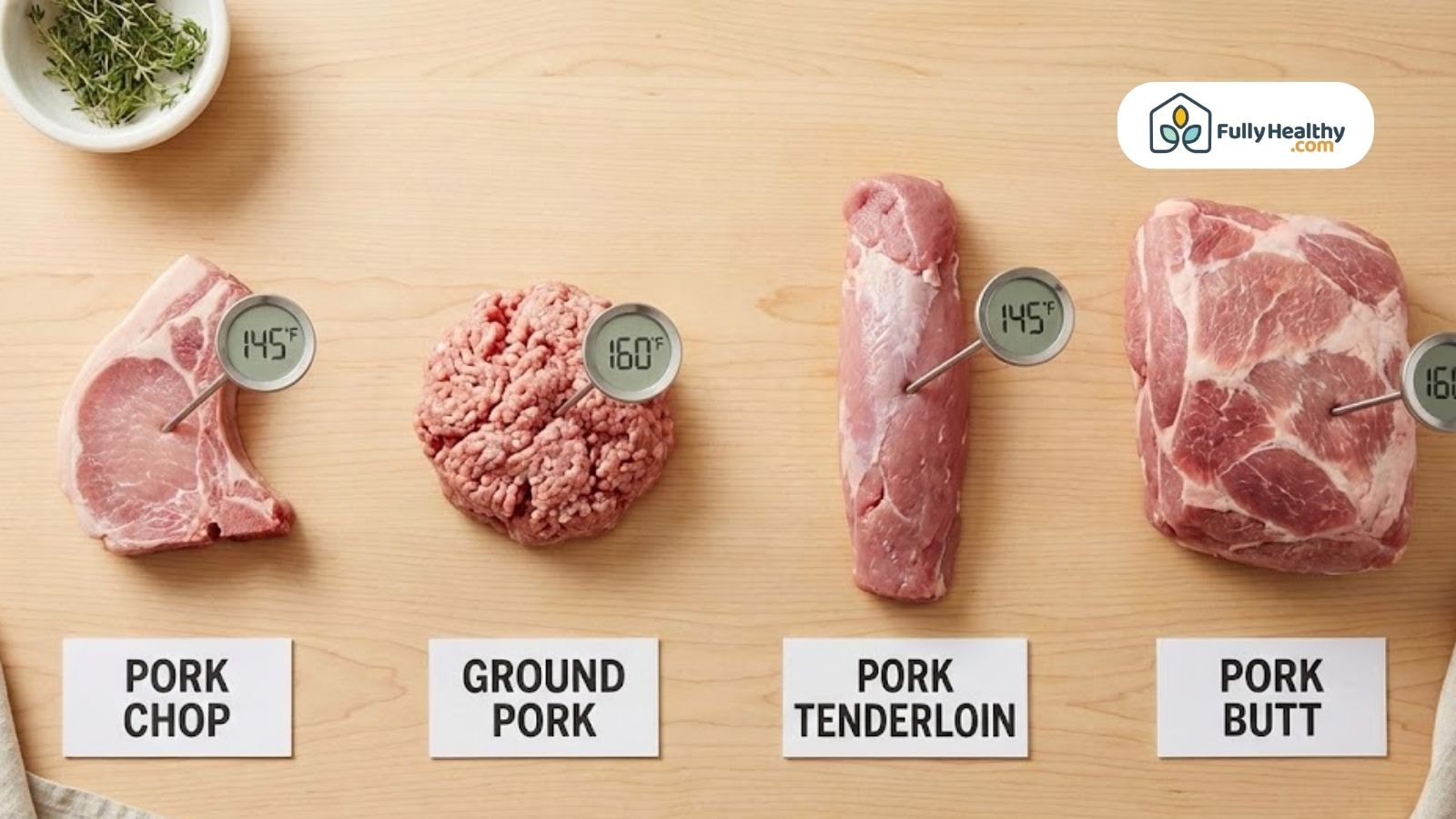
The right temperature for cooking pork depends on the type of meat and how you cook it. Whole cuts of pork, like pork tenderloin and pork loin, are safe at 145°F. Ground pork and fatty cuts, like pork butt, need to be cooked to 160°F. If you follow this rule, you won't have to worry about dryness or food safety every time you cook pork.
Understanding the Temperatures
Different kinds of pork need different amounts of heat. The National Pork Board makes it easy to cook meat safely, so you don't have to worry about raw meat.
-
145°F (63°C): For fresh ham, pork loin, pork chop, and tenderloin.
-
160°F (71°C): For ground pork or sausage to destroy bacteria.
-
180°F (82°C): While safety is achieved at 145°F, pork shoulder or butt is often cooked to around 190–205°F (88–96°C) for tenderness due to collagen breakdown.
Importance of Cooking Method
The way you cook affects how food tastes and feels. The oven, grill, or smoker can change the way the heat source cooks the meat. Large, fatty cuts are best cooked slowly, while lean cuts are best cooked at a high temperature.
-
Slow Cook: Makes pork butt, shoulder, or ribs tender and juicy.
-
Quick Cook: Great for roasts and chops—keeps the flavor and taste in.
-
Rest After Cooking: A three-minute break makes sure the meat is juicy and cooks evenly.
Is It Okay to Eat Pork If It's a Little Pink?
Yes, pork that is pink is safe to eat if it gets to the right temperature inside. Whole cuts that are a little pink don't mean it's raw meat. Salt, heat, and protein in the pig cause a natural color change. Pork that is cooked to 145°F and then left to rest for three minutes is safe to eat and tastes great.
What Color Tells You
Color doesn't always mean it's safe. A food thermometer is the only thing that can be trusted to tell you when food is done. Even chicken and beef can look pink when they're done cooking. A good meat thermometer takes away all doubt and keeps your recipe safe.
-
Pale With a Little Pink: Pork loin or tenderloin is usually cooked at 145°F.
-
Gray or Dry: The pork was overcooked.
-
Juicy and Tender: This means the meat is done cooking and is ready to be served.
Why Temperature Is Key
The right temperature for cooking pork makes it safe to eat and tastes great. The meat is safe when it gets to 145°F and rests, even if it looks pink.
-
Use an Instant Read Thermometer: Gives fast, accurate readings.
-
Check Multiple Spots: Especially on large cuts or roasts.
-
End Result: Every meal is always tasty, perfectly juicy, and delicious.
Can You Eat Pork at 60°C?
The way you cook pork, the temperature, and the rest time all affect how safely it cooks. The USDA says that in the United States, pork is safe to eat at 63°C (145°F) after resting for three minutes. The Food Standards Agency recommends cooking pork to 70°C for at least 2 minutes, or equivalent combinations such as 75°C for 30 seconds.
Home cooks may get confused by these differences, but both are safe if you use a good thermometer and follow good food safety rules.
Comparing UK and US Guidelines
The UK and US standards both want to keep your food safe, but they are a little different because of how they inspect food and how people cook. Knowing why these differences exist will help you find the right balance between safety and taste.
-
UK Advice: The Food Standards Agency advises cooking pork to 70°C for at least two minutes to ensure the destruction of pathogens such as Salmonella and Listeria.
-
US Standard: The USDA thinks pork is safe at 63°C, which is why they say it should rest for three minutes to finish cooking inside.
-
Flavor and Texture: Pork that is cooked to 63°C stays juicy and tender, but pork that is cooked at 70°C gets firmer and is very safe.
-
Safety Tip: Always check the inside temperature with a food thermometer or instant-read thermometer before serving.
Choosing the Right Cooking Method
The best way to cook pork depends on how big it is, how much fat it has, and what cut it is. Large, fatty pieces like pork roast or shoulder need to be cooked slowly, but small cuts can dry out if they are cooked too quickly. If you know how to do it, you can always get tender, tasty results.
-
Slow Cooking: Works well with fatty cuts like pork shoulder or roast. It keeps the meat moist and breaks down connective tissue.
-
Quick Cooking: Perfect for small, lean cuts like chops or medallions that cook evenly at medium heat.
-
Rest Period: Let the meat rest before you cut it to keep the juices in and keep it soft.
What Does Fully Healthy Offer for Mindful Eaters?
People who follow special diets like AIP, gluten-free, or allergen-free can shop on Fully Healthy. It used to be called ShopAIP. It sells food, sauces, and snacks that have been carefully chosen. This store makes it easier for people who love to cook healthy pork or tender cut dishes to find clean, trusted ingredients.
The Mission of Fully Healthy
Fully Healthy* was made to make it easy and stress-free to eat healthy. It works with small, honest companies that use high-quality, natural ingredients. The goal is to make sure that customers know that everything they buy is good for their health.
-
Main Goal: Provide a safe place to get foods that are free of allergens and good for people with autoimmune diseases.
-
Partnerships: Works with small brands that are open about their business and focus on nutrition and quality.
-
Customer Value: Offers products that already meet strict dietary needs, which helps shoppers save time.
Popular Products and Why They Matter
The store has snacks that are good for you and other things that people always need in their pantries. These products make food taste better without adding extra fat, sugar, or fake ingredients. This makes them great for healthy pork dishes or everyday meals.
-
AIP and Paleo Foods: Great for people who have food allergies or inflammation.
-
Seasonings and Sauces: Add flavor to pork that has been roasted or grilled without adding extra fat or sodium.
-
Baking Mixes and Snacks: Support clean eating by making sure people have a lot of healthy options that are easy to get.
-
Customer Reviews: The fast shipping, clear labels, and trusted ingredients are things that shoppers love.
Mindful eaters often go to Fully Healthy. Its products make healthy cooking easier and more fun, whether you're making a simple meal or a tender cut of pork.
Final Thoughts
Knowing the right temperature for cooked pork makes every meal safe and tasty. The USDA and the National Pork Board say that whole pork cuts like pork loin, pork chop, pork roast, and pork tenderloin are done at 145°F and should rest for three minutes. Always use a meat thermometer or food thermometer to check the internal temperature.
To enjoy a tasty meal, follow the correct pork cooking temperature, whether you slow cook a pork shoulder roast, slow-roast pork butt, or a smaller tender cut. Avoid undercooked pork, cook it all the way through, especially in the thickest part. Remember that a little pink pork is safe if it is cooked properly
FAQs
How long to cook pork for?
You should cook pork cuts like pork loin, pork tenderloin, or pork chop until the internal temperature reaches 145°F, then rest for a three minute rest time for a delicious meal.
What is the 6 2 2 rule for pork?
The 6-2-2 rule is a general cooking guideline for pan-searing chops, not a food safety rule. Always verify the internal temperature reaches 145°F (63°C).
How to tell if pork is fully cooked?
Use a food thermometer or instant read thermometer to check the pork cooking temperature. When the internal temp is 145°F, even if it’s pink pork, it’s safe and ready to eat.
Can you overcook a pork roast?
Yes, overcooking a pork roast or pork shoulder roast at a high cooking temperature makes the tender cut dry and tough. To keep it juicy, slow cook or slow roasted at low heat source.
What internal temp kills bacteria in pork?
The National Pork Board and inspection service say bacteria die when pork cooking temperature reaches 145°F for whole cuts and 160°F for ground pork, making your pork cooking safe.
Leave a comment