

What Temperature Is Turkey Done? Turkey Rest Matters

Instead of browning, turkey is done when it reaches the right temperature inside. You can only be sure by using a thermometer. That's the best temperature for most whole turkeys, but the best temperature for different parts of the bird depends on how it's cooked.
This article tells you the safest temperatures, the best way to cook a turkey, the differences between a seasoned and a brined turkey, and how to automatically keep a turkey moist.
Featured Kids Pick
Serenity Kids // Turkey Bolognese - 3.5 oz
Loading...
What Temperature Is Turkey Done?
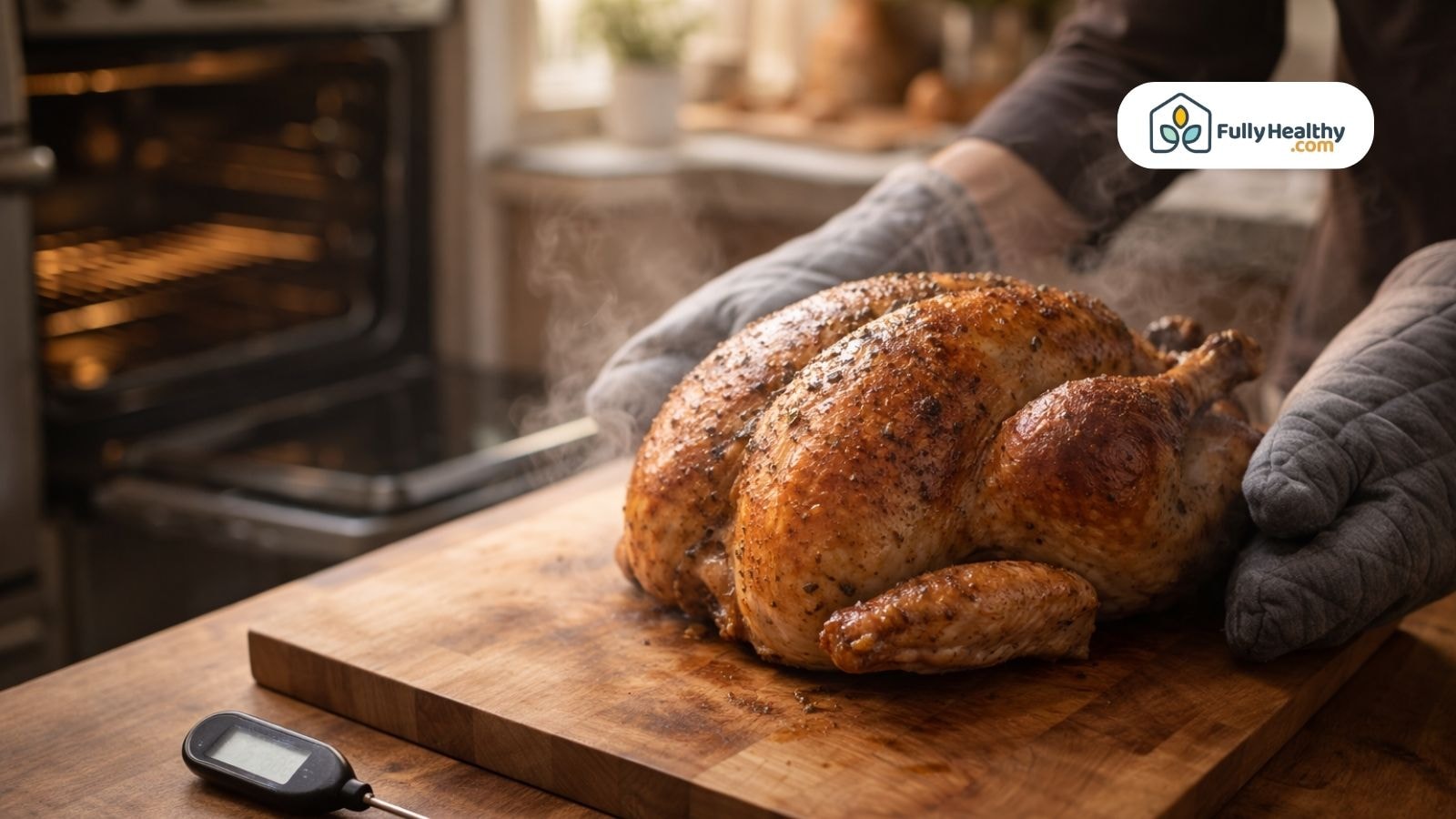
The turkey is done when the internal temperature is right, not when it looks crispy or browned. In order to avoid dry meat or food safety issues, many home cooks ask what temperature turkey is done at. An instant-read thermometer in the thickest part of the turkey is the safest and most accurate way to do it.
You should do this whether you cook in the oven or follow a recipe. The temperature, not how the meat looks, is what makes it safe and tender to eat.
USDA Safe Internal Temperature Explained
In order to be safe to eat, the USDA says that the breast and thigh meat should reach 165°F in the innermost part. 165°F is the USDA’s instantaneous safety temperature; lower temperatures require holding time to achieve the same bacterial reduction. Every year, this temperature keeps your health safe by killing germs. Before you serve or carve, you should always measure.
-
Where to measure: Do not touch the bone, wing, or backbone when you put the thermometer into the thickest part of the breast.
-
Why this matters: The meat is safe to eat and ready to serve when it reaches 165°F.
-
Best tool: An instant-read thermometer gives you quick and correct readings.
Why Color and Juices Are Misleading
Checking the meat's color, skin texture, or juice flow can be deceptive. The turkey might look done, but it still needs more cooking time. Before putting the bird to rest or taking it out of the oven, always check the temperature.
-
Common mistake: Sometimes pink meat doesn't mean it's not done.
-
Better method: Check the temperature instead of just looking at it.
-
Helpful habit: Before you buy a turkey, make sure you look in more than one place.
What Temperature Is a Brined Turkey Done?

Brining turkey preserves its juicy texture by adding salt and water, but it doesn't change the safe temperature. The turkey is still done when it reaches 165°F after being brined.
Brining improves moisture retention and perceived juiciness, which can affect doneness perception but does not significantly change heat transfer. Knowledge of this helps you organize your time and prevent getting dry results.
Does Brining Change the Done Temperature?
The target temperature doesn't change after brining. Although the turkey may seem done sooner, this is due to protein denaturation and water retention from salt, not faster heat absorption. To avoid overcooking, start checking early.
-
Safe temperature: 165°F is still needed to eat safely.
-
What changes: It gets hotter faster and keeps more of its juices.
-
What to do: Start checking the temperature earlier than usual.
Resting Time After Brined Turkey Reaches Temp
Resting the turkey is very important after taking it out of the oven. Although it is resting, the meat will continue cooking a little and get softer. This step makes the texture better and allows for easier carving.
-
Recommended rest: Before carving, let the turkey rest for about 20 minutes.
-
Carryover heat: Following removal, the temperature inside may rise a little.
-
Final result: Evenly spreading the juices keeps the meat juicy.
What Is the Best Temperature for a Turkey?

The best temperature for a turkey depends on your preferences, its size, and the part you're looking at. The safest temperature is 165°F, but some cooks like to cook thigh meat at higher temperatures because it has more fat. Others take the turkey breast out of the oven when it's done and let it rest under foil to keep it from drying out.
Best vs. Minimum Temperature—What’s the Difference?
The lowest temperature is one that makes things safe, and the highest temperature is one that makes things taste and feel good. It's easier for breast meat to dry out and cook faster than thigh meat, which does better with higher heat.
-
Safety focus: 165°F is the key number for safe meat.
-
Texture choice: A lot of cooks like chicken thighs at 170 to 175°F.
-
Smart balance: When the breast is done, take it out and let it rest.
Ideal Temperatures by Turkey Part
Parts of the turkey cook at various rates. If you know where to look and how to do it, you can serve better food and get better ideas for future meals.
-
Breast: Done in the thickest part at 165°F.
-
Thigh: Because of the fat and connective tissue, it can handle more heat.
-
Stuffing: Must also get to 165°F in the innermost area.
What Is the Secret to a Moist Turkey?
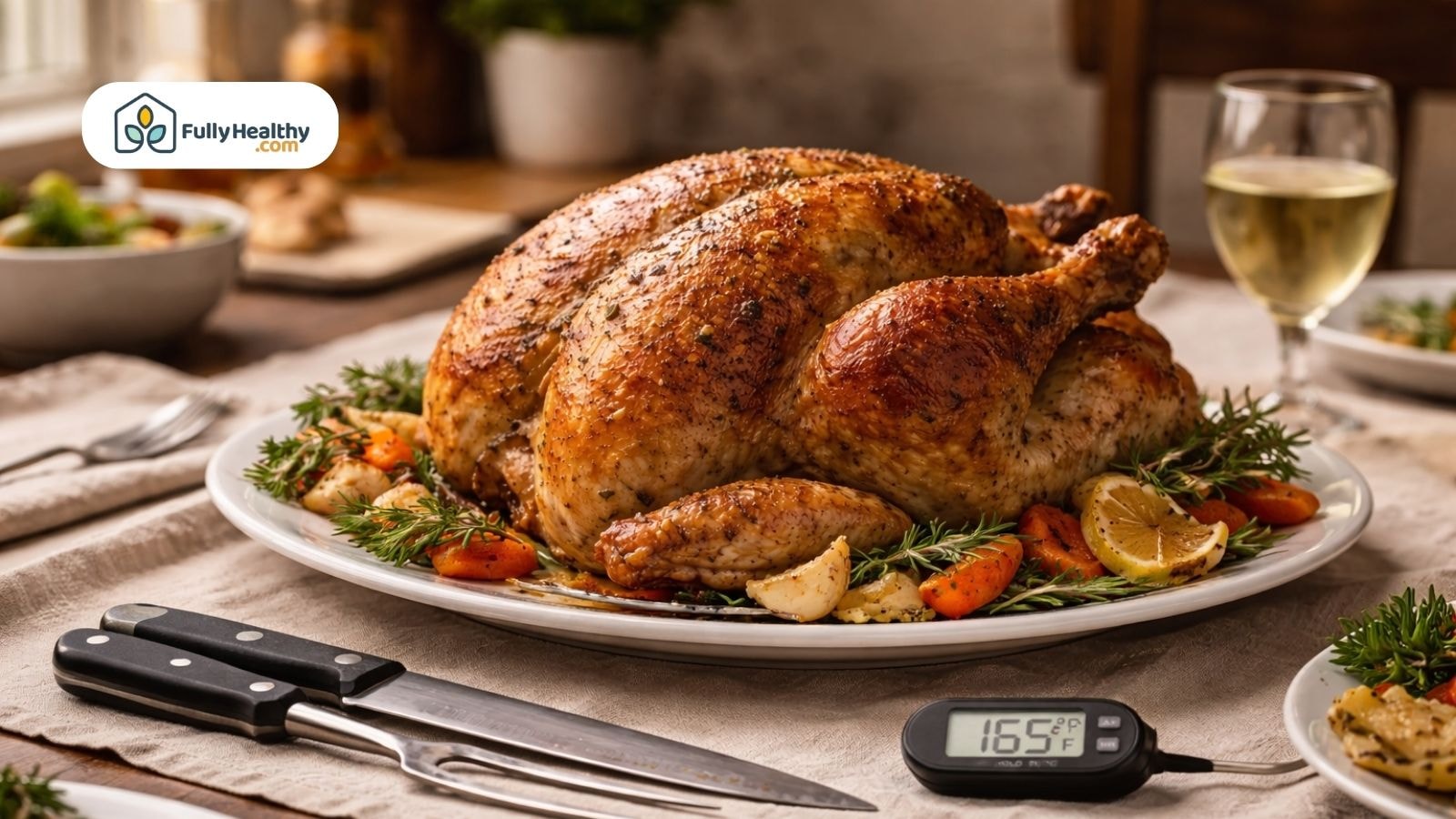
A moist turkey is not a matter of chance, but of control. Most people mess up when they leave the turkey in the oven for too long. How the turkey is handled after it is taken off the heat affects how much moisture it has. By following these steps, you can make sure that the turkey stays juicy from the first slice to the last.
Pull Temperature and Carryover Cooking
Turkey may be removed slightly before 165°F only if carryover cooking is confirmed to raise the internal temperature to at least 165°F The temperature inside keeps going up after it comes out of the oven. This method, known as "carryover cooking," makes the turkey tender and keeps the moisture inside. This small step changes the texture in a big way.
-
Key technique: Take out the turkey a little early so it doesn't get too done.
-
Why it matters: Carryover heat finishes cooking the meat without drying it out.
-
Simple example: Early removal makes the area more tender and improves performance overall.
Moisture Insurance: Brining, Injecting, Resting
Extra steps that add moisture protect against dryness. Brining the meat helps it hold its water, and letting it rest lets the juices move back into it before you cut it. It's easy to follow these steps for any size turkey.
-
Brining benefit: Before cooking starts, it adds moisture and flavor.
-
Resting step: Holds the juices in place so they don't leak out.
-
End result: It is easier to serve, and the meat stays juicy.
What Does Fully Healthy Offer for Cooking Turkey Safely and Confidently?
Fully Healthy is a website that helps people who want to prepare meals that are good for their health. Even though it doesn't give cooking temperatures, it does sell products and tools that help cooks stay organized and sure of themselves. Clear information, strong security, and tools that make meal planning easier are what the platform is all about.
Dietary-Safe Ingredients That Don’t Affect Doneness
FullyHealthy sells seasonings and pantry items that are free of allergens and can be used without changing the way you cook. With these products, cooks can focus on flavor while still following basic food safety rules. The way the website is set up makes it easy for people to find what they need.
-
Ingredient purpose: Allows clean cooking without changing the doneness.
-
User advantage: Clear labels help avoid blocked decisions.
-
Added help: More guidance about special diets is given.
Useful FullyHealthy Products for Brining Turkey
FullyHealthy has products that can help you brine turkey and still meet your dietary needs. The simple ingredients and clear labels may help keep mistakes to a minimum while the food is being made. When you're brining something for a special meal, using the right products can make the meat more moist and flavorful.
-
Brining-friendly seasonings: There are salt blends and dried herbs that are easy to dissolve in water and help season turkey evenly without making it taste too strong.
-
Dietary-safe ingredients: Products made to meet the needs of people who are gluten-free or allergic give peace of mind with every bit added to the brine.
-
Easy product review: It's easy to get to each product page, so users can read about the details and ingredients before they buy.
-
Helpful site features: It is easier to find brining supplies when the navigation is clear. You won't have to waste time or get lost.
Final Thoughts
Knowing the right temperature for turkey takes the guesswork out of cooking and helps you make a meal that everyone will enjoy. To get better results, use a thermometer, check the thickest part, and let it rest for the right amount of time.
If you want to avoid dry meat and food safety problems when you roast or brine meat, follow trusted guidance. If you take the right steps, cooking turkey will be easier, more reliable, and something you can do again and again with confidence
FAQs
Is turkey done at 165 or 180?
Turkey is considered safe to eat at 165°F when measured in the thickest part, while cooking it to 180°F is unnecessary and often results in dry meat.
Is turkey cooked at 70°C?
Yes, 70°C (158°F) is close, but turkey should reach 74°C (165°F) to meet food safety guidelines and ensure harmful bacteria are eliminated, as specified by USDA food safety guidelines for poultry.
What temp should turkey be cooked to?
Turkey should be cooked until it reaches an internal temperature of 165°F in the thickest part of the breast or thigh, as recommended by the USDA.
Is turkey safe to eat at 145?
No, turkey is not safe to eat at 145°F because this temperature does not reliably kill bacteria, even if the meat looks fully cooked.
Can I pull turkey breast at 155?
You can pull turkey breast around 155°F only if measured carryover cooking raises the internal temperature to 165°F before serving.
Leave a comment