

What to Avoid When Taking Glutathione? For Maximum Benefits
Curious about what to avoid when taking glutathione? This powerful antioxidant is good for your liver, immune system, and cells in general, but some habits can make it less useful.
Some drugs, processed foods, alcohol, smoking, and too much caffeine can lower glutathione levels or make it harder to absorb. Not using it at the right time or at all can also hurt results. You will learn what to stay away from and how to safely get the most out of your supplement in this guide.
Featured Supplement Pick
L-Glutamine Capsules
Loading...
What To Avoid When Taking Glutathione?
An antioxidant called glutathione is made up of three amino acids and is a naturally occurring antioxidant. It helps keep the skin, liver, and immune system healthy. A lot of people take glutathione supplements to protect their cells from oxidative damage and combat oxidative stress. But some habits can make it harder for the body to absorb glutathione, which means that taking supplements won't help as much.
Avoid Alcohol, Smoking, And Processed Foods
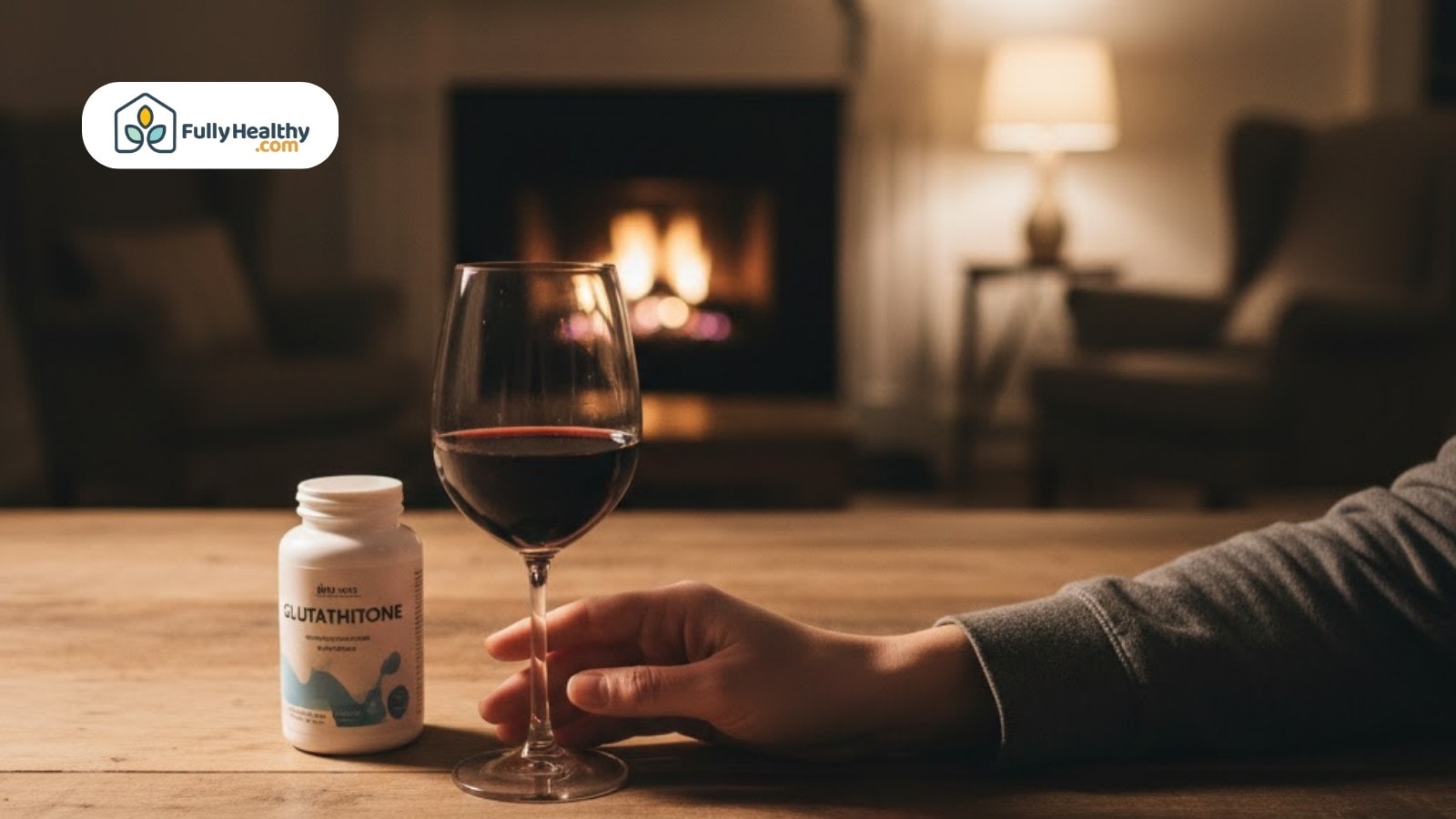
Alcohol and smoking can quickly deplete glutathione levels. These habits lower the body's natural glutathione levels and increase harmful free radicals. Highly processed foods also add harmful substances that stress the liver.
-
Alcohol consumption: Weakens liver function, lowers liver glutathione, and may increase the risk of liver disease.
-
Smoking exposure: Increases oxidative damage and drains the master antioxidant needed to protect cells.
-
Highly processed foods: Contain additives that increase oxidative stress and reduce overall health.
-
Excess sun exposure: Can affect skin tone and slow progress when promoting skin health.
Avoid Poor Timing, Low-Quality Products, And Inconsistent Use
Not all glutathione supplements work the same. Some forms break down before proper glutathione absorption happens. Choosing the right form and using it correctly helps maintain balanced glutathione levels. Always speak with a healthcare provider before starting supplementation, especially if you have chronic diseases or liver disease.
-
Skipping doses: Makes it harder to maintain balanced glutathione levels in the body.
-
Doubling doses: Does not improve results and may cause side effects.
-
Low-quality formulas: May not support proper glutathione supplementation or glutathione synthesis.
-
Ignoring vitamin C: Vitamin C helps recycle glutathione and supports better antioxidant protection.
-
Choosing poor forms: Liposomal glutathione and sublingual glutathione may offer better stability than standard capsules.
What Should You Not Mix With Glutathione?

Glutathione plays an important role in eliminating harmful substances and protecting cells. Mixing it with certain medications or minerals may reduce its benefits or stress the liver.
Avoid Certain Medications And Pain Relievers
Some drugs reduce liver glutathione or increase oxidative stress. This can affect immune function and long-term overall health.
-
Acetaminophen (high doses): Can lower liver glutathione and raise the risk of oxidative damage.
-
Chemotherapy drugs: May change antioxidant balance and require medical supervision.
-
Certain antibiotics: Can interfere with detox pathways.
-
Antipsychotic medications: May affect the body's antioxidant systems.
Always consult your healthcare provider before combining glutathione supplements with prescription medications.
Avoid High Doses Of Iron, Copper, And Excess Alcohol
Too much of certain minerals can disturb antioxidant balance. Alcohol consumption further reduces the body's natural glutathione levels.
-
High-dose iron: May reduce antioxidant effectiveness when not medically needed.
-
Excess copper: Can disrupt balanced glutathione levels.
-
Frequent alcohol use: Depletes the master antioxidant needed for strong liver health and immune function.
What Foods To Avoid When Taking Glutathione?
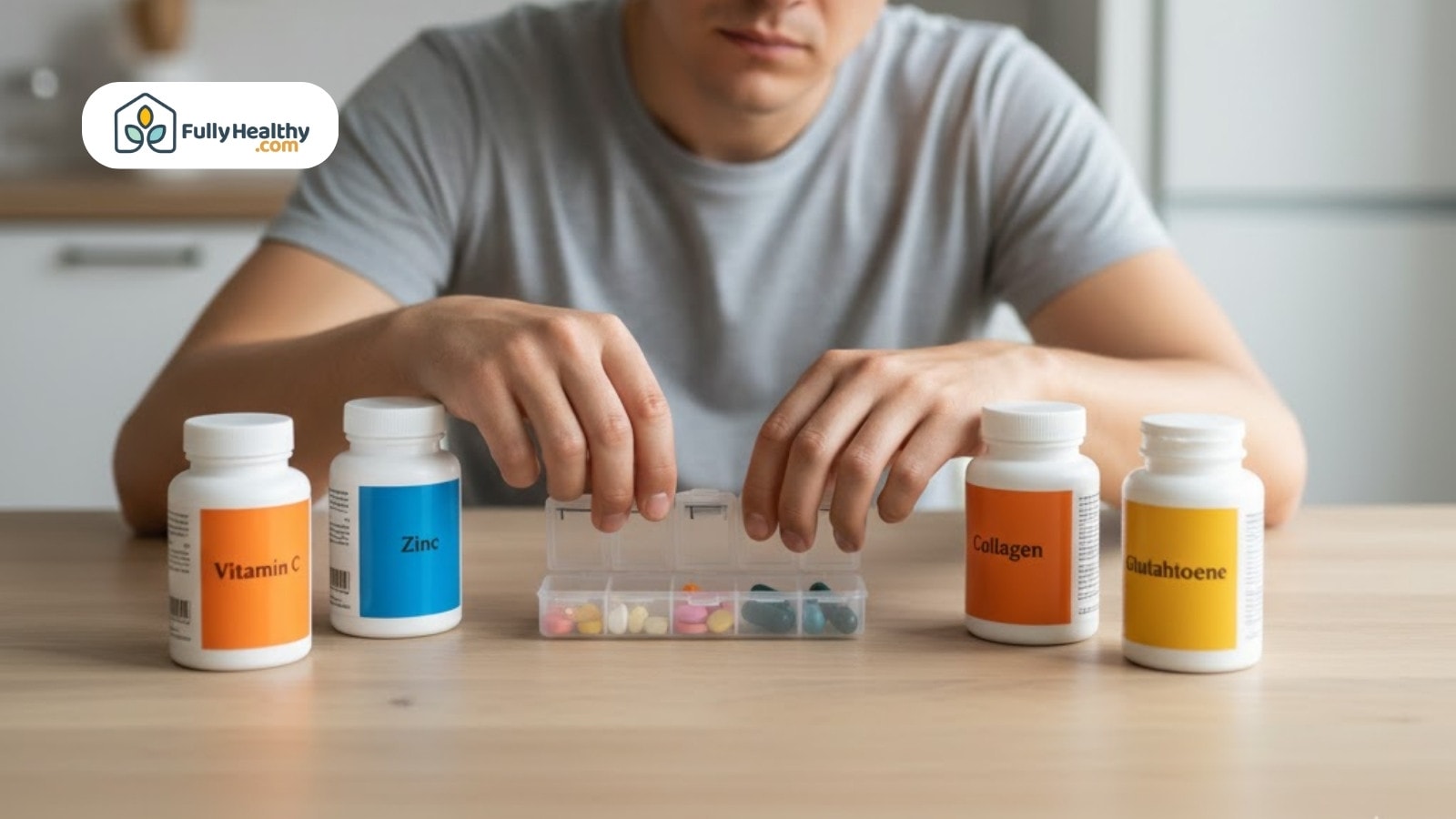
Diet plays a major role in glutathione synthesis. A balanced diet rich in essential nutrients supports amino acids needed for this antioxidant. Poor food choices can increase oxidative stress and slow results from glutathione supplementation.
Reduce Sugar, Unhealthy Fats, And Highly Processed Foods
Sugary and fatty foods can increase harmful free radicals. This may reduce glutathione absorption and raise oxidative damage.
-
Sugary beverages: Increase inflammation and promote oxidative stress.
-
Refined carbohydrates: Lower antioxidant efficiency and affect immune function.
-
Fried foods: Add unhealthy fats that increase oxidative damage.
-
Artificial additives: Introduce harmful substances that burden liver function.
Limit Alcohol And Support With Whole Foods Instead
Alcohol consumption directly lowers liver glutathione and weakens liver health. A healthy diet that follows a balanced diet pattern supports glutathione synthesis and helps the body boost immune function.
-
Cruciferous vegetables: Help support natural glutathione synthesis.
-
Lean proteins: Provide amino acids needed to form glutathione.
-
Citrus fruits: Supply vitamin c to help maintain balanced glutathione levels.
-
Selenium-rich foods: Support antioxidant defense and protect against chronic diseases.
What Happens To Your Body When You Start Taking Glutathione?

When starting glutathione supplementation, your body begins using this antioxidant to combat free radicals and support cellular repair. It plays an important role in protecting vital organs and reducing oxidative stress. The results depend on dosage, consistency, and lifestyle factors such as diet, sleep, and stress levels.
Reduced Oxidative Stress And Metabolic Support
Glutathione helps neutralize unstable molecules that damage cells. This process supports immune cells and strengthens overall immune system support. Keeping optimal glutathione levels may also help maintain steady metabolic function.
-
Lower oxidative stress: Helps protect cells from damage caused by harmful toxins and daily environmental exposure.
-
Stronger immune defense: Supports immune cells and assists in supporting immune function.
-
Metabolic balance: May help regulate blood sugar and energy production.
-
Inflammation control: Assists in reducing oxidative stress linked to long-term health issues.
Liver Support, Detox Benefits, And Possible Side Effects
Glutathione is essential for the detox process. It binds to harmful toxins and helps remove them from the body. People with glutathione deficiency may notice improvement when they boost glutathione levels with proper use.
-
Detox support: Helps the liver clear harmful toxins more efficiently.
-
Liver protection: Supports healthy liver activity and long-term function.
-
Cellular repair: Assists with healing and protecting body tissues.
-
Possible reactions: Some users may experience mild bloating or skin rashes.
Can I Drink Coffee With Glutathione?
Coffee is common in many daily routines. However, caffeine may reduce glutathione's effectiveness if taken too close to your supplement. Timing plays a key role in helping the body absorb glutathione properly.
Why Caffeine May Affect Absorption
Caffeine stimulates the nervous system and may increase short-term stress in the body. In high amounts, it can interfere with reducing oxidative stress and affect optimal glutathione levels.
-
Stress response: Excess caffeine may temporarily increase oxidative stress.
-
Absorption concerns: Drinking coffee right after oral glutathione may limit how well you absorb glutathione.
-
Liver workload: Large amounts of caffeine may add strain to detox pathways.
-
Balanced intake: Moderate coffee consumption is less likely to disrupt antioxidant balance.
Smart Timing For Coffee And Supplements
Spacing your supplement and caffeine intake can improve results. A simple routine helps support immune system support and long-term wellness.
-
Take first dose early: Use oral glutathione on an empty stomach when possible.
-
Wait before coffee: Allow one to two hours before drinking coffee.
-
Avoid mixing together: Do not swallow supplements with caffeinated beverages.
-
Stay consistent: Combine supplementation with a healthy lifestyle for best results.
How FullyHealthy Supports Your Glutathione And Wellness Goals
A healthy lifestyle includes smart nutrition and quality supplements. FullyHealthy offers products that align with immune system support and long-term wellness goals. These options can help boost glutathione levels safely.
Acetyl-Glutathione For Advanced Antioxidant Support
Acetylated forms are designed to improve stability and help the body absorb glutathione more effectively. Using Acetyl-Glutathione supports reducing oxidative stress and protecting vital organs.
-
Improved absorption: Designed to help the body absorb glutathione efficiently.
-
Detox assistance: Supports the natural detox process that removes harmful toxins.
-
Immune strength: Encourages immune cells to function properly.
-
Convenient format: Easy daily capsule for consistent use.
L-Glutamine And Clean Nutrition Options
Nutrition plays a major role in maintaining optimal glutathione levels. Making better food choices helps prevent glutathione deficiency and supports overall balance.
-
L-Glutamine support: Provides nutrients connected to antioxidant production.
-
Avoid processed and fried foods: These increase harmful toxins and may reduce glutathione's effectiveness.
-
Choose healthy fats: Support cellular repair and balanced energy.
-
Balanced meals: Help maintain steady antioxidant levels and support a healthy lifestyle.
Final Thoughts
Glutathione supports cellular repair, immune balance, and supporting liver function, but results depend on smart habits. Avoid drinking alcohol, limit processed foods, and follow a consistent supplement regimen to protect antioxidant levels.
Be aware of potential interactions with medications and reduce exposure to toxic substances that increase oxidative stress. A healthy lifestyle, balanced nutrition, and proper timing help maintain long-term benefits. When used correctly, glutathione can support detox pathways and overall wellness. Always consult a professional before long-term use.
FAQs
Can drinking alcohol affect my supplement regimen?
Yes, drinking alcohol may reduce antioxidant activity, increase toxic substances, and interfere with supporting liver function.
Are there potential interactions with glutathione?
Yes, potential interactions may occur with certain medications, so review your supplement regimen with a professional.
Does glutathione help with supporting liver function?
Glutathione plays a role in supporting liver function and removing toxic substances from the body.
Should I change my supplement regimen if exposed to toxic substances?
Yes, exposure to toxic substances may require adjustments to your supplement regimen under medical guidance.
Why is avoiding drinking alcohol important while supplementing?
Drinking alcohol can increase toxic substances, reduce antioxidant levels, and weaken supporting liver function.
Leave a comment