
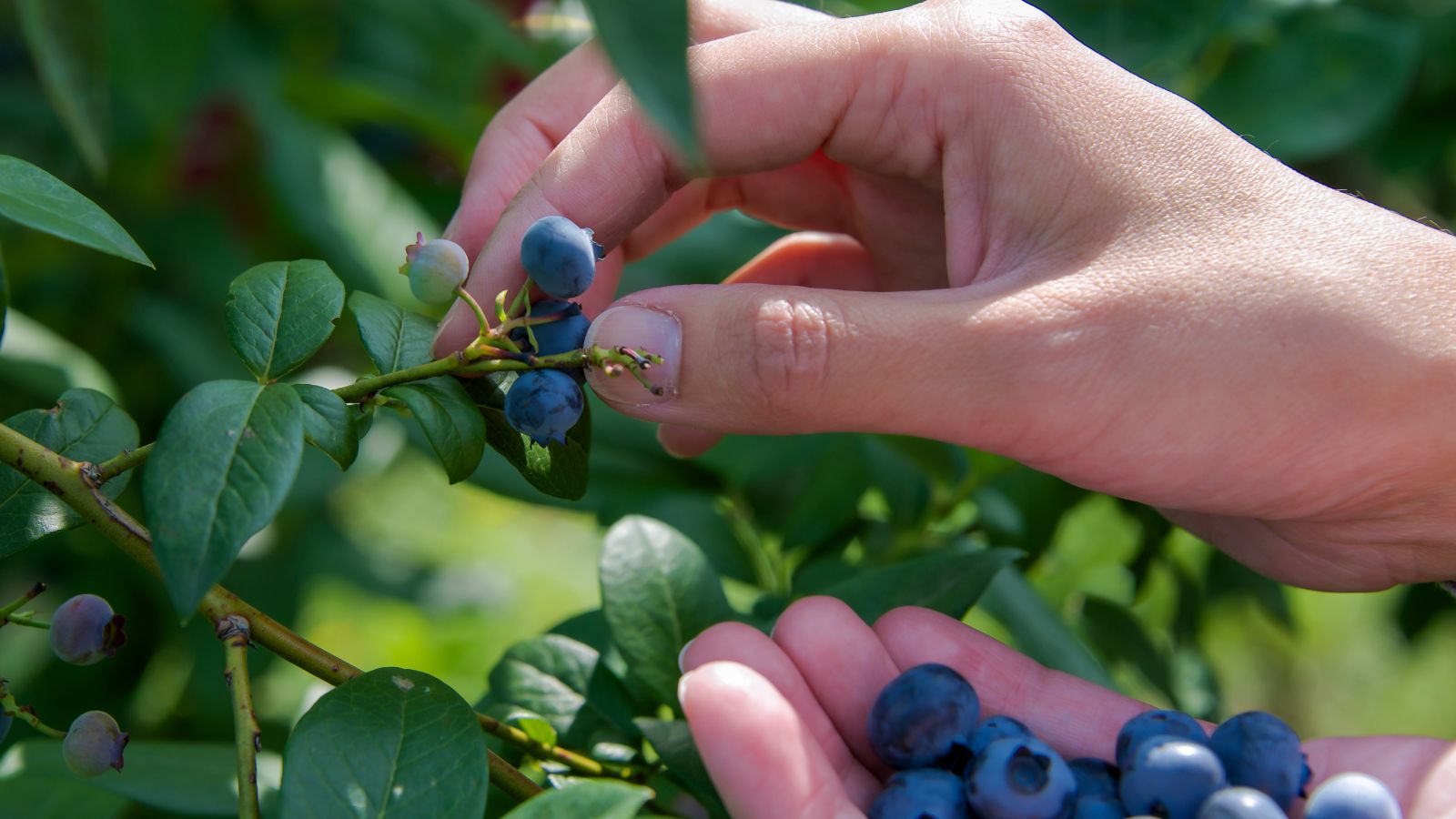
When Are Blueberries in Season? From Bloom to Bowl

When are blueberries in season? If you live in the United States, blueberries are in season from spring to early fall. For the best blueberry shopping, picking, and eating, read this guide. There are two types of blueberries: lowbush and highbush.
You will learn how to save blueberries and how to tell if they are ready. This is all you need to know about sweet, healthy berries.
💙 Click Here to Taste Blueberry Muffin Bliss—No Grains, No Guilt!
What Is the Season for Fresh Blueberries?

Understanding National Blueberry Harvest Patterns
The blueberry growing season varies depending on location. In general, when are blueberries in season depends on how early spring arrives and how long summer stays. Most of the time, the U.S. harvest starts in April and ends in early fall.
-
Southern states: Begin harvest in April and peak by June.
-
Western regions: Start in April and can extend to October in some parts.
-
Midwest and Northeast: Start around June and continue through September.
-
Wild blueberries: Typically ripen in late July to August in northern climates like Maine.
-
Berry lovers: Should watch for local peak seasons for the best berries.
How Climate and Variety Affect Blueberry Season
Blueberry varieties are bred to do well in a range of conditions. The weather, temperature, and number of "chill hours" all affect how the season changes.
-
High chill varieties: Grow best in cooler regions with cold winters (e.g., Duke, Patriot).
-
Low chill varieties: Thrive in warm climates like the Southeast (e.g., Emerald, Biloxi).
-
Hot days and cool nights: Help develop flavor and sweetness.
-
Rain and sunlight: Influence bloom and the timing of fully ripened fruit.
-
Bloom stage: Begins in spring; harvest starts roughly 60–90 days after.
What Are the Best Months to Buy Blueberries?

Prime Months for Peak Flavor and Pricing
Blueberries taste best when they are very fresh, so buy them when they are in season. Locally sourced berries are usually tastier and less expensive when bought in season.
-
May through August: Best time nationwide to get delicious berries.
-
California: Season runs from April to June.
-
Southeast (e.g., Florida, Georgia): April to May is peak.
-
Northeast and Midwest: July through September is ideal.
-
September Southeast to September Southwest: Last regional harvests before fall.
Off-Season Tips and Alternatives
You can get blueberries all year, but the quality changes when they're not in season. Find out how to shop smart when berries aren't in season.
-
Frozen blueberries: Great substitute for smoothies, pies, and baking.
-
Imported fruit: Comes mostly from South America in fall and winter.
-
Check containers: Look for berries that are dry, firm, and deep blue.
-
Avoid crushed or leaking containers: Indicates poor handling or overripeness.
-
Smaller wild blueberries: Often sold frozen and packed with antioxidants.
How to Tell If a Blueberry Is Ripe?

Visual and Tactile Ripeness Indicators
Ripe Blueberries are easy to spot with your eyes and hands alone. What's most important are the berry's color, texture, and how it comes off the bush.
-
Color: Fully ripe berries are deep blue to almost black with a gray-white bloom.
-
Texture: Should feel soft but still firm and not mushy.
-
Detachment: Berries that fall off easily are ready.
-
Bloom: The light powdery coating protects the berry and signals freshness.
-
Blueberry picking tips: Pick early morning when berries are cool and plump.
Common Mistakes in Picking Too Early
Many people pick berries too soon based on color alone. Fully ripe fruit should stay on the bushes a few more days after turning blue.
-
Red or pink tint: Indicates underripe and more acidic flavor.
-
Hard texture: Signals developing berries that need more time.
-
Less sweetness: Premature picking reduces flavor quality.
-
Doesn’t fall off easily: Not yet ripe enough to harvest.
-
Flavor impact: Early-picked berries lack the full juicy taste.
Do Blueberries Last Longer in the Fridge or on the Counter?

Proper Short-Term Blueberry Storage
How you store blueberries makes a huge difference in taste, texture, and how long they last. Temperature and airflow are very important for short-term storage.
-
Fridge: Keeps blueberries fresh for up to 2 weeks in breathable containers.
-
Counter: Okay for only 1–2 days before berries go soft.
-
Use paper towels: Helps absorb excess moisture.
-
Single layer: Prevents crushing and keeps texture intact.
-
Store blueberries cold: But not sealed in plastic, or mold will spread fast.
Tips for Maximizing Freshness
Blueberries should stay juicy, sweet, and ready to eat so that they don't go bad or go to waste. It's the little things that count.
-
Avoid airtight containers: Moisture builds up and berries spoil quicker.
-
Wash only before eating: Wet berries attract mold in storage.
-
Use a vinegar-water rinse: 1 part vinegar, 3 parts water helps kill bacteria.
-
Dry completely: Let air-dry on paper towels before putting in the fridge.
-
Freeze leftovers: Lay in a single layer before bagging to keep them from clumping.
Healthy Blueberry Products at FullyHealthy
What Is FullyHealthy and Who Is It For?
FullyHealthy is an online store that sells clean, allergen-free foods, such as snacks and pantry items made with blueberries. It helps people who are on the AIP, gluten-free, or other special diets.
-
Supports clean eating: Offers trustworthy brands with minimal ingredients.
-
AIP-approved options: Great for autoimmune-friendly diets.
-
Perfect for health-conscious berry lovers: Prioritizes natural, real-food ingredients.
-
Wide selection: Includes snacks, cereals, and condiments.
-
No subscription required: Shop freely based on your dietary needs.
Highlighted Blueberry Products to Try
Shopping for shelf-stable blueberries has never been easier. These snacks are flavorful and great for on-the-go.
-
That’s It Blueberry Fruit Bar: Made with real apples and blueberries.
-
Wild Zora Blueberry Muffin Cereal: A grain-free, blueberry muffin in a bowl.
-
St. Dalfour Wild Blueberry Conserves: A rich spread made with wild berries.
-
That’s It Blueberry Probiotics Bar: Combines fruit with digestive support.
-
Great for kids and adults: Easy to pack, delicious, and full of vitamin C and antioxidants.
Final Thoughts
One of the best berries to eat fresh, freeze, or bake with all summer is blueberry. Putting blueberries away in a single layer of paper towels helps keep them from getting too wet. The flavors of both lowbush and highbush blueberries are very strong.
You can grow blueberries or grab them in freezer and stores. Either way, they're sweet, juicy, and full of vitamins for you. Stay informed and enjoy every handful!
FAQs
What are blueberry picking tips and how to store blueberries best?
Blueberry picking tips: pick when fully blue, and store blueberries on paper towels in a single layer to reduce excess moisture.
Do grocery stores sell both lowbush blueberries and highbush blueberries?
Yes, grocery stores usually sell highbush blueberries fresh and lowbush blueberries frozen or in wild blueberry form.
Can I grow blueberries at home or should I just buy from grocery stores?
Yes, you can grow blueberries in your garden or buy them year-round from grocery stores depending on the season.
Why use paper towels and single layer to store blueberries?
Paper towels absorb excess moisture and keeping them in a single layer stops the blueberries from getting crushed.
What’s the difference between lowbush blueberries and highbush blueberries?
Lowbush blueberries are smaller, wild, and great for baking; highbush blueberries are bigger and common in grocery stores.
Leave a comment