

When Are Pears in Season? A Simple Guide for Better Flavor
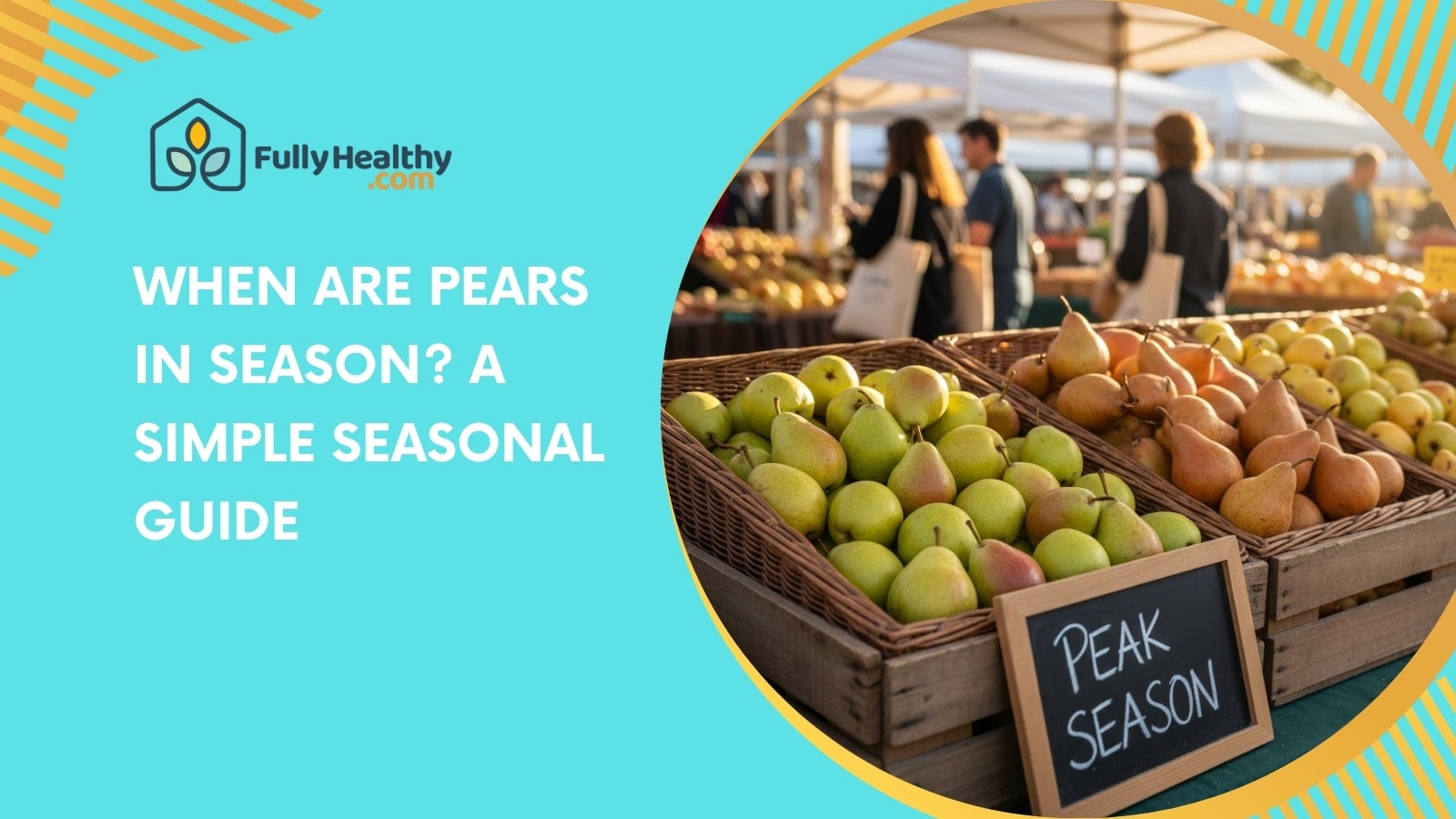
Wondering when are pears in season and when they taste their best? When it comes to pear season, the best time to buy them is from late summer to early fall.
Now is the best time to find them because they are sweeter and juicier. So you know what to expect, this article tells you when to buy pears, which kinds are the sweetest, and why they are sold all year.
Featured Snack Pick
That's It // Apple + Pear Fruit Bar - 1.2 oz
Loading...
When Are Pears in Season?
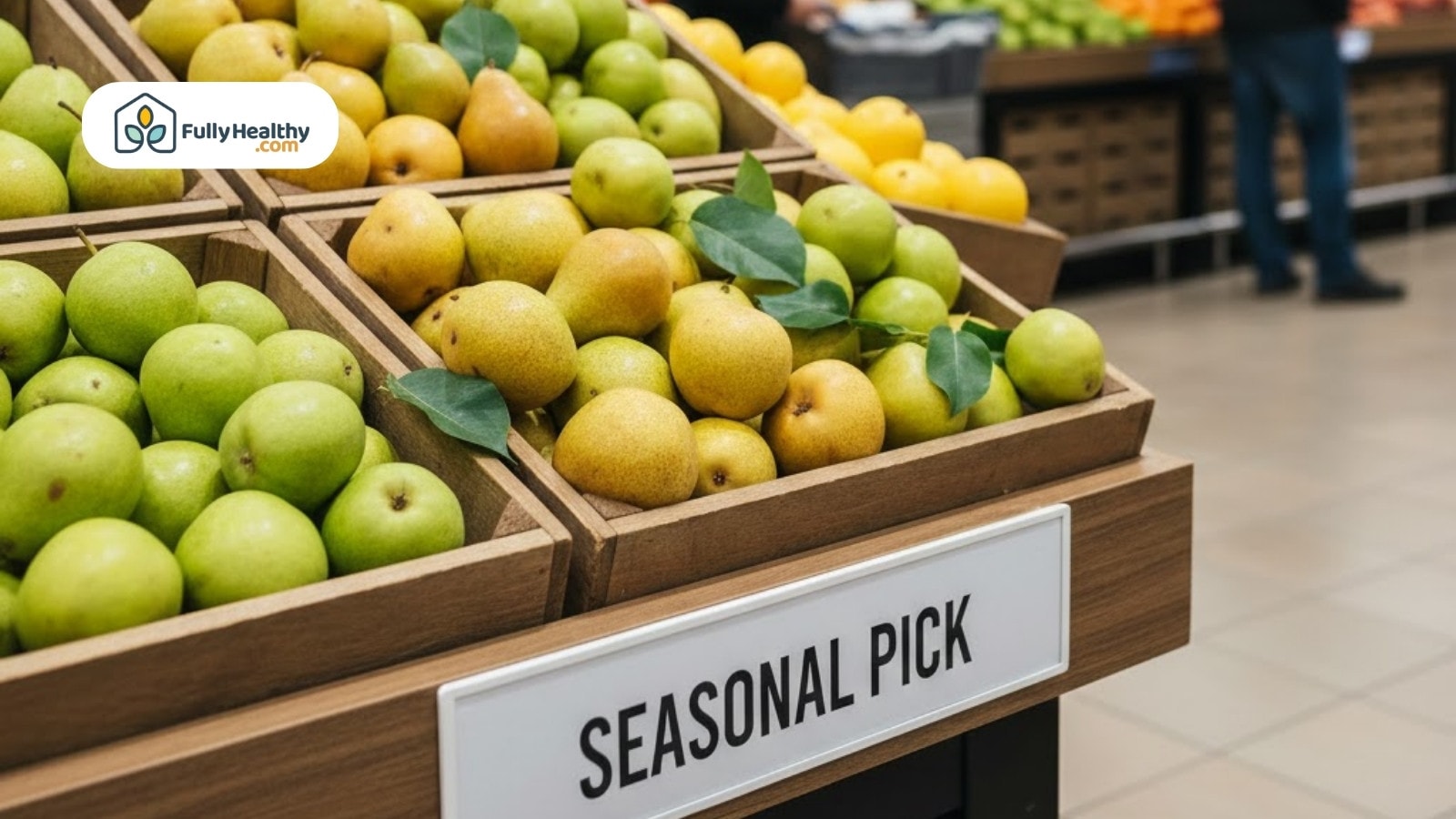
People like pears because they have smooth skin, juicy flesh, and a mild sweetness. If you know when the pear season is, you can eat and cook with them at their best. Most pears are picked from the tree when they are still firm and left to ripen later. This keeps their taste and texture.
Typical Pear Season in the U.S.
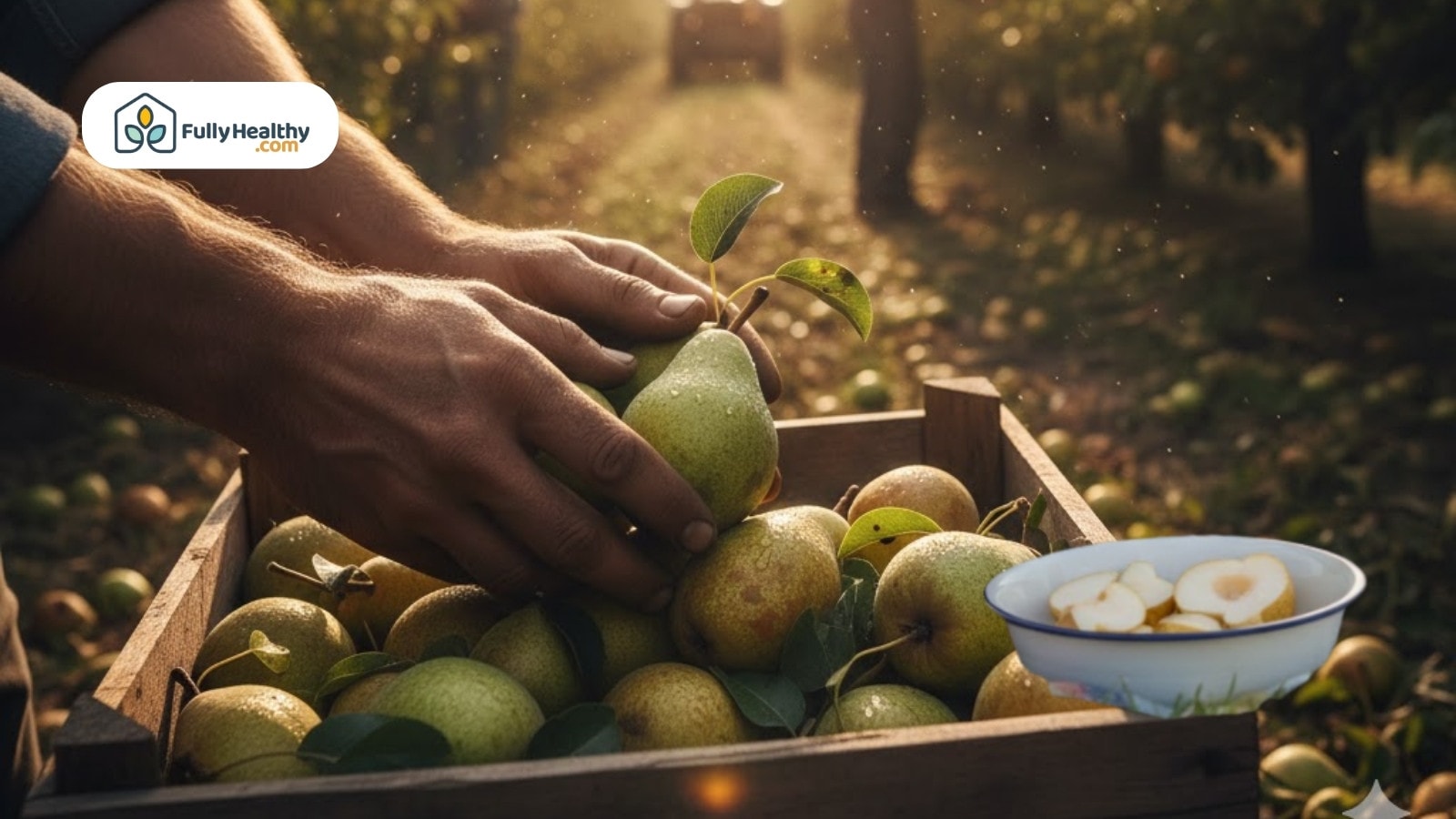
Pear season in the U.S. usually starts in August and ends in October. This is the best time for pears because the flesh is smooth and sweet. Now is also a better time to find fresh pears.
-
Peak harvest period: Late summer to early fall, when pears are picked at the right stage.
-
Best texture: In-season pears have juicy flesh and a smooth bite.
-
Common uses: Great for eating ripe, adding to salads, or using in desserts and savory dishes.
How Variety and Climate Affect Pear Season like Bartlett Pears & Bosc Pears
When to pick pears depends on where they grow and what kind they are. There are pears that are meant to stay firm and pears that soften quickly after being picked.
-
European pear varieties: Bartlett pears, bosc pears, and comice pears are harvested firm and ripen indoors.
-
Texture differences: Some pears develop a buttery texture, while others keep firm flesh for cooking.
-
Climate influence: Cooler regions often produce pears with crisp flesh and balanced flavor.
What Month Is Best to Buy Pears?
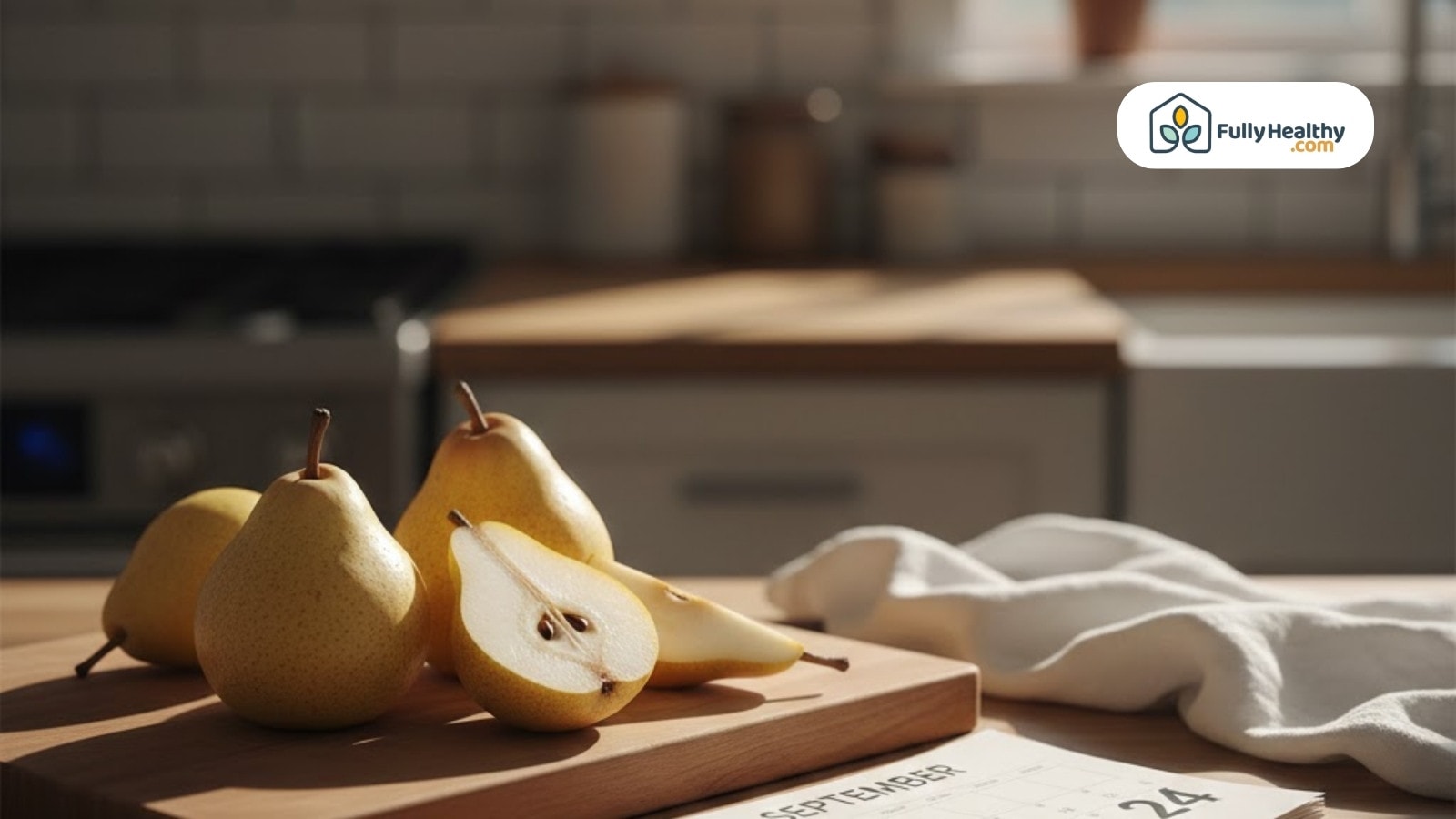
You can get pears for a few months, but when you do it is important. When pears are in season, they taste better, feel better, and you have more options. This also helps when planning recipes with pears to cook or bake.
Peak Months for Flavor and Selection
September and October are the best months to buy pears. During this time, pears have fully developed their sweetness and aroma, making them ideal for fresh eating and recipes.
-
Flavor quality: Pears are ripe, smooth, and naturally sweet.
-
Visual signs: Look for green pears turning yellow or showing a soft rosy blush.
-
Kitchen use: Perfect for baking, roasting, or pairing with apple and cinnamon.
Why Buying In-Season Pears Matters for Pear Recipes
Pears bought during harvest season ripen more evenly at home. They also taste better and perform well in cooking and baking.
-
Ripening control: In-season pears ripen evenly without becoming mushy.
-
Versatile prep: Easy to use as diced pears, sliced snacks, or roasted sides.
-
Better value: Fresh harvest pears often cost less and taste better.
Which Color Pear Is the Sweetest?
Color can help you figure out how sweet, rough, and how to use a pear. But color doesn't always mean flavor. Some pears are known for having sweeter flesh and more creamy skin.
Sweetest Pear Varieties by Color
Comice pears are often considered the sweetest pear variety. They are usually green with a gentle rosy blush and are known for their smooth, rich flesh.
-
Comice pears: Very sweet with creamy, soft flesh.
-
Green bartlett: Turns yellow as it ripens and develops classic pear flavor.
-
Small size pears: Often have strong sweetness despite their smaller shape.
How Skin Color Signals Flavor and Use
Pear color also helps guide how to eat or cook them. Some pears soften quickly, while others stay firm and hold their shape.
-
Green pears: Start crisp and soften as they ripen.
-
Brown pears: Bosc pears have firm flesh, making them ideal for baking and roasting.
-
Red or blushed pears: Balanced sweetness, great for salads, desserts, and savory recipes with pineapple or spices.
Can You Get Pears All Year Round?
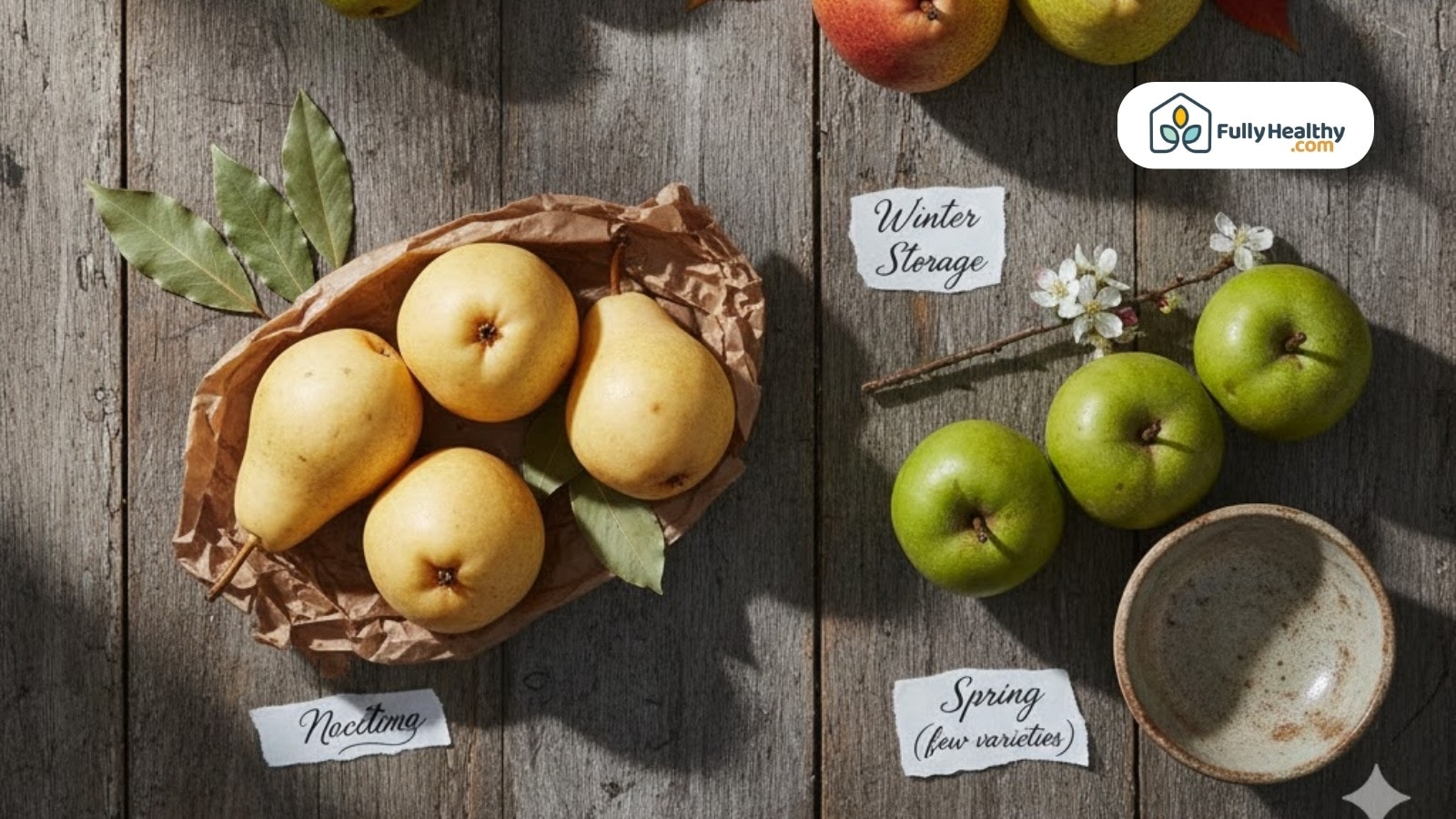
It might look like pear season is in the fall, but you can get them for a lot longer than that. Pears are picked before they are fully ripe and then stored carefully, which is different from many other fruits. Pears can be sold well after the main season ends, even in the winter and early spring.
How Pears Stay Available Beyond Harvest
After harvest, pears are placed in cold storage to slow down ripening. This method helps control texture and timing, so pears can reach stores months later and still be safe to eat.
-
Cold storage process: Pears are kept cold to pause ripening and extend shelf life.
-
Extended availability: Pears harvested from august through October can last into November, December, January, and February.
-
Global supply chain: Pears from France and other regions help meet demand around the world.
-
Ripeness check: Gently press near the neck or stem to see if a pear is ready.
What Changes Outside the Natural Season
You can get pears most of the year, but the quality can change over time. Keeping food for a long time can change its taste, texture, and smell, especially later in the season.
-
Texture changes: Pear flesh may soften unevenly by april.
-
Ripeness signs: Always check the neck area, not the middle, to avoid overripe fruit.
-
Best cooking uses: Later-season pears work well for poaching, grilling, or baking.
-
Home storage: Store pears cold, then let them sit out to ripen evenly.
How Fullyhealthy Helps When Pears Are Out of Season
Fruit snacks that can last on the shelf can be helpful when fresh pears are hard to find or not very good. Fullyhealthy has clean, diet-friendly products that let you enjoy fruit flavors all year, even when it's cold outside or when you have a lot to do.
Fullyhealthy Fruit Snacks You Can Rely On
Fullyhealthy carries specific fruit-based products that work well when fresh pears are not available. These options focus on simplicity, portability, and consistent quality.
-
That’s It Apple + Pear Fruit Bar: Made with only apple and pear, this bar offers real pear flavor without added sugar.
-
Wild Zora Air-Dried Organic Tropical Fruit Mix: A blend of mangoes, banana, and pineapple for variety when pears are limited.
-
That’s It Apple + Banana Fruit Bar: A two-ingredient option that adds fruit balance during off-season months.
-
Shelf-stable benefit: All options are easy to store and ready to eat anytime.
Convenient Snacks for Busy and Cold Seasons
These fruit snacks fit easily into daily routines when shopping for fresh fruit is less convenient. They are especially helpful during travel, holidays, and colder weather.
-
Easy to use: Enjoy straight from the package or add to smoothies.
-
Storage friendly: Products store well in cold conditions and can even freeze.
-
Seasonal timing: Ideal from November through early spring, when pear quality varies.
-
Everyday value: These snacks owe their popularity to convenience and steady taste, unlike fresh fruit that changes by season.
Final Thoughts
When are pears in season? Knowing this will help you enjoy better taste, smoother texture, and more useful kitchen options. When pears are picked at the right time, in early fall, after pear season starts in late summer around July, they taste their best. Fresh pears can be cooked, baked, or eaten raw because they have juicy flesh and creamy bits.
Pears are still available outside of the main season thanks to storage and a global supply chain, but the texture and taste may be different. To tell if a pear is ready, look at the stem and neck. When you eat pears matters, whether you like them fresh, sliced, or in a recipe. If there aren't many fresh pears available, shelf-stable ones can help. If you want to enjoy pears and for best results, always keep an eye on quality, season, and use.
FAQs
When are pears in season?
Pears are in season from july through autumn, offering better features, flavor, and texture to watch for.
Can I buy pears outside pear season?
Yes, pears are stored cold and sold later, but watch texture changes after july.
How do I know pears are ready to eat?
Press near the neck and stem, watch softness, and check ripeness signs.
Are pears good for cooking year-round?
Yes, stored pears work for recipes, but fresh july pears have better features.
Why does pear quality change by season?
Harvest timing, storage, and climate affect flavor, so watch seasonal differences.
Leave a comment