

When to Pick Butternut Squash? Signs for Perfect Harvesting Timing
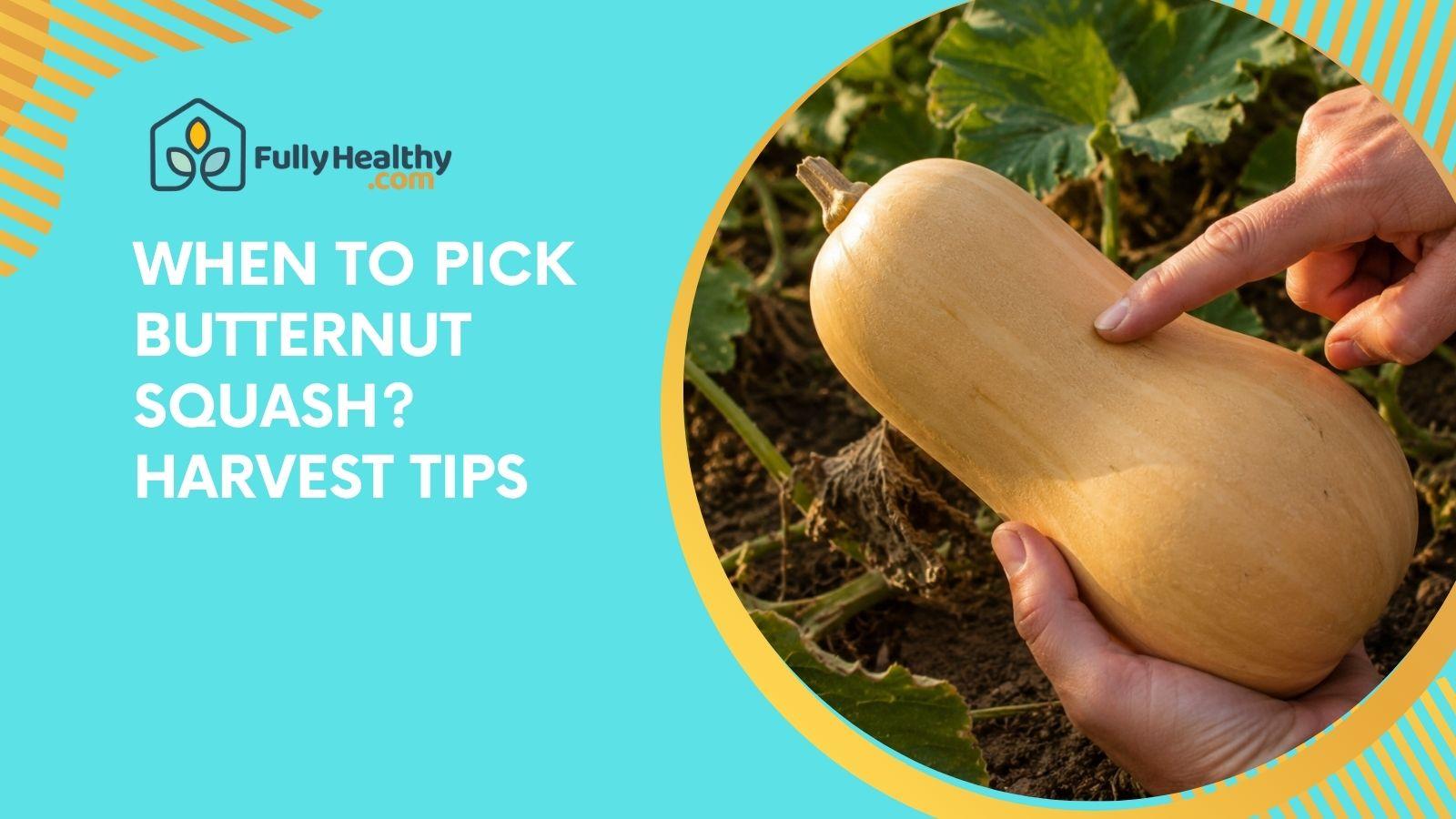
Knowing when to pick butternut squash helps you get better flavor, texture, and storage life. If you are wondering when it is ready to harvest, look for tan skin, a dry brown stem, and a hard rind that you cannot cut with your fingernail. Many butternut squash cultivars mature in about 100–110 days, but timing varies by cultivar, weather, and planting date.
Here are simple tips for harvesting butternut, using it safely if you have diabetes, and enjoying it in a healthy way.
Featured Pantry Pick
Farmers Market Organic Butternut Squash - 15 oz
Loading...
When To Pick Butternut Squash?
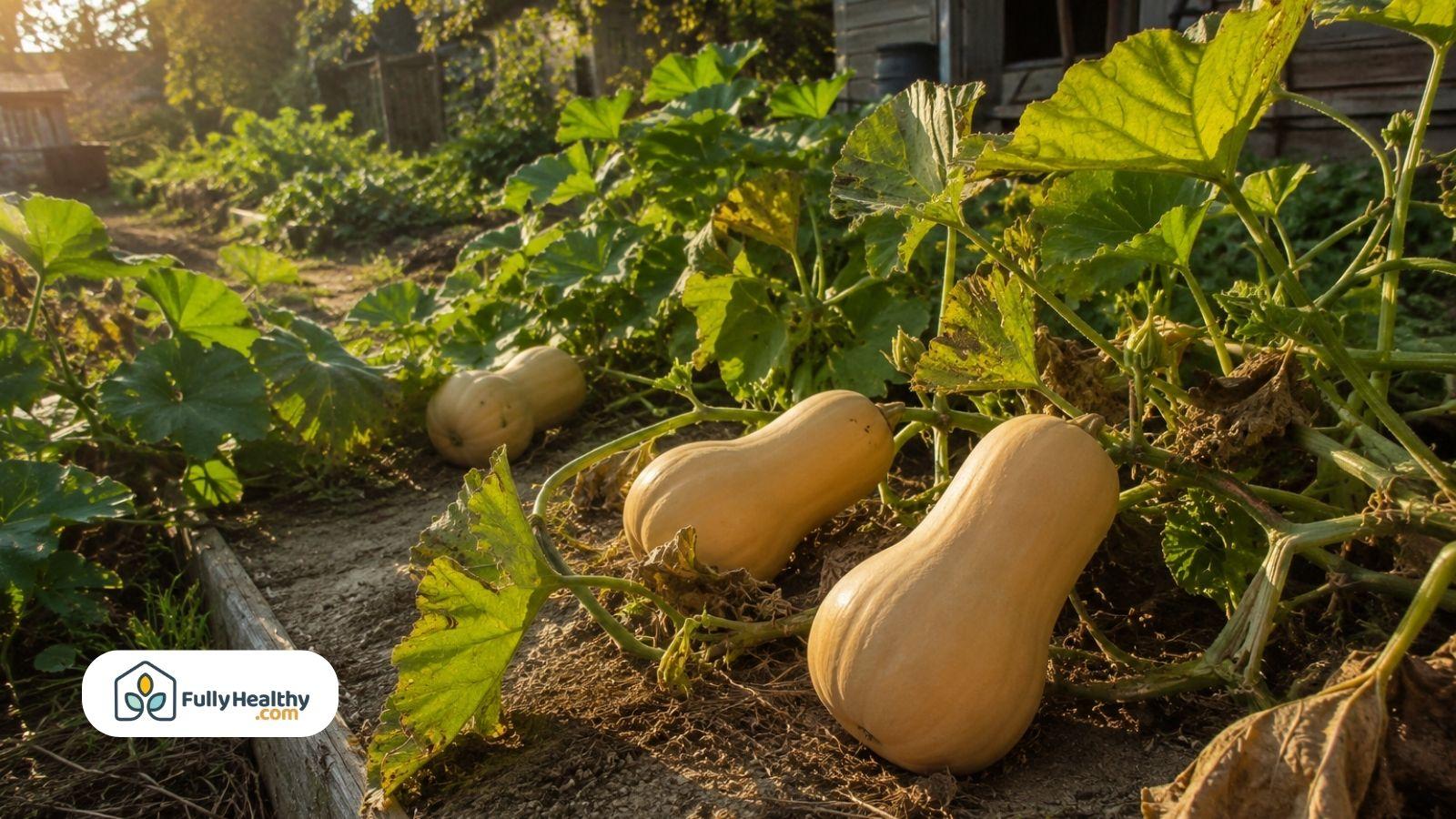
If you know when to pick butternut squash, it will taste better, last longer, and make better meals. After 100 to 110 days, most plants are ready to be picked. The weather is still important.
Warm growing conditions can speed development, but excessive heat or stress may reduce quality rather than simply speed ripening. Before the first frost in late fall, check on the garden often.
Start With The 100–110 Day Harvest Window
Do not follow the date on the seed packet. Instead, use it as a guide. A squash that is fully grown should have a dry stem, look tanned, and feel firm.
-
Timing: Check squash near the first harvest window, then confirm with ripeness signs.
-
Color: Look for fully tan skin with little to no green streaks.
-
Weather: Warm sun helps squash ripen, while cool weather may mean you should wait longer.
-
Flavor: Fully mature squash tastes sweeter and works better in butternut squash recipes.
Harvest Before Frost But After Key Ripeness Signs
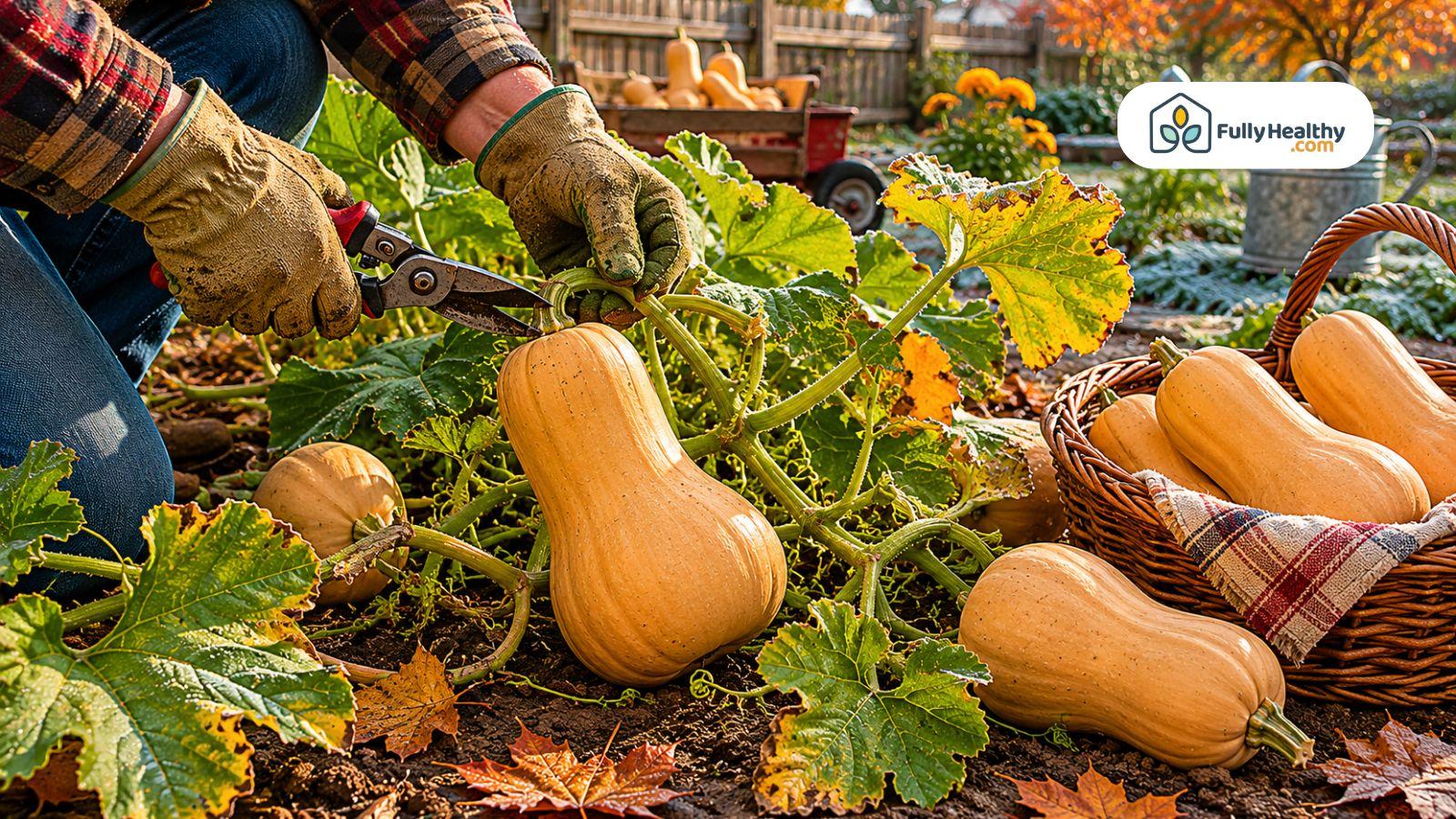
Pick before the first frost, but don't pick too early. To keep the squash from going bad, cut it off the vine but leave the stem on.
-
Stem: A ripe stem should turn brown, feel woody, and look dry.
-
Skin: Hard skin helps protect the fruit during curing and storage.
-
Curing: Cure squash in a warm, dry, well-ventilated place, ideally about 80–85°F for 10–14 days.
-
Storage: Store squash in a single layer at about 50–55°F with moderate humidity, avoiding damp conditions.
How Do You Know When Butternut Squash Is Ripe?
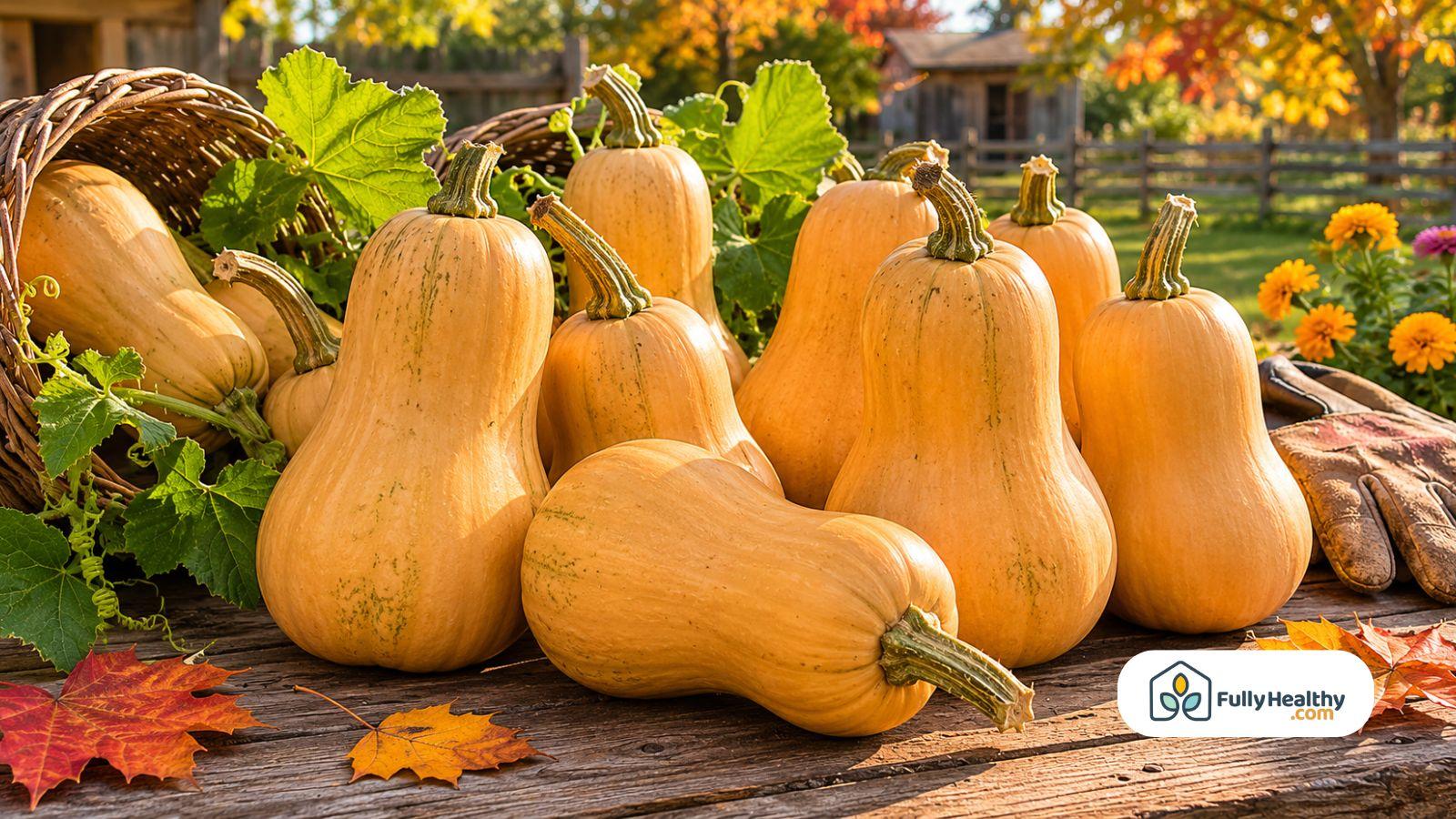
Squash that is ready to be picked has tan skin, a dry stem, and a hard rind. Look at all three signs at the same time. It's not enough to just have one sign.
Check The Skin, Stem, And Rind Together
When you can't scratch the skin with your fingernail and the stem looks dry, the squash is probably ready to be picked.
-
Skin: Fully tan skin is the clearest sign of mature squash.
-
Stem: A stem that starts to turn brown means the squash is close to harvest.
-
Rind: Hard skin improves shelf life and helps you store butternut squash longer.
-
Seeds: Mature, firm seeds are another sign the squash reached full maturity.
Don’t Pick Just Because The Squash Looks Tan
Some squash get brown before they are fully grown inside. If the stem is still green or soft, wait.
-
Patience: Wait longer if strong green streaks remain near the stem.
-
Taste: More time on the vine can make the squash sweet and delicious.
-
Cooking: Ripe squash is best roasted, cooked, or used in a simple recipe.
-
Storage: Ripe winter squash stores better than immature squash.
Can Diabetics Have Butternut Squash?
However, the size of the serving is important. Butternut squash has carbs because it is a starchy vegetable. Plus, it has fiber and good things for you.
Butternut Squash Can Fit A Diabetes-Friendly Plate
If you serve the right amount, cooked butternut squash can be a part of a healthy meal.
-
Portion: Keep servings moderate because squash still contains carbs.
-
Fiber: Fiber may help slow digestion and support steadier blood sugar.
-
Nutrients: Butternut squash provides vitamins, minerals, and plant nutrients.
-
Comparison: It can be a smart choice compared with sugary pumpkin dishes.
Serve It With Balanced Ingredients
You can make a better meal by serving squash with protein, healthy fats, and vegetables that aren't starchy.
-
Pairing: Mature, firm seeds are another sign the squash reached full maturity.
-
Cooking: Roast, steam, or boil squash instead of frying it.
-
Flavor: Use pepper, herbs, and light oil for a simple taste.
-
Storage Tip: Store butternut squash in a cool, dry place to protect shelf life.
What Happens If I Pick Butternut Squash Too Early?
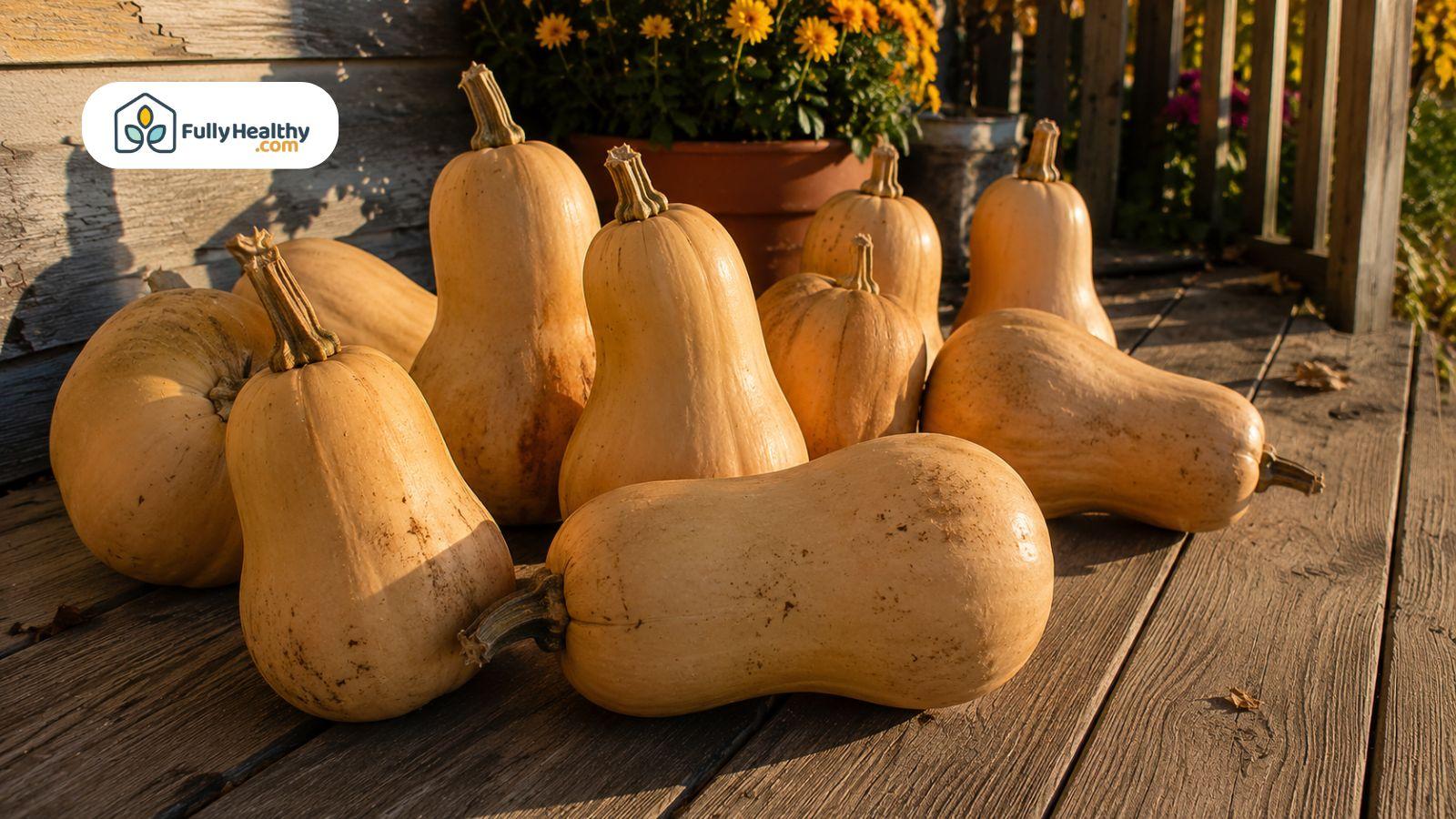
A common mistake for gardeners growing butternut squash for the first time is to pick the squash too early. The outside of the fruit might be orange, but the inside and seeds might still need more time.
Butternuts can lose their flavor, texture, and ability to store well if they are picked too early. Before cutting a butternut squash vine that was grown near zucchini, weeds, or other summer crops, make sure it is in good shape.
Early Harvest Can Reduce Sweetness And Storage Life
A squash that isn't fully grown is usually safe to eat, but it might not taste like winter squash. When cooked, the flesh might taste bland, be watery, or not be as smooth. It may also go bad faster when stored.
-
Flavor: Early-picked squash is often less sweet and less rich.
-
Texture: The flesh may turn watery instead of creamy after cooking.
-
Storage: Immature squash has a shorter shelf life than ripe ones.
-
Seeds: Soft seeds often mean the squash needed more time to mature.
Sometimes Picking Early Is Still The Better Choice
When the crop is in danger, it makes sense to pick early. If you leave squash out in the garden for too long, frost, bugs, heavy rain, and rot can all destroy it. If frost is coming, pick the squash that is the ripest first.
-
Weather: Harvest before freezing temperatures damage the fruit.
-
Rain: Too much moisture can cause splitting or rot.
-
Pests: Insects and animals may damage squash left on the vine.
-
Curing: Warm curing may help harden the rind and improve storage quality in mature or nearly mature squash, but very immature squash may remain less sweet and store poorly.
How Can Fully Healthy Help With Butternut Squash Meal Ideas?
Fully Healthy is a specialty food store that sells foods that are AIP-friendly, gluten-free, and safe for people with allergies. It doesn't tell people how to harvest, but it does tell them how to use ripe butternut squash in easy meals. You can use this if you want to know how to make healthy recipes with squash you grow yourself. This section is product guidance, not medical or horticultural advice
How Can Fully Healthy Support Butternut Squash-Based Meals?
You can use butternut squash in soups, roasts, and fall sides. There are pantry items at Fully Healthy that can help with special diets without making cooking harder.
-
Diet Support: The site focuses on AIP, gluten-free, and allergen-friendly foods.
-
Meal Ideas: Its products can help make delicious winter squash meals.
-
Cooking Use: Many items pair well with roasted squash, soups, and baked vegetables.
-
Convenience: It helps shoppers avoid reading long ingredient labels every time.
Which Fully Healthy Products Pair With Butternut Squash Recipes?
There are pantry items at Fully Healthy that go well with squash recipes. These things can help gardeners and people who cook at home make simple meals that are good for you.
-
Seasonings: Spice blends can add flavor to roasted butternut squash.
-
Pantry Staples: Coconut aminos, cassava flour, and cooking oils can support many recipes.
-
Sweeteners: Maple syrup and coconut sugar can add light sweetness when used in small amounts.
-
Baking Mixes: Gluten-free mixes can pair with soups, roasted vegetables, or seasonal sides.
Final Thoughts
Knowing when to harvest butternut squash helps you enjoy better flavor, longer storage, and healthier meals. Before cutting from the vine, look for skin that is tan, a rind that is hard, and a stem that is dry.
These great tips will help gardeners pick their squash at the right time and make winter squash dishes taste better. After harvest, cure mature squash for about 10–14 days, then store it properly; flavor may improve during early storage as starches convert to sugars.
FAQs
Is butternut squash ok for gout?
Yes, butternut squash is generally a low-purine food and can fit into a gout-conscious diet, but individual dietary advice should follow a clinician’s guidance.
Can you eat an underripe butternut squash?
Yes, you can eat green or underripe squash, but the texture and flavor may be less sweet and less creamy.
How to harvest butternuts?
Cut the squash from the vine with clean shears and leave the stem attached to improve storage life.
Which is better for diabetics, sweet potato or butternut squash?
White potatoes and other starchy vegetables can raise blood glucose more than most non-starchy vegetables, especially in large portions or highly processed forms.
What vegetable spikes blood sugar the most?
Starchy potatoes can raise blood sugar quickly, especially when compared with non-starchy vegetables and some winter squash varieties.
Leave a comment