

When Was Chocolate Invented? From Ancient Drink To Sweet Treat
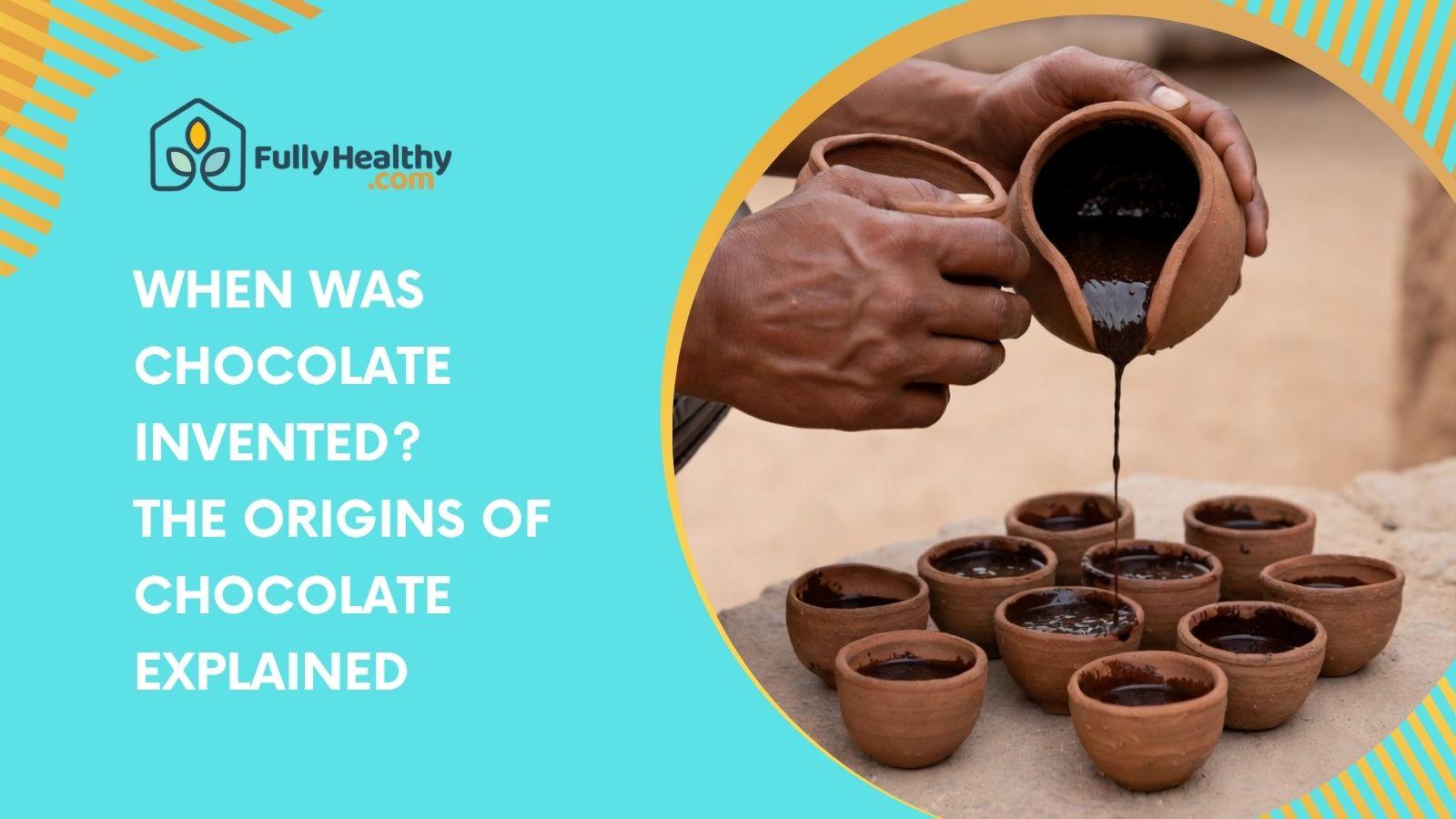
When was chocolate invented? It is not a simple date. Chocolate began as a bitter drink made from cacao beans in ancient Mesoamerica, long before sugar and modern recipes. The sweet treat people enjoy today is different from what it used to be.
This article talks about the history of chocolate, including who made the first chocolate bar and how it became a part of everyday life and how chocolate is made around the world.
Featured Baking Pick
Enjoy Life // Semi-Sweet Mini Chocolate Chips - 9 oz
Loading...
When Was Chocolate Invented?
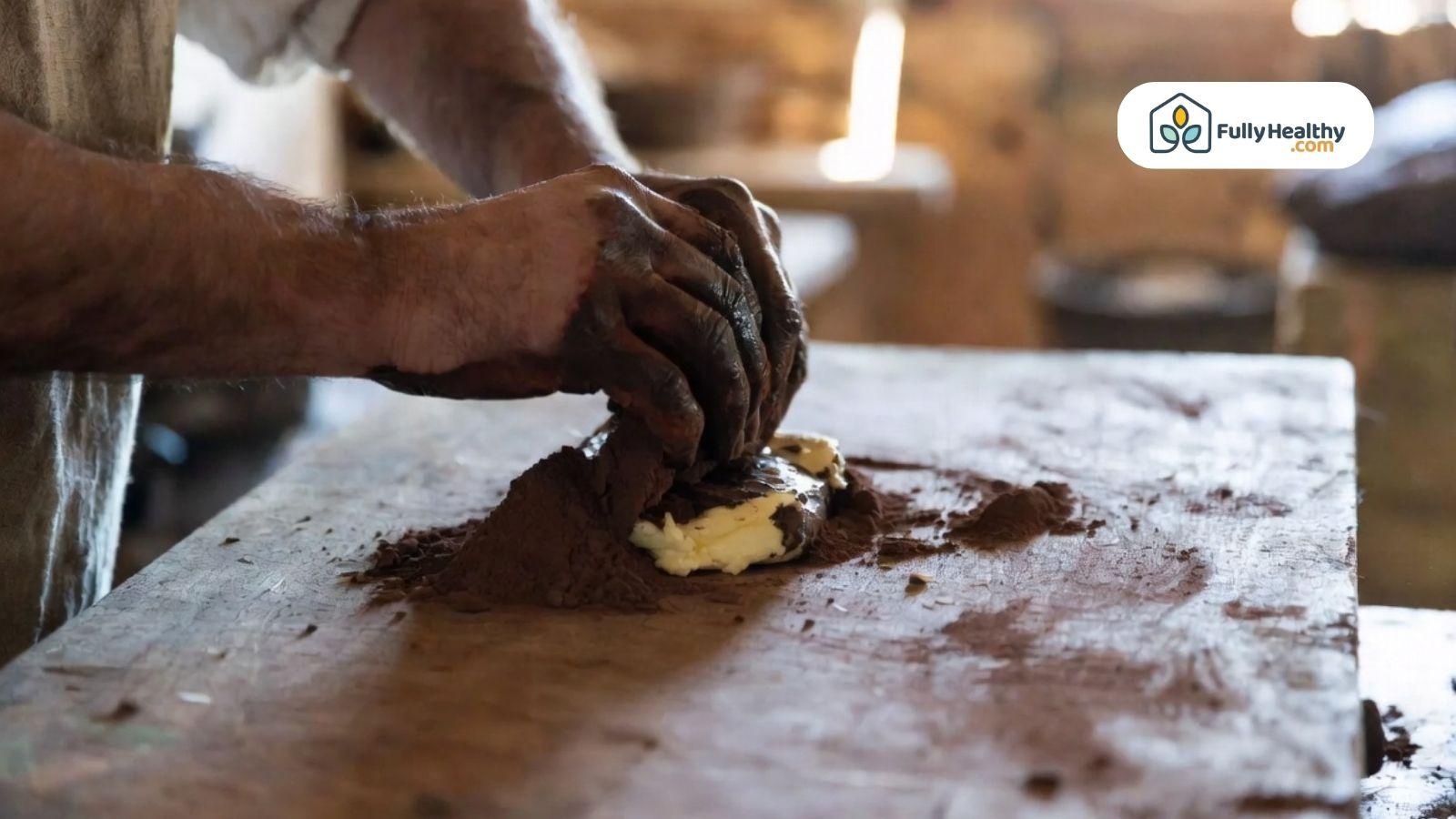
Chocolate has been around for a very long time. Its roots can be found in ancient cacao traditions in Central and South America. The answer to when was chocolate invented depends on early cacao use and later industrial breakthroughs.
Early Chocolate Origins
Chocolate's history includes the first domestication of cacao in South America around 3300 B.C., which then spread to Mesoamerica by around 1900 B.C.. This marks the beginning of chocolate dates tied to natural history rather than a single invention moment.
-
Cacao Origins: First cacao plants grew in South America around 3300 B.C., later spreading to present day Mexico and Latin America by 1900 B.C..
-
Early Use: Ancient cultures consumed chocolate as a bitter water drink using cacao seeds by around 1900–1500 B.C..
-
Ingredients: Ground cacao beans mixed with water created an early chocolate drink without cane sugar during early Mesoamerican periods.
-
Cacao Trees: The cocoa tree produced precious beans used in rituals and daily consumption across early civilizations.
-
Definition: Chocolate begins as processed cacao seeds, not the sweet treat known today.
Ancient Civilizations And Chocolate
Ancient civilizations shaped how people consumed chocolate and built its rich history across regions. These cultures treated cacao as both food and currency.
-
Olmec Influence: Early societies cultivated cacao plants and prepared the first chocolate drink.
-
Maya Culture: The Maya refined cacao paste into ceremonial drinks and valued cacao seeds highly.
-
Aztec Use: Aztecs used cacao beans as currency and believed cacao came from divine origins.
-
Daily Drink: Chocolate drink remained unsweetened and often spiced, not like modern chocolate.
-
Cultural Role: Chocolate became part of trade, rituals, and social structure in ancient Mesoamerica.
Who Made The First Chocolate Bar?
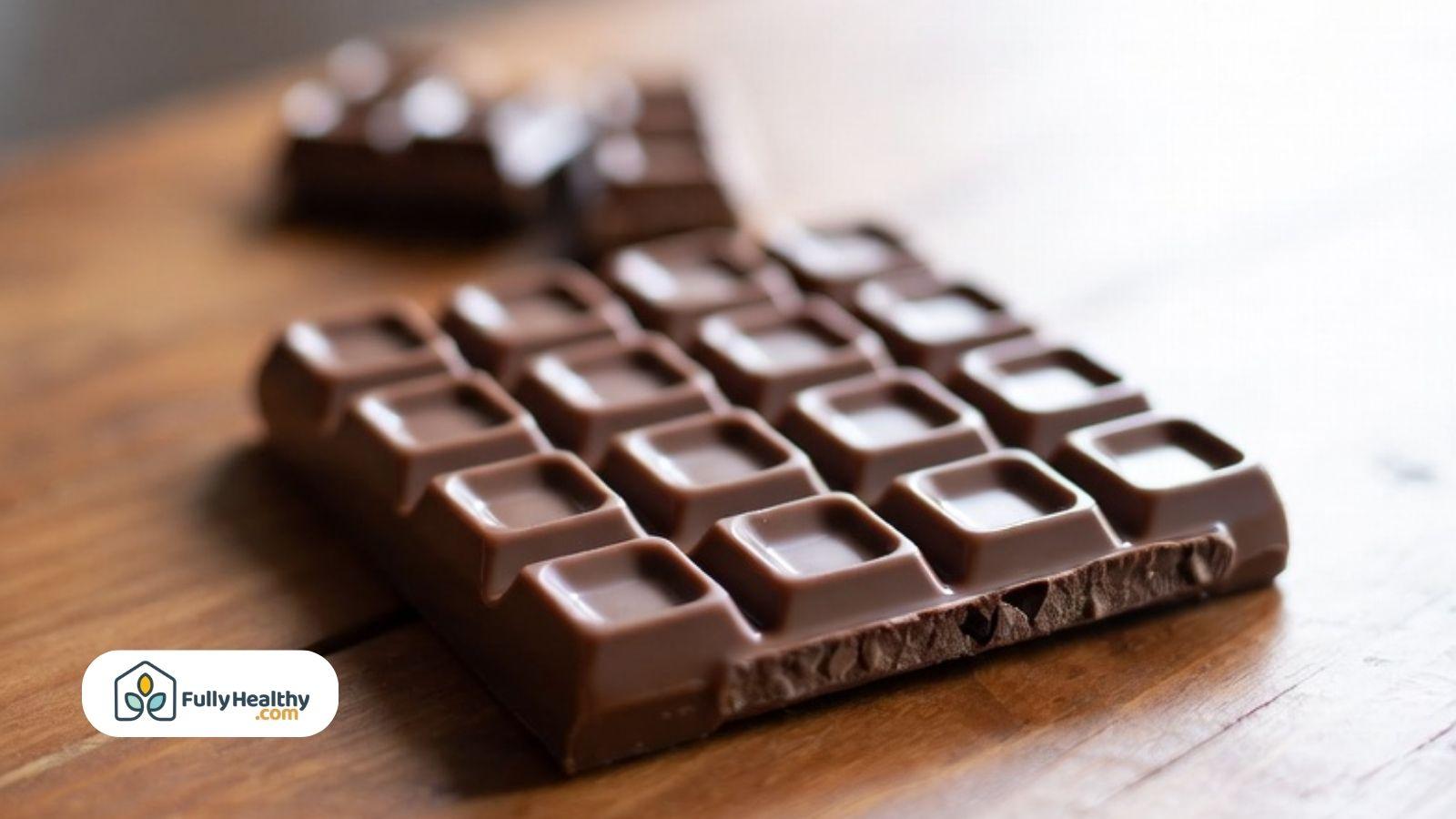
Chocolate changed during the industrial revolution when new processes transformed liquid cacao into solid forms. This period answers when chocolate invented modern forms.
Joseph Fry In 1847
The first chocolate bar was created in 1847 when Joseph Fry combined ingredients to form a moldable chocolate paste. This invention marked the shift to eating chocolate.
-
Key Innovation: In 1847, Joseph Fry mixed cocoa powder, sugar, and melted cocoa butter to create solid chocolate.
-
First Chocolate Bar: This became the first chocolate bar that could be shaped and eaten.
-
Cocoa Butter Role: Cocoa butter allowed the mixture to harden into a stable form.
-
Chocolate Company: J.S. Fry & Sons became a leading chocolate manufacturer in the 19th century.
-
Industry Shift: This moment defined when chocolate invented the modern chocolate bar format.
From Drink To Solid Chocolate
Chocolate evolved from a bitter drink to a sweet treat through new production methods. This change shaped the chocolate industry and expanded chocolate products.
-
Cocoa Processing: In 1828, Dutch chemist Coenraad van Houten created cocoa powder using a hydraulic press that separated cocoa butter from cocoa mass.
-
Chocolate Liquor: Ground cacao beans formed cocoa mass used in producing chocolate.
-
Mass Production: Factories began creating mass produced chocolate bars during the 19th century.
-
Chocolate Makers: Early chocolate makers improved texture and consistency for wider use.
-
Modern Chocolate: This era introduced eating chocolate with smoother and richer flavor.
What Is The Rarest Chocolate On Earth?
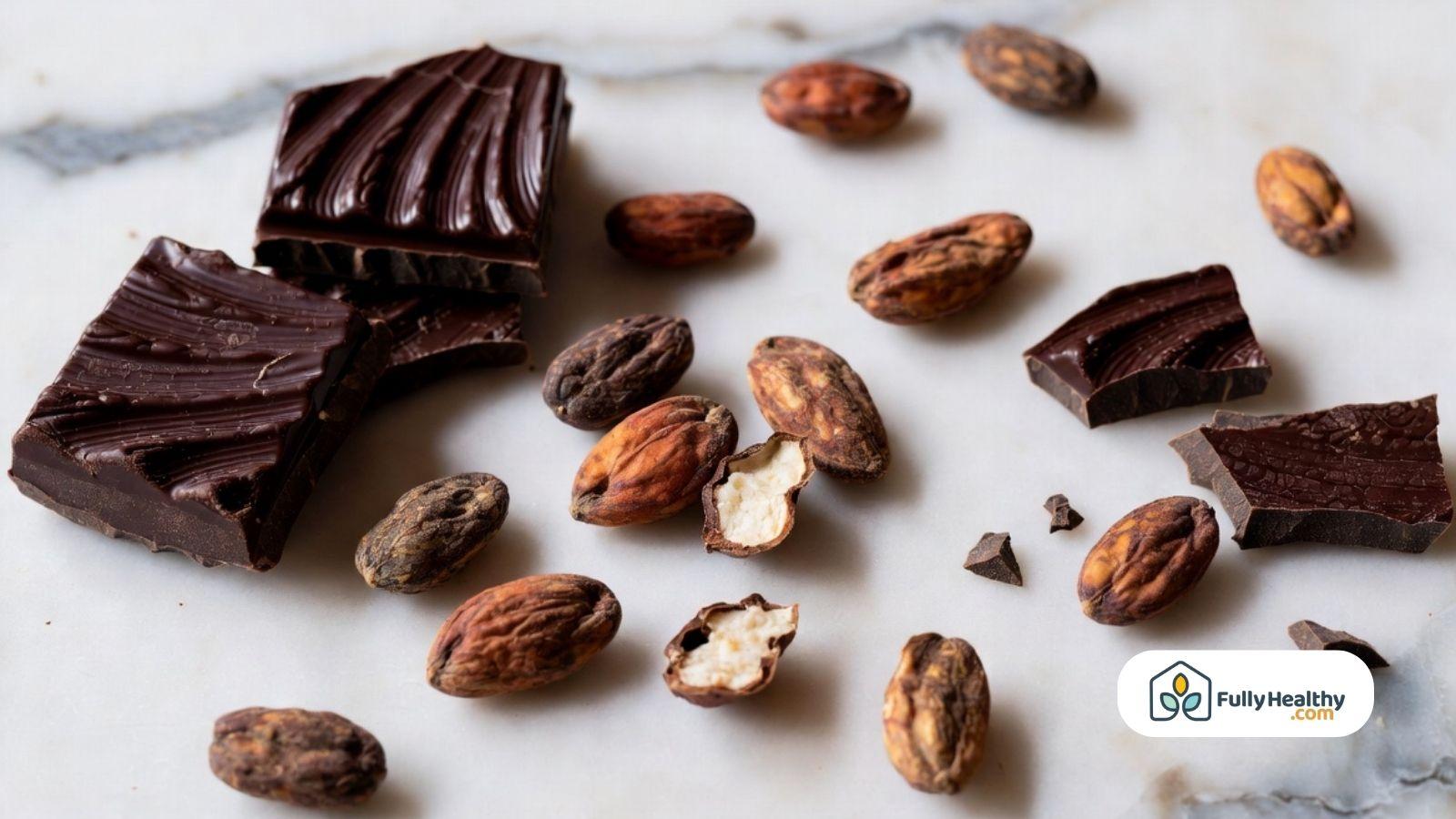
Chocolate production varies widely depending on cacao type, with some varieties extremely limited. The rarest chocolate comes from specific cacao plantations.
Criollo Chocolate Explained
Due to its limited supply and refined flavor, Criollo cacao is known as the rarest type of chocolate. That's a small part of the world's cocoa production.
-
Rarity Level: Criollo cacao makes up about 5 percent of global chocolate production.
-
Flavor Profile: Known for low bitterness and complex taste compared to dark chocolate.
-
Cacao Variety: Grown from delicate cacao trees with lower yield.
-
Chocolate Products: Used in premium chocolate products by select chocolate makers.
-
Value: Considered one of the most prized cacao beans in the chocolate industry.
Why It Is Rare
The difficulty of growing Criollo cacao contributes to its scarcity and higher value. Environmental and farming challenges limit its production.
-
Farming Conditions: Criollo cacao trees require specific climates and careful maintenance.
-
Disease Risk: These cacao plants are more vulnerable than other cacao varieties.
-
Limited Regions: Grown in select cacao plantations in Latin America and beyond.
-
Production Cost: Higher effort increases cost for producing chocolate.
-
Quality Focus: Chocolate manufacturers use Criollo for premium quality chocolate bars.
Which Country Consumes The Most Chocolate?

Chocolate consumption varies globally, with some countries leading in yearly intake. Cultural habits and industry development influence these patterns.
Top Chocolate Consumers
Switzerland consistently ranks as the highest in chocolate consumption per person. This reflects strong demand and established chocolate culture.
-
Per Capita: Swiss consumers eat over 8 kilograms of chocolate annually.
-
Chocolate Industry: Switzerland has a long tradition of producing chocolate products.
-
Swiss Chocolatier: Innovations like milk chocolate improved popularity.
-
Consumption Trends: High consumption is common across several European countries.
-
Global Ranking: Switzerland often leads as the largest chocolate consumer per person.
Why Consumption Is Higher In Europe
Europe maintains higher chocolate consumption due to historical and economic factors. These regions built strong chocolate traditions over centuries.
-
Cultural Habit: Chocolate remains a daily snack and dessert across Europe.
-
Economic Access: Higher income supports regular purchase of chocolate products.
-
Chocolate Houses: Early chocolate houses in the 17th century popularized chocolate drink culture.
-
Production Centers: Countries like Switzerland and Belgium became key chocolate manufacturers.
-
Market Growth: Europe remains a major driver of the global chocolate industry.
FullyHealthy Chocolate Options
Consumers today look for cleaner chocolate products that align with dietary preferences. FullyHealthy offers a range of options focused on ingredient quality.
About FullyHealthy
FullyHealthy is an online store focused on clean-label products that support different dietary needs. It provides options for chocolate lovers looking for alternative ingredients.
-
Clean Ingredients: Products avoid unnecessary additives and focus on simple components.
-
Diet Options: Supports paleo, gluten-free, and allergen-friendly diets.
-
Chocolate Focus: Includes items made with cacao powder and cocoa solids.
-
Trusted Source: Works with brands committed to fair trade and quality sourcing.
-
Product Range: Covers snacks, baking ingredients, and ready-to-eat chocolate items.
Popular Chocolate Products
FullyHealthy features a variety of chocolate products that suit different needs and preferences. These include snacks and functional options.
-
Jack’s Paleo Kitchen Chocolate Chip Cookies: Soft-baked cookies made with clean ingredients and alternative flours for a better-for-you sweet treat.
-
Autoimmune H-N Paleo Perfection Double Chocolate Protein Powder: Chocolate protein blend designed for dietary support with a smooth, creamy texture.
-
Enjoy Life Semi-Sweet Mini Chocolate Chips: Mini chocolate chips made with simple ingredients, ideal for baking and snacks.
-
GoodPud Chocolate Fudge: Ready-to-eat chocolate fudge with a rich flavor and smooth consistency.
-
Enjoy Life Semi-Sweet Mini Chocolate Chips: Versatile chocolate chips suitable for baking, desserts, and everyday use.
Final Thoughts
Chocolate continues to evolve from a bitter drink made from cocoa beans into a global sweet treat shaped by culture and innovation. From ancient cacao traditions to modern chocolate factory systems in places like ivory coast, the chocolate industry has expanded across regions and preferences. Today, options like white chocolate and milk chocolate use milk solids for a creamy texture, while hot chocolate remains popular. Chocolate connects history, taste, and daily habits, giving chocolate lovers many ways to enjoy it.
FAQs
When was the very first chocolate made?
Chocolate was first made around 1900 B.C. in ancient mesoamerica using cocoa beans from the chocolate tree to create a bitter drink before any chocolate factory or first chocolate factory existed.
What is the most unhealthy chocolate?
White chocolate can be considered less healthy because it lacks cocoa solids and relies heavily on sugar and milk solids.
What's the most expensive chocolate?
The most expensive chocolate often comes from rare cacao grown in regions like ivory coast and crafted by premium chocolate makers.
What country makes the best chocolate?
Countries with strong chocolate factory traditions like Switzerland are known for high-quality chocolate products and milk chocolate.
Which chocolate is best for diabetics?
Dark chocolate with higher cocoa content and lower sugar is generally better than sweet chocolate options like hot chocolate or white chocolate.
Leave a comment