

Where Are Cranberries Grown? Fun Facts and Top Regions that Grow Cranberries
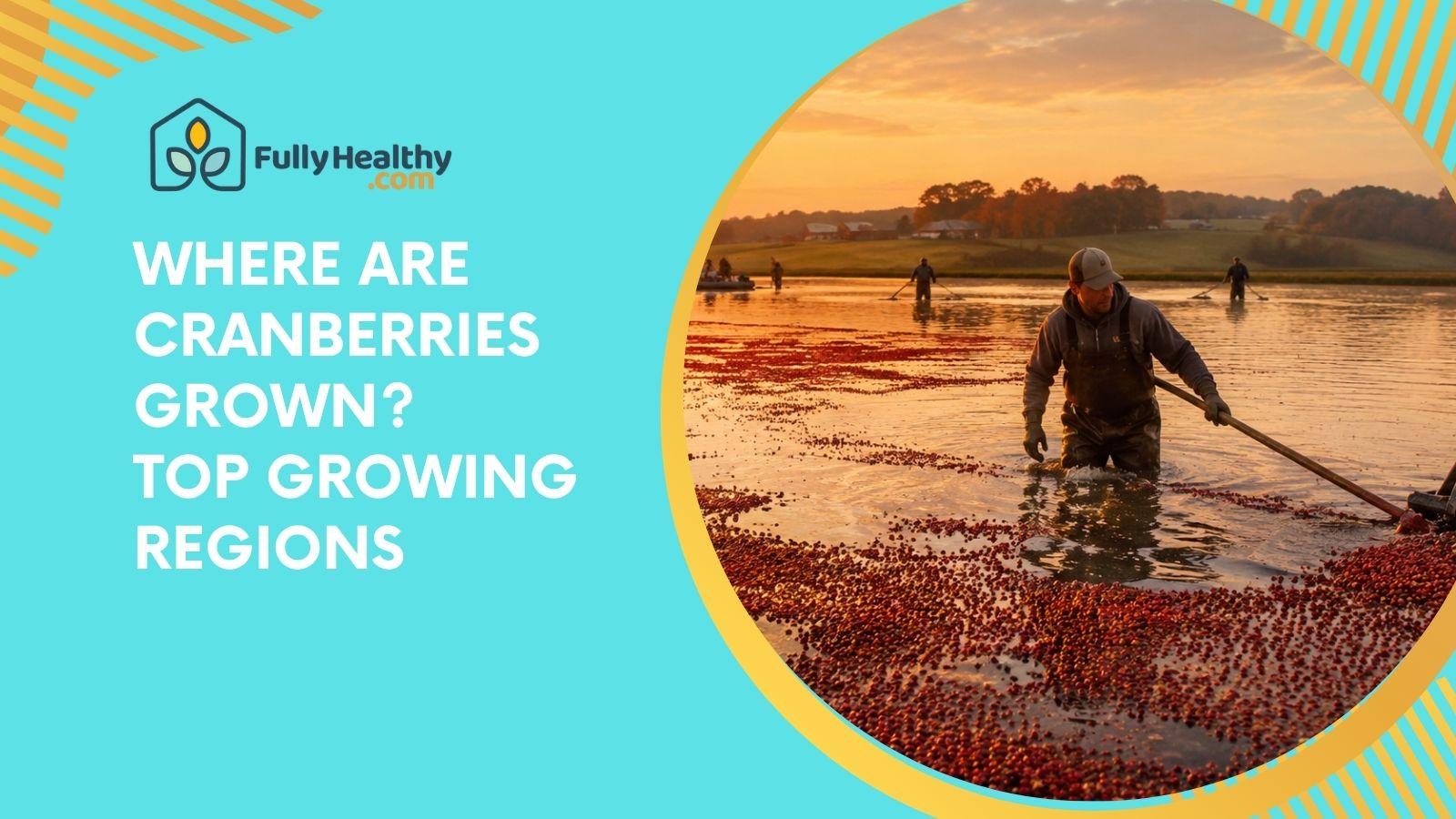
Cranberries are mostly grown in the US and Canada, mostly in cool places with acidic, wet soil. They don't grow in water, but farmers flood bogs to harvest them and keep them safe in the winter.
This article talks about where cranberries are grown, which country makes the most among other countries, how cranberry juice affects health, and whether cranberries can be part of a diet for people with type 2 diabetes.
Featured Snack Pick
EPIC // Bison Bacon Cranberry Bar - 1.3 oz
Loading...
Where Are Cranberries Grown?
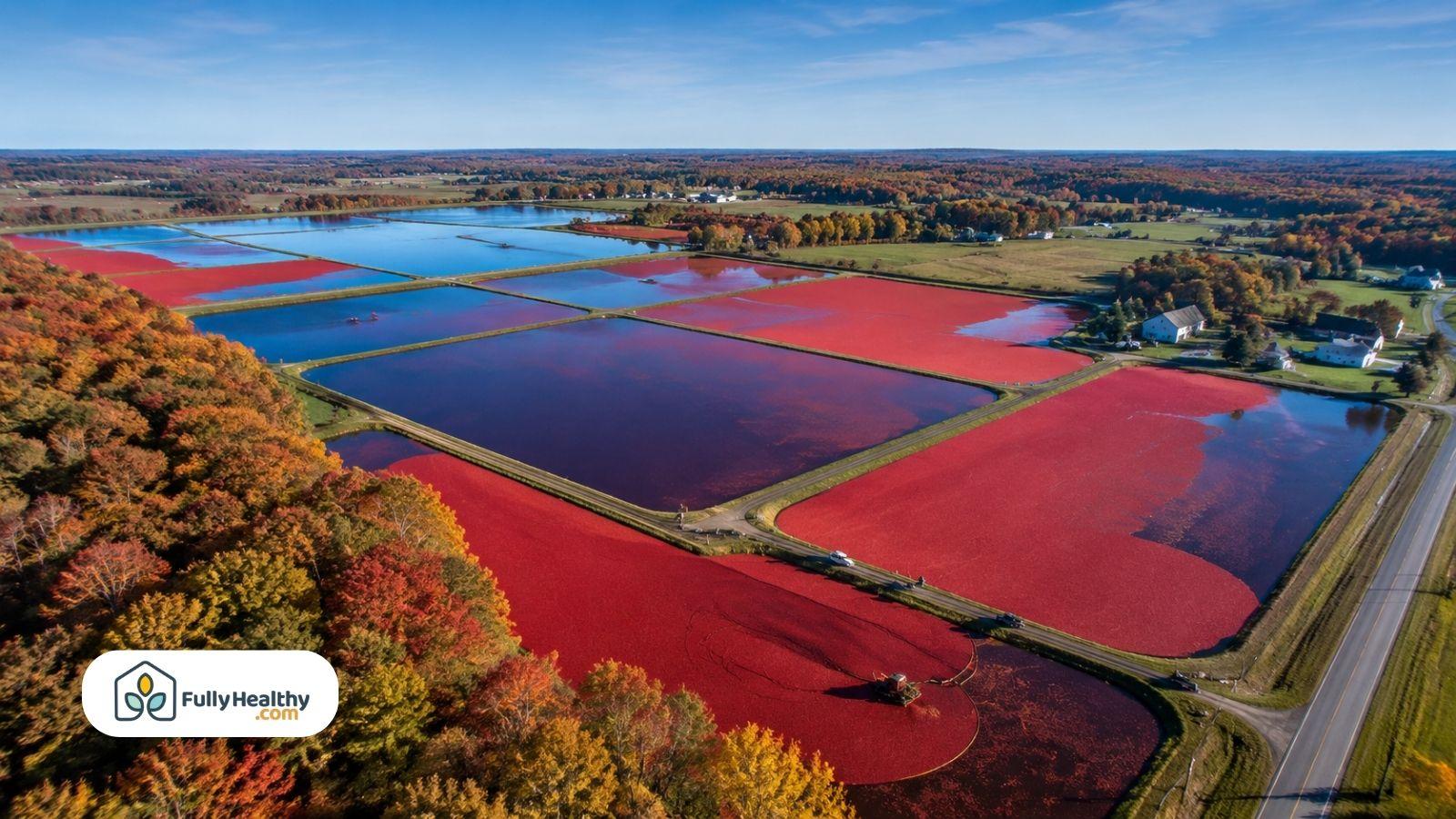
Cranberries are mostly grown in North America, especially in cold places with sandy, acidic soil and easy access to water. American and Canadian cranberries are the ones that are used the most. Cranberry vines, Vaccinium macrocarpon, also called American cranberries, grow these red berries.
Best Growing Regions And Bog Conditions
Cranberries grow best in managed beds or bog-like systems with acidic, sandy soil and reliable water access. Careful management of water, soil, and vines is also used by cranberry growers to protect the crop.
-
Top Areas: Wisconsin, Massachusetts, New Jersey, Oregon, Washington, British Columbia, Nova Scotia, and Eastern Canada.
-
Soil Needs: Sandy soil and acidic ground help cranberry plants grow well.
-
Plant Type: Cranberry vines are trailing vines that spread close to the ground.
-
Climate: Cold climates help the plants rest in winter and support strong fruit growth.
Why Cranberries Need Water But Do Not Grow Underwater?
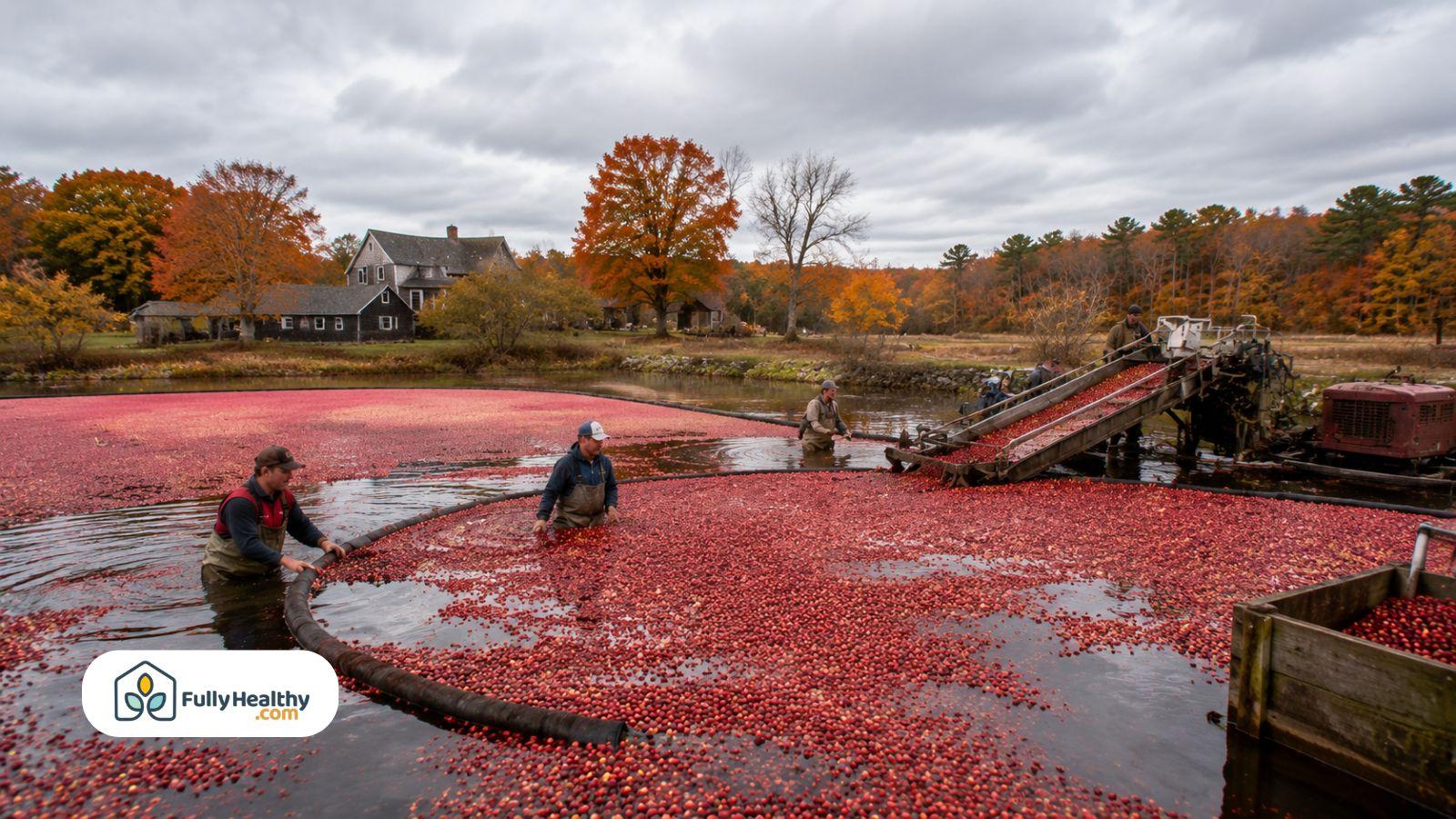
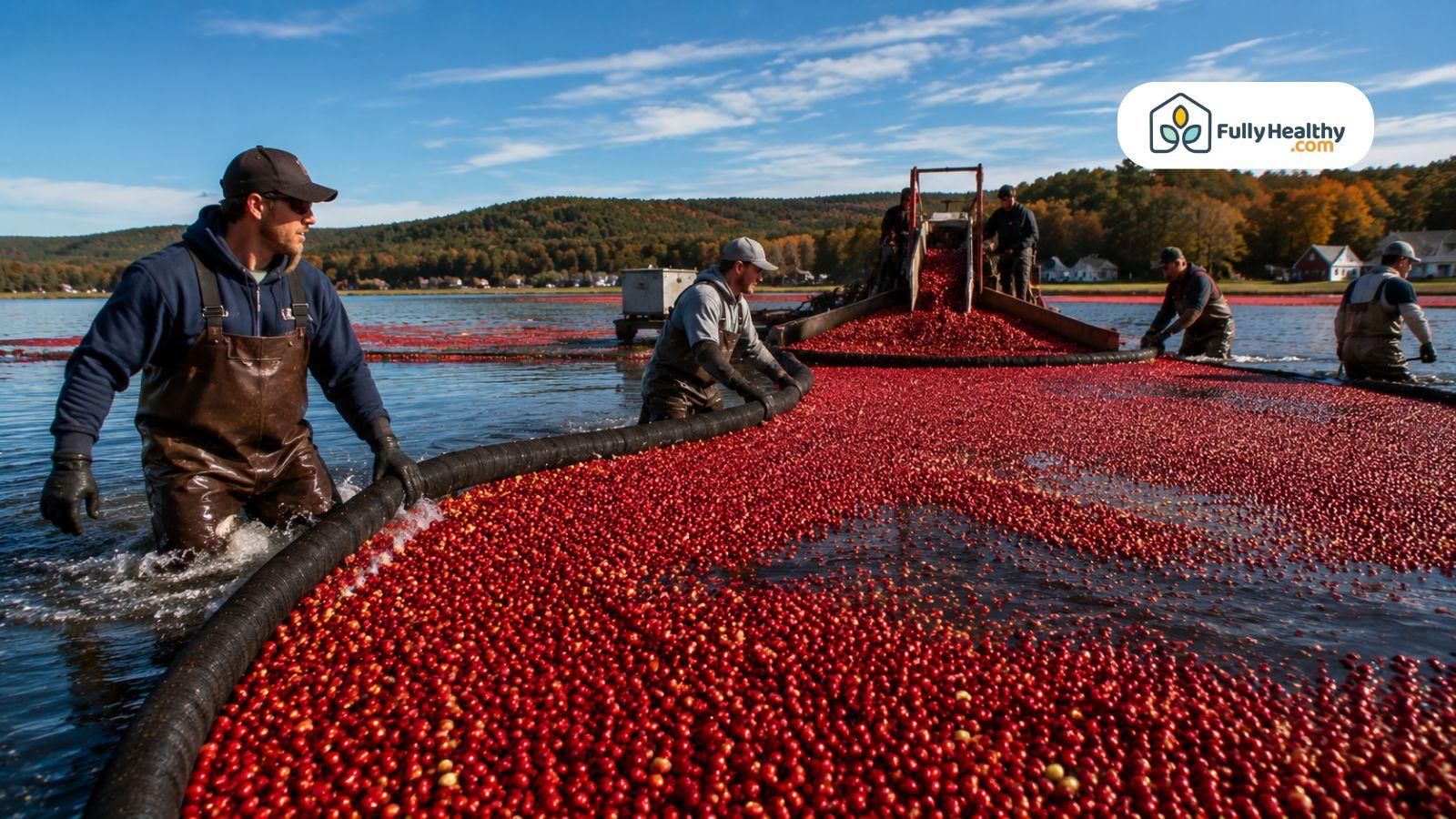
You can't grow cranberries in water. Farmers mostly flood bogs to get cranberries and keep them safe during the winter. When it's wet, ripe berries float to the water's surface.
-
Wet Picking: Flooded bogs make the cranberry harvest faster because berries float.
-
Dry Picking: Fresh cranberries sold fresh are often picked without flooding.
-
Harvest Time: Harvest often starts in late September and may continue after the first frost.
-
Crop Protection: Water is used for harvest and winter protection, and carefully timed flooding may also help with some pest management.
Why Can't You Drink Cranberry Juice Every Day?
Cranberry juice may have health benefits, but large amounts, especially sweetened cranberry juice cocktail, can add excess sugar and may cause stomach upset in some people. There is extra sugar in a lot of cranberry juice cocktail products. Large amounts of sweetened cranberry juice can affect digestion and raise blood sugar.
Sugar, Stomach Upset, And Blood Sugar Spikes
As cranberry juiceis naturally sour, many brands add sugar to it. Large servings, especially of sweetened cranberry juice cocktail, may cause stomach upset or diarrhea and can raise blood sugar.
-
Added Sugar: A cranberry juice cocktail usually has more sugar than unsweetened juice.
-
Digestive Issues: Too much juice may upset the stomach.
-
Blood Sugar: Large servings can raise blood sugar, especially for sensitive readers.
-
Better Option: Choose unsweetened cranberry juice and drink it in moderation.
Medication And Kidney Stone Concerns
Cranberry juice may require caution for some people. This includes people with a history of kidney stones or people taking warfarin or other blood-thinning medicines.
-
Medication Risk: Cranberry products may interact with warfarin, especially at high intakes.
-
Kidney Stones: People prone to kidney stones should use caution with high cranberry intake.
-
Safe Amount: Moderate servings are safer than frequent large amounts, especially with sweetened juice.
-
Doctor Advice: Ask a healthcare provider if cranberry juice is part of your daily routine.
What Country Grows The Most Cranberries?
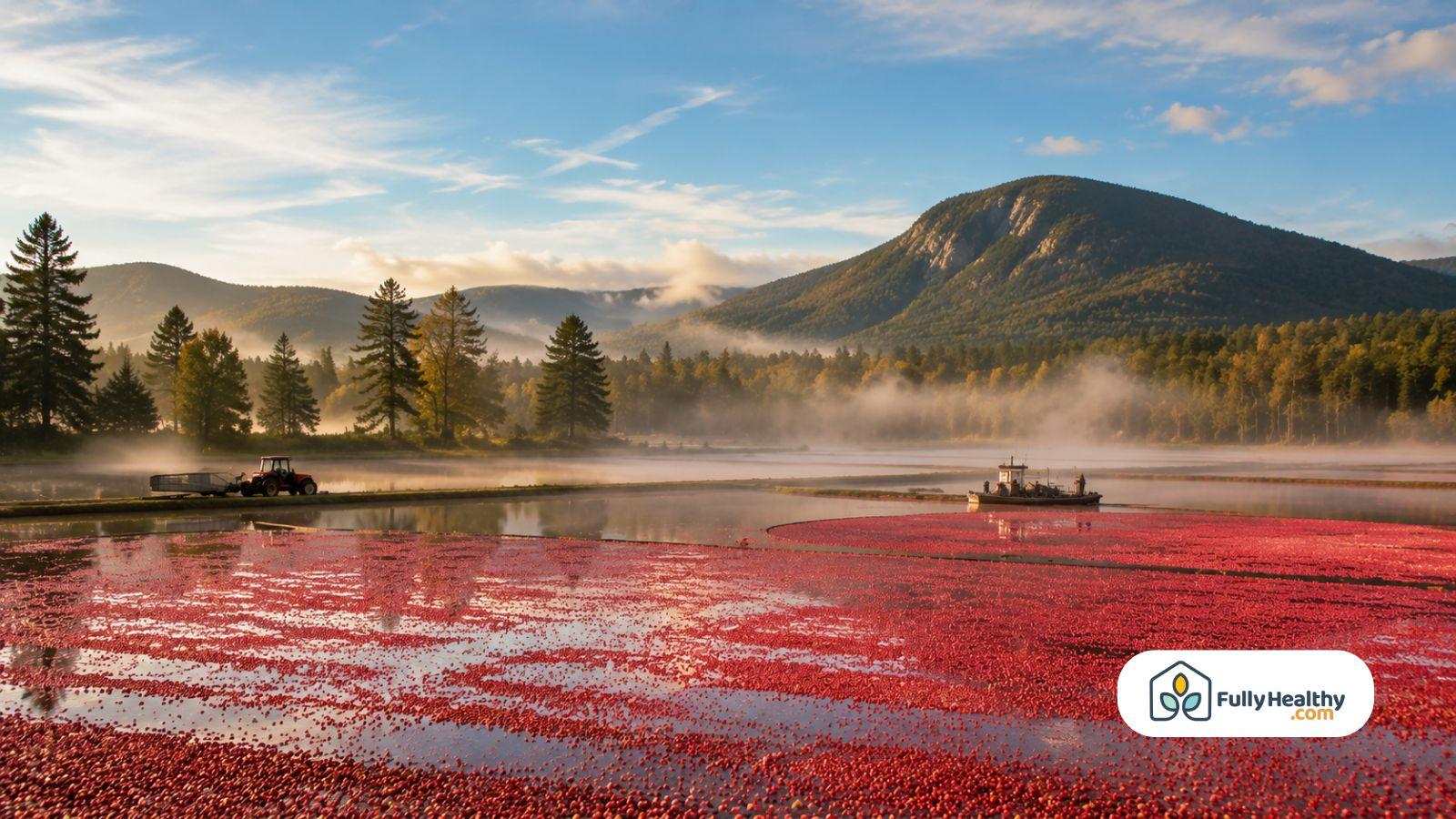
Cranberries are grown in large numbers in the United States. Second is Canada. Some parts of Central Europe and Chile also grow cranberries, but not as many as these two places.
The United States Leads Global Cranberry Production
In North America, where the weather and soil are best, cranberries are grown in large quantities. Cranberries were eaten and used for other things by Native Americans many years ago.
-
Top Country: The United States is the largest cranberry producer.
-
Second Country: Canada is the next major producer.
-
Industry Name: Ocean Spray is one of the best-known cranberry brands.
-
History: Cranberries, once called crane berries, have long been linked to New England food traditions.
Wisconsin Dominates U.S. Cranberry Output
There are more cranberries grown in Wisconsin than in any other state in the U.S. Other states with lots of cranberry farms are Massachusetts, New Jersey, Oregon, and Washington.
-
Main State: Wisconsin leads U.S. cranberry crops by a wide margin.
-
Other States: Massachusetts, New Jersey, Oregon, and Washington also grow cranberries.
-
Annual Crop: Most cranberry farmers harvest one crop each year.
-
Common Uses: Cranberries are used in cranberry sauce, holiday sauce, baked goods, recipes, food products, and juice.
Are Cranberries Good For Type 2 Diabetes?
If you pick the right kind of cranberries, they can be part of a diet that is good for people with type 2 diabetes. Cranberries that have been picked fresh are low in calories and full of fiber, vitamin C, and antioxidants. Added sugar in juice, dried cranberries, and sauces is the main worry.
Fresh Cranberries Can Fit A Diabetes-Friendly Diet
You should eat fresh cranberries instead of ones that have been sweetened. Foods can taste sour with them without having too much sugar.
-
Best Option: Choose fresh or frozen cranberries with no added sugar.
-
Smart Use: Add them to oatmeal, salads, smoothies, or simple cranberry recipes.
-
Health Support: Cranberry polyphenols may support some cardiometabolic markers, but evidence is not strong enough to claim broad heart or overall-health benefits.
-
Portion Tip: Eat them with protein, nuts, or yogurt to help balance the meal.
Choose Unsweetened Cranberry Products Carefully
Because cranberries are so sour, a lot of their products are sweetened. Before you buy, always read the label.
-
Label Check: Look for total carbohydrates, added sugar, and serving size.
-
Better Drinks: Choose unsweetened cranberry juice instead of sweet cranberry blends.
-
Food Pairing: Use cranberries with other foods that provide fiber or protein.
-
Trusted Info: Check sources like the Cranberry Institute or the United States Department of Agriculture for cranberry facts.
How Can Fully Healthy Help You Shop For Cranberry-Friendly Specialty Diet Foods?
Fully Healthy helps people on AIP, gluten-free, and allergy-friendly diets find foods that are good for them. It's not just about cranberries, but its products can go with meals that have cranberries in them.
What Fully Healthy Offers For Special Diet Shoppers?
You can buy specialty foods for people with strict food needs at Fully Healthy, which used to be called ShopAIP. This might make it easier for people to shop for ingredients that are clean and simple.
-
Diet Focus: The site supports AIP, gluten-free, and allergen-conscious shoppers.
-
Easy Shopping: It helps users find suitable products without checking every label alone.
-
Meal Support: Its foods can pair with cranberry recipes and everyday meals.
-
Useful Context: Cranberries have roots in places like Cape Cod and Rhode Island, where varieties such as Early Black became important.
Products And Categories To Mention
Fully Healthy sells breakfast foods, snacks, seasonings, bundles, sweeteners, and baking mixes. These things can help people make meals at home that go well with cranberries.
-
Recipe Helpers: Maple syrup, coconut sugar, and baking mixes can support homemade cranberry recipes.
-
Cranberry Facts: The American cranberry is Vaccinium macrocarpon, while the common cranberry is Vaccinium oxycoccos.
-
Growing Note: Mature cranberry beds may take several years to reach full production, and yields are commonly measured in 100-pound barrels per acre.
-
Simple Use: Cranberries are easy to eat in sauces, baked goods, salads, and other foods linked to the first celebration of Thanksgiving.
Final Thoughts
You can use cranberries in many ways and they have a long history. Cranberries are still grown in high numbers in Wisconsin, which is known as the "cranberry capital of the world," as well as in Canada and other places. Additionally, they may be good for your health and are used in juices, sauces, snacks, and recipes. Knowing where cranberries are grown helps you enjoy the journey from the bog to your plate, whether you like fresh cranberries or cranberry juice.
FAQs
Where is the cranberry capital of the world?
Wisconsin is often called the cranberry capital of the world and typically produces the largest share of the U.S. cranberry crop; cite the USDA/NASS crop-year figure if using a specific percentage such as 61%.
What are the side effects of eating cranberries?
Eating large amounts of cranberries may cause stomach discomfort, diarrhea, and kidney stone concerns in some people, and interactions with certain blood-thinning medications.
What organ is cranberry juice good for?
Cranberry products are best studied for helping reduce the risk of recurrent UTIs in some groups, especially women with recurrent UTIs; they are not a treatment for active UTIs.
Why do girls take cranberry extract?
Some women take cranberry extract to help reduce the risk of recurrent UTIs, but cranberry products should not be used as a treatment for an active UTI.
Why do they soak cranberries in water?
Farmers flood cranberry bogs during harvest because ripe berries float on water, making them easier to collect through wet harvesting cranberries methods.
Leave a comment