

Where Do Almonds Come From? Inside The Almond Story
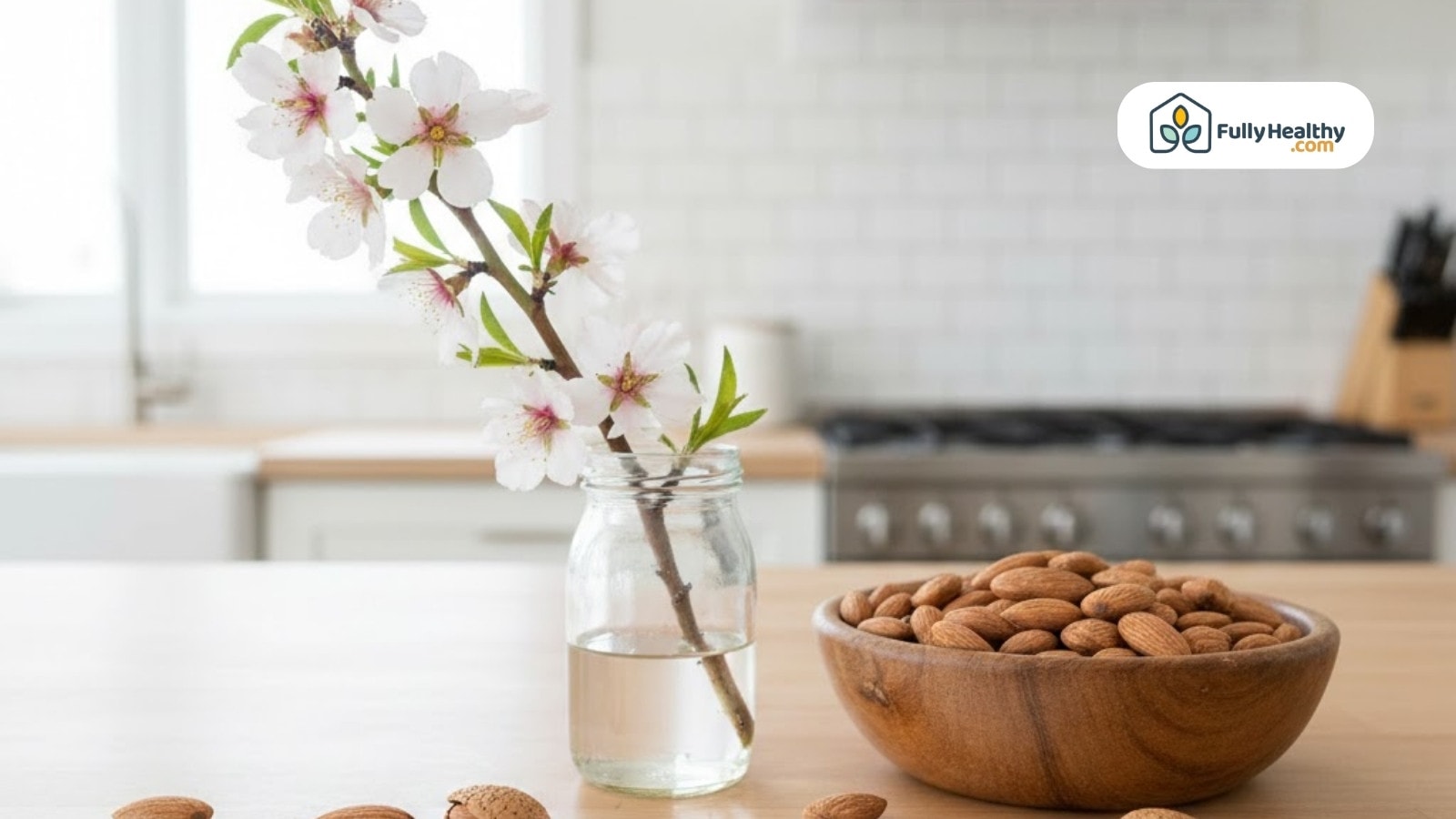
Where do almonds come from? Almonds come from the almond tree, which grows naturally in the Mediterranean region and southwestern Asia. California grows about 80% of the world's almonds, which is where most of them are grown today.
Almonds are actually seeds inside a fruit that looks a lot like a peach, even though we call them nuts. This article will tell you where they came from, how they grow, and why they're so popular all over the world.
Featured Pantry Pick
Artisana // Raw Almond Butter - 14 oz
Loading...
Where Do Almonds Come From?
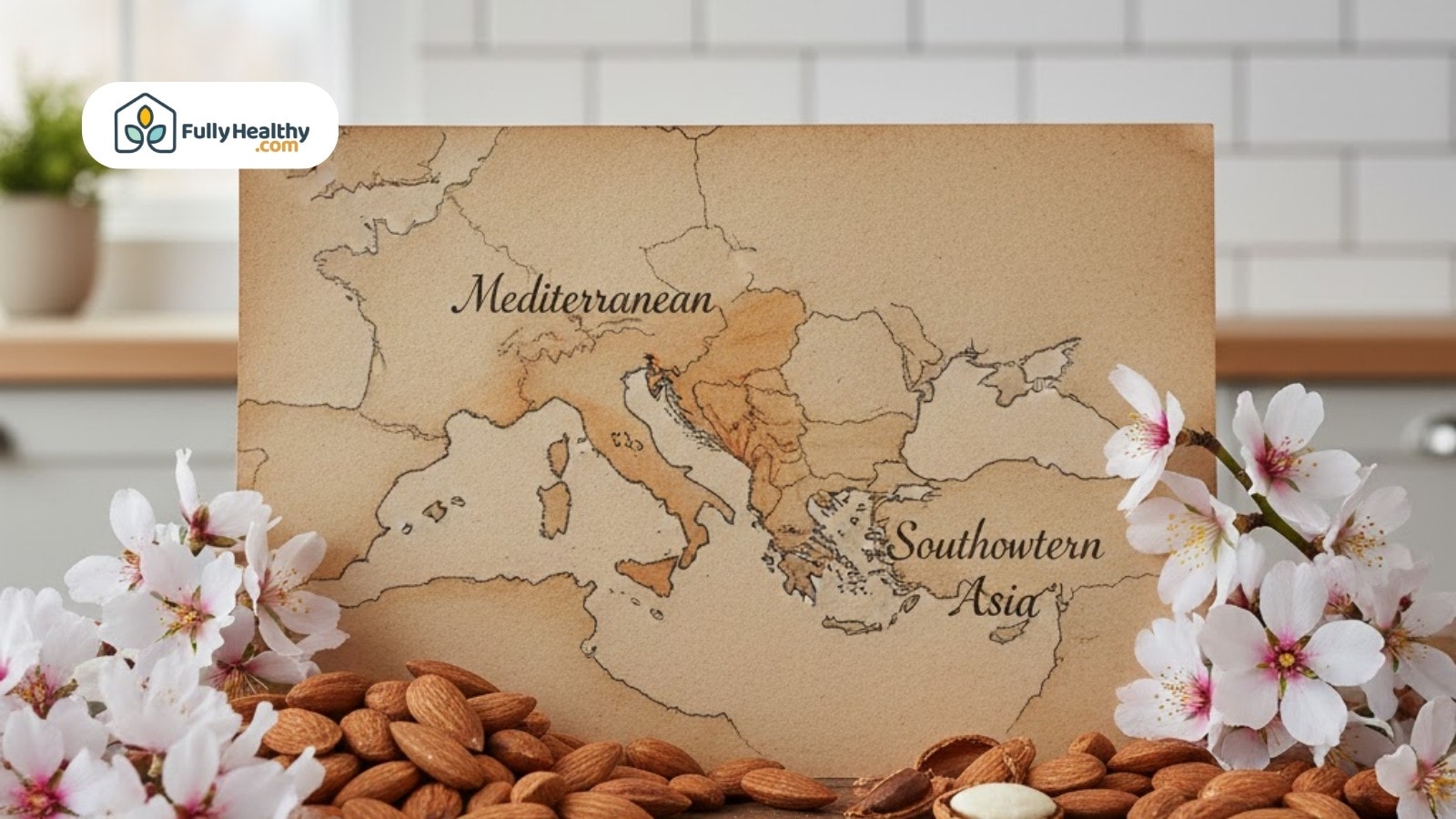
The tree that gives us almonds is called prunus dulcis. This tree was first found in the Mediterranean and some parts of southwestern Asia. About 80% of the world's almonds come from California these days. If you want to know where almonds come from, the story starts with farming in the past and continues in modern almond orchards, especially in the central valley of California.
Almonds Start As A Fruit On The Almond Tree
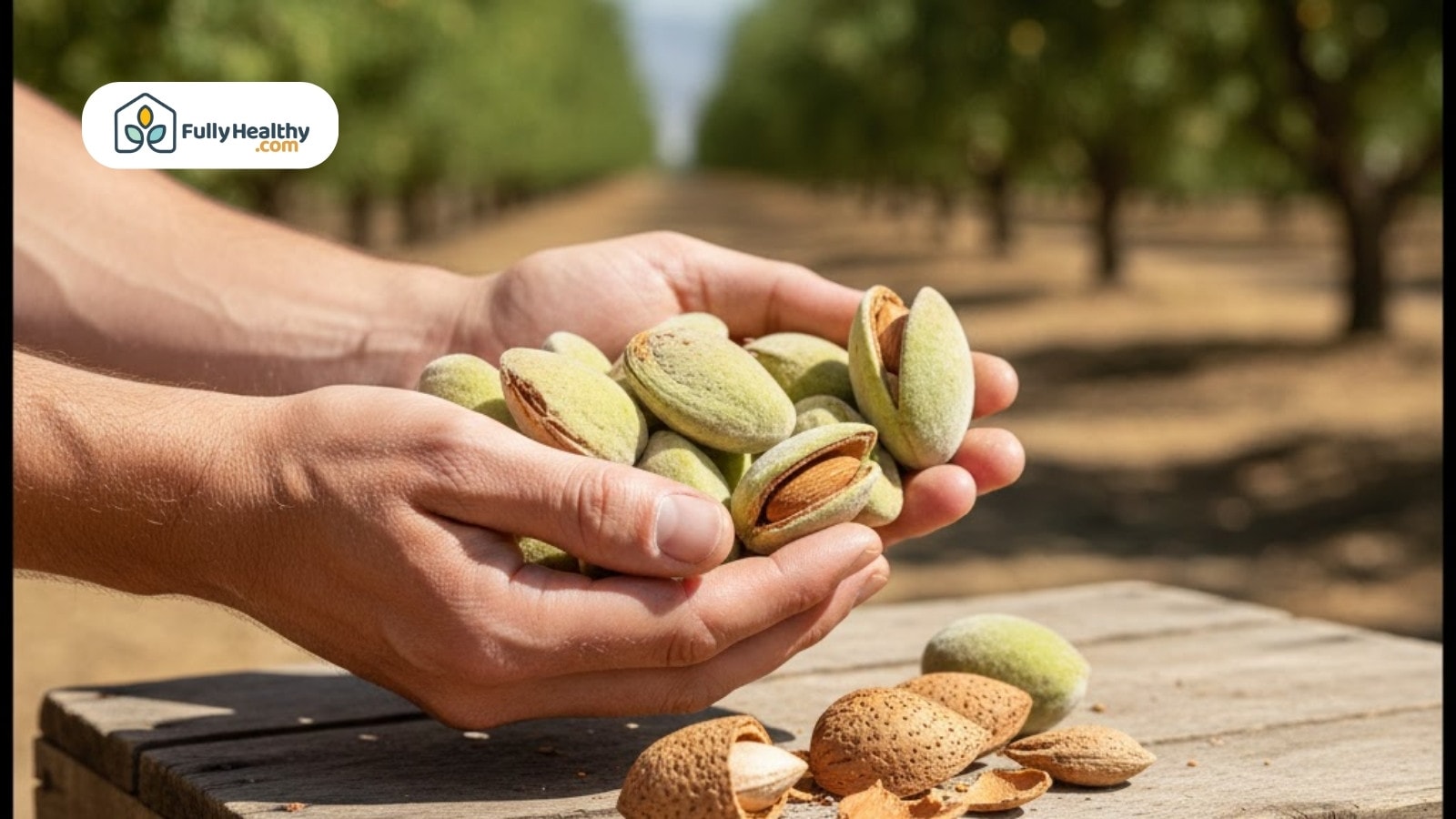
Almonds don't grow like other nuts do. They grow inside the almond fruit, which is a stone fruit like peaches. The good for you seed inside the shell is what we eat.
-
Fruit Structure: The almond fruit has a green outer layer, a hard shell like a peach pit, and the edible seed inside.
-
Botanical Type: Almonds are seeds from a fleshy fruit, not true nuts.
-
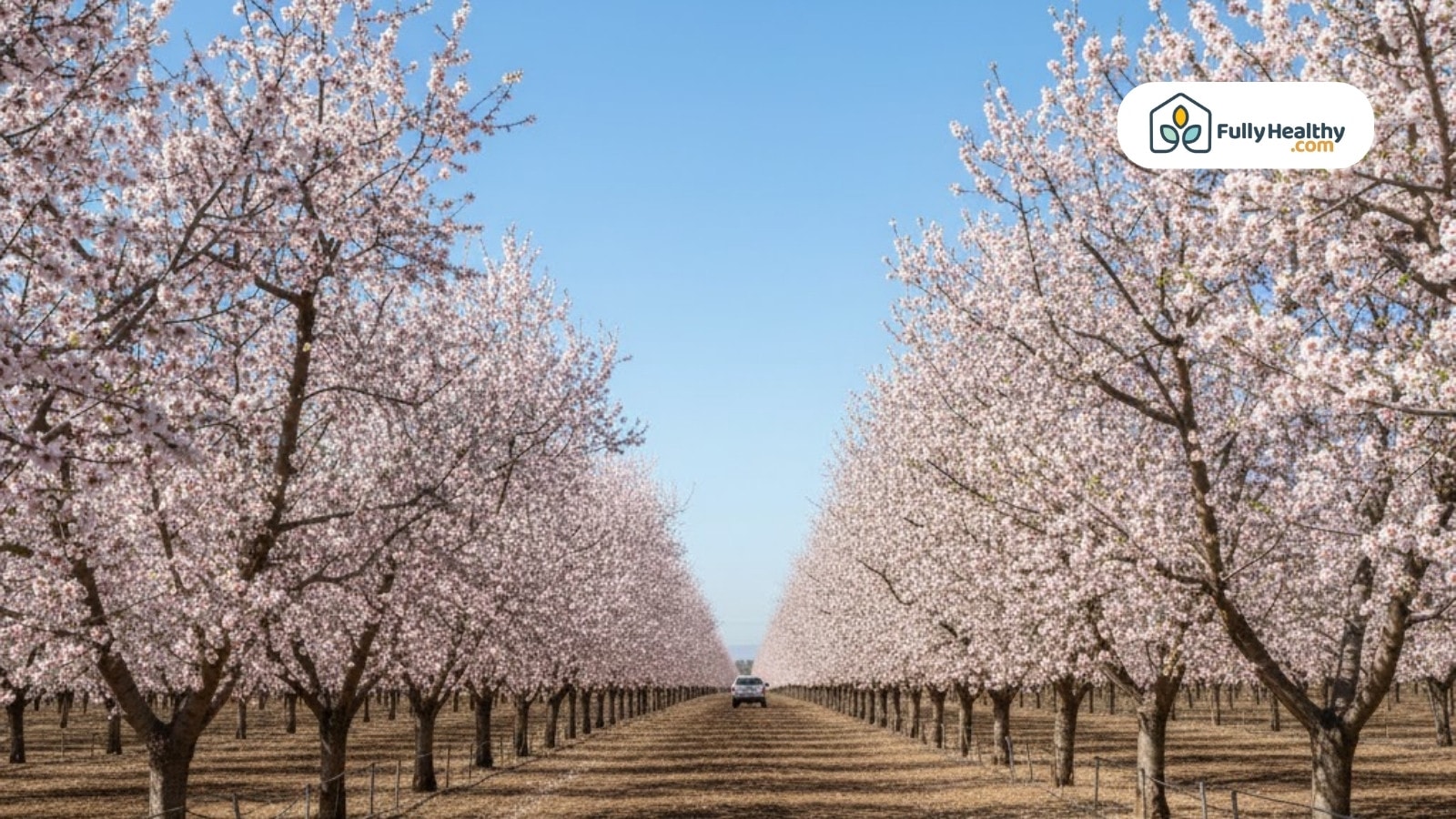
Blooming Stage: The almond blossom appears in early spring and signals the start of almond production.
From Mediterranean Origins To California Almonds Farm
In Mediterranean countries, almond trees have been grown for thousands of years. Later, farmers brought the trees to California because it had the right weather.
-
Climate Needs: Almonds grow best in dry summers, mild winters, and rich soil.
-
Main Growing Area: The Central Valley is the core region where most California almonds are produced.
-
Global Impact: California leads the almond industry and supplies most of the world's almonds.
Are Almonds A Fruit Or A Nut?
Almonds are seeds, but a lot of people think they are nuts. They are related to other stone fruits and grow inside fruits. This simple fact helps show how they were built and how they grew.
The Botanical Definition Explained
A real nut doesn't just pop open to let the seed out. Almonds are different because the fruit on the outside dries out and splits open.
-
Scientific Name: The almond tree is known as Prunus dulcis.
-
Fruit Category: Almonds grow inside a fleshy fruit that splits when it matures.
-
Edible Part: The edible seed inside the shell is what we call the almond.
Sweet And Bitter Varieties
Olives come in two main types. People often eat and are safe with sweet almonds. You have to process bitter almonds before you can use them.
-
Sweet Almonds: Used for raw almonds, almond butter, and almond milk.
-
Bitter Almonds: Processed to make almond oil and flavor extracts.
-
Food Uses: Ground almonds can replace wheat flour in gluten free baking and are also used in almond paste.
Which Country Is Best For Almonds?
The United States stands out when it comes to growing almonds. California is the only place in the world that grows more almonds than any other.
The United States Leads Global Almond Production
California is the center of the almond industry. Large almond groves and almond orchards cover the central valley.
-
Production Share: Around 80% of the world's almond supply comes from California almonds.
-
Industry Support: The almond board helps manage research, marketing, and quality standards.
-
Efficient Farming: Modern almond cultivation methods help farmers produce almonds at large scale.
Other Major Producing Regions
The U.S. leads, but Mediterranean countries and Australia also grow significant amounts. These regions support the growing global demand.
-
European Production: Spain is known for traditional farming in dry climates.
-
Australian Growth: Expanding almond orchards use modern irrigation systems.
-
Rising Demand: Interest in health almonds continues to grow worldwide.
Almonds are valued as a natural food source and are used in many products. From a single almond snack to almond milk in coffee, they are part of daily meals. Almond butter is popular for breakfast, and almond oil is used in cooking and skincare.
Are Almonds High In Sugar?
Almonds naturally have little sugar, and they are often suggested as a healthy food. People commonly called them "smart snacks" because they give you steady energy without making your blood sugar go up and down a lot. Because of this, almonds are often mentioned in health tips about how to eat better.
Natural Sugar Content And Nutrition
Almonds contain very little natural sugar compared to processed snacks. They also provide important nutrients that support overall health.
-
Low Sugar Content: A small serving has minimal natural sugar and no added sweeteners.
-
Healthy Fat Profile: Almonds contain mostly unsaturated fats, with only a small amount of saturated fat.
-
Rich In Nutrients: They are an excellent source of vitamin E, which supports skin, cells, and immune health.
-
Better Snack Choice: Compared to sugary snacks or sweetened sesame seeds, almonds offer cleaner nutrition and longer-lasting fullness.
Processing And Food Safety
Almonds sold in the United States must meet safety standards. This ensures quality while keeping the product natural.
-
Steam Pasteurized: Most almonds are steam pasteurized to reduce harmful bacteria without changing their nutrition.
-
Government Oversight: The US Department of Agriculture oversees safety rules for almond handling and distribution.
-
Natural Structure: After harvest, the outer hull is removed, leaving the shell that protects the edible kernel inside.
Because of their low sugar and nutrient value, almonds are often viewed as a first natural food source in both traditional and modern diets.
FullyHealthy: Where To Buy Almond-Based Specialty Foods
It's important to pick high-quality almond products, especially for people who are sensitive to certain foods. FullyHealthy has carefully chosen products with a focus on clean sourcing and simple ingredients. These foods help people who want to eat grown foods that were made with care.
Almond Products Available At FullyHealthy
FullyHealthy sells foods made from almonds that are gluten-free and good for people on special diets. These products are made with simple ingredients and help people live healthier lives today.
-
Artisana Raw Almond Butter 14 oz: Made from raw organic almonds, simple and minimally processed.
-
Simple Mills Pancake & Waffle Almond Flour Mix 10.7 oz: Made with almond flour and clean ingredients for gluten free baking.
-
Simple Mills Crunchy Almond Flour Cookies Toasted Pecan 5.5 oz: Made with almond flour and coconut sugar for a better snack option.
Farming, History, And Sustainability
Almond trees come from the rose family and have been grown and cultivated for a long brief history in places where are cool and wet winters are found. Farmers today focus on growing almonds in a way that protects the land and water.
-
Climate Requirements: Almond trees grow best in areas with cool winters followed by warm seasons.
-
Sustainable Farming Practices: Many farms use water-saving systems and soil care methods to support long-term almond production.
-
Waste Reduction: Almond shells and hulls are often reused as livestock feed, helping reduce farm waste.
Final Thoughts
Almonds have a long history that ties together farming, food, and history. Almonds are part of healthy eating habits that are linked to better public health, according to research from the Chan school. Almonds are used in a lot of foods around the world, both raw and blanched.
People often compare them to apricot kernels because they both grow inside stone fruits. They go well with cinnamon in baked goods. You can eat almonds whole, grind them into flour, or mix them into milk. They are a simple and reliable food choice.
From old orchards to modern farms, their story shows how one small seed can change the whole world. Almonds are still good for you, farming communities, and everyday meals.
FAQs
Where do almonds come from and what does Chan School say about them?
Almonds come from Prunus dulcis trees, and Chan School research links them to positive public health benefits.
Are blanched almonds different from raw almonds?
Blanched almonds have the skin removed, while raw almonds keep their natural outer layer.
Are almonds related to apricot seeds?
Yes, almonds and apricot kernels both grow inside stone fruits with a similar structure.
Can almonds be used with cinnamon in recipes?
Yes, almonds are often combined with cinnamon in baking, snacks, and desserts.
Are almonds considered healthy?
Yes, almonds are nutrient-rich, commonly recommended in public health advice, and supported by research, including work connected to the Chan School.
Leave a comment