

Where Does Chocolate Come From? From Cacao To Chocolate
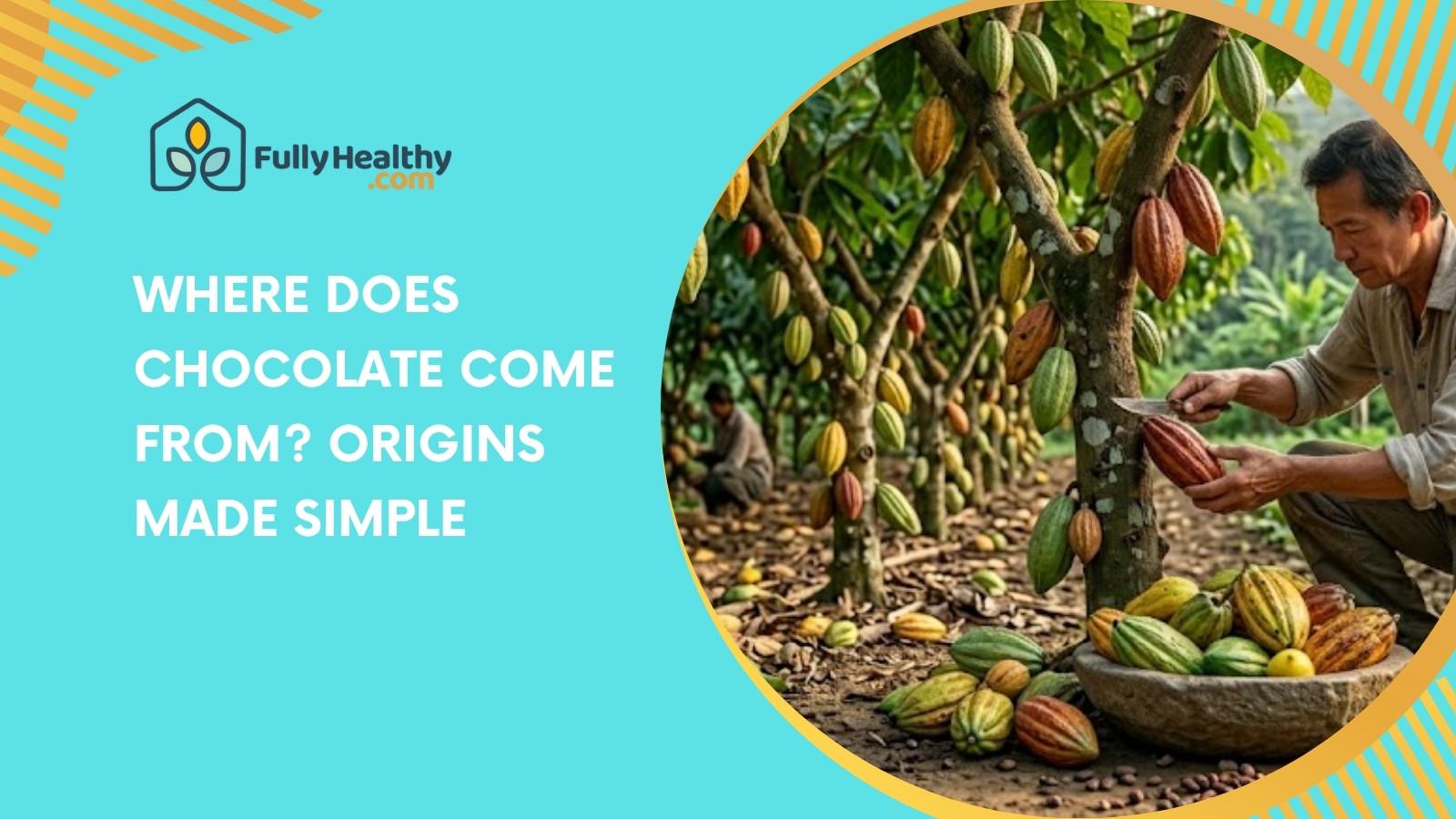
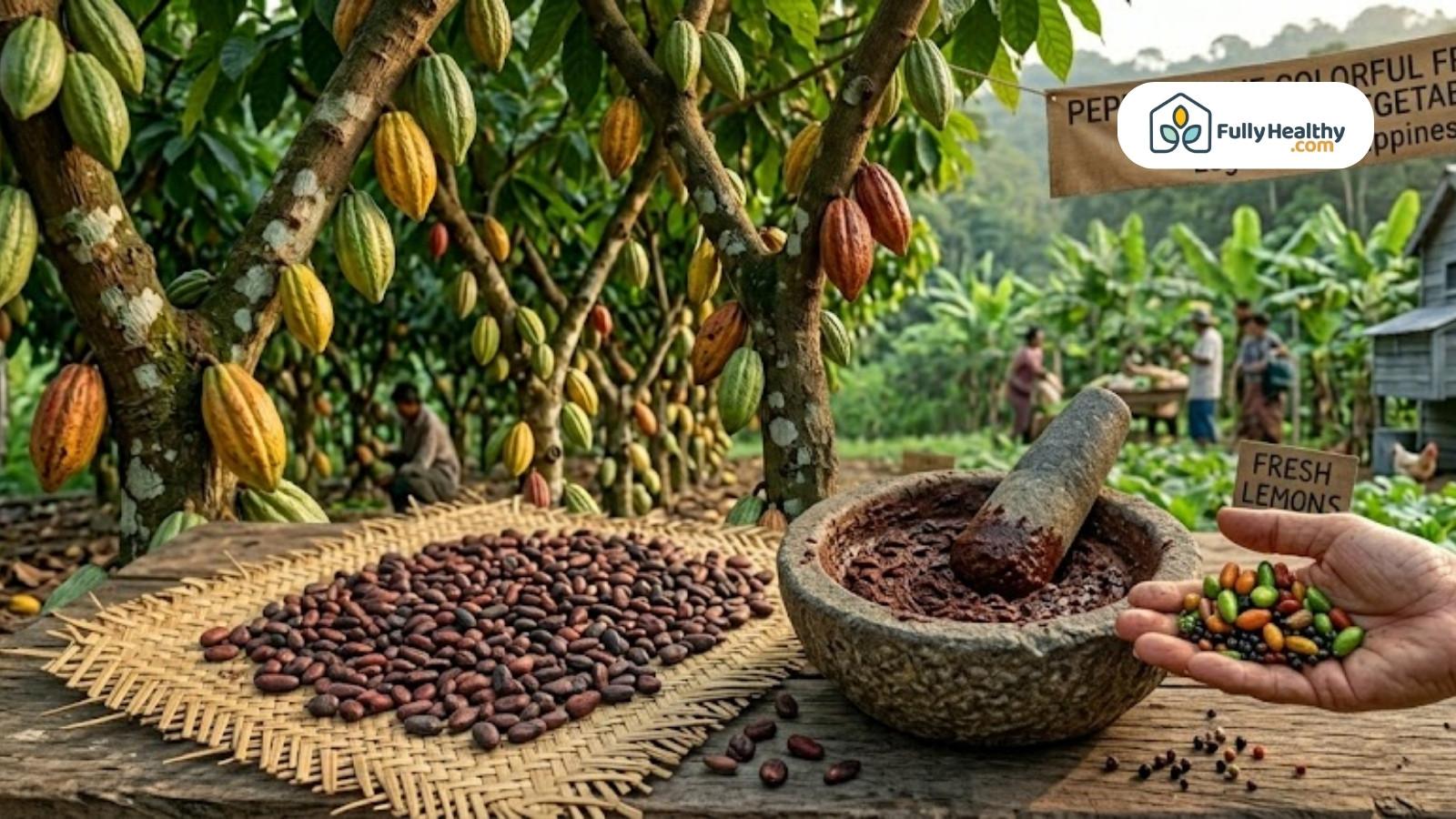
Chocolate starts with a simple question: where does chocolate come from? If you live in a tropical area close to the equator, you can find theobroma cacao trees that grow cacao beans.
To make cocoa and chocolate, farmers pick the pods and then ferment and roast the beans. Most of the world’s cocoa is produced in West Africa, especially Côte d’Ivoire and Ghana. It turns into the chocolate we eat, like dark chocolate bars, sweet treats, and even chocolate that is better for you.
Featured Baking Pick
Enjoy Life // Semi-Sweet Mini Chocolate Chips - 9 oz
Loading...
Where Does Chocolate Come From?
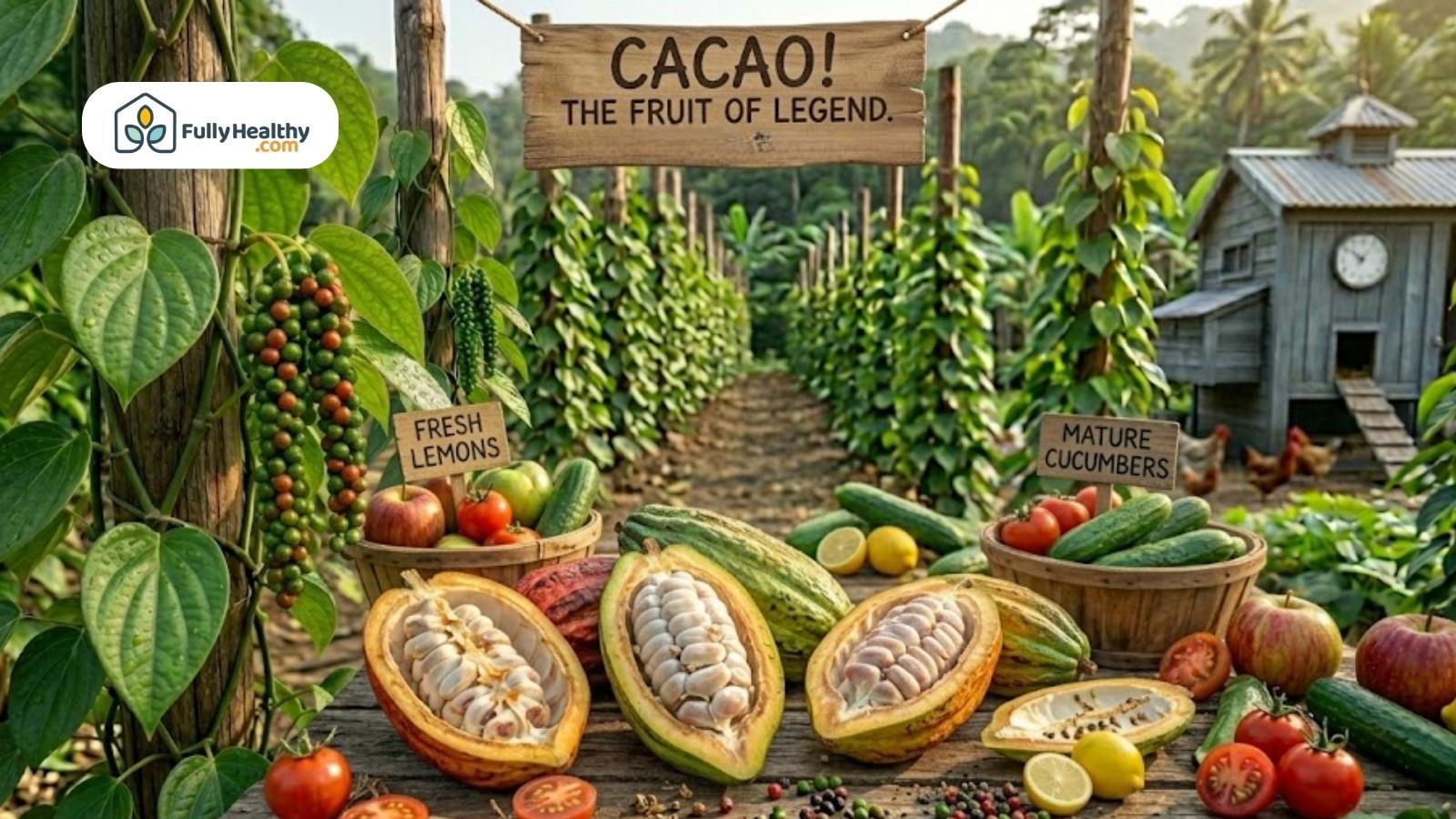
The cocoa plant, which is also called the chocolate tree or cocoa tree, grows in warm, tropical places and is where chocolate comes from. To begin, cacao pods hold cacao seeds, which are also known as cocoa beans. Before they become chocolate, these beans go through a number of steps. That's where chocolate comes from. It helps you understand how it was made in the past and how it is made now.
From Cacao Tree To Chocolate Bar
It takes time and skill to turn cacao into chocolate. Farmers pick the pods, and then chocolate makers use the beans to make different kinds of chocolate.
-
Harvesting cacao pods: Farmers cut ripe pods from the cacao plant and open them to collect the cacao seeds inside.
-
Fermentation process: The cocoa beans are fermented to develop flavor, which is a key step in chocolate making.
-
Roasting and grinding: The beans are roasted and ground into chocolate liquor, a thick liquid that forms the base of chocolate.
-
Final transformation: Chocolate makers refine liquid chocolate into chocolate bars, cocoa powder, and other products.
Ancient Origins And Cultural Significance
Cacao was first domesticated and used in tropical regions of the Americas; archaeological evidence points to early use in the upper Amazon, with later major cultural development among Mesoamerican societies such as the Olmec, Maya, and Aztec.
-
History of Chocolate: Early cacao beverages were typically unsweetened and often mixed with water, and in some regions with spices or maize; they were not the same as modern hot chocolate.
-
Cultural importance: Cacao was valuable and even used as money in some regions.
-
European influence: When Europeans encountered chocolate, they added cane sugar to make it sweeter.
-
Evolution of chocolate: Chocolate houses in Europe helped spread chocolate consumption and new chocolate recipes.
Where Is 70% Of Cocoa Grown?
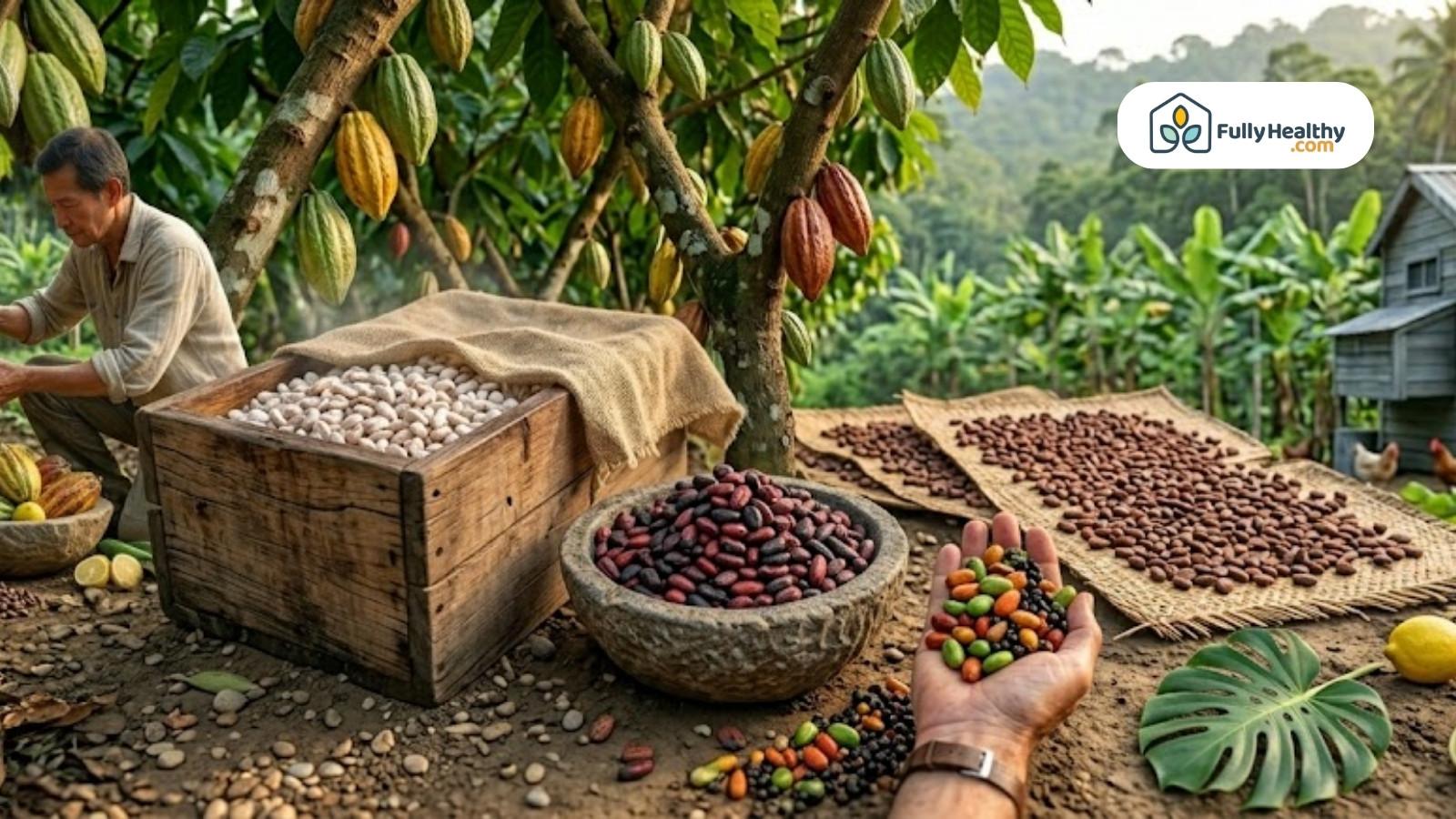
Cocoa beans grow in tropical regions near the equator. Today, most cacao production happens in West Africa, even though the cacao plant originally came from South America. These regions provide the perfect environment for growing cacao.
Why West Africa Dominates Cocoa Production
West Africa produces most of the world’s cocoa because of its climate and farming systems. Many small farms work together to supply cocoa to chocolate manufacturers.
-
Major producers: Ghana and Côte d’Ivoire grow over 70% of the world’s cocoa beans.
-
Small-scale farming: Millions of small farms support global cacao production.
-
Global supply chain: Cocoa beans are exported to chocolate makers around the world.
-
Economic importance: Cocoa farming supports the livelihoods of millions of smallholder farmers and workers in producing countries.
Ideal Climate For Cocoa Growth
The cacao plant needs specific conditions to grow well. These conditions are found in tropical areas close to the equator.
-
Climate conditions: The cocoa tree needs heat, humidity, and rich soil to grow properly.
-
Growing regions: Areas in Central and South America and Africa provide the best environment.
-
Growth cycle: The cacao plant takes about five years before it produces cacao pods.
-
Environmental impact: Cocoa farming is closely connected to rainforest ecosystems.
What Chocolate Is Best For Magnesium?
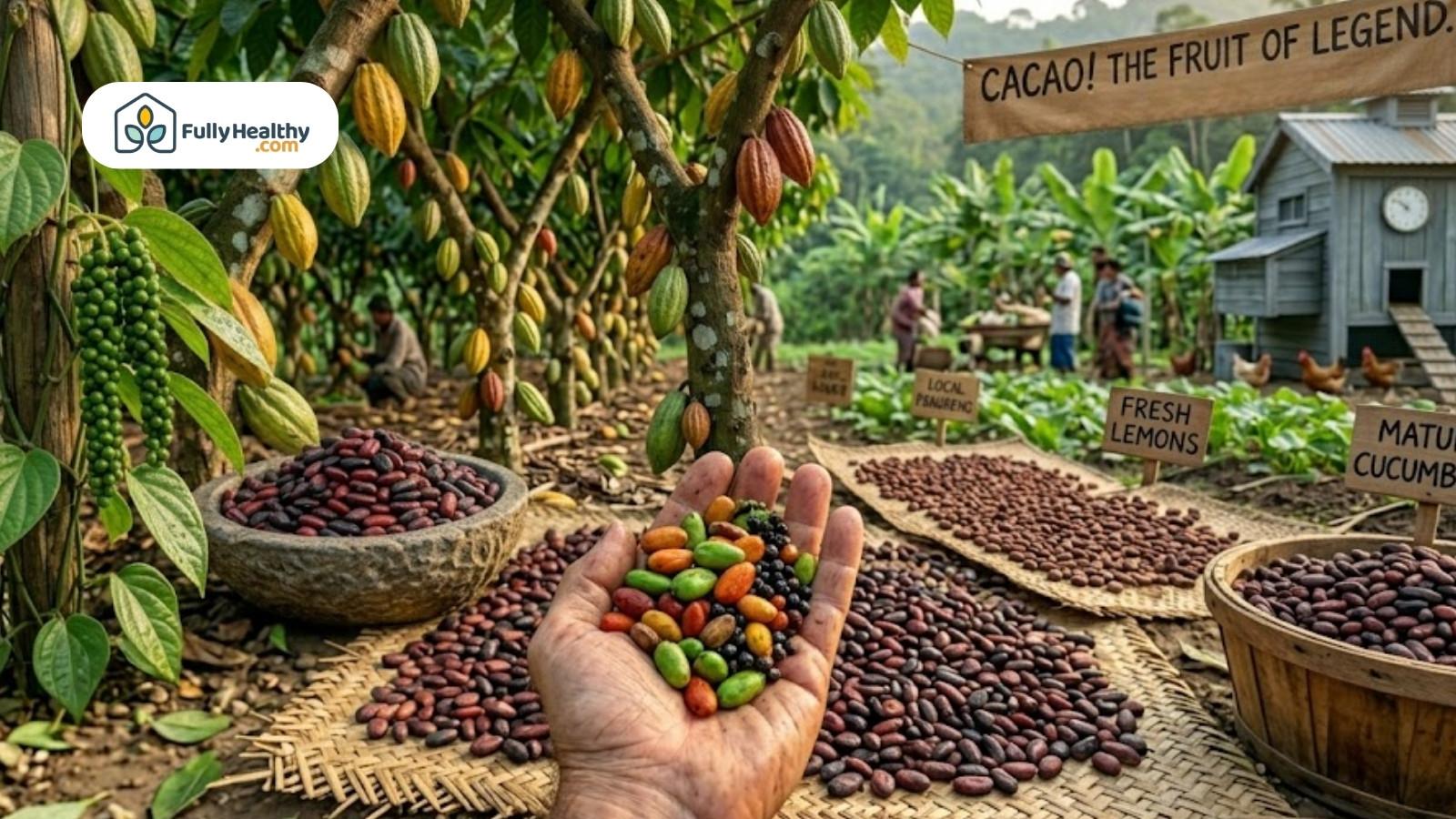
Dark chocolate is the best choice if you want more magnesium. It contains more cocoa solids than milk chocolate or white chocolate, which makes it richer in nutrients. Choosing the right chocolate bars can help you enjoy both taste and health benefits.
Why Dark Chocolate Has The Most Magnesium
Dark chocolate keeps more natural nutrients from cocoa beans because it has fewer added ingredients. This makes it a better option for magnesium.
-
High magnesium content: Dark chocolate provides about 65 mg of magnesium per ounce.
-
More cocoa solids: It contains higher levels of cocoa powder and cocoa butter than other types.
-
Fewer additives: Unlike milk chocolate, it does not need milk powder or large amounts of sugar.
-
Health benefits: It contains antioxidants that support heart health and overall wellness.
How To Choose Magnesium-Rich Chocolate
Not all chocolate bars are the same. Knowing what to look for can help you choose better options.
-
Check cocoa percentage: Choose chocolate bars with at least 70% cocoa for better nutrition.
-
Review ingredients: Avoid products with too much cane sugar or unnecessary additives.
-
Processing method: Traditional chocolate making using a chocolate press helps keep nutrients.
-
Compare types: White chocolate has no cocoa solids, while milk chocolate may add milk powder and additional cocoa butter.
What Is 100% Real Chocolate?
100% chocolate is made from pure cacao with no added sugar or sweeteners. It comes directly from cacao beans and keeps its natural bitter taste. This type of chocolate is closest to what ancient civilizations consumed. Learning about it helps you understand how chocolate was first called chocolate and how it changed over time.
What 100% Cacao Really Means
100% cacao chocolate is made using a slow and laborious process that keeps the ingredients simple and natural. It reflects how chocolate began in Central America and Latin America.
-
Pure cacao content: This chocolate contains only cacao solids and cocoa butter, with no added ingredients.
-
Natural flavor profile: It has a strong bitter taste, similar to early chocolate used by ancient civilizations.
-
Cultural meaning: Cacao was seen as a divine gift and known as the food of the gods.
-
Simple production: The bean-to-bar method keeps chocolate close to its original form.
100% Chocolate Vs Sugar-Free Chocolate
100% chocolate is not the same as sugar-free chocolate. Some sugar-free products still include substitutes, which changes the final product.
-
Clear definition: 100% chocolate has no sweeteners, while sugar-free chocolate may include alternatives.
-
Source of cacao: True chocolate comes from cacao that grows in tropical climates.
-
Taste difference: Without sugar, the flavor stays bold and intense.
-
Modern processing: In the modern world, chocolate manufacturers may adjust flavor using alkaline salts.
FullyHealthy: Where To Find Clean Chocolate Alternatives
FullyHealthy offers products for people who want chocolate-style options that fit special diets. It focuses on clean ingredients and simple choices. This makes it easier to enjoy chocolate flavors while following dietary needs.
Chocolate Options For Specialized Diets
Many people now look for better food choices, especially when it comes to chocolate. FullyHealthy helps meet this need with simple and safe options.
-
Diet-friendly options: Products are made for people who avoid certain ingredients in daily food.
-
Clean ingredients: Items are free from common allergens and unnecessary additives.
-
Growing trend: As chocolate consumption rises, the trend spreads toward healthier options.
-
Global sourcing: Some ingredients still come from places like the Ivory Coast and Latin America, where cacao grows.
Featured Chocolate Products On FullyHealthy
FullyHealthy provides different products that offer chocolate flavor in new ways. These options show how chocolate has changed from the past to today.
-
Protein powder choices: Double chocolate and cherry flavors give a chocolate-like taste using alternative ingredients.
-
Chocolate chip cookies: These cookies use clean ingredients while still including real chocolate for flavor.
-
Balanced nutrition: Products combine taste and nutrition for everyday use.
-
Modern evolution: From the Spanish court and royal courts to the Industrial Revolution, chocolate has changed and continues to evolve today.
Final Thoughts
Chocolate has a long journey from where chocolate grows on the cacao tree to the treats we enjoy today. Early cacao use in the Americas included beverages made from different parts of the cacao fruit and seed.
Evidence does not support a general claim that honey was commonly used across early traditions. It played a role in religious rituals and later reached Europe, where even a French king enjoyed it.
Over time, tools like the ten speed press and speed press improved chocolate making by controlling moisture content. Today, chocolate is produced and shipped in large boxes worldwide, showing how this simple fruit became a global favorite.
FAQs
Where does chocolate come from and who invented chocolate?
Chocolate comes from the seeds of the cacao tree, and ancient American cultures developed early cacao beverages and ritual uses, though the exact ingredients varied by culture and period.
How did chocolate spread to Europe like the French king enjoyed?
Chocolate moved from tropical regions to Europe, where a French king and royal groups consumed it as a luxury food.
What tools like ten speed press or speed press are used in chocolate making?
A key historical machine was the cocoa press, which separates cocoa butter from cocoa solids and helped modernize chocolate production.
Why is cacao fruit important in chocolate production?
The cacao fruit contains white pulp and beans, which are essential for making chocolate and were used in early recipes with honey.
How is chocolate stored and distributed today?
Modern chocolate is packed in large boxes and shipped globally after processing to maintain quality and proper moisture content.
Leave a comment