

Where Does Cinnamon Come From? A Complete Spice Origin Guide
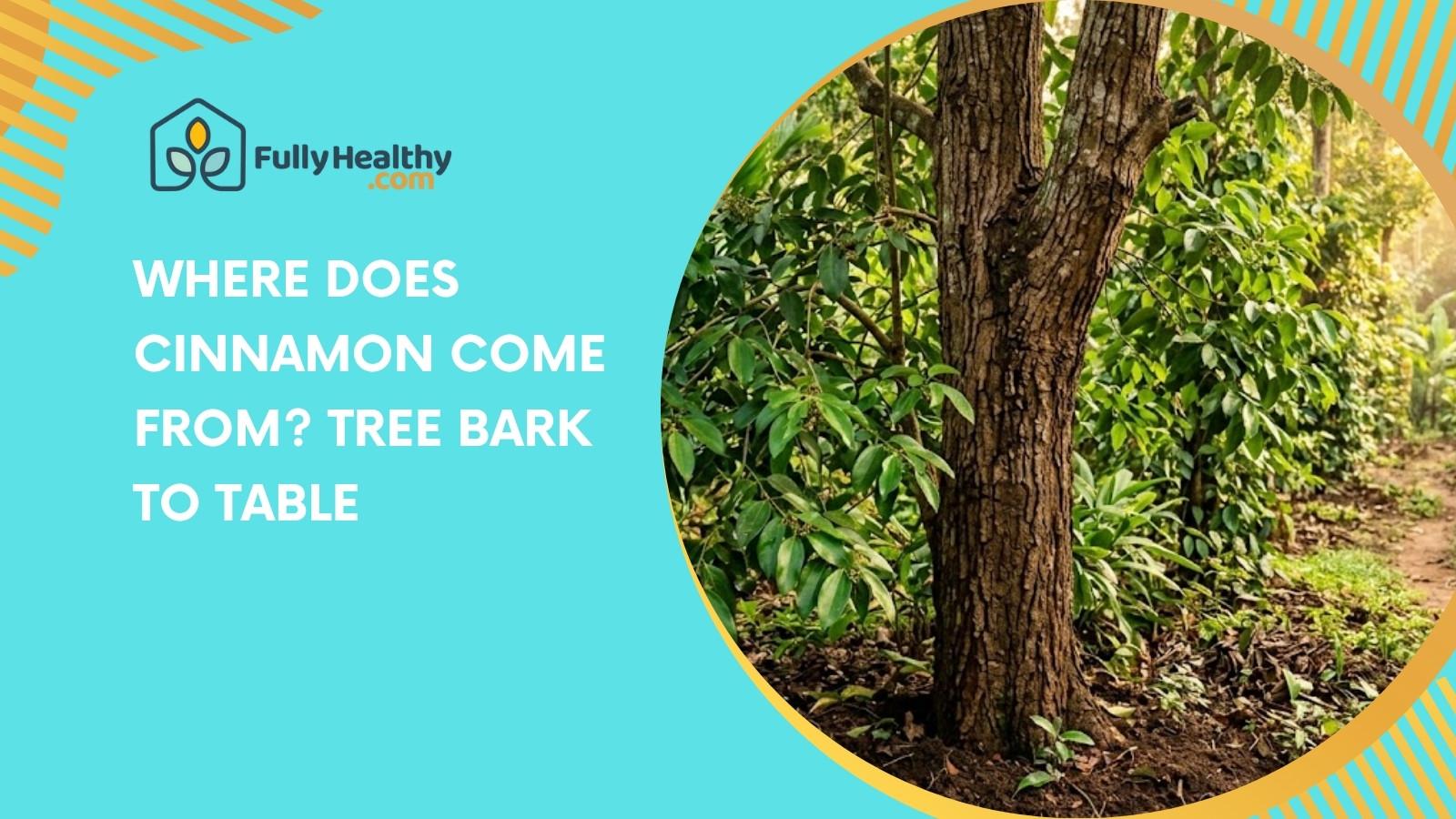
Where does cinnamon come from? Cinnamon comes from the inner bark of trees in the genus Cinnamomum, family Lauraceae. Farmers peel the bark, dry it, and it curls into the cinnamon sticks you know.
Most cinnamon grows in warm, tropical regions like Sri Lanka, Indonesia, India, and Southeast Asia. This article explains its origin, history, uses, health facts, and how to enjoy it wisely.
Featured Spice Pick
Simply Organic // Ground Ceylon Cinnamon - 2.08 oz
Loading...
Where Does Cinnamon Come From?
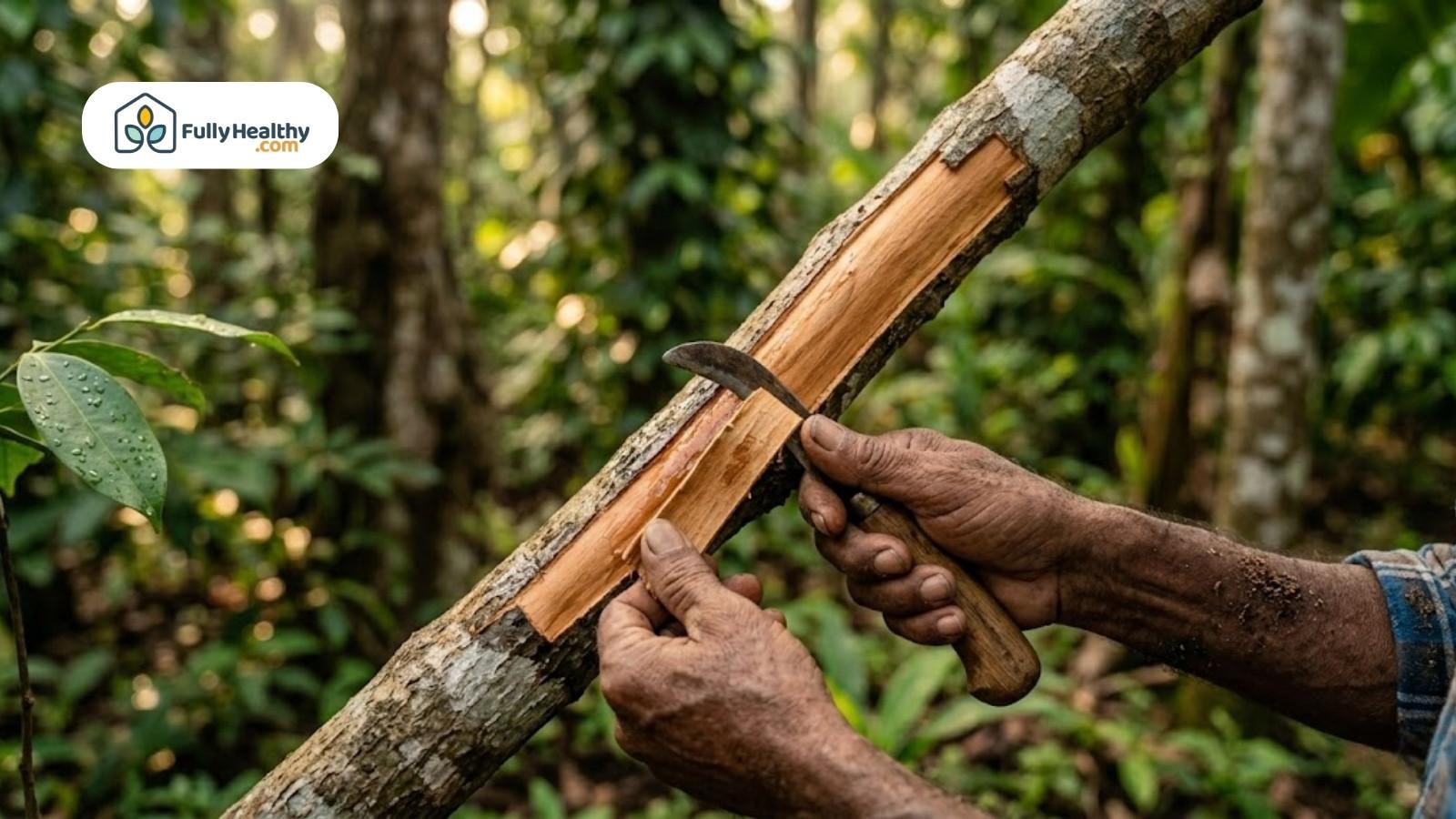
Cinnamon comes from the inner layer of cinnamon bark found on cinnamon trees in the genus Cinnamomum. These trees grow best in warm, wet tropical climates. Farmers remove the outer bark, carefully peel the inner bark, then dry it into cinnamon quills or grind it into cinnamon powder.
Where Does Cinnamon Come From In Nature?
Cinnamon is not a seed or fruit. It comes from tree bark. The best-known types are Cinnamomum verum, which gives us ceylon cinnamon or true cinnamon, and Cinnamomum cassia, which gives us cassia cinnamon.
-
Tree Source: Commercial cinnamon mainly comes from C. verum, C. cassia, C. burmannii, and C. loureiroi.
-
Harvesting Process: Farmers remove the outer bark, then the inner bark is carefully peeled.
-
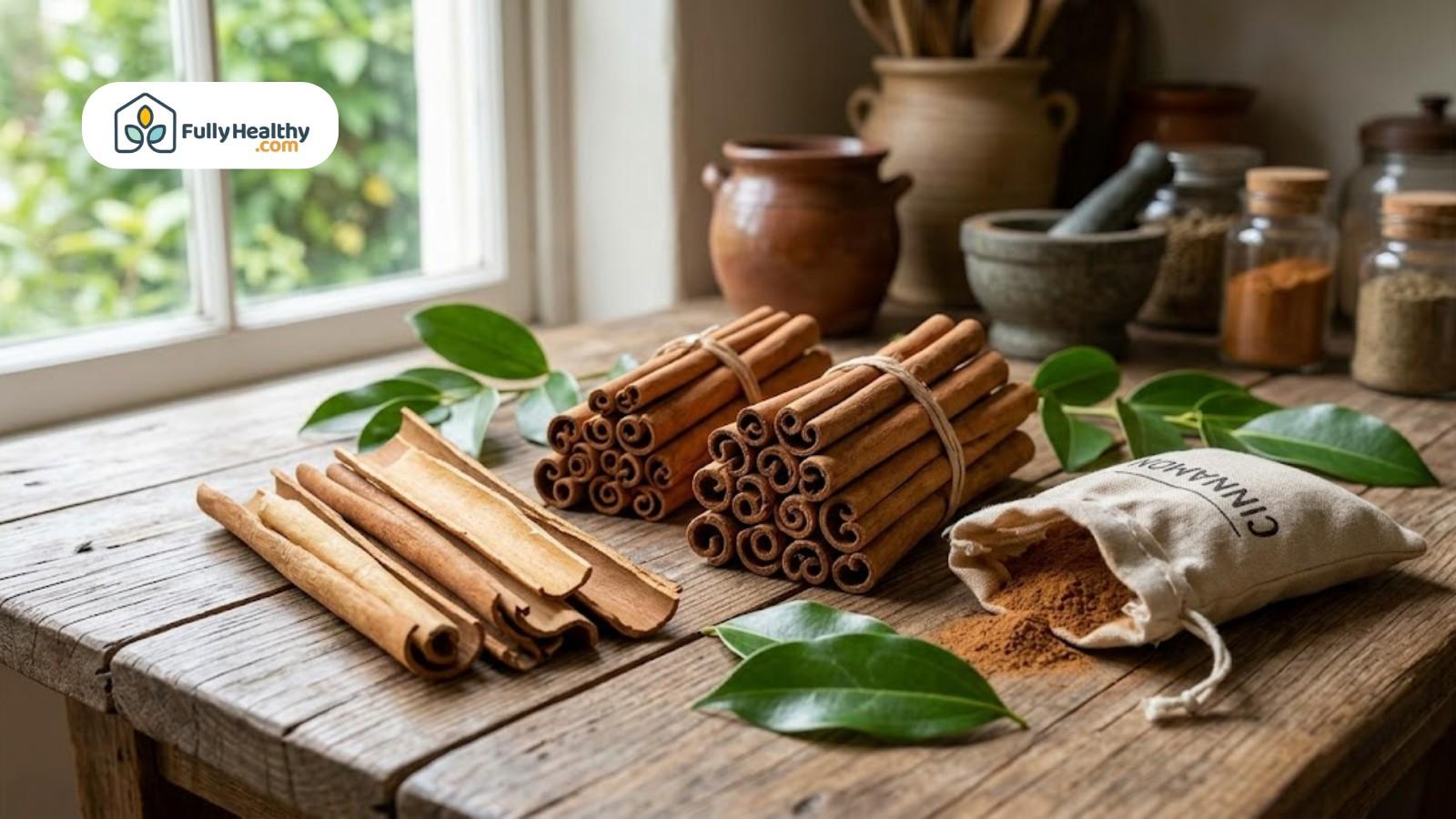
Final Forms: The bark curls as it dries, forming cinnamon quills, or it is ground into ground cinnamon.
-
Flavor Difference: Ceylon has a mild sweet flavor, while cassia has a stronger spicy flavor.
Where Does Cinnamon Come From Today?
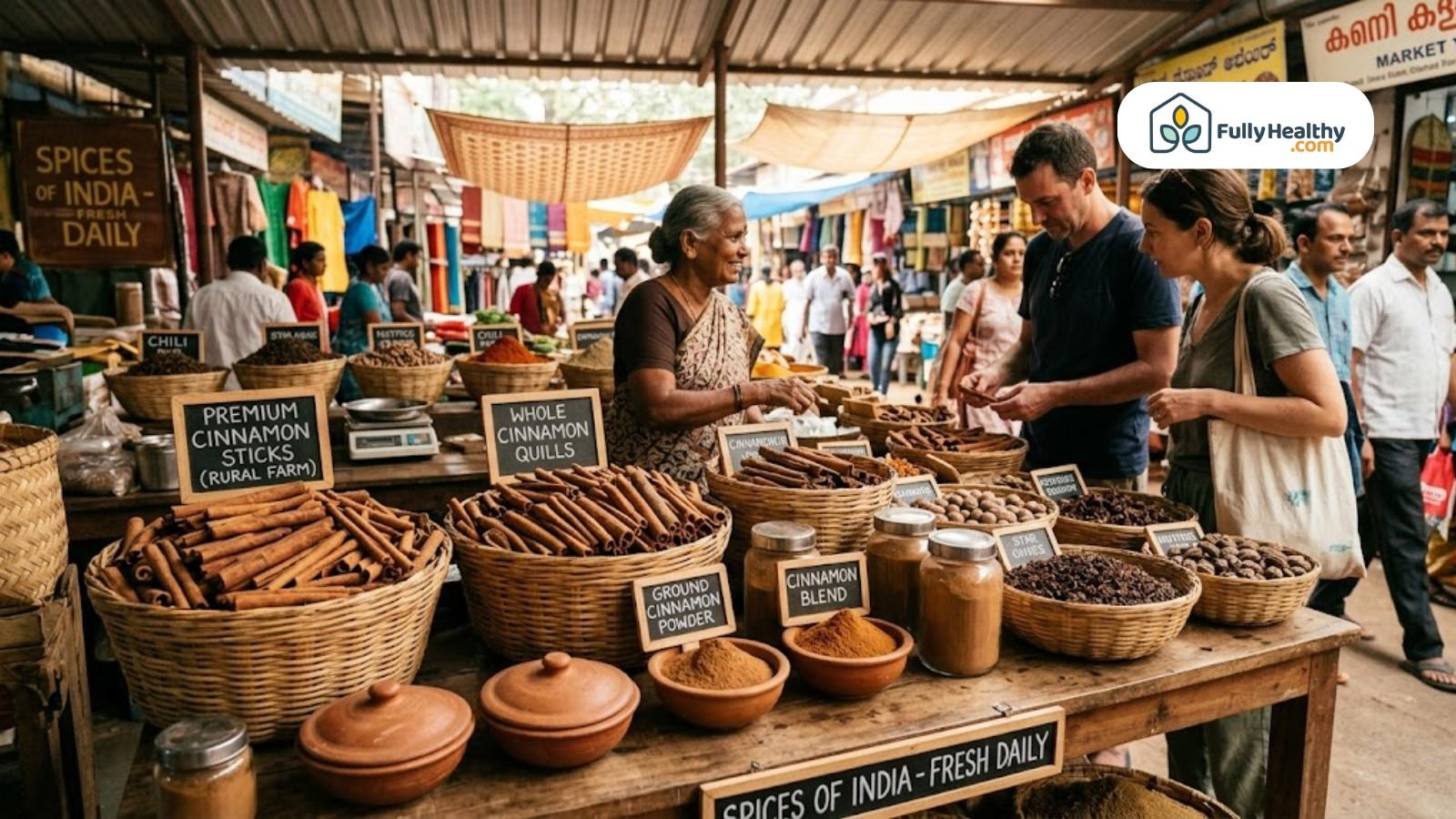
Today, cinnamon production happens mostly in Asia. Indonesian cinnamon is widely produced, while Sri Lanka is known for ceylon cinnamon. Saigon cinnamon is another popular type with a bold, rich flavor.
-
Main Regions: Cinnamon grows in Sri Lanka, Indonesia, India, Vietnam, and other parts of Southeast Asia.
-
Growing Conditions: Farmers grow cinnamon in warm tropical climates with steady moisture.
-
Processing Cinnamon: The bark is dried, sorted, packed, or turned into cinnamon powder with a spice grinder.
-
Common Uses: Cinnamon adds delicious flavor to cinnamon toast, rice pudding, mulled wine, baked goods, sweet dishes, and savory dishes.
The History And Global Journey Of Cinnamon

Cinnamon has been valued for thousands of years. It was once rare, costly, and closely tied to the spice trade. People used it for food, fragrance, and traditional medicine long before it became a common kitchen spice.
Ancient Uses And Early Trade
Ancient Egyptians used cinnamon-like aromatic spices mainly in perfumes, ritual preparations, and embalming; culinary use is less clearly documented. Later, Arab traders controlled much of the cinnamon sold in early markets and kept its source mysterious.
-
Early Value: Cinnamon was treated as a luxury spice because it was hard to get.
-
Trade Routes: Arab traders helped move cinnamon through major spice trade networks.
-
Old Uses: It was used in perfumes, food, drinks, and traditional medicine.
-
Kitchen Role: Its sweet flavor made it useful in baked goods, rice pudding, and other sweet dishes.
Colonial Expansion And Global Spread Of Cinnamon
European powers later fought for control of cinnamon forests, especially in Sri Lanka. Over time, cinnamon production spread to more regions, making the spice easier to find.
-
Sri Lankan Role: Sri Lanka became famous for true cinnamon from Cinnamomum verum.
-
Global Spread: Cinnamon later expanded to Indonesia, Vietnam, Africa, and South America.
-
Popular Types: Cassia cinnamon became common because it was cheaper and easier to produce.
-
Modern Use: This versatile spice now appears in sweet and savory dishes around the world.
What Does The Bible Say About Cinnamon?
The Bible presents cinnamon as a valuable spice used in sacred, personal, and trade settings. It was not just a cooking ingredient. It also carried meaning linked to worship, wealth, fragrance, and beauty.
Cinnamon In Sacred Oils And Worship Practices
In Exodus, cinnamon is listed as part of holy anointing oil. This shows that it was respected as a special ingredient in religious life.
-
Sacred Use: Cinnamon was included in oil used for worship and consecration.
-
Spice Blend: It was mixed with other valuable spices, including myrrh and aromatic cane.
-
Symbolic Meaning: Cinnamon suggested purity, honor, and devotion.
-
Main Context: Its use was religious, not mainly for everyday meals.
Cinnamon As A Symbol Of Wealth, Trade, And Luxury
Cinnamon also appears in Bible passages about perfume, romance, and commerce. These references show that it was rare and highly valued.
-
Luxury Item: Cinnamon was grouped with costly goods like frankincense and myrrh.
-
Personal Fragrance: Proverbs mentions cinnamon as a perfume for bedding.
-
Trade Value: Revelation lists cinnamon among expensive goods in commerce.
-
Cultural Meaning: Cinnamon represented beauty, wealth, and refined living.
Can Cinnamon Help Lower Blood Sugar?
Cinnamon has been studied for its possible role in blood sugar control. Many people use it as a natural flavoring agent and explore cinnamon supplementation for added benefits. However, research results are mixed, so it should be used carefully and not as a replacement for medical care.
What Research Says About Cinnamon And Diabetes?
Some studies suggest cinnamon may support insulin function, but results vary due to differences in cinnamomum species and study design. Its long history in ancient civilizations adds to its interest in health.
-
Scientific Findings: Some research shows improved insulin sensitivity, while others show no clear effect.
-
Types Studied: Different cinnamomum species may impact results, including various species used globally.
-
Historical Use: Cinnamon was highly prized in ancient egypt and the middle east for both taste and healing.
-
Realistic Expectation: Cinnamon supplementation may help slightly but is not a cure for diabetes.
Safe Use And Medical Guidance For Cinnamon Intake
Cinnamon is safe in small amounts, but too much can cause problems. It is important to use it wisely and understand possible risks.
-
Recommended Use: Small daily amounts as a flavoring agent in food are generally safe.
-
Possible Risks: High intake may lead to allergic reactions or other side effects.
-
Medical Advice: Always consult a doctor before starting cinnamon supplementation.
-
Balanced Approach: Use cinnamon along with proper diet, exercise, and treatment plans.
What Happens When You Consume Cinnamon Every Day?
Daily cinnamon intake can offer benefits, but too much may cause harm. It has been used since ancient civilizations for both cooking and wellness, but moderation is key.
Potential Health Benefits Of Moderate Cinnamon Intake
Cinnamon adds rich taste to foods and may support overall health when used properly. It remains a popular ingredient across cultures from the middle ages to today.
-
Everyday Use: Works well in cinnamon products like teas, cereals, and baked goods.
-
Health Support: Cinnamon contains bioactive compounds, but human evidence for anti-inflammatory or metabolic benefits remains mixed and should not be stated as established.
-
Flavor Boost: Enhances taste in both sweet and savory recipes without needing black pepper or extra spices.
-
Cultural Role: Used widely across the middle east and beyond for centuries.
Risks And Side Effects Of Too Much Cinnamon
Too much cinnamon can lead to unwanted effects, especially when consumed daily in large amounts. Understanding its source and processing is important.
-
Coumarin Content: Some cinnamomum trees produce compounds that may harm the liver in excess.
-
Overconsumption Risk: Eating large amounts may lead to allergic reactions or irritation.
-
Processing Factors: Cinnamon made from thin layers of bark can vary in strength and safety.
-
Sustainability Note: Choosing cinnamon from local farmers using sustainable farming practices helps protect natural resources.
How FullyHealthy Helps You Enjoy Cinnamon Safely
FullyHealthy makes it easier to shop for cinnamon products that fit special diets. It is helpful for people managing a health condition or avoiding certain ingredients. The site focuses on clean, diet-friendly foods, including cinnamon-based items inspired by a spice with roots in ancient rome, the malabar coast, and the cinnamomum genus.
Clean, Allergen-Friendly Cinnamon Products For Special Diets
FullyHealthy offers products made for people who need simple labels and safer choices. This can save time and reduce stress when shopping.
-
Diet Support: Many items fit AIP, gluten-free, Paleo, and allergen-friendly lifestyles.
-
Simple Ingredients: Products are chosen to help shoppers avoid hard-to-check labels.
-
Trusted Shopping: FullyHealthy gathers specialty foods in one place for easier buying.
-
Better Fit: The products can support people with food sensitivities or strict meal plans.
Featured Cinnamon Products You Can Try Today
FullyHealthy carries practical cinnamon options for cooking, breakfast, and treats. These products make it easier to enjoy cinnamon without guessing what is inside.
-
Ground Cinnamon: Simply Organic Ground Cinnamon is useful for baking, drinks, and everyday meals.
-
Cinnamon Rolls: Jack’s Paleo Kitchen Cinnamon Rolls offer a ready-to-heat sweet option.
-
Hot Cereal: AiPeazy Cinnamon Raisin Hot Cereal is a quick breakfast made with cinnamon.
-
Helpful Note: Cinnamon trees grow best in warm areas with partial shade, where new shoots can produce quality bark.
Final Thoughts
Cinnamon is a simple spice with a long story. It comes from the inner bark of trees and grows best in warm areas with high humidity. Its aroma and flavor make it popular in many recipes around the world. From ancient trade to modern kitchens, cinnamon stays important.
You can use it in small amounts for taste and enjoy its benefits. Always choose quality cinnamon and use it wisely. Understanding where it comes from helps you make better choices every day.
FAQs
Where does cinnamon come from, and why does it have such a strong aroma?
Cinnamon comes from the inner bark of Cinnamomum trees, and its warm aroma comes from natural oils in the bark.
Does cinnamon need high humidity to grow well?
Yes, cinnamon trees grow best in warm tropical areas with high humidity, steady moisture, and rich soil.
Is cinnamon safe to eat every day?
Small amounts of cinnamon are generally safe, but large daily amounts, especially cassia cinnamon, may cause side effects.
What is the difference between Ceylon cinnamon and cassia cinnamon?
Ceylon cinnamon has a lighter, sweeter taste, while cassia cinnamon has a stronger flavor and more coumarin.
How can I use cinnamon in everyday meals?
You can add cinnamon to oatmeal, tea, smoothies, baked goods, rice pudding, cinnamon toast, and some savory dishes.
Leave a comment