

Where Does Mustard Come From? History, Types, and Surprising Facts
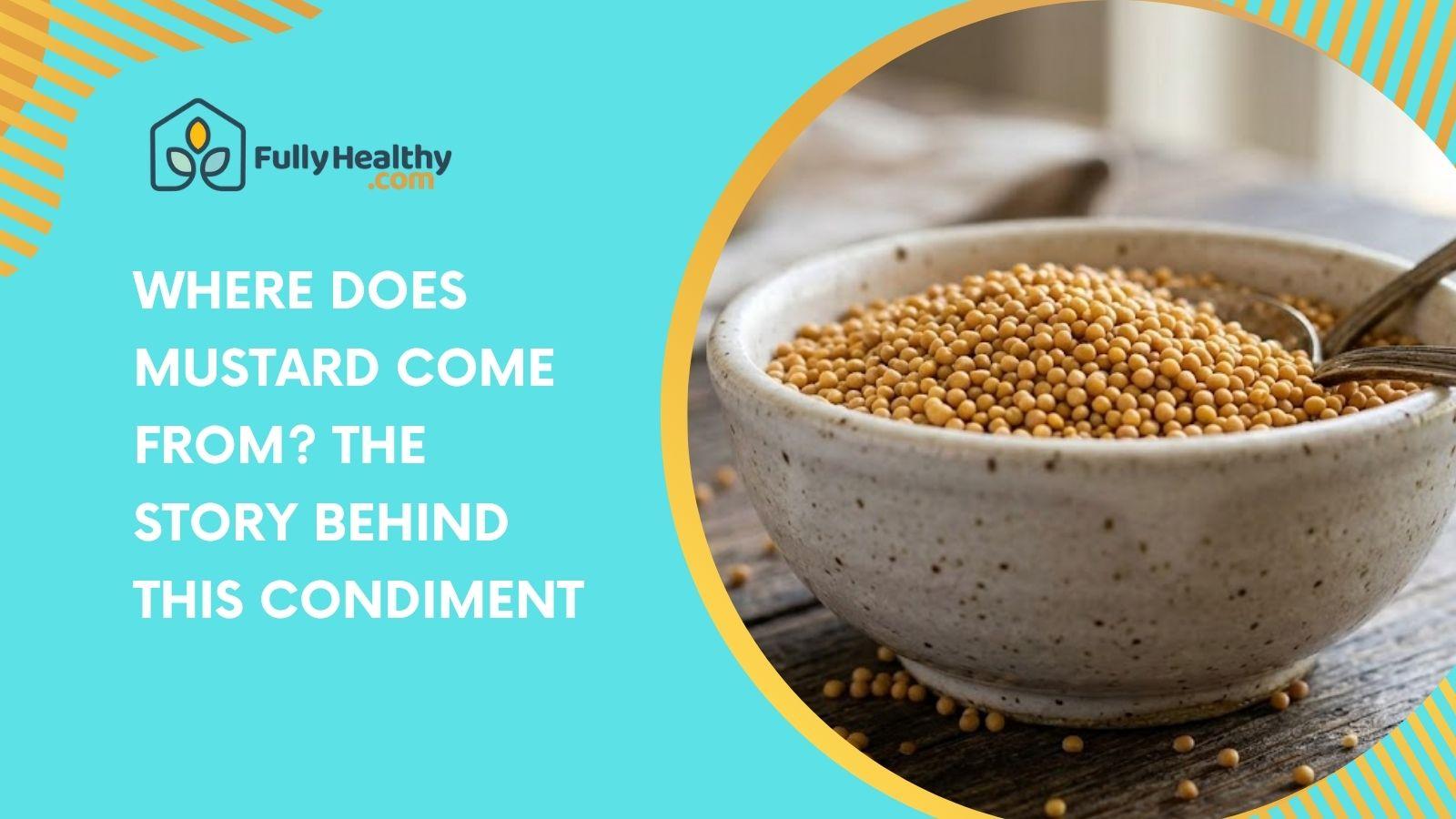
Where does mustard come from? Mustard comes from the seeds of mustard plants in the Brassica family, the same family as broccoli, cabbage, and Brussels sprouts. These seeds are ground and mixed with ingredients like vinegar, water, or wine to create the condiment enjoyed around the world.
This article covers mustard's ancient origins, the different types of mustard seeds, potential health benefits, allergy concerns, and the history behind popular varieties like Dijon mustard.
Featured Pantry Pick
Eden Foods // Organic Brown Mustard - 9 oz
Loading...
Where Does Mustard Come From?
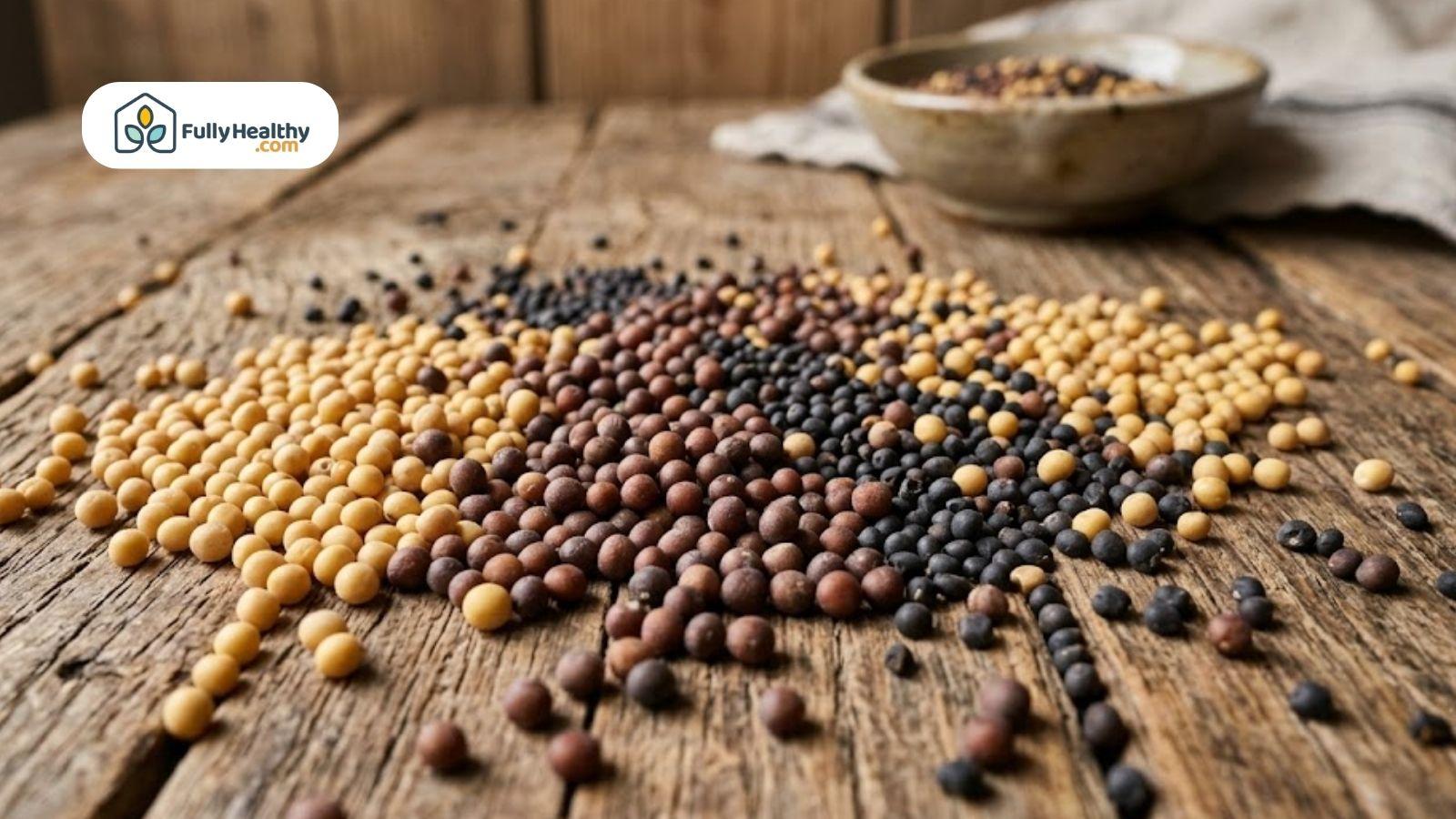
Mustard comes from seeds of mustard plants in the Brassicaceae family, including Sinapis alba, Brassica juncea, and Brassica nigra. These seeds are harvested, ground, and mixed with liquid ingredients to create the condiment used around the world.
Mustard's Ancient Origins
Mustard comes from mustard seeds that humans have cultivated for more than 9,000 years. Archaeological evidence shows mustard began as a simple mixture of ground seeds and liquid long before it became the condiment known today.
-
Ancient Discovery: A seed cake containing mustard seeds was found in Syria.
-
Early Records: The Zhou Dynasty mentioned mustard in royal registers.
-
Roman Influence: Romans introduced mustard across much of Europe.
-
Name Origin: The name comes from mustum ardens or "burning must."
-
Traditional Recipe: Early mixtures used vinegar, honey, and garlic.
The Three Mustard Plants
Mustard comes from three main mustard plant species that produce different flavors and levels of heat. These plants provide the mustard seeds used in yellow mustard, brown mustard, dijon mustard, and other specialty mustards.
-
Sinapis Alba: Produces mild yellow mustard seeds.
-
Brassica Juncea: Produces brown mustard seeds with stronger flavor.
-
Black Mustard: Produces a sharp, pungent flavor often considered stronger than yellow mustard.
-
Native Regions: Plants originated in the Mediterranean, Himalayas, and Middle East.
-
Flavor Impact: Seed type affects color, heat, and aroma.
What Country Eats the Most Mustard?
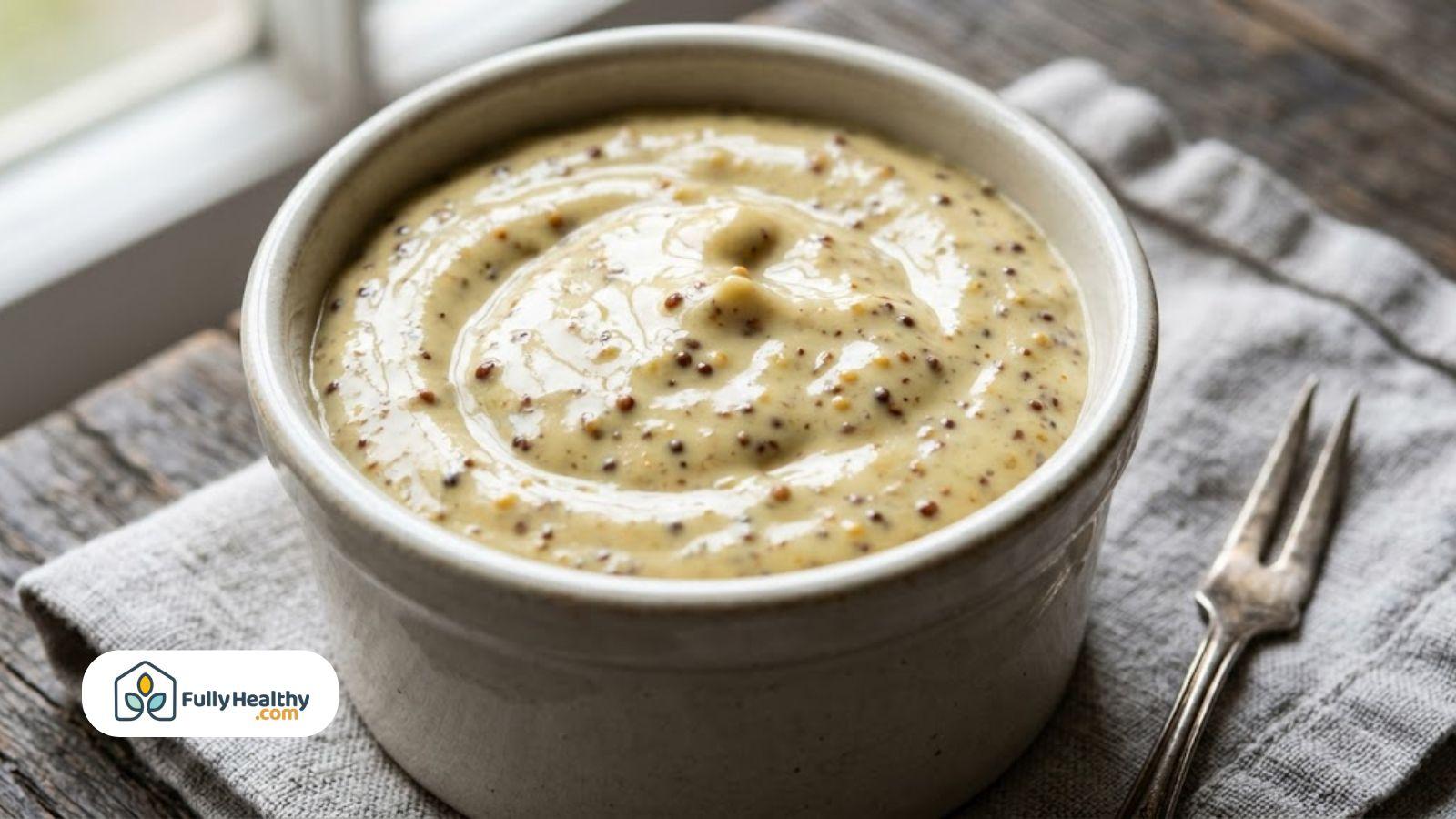
France is most closely associated with mustard consumption because of its long history with Dijon mustard. However, mustard remains popular throughout Europe, North America, and other countries where it is used as a common condiment.
France's Love for Mustard
France is considered the country most associated with mustard because of Dijon and its long mustard-making tradition. France remains one of Europe’s notable prepared mustard markets, along with countries such as Germany.
-
Dijon Heritage: Dijon became famous during the Middle Ages.
-
Historic Partnership: Maurice Grey partnered with Auguste Poupon.
-
Grey Poupon: Their brand became internationally recognized.
-
Key Ingredient: Dijon often includes white wine.
-
Popular Uses: Common in sauces and salad dressings.
Global Mustard Demand
Mustard remains a major market across Europe and North America because it is affordable, versatile, and widely used in cooking. Demand continues growing as consumers purchase more specialty mustards and flavored varieties.
-
North America: Yellow mustard dominates the condiment industry.
-
Europe: France and Germany remain major consumers.
-
Product Growth: Honey mustard and sweet mustard remain popular.
-
Food Industry: Used in sauces, marinades, and dressings.
-
Market Outlook: Global demand continues to increase.
Is Eating a Spoonful of Mustard Good for You?
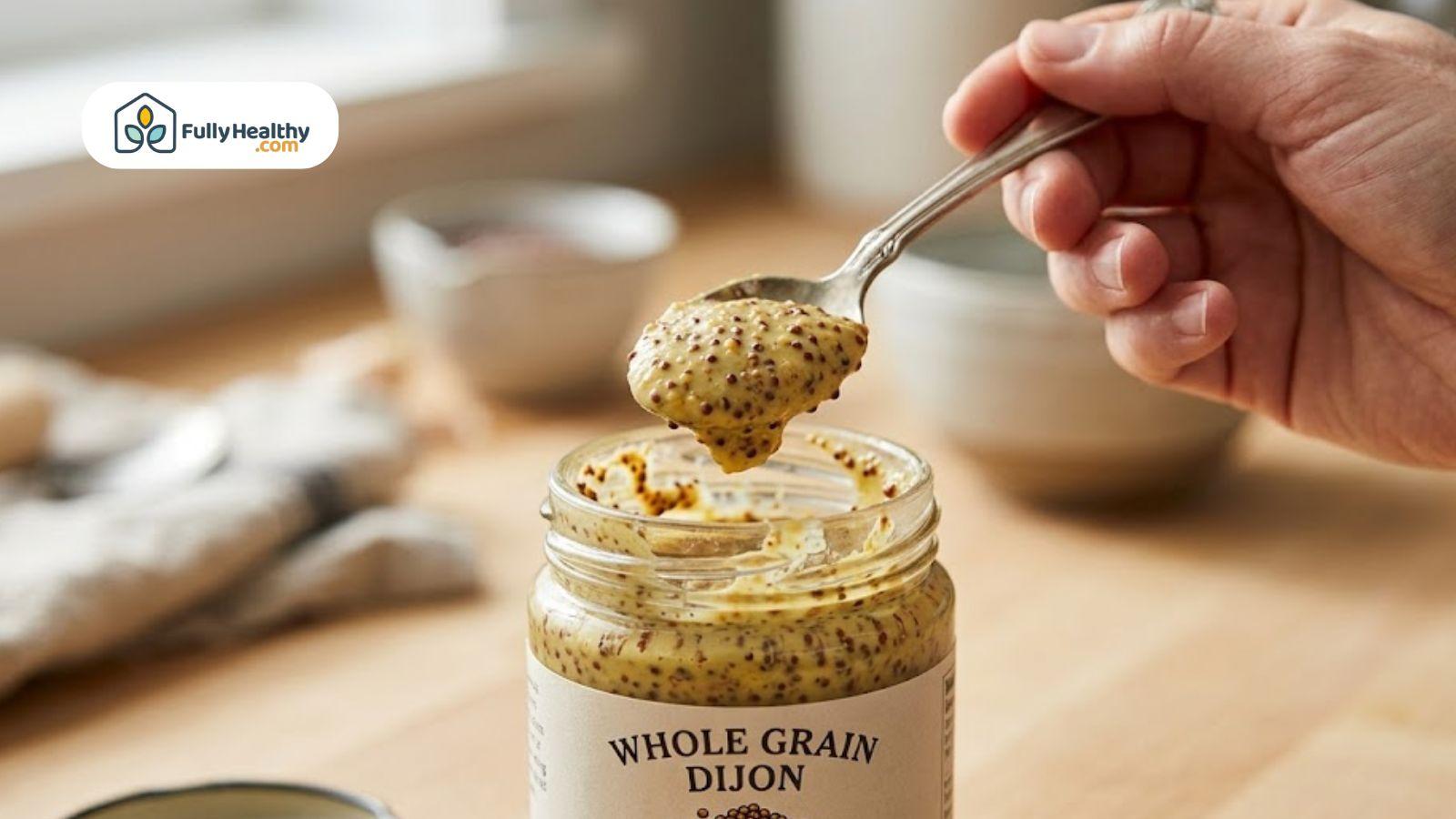
A spoonful of mustard can provide beneficial plant compounds and minerals, but it is not a substitute for a balanced diet. Its health value depends on the ingredients, serving size, and overall eating habits.
Nutrients Found in Mustard
A spoonful of mustard provides small amounts of beneficial compounds found in mustard seeds. These include antioxidants, minerals, and plant compounds that contribute to its nutritional value.
-
Glucosinolates: Naturally found in brassica vegetables.
-
Minerals: Contains selenium and magnesium.
-
Healthy Fats: Found in brown seeds and black mustard seeds.
-
Antioxidants: Help protect plant cells.
-
Flavor Compound: The myrosinase enzyme helps create mustard’s sharp taste when ground mustard is mixed with liquid.
What Science Actually Says
Research suggests mustard can be part of a healthy diet, but it is not a miracle food. Most health claims about eating a spoonful daily are not strongly supported by clinical evidence.
-
Low Calories: Contains few calories per serving.
-
Flavor Benefit: Adds taste without excess sugar.
-
Different Types: Nutrition varies by recipe.
-
Limited Evidence: No proof it cures disease.
-
Balanced Diet: Works best alongside healthy eating habits.
Who Should Not Eat Mustard?

Most people can enjoy mustard safely, but some individuals should avoid it because of allergies or sensitivities. Understanding the risks can help prevent serious reactions.
Understanding Mustard Allergy
People with a mustard allergy should avoid mustard because even small amounts can trigger symptoms. Reactions may range from mild discomfort to severe allergic emergencies.
-
Common Symptoms: Hives, itching, and swelling.
-
Digestive Issues: Stomach pain may occur.
-
Breathing Problems: Severe cases can affect breathing.
-
Priority Allergen: Recognized in Canada and Europe.
-
Medical Attention: Severe reactions require immediate care.
When Extra Caution is Needed
Mustard can appear in foods where consumers may not expect it, making label reading important. People with allergies should pay attention to ingredients in packaged and restaurant foods.
-
Hidden Sources: Found in sauces and dressings.
-
Seasoning Blends: May contain ground mustard.
-
Cross-Contact: Can occur during food production.
-
Restaurant Foods: Ingredients are not always obvious.
-
Label Checks: Always review ingredient lists carefully.
Why Shop at FullyHealthy?
FullyHealthy offers specialty foods for shoppers looking for ingredient-conscious products and dietary-friendly options. Its curated selection makes it easier to purchase pantry staples from trusted brands.
About FullyHealthy
FullyHealthy focuses on providing foods that support a variety of dietary preferences while maintaining ingredient transparency. The company carefully selects products designed to fit different lifestyles and wellness goals.
-
Specialty Focus: Products support various eating plans.
-
Trusted Brands: Features curated food selections.
-
Clear Labels: Ingredient information is easy to review.
-
Online Convenience: Specialty foods in one place.
-
Quality Standards: Emphasis on simple ingredients.
Mustard and Sauce Options
FullyHealthy offers mustard and seasoning products that can add flavor to meals without relying on heavily processed ingredients. These pantry staples work well in sauces, marinades, salad dressings, and everyday recipes.
-
Eden Foods Organic Brown Mustard: A classic organic brown mustard made with simple ingredients and a rich, tangy flavor.
-
Hearty Sauces AIP Pesto Mix: A convenient seasoning blend that creates a flavorful pesto-style sauce for vegetables, proteins, and side dishes.
-
Hearty Sauces AIP Ranch Mix: An AIP-friendly ranch-inspired mix that adds creamy, savory flavor to meals and snacks.
-
Hearty Sauces AIP Taco Seasoning: A bold seasoning blend designed to bring classic taco flavor to proteins, vegetables, and one-pan recipes.
-
Versatile Uses: These products can be used in sauces, marinades, salad dressings, dips, and everyday cooking.
Final Thoughts
Mustard has a history that stretches back thousands of years, yet it remains a popular condiment today. From the brown mustard plant and traditional mustard maker methods to modern mustard sauce recipes, its uses continue to grow. Mustard can be made from mixing ground mustard seeds with liquid, oil, flour, spices, olive oil, or other ingredients to create a paste ranging from mild to dark brown. Keep learning about the foods you enjoy and the stories behind them.
FAQs
Does Yellow Mustard Help With GERD?
Although some people use a spoonful of yellow mustard to ease heartburn, current research does not show that it is an effective treatment for GERD.
Is Mustard a German Thing?
Mustard did not originate in Germany. Its roots trace back to ancient Rome, though Germany later became known for its unique regional mustard varieties.
Can Mustard Help With Arthritis?
Mustard and mustard oil may help ease arthritis symptoms, but scientific evidence is limited.
What Are Ground Mustard Seeds Used For?
Ground mustard seeds are commonly used in mustard sauce, marinades, dressings, and seasoning blends.
What Makes Brown Mustard Different?
Brown mustard has a stronger flavor, sharper heat, and coarser texture than yellow mustard. It is made from Brassica juncea seeds, which are more potent than Sinapis alba seeds.
Leave a comment