

Will Vinegar Kill Mold? A Simple Guide That Works
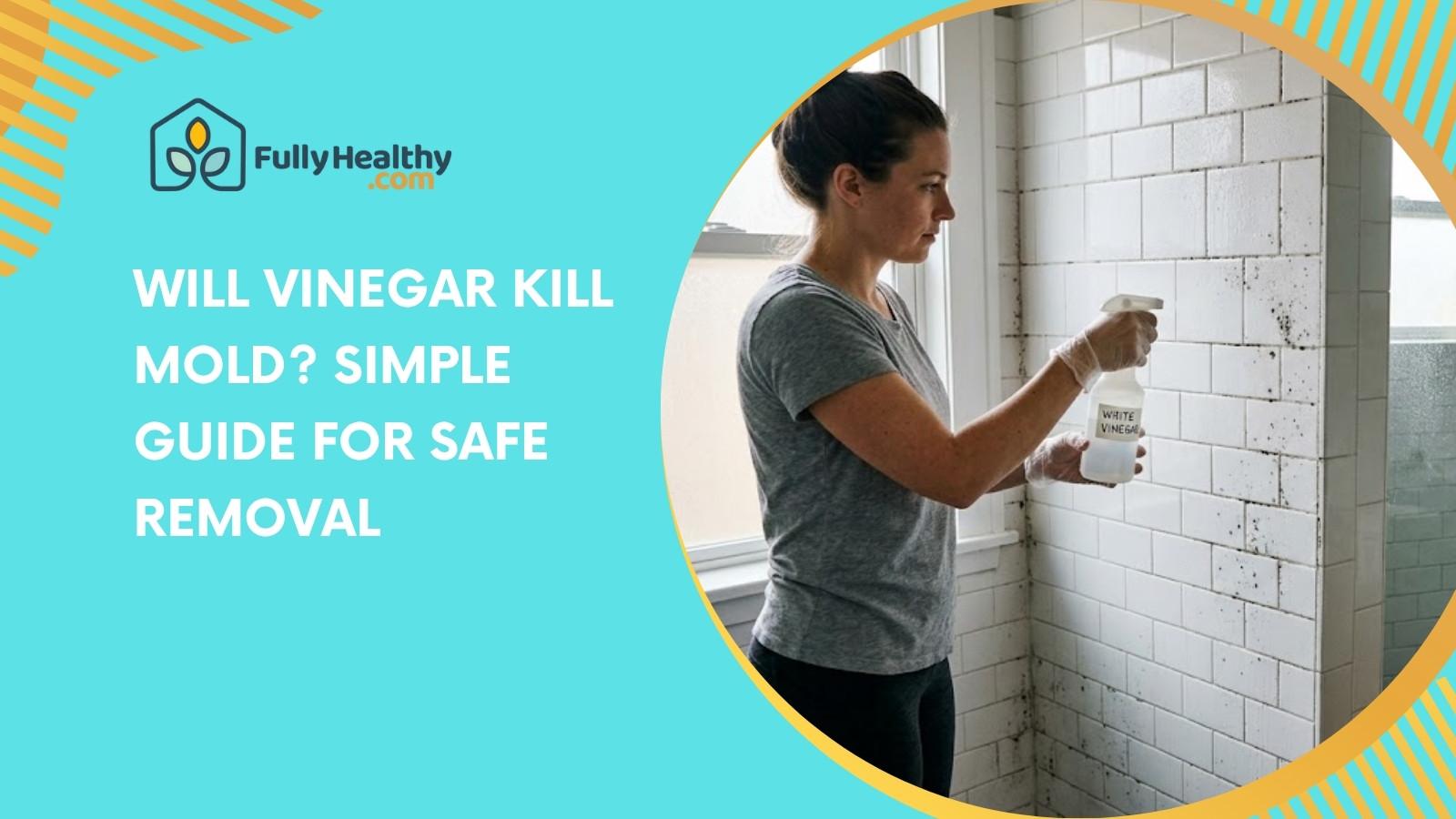
Will vinegar kill mold? Yes, but only in certain situations. Vinegar can kill many common household molds because of its acidic nature, but it doesn’t work on every type or surface.
It’s best for small areas and light growth, not severe infestations. In this guide, you’ll learn how effective vinegar really is, how long it takes, and when you need stronger solutions to fully remove mold safely.
Featured Pantry Pick
Napa Valley Naturals // Champagne Vinegar - 12.7 oz
Loading...
Will Vinegar Kill Mold?
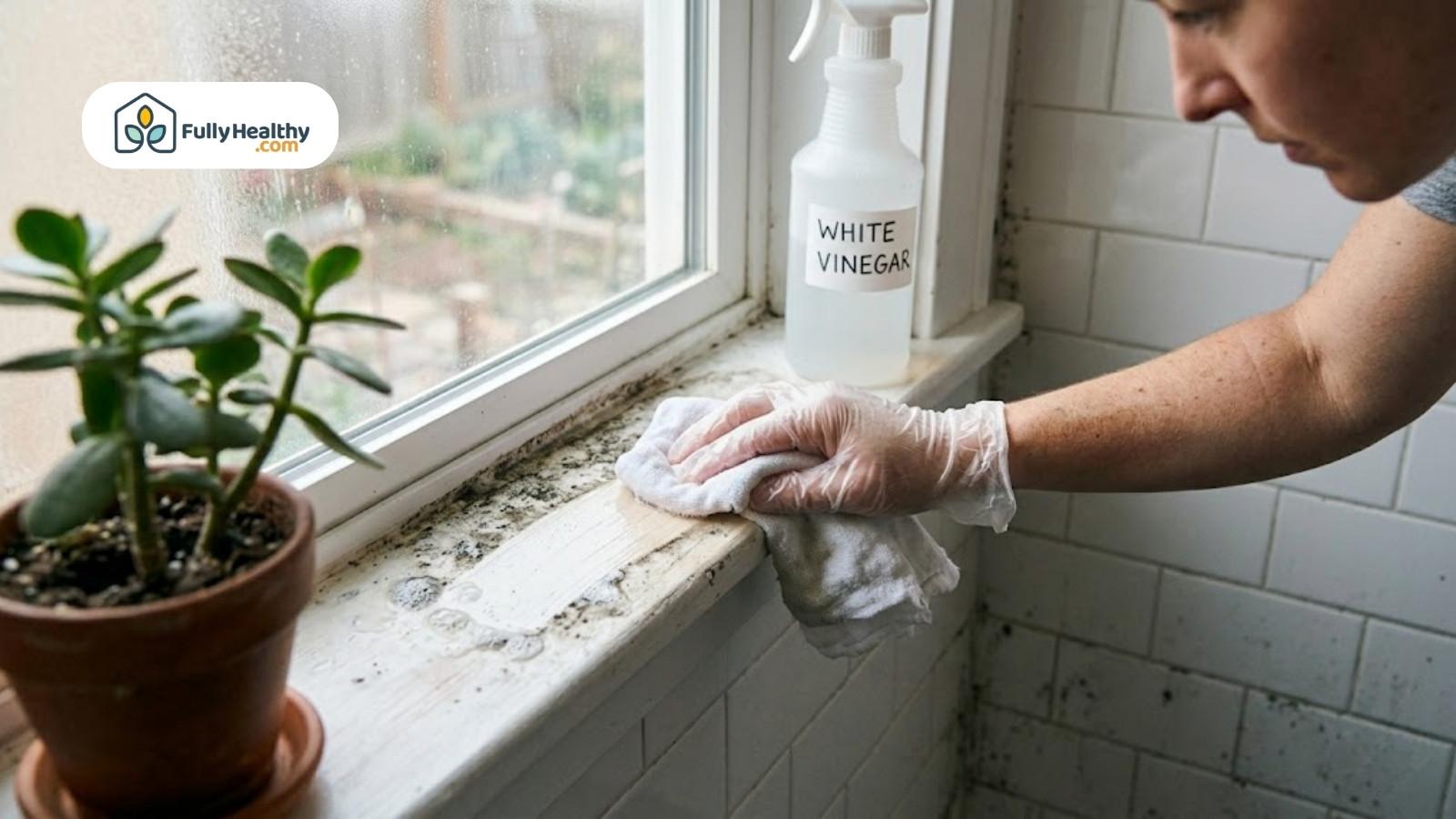
Will vinegar kill mold? Yes, but only in the right conditions. Vinegar contains acetic acid, a mild acid that can damage mold spores and slow mold growth. It works best on small affected areas, not severe cases. Knowing how and where to use it helps you eliminate mold safely and avoid bigger health risks.
Does Vinegar Really Kill Mold Effectively?
Vinegar may reduce some mold growth on hard, non-porous surfaces, but drywall is porous and mold in drywall often requires removal rather than surface cleaning. However, it doesn’t fix the root cause, so mold growth can return if moisture stays.
-
Acetic acid action: Acetic acid may inactivate some mold and reduce growth on certain surfaces, but effectiveness varies by mold species, surface type, and contact conditions.
-
Deeper reach: Works better than bleach on some surfaces because it goes beyond surface stains.
-
Limitations: Not all mold species are affected, especially hidden mildew in damp areas.
Why Vinegar Works Better Than Bleach On Some Surfaces
When comparing bleach or vinegar, vinegar often works better for cleaning mold because it penetrates deeper. Bleach mainly removes stain and surface stains but doesn’t kill all spores.
-
Better penetration: Mold white vinegar reaches deeper into materials.
-
Safer cleaning: Avoids toxic fumes that can happen when bleach is misused.
-
Health benefit: Helps lower health risks caused by airborne spores.
How Long Does It Take Vinegar To Kill Black Mold?
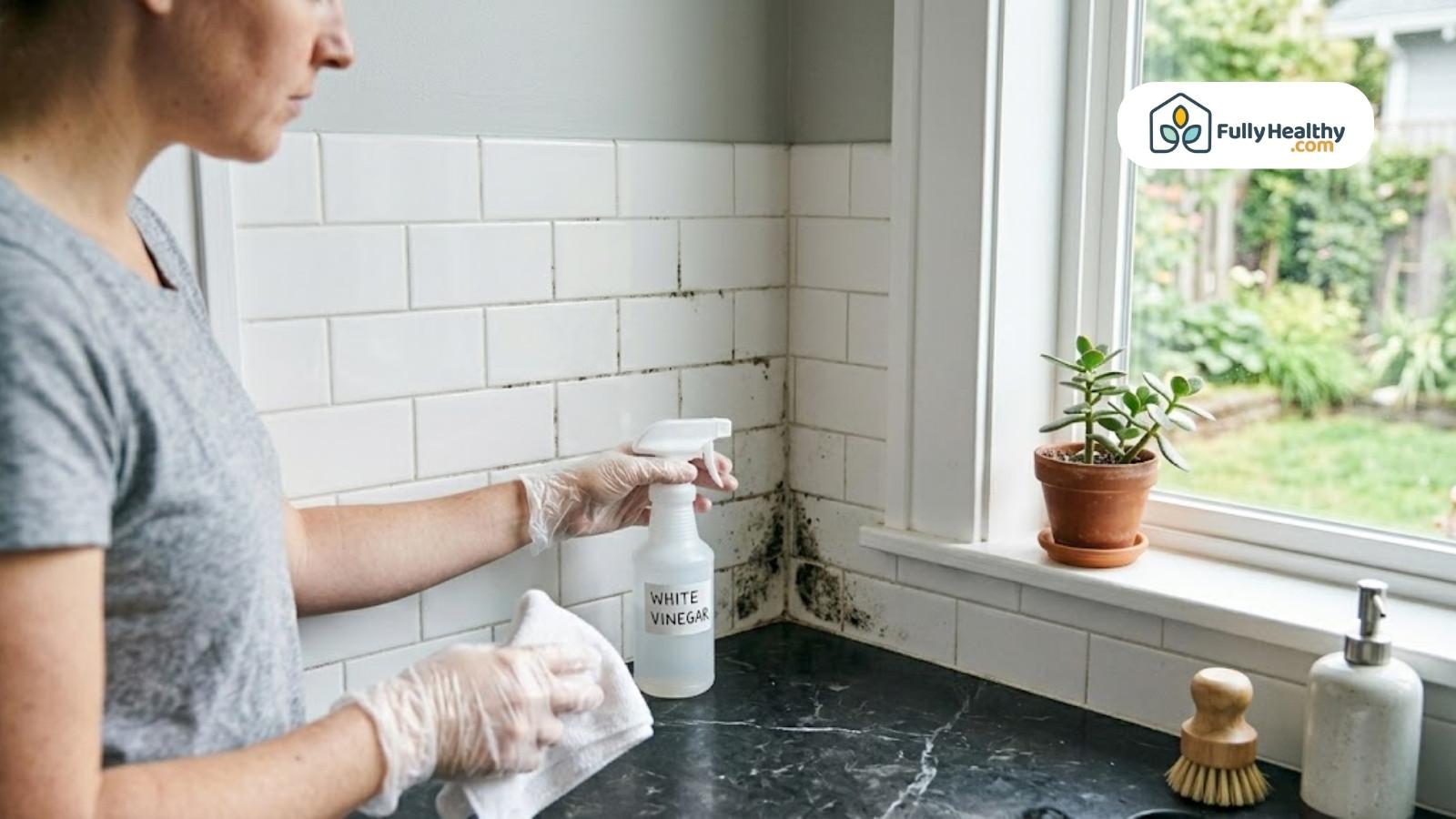
Vinegar needs time to work well. If you rush, it won’t fully kill the mold. Letting it sit helps break down mold spores and stop mold growth properly.
How Long Should Vinegar Sit On Mold For Best Results?
For proper mold removal, vinegar should stay on the moldy surface for at least an hour. This gives it time to work deep into the area.
-
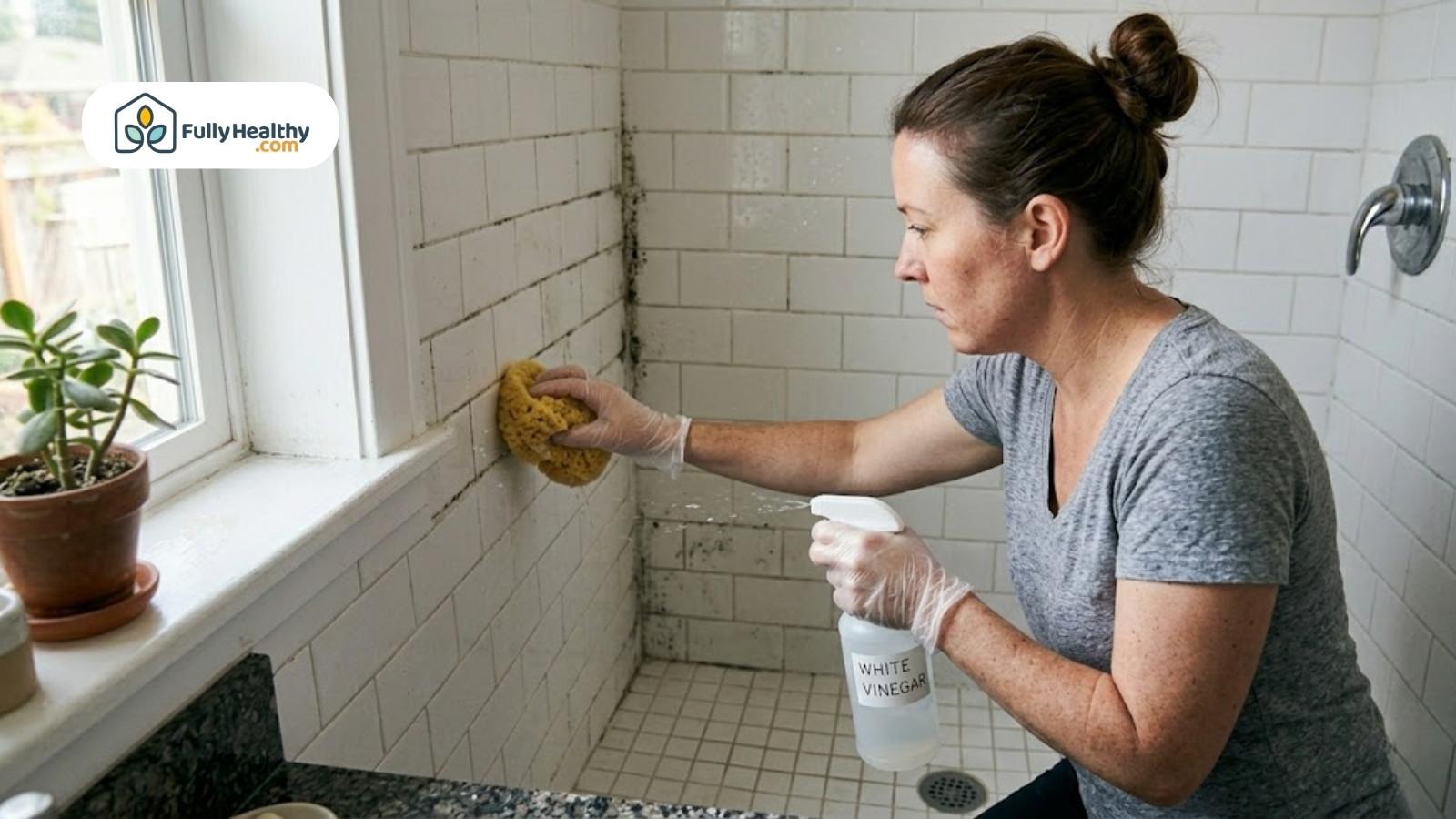
Application step: Pour undiluted white vinegar into a spray bottle and spray the surface evenly.
-
Wait time: Leave it for at least an hour before scrubbing.
-
Final step: Rinse and dry the area fully to prevent mold from coming back.
Can You Leave Vinegar On Mold Overnight?
Leaving vinegar longer can improve results, especially on porous surfaces like drywall. Good airflow is important during cleaning mold.
-
Extended time: Helps eliminate mold deeper in affected areas.
-
Ventilation tip: Keep doors open so the smell doesn’t build up.
-
Safety step: Wear protective gear to avoid respiratory issues.
Is Hydrogen Peroxide Or Vinegar Better For Mold?
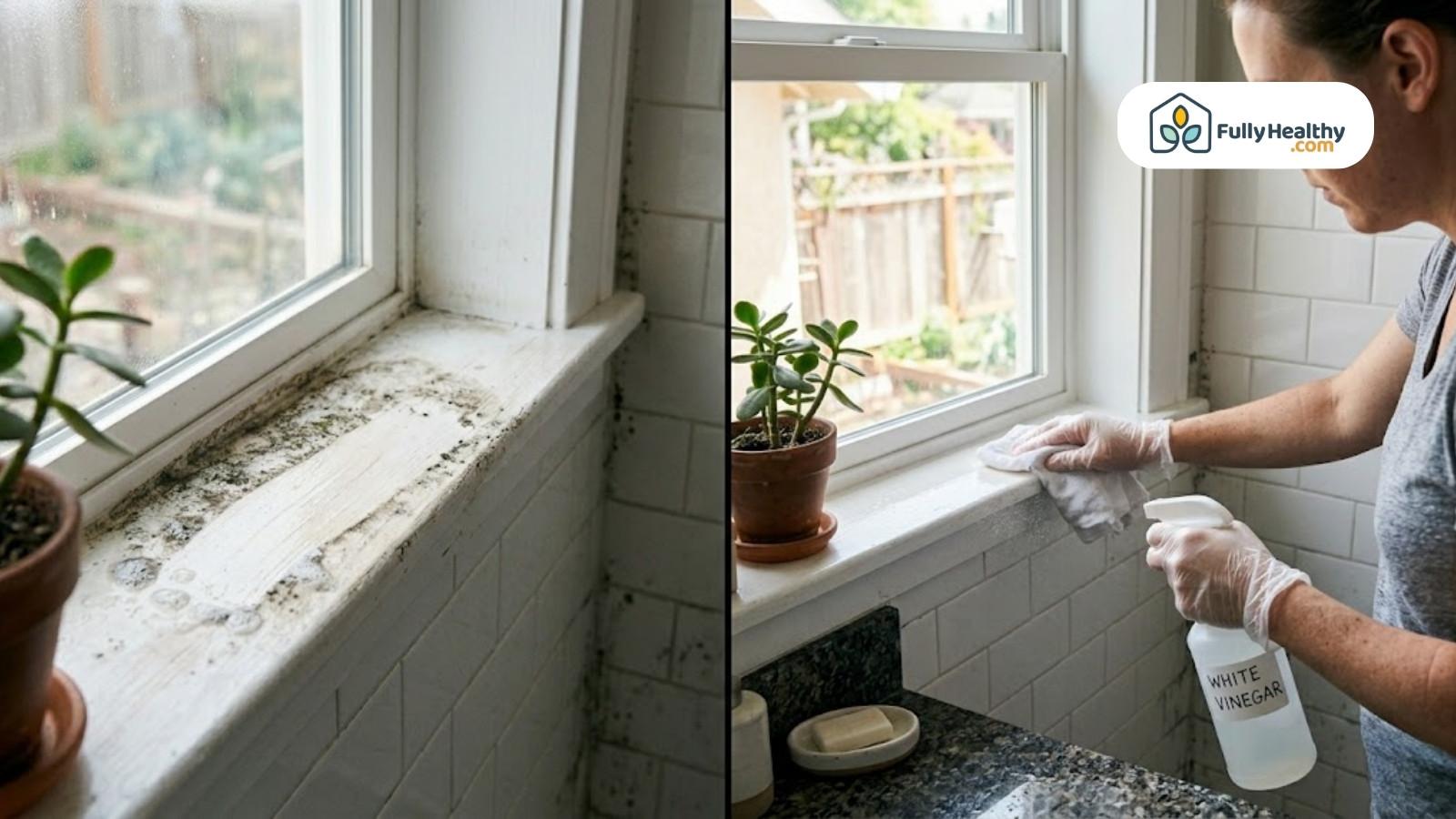
Both hydrogen peroxide and vinegar are useful for mold remediation, but they work in different ways. The best choice depends on the surface and how bad the mold growth is.
Key Differences Between Vinegar And Hydrogen Peroxide
Vinegar uses acetic acid, while hydrogen peroxide breaks down mold through oxidation. Each works better in different situations.
-
Vinegar strength: Better for porous surfaces and preventing mold from coming back.
-
Peroxide strength: Works well on hard, non-porous surfaces like glass or tiles.
-
Safer option: Both are gentler alternatives compared to bleach.
When To Use Vinegar Vs Hydrogen Peroxide
Using the right method helps prevent mold spreads and reduces damage over time. You can also combine cleaning steps safely without mixing chemicals.
-
Vinegar use: Great for regular cleaning mold and helping prevent mold growth.
-
Peroxide use: Good for strong cleaning on solid surfaces where mold thrives.
-
Extra help: Mix baking soda with one cup of water for scrubbing, or use tea tree for natural support.
What Kind Of Mold Does Vinegar Not Kill?
Vinegar can help control many types of fungus, but it does not work on all mold. Some mold species are more resistant, especially when contamination spreads deep into materials. Knowing these limits helps you avoid wasted effort and choose better tools to get rid of mold safely inside your house.
Mold Species Vinegar Struggles To Eliminate
Some mold types grow deeper and are harder to remove. Vinegar may reduce them, but it may not fully solve the problem.
-
Resistant fungus: Some mold species can survive even after you soak and wash the surface.
-
Deep growth: Mold that spreads into wood or hidden layers is difficult to reach with surface cleaning.
-
Ongoing contamination: If moisture stays in the air, mold can quickly return and grow again.
Surfaces Where Vinegar Won’t Work Well
Vinegar is less effective on materials that absorb moisture. These surfaces allow mold to grow under the surface.
-
Porous materials: Wood, grout, and similar surfaces trap moisture and bacteria easily.
-
Hidden spread: Mold can grow behind walls or under floors where vinegar cannot reach.
-
Severe cases: Large contamination often requires professional remediation to fully remove mold.
How FullyHealthy Can Support Your Natural Cleaning And Wellness Routine
FullyHealthy offers products that support a clean and simple lifestyle. While these products are mainly for food use, options like apple cider vinegar can still fit into light cleaning routines. Choosing high-quality items helps you stay consistent with your health and home care habits.
Why Choose FullyHealthy For Clean, High-Quality Vinegar Products
FullyHealthy makes it easy to find trusted products with simple ingredients. This helps you avoid harmful additives and stay focused on clean living.
-
Trusted selection: Products are chosen to support better health and daily wellness.
-
Convenient shopping: You can find different vinegar options in one place without confusion.
-
Clean ingredients: Helps reduce exposure to harmful substances in your home.
Vinegar Products Available On FullyHealthy
FullyHealthy carries different vinegar types that can be used in your house for cooking and light cleaning. Each one has a different purpose and strength.
-
Apple cider vinegar: A popular option with natural bacteria and mild strength for everyday use.
-
Ume plum vinegar: Used in small amount for flavor and simple mixtures.
-
Champagne vinegar: A lighter vinegar that works well when you mix vinegar into dressings.
Final Thoughts
Vinegar is a simple and useful option for small mold problems, but it is not a complete answer for every situation. It works best when you repeat the process, wipe surfaces properly, and keep areas like the shower clean and dry.
Use a brush to remove buildup and create a routine that helps protect your home. Always wear gloves for safety. For larger problems, stronger solutions or expert help may be needed to fully remove mold.
FAQs
Can I repeat vinegar cleaning to fully remove mold?
Yes, repeat the process, wipe the area, and use a brush to improve results.
Should I use vinegar in the shower for mold?
Yes, you can spray, wipe, and brush the shower regularly to help protect surfaces.
Do I need gloves when cleaning mold?
Yes, always wear gloves to protect your skin while you clean and wipe surfaces.
Can I create a routine to stop mold?
Yes, create a habit to repeat cleaning, wipe moisture, and keep air flowing to protect your space.
What is the final answer for using vinegar on mold?
The answer is simple: repeat cleaning, wipe well, use a brush, wear gloves, and protect your home.
Leave a comment