

Are Pancakes Healthy? A Better Pancake Recipe Guide
Are pancakes healthy? They can be, depending on the ingredients, toppings, and portion size. Whole-grain flour, fruit, yogurt, nuts, and eggs can make pancakes more balanced. Too much syrup and refined flour can lower their nutritional value. This blog explains how to enjoy pancakes in a healthier way.
Are Pancakes Healthy?
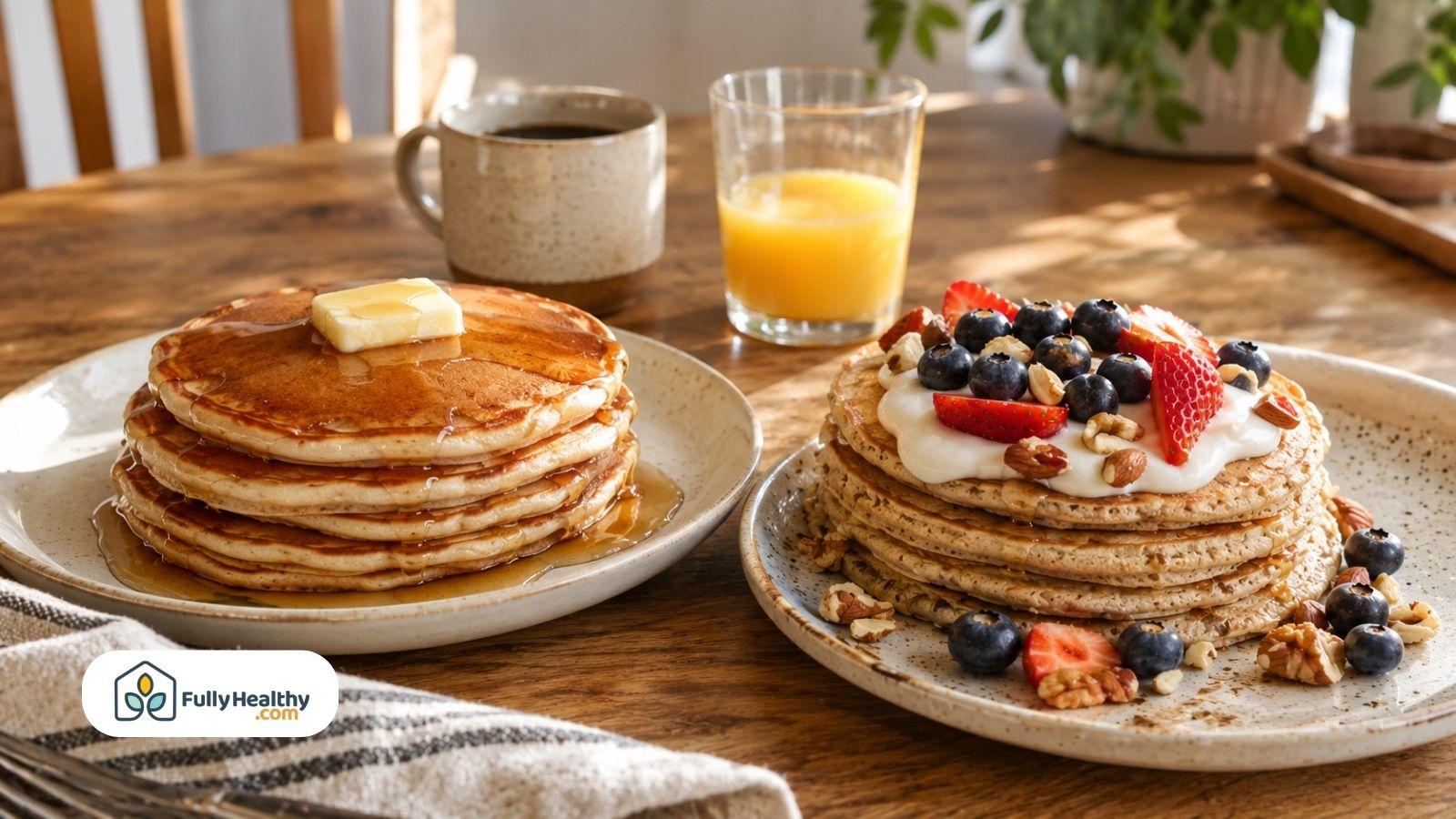
Pancakes can be part of a balanced meal when you choose nutritious ingredients and sensible portions. The answer to are pancakes healthy depends largely on the flour, toppings, added sugar, protein, and cooking method. Traditional pancakes made mainly with refined flour and sugary toppings have a different nutritional profile from healthy pancakes made with whole grain ingredients.
Are Pancakes Healthy When Made With Better Ingredients?
A healthy pancake recipe can replace some white flour or refined white flour with whole wheat flour, wholemeal flour, oat flour, almond flour, or coconut flour. These alternative flours offer different nutritional benefits.
Whole-wheat and other whole-grain flours generally provide more fiber and retain more naturally occurring micronutrients than refined flour; however, enriched refined flour may contain added B vitamins such as folic acid, thiamin, riboflavin, and niacin.
-
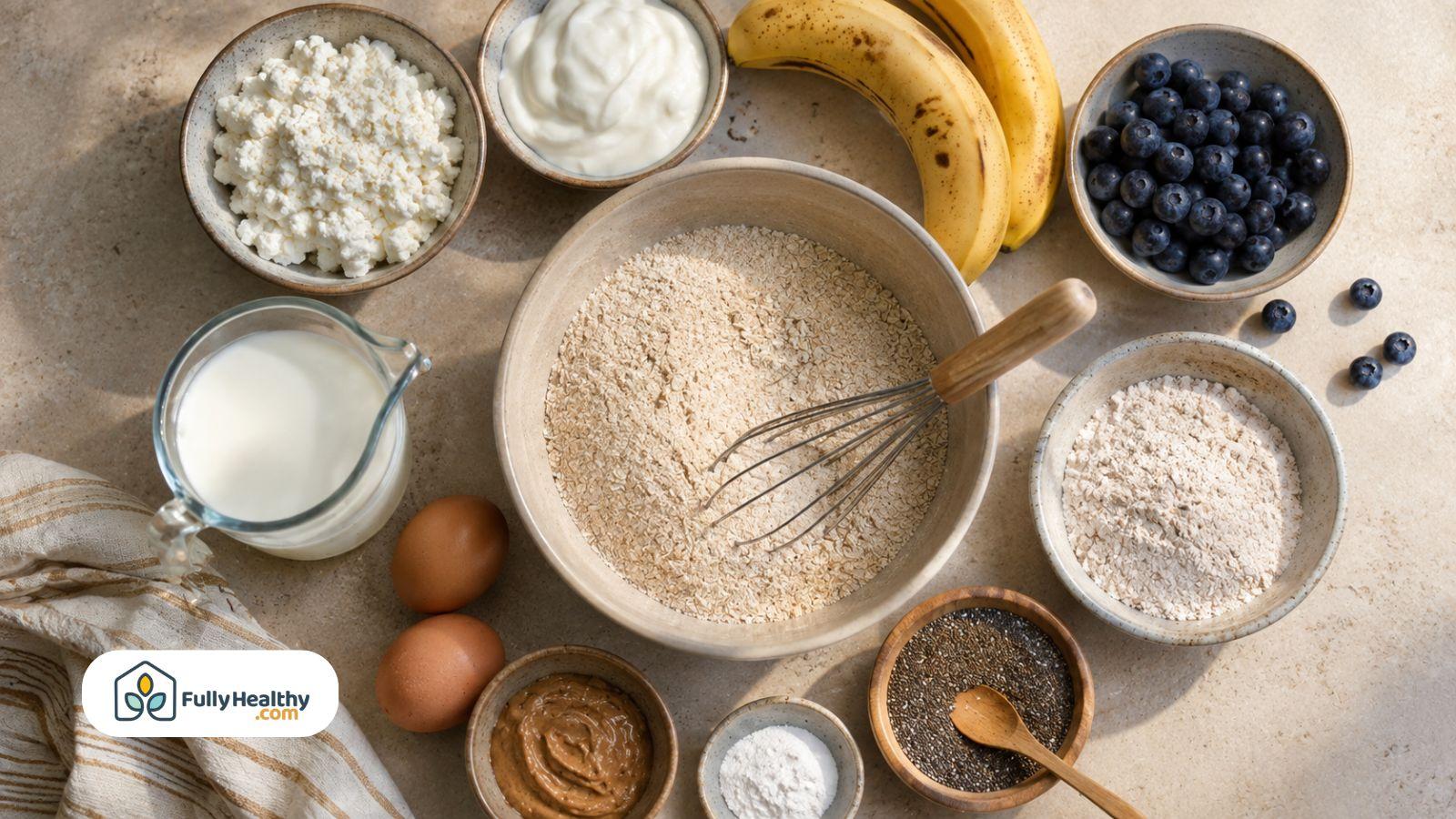
Improve The Batter: A simple batter may contain flour, milk, eggs, and baking powder. Whipped egg whites can create a fluffy texture, while egg whites, cottage cheese, Greek yogurt, or protein powder can help with adding protein.
-
Choose Cooking Methods Carefully: Cook pancakes over medium heat using a little oil or cooking spray rather than relying on large amounts of butter. Gluten-free pancakes require gluten-free flour or grain substitutes; keto-style pancakes generally require substantial carbohydrate reduction. Dairy-milk substitution alone does not make pancakes gluten-free or keto.
-
Consider Protein: Protein pancakes containing eggs, Greek yogurt, cottage cheese, or protein powder can provide more protein, which contributes to muscle maintenance and may increase satiety compared with a lower-protein meal, although the effect depends on the amount and source of protein and the overall meal composition.
What Makes Some Pancakes Healthier Than Others?
Traditional versions made with refined flour may provide less fiber than pancakes containing whole grain ingredients. EatingWell also notes that typical pancakes are not particularly high in protein. Toppings matter too. Fresh fruit, nut butter, and Greek yogurt offer nutrients that whipped cream, excess syrup, and other sugary toppings may not provide.
-
Watch Added Sugar: Maple syrup can be enjoyed with pancakes, but generous servings add more sugar. Fresh fruit or mashed bananas can provide natural sweetness while reducing reliance on added sugar.
-
Choose Healthy Toppings: Fresh fruit, almond butter, nut butter, Greek yogurt, chia seeds, and nuts can add protein, fiber, vitamins, or healthy fats to a pancake meal.
-
Look At The Whole Meal: Good Food emphasizes that pancake nutrition depends greatly on ingredients and toppings. No single ingredient determines whether pancake choices are healthy for your overall diet.
Is It Okay to Eat Pancakes Daily?
Eating pancakes every day is not automatically healthy or unhealthy. What matters is the pancake recipe, portion size, toppings, and the rest of your meal plans. Buttermilk pancakes covered with butter, whipped cream, and syrup differ considerably from whole wheat pancakes served with fruit and protein.
Can You Eat Pancakes Every Day and Still Have a Balanced Diet?
You can make pancakes regularly while maintaining variety in your diet. Rotate whole grain flours, fruits, healthy toppings, and protein sources instead of eating the same traditional pancakes each morning. This helps prevent breakfast from depending primarily on refined carbohydrates, saturated fat, and sugar.
-
Build A Balanced Meal: Pair pancakes with eggs, Greek yogurt, cottage cheese, chia seeds, almond butter, or fresh fruit to add protein and other important nutrients.
-
Consider Blood Sugar: Pancakes dominated by refined flour and sugary toppings can produce a larger post-meal glucose rise than otherwise comparable meals containing more fiber and protein, although individual responses vary.
-
Keep Variety In Mind: Healthy eating involves the overall dietary pattern. Changing your grains, fruits, toppings, and protein sources provides more variety than relying on one breakfast every day.
How Can You Make Everyday Pancakes More Filling and Nutritious?
Start by choosing ingredients that provide fiber and protein. Whole wheat flour, oat flour, wholemeal flour, or blended oats can replace some refined flour. Adding protein through eggs, Greek yogurt, cottage cheese, or protein powder can also make the meal more satisfying.
-
Increase Fiber: Whole grain and whole wheat ingredients provide added fiber compared with highly refined flour, helping improve the overall nutritional profile of breakfast.
-
Add Protein: Protein contributes to muscle maintenance and fullness. Eggs, yogurt, cottage cheese, nut butter, and protein powder offer practical options for increasing it.
-
Keep Claims Realistic: No healthy pancake recipe guarantees weight loss, weight management, lower blood pressure, or improved heart health. These health benefits depend on the broader diet, lifestyle, and individual health needs.
How Fully Healthy Can Help You Build a Specialized-Diet Breakfast?
Fully Healthy focuses on products for specialized dietary needs, including AIP and gluten-free diets. Its organized collections can make specialty shopping easier for people looking for particular ingredients. Shoppers should still check current labels, allergens, nutritional information, and availability before purchasing.
How Can Fully Healthy Help You Find Products for Specialized Dietary Needs?
Fully Healthy organizes products into collections, including AIP Elimination, AIP Reintros, Breakfast, Snacks, Seasonings, and Bundles. Instead of searching several stores, shoppers with specific dietary requirements can use these collections to narrow down potentially suitable products.
-
Use Dietary Collections: Browse the relevant collection first when looking for products that correspond with particular dietary restrictions or preferences.
-
Read Product Labels: A marketplace category does not guarantee that every item suits every person, so confirm ingredients and allergen information before buying.
-
Plan Your Breakfast: FullyHealthy can complement meal plans by providing access to specialty products, but the nutritional value of the finished meal still depends on everything you eat together.
Which Fully Healthy Products Could Be Used With a Pancake Breakfast?
Verified Fully Healthy products include Big Tree Farms Organic Brown Coconut Sugar, Bob’s Red Mill Organic Coconut Sugar, Coombs Family Farms Organic Maple Sugar, and Coombs Family Farms Organic Maple Syrup. Date Lady Date Sugar was shown as sold out when the source was reviewed, so current availability should be checked.
-
Consider Maple Options: Coombs Family Farms Organic Maple Syrup is available in verified 12-ounce and 32-ounce sizes, while its Organic Maple Sugar provides another sweetening option.
-
Explore Other Sweeteners: Big Tree Farms Organic Brown Coconut Sugar and Bob’s Red Mill Organic Coconut Sugar are additional verified products that may be useful when preparing pancakes.
-
Keep Sweeteners In Perspective: Coconut sugar, maple sugar, date sugar, and maple syrup remain sources of sugar. Using an alternative sweetener does not automatically turn traditional pancakes into healthy pancakes.
-
Complete Your Breakfast: Pair pancakes with fresh fruit, protein, or suitable healthy fats rather than focusing only on the sweetener. This creates a more balanced approach whether preparing pancakes for Pancake Day or an everyday breakfast.
Final Thoughts
Pancakes are not automatically healthy or junk food. Ingredients, portions, and toppings make the difference. Whole grains, fruit, and protein-rich foods can improve the nutrient profile of a pancake meal compared with one high in added sugars and saturated fat.
Total fat alone should not be characterized as unhealthy because health effects depend strongly on fat type and food source. A balanced pancake breakfast can fit comfortably into a nutritious diet.
FAQs
Are Pancakes Junk Food?
Pancakes may resemble junk food when made with refined ingredients and high in added sugars and/or saturated fat, sugary toppings, but more nutritious recipes can be healthier options.
What Is the #1 Healthiest Breakfast?
There is no single healthiest breakfast, but a balanced meal with whole grains, fruit or vegetables, protein, and healthy fats is a nutritious choice.
What Is Healthier, Eggs or Pancakes?
Eggs generally provide more protein per serving than traditional refined-flour pancakes, but neither food is universally ‘healthier’; overall nutritional quality depends on portion size, preparation, toppings, and the rest of the diet.
What Are the Healthiest Pancakes to Eat?
Healthier options include pancakes made with whole-grain ingredients and served with fruit, yogurt, nuts, or other protein-rich toppings.
Can Pancakes Be Part of a Healthy Diet?
Yes, pancakes can fit a healthy diet when portions are sensible and the meal emphasizes fiber, protein, and nutritious toppings rather than excess sugar and high fat additions.
Leave a comment