

Are Tomatoes Keto? A Simple Guide to Carbs and Portions
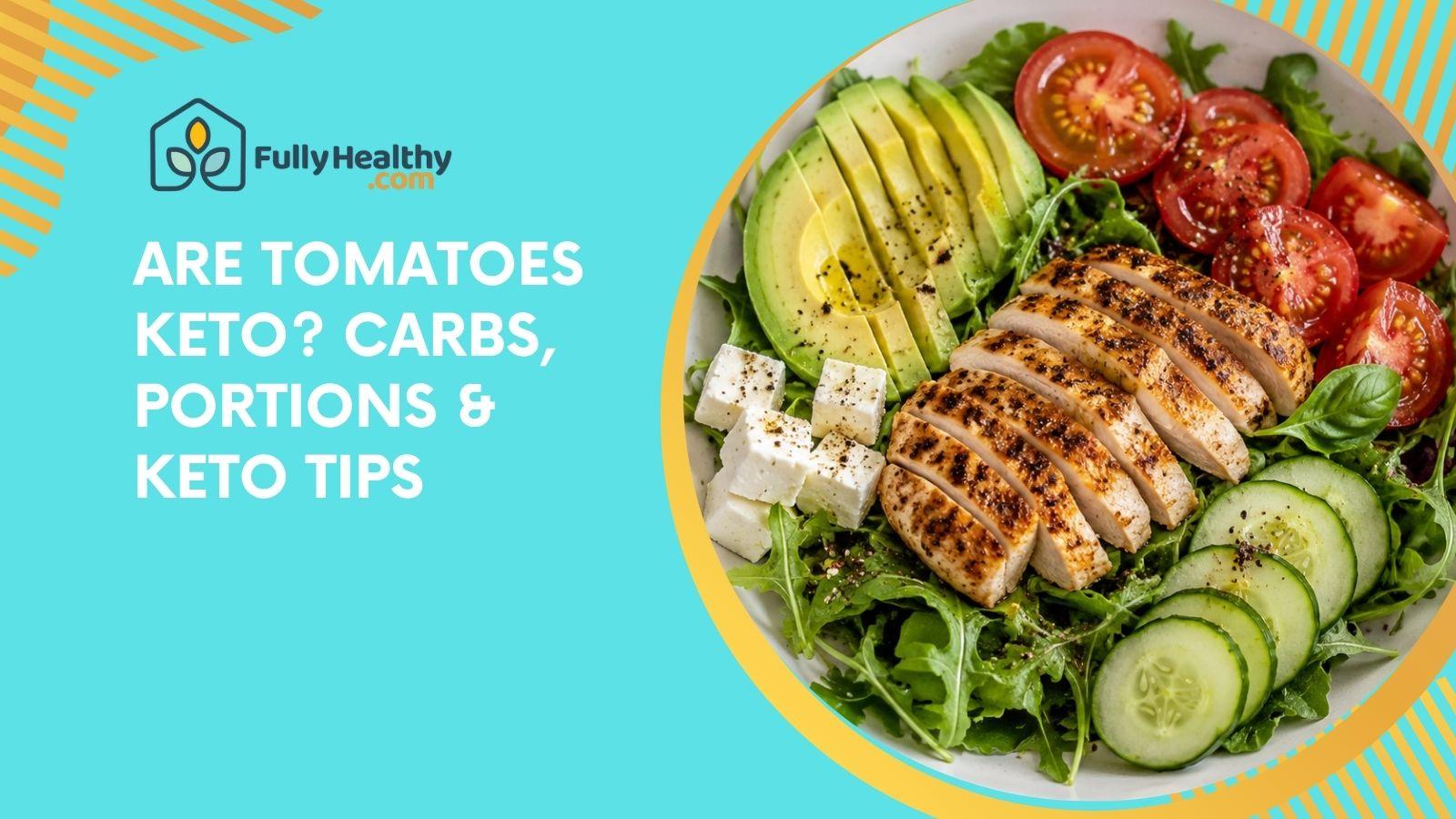
Are tomatoes keto? Yes, tomatoes can fit a keto diet when you watch portions. They are low in net carbs compared with many fruits and add flavor, fiber, vitamin C, potassium, and lycopene.
This blog explains how many tomatoes you can eat, which tomato products to limit, what vegetables are not keto-friendly, and how to build smarter keto salads.
Are Tomatoes Keto?
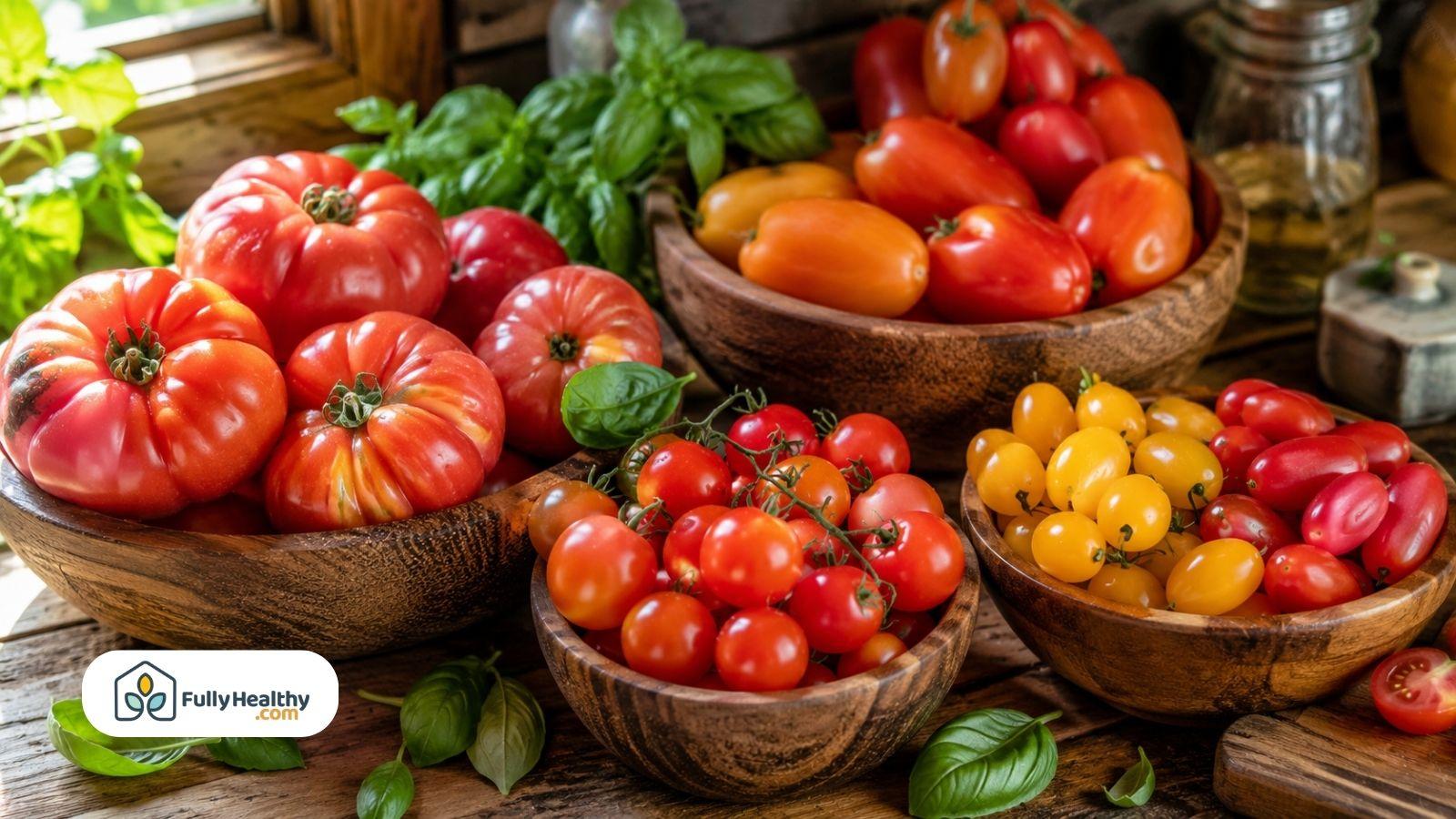
If you are asking, are tomatoes keto? The short answer is yes. Tomatoes are keto-friendly because they have fewer carbs than many fruits and can fit into most keto diet plans. A ketogenic diet is very low in carbohydrates and typically high in fat, aiming to increase ketone production and fat oxidation.
This metabolic state, called ketosis, happens when you keep your daily carb limit low. By tracking carb intake and net carbs, you can eat tomatoes and still support your keto lifestyle.
What Makes Tomatoes Keto-Friendly?
Tomatoes are considered keto-friendly because their carb content is low. A medium tomato has about 3 to 4 grams of net carbs, depending on size and type.
Net carbs are found by subtracting dietary fiber from total carbohydrates. Dietary fiber generally has less impact on blood glucose than digestible carbohydrates, though effects vary by fiber type.
-
Net carbs: Subtract dietary fiber from total carbs to find the carbs your body is more likely to use.
-
Carb content: A medium tomato has significantly fewer carbs than many other fruits.
-
Essential nutrients: Tomatoes provide vitamin C, potassium, folate, vitamin K, and lycopene; they contain provitamin A carotenoids in smaller amounts.
-
Low-carb choice: Fresh tomatoes can fit a low-carb diet when you eat them in proper portions.
-
Ketosis support: Staying within your daily carb allowance helps your body stay in a metabolic state.
Why Do Tomatoes Fit Better Than Many Fruits On Keto?
Tomatoes are botanically fruits and are relatively low in carbohydrates; their carb content is unrelated to being in the nightshade family. Still, most keto eaters use them like vegetables.
Tomatoes are easier to eat on a keto diet because they have less natural sugar and starch than many other fruits. As long as you watch your portions, you can eat raw or cooked tomatoes without adding too many carbs.
-
Fresh options: Cherry tomatoes, grape tomatoes, Roma tomatoes, diced tomatoes, and raw tomatoes can all work in keto meals.
-
Smart pairings: Add olive oil, fresh basil, cheese, or avocado to make tomatoes more filling.
-
Keto meal ideas: Incorporate tomatoes into salads, omelets, lettuce wraps, and low-carb side dishes.
-
Helpful nutrients: Tomatoes offer vitamin C and antioxidants while keeping carbohydrate content fairly low.
How Much Tomatoes Can I Eat On Keto?
How many tomatoes you can eat depends on your daily carb intake, carb limit, and full keto diet plan. Most people on a ketogenic diet can enjoy tomatoes in moderate amounts. The key is to count the carbs per serving and balance them with other carbs from the rest of your diet.
How Many Tomatoes Fit Into A Keto Diet Plan?
Tomatoes do count toward daily carbohydrate intake, but their net carb content is low.
Two to three medium tomatoes may fit some keto plans, but portions should be counted within the person’s total daily carb allowance. If you can only eat a certain number of carbs each day, use smaller portions.
-
Daily carb limit: Many keto plans allow about 20 to 50 grams of carbs each day.
-
Portion guide: A medium tomato has about 3 to 4 net carbs per serving.
-
Tracking tip: Count every cup serving or half-cup serving toward your daily carb intake.
-
Better balance: Leave room for other low-carb vegetables, protein, and healthy fats.
Which Tomato Products Should You Limit?
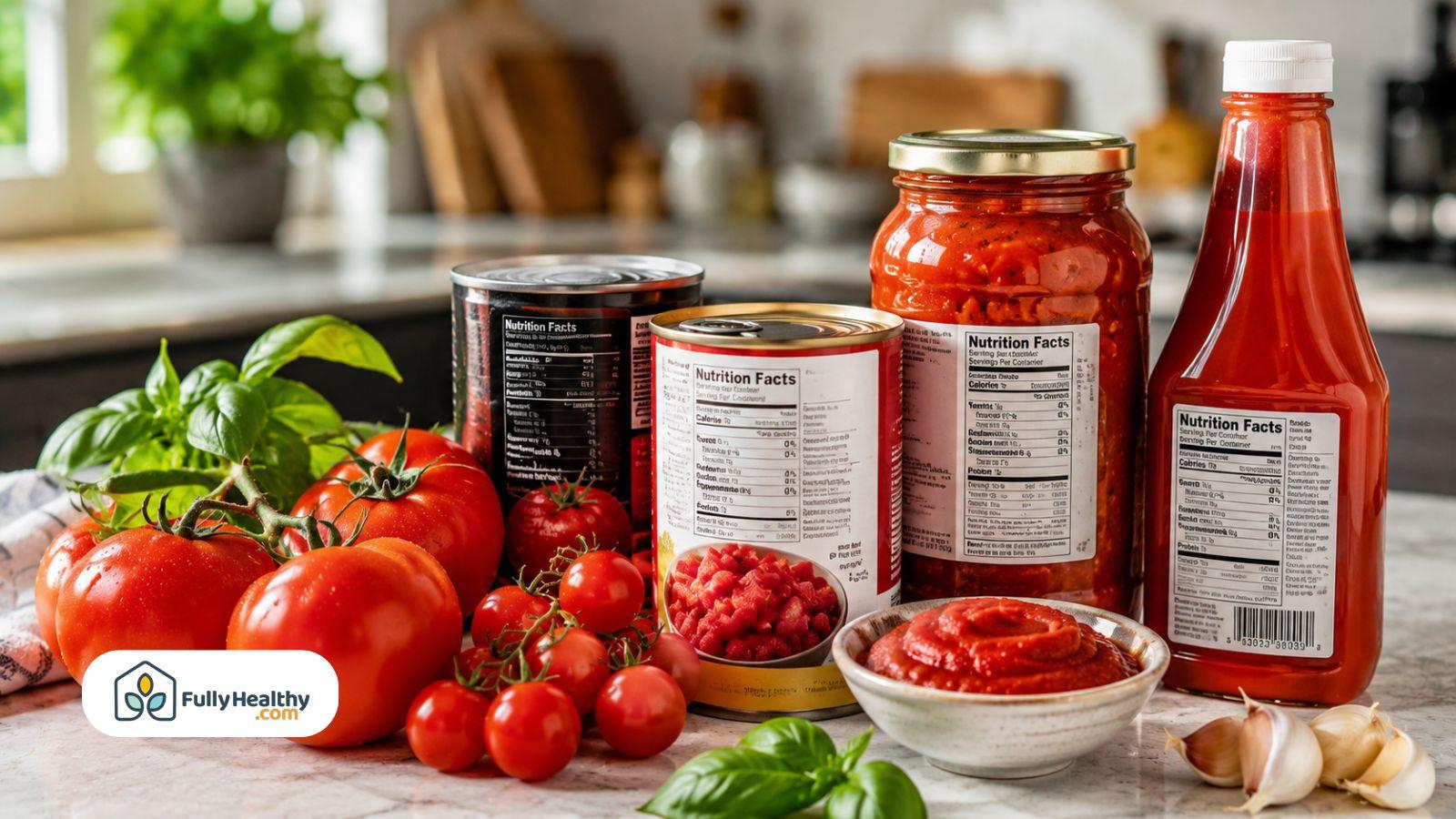
Not all tomato products are equal. Some have added sugar, while others have concentrated carbs. Fresh tomatoes are usually the easiest choice, but canned tomatoes and homemade tomato sauce can also work if labels are clean.
-
Best choices: Choose fresh tomatoes, canned tomatoes with no added sugar, and homemade tomato sauce.
-
Use carefully: Tomato paste has more concentrated carb content, so small amounts are best.
-
Check labels: Tomato sauce can contain added sugar and may push you over your carb limit.
-
Serving control: Measure a half cup before adding sauces to keto meals.
What Vegetables Are Not Keto?
Not every vegetable is good for keto. Low-carb vegetables tend to have fewer grams of carbs than starchy vegetables. These foods can make it harder to stay within your daily carb limit if you eat too many of them. This doesn't mean they're bad foods, but they might not work with a strict keto diet.
Which Vegetables Are Highest In Carbs On Keto?
Some vegetables have more starch and total carbohydrates. These can raise your carb intake quickly, especially when eaten in large portions.
-
Starchy vegetables: Potatoes, sweet potatoes, yams, cassava, corn, peas, parsnips, and butternut squash are higher in carbs.
-
Better swaps: Choose low-carb vegetables like tomatoes, leafy greens, cucumbers, zucchini, cauliflower, and bell peppers.
-
Portion reminder: Even healthy vegetables can affect keto if the serving size is too large.
-
Simple rule: Above-ground vegetables are often lower in carbs than root vegetables.
Why Do Starchy Vegetables Make Ketosis Harder?
Starchy vegetables can take up a large part of your daily carb allowance. For example, potatoes and cassava have far more carbs than tomatoes. If you eat them often, your body may switch back to using carbs for energy instead of fat.
-
Carb impact: High-starch foods can add too many carbs to one meal.
-
Keto focus: Pick keto-friendly vegetables that keep net carbs low.
-
Blood sugar: Starchy foods may affect blood sugar more than non-starchy vegetables.
-
Practical advice: Save higher-carb vegetables for planned portions, not everyday keto meals.
Can I Eat As Much Salad As I Want On Keto?
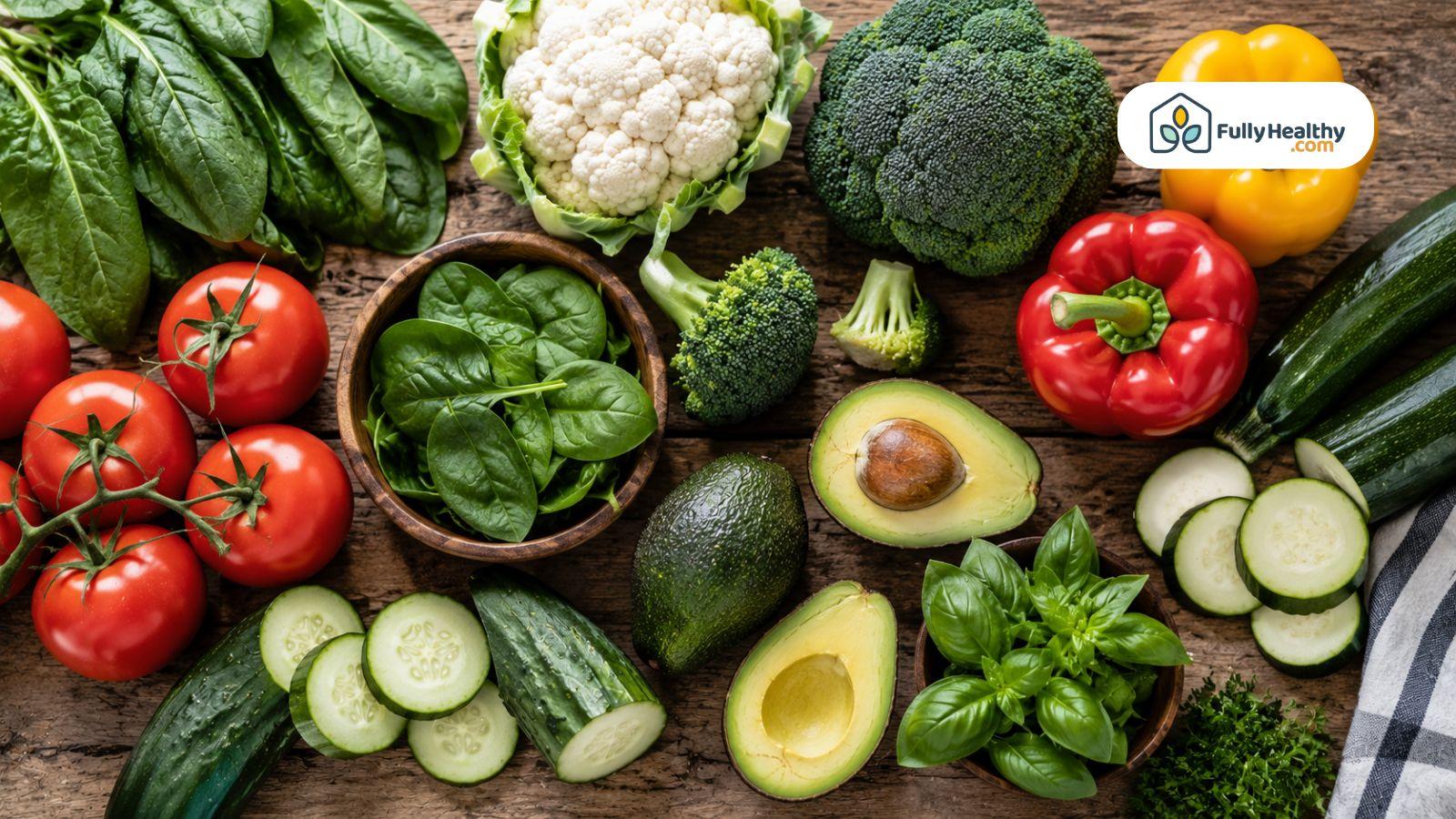
Salads can be a smart keto choice, but they are not unlimited. Even healthy vegetables contain carbs, so large portions can raise your net carb count.
The goal is to build salads with low-carb vegetables, enough protein, and healthy fats. This can help you stay full, support weight loss, and keep your meals simple.
Why Is Unlimited Salad Not Always Keto-Safe?
Many salad ingredients are low in carbs, but the carbs still count. Lettuce, tomatoes, cucumbers, onions, and bell peppers can add up in large servings. Dressings and toppings can also make a salad less keto-friendly if they contain sugar or starch.
-
Track vegetables: Count carbs from all salad ingredients, including tomatoes, onions, and bell peppers.
-
Watch toppings: Avoid croutons, sweet dressings, candied nuts, and dried fruit because they can raise your net carb count.
-
Choose healthy fats: Add avocado, cheese, seeds, or olive oil to make the salad more filling.
-
Support weight loss: A balanced keto salad can help control hunger without adding too many carbs.
How Can I Build A Better Keto Salad?
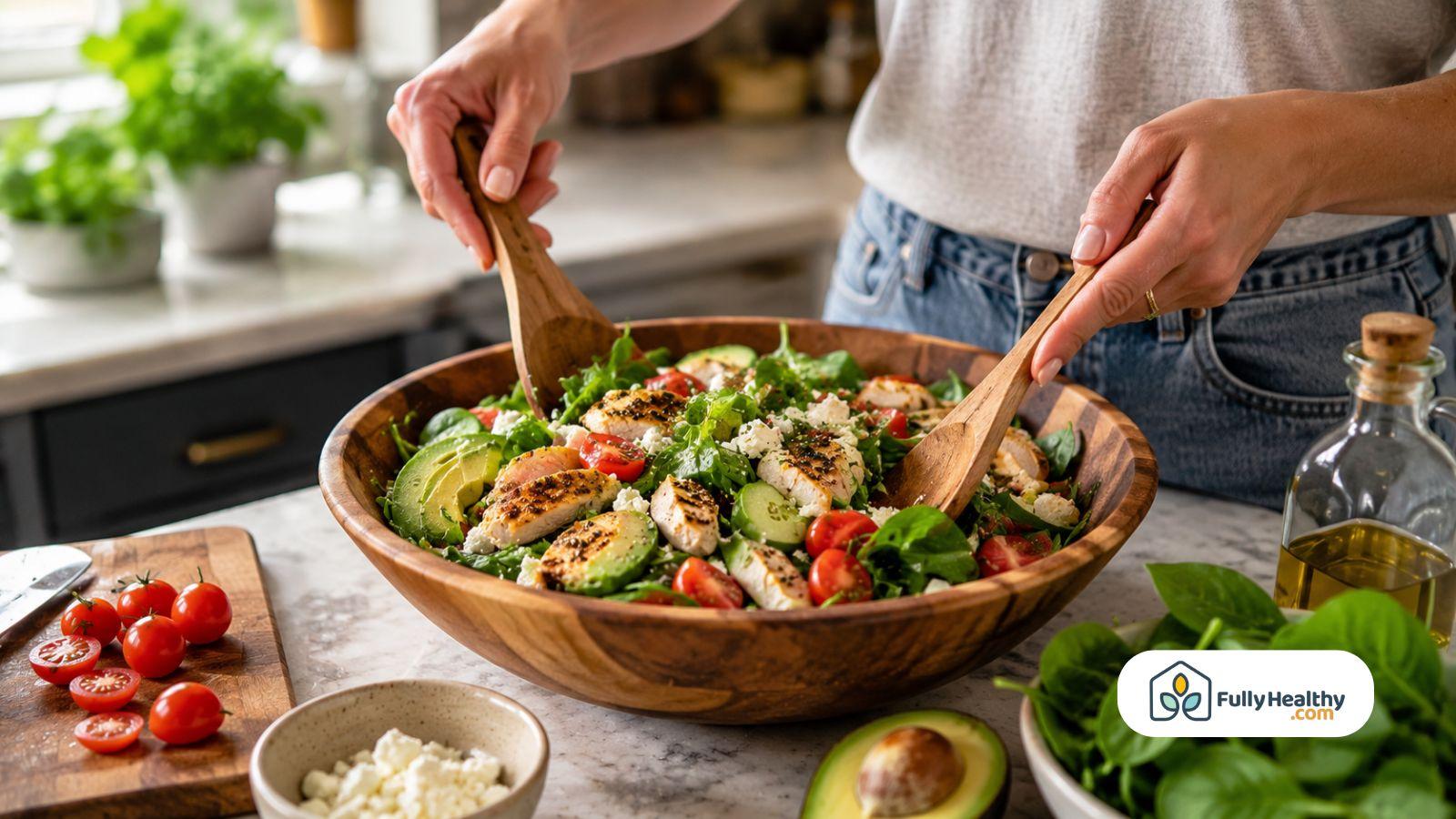
A better keto salad starts with leafy greens and adds moderate portions of low-carb vegetables. Then, include protein and fat to make it a complete meal. This helps you enjoy variety without going over your carb target.
-
Start with greens: Use spinach, romaine, kale, or mixed greens as your base.
-
Add low-carb vegetables: Include tomatoes, cucumbers, cauliflower, broccoli, and bell peppers in measured portions.
-
Include protein: Add chicken, salmon, tuna, beef, turkey, or boiled eggs to help you stay full.
-
Pick smart dressings: Choose olive oil and vinegar or sugar-free dressings instead of sweet sauces.
How FullyHealthy Can Help With Specialty-Diet Shopping?
Fully Healthy is an online marketplace for people with special dietary needs. It helps shoppers find gluten-free, allergen-free, and Autoimmune Protocol (AIP) foods in one place. T
his can save time because you do not have to search many stores or read every label from scratch. It is useful for people who want simple shopping with clearer product categories.
How Can FullyHealthy Make Specialty-Diet Shopping Easier?
FullyHealthy organizes products by diet needs and shopping goals. Its visible categories include AIP Elimination, AIP Reintros, Snacks, Breakfast, Personal Care, Bundles, Seasonings, and New Products. This makes it easier to find items that match your routine.
-
Convenient shopping: Browse by category instead of checking many stores one by one.
-
Specialty collections: Shop by AIP stages, snacks, breakfast items, personal care, bundles, seasonings, and new products.
-
Better label awareness: Use the site to compare products, but still check nutrition facts before buying.
-
Helpful for planning: Keep pantry options ready so special diets feel easier to follow.
Which FullyHealthy Products Are Available?
The FullyHealthy homepage shows several specialty products. These include Big Tree Farms Organic Brown Coconut Sugar, Bob’s Red Mill Organic Coconut Sugar, Coombs Family Farms Organic Maple Sugar, Date Lady Date Sugar, and EAT G.A.N.G.S.T.E.R Cut-Out Sugar Cookie Mix, Banana Bread Mix, and Chewy Choconot Brownie Mix.
-
Read labels: Check ingredients, carb details, and serving sizes before adding products to your diet.
-
Match your needs: Choose products that fit your personal food rules and health goals.
-
Consider sensitivities: People with acid reflux or food sensitivities should review ingredients carefully.
-
Shop with care: These are specialty-diet products, but they are not automatically keto-friendly.
Final Thoughts
Are tomatoes keto? Yes. Tomatoes can fit a keto diet when you watch your portions and stay within your daily carb limit.
Fresh tomatoes are a better choice than many sweetened tomato products, and they also provide helpful nutrients. Pair them with other low-carb foods, track your net carbs, and enjoy them as part of a balanced keto lifestyle.
FAQs
What Is The Number One Carb To Avoid?
Highly processed foods with added sugar, such as regular soda, candy, pastries, and sweetened sauces, are some of the top carbs to avoid on a keto diet because they can quickly exceed your daily carb limit.
Can I Eat An Apple On Keto?
Most apples are too high in carbs for a strict keto diet, so they are usually eaten only in small portions or avoided in favor of lower-carb fruits like berries.
What Are Signs You're In Ketosis?
Possible signs of ketosis include fruity-smelling breath, reduced appetite, and changes in urination; weight loss is not a reliable sign of ketosis, although experiences vary from person to person.
What Can Kick You Out Of Ketosis?
Eating too many carbs, drinking sugary beverages, overeating high-carb snacks, or not tracking your daily carb intake can make it harder to stay in ketosis.
What Are The 9 Rules Of Keto?
The basic keto rules are to keep carbs low, prioritize healthy fats, eat moderate protein, track net carbs, choose whole foods, stay hydrated, maintain electrolytes, plan balanced meals, and stay consistent with your keto lifestyle.
Leave a comment