

Can Bearded Dragons Eat Spinach? New Feeding Update Owners Shouldn’t Miss
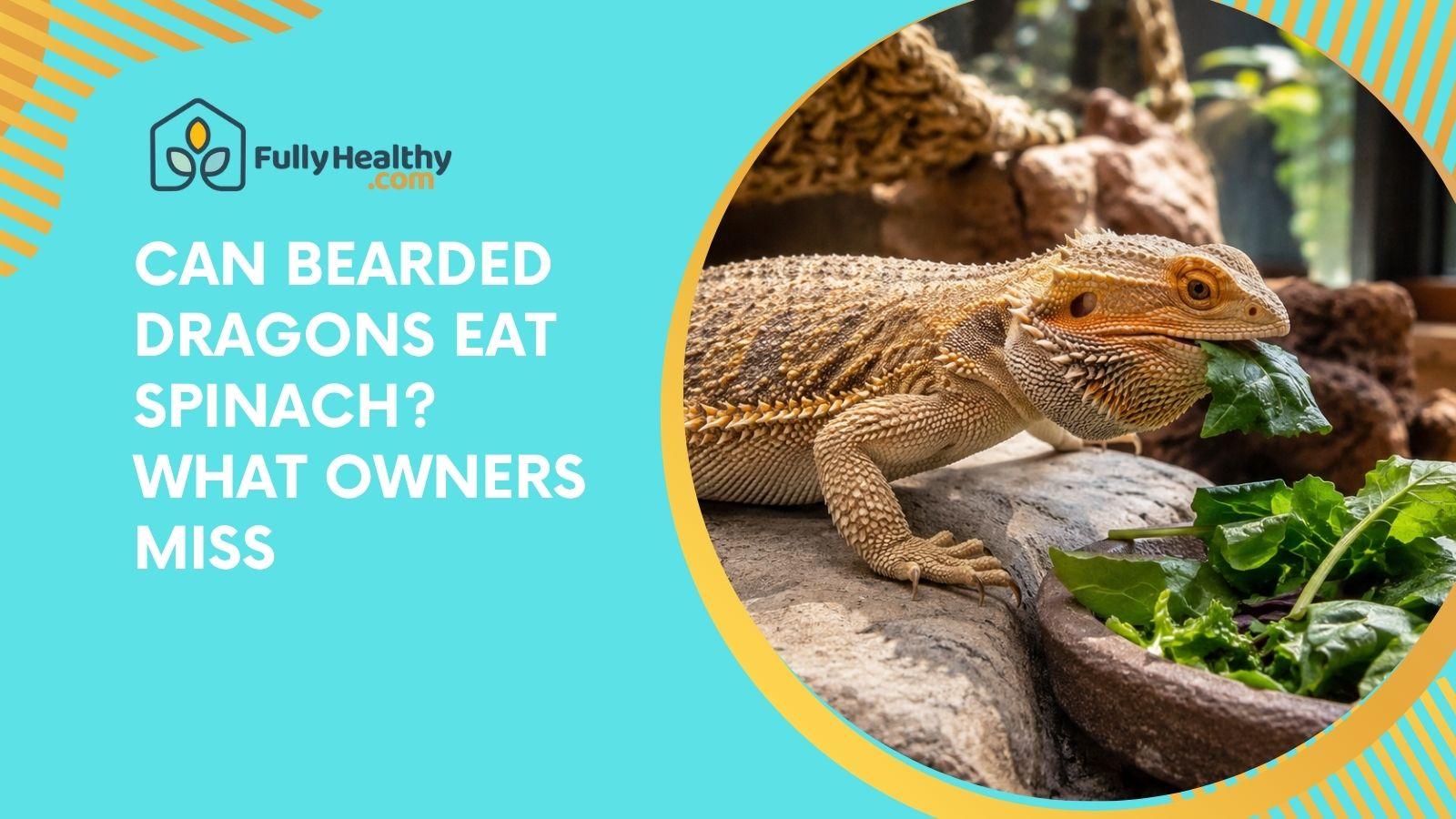
Can bearded dragons eat spinach? Yes, but not very often. Spinach is not poisonous, but it contains oxalates, which can bind calcium and reduce calcium absorption. This may negatively affect a bearded dragon’s bone health over time. Collard, mustard, dandelion, and turnip greens are all good choices for daily vegetables.
This blog will teach you when to feed your pet spinach, what vegetables to give them, what foods to stay away from, and how to pick safer options.
Can Bearded Dragons Eat Spinach?
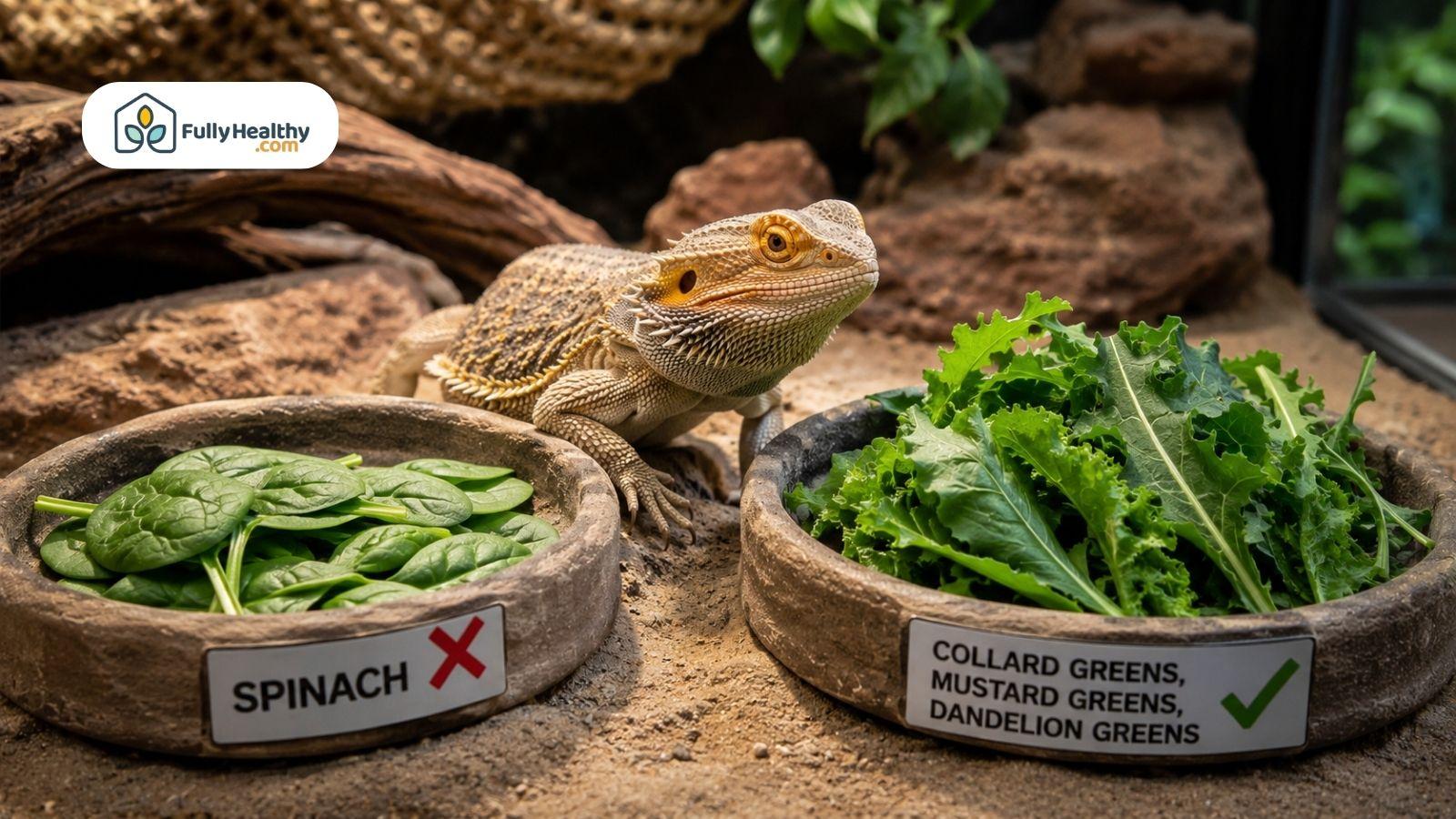
Many owners ask, ‘Can bearded dragons eat spinach? Yes, but only rarely and in very small amounts. Unfortunately, spinach is not poisonous, but it does contain oxalates, which can bind calcium. This could make it harder for a dragon's body to absorb calcium. Insufficient calcium levels may hurt bones over time and raise the risk of metabolic bone disease.
Why Spinach Is Safe But Not Ideal?
You can give bearded dragons spinach, but it shouldn't be a regular green. Spinach has various vitamins, iron, fiber, and vitamin C, but there are healthier options that provide more nutrients with fewer risks. Treating spinach like a superfood for people doesn't help bearded dragons get enough calcium.
-
Main Concern: Oxalates in spinach can bind calcium and stop it from being absorbed properly.
-
Health Risk: Too much spinach may weaken bones and raise the risk of metabolic bone disease.
-
Better Choice: Use collard greens, mustard greens, and dandelion greens more often.
How Often Can Adult And Baby Bearded Dragons Eat Spinach?
Growing dragons don't usually eat spinach. Some leaves may be safe if they are chopped up small and served raw with other greens that are friendlier. For steady calcium, baby bearded dragons should not eat spinach.
-
Adult Serving: Feed spinach in small amounts and only once in a while.
-
Baby Dragons: Avoid feeding spinach to young bearded dragons.
-
Serving Tip: Wash spinach well and provide fresh water after feeding.
What Vegetables Can Bearded Dragons Eat?
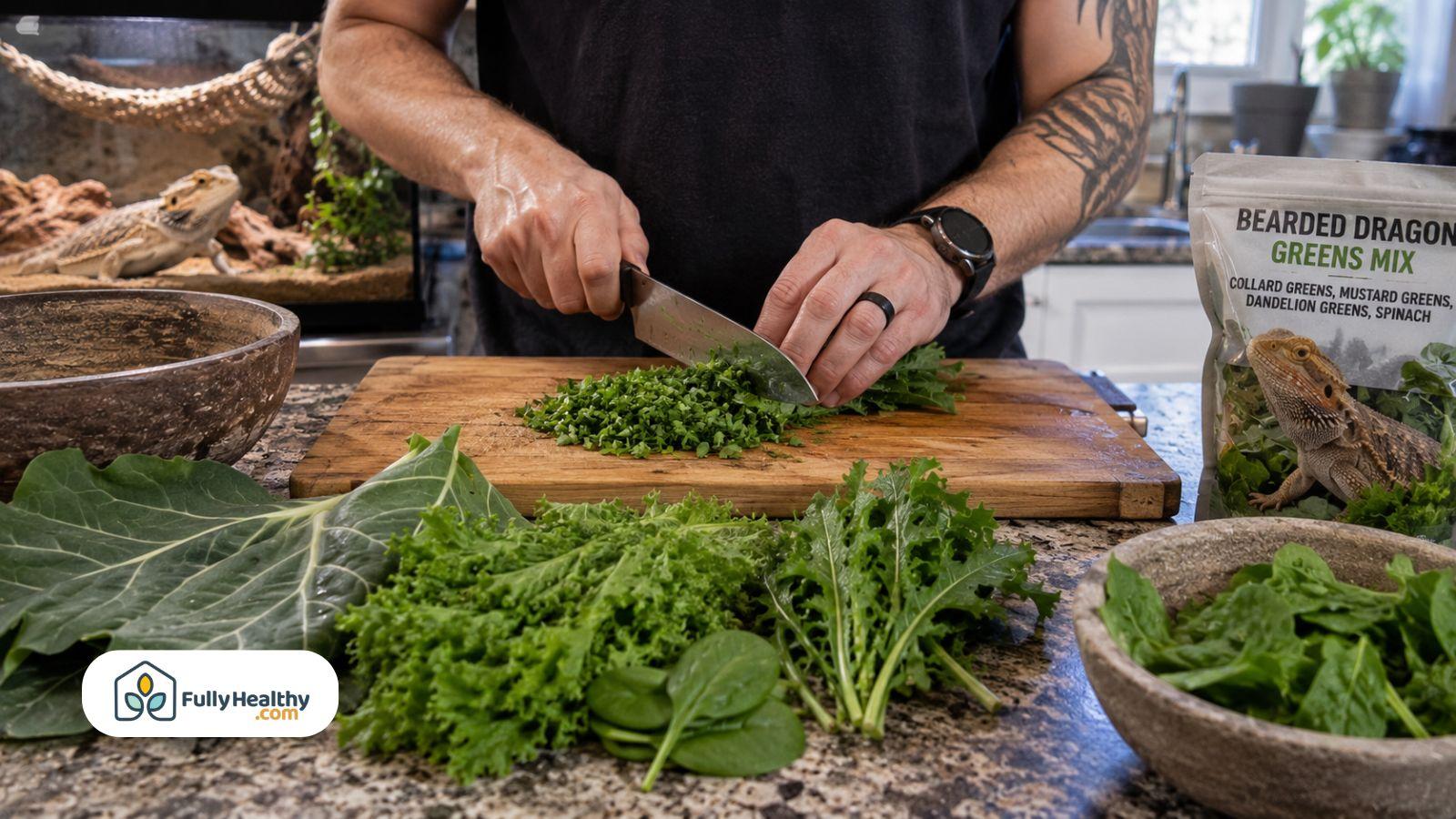
Different types of greens, vegetables, bugs, and calcium supplements should be part of a bearded dragon's healthy diet. Older bearded dragons eat more vegetables than younger ones. Consuming a balanced diet is good for your energy, weight, bones, and digestion.
Best Vegetable Ratio For Adult Bearded Dragons
Adult bearded dragons generally need a mostly plant-based diet, often around 70–80% vegetables/greens and 20–30% insects, adjusted by veterinary guidance. The best foods for adult bearded dragons are mostly greens, vegetables, feeder insects, and fruit. With vitamins, minerals, fiber, calcium, phosphorus balance, and other nutrients, this mix can help.
-
Leafy Greens: Collard, mustard, dandelion greens, and kale can be used regularly in rotation; romaine is safe but should be a minor, occasional green because it is less nutrient-dense.
-
Vegetables: Squash and zucchini are useful options; carrots, sweet potatoes, and broccoli should be fed in moderation as part of a varied diet.
-
Protein: Crickets, worms, and safe feeder bugs help add protein and fat.
-
Fruit Limit: Keep fruit low because it has sugar.
Better Greens Than Spinach For Everyday Feeding
Use these greens more often because they are healthier than spinach. Dandelions, collards, and mustard greens are better for daily feeding because they are higher in nutrients.
-
Best Staples: Collard greens, mustard greens, and dandelion greens support calcium intake.
-
Use In Rotation: Swiss chard and beet greens should be limited because of oxalates; kale can be used in rotation but should not be the only green.
-
Prep Rule: Wash all vegetables and serve them finely chopped.
What Foods Are Toxic To Bearded Dragons?
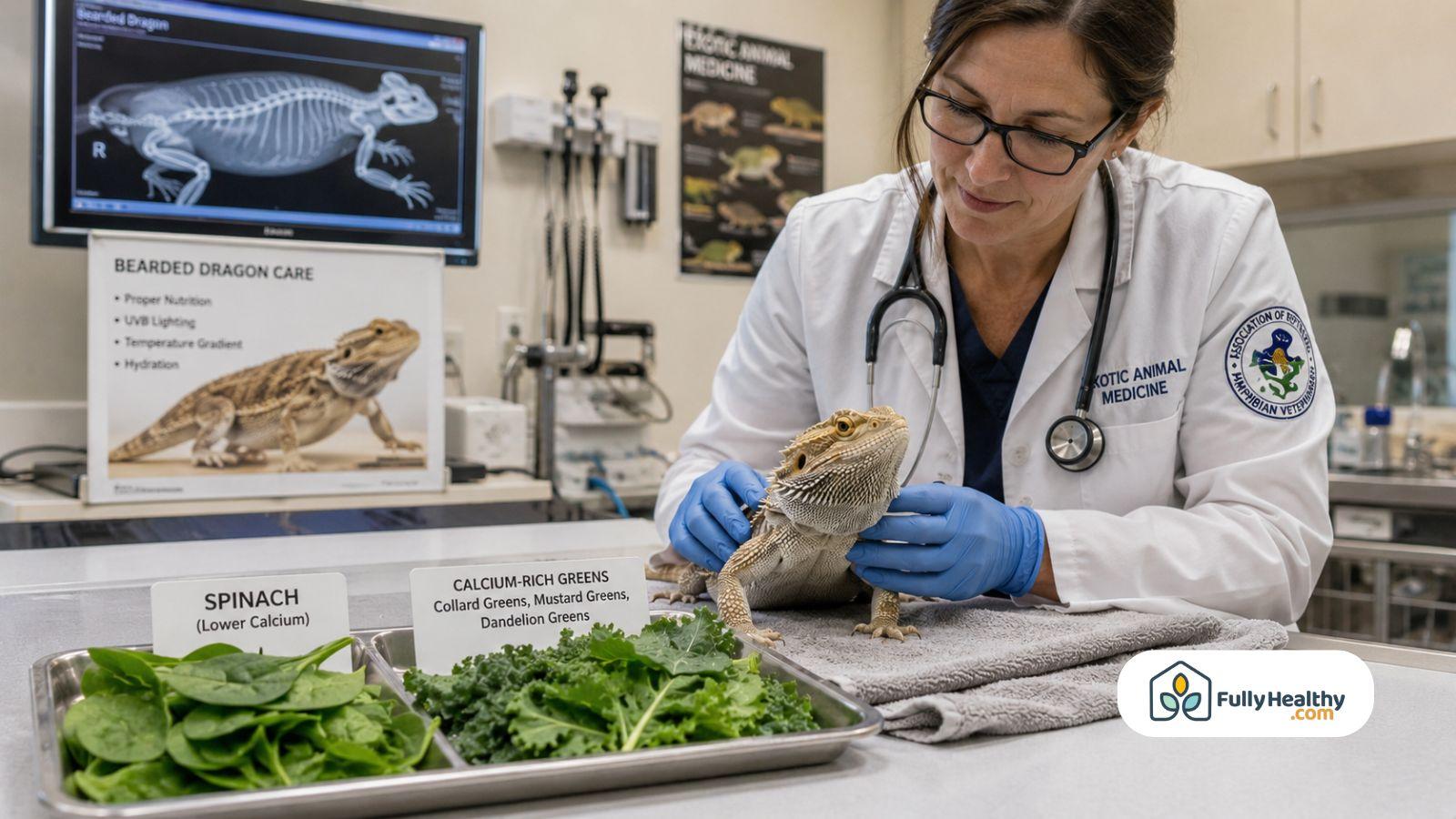
People eat some things that are bad for dragons. While others aren't harmful, they are still not very good for you. Knowing what not to feed a bearded dragon keeps it healthy and helps owners avoid making common mistakes.
Foods That Should Never Be Fed
Unfortunately, some foods are very bad for bearded dragons. The dragon should only eat safe, tried-and-true foods.
-
Toxic Foods: Avocado, rhubarb, and fireflies should never be fed.
-
Why It Matters: These foods may harm animals and cause severe illness.
-
Safe Habit: Check a trusted reptile page or vet source before putting new foods in the mix.
Risky Foods And Feeding Habits To Avoid
When food isn't poisonous, some eating habits can still be harmful. Pesticides or parasites may be carried by wild insects, and low-value greens can fill you up without giving you much nutrition.
-
Avoid Often: Iceberg lettuce, too much spinach, and high-oxalate greens are poor daily choices.
-
Wild Bugs: Never feed wild crickets, worms, or bugs because they may be unsafe.
-
Calcium Support: Use supplements as advised and keep the diet balanced.
What Greens Should Bearded Dragons Avoid?
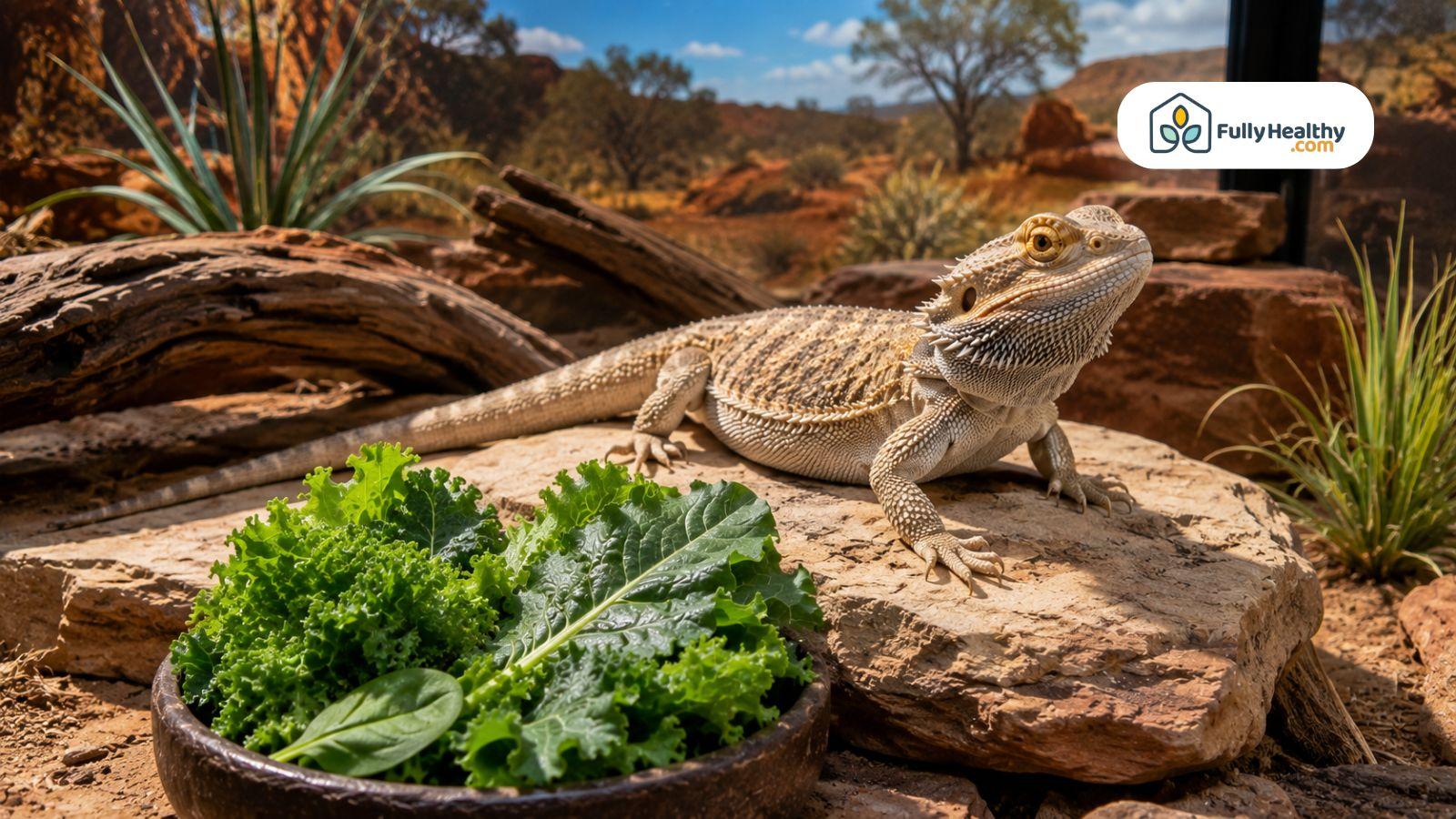
Bearded dragons shouldn't always eat green herbs. There are chemicals in some greens that can make it harder for the body to absorb calcium, and some greens are completely useless nutritionally. Eating a balanced diet and knowing which greens to limit can help keep your bones strong.
High-Oxalate Greens That Can Affect Calcium
Oxalates can bind calcium, making it harder for a dragon's body to absorb it properly. Although these greens aren't usually dangerous, they should be fed sparingly and alternated with healthier foods.
-
Spinach: High in oxalates and best offered only in small amounts on occasion.
-
Beet Greens: Can interfere with calcium absorption when fed too frequently.
-
Swiss Chard: Contains oxalates and is generally better as an occasional addition rather than a staple.
-
Kale: Nutritious and rich in vitamins, but it should be part of a varied mix of greens.
-
Why It Matters: Too many high-oxalate greens may increase the risk of calcium deficiency over time.
Low-Value Greens That Crowd Out Better Foods
Some greens do not provide many nutrients but take up space in a bearded dragon's diet. By giving your pet these foods regularly, you may keep them from getting healthier, more nutrient-dense foods.
-
Iceberg Lettuce: Mostly water and offers very little nutritional value.
-
Better Alternatives: Collard greens, mustard greens, and dandelion greens provide more nutrients and minerals.
-
Healthy Feeding Habit: Rotate different greens to create a balanced and varied diet.
-
Preparation Tip: Wash all vegetables thoroughly before serving to remove dirt and possible pesticide residue.
What Does FullyHealthy Offer Readers Comparing Food Ingredients?
People looking for information about the quality of food and its ingredients may find the Fully Healthy website. People can use it to learn more about ingredient labels and specialty foods, but it's not a resource for reptile nutrition. Always keep in mind that foods designed for people might not be good for bearded dragons.
What Does Fully Healthy Offer Readers Comparing Food Ingredients?
Online store FullyHealthy focuses on selling products that are gluten-free, allergen-free, and Autoimmune Protocol (AIP)-friendly. The site's purpose is to assist shoppers in discovering foods that fulfill certain dietary requirements. There is no information about how to care for reptiles, feeding spinach, or the nutritional needs of bearded dragons.
-
Website Purpose: Offers specialty foods and dietary products for human consumers.
-
Target Audience: Individuals following restricted or health-focused diets.
-
Important Reminder: The website is not a source of reptile nutrition advice.
-
Best Source Of Guidance: Use information from veterinarians and trusted reptile care experts when planning a bearded dragon's diet.
Which FullyHealthy Products And Categories Are Relevant To Mention?
Product categories and packaged foods can be found on the website. People with food restrictions might find these products useful, but they are not meant for reptiles.
-
Popular Categories: AIP Elimination, breakfast foods, snacks, seasonings, bundles, and personal care products.
-
Featured Products: Coconut sugar, maple sugar, maple syrup, brownie mixes, banana bread mixes, and cookie mixes.
-
What Readers Should Know: These products can help people compare ingredients and food quality.
-
Key Takeaway: For bearded dragons, stick to safe greens, vegetables, feeder insects, and calcium-rich foods recommended by reptile nutrition experts.
Final Thoughts
Can bearded dragons eat spinach? Yes, but only give it small amounts of food. Spinach has nutrients, but the oxalates in it can make it harder for your body to absorb calcium. Safer staple greens like collard greens, mustard greens, and dandelion greens are usually better choices; kale can be used in rotation.
Focus on a healthy, well-balanced diet that includes safe vegetables, fresh water, and the right supplements to support strong bones, healthy growth, and long-term health.
FAQs
Is Kale Or Spinach Better For Bearded Dragons?
Kale is generally a better choice because it provides calcium, vitamins, and minerals while having fewer concerns than regular feeding spinach.
What Is The Leading Cause Of Death In Bearded Dragons?
Adenovirus/atadenovirus is a serious disease, especially in young bearded dragons, but causes of death vary and include husbandry-related disease, malnutrition, infection, and trauma.
What Veggies Are Not Good For Bearded Dragons?
Avoid rhubarb and avocado. Iceberg lettuce has little nutritional value. Eggplant is best avoided or used only with veterinary guidance because it offers little benefit and may be problematic.
What Stresses A Bearded Dragon Out?
Common stress triggers include improper temperatures, poor lighting, sudden habitat changes, loud environments, illness, and feeling threatened by people or other animals.
Can Bearded Dragons Eat Spinach Every Week?
No, bearded dragons eat spinach best as an occasional treat. Because spinach contains oxalates that can bind calcium, it is better to rely on collard greens, mustard greens, and dandelion greens for regular feeding.
Leave a comment