

Can Bearded Dragons Eat Strawberries? Sweet Treat or Trouble?
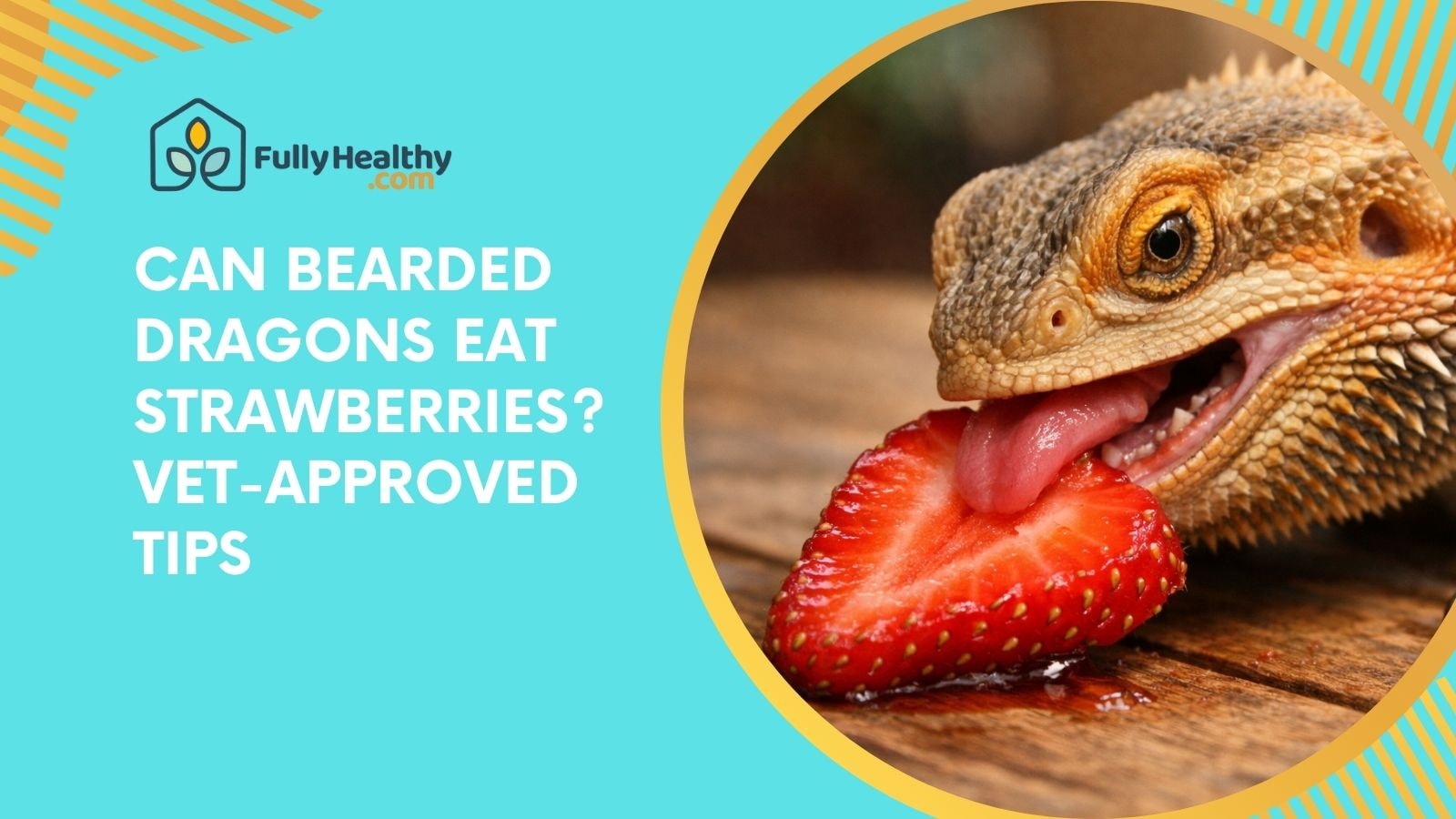
Yes, bearded dragons can eat strawberries, but only once in a while. Strawberries are safe and palatable for bearded dragons in moderation, but their high sugar content makes them unsuitable for daily feeding. Serve clean, small pieces that are easy to bite off. Never serve with stems or leaves.
To keep your bearded dragon safe, this blog tells you how often to give it strawberries and what other fruits it can eat.
Featured Pantry Pick
St. Dalfour // Strawberry Conserves - 10 oz
Loading...
Can Bearded Dragons Eat Strawberries?
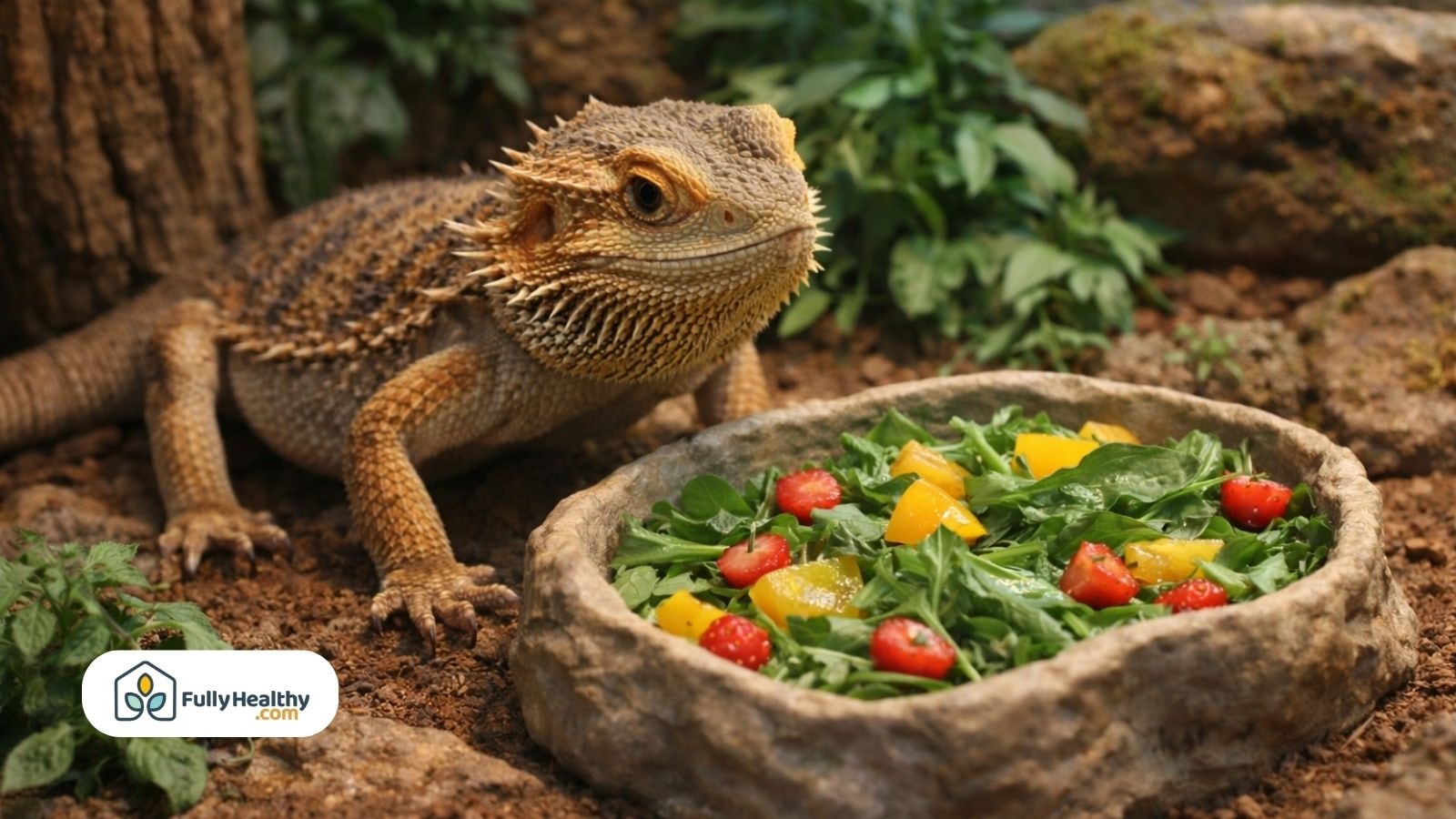
In rare cases, bearded dragons may eat strawberries. There is no harm in giving your bearded dragon strawberries in moderation, but too much sugar can make their diet less stable. You should give them as an occasional treat. Always feed strawberries safely as part of a healthy diet that also includes vegetables, leafy greens, and insects that are high in protein.
Nutritional Value and Risks
Berries provide hydration and some fiber, though vitamin C is not a dietary requirement for bearded dragons. But giving your pet too many strawberriescan affect nutrient absorption and may contribute to metabolic bone disease due to excess sugar and imbalanced calcium-to-phosphorus ratio.
Young bearded dragons are more likely to get hurt because they need more protein and calcium to grow.
-
Safe Frequency: Not more than once every one to two weeks.
-
Portion Size: Give them one small, whole strawberry that has been cut into pieces that they can easily eat.
-
Too Much Sugar: Potentially cause you to gain weight or lose calcium over time.
-
Strawberry Leaves: Strawberry leaves are not recommended as they may cause gastrointestinal irritation in reptiles.
-
High Water Content: Holds water for your bearded dragon, but may cause loose stools in large quantities..
How Often to Feed Strawberries
Giving bearded dragons strawberries every once in a while helps make their food more interesting. Do not give a lot of it or mix it with other fruits that are high in sugar. Adult bearded dragons can eat fruit once in a while, but baby bearded dragons should eat more bugs and fewer fruits to stay healthy.
-
Proper Nutrition: Fruit treats should be eaten with leafy greens like collard greens and dandelion greens.
-
Avoid Feeding: Dried strawberries because their higher concentration of sugar can be harmful.
-
Balanced Diet: Put fruits together with greens, bell peppers, and sweet potatoes.
-
Prevent Choking: Take out the seeds and cut the fruit into little pieces before you serve it.
What Fruit Do Bearded Dragons Like Most?
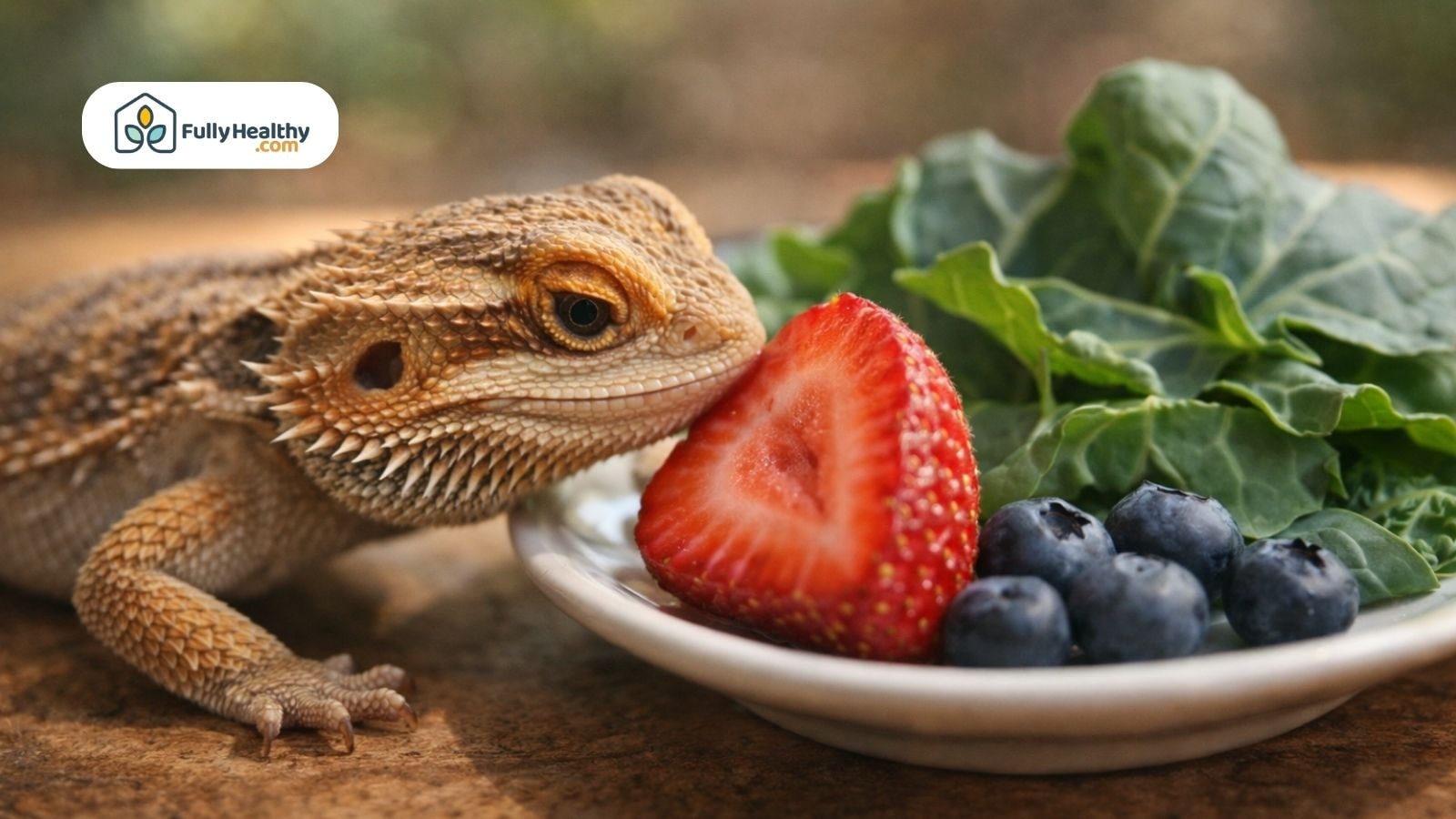
Bearded dragons like sweet fruits, but they should only eat a little at a time. It is best for bearded dragons to eat mostly plants and not too many fruits. When it comes to nutrition, fruits that are low in sugar and phosphorus content are the best.
Safe and Popular Fruits
Apples, grapes, blueberries, and raspberries are all safe for bearded dragons to eat. These fruits keep them hydrated and give them some small health benefits, but they should never eat these instead of vegetables and bugs.
-
Bearded Dragons Eat Apples: Apple seeds should always be taken out because they can be poisonous.
-
Bearded Dragons Eat Bananas: Offer them once in a while; they have more phosphorus, which makes it harder for the body to absorb calcium.
-
Bearded Dragons Eat Grapes: To keep them from choking, only give them small pieces.
-
Bearded Dragons Eat Blueberries: Since they are sweet, serve them in small amounts.
-
Nutritional Benefits: Keep you hydrated and help your digestion with fiber and antioxidants.
Fruits to Limit or Avoid
Bearded dragons can't eat some fruits because they are too acidic or sweet. These can make their stomachs upset or throw off their calcium levels, which can lead to problems like metabolic bone disease.
-
Citrus Fruits: Stay away from them at all costs; their high acidity can irritate the digestive tract.tion.
-
Bananas: Have more phosphorus, which lowers the body's calcium levels.
-
Large Seeds: To keep from choking, always take out the seeds and pits.
-
Avoid Feeding: Processed or dried fruits because they have a lot of sugar.
-
Diet Tip: Fruits should not make up more than 10% of your beardie's food.
How to Prep Strawberries for Bearded Dragons?
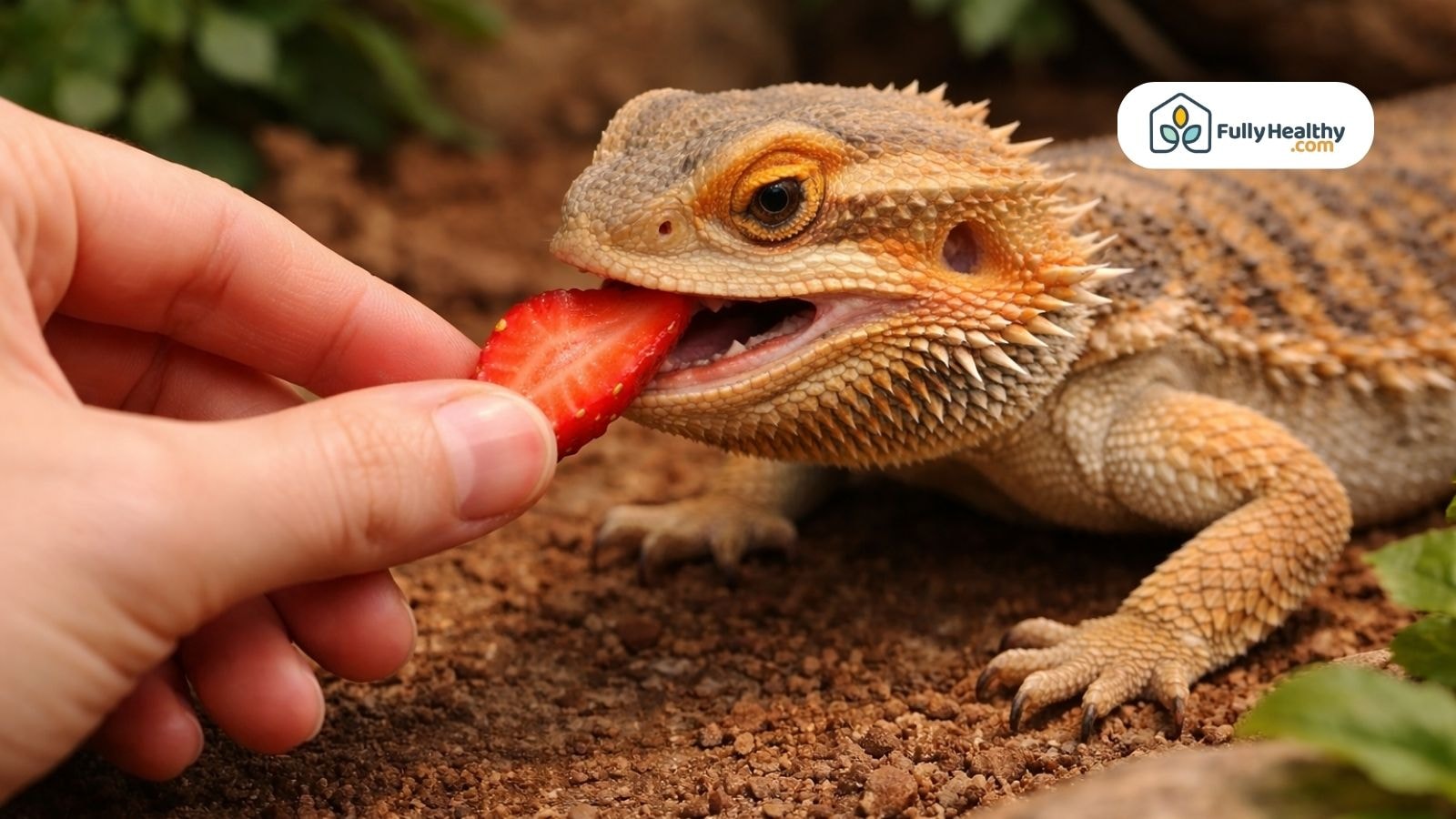
Making sure the strawberries are safe for your bearded dragon to eat is important. Cleaning, dicing, and not having any pesticides on fresh fruit are important. Iced or canned strawberries with extra sugar or syrup should not be eaten.
Step-by-Step Preparation
By doing these things, you can feed your pet strawberries without getting sick. Make sure you clean and cut them right to avoid stomach problems or choking.
-
Remove Pesticides: Well wash the fruit to get rid of the chemicals.
-
Remove Seeds: Removing seeds is not necessary for strawberries, but cutting into small pieces minimizes choking risk.
-
Remove Stem and Leaves: Not easy to digest and could make you sick.
-
Cut Into Small Pieces: Cut things up into bite-sized pieces so they are easier to chew.
-
Safely Feed Strawberries: For a healthy diet, mix with vegetables or bugs.
Serving Tips for Safety
To keep your bearded dragon healthy, feed it strawberries along with vegetables and calcium powder. Eating a variety of fruits, vegetables, and bugs is good for you.
-
Mix With Veggies: Put collard or dandelion greens and strawberries together.
-
Add Calcium Powder: Add calcium powder to help maintain bone health and reduce the risk of metabolic bone disease.
-
Use Infrequently: Try not to feed too many strawberries every week.
-
Proper Nutrition: To get energy, eat lots of fruits, vegetables, and bugs.
-
Sweet Taste: Beardies that don't like greens may eat them if they have sweet flavor.
What Fruits Can Bearded Dragons Not Eat?
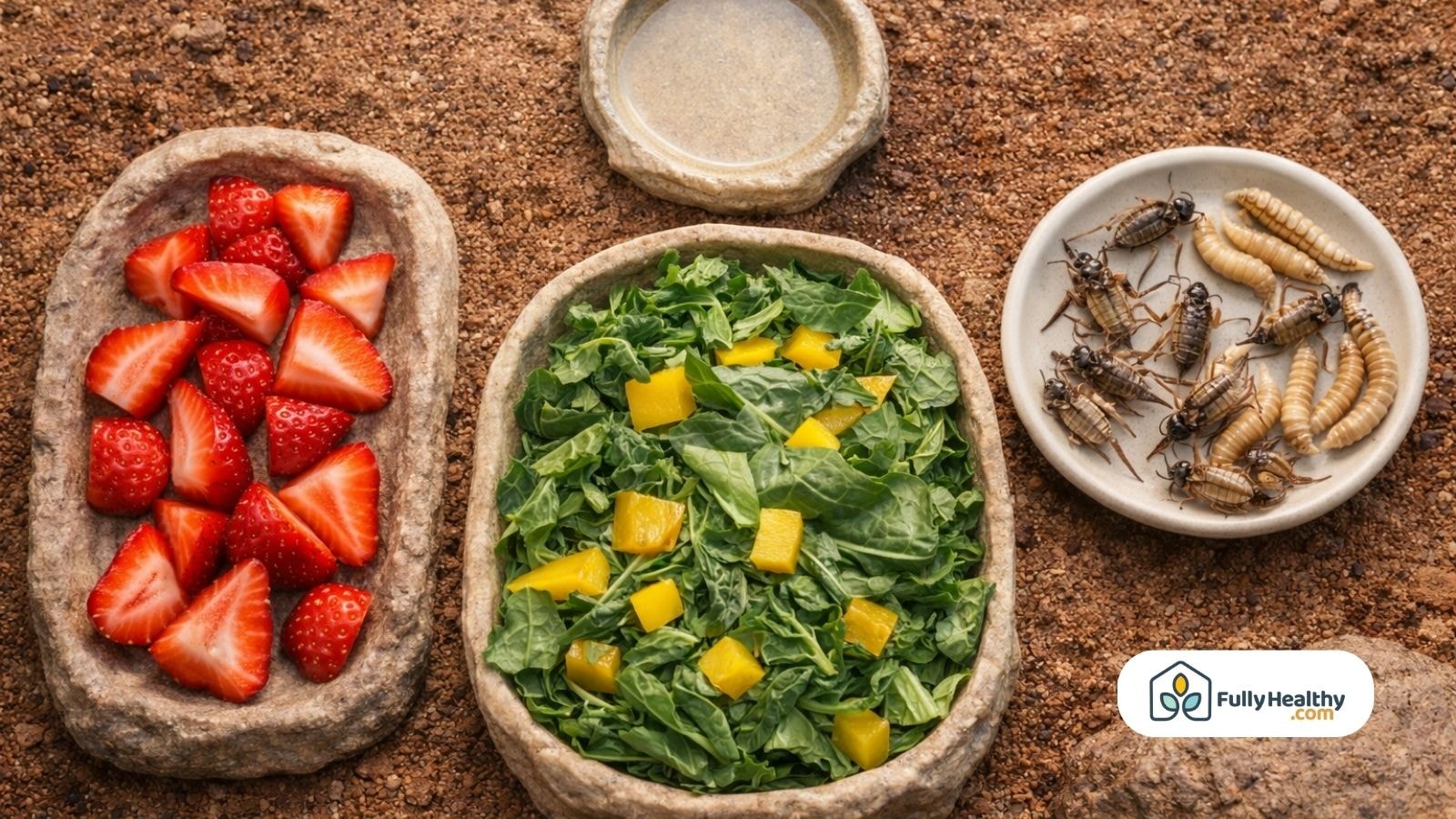
Not every fruit is safe for your bearded dragon’s diet. Some fruits are very acidic, high in phosphorus, or high in sugar, which can be very bad for your health and lead to metabolic bone disease or stomach upset. It is better for your beardie's health and diet if you know what foods it shouldn't eat.
Acidic and Phosphorus-Heavy Fruits
Some fruits are too acidic or have more phosphorus than calcium, which can make bones weak and digestion worse. These fruits shouldn't be fed to your bearded dragon at all or should be limited.
-
Citrus Fruits: Oranges, lemons, limes, and grapefruits are acidic fruits that should not be given to your dragon.
-
Bananas: Have more phosphorus, which makes it harder for the body to absorb calcium and may weaken bones.
-
Apples: Apple slices are only safe if the seeds are taken out, since the seeds are poisonous.
-
Grapes: To keep them from choking, give them small amounts of food on occasion.
-
Blueberries: Don't eat too many of them; the high sugar content can make you gain weight if you do.
Other Unsafe Fruits and General Rules
Since they are rough, have a lot of sugar, or contain toxins, some fruits are not safe to eat. Don't give your dragon anything that could hurt its bones or digestion.
-
Large Seeds: To keep from choking, always take out the pits or seeds.
-
Dried Strawberries: You shouldn't feed these because they have too much sugar and can make them thirsty.
-
Avocados: Avocados contain persin, a compound toxic to many reptiles, and should be strictly avoided.
-
How Many Strawberries: Give them one small strawberry a week, cut up into small pieces that are easy to eat.
-
Proper Nutrition: For a healthy and balanced diet, eat a lot of vegetables, leafy greens, and insects that are high in protein.
What Does Fully Healthy Offer for Clean Nutrition?
Fully Healthy is mostly about nutrition for people, but its focus on natural, low-sugar, and additive-free foods is similar to how you should care for your pets in general. When feeding bearded dragons, reptile nutrition experts say to focus on fresh, pesticide-free produce in small amounts. This is in line with safe and responsible eating habits.
What Fully Healthy Is and Why It Matters
According to Fully Healthy, real foods are best and artificial ingredients should be avoided. Using this method shows how careful pet owners should be when giving their reptiles fresh foods that don't contain chemicals.
-
Natural Products: Provides allergen-free, AIP, and gluten-free foods with a focus on genuine ingredients.
-
Health Connection: This is similar to how we safely feed bears strawberries: natural foods that don't contain pesticides are always best.
-
Diet Awareness: Mindful eating is similar to choosing fresh, safe food for reptiles.
Products and Useful Parallels for Pet Owners
Filter-free eating ideas from Fully Healthy may encourage pet owners to feed their reptiles in a similar way. Long-term health is improved by natural, simple, and well-balanced diets.
-
Clean Choices: Products like organic coconut sugar show how valuable natural, low-sugar choices can be.
-
Balanced Feeding: A beardie should only eat small amounts of leafy greens, insects, and fruits, according to this article.
-
Safe Habits: Animals that are reptiles stay strong, active, and healthy by eating fresh foods that don't contain chemicals.
Final Thoughts
With a balanced diet of leafy greens, vegetables, and protein rich insects, bearded dragons can safely eat small amounts of strawberries. Feeding too many strawberries or foods that are high in sugar can cause metabolic bone disease, fatty liver disease, and problems with absorbing calcium.
For best results, always remove pesticides, seeds, and feed in small pieces. Proper nutrition, healthy weight gain, and a strong, happy bearded dragon are all benefits of feeding bearded dragons the right way.
FAQs
What food is poisonous to bearded dragons?
Avocados, rhubarb, and citrus fruits are poisonous to bearded dragons. Safely feed strawberries, leafy greens, and insects instead.
Can beardies eat scrambled eggs?
Yes, beardies can eat scrambled eggs sometimes for protein. Avoid feeding too many strawberries or sugary foods with them.
What human foods are safe for bearded dragons?
Safe foods include apples without apple seeds, blueberries, raspberries, and leafy greens. Always remove pesticides and cut into small pieces.
What is the most common cause of death in bearded dragons?
Metabolic bone disease is common from poor calcium absorption. Use calcium powder and avoid foods with more phosphorus.
Can bearded dragons have cheese balls?
No, bearded dragons cannot eat cheese balls or any dairy. Stick to vegetables, insects, and bearded dragon strawberries.
Leave a comment