

Can Chickens Eat Mushrooms? Health Benefits or Hazards
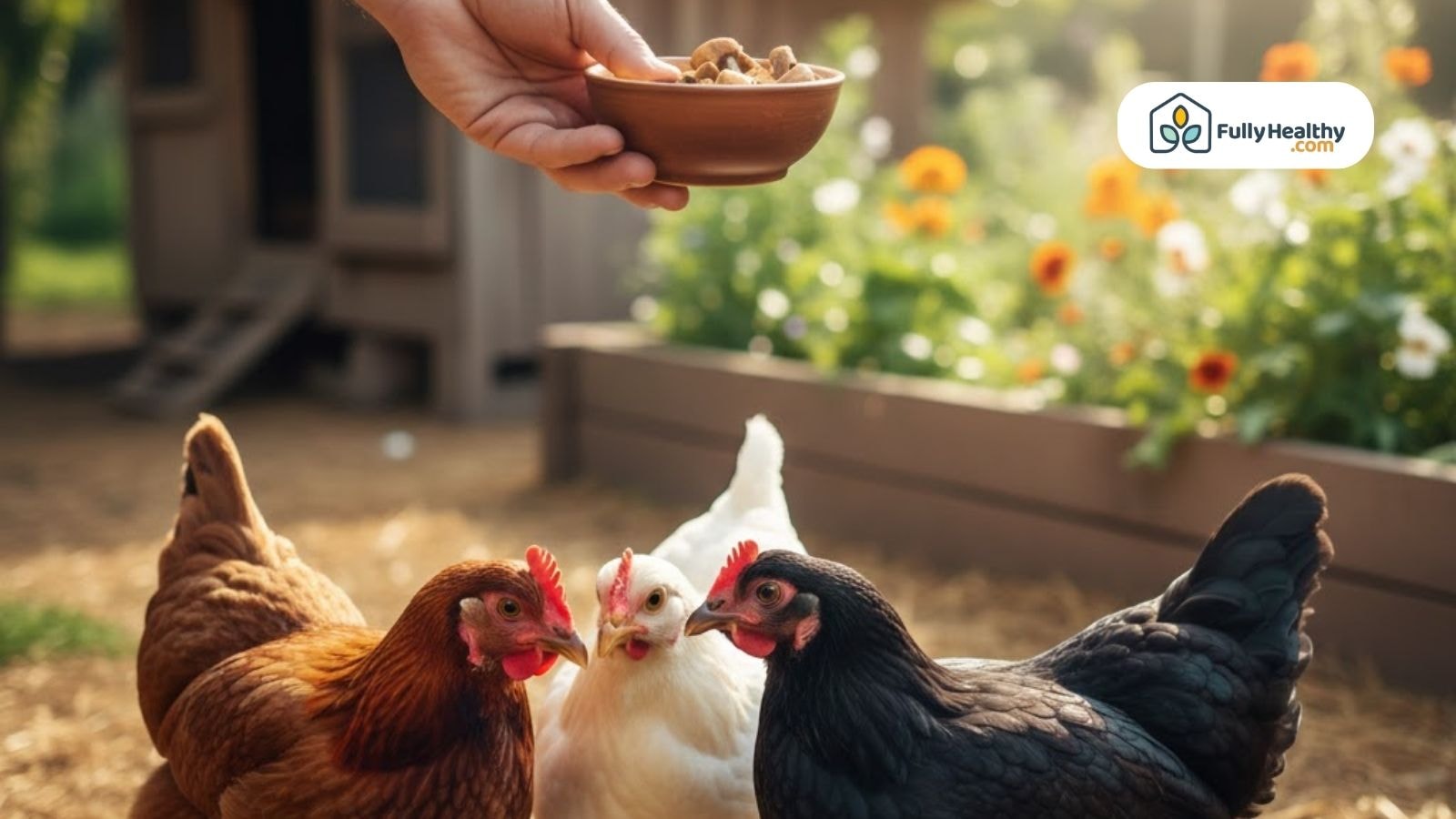
Can chickens eat mushrooms? Yes, but only some types. If mushrooms are clean, cooked, and not seasoned, chickens can eat mushrooms from the store or from home. You should stay away from wild mushrooms because they are dangerous.
Mushrooms are a healthy snack that is high in fiber, protein, and antioxidants. But some foods are not safe for chickens. This article talks about which mushrooms are safe, how to serve them, and what else you should stay away from.
Featured Pantry Pick
Wild Planet // Organic Roasted Chicken Breast Salted - 5 oz
Loading...
Can Chickens Eat Mushrooms?
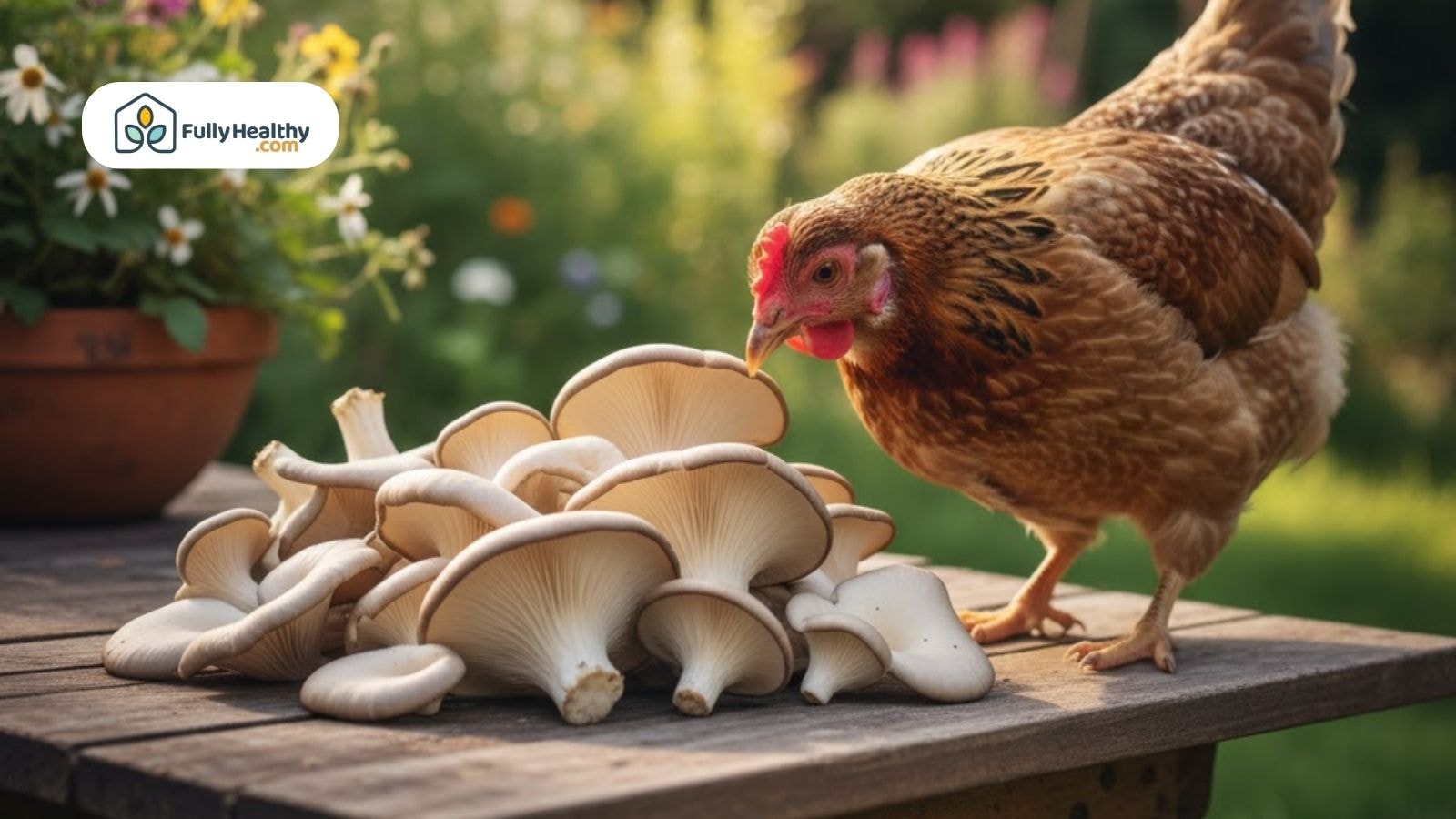
Plenty of chicken owners want to know if their birds can consume mushrooms. It depends on the type and how it's made. Chickens can eat mushrooms that are safe for people to eat, but wild or poisonous ones can make them sick or even kill them.
Mushrooms can be good for your chickens health if you serve them the right way, but you need to know the risks and how to feed them safely.
Are Mushrooms Safe or Toxic to Chickens?
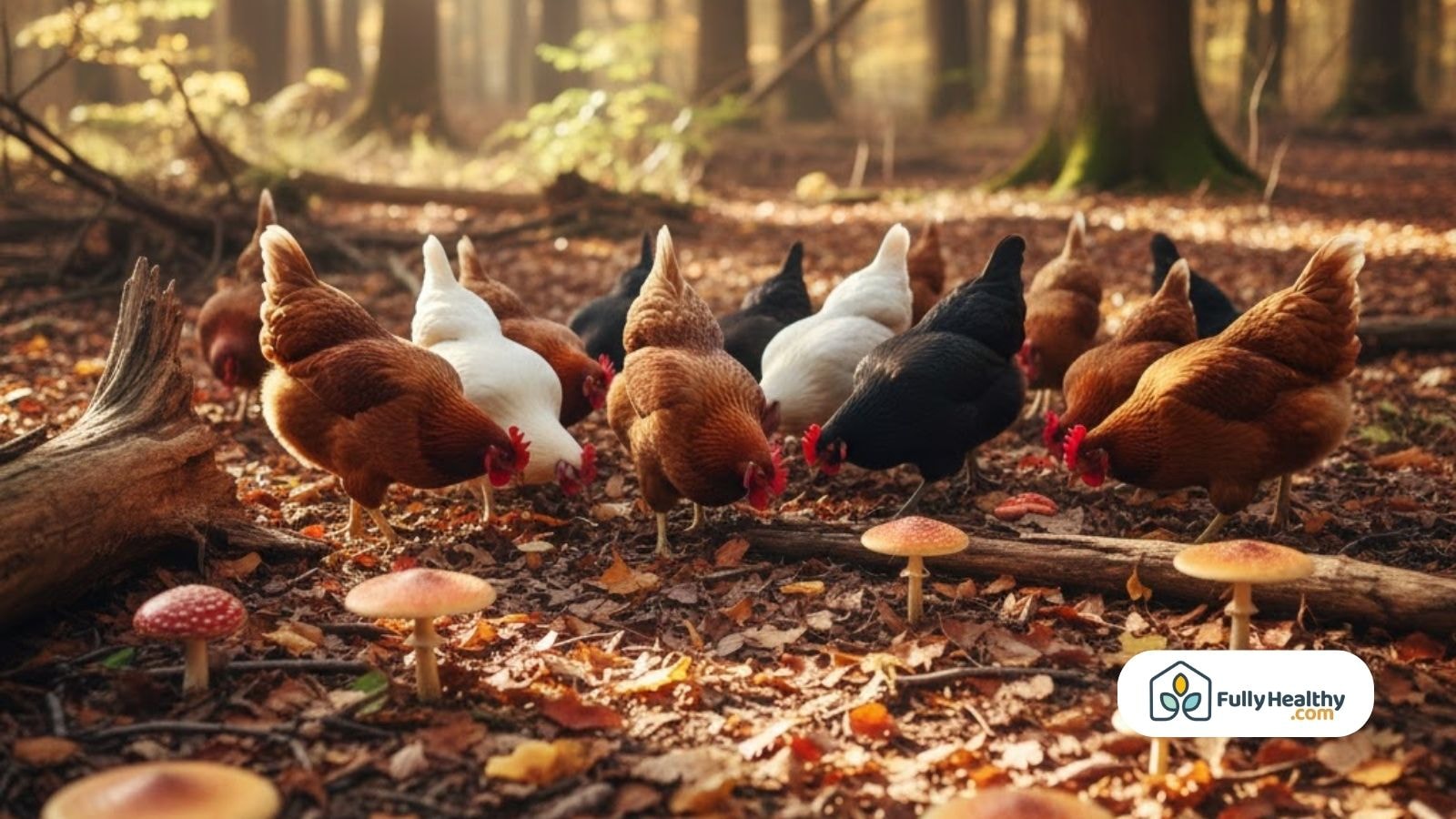
Mushrooms are fungi. Some are safe, but others are deadly. Chickens that are allowed to roam freely in the yard or garden might peck at wild mushrooms. This is dangerous because some raw mushrooms have poisons that hurt the chicken's nervous system.
-
Toxic wild mushrooms: Some wild mushrooms, such as Amanita or Gyromitra species, contain toxins that can cause neurological damage or death.
-
Safe mushrooms: Only give people fresh mushrooms that are safe to eat.
-
Avoid raw mushrooms: Cooking reduces compounds like agaritine that may be harmful and makes mushrooms easier to digest.
-
Follow this rule: If it's not safe for people, it's not safe for chickens.
How Should Mushrooms Be Prepared for Chickens?
When you add mushrooms to a chicken's diet, preparation is very important. Chewing and digesting raw mushrooms is hard. Cooking makes them safer for chickens to eat and digest. Avoid using salt, sugar, or fat when cooking mushrooms for chickens, as these ingredients can harm their health and disrupt dietary balance.
-
Cook before feeding: Always cook mushrooms to make them softer.
-
Chop into small pieces: This stops choking and helps with digestion.
-
No seasoning: Don’t add salt, sugar, or bread crumbs.
-
Avoid spoiled mushrooms: Mold or chemicals from brown or frozen mushrooms can be bad for you.
Is Mushroom Good for Poultry?
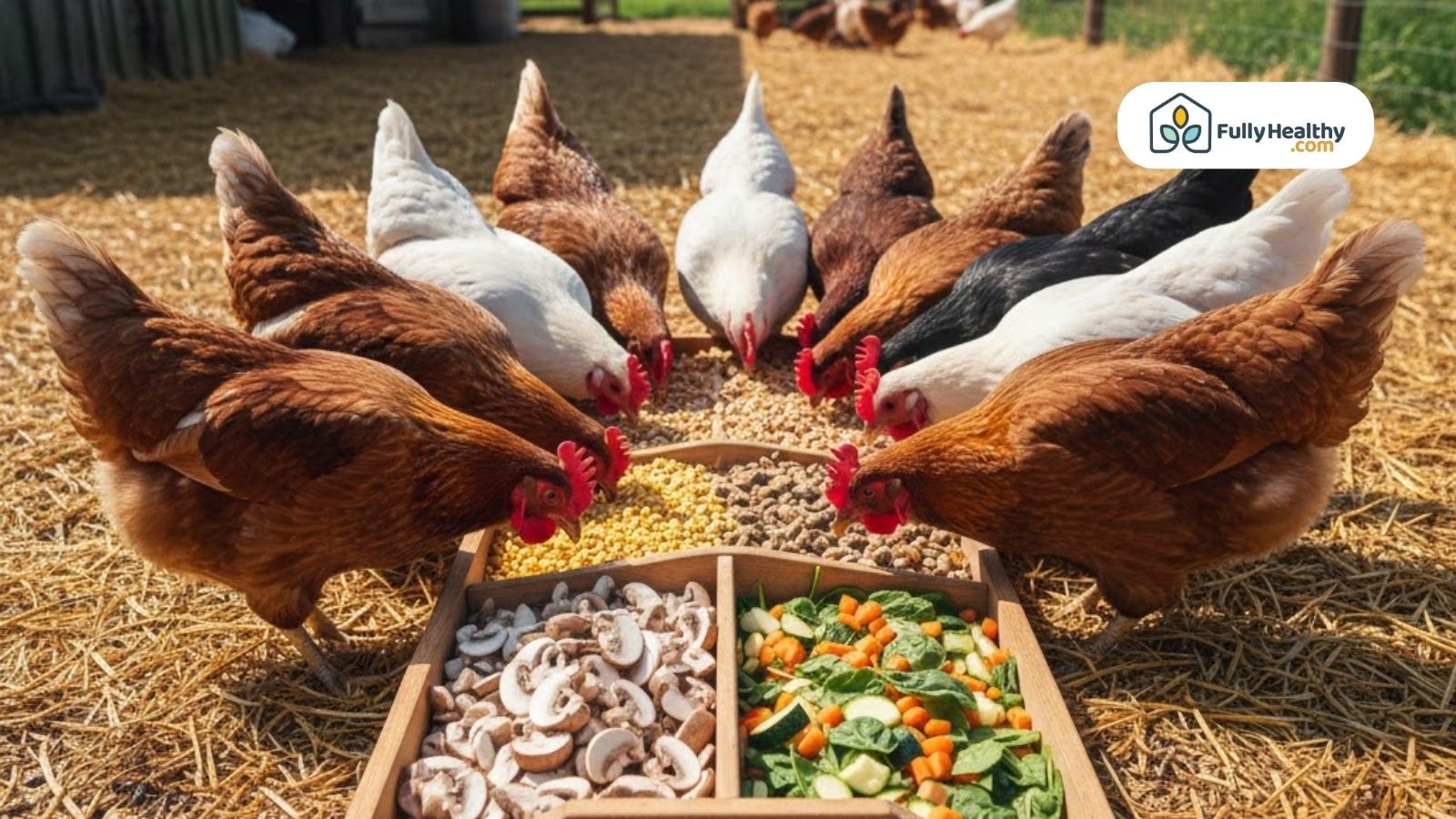
Adding a little bit of mushrooms to your chicken's feed can make it healthier. They have a lot of fiber, antioxidants, and some vitamins, but not much sugar or fat.
If you give them the right way, they can help your flock stay healthy, but they shouldn't be used instead of a diet with grains, vegetables, and fruits.
What Nutrients Do Mushrooms Provide for Chickens?
Oyster mushrooms and other edible mushrooms are good for you because they have the nutrients your chicken body needs. Vitamins, carbohydrates, and minerals are a few of these. Mushrooms should be considered a supplemental treat rather than a dietary enhancer, offering some vitamins and fiber.
-
Rich in vitamins: Add B vitamins because they are good for the nervous system.
-
Source of minerals: Contains potassium and selenium.
-
Low in sugar and fats: Makes them a healthy snack.
-
Adds variety: A diet that includes fresh vegetables and grains will help you stay healthy.
Do Mushrooms Improve Poultry Health or Production?
Eating chicken and mushrooms the right way can be good for your chicken's health. They can help digest food, make the immune system stronger, and improve general health. But they shouldn't be used in place of regular chicken feed.
-
Boosts immunity: Antioxidants help the body get rid of bad chemicals.
-
Supports digestion: Fiber is good for your chicken's gut and helps keep you healthy.
-
Enhances diet diversity: Especially useful for free-ranging flocks.
-
May improve egg quality: While mushrooms add nutritional variety, there is limited evidence that they significantly improve egg quality in chickens.
What Are Chickens Not Supposed to Eat?
Some foods are bad or poisonous to chickens and should never be given to them. Chickens have a natural sense for what's safe, but that instinct isn't always right, especially when they're hungry. Birds can get sick or die from a bad diet, so it's important to close-eye what your chickens eat.
Top Toxic or Risky Foods for Chickens
Chickens can peck at almost anything, but not all foods are safe for them to eat. Some things can make them sick or hurt their egg production. Some people can be deadly.
-
Chocolate: Chocolate, especially dark varieties, contains theobromine, which is toxic to chickens and can be fatal if consumed in significant amounts.
-
Onions: Can cause anemia and make eggs taste bad.
-
Avocado pits and skins: Are poisonous because they contain persin.
-
Raw potatoes: Solanine in green or raw flesh is bad.
-
Moldy bread or food: Fungi can harm their system.
Why Moderation and Diet Balance Matter
Eating a lot of healthy foods can be bad for you. Giving chickens a mix of grains, fruits, vegetables, and safe treats now and then will keep them healthy and make sure they lay strong eggs.
-
Keep treats small: Only give small amounts of mushrooms and other similar foods.
-
Avoid feeding only scraps: Always give your chicken the right food.
-
Mix in vegetables and fruits: Like cucumbers, apples (without seeds), or leafy greens.
-
Rotate diet: Stops too many nutrients from coming from one place.
What Is The Number One Killer Of Chickens?
A lot of people who have chickens in their backyards think that the biggest threat is a bad diet or illness. However, predators are a whole different problem. No matter where your chickens are, some animals will kill them. These animals only see food. They don't care if your hens are healthy or your chicks are young. A strong coop and a set routine of safety steps can keep your flock safe.
Who Are The Top Predators Of Backyard Chickens?
The two biggest threats to chickens are raccoons and pet dogs. These animals live in the country and the city. Birds that are free are more at risk. Chickens may like to walk around freely, but it makes them easier for hungry animals to catch.
-
Raccoons and dogs: These are the main causes of chicken deaths in cities and the country.
-
Hawks and owls: These birds attack from above and can easily grab small chicks.
-
Foxes and coyotes: Often attack in the morning or evening.
-
Mink and weasels: Can fit into tight spaces and kill a lot of chickens at once.
-
Skunks and opossums: Mostly come out at night and kill birds or steal eggs while they sleep.
How To Protect Your Flock From Predators
Knowing where your setup is weak is the first step to stopping predator attacks. Chickens sleep deeply at night, so they are easy to grab if the coop is not fully secured. These smart, hungry animals can hide in any hole, so make sure there are none.
-
Close coop doors before dusk: Use safe latches, especially on the pop-hole door.
-
Reinforce windows and vents: Don't use chicken wire; use hardware cloth instead.
-
Watch for tunnels: Animals dig under coop floors, so bury wire cubes at the base.
-
Remove hiding places: Clear away brush piles, stacked wood, or sheds that are close to the coop.
-
Install lights: Motion-sensor lights can keep predators away at night.
What Does FullyHealthy.com Offer For Poultry-Conscious Buyers?
FullyHealthy is an online store that sells clean-label, allergen-free food. It doesn't sell chicken, but it does help chicken keepers by giving them safe pantry items that don't have bad ingredients.
If you make treats or use kitchen scraps for your chickens, make sure to stay away from processed snacks that have chemicals or pesticides. This site helps people and animals stay healthy.
Does FullyHealthy.com Sell Anything Chicken- Or Mushroom-Friendly?
A lot of people like giving their hens leftover food or food they made at home. This site can help with that. Its AIP-approved products don't have common allergens or harmful things like refined sugar or salt. This makes it safer to use small amounts of scraps from these foods.
-
Seasonings and spices: No added sugar, pesticides, or artificial ingredients.
-
AIP-friendly treats: Owners who want to stay away from foods that are bad for chicks or animals will love this.
-
Clean sweeteners: Like maple cubes or date sugar, it's safe for people and food prep.
-
Meal prep items: It's safer to use again in homemade treats for your flock.
What Kind Of Products And Philosophy Define The Store?
FullyHealthy.com helps people who need to follow certain diets, like gluten-free, AIP, and nightshade-free diets. Chicken owners who only feed their hens safe and natural food also benefit from that same focus on clean eating. Another great way to stay up to date on new safe-food options is to sign up for the email savings deals.
-
Clean-label philosophy: Products that don't have any toxins, pesticides, or other harmful chemicals.
-
Small brand focus: Helps businesses that care about health.
-
Ideal for holistic homes: People who feed scraps or make their own chicken feed.
-
Educational resources: Help you pick safer pantry staples to share in small amounts.
Final Thoughts
If mushrooms are made right, chickens can eat them without any problems. Don't give your flock raw mushrooms or wild fungi because they can be poisonous or even kill them. Stick to mushrooms that are safe to eat, like oyster mushrooms. Always cut them into small pieces, and don't use salt, sugar, or pesticides.
Chicks need more care, and animals that live outside are a different story. Feed the chicken a balanced diet of fruits, vegetables, cubes, and other foods. Sign up for email to get deals that help you make healthy choices.
FAQs
What is the healthiest thing for chickens to eat?
A balanced diet with vegetables, fruits, chicken feed, and small pieces of oyster mushrooms is best for chickens' health and nervous system.
Are cucumbers good for chickens?
Yes, cucumbers are safe and nutritious for chickens, unlike raw mushrooms or bread with pesticides which can kill animals.
What is the 90 10 rule for feeding chickens?
Chickens should get 90% of their diet from complete feed and only 10% from treats like cubes, vegetables, or email save snacks.
What scraps are not good for chickens?
Scraps with salt, chocolate, raw onions, or different story foods not for human consumption are toxic to birds and chicks.
Are bananas good for chickens to eat?
Yes, in small amounts, bananas are fine, but chickens prefer fresh over frozen and avoid harmful sugar or fungi-covered peel.
Leave a comment