

Can Dogs Eat Jackfruit? Real Risks, Benefits & How Much Is OK
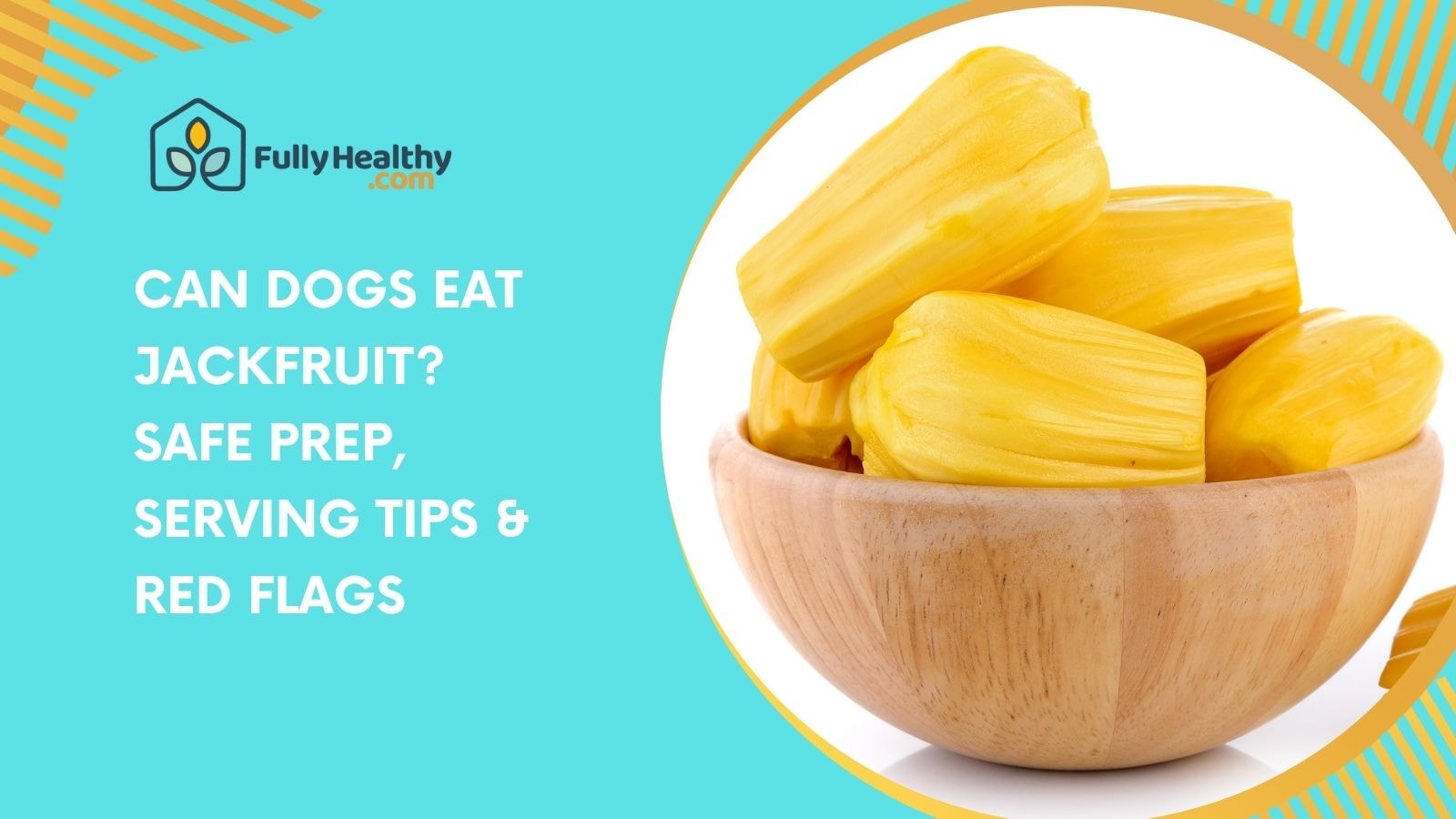 Photo Credit: Canva Pro
Can dogs eat jackfruit? Yes, but only a little of the soft yellow part. There is a lot of fiber, vitamin C, and other beneficial nutrients for your pet in jackfruit, but not all of it is safe. Dogs should not eat the seeds, rind, or sap.
In this article, fur parents will learn how to prepare jackfruit safely, how much to give their dogs, and which fruits are safer. Read on to find the best option for your dog.
Featured Snack Pick
Mavuno Harvest // Organic Dried Jackfruit - 2 oz
Loading...
Can Dogs Eat Jackfruit?
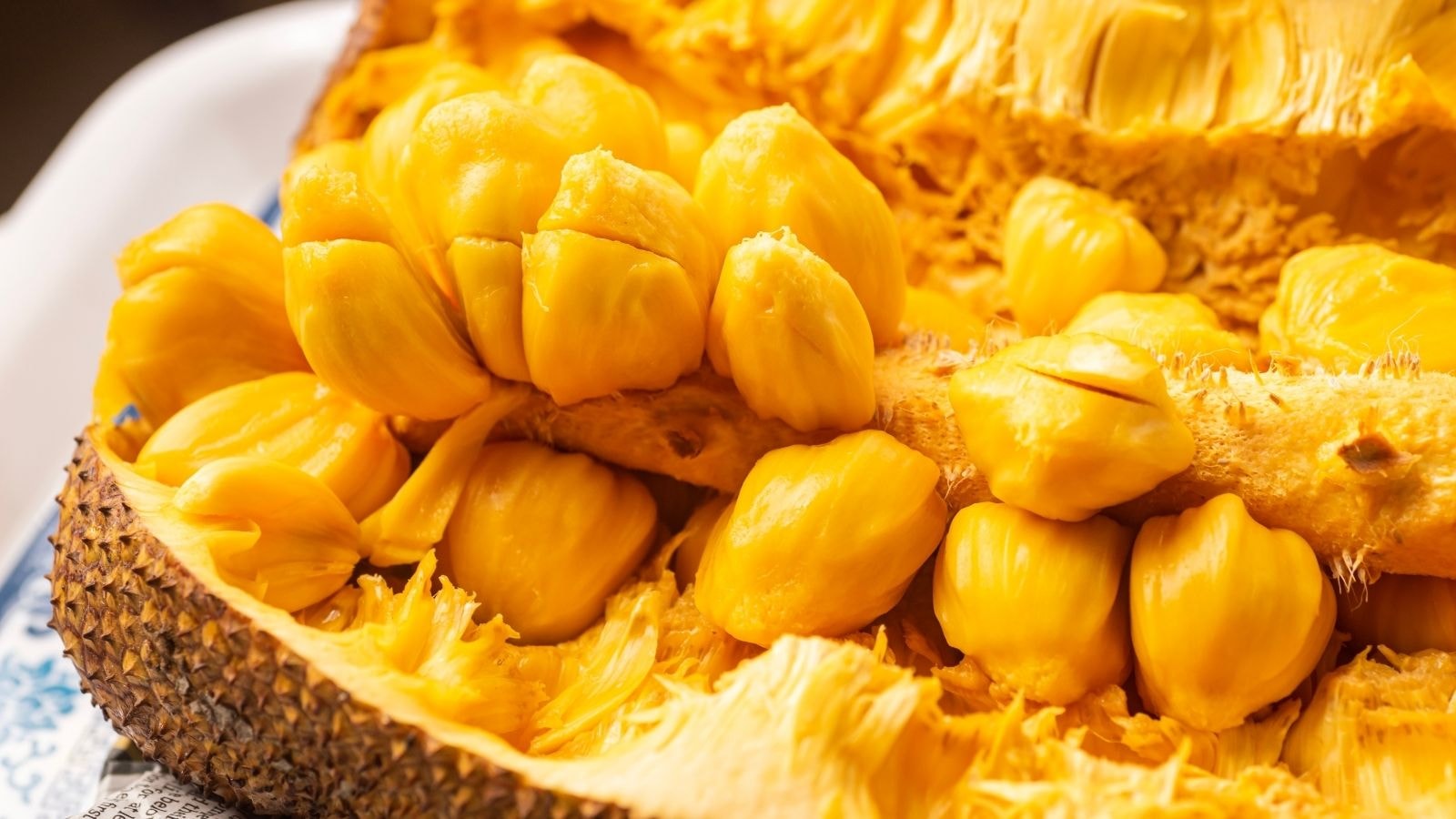 Photo Credit: Canva Pro
Is Jackfruit Flesh Safe for Dogs to Eat?
Jackfruit flesh is generally safe for dogs to eat in small amounts. It might be good for your dog's health in small ways, but it's not essential and shouldn't be a big part of its diet. Jackfruit should only be given to dogs as a tasty treat once in a while and not as a regular food source.
-
Nutritional benefits: Contains vitamin C, potassium, fiber, antioxidants, and small amounts of protein and fat.
-
Carbohydrate content: High natural sugar levels can lead to gas or diarrhea if not fed in moderation.
-
Purpose in diet: Not a good meal replacement, but a nice reward or treat.
-
Not complete food: Jackfruit does not have all the healthy nutrients that dogs need.
Which Parts of Jackfruit Are Unsafe for Dogs?
Dogs can eat the flesh of the jackfruit, but other parts of the fruit are very bad for their health. The seeds, rind, and sap are not meant for dogs and can make them sick, choke them, or even death in extreme cases.
-
Seeds: A major choking hazard and can cause blockage in the esophagus or intestines.
-
Rind: Tough, fibrous texture makes it difficult to digest and may cause vomiting or diarrhea.
-
Latex sap: May cause digestive discomfort and difficulty breathing.
-
Toxic potential: Raw seeds contain lectins and trypsin inhibitors that are poorly digested and may cause gastrointestinal upset.
-
Signs to watch: Vomiting, bloating, gas, and abdominal pain after eating unsafe parts.
How Do I Prepare Jackfruit for My Dog?
 Photo Credit: Canva Pro
Safe Preparation Methods for Fresh Jackfruit
Making jackfruit safe for dogs requires a lot of care. The soft yellow flesh should be the only part served and everything else should be taken away. It should be served without any seasonings or other ingredients.
-
Remove inedible parts: Discard the rind, seeds, latex lining, and any tough membranes.
-
Cut into cubes: Slice the flesh into small, bite-sized pieces to reduce the choking hazard.
-
No added ingredients: Never serve jackfruit with oil, salt, sugar, or mixed with yogurt or other fruits.
-
Cooked or raw: Steaming is optional, but raw flesh is fine as long as it's plain and seedless.
How Much Jackfruit Can I Feed My Dog?
Dogs should only receive jackfruit in small quantities, and not on a regular basis. Large portions or frequent feeding can upset their stomach and provide unnecessary sugar and fiber.
-
Portion size: 1–2 cubes for small dogs; 2–3 cubes for medium to large dogs.
-
Feeding schedule: Limit to once a week at most to avoid digestive issues.
-
Avoid daily feeding: Jackfruit is not nutritionally complete or intended as a staple food.
-
Monitor for reactions: Look for signs like vomiting, diarrhea, or changes in appetite.
-
Puppy guidance: Avoid giving jackfruit to puppies due to their more sensitive digestion.
What Fruit to Not Feed Dogs?
 Photo Credit: Canva Pro
Toxic Fruits That Are Dangerous for Dogs
Not all fruits are safe for dogs, and some can have very bad effects or even life-threatening reactions. It's very important for dog owners to know which fruits they should never feed their dogs.
-
Grapes and raisins: Can cause kidney failure even in tiny amounts.
-
Cherries and pits: Contain cyanide, which interferes with a dog’s red blood cells.
-
Onions and garlic: Lead to anemia and digestive distress.
-
Avocados: Contain persin, a toxin that causes vomiting and diarrhea.
-
Lemons and limes: High acidity can upset the stomach and nervous system.
Common Fruit Parts That Pose Hidden Risks
Fruits that are generally safe for dogs may still have parts that are bad for them. The seeds, pits, and skins of some fruits and vegetables can choke you or contain toxic substances.
-
Apple cores and seeds: Seeds have cyanide and the core poses a choking risk.
-
Peach and plum pits: Can block the intestines and damage teeth.
-
Dried fruits: Often contain added sugars or preservatives unsafe for dogs.
-
Thick fruit skins: Mango skins or similar may lead to digestive discomfort.
-
Rotten fruit: Spoiled or fermented fruit can cause vomiting or gas.
What Is the Healthiest Fruit for Dogs?
 Photo Credit: Canva Pro
Vet-Approved Fruits Dogs Can Safely Enjoy
While jackfruit can be a tasty treat, other fruits are safer, more nutritious, and easier to serve. These choices are often suggested by veterinarians and provide more consistent health benefits.
-
Blueberries: Low in calories, full of antioxidants, and good for their immune system.
-
Apples (no seeds): Provide fiber and vitamin C, but always take out the core and seeds.
-
Bananas: Offer potassium and carbohydrates in small amounts, great for occasional treats.
-
Watermelon (seedless): A hydrating fruit low in fat and high in vitamins A and C.
-
Pineapple: Rich in enzymes and fiber. Feed in moderation and remove the tough skin and core.
How to Choose the Right Fruit for Your Dog's Needs
It's not always easy for dogs to handle fruits. To prevent problems like vomiting or diarrhea, dog owners should choose fruits based on their dog's size, age, and ability to digest them.
-
Older dogs: Softer fruits like bananas are easier to chew and digest.
-
Overweight dogs: Choose low-calorie options like watermelon or blueberries.
-
Dogs with sensitive stomachs: Avoid fruits high in sugar or fiber like pineapple or jackfruit.
-
Feeding behavior: Introduce fruits slowly and observe how your dog reacts.
-
Balanced diet: Fruits should never make up more than 10% of the dog’s total food intake.
Get to Know FullyHealthy
Who We Are
FullyHealthy is an online store that focuses on wellness and encourages natural living by eating clean, minimally processed foods. Our main goal is to offer plant-based options that are made with honesty and purpose.
-
Brand mission: Support healthier lifestyles through mindful food choices.
-
Ingredient standards: Products are free from artificial preservatives and additives.
-
Consumer focus: Provide clear nutrition information to help customers choose confidently.
-
Sourcing: Ethically sourced ingredients from sustainable farms.
-
Transparency: Labels reflect exactly what you're eating, no surprises.
Our Jackfruit Products
One of our most popular products is the Mavuno Harvest Organic Dried Jackfruit. It’s made from naturally ripened jackfruit, sliced and gently dried without added sugar or preservatives. This clean, nutrient-dense snack is rich in fiber, potassium, and antioxidants.
-
Intended use: Not formulated for dogs or any pets.
-
Added sugars: Even natural dried jackfruit may contain concentrated sugars harmful to dogs.
-
Texture risk: Dried fruit is sticky and poses a choking hazard or can cause gastrointestinal blockage.
-
Safe alternatives: Choose vet-recommended fruits like blueberries or apples instead.
-
Product integrity: FullyHealthy does not advertise any pet-safe versions of jackfruit.
Final Thoughts
Small amounts of jackfruit can be a tasty treat for dogs, but it's important to know the risks. It has minerals, fiber, and vitamin C, but it's not necessary for a healthy diet. Before giving your dogs fruits, make sure you only cut off the safe parts and learn how to put safe fruits together in the right way.
Review trusted sites and ignore misleading advertising. Make the smart choice for your dog and give them fruit that is better for them.
FAQs
Can jackfruit affect a dog's red blood cells?
Jackfruit seeds may damage a dog's red blood cells due to toxic compounds and poor digestion.
Is jackfruit a tasty treat for pets?
Yes, the flesh has a sweet taste and can be a tasty treat, but only in moderation and not mixed with other foods.
What should dog owners know before feeding jackfruit?
Dog owners must remove seeds, avoid the rind, serve plain, and check for signs like vomiting, diarrhea, or gas.
Are there real nutritional benefits in jackfruit for dogs?
Jackfruit offers nutritional value with fiber, vitamin C, and antioxidants, but it lacks protein and other essential nutrients that dogs need.
How do I review safe fruit sites without falling for advertising?
Stick to vet-approved sites for fruit feeding advice and avoid misleading advertising that lacks expert-backed information.
Leave a comment