

Can Dogs Eat Squash? Vet-Approved Feeding Guide
 Photo credit: Canva Pro
Dogs can safely eat cooked, edible varieties of squash such as butternut, acorn, or spaghetti, but ornamental or bitter squashes should be avoided. Squash provides fiber, vitamins, and minerals that support digestive and immune system health.
Cook the squash thoroughly and remove the skin and large seeds, which can be difficult for dogs to digest. Your dog will stay healthy and happy if you know how to safely make and serve squash.
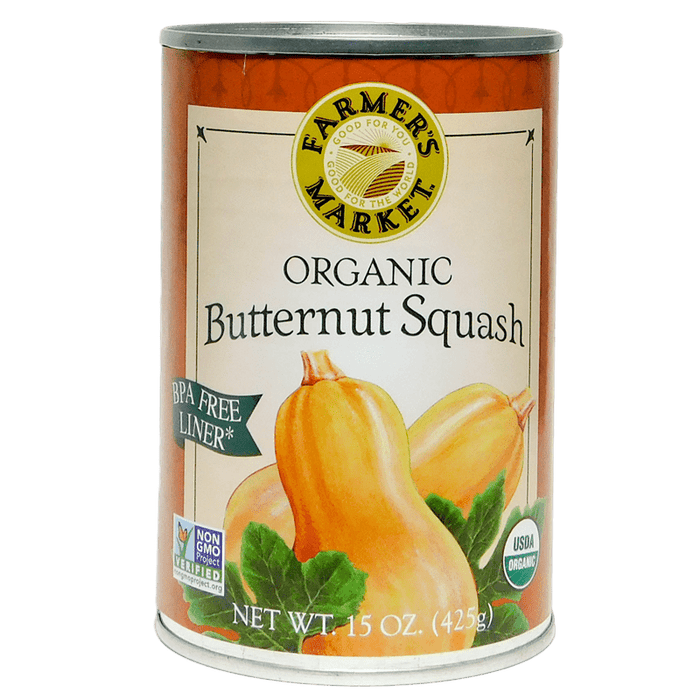
Featured Pantry Pick
Farmer's Market // Organic Butternut Squash 15 oz
$4.99
Is It Safe for Dogs to Eat Squash?
 Photo credit: Canva Pro
Yes, dogs can safely eat squash as long as it is cooked right and served plain. In small amounts, squash can be a healthy, low-calorie treat that supports digestion and general health. This vegetable is full of important minerals and vitamins that help keep your skin, eyes, and immune system healthy.
Adding small amounts of squash to your dog's food is good for them because it has fiber and natural antioxidants that help digestion and weight control.
Nutritional Value and Benefits of Squash for Dogs
When fed in moderation, squash is good for dogs' health in many ways. It has a lot of fiber, antioxidants, and vitamins that your body needs to stay healthy and fight off illness.
-
Vitamin A and C: Supports healthy vision and immune function; while dogs produce their own vitamin C, dietary sources may still provide antioxidant benefits.
-
Fiber: Helps maintain regular bowel movements and promotes digestive health.
-
Low calories: Ideal for dogs that need to lose weight or maintain a healthy weight.
-
Natural hydration: High water content helps keep dogs hydrated.
Adding squash to your dog’s food provides a nutritious boost without added sugar or fat, making it perfect for maintaining healthy digestion and weight balance.
Safe Ways to Prepare and Serve Squash
Before serving squash to your dog, proper preparation is important to ensure safety and nutritional value.
-
Cook squash: Steam, roast, or boil until soft.
-
Remove squash skin: Hard skin can be difficult for a dog’s body to digest.
-
Serve plain: Avoid oils, salt, or pumpkin pie filling.
-
Serve in moderation: Use bite sized pieces to prevent choking.
-
Add variety: Try acorn squash, butternut squash, or spaghetti squash as a healthy treat.
Cooked squash offers both flavor and nutrition, making it one of the safest vegetables to add to a dog’s bowl.
Is Squash a Laxative for Dogs?
 Photo credit: Canva Pro
Yes, cooked squash varieties such as butternut and acorn squash can aid bowel regularity due to their fiber content. These vegetables are high in fiber, which supports bowel regularity, though too much may cause loose stools. Like unsweetened pumpkin, squash may help mild digestive irregularities, though evidence is largely anecdotal.
But eating too much squash might make your stools loose or make your stomach hurt.
Fiber Content and Digestive Effects
-
High fiber: Promotes regular bowel movements.
-
Gentle effect: Helps dogs with sensitive stomachs.
-
Hydration: Moisture supports healthy digestion.
-
Immune function: Vitamins A and C strengthen the immune system.
-
Low fat: Reduces risk of digestive upset.
Proper Serving Amount for Digestion Support
The right serving size depends on your dog’s size and overall health.
-
Small dogs: One to two teaspoons of cooked squash.
-
Medium dogs: One to two tablespoons per meal.
-
Large dogs: Up to one quarter cup per serving.
-
Occasional treat: Serve squash two to three times per week.
-
Balanced diet: Use squash as a supplement, not a meal replacement.
Feeding squash in moderate amounts helps promote healthy digestion while maintaining a healthy weight.
What Is the Best Vegetable for a Dog?
 Photo credit: Canva Pro
Squash is one of the best vegetables for dogs to eat, offering numerous health benefits. It has a lot of fiber, vitamins, and antioxidants that are good for the skin, stomach, and immune system of the dog. Cooking squash softens its texture, making it easier for dogs to digest and absorb nutrients. You can serve boiled squash or steamed squash as a gentle, nutritious addition to your dog’s diet.
Carrots, sweet potatoes, green beans, and squash are all vegetables that are good for you. They can keep your dog's eyes healthy, boost his immune system, and keep him full without adding extra calories. However, not all squash varieties or preparations are suitable for dogs, so it’s best to introduce squash gradually and watch for any digestive sensitivities.
Vet-Approved Vegetables for Dogs
According to veterinarians, these vegetables offer health benefits similar to squash.
-
Carrots: Promote healthy teeth and provide beta carotene.
-
Green beans: Support weight control and provide fiber.
-
Sweet potatoes: Rich in vitamins A and C, promoting healthy digestion.
-
Broccoli: Adds antioxidants that support immune function.
-
Spaghetti squash: A soft, low calorie vegetable that supports digestive health.
Each vegetable can safely complement a dog’s diet when cooked and served in moderation.
Vegetables to Avoid in a Dog’s Diet
DON'T give your dog every kind of squash or vegetable. Some can make your stomach hurt or give you food allergies.
-
Raw squash: Hard to digest and may cause stomach upset.
-
Onions and garlic: Toxic to dogs and damage red blood cells.
-
Avocado: Contains persin, which is unsafe for most dogs.
-
Corn on the cob: Can block a dog’s digestive system.
-
Seasoned or fried vegetables: Add unnecessary fats and salt harmful to dogs.
Choosing the right vegetables and serving them properly helps ensure your dog’s food supports healthy digestion, strong immunity, and overall health.
Can a Dog Eat Raw Butternut Squash?
 Photo credit: Canva Pro
"Can dogs eat squash?" is a yes, but make sure you cook it first. Any kind of raw squash, like butternut squash, can be hard for a dog's stomach and may make them sick or make them throw up. When you cook it, it gets softer, which makes it easier for most dogs to digest and take in the vitamins.
Why Raw Squash Isn’t Recommended
-
Cook thoroughly: Steam, bake, or boil to soften the texture.
-
Remove skin and seeds: These parts are hard to digest and may cause a sensitive stomach.
-
Serve plain: Avoid adding butter, sugar, or salt to your dog’s food.
-
Offer in small portions: Too much squash can cause loose stools or digestive upset.
-
Mix with other vegetables: Combine with acorn squash, summer squash, or yellow squash for variety.
Cooking improves squash digestibility and makes nutrients more accessible, though some vitamins may slightly decrease with heat. When served plain and in moderation, cooked butternut squash can be a healthy treat that supports healthy digestion and immune function.
Healthier Cooking Alternatives for Safety
Adding cooked squash to a dog's diet is a great idea because it helps with digestion and keeps the dog's weight in check. This treat is low in calories and full of water, vitamins, and minerals that keep your dog healthy and energized.
-
Digestive support: The fiber in butternut squash helps maintain regular bowel movements and healthy digestion.
-
Nutrient boost: Provides vitamin C and beta carotene that support immune function and healthy vision.
-
Weight control: A low calorie treat that helps maintain a balanced diet for dogs that need to lose weight.
-
Tolerant for sensitive stomach: Gentle on digestion when cooked and served plain.
-
Overall health: Encourages a shiny coat, strong immune system, and good energy levels.
Dogs tolerate cooked butternut squash best when it’s soft, plain, and free of added seasonings.
What Does FullyHealthy.com Offer About Dogs and Squash?
Families can trust FullyHealthy.com to sell natural, clean foods that are good for them. Their focus on allergen-free and nutrient-dense options guarantees high-quality goods that are good for people and pets' health in many ways. Anyone who wants to know how to safely feed their pets squash or other natural foods can trust this source because they put safety and honesty first.
Two of their featured products have the same high nutritional value and purity standards you'd expect from high-end dog food, helping your dog stay healthy from the inside out.
Explore Healthy Dog-Safe Ingredients on FullyHealthy.com
-
Farmer's Market Organic Butternut Squash: To make this pure and organic butternut squash, no artificial or added ingredients are used. The vitamins and minerals in it are the same ones that make butternut squash a good treat for dogs. It's great for making squash-inspired recipes for your pet's food or treats because it's smooth and doesn't taste too strong.
-
One Whole Spaghetti Squash Vegetable Pasta: This product is made from spaghetti squash and has natural fiber and vitamins that help the digestive system and immune system work well. It shows how vegetables that haven't been changed much can be part of a healthy diet for both people and animals.
Why Natural, Additive-Free Products Matter for Pets
When dogs eat squash, FullyHealthy.com promotes the same idea: keep food simple, clean, and full of nutrients. Veterinarians say that dogs should eat foods that are low in fat, high in nutrients, and don't have any artificial ingredients. Pet owners should use the same philosophy when they safely feed squash to their dogs.
They should choose natural, healthy ingredients that are good for their dogs' health and well-being in the long run.
-
Safe ingredients: No added sugars, salt, or preservatives.
-
Nutrient quality: Rich in vitamin C and beta carotene for immune support and healthy vision.
-
Digestive health: Offers fiber to promote healthy digestion and a sensitive stomach-friendly formula.
-
Balanced nutrition: Encourages a healthy weight and supports overall dog’s health.
FullyHealthy.com shows that natural, minimally processed foods offer the same benefits of squash that pet parents look for in their dog’s diet—essential vitamins, digestive benefits, and long-term health support.
Final Thoughts
When it comes to squash, can dogs eat it safely? Yes—pet parents can safely serve squash to their furry friend as long as it’s cooked and served in moderation. This nutritious vegetable is packed with essential nutrients that promote healthy vision, support immune function, and maintain healthy skin.
Cooking helps soften the texture, making it easier for your dog’s body to process while improving your dog’s bowel movements naturally. Removing the squash skin before cooking is important, as it can be tough for dogs to digest and may reduce the nutritional benefits of the meal.Serve squash plain—without butter, sugar, or salt—to avoid an upset stomach.
Introduce it gradually so your dog feels comfortable and adjusted to the new food. Whether it’s butternut, acorn, or spaghetti squash, each type provides beneficial nutrients and makes a wholesome, low-calorie treat that supports your furry friend’s overall health and happiness.
FAQs
What kind of squash can dogs eat?
Dogs can safely eat cooked butternut, acorn, yellow, and spaghetti squash in small amounts.
Can dogs eat raw squash?
No, raw squash is difficult to digest and may cause stomach upset, so it should always be cooked first.
How much squash can dogs eat daily?
Start with one or two tablespoons for small dogs and up to a quarter cup for larger breeds.
What are the benefits of squash for dogs?
Squash supports digestive health, provides essential vitamins, and helps maintain a healthy weight.
Is squash safe for all dogs to eat?
Yes, squash can dogs eat safely when cooked and served plain, but always watch for allergies or digestive issues.
Leave a comment