

Can Pickles Expire? Learn How Long They Really Last
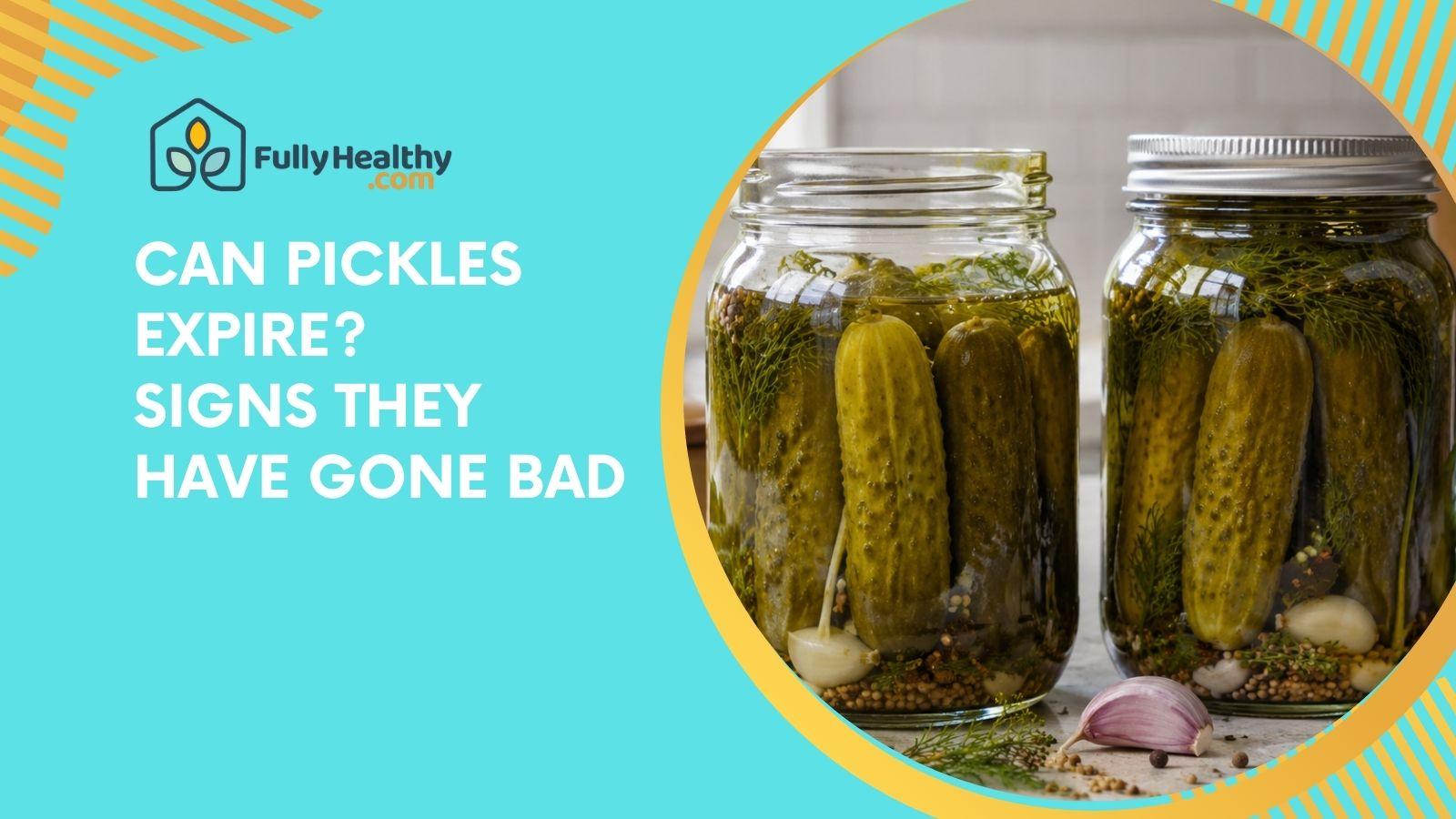
Can pickles expire? Yes, they can. Vinegar, salt, and brine help them last longer, but they do not keep pickles fresh forever. Shelf life depends on the type of pickle, whether the jar is open, and how it is stored.
This blog explains how long pickles last, how to spot spoilage, whether old jars are safe, and how proper storage can help protect taste, texture, and safety for your family.
Can Pickles Expire?
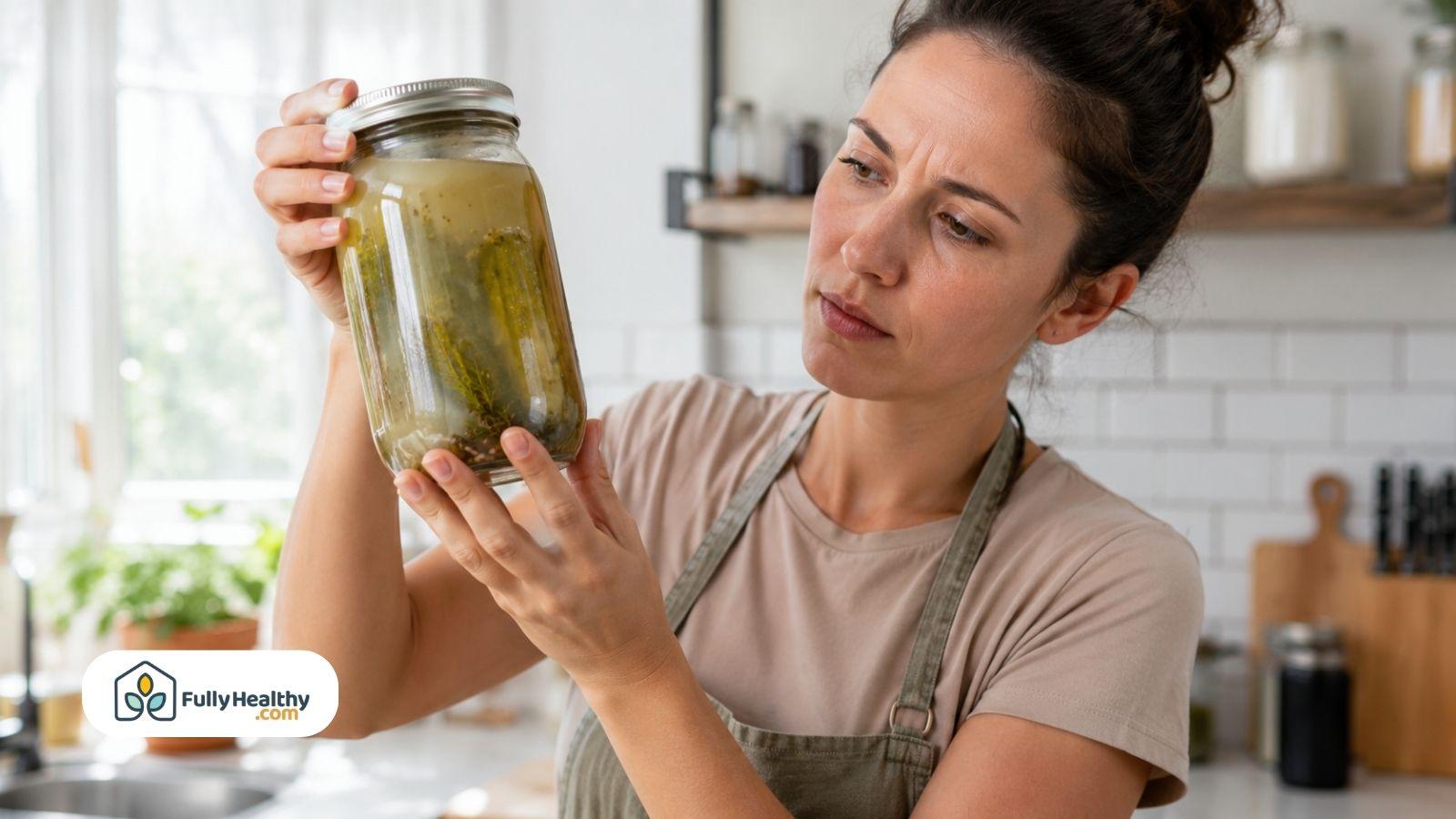
Do not rely only on a ‘Best By’ date, which generally indicates expected quality rather than a precise safety cutoff. The shelf life depends on the type of pickles, whether they are canned pickles, refrigerator pickles, homemade, or store-bought pickles.
Proper food preservation slows microbial growth, but improper storage, temperature extremes, or a damaged jar can still lead to spoilage. Even shelf-stable products should be checked before you eat them. Instead of relying only on the expiration date, always inspect the jar and its contents before deciding if they are safe to eat.
Why Can Pickles Expire Even When They Are Preserved?
Pickles are preserved using vinegar, salt, or natural fermentation, which helps slow the growth of harmful bacteria. However, these methods do not stop food from aging. Over time, the flavor, texture, and quality can change. Properly stored jarred pickles usually have a long shelf life, but they will eventually lose their best flavor and freshness.
-
Vinegar: When a tested recipe provides sufficient acidity, vinegar lowers pH and inhibits many pathogenic and spoilage microorganisms; vinegar strength and ingredient proportions should not be altered.
-
Salt: Salt controls microbial activity during fermented pickling and should not be reduced in fermentation recipes; in some tested quick-pickle recipes, salt mainly affects flavor and texture.
-
Properly Sealed: A sound vacuum seal helps prevent recontamination, but home-canned pickles are safe only when prepared and processed using a tested canning recipe.
-
Dark Place: Keep shelf-stable pickles in a cool, dark place away from direct sunlight and heat.
-
Best Texture: Pickles slowly lose their crisp texture as they age, even when stored correctly.
Can Pickles Expire Before The Date On The Jar?
Yes. The expiration date is a guide for quality, not a guarantee of safety. Pickles can go bad before that date if the jar is damaged, stored incorrectly, or contaminated after opening. Inspect the container for damage or spoilage, but remember that the absence of visible warning signs cannot confirm that improperly processed home-canned food is safe.
-
Bulging Lid: A swollen lid may be a sign of harmful bacteria or gas buildup. Throw the jar away immediately.
-
Temperature Extremes: Storing pickles in hot places can shorten their shelf life and affect their flavor.
-
Properly Stored: Opened pickles should be stored in the fridge with the lid tightly closed.
-
Maximum Freshness: Always use clean utensils to prevent contamination and keep pickles fresh longer.
How Do I Know If Pickles Have Gone Bad?
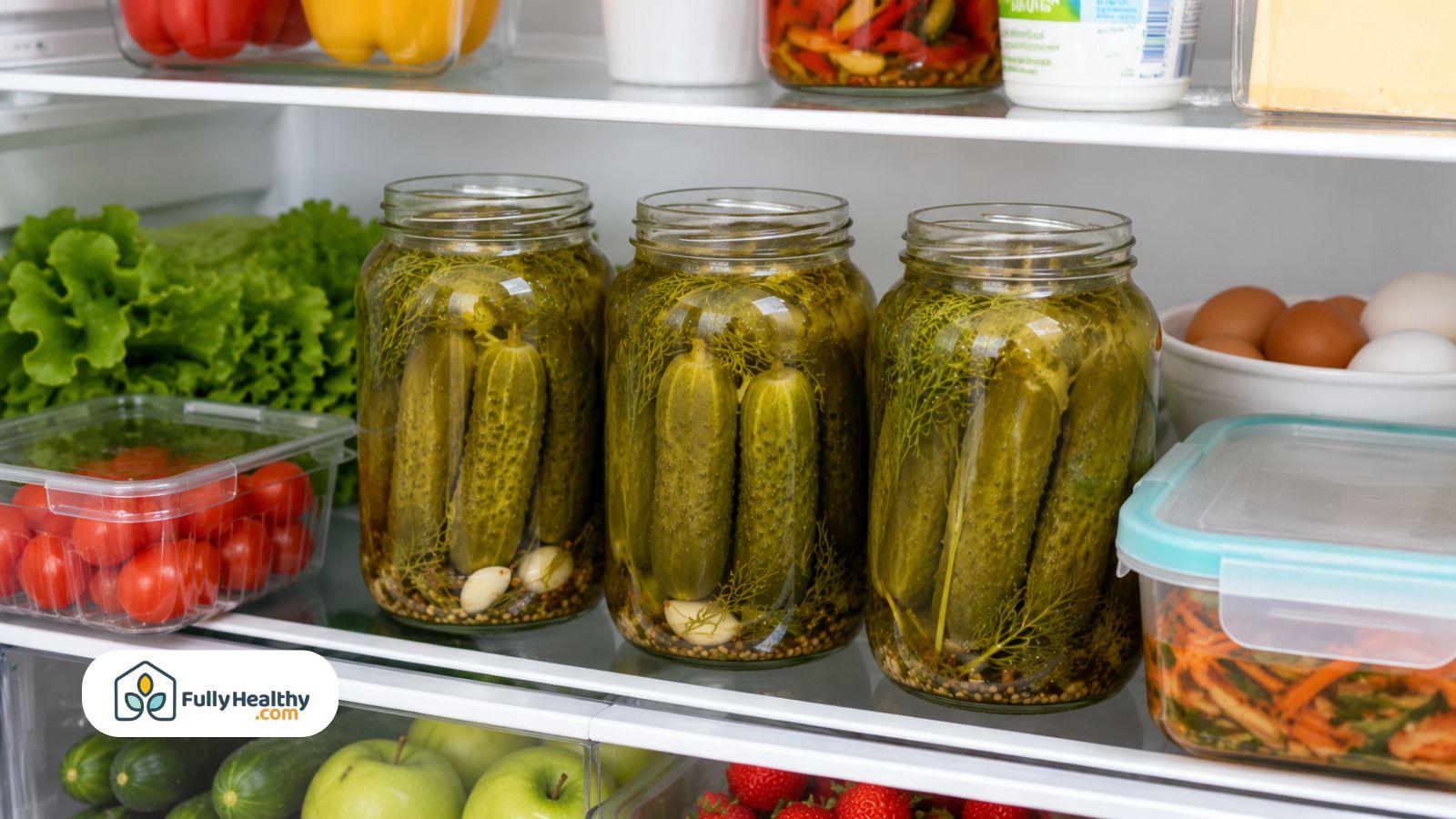
Some spoilage produces visible or sensory changes, but dangerous contamination—particularly in improperly canned foods—may not be detectable by appearance, smell, or taste. Most bad pickles show clear warning signs before they become unsafe to eat. Instead of depending only on the expiration date, check the appearance, smell, and texture every time you open the jar.
What Visual Signs Show That Pickles Have Gone Bad?
Start by looking closely at both the jar and the pickle brine. Visible mold, unusual off colors, leaking liquid, or a bulging lid are strong signs of spoilage. Whether the pickles are homemade or heat-processed, these warning signs should never be ignored.
-
Visible Mold: Mold on the pickles, lid, or inside the jar means the entire contents should be discarded.
-
Off-Colors: Unexpected discoloration can reflect quality changes or spoilage; evaluate it alongside the recipe, seal integrity, odor, mold, leakage, and other abnormalities.
-
Jar Condition: Cracks, leaks, or damaged seals can allow bacteria to enter and spoil the food.
-
Brine: Slimy brine is a spoilage warning. Cloudiness may be normal in fermented pickles, but unexpected cloudiness in a normally clear vinegar-pickle product should be assessed with other spoilage signs.
What Smell And Texture Changes Mean Pickles Are Spoiled?
A foul odor, mold, sliminess, leakage, or swelling warrants disposal. Softness may indicate quality deterioration, but never taste a product that appears spoiled or came from an improperly processed jar. If pickles smell rotten or have an unpleasant smell, do not eat them. A slimy surface, soft texture, or unusual flavor are also common signs that expired pickles have gone bad.
-
Smell: A foul or rotten smell is one of the easiest ways to tell if pickles are spoiled.
-
Texture: Sliminess warrants disposal; softness or mushiness usually indicates poor quality and should be evaluated with the seal, odor, brine, processing history, and other spoilage signs.
-
Taste: Never taste pickles that already show signs of spoilage.
-
Toss: When you notice several warning signs, discard the entire jar instead of taking a risk.
How Long Do Pickles Expire After Opening?
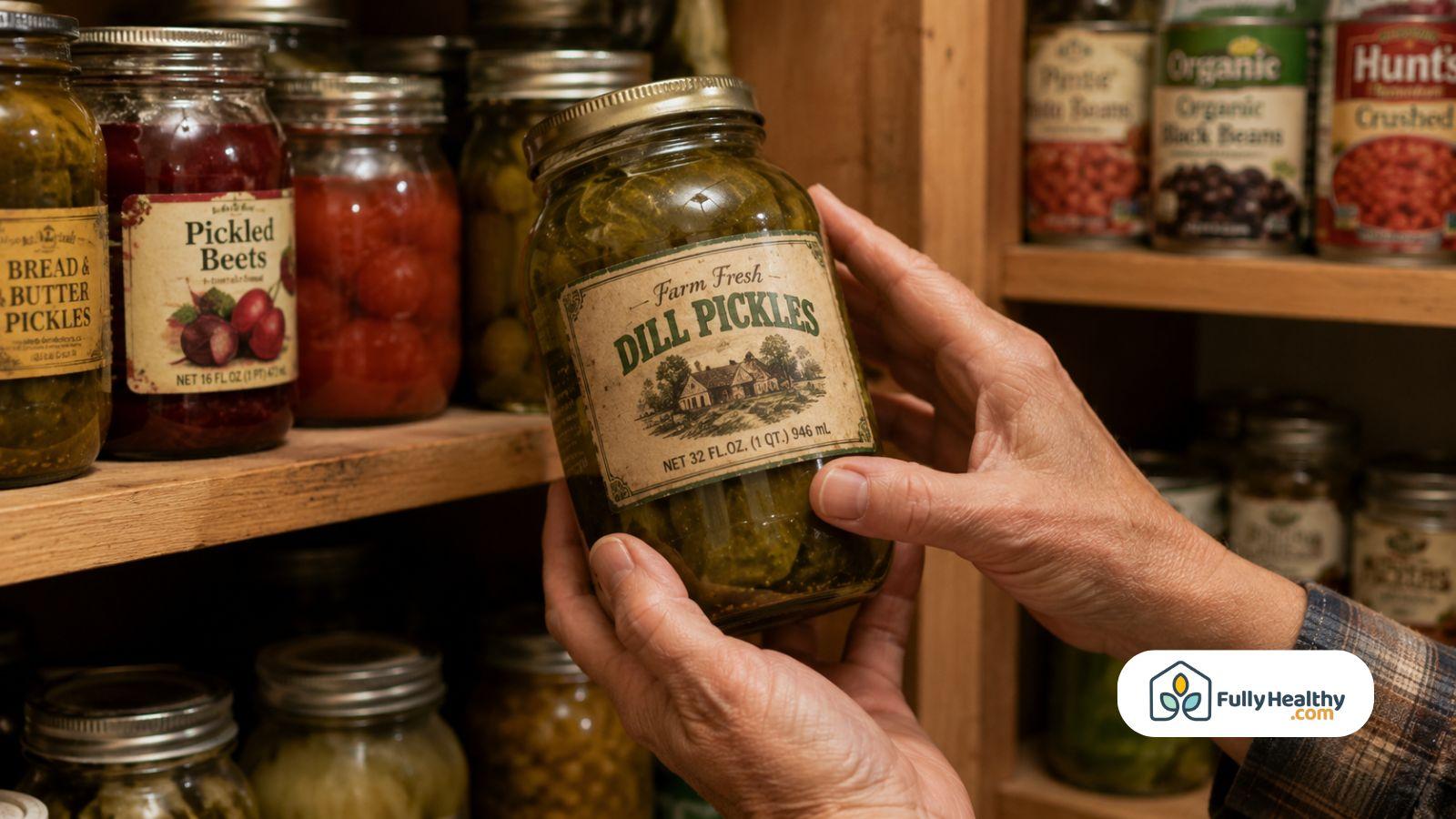
How long pickles last after opening depends on the type of pickles and how they are stored. Store-bought pickles generally last longer than homemade or refrigerator pickles because they are processed for a longer shelf life. To keep the best flavor and maximum freshness, opened pickles should be stored in the refrigerator with the lid tightly closed and the pickles fully covered by pickle juice.
How Long Do Fermented Pickles Last After Opening?
After fermentation is complete, refrigerate the pickles and follow the tested recipe or manufacturer’s storage guidance; quality duration varies with acidity, temperature, salt concentration, and handling. During this time, the sour flavor may continue to develop while the texture slowly becomes softer.
-
Cold Storage: Keep fermented pickles in a consistently cold refrigerator after every use.
-
Pickle Juice: Make sure the pickles stay fully covered in pickle juice to help maintain quality.
-
Clean Utensils: Always use clean forks or tongs to reduce contamination and keep the pickles fresh longer.
How Long Do Vinegar-Based Pickles Last After Opening?
Commercial vinegar-based pickles should be stored according to the label after opening. Unopened shelf life varies by product and manufacturer; use the package date as a quality guide and discard damaged or abnormal containers.
Unopened jars may remain shelf-stable for up to two years, depending on the manufacturer and storage conditions. Homemade refrigerator pickles usually have a shorter shelf life than commercially preserved products.
-
Refrigerator: Return opened jars to the refrigerator immediately after serving.
-
Pantry: Store unopened jars in a cool, dry pantry away from heat and direct sunlight.
-
Safe To Eat: Discard any pickles that show mold, a bulging lid, a bad smell, or other obvious signs of spoilage.
Can Pickles Last 10 Years?
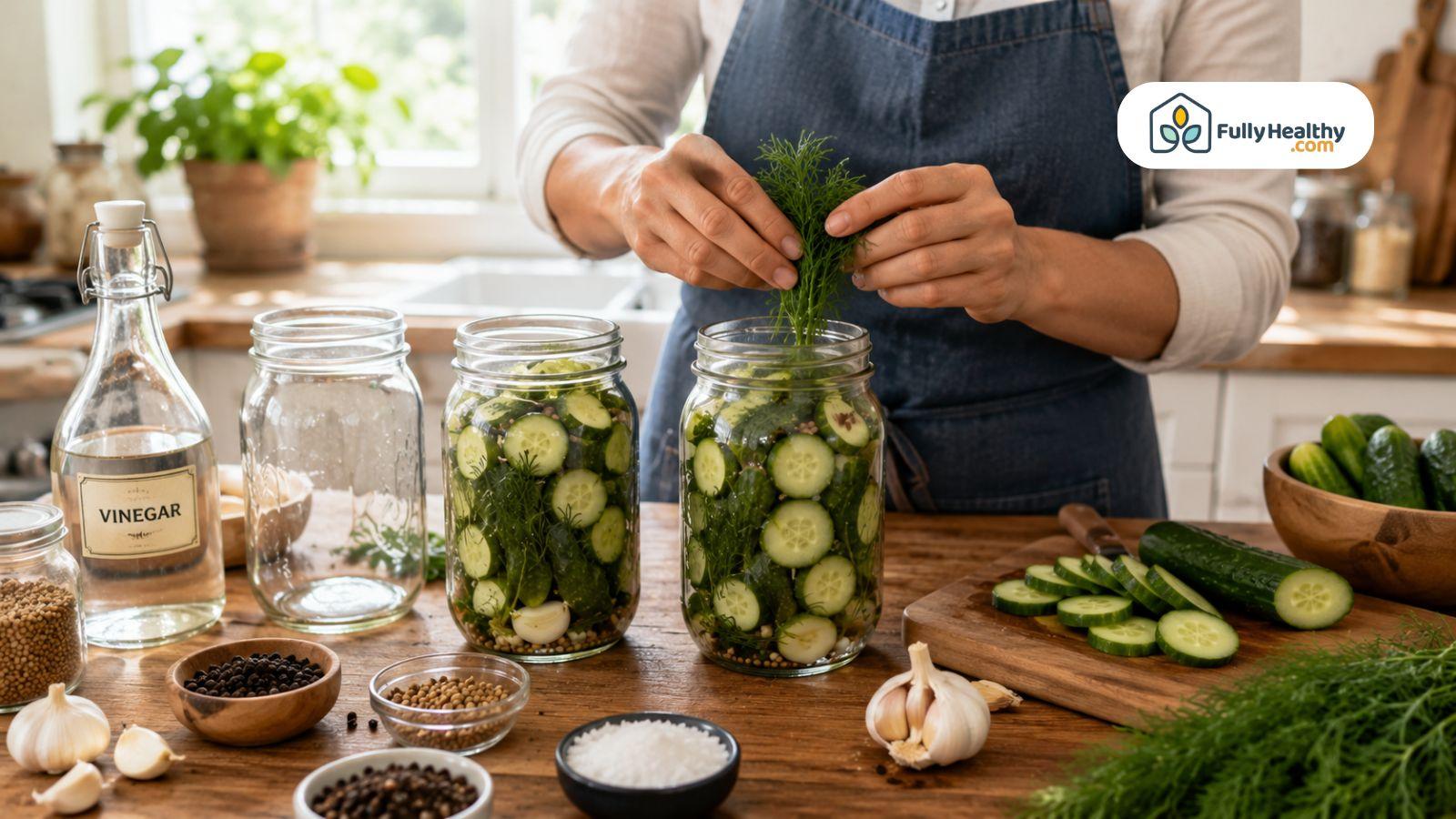
The answer depends on how the pickles were processed, sealed, and stored. Do canned pickles last 10 years? Food preservation is one of the oldest methods, but it does not make food last forever. Age alone cannot confirm the safety of preserved food products.
Can an Unopened Jar of Pickles Stay Sealed for 10 Years?
An unopened jar kept in a cool, dry place should be stored away from heat and moisture. However, long-term storage does not guarantee that the contents remain safe. For very old home-canned pickles, an uncertain processing history or storage conditions are sufficient reasons to discard the jar without opening or tasting it.
-
Seal Condition: The lid should be flat, tight, and free from leaks, rust, or swelling.
-
Storage Area: Keep jars away from sunlight, humidity, and changing temperatures.
-
Quality Check: Inspect for spoilage, but do not use appearance, smell, or taste to declare an old or improperly processed home-canned jar safe.
-
Best Practice: Follow the maker’s storage instructions.
Why Should You Avoid Eating 10-Year-Old Pickles?
Very old pickles may no longer taste good, even when sealed. Over time, they can become soft, dull, or unpleasant. If there are signs that the pickles go bad, throw the jar away. No snack is worth the risk of foodborne illness.
-
Warning Signs: Discard jars with mold, leakage, loss of seal, swelling, spurting liquid, foul odor, or unexpected cloudiness in a product that should normally remain clear.
-
Flavor Changes: Old pickles may lose crunch and develop an unpleasant taste.
-
Safety First: Discard the jar if it smells strange or the seal looks damaged.
-
Storage Reminder: Rotate pantry items and use older jars first.
How Can Fully Healthy Help You Shop for Specialty-Diet Foods?
Shopping for specialty foods can take time, especially for people with allergies or strict diets. Fully Healthy brings many products together in one online store. Its collections support shoppers seeking gluten-free, allergen-friendly, and Autoimmune Protocol options. This setup may improve the brand experience by making suitable products easier to find.
How Can FullyHealthy Simplify Specialty-Diet Shopping?
Fully Healthy groups products by diet and category, helping shoppers browse faster. The site includes AIP Elimination, AIP Reintroduction stages, snacks, breakfast foods, seasonings, bundles, and personal care products. This may save time compared with searching stores or checking every refrigerated section.
-
Easy Navigation: Browse by diet, product type, or collection.
-
Helpful Collections: Find products grouped around specialty-diet needs.
-
Convenience: Shop online without visiting several stores.
-
Label Awareness: Check ingredient lists because dietary needs differ.
Which Verified Fully Healthy Products Can Support a Specialty Pantry?
Verified products include Big Tree Farms Organic Brown Coconut Sugar, Bob’s Red Mill Organic Coconut Sugar, Coombs Family Farms Organic Maple Sugar, Coombs Family Farms Organic Maple Syrup, Date Lady Date Sugar, and EAT G.A.N.G.S.T.E.R. baking mixes. These options help shoppers stock pantry items that fit their eating plan.
-
Natural Sweeteners: Choose coconut sugar, maple sugar, maple syrup, or date sugar.
-
Baking Mixes: Options include sugar cookie, banana bread, and brownie mixes.
-
Specialty Pantry: Use verified products to build a suitable pantry.
-
Official Store: FullyHealthy identifies itself as the official store for Wild Zora products.
Final Thoughts
Pickles can expire, even though vinegar, salt, and brine help them last longer. Store opened jars in the refrigerator, keep the pickles covered with brine, and use clean utensils. Throw them away if you notice mold, a bulging lid, leaks, slime, or a foul smell. When the safety of an old jar is uncertain, replacing it is safer than tasting it.
FAQs
Is It Safe to Eat Expired Pickles?
Commercial pickles past a quality date may remain usable if continuously stored as directed and the container is intact, but sensory checks cannot verify the safety of improperly processed home-canned pickles.
What Is the 3-2-1 Rule for Pickles?
The ‘3-2-1’ ratio is an informal recipe convention, not a validated canning-safety rule. For shelf-stable pickles, use a tested recipe and vinegar of the specified acidity without changing the vinegar-to-water ratio.
Are 2-Year-Old Pickles Safe to Eat?
Unopened commercial pickles may retain quality beyond their package date when properly stored, but shelf life is product-specific; follow the manufacturer’s date and storage instructions.
When Should You Throw Out Pickles?
Throw out pickles when the lid is bulging, the jar leaks, mold appears, the brine becomes unusually slimy, or the contents develop a rotten smell.
What Are the Signs of Spoilage in Pickles?
Common signs of spoilage include visible mold, foul odors, unusual discoloration, slimy brine, mushy texture, leaking jars, and swollen lids.
Leave a comment