

Can You Freeze Carrots? Best Storage Tips
 Photo credit: Canva Pro
Carrots may be frozen, and this is one of the greatest ways to extend their shelf life. To preserve their nutrients, color, and flavor, proper preparation is essential. Carrots can avoid becoming mushy and losing their firmness by blanching them before freezing.
Carrots that are properly frozen keep fresh for months and cut down on food waste, whether they are used in soups, stews, or regular meals.
Featured Pantry Pick
KC Natural // Carrot Marinara Paleo Pasta Sauce - 16 oz
Loading...
What Is the Best Way to Freeze Carrots?
 Photo credit: Canva Pro
Yes, you can freeze carrots, and if you do it correctly, you can preserve their nutrients and flavor for up to a year. Vitamins abound in fresh carrots, and freezing them is a clever approach to prevent waste. Being well-prepared is the key to success.
Blanching carrots before freezing guarantees that they will remain firm and tasty when thawed, regardless of whether you're storing sliced, shredded, or whole carrots.
Step-by-Step Freezing Guide
Before you begin, gather your tools: a large pot for boiling water, a slotted spoon, an ice bath or bowl of cold water, and airtight containers or plastic bags. Follow these easy steps for the best quality results:
-
Wash and peel: Use a brush to remove dirt and rinse under cold water. Peel if desired, then pat dry with kitchen paper.
-
Chop or slice: Cut into your preferred shape—rounds, sticks, cubes, or even shredded carrots. Smaller pieces freeze faster and thaw evenly.
-
Blanch: Drop the carrots into boiling water. Blanch sliced carrots for 2–3 minutes and whole or baby carrots for about 5 minutes. This short cooking process locks in color and nutrients.
-
Cool quickly: Transfer carrots to an ice bath for 2–3 minutes to stop the cooking process.
-
Drain and dry: Remove excess moisture using a towel or kitchen paper before freezing. Excess water can cause ice crystals and ruin the texture.
-
Freeze: Arrange carrots in a single layer on a baking tray to prevent sticking, then freeze until frozen solid.
-
Store: Once firm, transfer to plastic bags, remove excess air, and label with the date.
This method helps preserve taste and flavor, giving you convenient frozen carrots for soups, stews, and other cooked dishes whenever you need them.
How Blanching Preserves Texture and Nutrients
Although optional, blanching is strongly recommended to help preserve flavor, texture, and color during freezing. Enzymes that cause unblanched carrots to lose their flavor and become rubbery are stopped by the brief boil and cold stage.
-
Prevents discoloration: Keeps the bright orange color of fresh carrots.
-
Stops spoilage: Reduces enzyme activity that contributes to texture and flavor loss during storage.
-
Improves flavor: Keeps natural sweetness, even after freezing.
-
Protects texture: Keeps carrots firm for stir fry, soups, and casseroles.
-
Saves nutrients: Locks in vitamins that get lost with long storage or improper freezing.
If you plan to cook them later in a pan with butter, toss them into soups, or add to baked dishes, blanching guarantees a better texture and richer flavor.
What Happens if You Freeze Carrots Without Blanching Them?
 Photo credit: Canva Pro
Although it may seem simpler, freezing raw or unblanched carrots does not yield the best results. Enzymes remain active without blanching, which results in a soggy texture, light hue, and lost flavor. Raw, unblanched carrots should only be frozen for short-term use (within 2–3 months) in soups or stews.
Why Unblanched Carrots Lose Quality
Skipping blanching lets enzymes and moisture interact, which breaks down cell walls inside the carrots. When thawed, they turn limp or mushy.
-
Shorter lifespan: Lasts about 2–3 months unblanched, compared to 8–12 months for blanched carrots.
-
Texture changes: Becomes soft or watery after defrosting.
-
Taste loss: Loses natural sweetness and crispness.
-
Color fading: Appears dull orange instead of vibrant.
-
Storage risk: More prone to bacterial growth from trapped moisture.
If you choose to freeze raw carrots, use them quickly and review recipe instructions before adding them directly to cooked dishes like soups or stews.
When Freezing Raw Carrots Can Still Work
If you need carrots for smoothies or baked goods, you can still freeze slices or shreds for a few weeks.
-
Freeze shredded carrots: Spread evenly on a baking tray, freeze until solid, then move to bags.
-
Avoid clumping: Separate layers with parchment paper.
-
Quick use: Best for adding to muffins, pancakes, or sauces.
-
Flavor boost: Mix with butter, salt, or more veggies when cooking.
-
Review recipe ratings: Adjust cook time slightly, since raw frozen carrots soften faster.
For long-term freezing or for use in stir fry or casseroles, blanching first always produces the best quality.
Why Don’t Carrots Freeze Well?
 Photo credit: Canva Pro
Carrots can be frozen, but due to their high water content, ice crystal formation during freezing can rupture cell walls, leading to texture loss. Excess water crystallizes into ice when it freezes, damaging the structure. This results in watery or soft textures once thawed.
The Role of Moisture and Cell Damage
Ice expands inside the carrot's cells after freezing, causing them to burst. As a result, when frozen carrots thaw, they lose their hardness.
-
Water content: The more moisture, the greater the risk of damage.
-
Improper drying: Not draining or drying well before freezing leads to sticking and sogginess.
-
Storage mistakes: Overfilled bags or trapped air reduce freezing efficiency.
-
Temperature swings: Fluctuating freezer temperatures speed up ice crystal growth.
-
Defrosting: Rapid defrosting can make carrots mushy—add them directly to cooking instead of thawing first.
How to Prevent Freezer Burn and Sogginess
Preventing texture issues is easy with careful preparation and storage.
-
Flash freeze: Spread carrots on a single layer baking tray first to avoid clumping.
-
Use airtight containers: Remove excess air from plastic bags before sealing.
-
Label and date: Helps you track storage time for the required recipe ratings.
-
Avoid refreezing: Once thawed, don’t refreeze—cook immediately in your pan, pot, or bowl.
-
Thawing tip: Skip the refrigerator; add frozen carrots directly into soups, stews, or fish dish for better taste.
When frozen correctly, carrots retain their great flavor and nutrition even though they may melt a little. When it comes to meal preparation, frozen blanched carrots are a great way to cut down on waste and increase cooking efficiency.
Do Carrots Taste Good After Freezing?
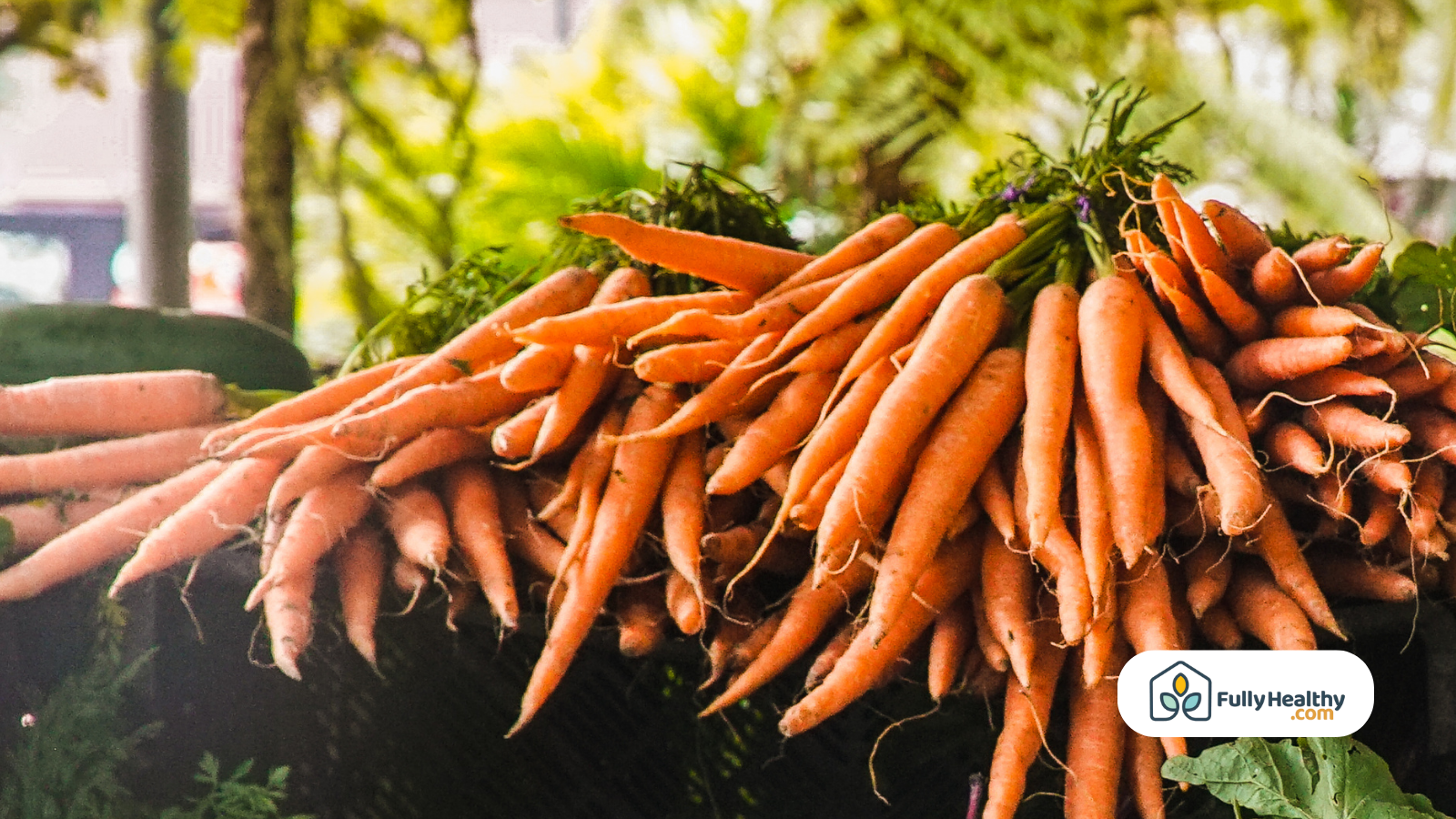 Photo credit: Canva Pro
Can you freeze carrots and still enjoy their flavor later? This is a common question. Yes, if you properly prepare them. When blanched and kept correctly, frozen carrots can retain their inherent sweetness and texture.
They are ideal for adding to cooked foods because the blanching and freezing processes preserve their flavor, nutrition, and color. The secret is to employ the proper cooking method whether you use sliced, whole, or blanched carrots.
Flavor Changes After Thawing
Frozen carrots won’t taste identical to fresh ones, but they can still be delicious in your favorite recipe when handled with care.
-
Proper blanching: Drop carrots in boiling water for 2 minutes, then cool them in ice water to lock in sweetness.
-
Dry thoroughly: After blanching, ensure proper drying before placing them in containers to prevent freezer burn.
-
Season lightly: Add a pinch of salt or butter when you cook to enhance flavor.
-
Avoid overcooking: Toss them into a pan straight from the freezer instead of defrosting to keep the best quality.
-
Storage tip: Store in airtight containers in the freezer for up to a year for fresh-tasting carrots.
Carrots maintain their flavor when frozen properly and are best used in cooked dishes like soups, stews, or roasted meals where slight softness is acceptable.
Best Dishes to Use Frozen Carrots
Frozen carrots are incredibly versatile and can be added directly to many foods without thawing.
-
Soups and stews: Drop them into the pot straight from the freezer.
-
Stir fry: Cook them in a pan with oil and other vegetables for a colorful dish.
-
Baked meals: Mix into casseroles or roast them with salt and herbs.
-
Smoothies: Blend frozen carrots for a nutrient-packed drink.
-
Homemade sauces: Add pureed carrots to pasta or curry for natural sweetness.
Freezing carrots correctly ensures they taste great and are always ready for quick, healthy meals.
What Does FullyHealthy.com Offer About Freezing or Storing Carrots?
A variety of carrot-based dishes on FullyHealthy.com demonstrate the nutritional value and versatility of carrots. These goods show that there are numerous easy ways to savor the flavor of carrots, whether they are dried, cooked, or frozen.
Healthy and Convenient Carrot-Based Products
FullyHealthy offers creative carrot-inspired items that fit clean eating and allergen-free lifestyles.
-
KC Natural Carrot Marinara Paleo Pasta Sauce: Made from carrots and vegetables, this sauce is perfect for pasta or roasted dishes.
-
Wild Zora Instant Soup Savory Beef with Beets, Cabbage & Carrots: A nourishing soup mix that captures the natural flavor of carrots.
-
Wild Zora Instant Grain-Free Hot Cereal Carrot Cake: A warm, healthy breakfast that uses real carrots for sweetness and nutrition.
-
Wild Zora Instant Soup French Lentil with Carrot, Onion & Celery: Packed with wholesome vegetables, great for quick meals.
How FullyHealthy Supports Clean Eating
FullyHealthy promotes foods that preserve freshness and flavor while avoiding artificial additives.
-
Focus on quality: Products are made from natural vegetables with no preservatives.
-
Convenience: Ready-to-eat meals that save cooking time.
-
Healthy storage: Items stay fresh without the need for a freezer or refrigerator.
-
Wholesome ingredients: Perfect for anyone who values nutritious food options.
These products show that whether you freeze carrots or buy carrot-based meals, you can still enjoy their flavor, texture, and nutritional benefits every day.
Final Thoughts
Making the most of your veggies is simple and convenient when you freeze carrots. Proper preparation keeps carrots fresh and delicious for months, whether you're storing whole carrots, blanched slices, or even cooked and cut carrots.
Simply add a handful of frozen carrots to soups, casseroles, or roasted foods to instantly improve any meal. Remember to comment something about your favorite recipe combinations or share your results the next time you freeze carrots.
FAQs
Can you freeze cooked carrots?
Yes, cooked carrots can be frozen after cooling completely and storing in airtight containers to maintain texture and flavor.
How long do frozen carrots last in the freezer?
They maintain best quality for up to 12 months if properly blanched, dried, and sealed before freezing.
What’s the best way to thaw frozen carrots?
Add them directly to soups or stir-fry dishes, or thaw in the refrigerator for a few hours before cooking.
How can I keep carrots from turning mushy after thawing?
Dry them well before freezing and avoid overcooking when reheating to preserve texture.
How can I use a handful of frozen carrots in meals?
Toss a handful into stews, salads, or rice dishes for an easy nutrient boost and extra flavor.
Leave a comment