

Do Pasta Have Fiber? The Best Options for a Healthy Diet
Do pasta have fiber? Yes, all pasta contains some fiber, but the amount depends on the type you eat. Whole wheat pasta and legume-based pastas usually provide more fiber than refined white pasta, making them a smarter choice for a healthy diet.
Keep reading to learn which pasta offers the most fiber, how it compares with rice, and how to make healthier pasta meals without giving up your favorites.
Do Pasta Have Fiber?
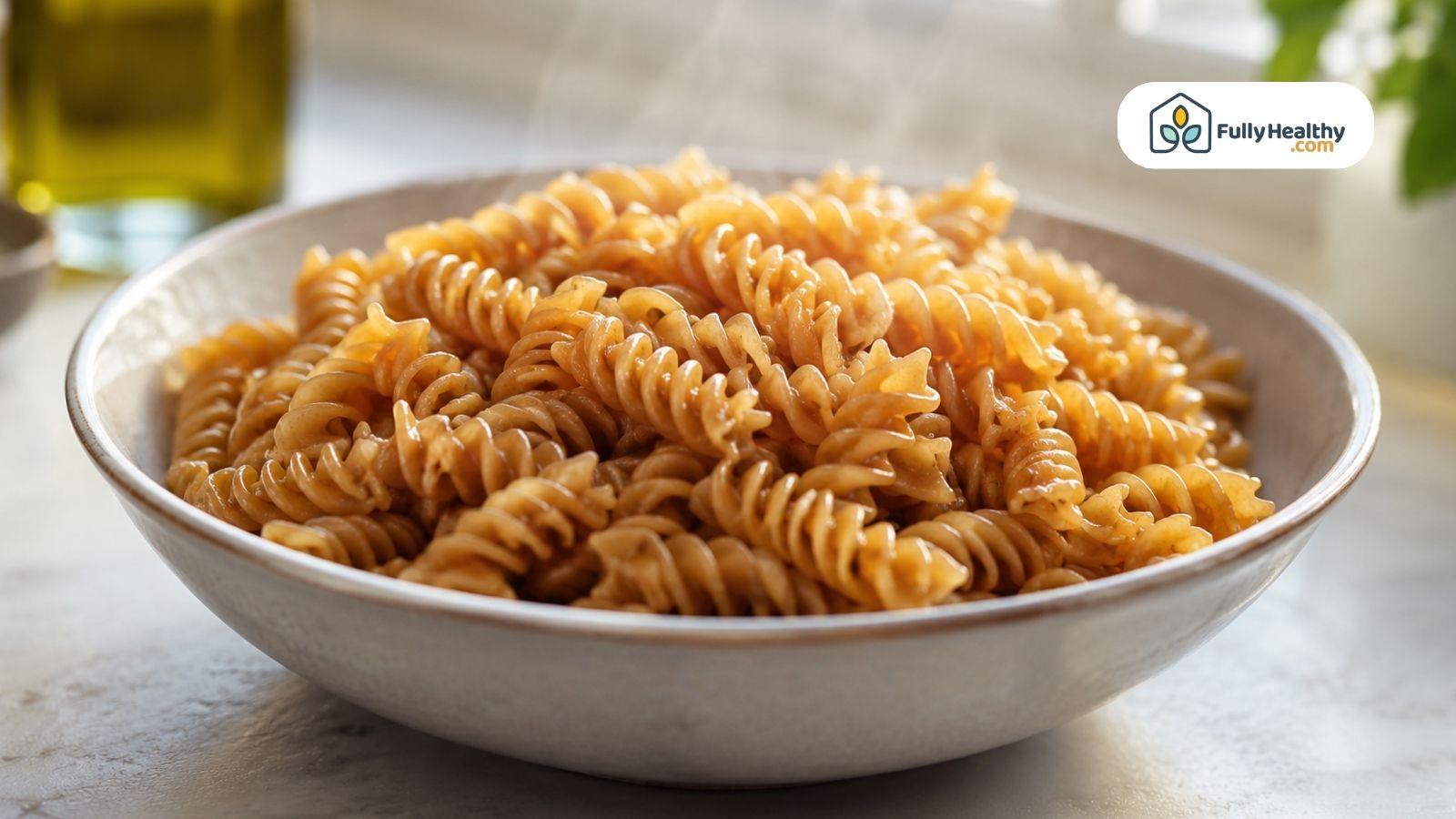
Pasta contains some fiber, but certain types are naturally higher than others. Whole wheat and bean-based pasta are among the best choices.
Fiber Content in Different Types of Pasta
Yes, do pasta have fiber? All pasta contains some fiber, although the amount varies by ingredients and processing. A cup of cooked refined pasta generally contains about 2 to 3 grams of fiber, while one cup of cooked whole wheat spaghetti provides about 6 grams because it keeps the bran layer of the grain.
Fiber is a carbohydrate the body cannot digest. It helps support digestion, regulate blood sugar, and keep you feeling full.
| Pasta Type | Fiber per Cooked Cup | Key Details |
|---|---|---|
| Refined Pasta | About 2.5 g | Made from refined wheat flour with much of the bran removed. |
| Whole Wheat Pasta | About 6 g | Keeps the bran and naturally contains more fiber. |
| Enriched Pasta | About 2–3 g | Iron and B vitamins are added back, but not all the fiber is restored. |
| Legume-Based Pasta | Varies by brand (often 8–15 g) | Made from chickpeas, lentils, or beans and generally provides the highest fiber and protein. |
What Affects Fiber Content in Pasta
The amount of fiber in pasta depends on the flour used, how much of the grain is retained, and the ingredients added during production. Whole grain pasta and legume-based pastas naturally contain more fiber than refined pasta because they include more of the original grain or use beans instead of refined wheat.
-
Whole Grains: Keeping the bran increases fiber and preserves many of the grain's most micronutrients.
-
Legume-Based Pastas: Chickpea, lentil, and bean noodles usually provide more fiber and protein than traditional wheat pasta.
-
Durum Wheat: Traditional pasta made from durum wheat still contains some fiber, although less than whole wheat pasta.
-
Gluten-Free Choices: Pasta made from cassava, rice, or other gluten free ingredients may contain different amounts of fiber depending on the recipe.
-
Special Diets: People with celiac disease or gluten sensitivity should choose certified gluten free pasta to avoid gluten while still enjoying a satisfying meal.
Which Pasta is Highest in Fiber?
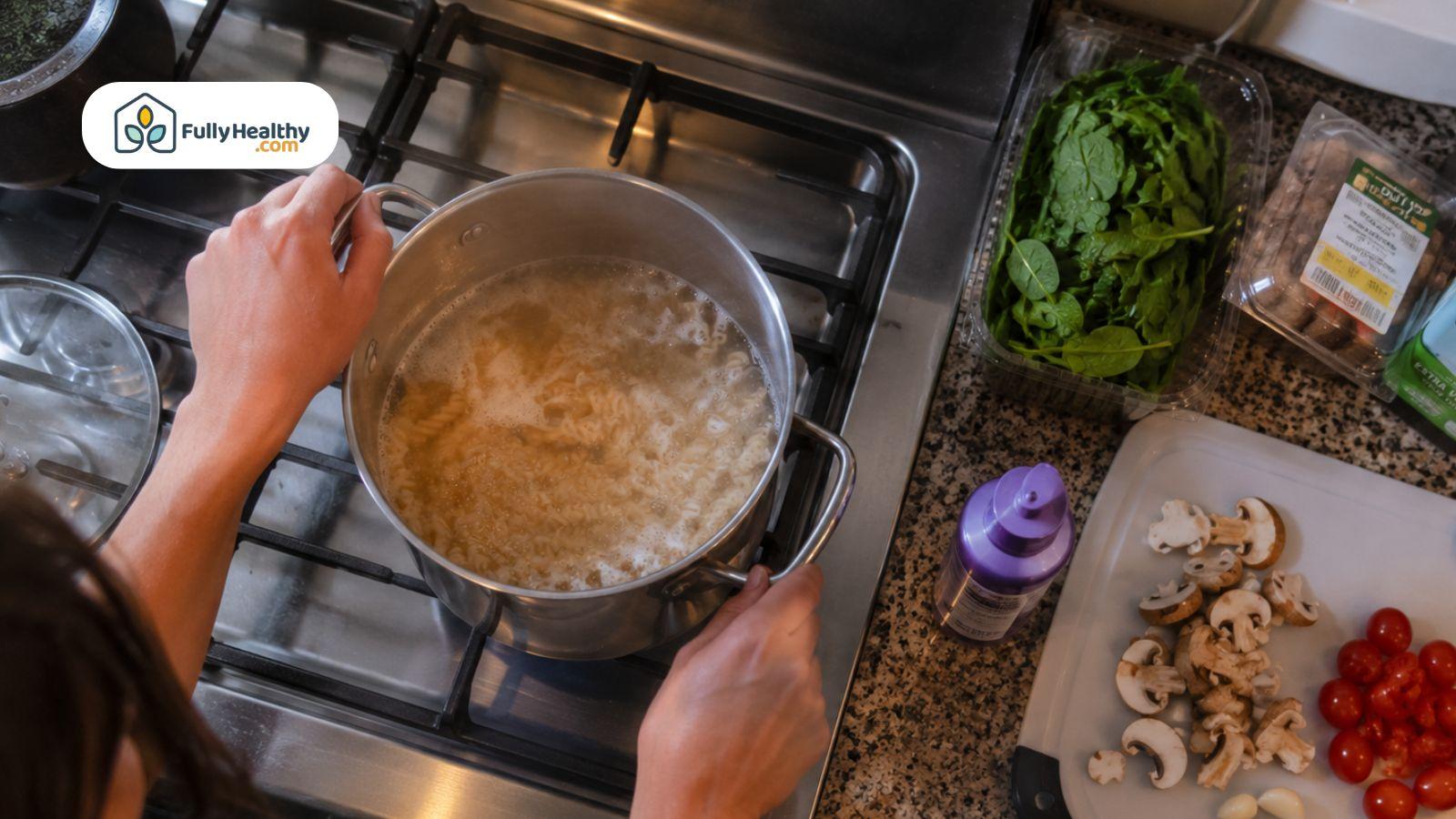
Not all pasta contains the same amount of fiber. The ingredients used can make a significant difference, especially if you're choosing pasta to support a healthy diet or increase your fiber intake.
High-Fiber Pasta Options Compared
Legume-based pastas generally contain the most fiber, followed by whole wheat pasta, while refined pasta contains the least. Exact amounts vary by brand and serving size, so checking the nutrition label is the best way to compare products.
-
Bean-Based Pasta: Pasta made from beans, chickpeas, or lentils is usually the highest in fiber and protein.
-
Whole Wheat Pasta: Made with whole wheat flour, it contains more fiber than white pasta because it keeps the bran and other nutrients found in whole grains.
-
Traditional Wheat Pasta: Pasta made from refined wheat flour still contains some fiber, but much less than whole grain pasta.
-
Serving Size: Compare nutrition using one cup or the recommended serving size because fiber content changes with portion sizes.
-
Nutrition Labels: Brands may use different recipes, so always compare the fiber, protein, calories, and carbohydrates listed on the package.
Choosing the Right High-Fiber Pasta
The best pasta depends on your dietary needs, taste preferences, and cooking plans rather than fiber alone. Texture, protein content, gluten, and the type of pasta dish you are making can all influence the better choice.
-
For More Fiber: Whole wheat spaghetti and other whole grain pasta varieties are good everyday options for increasing fiber.
-
For Higher Protein: Legume based pastas provide extra protein while also delivering satiety boosting fiber that may help you feel fuller after a meal.
-
For Gluten Free Diets: People with celiac disease or gluten sensitivity should avoid gluten and choose certified gluten free pasta made from ingredients such as chickpeas, lentils, rice, or cassava.
-
For Familiar Texture: Traditional wheat pasta often has the classic taste and texture many people enjoy in cooked spaghetti and other noodles.
-
For Healthy Pasta Dishes: Add broccoli, bell peppers, zucchini, mushrooms, chicken, beans, and a flavorful sauce to create balanced meals with more nutrients.
Which Has More Fiber, Pasta or Rice?
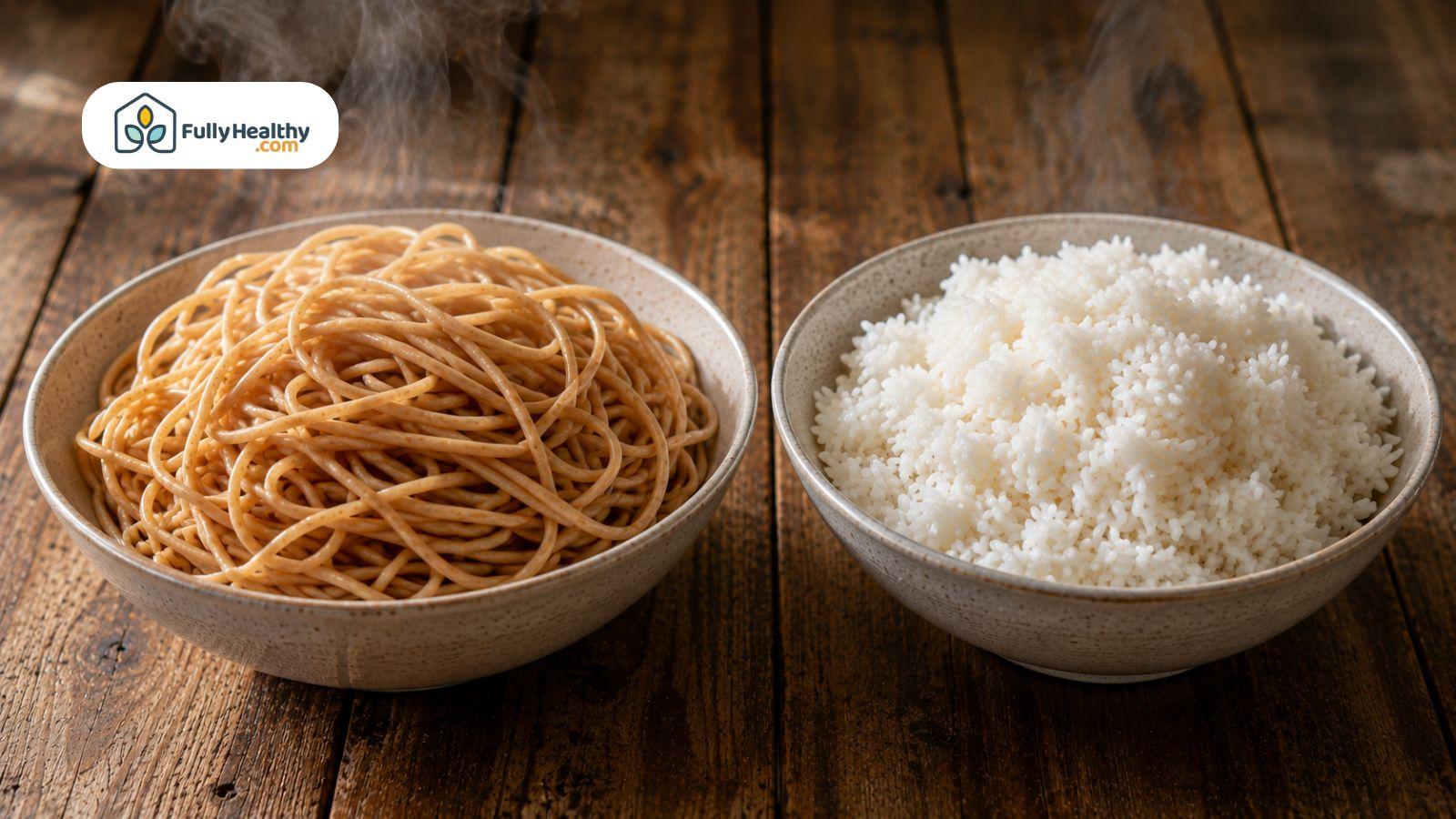
Pasta and rice can both fit into a healthy diet, but their fiber content depends on the type you choose. Comparing white and whole grain versions gives a clearer picture than comparing all pasta with all rice.
Fiber Comparison Between Pasta and Rice
Whole wheat pasta provides about 6 grams of fiber per cooked cup, compared with about 3.5 grams in brown rice. White pasta contains about 2.5 grams, while white rice has about 0.6 grams.
-
White Pasta vs White Rice: One cup of cooked white pasta provides about 2.5 grams of fiber, while one cup of cooked white rice contains about 0.6 grams.
-
Whole Wheat Pasta vs Brown Rice: One cup of cooked whole wheat pasta contains about 6 grams of fiber, compared with about 3.5 grams in one cup of cooked brown rice.
-
Refined Carbs: White pasta and white rice are refined grains because much of the bran and germ are removed during processing.
-
Whole Grains: Whole wheat pasta and brown rice retain more fiber, iron, B vitamins, and other nutrients than refined versions.
-
Better Choice: Whole grain options are generally more nutritious, but the healthiest choice also depends on your overall meal and portion size.
Nutrition Differences Beyond Fiber
Fiber is only one part of the nutrition picture because protein, carbohydrates, cooking method, and serving size also matter. Cooking pasta al dente may produce more resistant starch than overcooked pasta, which can help slow the rise in blood sugar after eating.
-
Protein: Pasta generally contains more protein than rice, helping support a balanced meal.
-
Blood Sugar: Pairing cooked pasta with vegetables, cheese in moderation, lean chicken, or beans can help create a more balanced pasta dish.
-
Satiety: Meals that combine fiber, protein, and healthy foods may help you feel fuller for longer.
-
Portion Sizes: Eating appropriate portion sizes is important for managing calories and supporting weight goals if you are trying to lose weight.
-
Healthy Diet: No single food determines your health. Choosing whole grains, vegetables, quality protein, and balanced meals has a greater impact than comparing pasta and rice alone.
What is the Healthiest Carb to Eat?
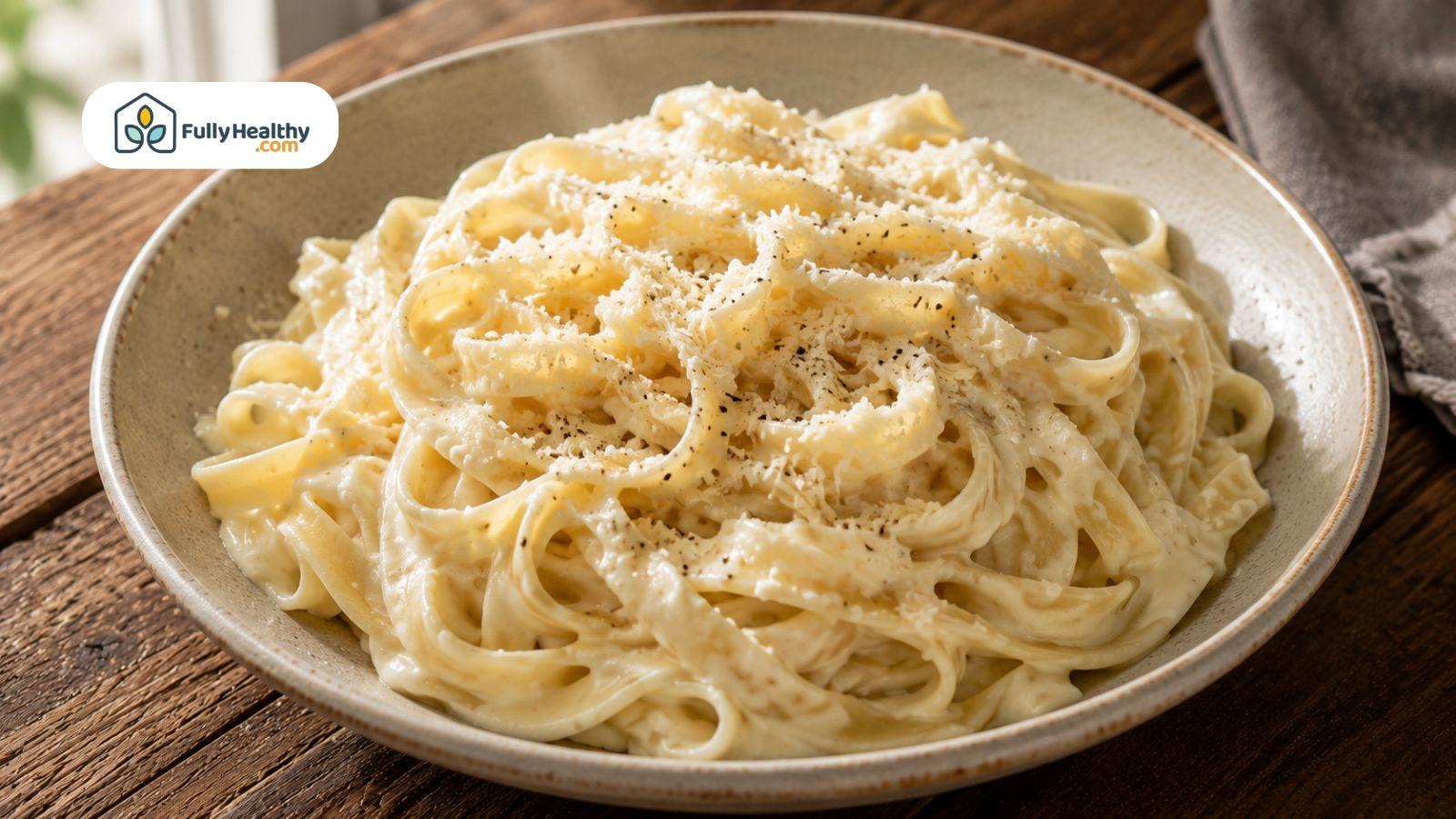
There is no single healthiest carbohydrate for everyone. The best choices are minimally processed carbohydrates that provide fiber, vitamins, minerals, and other nutrients while fitting into your overall healthy diet.
Characteristics of Healthy Carbohydrates
Healthy carbohydrates come from whole foods that naturally contain fiber and nutrients. According to public health guidance, foods like whole grains, vegetables, fruits, beans, and legumes are healthier choices than refined carbs because they provide more nutrition in every serving.
-
Whole Grains: Choose oats, brown rice, quinoa, barley, and whole wheat bread or pasta for more fiber and nutrients.
-
Fiber: Foods such as apples, pears, berries, broccoli, carrots, beans, and lentils help support digestive health and regular bowel movements.
-
Minimally Processed Foods: Sweet potatoes, black beans, chickpeas, lentils, quinoa, and fresh fruit provide carbohydrates along with protein, vitamins, and minerals.
-
Refined Carbs: White bread, white rice, refined pasta, pastries, and sugary cereals contain less fiber because much of the bran is removed during processing.
-
Balanced Nutrition: Fill your plate with whole grains, vegetables, fruit, legumes, and lean protein instead of relying mainly on refined carbohydrates.
Including Pasta in a Healthy Eating Pattern
Pasta can be part of a healthy diet when you choose nutritious ingredients, practice sensible portion sizes, and pair it with fiber-rich foods. Whole wheat pasta, legume based pastas, and plenty of vegetables can make pasta healthier without giving up your favorite meals.
-
Choose Whole Wheat: Whole wheat pasta provides more fiber and nutrients than refined pasta, making it a better choice for many people.
-
Add Vegetables: Broccoli, zucchini, mushrooms, bell peppers, and other colorful vegetables increase fiber, vitamins, and volume without adding many calories.
-
Include Lean Protein: Chicken, beans, or other lean protein sources help create a balanced meal that supports fullness.
-
Watch Portions: About one cup of cooked pasta is a practical serving that can fit comfortably into many healthy eating plans.
-
Enjoy Balance: A flavorful sauce, moderate amounts of cheese, and a variety of nutritious ingredients can turn pasta into a satisfying meal that supports long-term health.
Why Shop for Pasta at FullyHealthy
Choosing the right pasta is easier when you have access to a wide variety of specialty products. FullyHealthy offers options for people following gluten free, Paleo, AIP, and other specialty diets without limiting everyday meal ideas.
About FullyHealthy
FullyHealthy is an online retailer that specializes in foods designed for people with specific dietary needs and ingredient preferences. Its selection includes pantry staples, baking ingredients, snacks, and specialty products that support gluten free and allergen-friendly lifestyles.
-
Specialty Selection: Products are available for gluten free, Paleo, AIP, and other dietary approaches.
-
Quality Ingredients: Many products use simple ingredient lists designed to meet specific dietary preferences.
-
Convenient Shopping: Customers can purchase specialty foods in one place instead of visiting multiple stores.
-
Trusted Brands: The store carries well-known brands focused on specialty nutrition and alternative ingredients.
-
Everyday Choices: The product range makes it easier to prepare meals that suit different lifestyles and dietary needs.
Featured Pasta Products
FullyHealthy offers several pasta varieties made with different ingredients, giving shoppers flexibility based on their dietary preferences.
-
Jovial Cassava Spaghetti Pasta 8 oz: Grain free, gluten free spaghetti made with cassava flour.
-
Jovial Cassava Elbow Pasta 8 oz: Gluten free elbow pasta for everyday recipes.
-
Jovial Cassava Penne Pasta 8 oz: Cassava-based penne for hearty pasta dishes.
-
Jovial Cassava Fusilli Pasta 8 oz: Spiral-shaped gluten free cassava pasta.
-
Jovial Cassava Orzo Pasta 8 oz: Rice-shaped cassava pasta for soups and salads.
-
Banza Chickpea Penne Pasta 8 oz: Chickpea penne with extra protein and fiber.
-
Banza Chickpea Spaghetti: Chickpea spaghetti with more protein and fiber.
Final Thoughts
All pasta contains fiber, but whole wheat pasta and legume based pastas generally provide more than refined pasta. Choosing the right type and pairing it with vegetables, beans, lean protein, and a nutritious sauce can make your meal more balanced.
Small changes like these can help you enjoy pasta while supporting a healthy diet. Keep reading our articles for more simple nutrition tips and healthier food choices.
FAQs
Is Pasta Healthy or Unhealthy?
Pasta can be healthy when eaten in appropriate portion sizes and paired with vegetables, protein, and a balanced sauce.
Is Pasta Easier to Digest Than Bread?
No, pasta is not usually easier to digest than bread. Bread is typically digested more quickly, while pasta takes longer because it has a firmer, more compact texture.
Does Whole Wheat Pasta Have More Fiber Than White Pasta?
Yes, whole wheat pasta has more fiber than white pasta. One serving of whole wheat pasta provides about 4 to 6 grams of fiber, while white pasta contains about 2 grams.
What Makes Pasta Healthier?
Pasta healthier meals use whole grain pasta, vegetables, beans, lean chicken, and moderate cheese instead of relying on refined carbs alone.
Is Refined Pasta Still a Healthy Choice?
Yes, refined pasta can fit into a healthy diet, but whole wheat spaghetti, brown rice, and other whole grains generally provide more fiber and nutrients.
Leave a comment