

Do Turkeys Fly? Why You Rarely See It and What It Looks Like
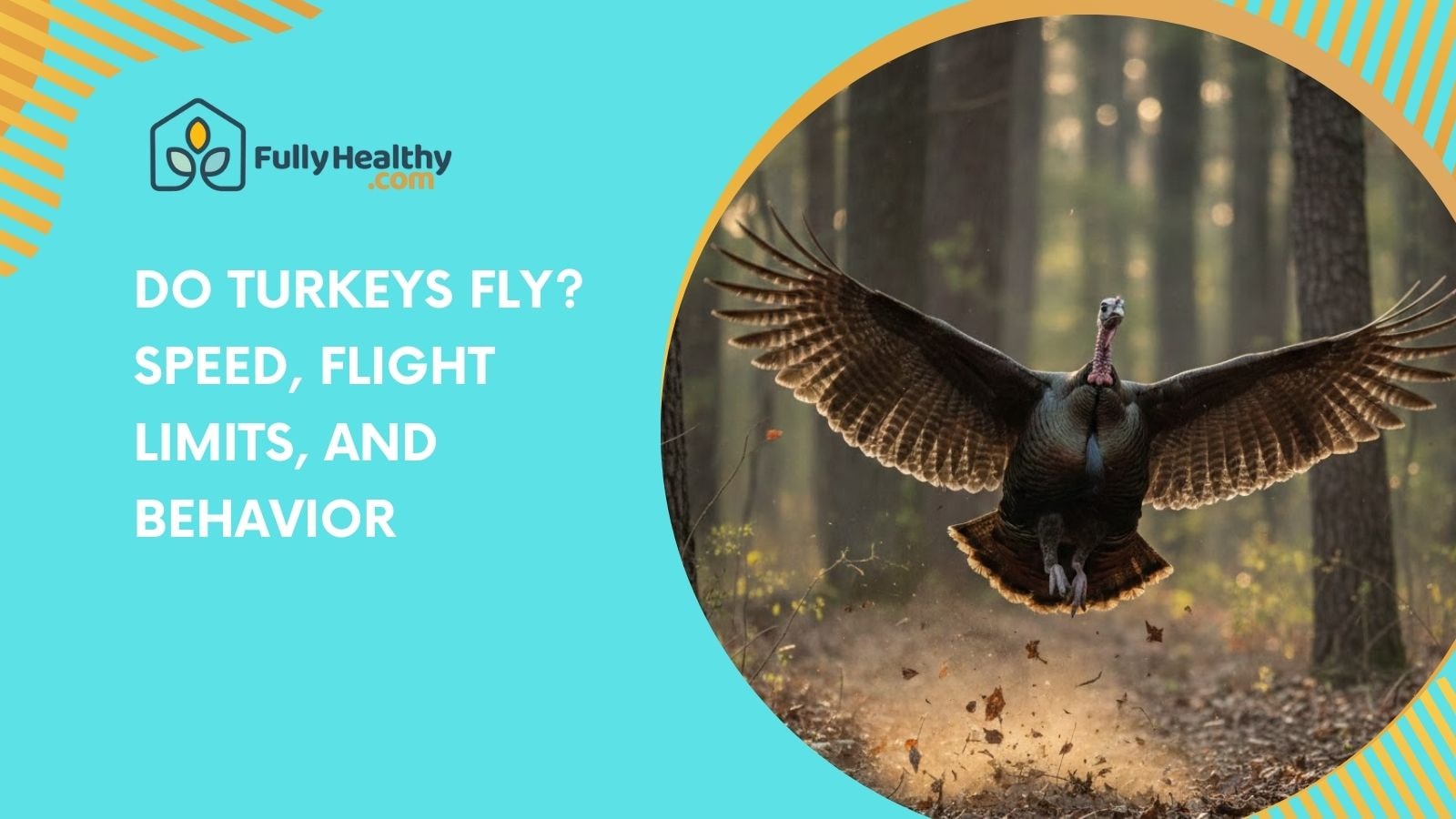
Wild turkeys can fly, but only short distances and for short periods of time. When they feel threatened, they move quickly and use their strong wings to get away from danger. Domestic turkeys are too big and heavy to fly very often.
This article talks about how smart turkeys are, how fast they can fly, why some birds can't fly, and why turkey eggs aren't common.
Featured Kids Pick
Serenity Kids // Turkey Bolognese - 3.5 oz
Loading...
Can Turkeys Fly?
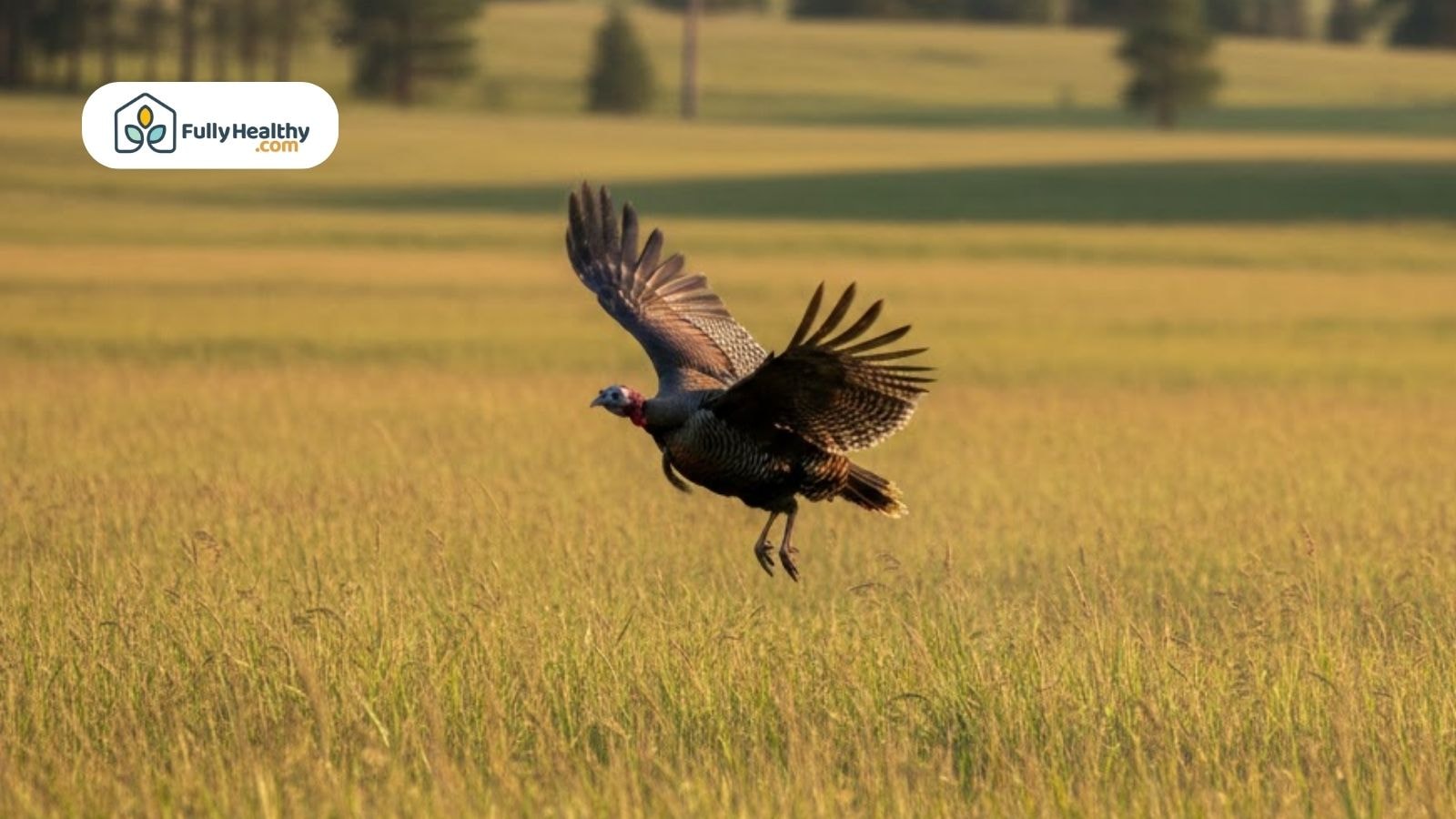
A lot of people want to know if turkeys can fly because they usually see them walking on the ground instead of flying. Most birds move around by flying, but turkeys have a different way of getting around that depends on their size, weight, and environment.
Wild Turkeys Can Fly Just Not Like Songbirds
Wild turkeys fly with strong wings that lift their big bodies into the air for short flights that last only seconds. To get away from danger or get to the trees where they sleep at night, these birds need short bursts of speed. This makes it clear that turkeys can fly, but not very far.
-
Flight speed: Wild turkeys fly at speeds reaching up to 55 miles per hour during short bursts, according to wildlife agencies and field observations.
-
Short bursts: Wild turkeys fly in fast, explosive movements rather than sustained flight.
-
Short distances: Flights usually cover limited distances before returning to the ground.
-
Escape behavior: Flight allows turkeys to avoid predators quickly.
-
Roosting habit: Turkeys roost in trees at night to stay protected.
-
Wing strength: Large wings and feathers generate enough lift despite body weight.
Why Domestic Turkeys Rarely Leave the Ground
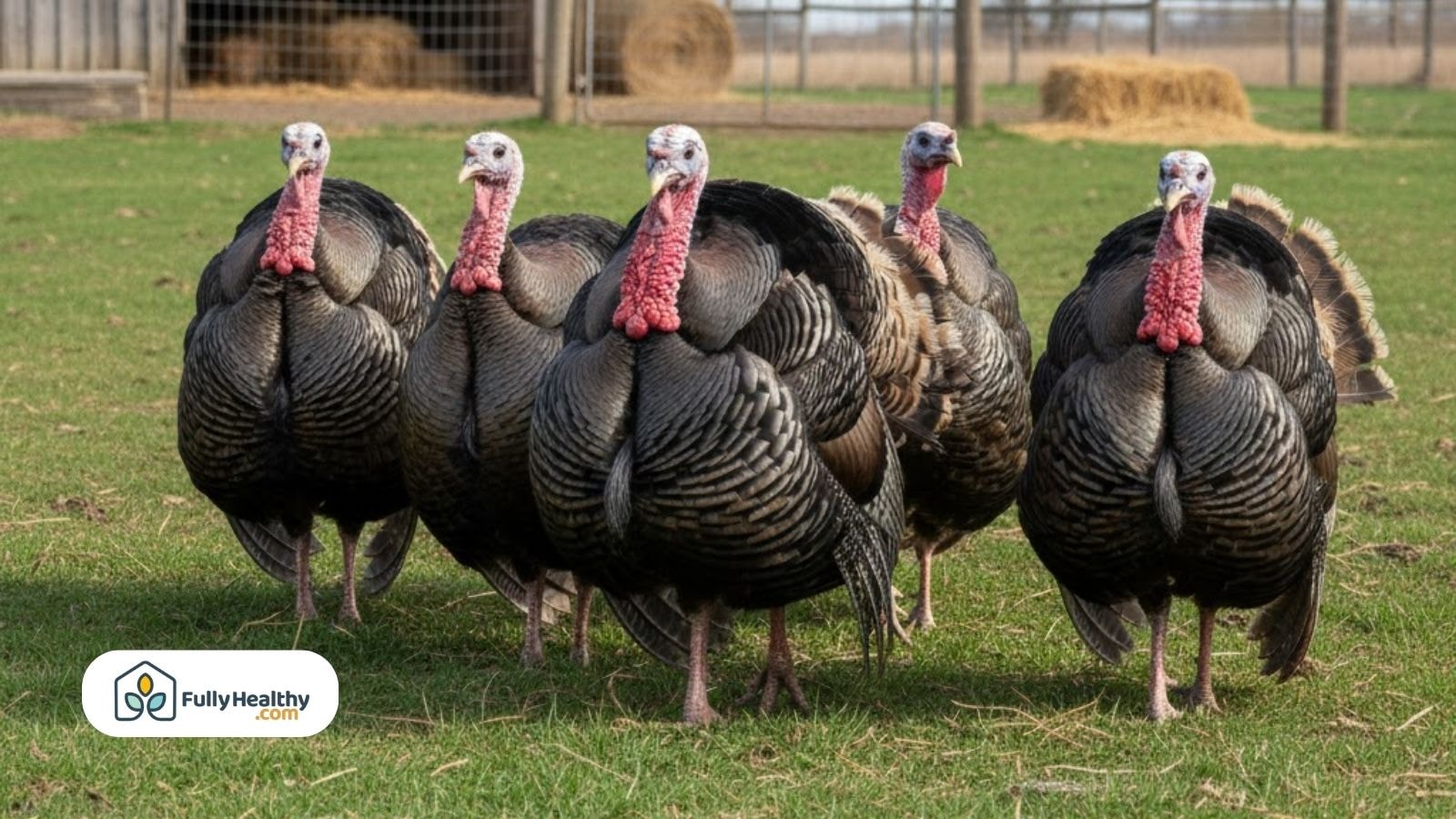
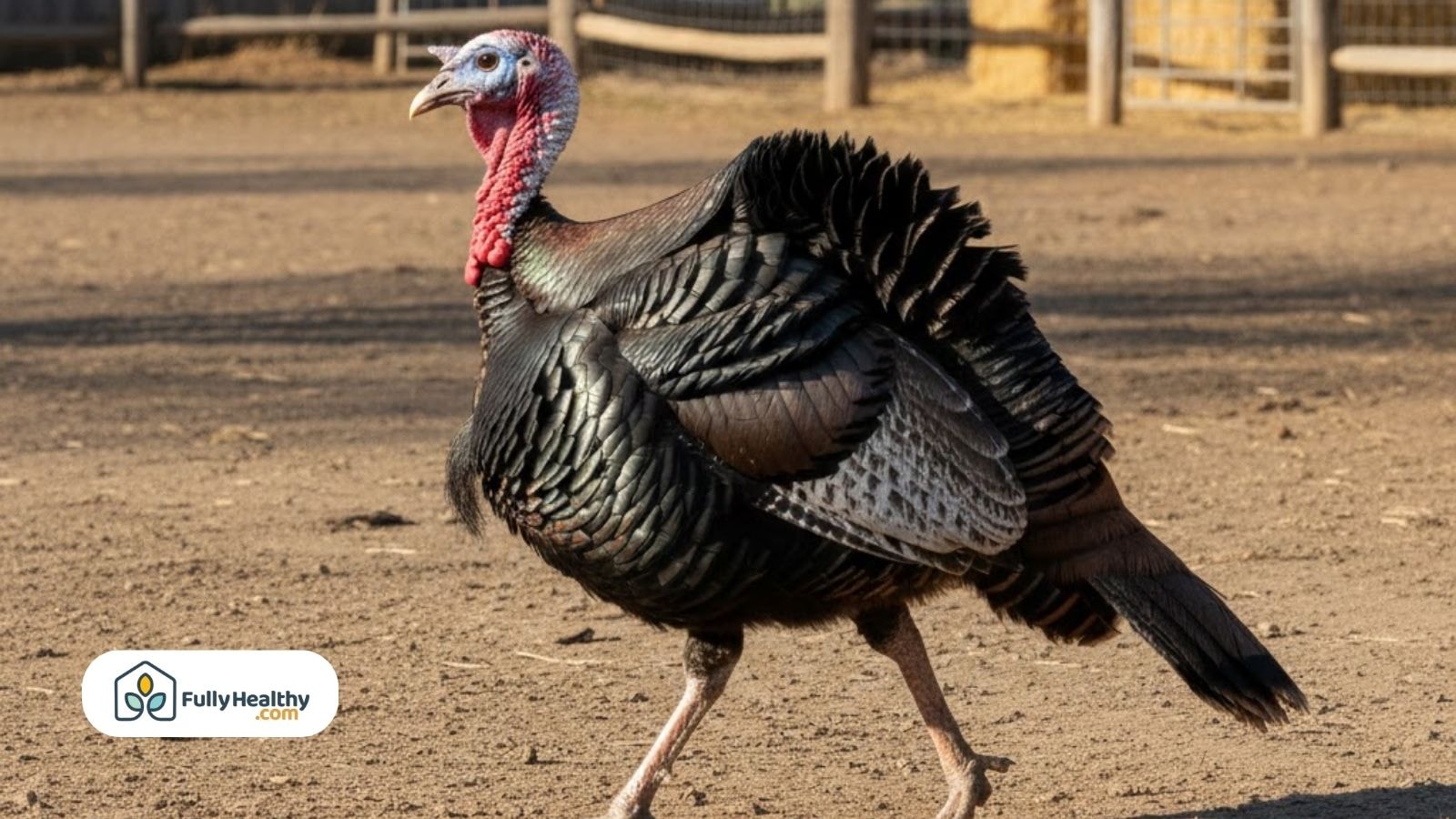
Over hundreds of years, selective breeding has made turkeys bigger and heavier, so they don't fly very often. Wild turkeys can fly, but turkeys that are raised for food don't have the balance and lift they need to fly well.
-
Size based breeding: Domestic turkeys were raised for meat rather than flight ability.
-
Increased weight: Heavier bodies limit lift into the air.
-
Reduced balance: Body shape affects stability during takeoff.
-
Ground dependence: Domesticated turkeys spend nearly all time on grass or settled ground.
-
Lower survival need: Flight is unnecessary in protected farm settings.
How Intelligent Are Turkeys?
Turkeys are often thought of as simple birds, but studies and observations show that they can behave in complex ways. There are groups like the National Wild Turkey Federation that talk about how smart turkeys are and how they help them stay alive, protect their young, and adjust to new conditions.
Memory, Recognition, and Learning
Turkeys remember places, food sources, and threats from the past for long periods of time. Turkeys in the wild can recognize people they know and change how they act based on how they have behaved around people or predators in the past.
-
Location memory: Turkeys recall where berries, seeds, nuts, insects, and grains are found.
-
Threat awareness: Birds remember places where danger occurred.
-
Recognition ability: Turkeys distinguish neighbors from strangers.
-
Learning process: Poults observe adults to learn survival behaviors.
-
Time patterns: Movement changes by hour, day, and season.
Social Behavior and Communication
Turkeys live in structured social groups where males, females, and poults communicate constantly. Birds use their posture, vocalizations, and feather displays to show how they're feeling, keep the group safe, and plan how to get away when they feel threatened.
-
Flock order: Social ranking is influenced by age, size, and confidence.
-
Vocal signals: Calls alert others to predators.
-
Visual cues: Snood position, feather color, and body shape send signals.
-
Group response: Turkeys react together rather than individually.
-
Parental guidance: Females lead poults during daily activities.
What Are Three Common Flightless Birds?
Not all birds can fly, and birds that can't fly are usually able to adapt to their environment rather than being weak. Comparing birds that can't fly to turkeys helps show how different species survive by using their size, speed, or the ability to move through water.
Ostrich Built for Speed Not Flight
Ostriches can't fly because they are too big and their wings are too small to lift them into the air. Instead, they use their strong legs to run across open ground to get away from danger.
-
Extreme size: Ostriches weigh far more than flying birds.
-
Wing function: Wings assist with balance rather than flight.
-
Ground speed: Running replaces flight as the main defense.
-
Energy efficiency: Running requires less effort than flying at that size.
-
Habitat match: Open terrain favors speed over wings.
Emus and Penguins Different Paths to Flightlessness
Emus and penguins lost the ability to fly due to different environmental pressures. Emus adapted to land-based survival, while penguins evolved wings shaped for swimming instead of air travel.
-
Emus: Large land birds adapted to grass and forest edges.
-
Penguins: Wings evolved into flippers for underwater movement.
-
Environmental influence: Habitat shaped survival strategy.
-
Energy tradeoff: Flight became unnecessary for survival.
-
Species diversity: Birds adapt based on location and resources.
Why Don’t We Eat Turkey Eggs?

Many think turkey eggs aren't safe, but the real reason they're not common is more practical than biological. Turkey eggs can be eaten, but they are rarely sold in stores because of how they are grown and consumer habits.
Farming Economics and Egg Production
Because turkeys don't lay as many eggs as chickens do, it's not practical to raise a lot of them. Turkey farmers raise them for meat instead of eggs because the market doesn't want them because of the cost and work involved.
-
Low output: Turkey hens produce significantly fewer eggs per year.
-
Raising priorities: Turkeys are raised mainly for meat, not eggs.
-
Space needs: Larger birds require more room and resources.
-
Labor costs: Egg collection is less efficient than chicken farming.
-
Economic return: Farms earn more by selling adult birds.
Size, Shell Thickness, and Consumer Demand
It's different to handle and cook turkey eggs because their shells are thicker, heavier, and bigger than chicken eggs. Even though they are safe to eat, people don't look for them because they are hard to find and unfamiliar.
-
Shell thickness: Tougher shells make cracking more difficult.
-
Large size: One egg can equal multiple chicken eggs.
-
Low supply: Rare availability limits consumer interest.
-
Market habits: People prefer familiar egg sizes.
-
Storage issues: Larger eggs take more space and care.
Clear Food Information and Wellness at FullyHealthy
Understanding food sources and ingredient transparency matters to many people interested in health and nutrition. FullyHealthy exists to share information that helps readers make informed choices about what they eat.
What FullyHealthy Focuses On
FullyHealthy works to make specialty foods easier for people with special dietary needs to understand and get. People who have to deal with food sensitivities, allergies, or ingredient restrictions can find products and educational content on this website.
-
Specialty food access: FullyHealthy curates products that support gluten-free, allergen-aware, and diet-specific needs.
-
Ingredient transparency: Product listings clearly explain ingredients and sourcing to help people make confident choices.
-
Dietary education: Content helps readers understand how foods fit different dietary requirements.
-
Everyday usability: Products are selected for real-world meals, snacks, and daily routines.
-
Trust and clarity: The platform emphasizes accuracy, plain language, and practical guidance.
Turkey-Based Products Available on FullyHealthy
FullyHealthy offers turkey-based foods that focus on simple ingredients and everyday use. These products show how turkey can fit into snacks and meals without added complexity.
-
Wild Zora Meat & Veggie Bar Curry Turkey 1.1 oz: A compact turkey bar combined with vegetables, designed for quick energy and portable eating.
-
Serenity Kids Turkey Bolognese 3.5 oz: A turkey-based meal option made with simple ingredients for young children and families.
-
Nick’s Sticks Turkey Sticks 1.7 oz: Turkey snack sticks intended for easy protein intake during the day.
Final Thoughts
If you want to know if turkeys can fly, this article will show you how they use their wings, feathers, and air to fly quickly and short distances to avoid danger, stay safe, and get to trees to sleep at night. Wild turkeys fly with strong flaps, move quickly to avoid danger, look for a mate, and get rid of their energy quickly.
After dark, they sometimes hang out in trees. If this post helped, stay curious and keep sharing knowledge.
FAQs
Do turkeys remember humans?
Turkeys remember humans, neighbors, past threats, and repeated activity, which affects mood, escape timing, and how fast they flap or run when people approach.
What scares a turkey away?
Loud noise, sudden movement, predators, dogs, humans, and anything threatening will scare a turkey away and trigger a fast flap, run, or release into the air.
What is the biggest predator of wild turkeys?
The biggest predator of wild turkeys includes coyotes, foxes, and large birds of prey that hunt adults, poults, and nests on the ground.
Do wild turkeys fly?
Wild turkeys fly in short bursts using wings to flap into the air for seconds to escape predators, reach trees to roost, protect prey, and cover short distances quickly.
Do most birds fly the same way as turkeys?
Most birds fly long distances with lighter weight and different body shape, while turkeys fly only short flights because of size, ground habits, and effort limits
Leave a comment