

Does Apple Cider Vinegar Need to Be Refrigerated for Shelf Life?

Does apple cider vinegar need to be refrigerated? No. Because it is very acidic, apple cider vinegar stays stable at room temperature. This is because it stops harmful bacteria from growing. It stays fresh for a long time, even after the bottle is opened, because of this natural preservative.
This article tells you how to store cider vinegar properly, how long it will last, and how to tell if it's starting to lose its quality.
Featured Pantry Pick
Bragg // Organic Apple Cider Vinegar with The Mother - 16 oz
Loading...
Does Apple Cider Vinegar Need To Be Refrigerated?

Many people ask does apple cider vinegar need to be refrigerated after opening the bottle. The answer depends on how vinegar works as a preserved food and how its acidic composition protects it from spoilage.
Why Apple Cider Vinegar Does Not Require Refrigeration
Apple cider vinegar does not need to be refrigerated because of its highly acidic composition. During fermentation, apples and apple juice are turned into vinegar. Acetic acid is the main ingredient that stops bad bacteria from growing.
-
Acetic Acid Protection: Acetic acid creates a highly acidic environment that blocks harmful bacteria and bad bacteria growth.
-
Natural Antimicrobial Properties: Vinegar contains antimicrobial properties and antibacterial characteristics that help keep apple cider vinegar self preserving.
-
Fermentation Process: Apples and natural sugars ferment into apple cider and eventually vinegar through natural bacteria activity.
-
Natural Preservative: Vinegar has long been used as a natural preservative for foods such as salad dressings and pickled vegetables.
-
Shelf Stability: Apple cider vinegar stored properly rarely spoils and maintains a long shelf life even at room temperature.
How Long Can Apple Cider Vinegar Last Unrefrigerated?
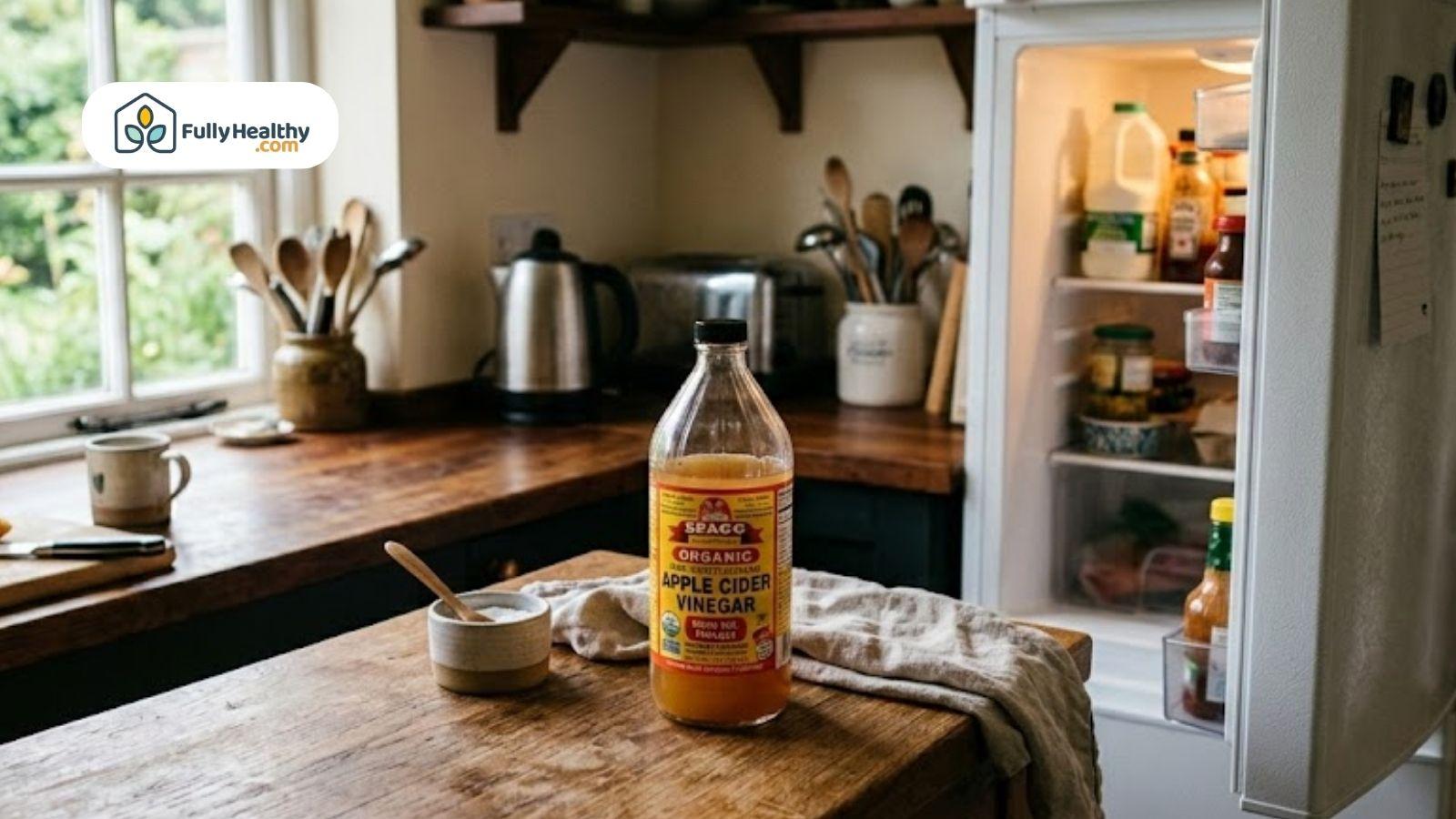
Knowing the shelf life of vinegar products helps explain why they can be used for years. Apple cider vinegar doesn't go bad quickly because it is acidic and naturally kills germs.
How Long Apple Cider Vinegar Lasts In The Pantry
If you keep apple cider vinegar in the right way in your pantry, you can use it for many years. Even if you open a bottle, the quality stays the same because the acidic environment stops bad bacteria from growing.
-
Long Shelf Life: Vinegar products often last several years when stored properly in a cool location.
-
Expiration Date Meaning: The expiration date on a bottle usually refers to best quality rather than safety.
-
Natural Preservation: The highly acidic nature of vinegar helps prevent bad bacteria contamination.
-
Quality Changes: Over time the vinegar ages and the flavor may slightly change.
-
Pantry Storage: Vinegar stored away from direct sunlight maintains taste and overall stability.
Does Refrigeration Extend Vinegar Shelf Life?
Some foods that go bad quickly are put in the fridge, but vinegar acts differently because it naturally stays fresh. While putting vinegar in the fridge might slow down flavor changes, it doesn't really make it last longer.
-
Optional Refrigeration: You can refrigerate apple cider vinegar but it is not necessary for safety.
-
Flavor Stability: Cold storage may slow small changes in flavor and color.
-
Sediment Formation: Vinegar may develop more sediment or a murky look over time regardless of refrigeration.
-
Acidic Protection: The acidic environment continues protecting the vinegar from harmful bacteria.
-
Comparison With Other Vinegars: Rice vinegar and other vinegars behave similarly due to their acidic nature.
How To Tell If Apple Cider Vinegar Has Gone Bad?
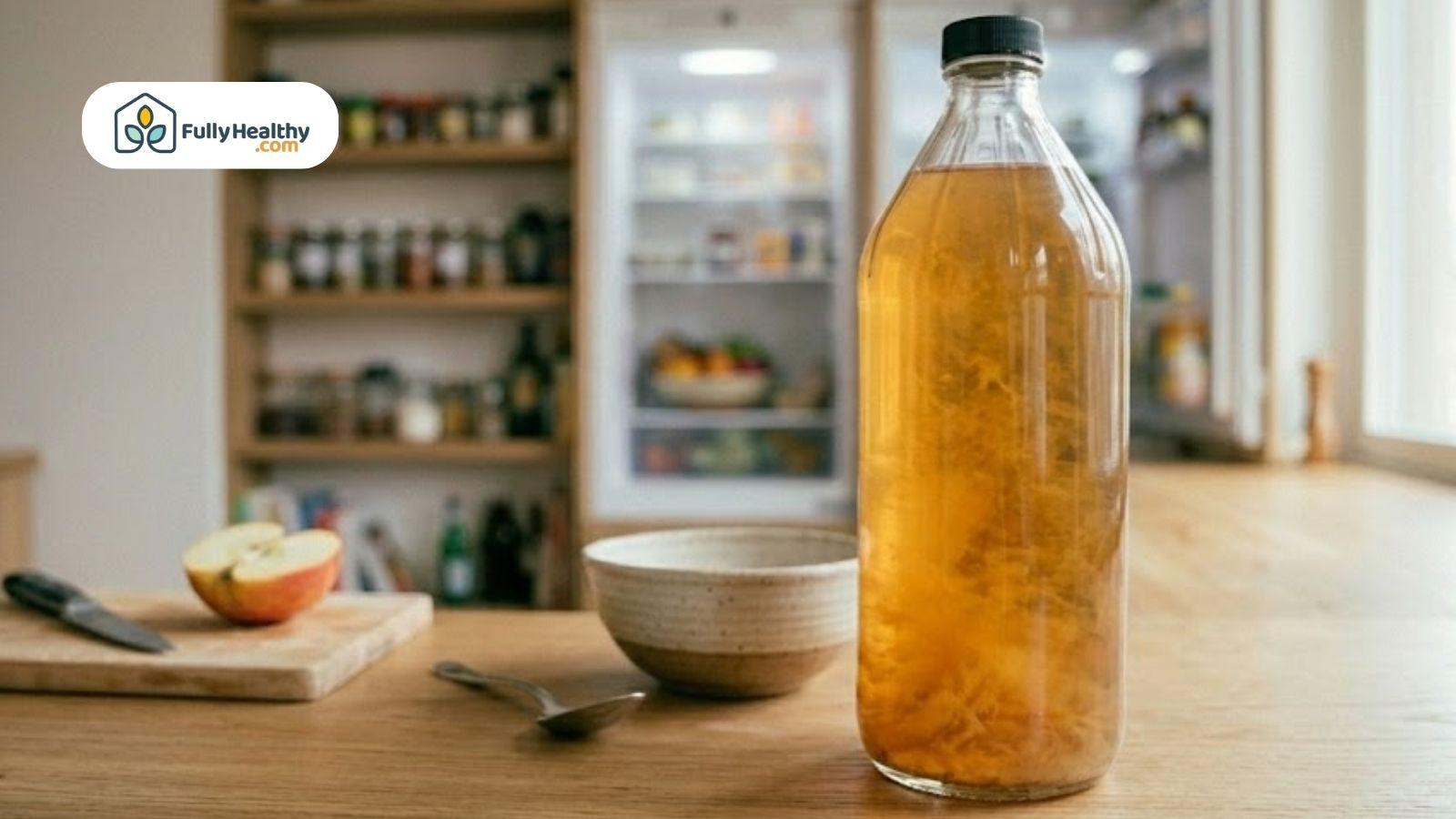
Apple cider vinegar doesn't go bad very often because it naturally stops bacteria from growing. But vinegar can change in ways that can be seen as it ages, and knowing these changes can help you figure out how good the vinegar is.
Normal Changes That Are Often Mistaken For Spoilage
A lot of people think that cider vinegar is bad when the bottle is cloudy or has sediment in it. These changes are normal and usually happen because of the vinegar mother that forms during fermentation.
-
Vinegar Mother Formation: The vinegar mother contains natural bacteria and probiotics produced during fermentation.
-
Murky Look: Raw apple cider vinegar and unfiltered apple cider vinegar often develop a cloudy appearance.
-
Sediment Growth: Unfiltered vinegar may produce more sediment as the fermentation continues slowly.
-
Natural Bacteria Activity: These harmless bacteria help create the flavor and health benefits associated with vinegar.
-
Common In Raw Products: Raw apple cider vinegar and unfiltered vinegar commonly show these natural visual changes.
Signs Apple Cider Vinegar Should Be Discarded
Even though vinegar rarely goes bad, there are a few strange signs that could mean it's been tainted or wasn't stored properly. These situations don't happen very often because vinegar's antimicrobial properties stop most bacteria from growing.
-
Strange Odor: A very unusual smell different from the normal sharp vinegar scent may indicate contamination.
-
Bottle Damage: A cracked bottle or poorly sealed container may allow outside bacteria to enter.
-
Unusual Taste: A dramatic change in taste that feels unpleasant or makes you feel sick may signal deterioration.
-
External Contamination: Exposure to dirty utensils or food particles may introduce bacteria.
-
Severe Physical Changes: Extreme discoloration or abnormal particles could mean the vinegar should not be consumed.
What’s The Best Time To Take Apple Cider Vinegar?

As part of their health routines, some people drink apple cider vinegar every day. There isn't a lot of research on timing, but there are a few habits that are good for your health, weight, and digestion.
When People Commonly Take Apple Cider Vinegar
Because it is acidic, apple cider vinegar may help digestion, so people who drink it often do so in the morning or before meals. Apple cider vinegar that hasn't been filtered or raw contains natural bacteria that many people think are good for gut health.
-
Morning Consumption: Some people drink diluted cider vinegar in the morning with water or lemon juice.
-
Before Meals: Taking apple cider vinegar before meals may help improve digestion and appetite control.
-
Digestive Support: Fermented foods like vinegar are sometimes used to support gut health.
-
Functional Foods Trend: Apple cider vinegar is often categorized among functional foods associated with wellness routines.
-
Metabolism Support: Some people use vinegar during weight loss or weight management plans.
Safety Tips For Drinking Apple Cider Vinegar
Apple cider vinegar is very acidic, so you should always dilute it before drinking it. Because vinegar is acidic, drinking concentrated vinegar may make your throat sore or damage your tooth enamel.
-
Dilution Required: Mix apple cider vinegar with water, apple juice, or lemon juice before drinking.
-
Protect Tooth Enamel: The acidity may weaken tooth enamel if consumed undiluted.
-
Moderate Intake: Drinking too much vinegar may cause stomach discomfort or acid reflux.
-
Health Conditions: People with kidney disease or low potassium levels should consult a medical professional.
-
Balanced Consumption: Small amounts may support overall health without digestive irritation.
FullyHealthy: A Trusted Source For Specialty Foods
FullyHealthy offers specialized items that help with specific diets and healthy lifestyles. Clean ingredients, functional foods, and products that are meant to improve overall health are what the market is all about.
Our Mission And Approach To Health-Friendly Products
FullyHealthy chooses foods for people who want healthier ingredients and more specialized nutrition options. The platform has products that help with digestive health, making better food choices, and gut health.
-
Clean Ingredient Focus: Products emphasize simple ingredients and minimal additives.
-
Specialty Diet Support: Many foods support gluten-free, paleo, and other dietary preferences.
-
Functional Food Selection: Fermented foods such as apple cider vinegar are common choices.
-
Wellness-Focused Products: Many items are designed to support digestion and overall health.
-
Quality Sourcing: Brands are selected based on ingredient transparency and quality standards.
Apple Cider Vinegar Products Available On FullyHealthy
FullyHealthy provides different kinds of apple cider vinegar, such as raw apple cider vinegar and unfiltered apple cider vinegar. These products often include the vinegar mother created during the fermentation process.
-
Bragg Organic Apple Cider Vinegar With The Mother: Raw apple cider vinegar with the vinegar mother made from fermented apples.
-
Bragg Organic Citrus Ginger Apple Cider Vinegar With The Mother: Apple cider vinegar blended with citrus and ginger, containing the vinegar mother.
Final Thoughts
Apple cider vinegar doesn't go bad for years because it is naturally antimicrobial and very acidic. If the bottle is kept in a cool, dark place, it will keep its taste and last for a long time without having to be refrigerated. As apple cider vinegar ages, it goes through some small changes, but it's still usually usable.
If you use apple cider vinegar the right way, it can be used in cooking, salad dressings, and functional foods. For the best quality, keep the bottle closed, store apple cider vinegar the right way, and use it in moderation.
FAQs
How to take apple cider vinegar to lower blood glucose?
Dilute 1–2 tablespoons of apple cider vinegar in water and drink before meals because acetic acid may help regulate blood glucose and support lower cholesterol.
Is apple cider still good if left out overnight?
Apple cider may spoil quickly because natural sugars allow bacteria to grow, but apple cider vinegar go bad very slowly due to its highly acidic environment.
Is apple cider vinegar good for your gut health?
Raw apple cider vinegar with the vinegar mother contains natural bacteria and aka probiotics that may support gut health and help control candida albicans.
How to tell if ACV is bad?
Apple cider vinegar rarely spoils, but discard it if you notice extreme odor changes, contamination, or unusual taste that may indicate a serious condition.
How much apple cider vinegar should you take a day?
Most guidelines recommend 1–2 tablespoons diluted in water daily because excessive intake may irritate digestion, especially in people with high blood pressure or sensitivity to citric acid or sulfur dioxide additives.
Leave a comment