

Does Oat Have Fiber? Benefits, Comparisons, and Breakfast Ideas
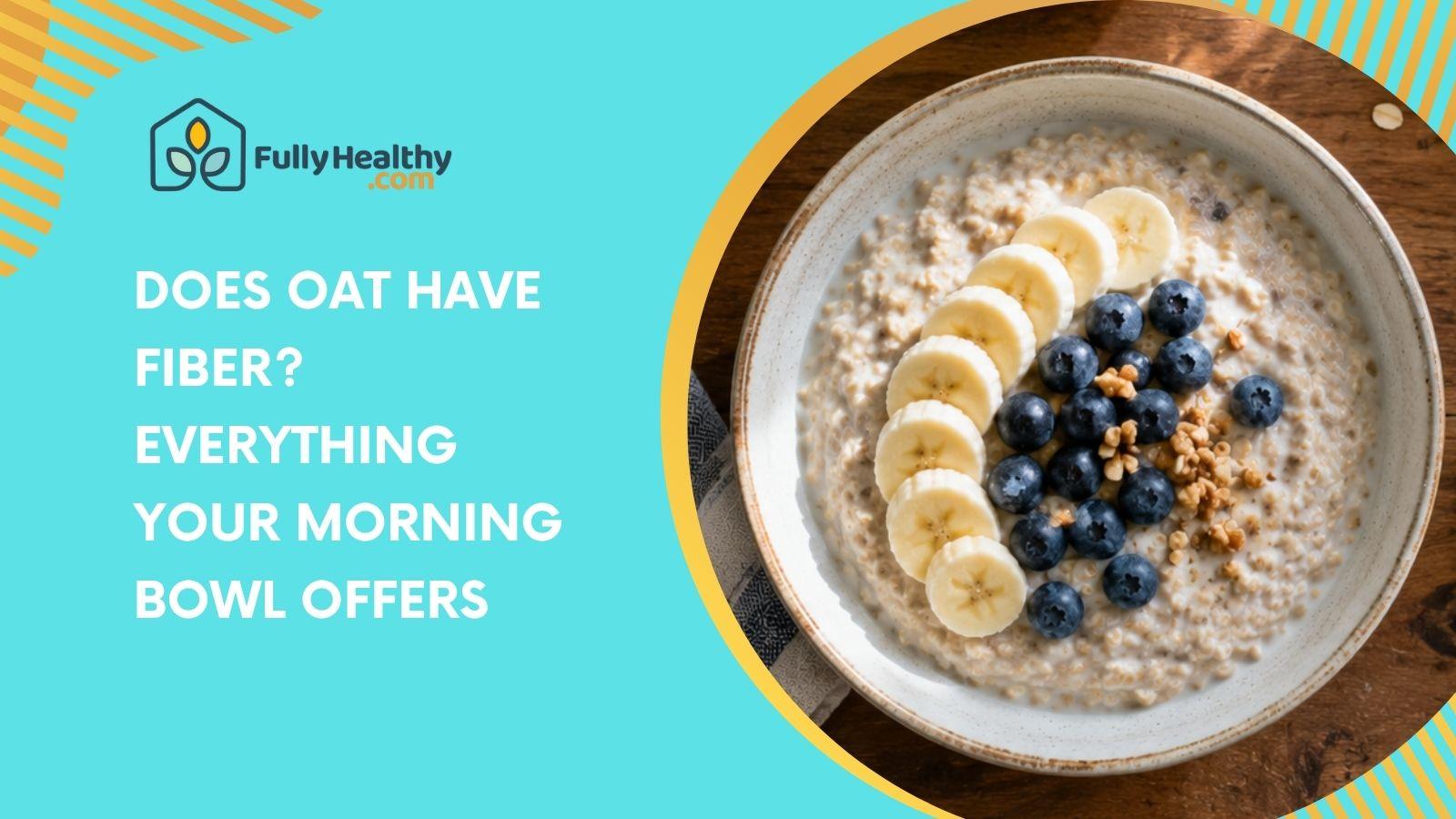
Does oat have fiber? Yes. Oats are a great source of dietary fiber, including soluble fiber that supports heart health and digestive health. They also provide protein, vitamins, and other nutrients that make them a nutritious breakfast choice.
This guide explains how much fiber oats contain, how they compare with other grains and eggs, and the best foods to pair with oats for a more balanced and satisfying meal.
Does Oat Have Fiber?
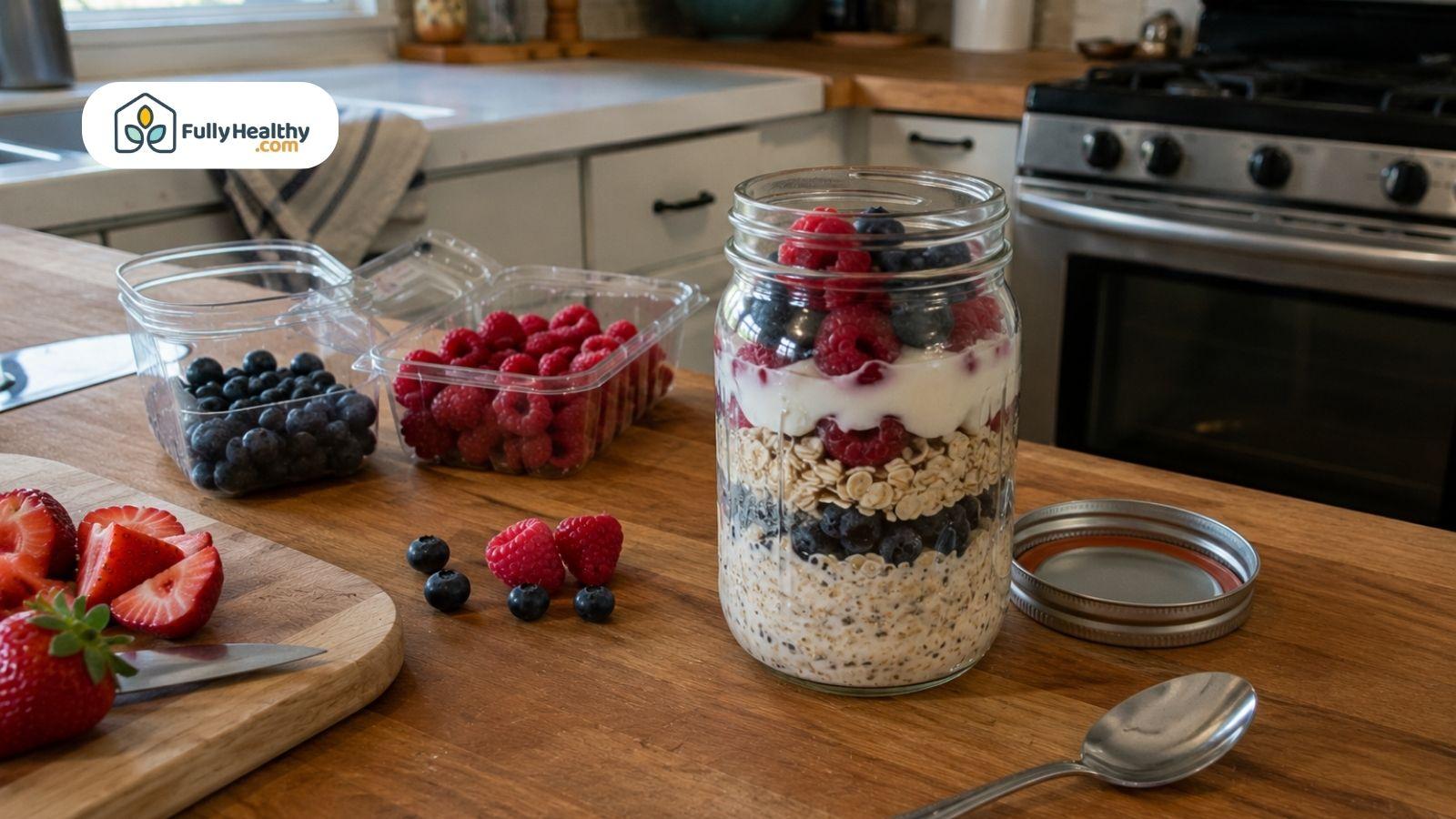
Yes. Oats contain dietary fiber regardless of the variety. A ½ cup (40 g) serving provides about 4 g of fiber, making oats a nutritious whole-grain breakfast.
Fiber Content in Oats and How Much You Actually Get
Yes, oats contain dietary fiber regardless of the variety you choose. Steel cut oats, rolled oats, instant oats, and oat groats all come from whole oat kernels, so the biggest differences are their texture, cook time, and level of processing rather than their fiber content.
-
Dry Oats: A ½ cup (40 g) serving provides about 4 g of dietary fiber, while 100 g contains around 10 to 11 g.
-
Steel Cut Oats: These are chopped oat kernels that retain a chewy texture and nearly the same fiber as rolled oats.
-
Rolled Oats: Steaming and rolling make them quicker to cook while preserving most of their fiber and nutrients.
-
Instant Oats: Plain varieties still provide fiber, but flavored options may contain more added sugar.
-
Oat Groats: These whole oat kernels are the least processed form and take the longest to cook.
Why Oat Fiber is Different From Other Grains
Oat fiber is unique because it contains beta glucan, a type of soluble fiber that supports heart health and digestive health. Combined with insoluble fiber, it helps slow digestion, supports healthy cholesterol levels, and keeps you feeling full after a bowl of oatmeal.
-
Beta Glucan: Forms a gel that binds with cholesterol rich bile to help lower cholesterol levels.
-
Blood Sugar: Slows carbohydrate absorption to reduce sharp spikes after meals.
-
Digestive Health: Soluble and insoluble fiber work together to support a healthy digestive system.
-
Heart Health: Regular oat intake has been linked to a lower risk of heart disease as part of a balanced diet.
-
Naturally Gluten Free: Oats are naturally gluten free, but people with gluten sensitivity should choose certified gluten free products.
Which Grain is the Highest in Fiber?

Wheat bran contains about 43 g of fiber per 100 g because it is the fiber-rich outer layer of the wheat kernel. Although oats contain less fiber, they remain one of the most nutritious whole grains thanks to their fiber, protein, vitamins, and minerals.
Comparing Oats With Other High-Fiber Whole Grains
Oats are among the highest-fiber whole grains, but they are not the highest. Choosing less processed whole grains generally provides more fiber and nutrients than refined grains.
-
Wheat Bran: About 43 g of fiber per 100 g, making it one of the richest fiber sources.
-
Barley: About 17 g of fiber per 100 g, including beta glucan, a beneficial soluble fiber.
-
Oats: About 10 to 11 g of fiber per 100 g, along with protein and a balanced nutritional profile.
-
Quinoa: About 7 g of fiber per 100 g, plus all nine essential amino acids.
-
Farro: About 6 to 7 g of fiber per 100 g, depending on the variety and preparation.
-
Brown Rice: About 3 to 4 g of fiber per 100 g, providing more fiber than white rice but less than oats.
Choosing the Best Grain for Your Nutrition Goals
The best grain depends on your health goals instead of simply choosing the highest fiber number. Whole oats are a practical everyday option because they support digestive health, heart health, blood sugar management, and weight loss while fitting into a wide variety of recipes.
-
For Heart Health: Choose oats or barley because their beta glucan may help lower cholesterol.
-
For Digestive Health: Pick grains with both soluble fiber and insoluble fiber to add bulk and support regularity.
-
For Weight Loss: High-fiber grains are more filling and may help reduce overall calorie intake.
-
For Better Nutrition: Choose less processed whole grains to retain more vitamins, minerals, and fiber.
-
For Everyday Meals: Rotate oats with quinoa, farro, rye, and bulgur for a wider range of nutrients and flavor.
What Has More Fiber, Eggs or Oatmeal?
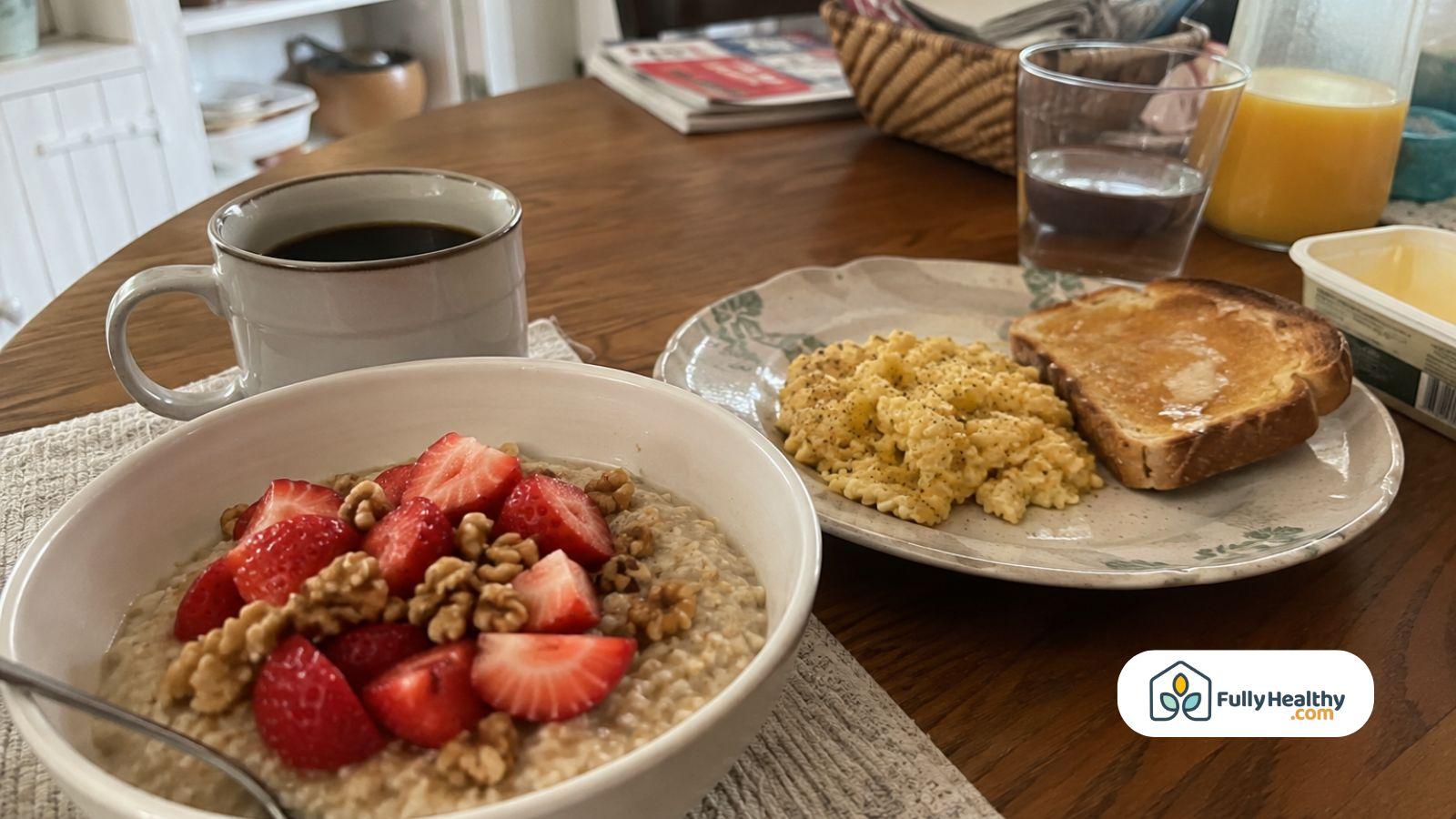
Oatmeal contains more fiber than eggs because eggs do not contain dietary fiber. Oatmeal supports digestive health, while eggs add protein and other important nutrients to a balanced breakfast.
Fiber and Nutrition Differences Between Eggs and Oatmeal
Oatmeal provides fiber that supports digestive health, while eggs contribute high-quality protein, healthy fat, and important vitamins. Instead of choosing one over the other, comparing their nutritional profile helps you build a more balanced breakfast.
-
Fiber: Oatmeal provides about 4 g of fiber per serving, while eggs contain none.
-
Protein: One large egg contains about 6 g of protein, while 1 cup of cooked oatmeal provides about 5 to 6 g, depending on the oats used.
-
Carbohydrates: Oats supply complex carbs for steady energy, while eggs are naturally low carb.
-
Calories: Both can fit into a healthy diet depending on portion size.
-
Nutrition: Oats provide whole grains, while eggs contribute nutrients such as vitamin D, choline, and B vitamins.
When Oatmeal, Eggs, or Both Make the Best Breakfast
A bowl of oatmeal is ideal when you want more fiber, while eggs work well if your priority is protein. Eating both together creates a filling meal that supports blood sugar, weight management, and lasting energy.
-
For More Fiber: Start your breakfast with oatmeal made from rolled oats or steel cut oats.
-
For More Protein: Add eggs to increase protein without adding much sugar.
-
For Better Balance: Pair oats, eggs, and fruit for a satisfying meal.
-
For Busy Mornings: Instant oats and boiled eggs make a quick breakfast.
-
For Longer Fullness: Combining fiber and protein helps you stay satisfied between meals.
What Pairs Well With Oats?
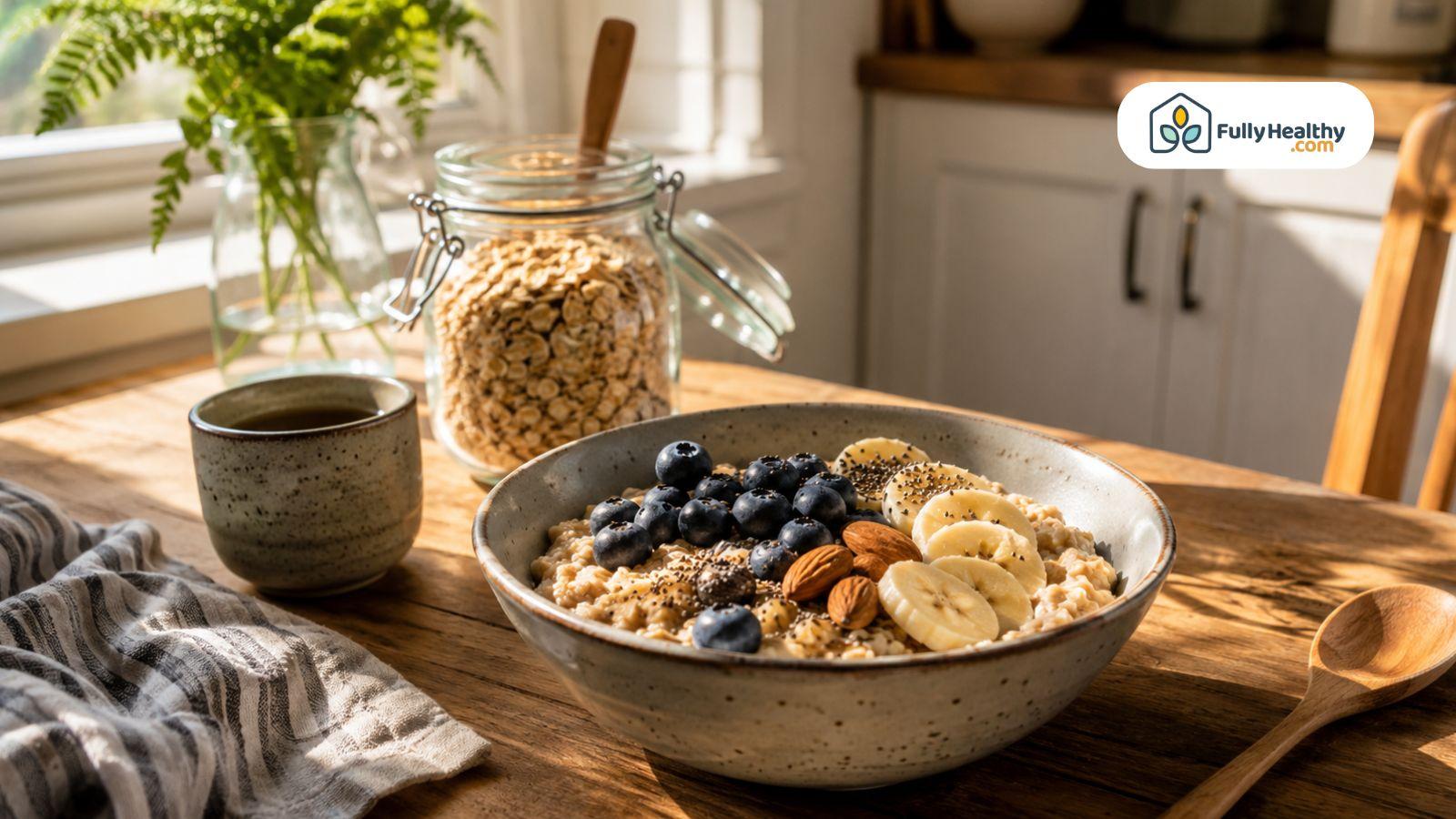
Oats pair well with fruit, nuts, seeds, yogurt, and other protein-rich foods that boost fiber and overall nutrition. These ingredients also improve the flavor, texture, and staying power of your breakfast.
High-Fiber Foods That Make Oatmeal More Nutritious
Simple toppings can turn a basic bowl of oatmeal into a higher-fiber breakfast. Combining several fiber-rich ingredients also adds vitamins, healthy fat, and natural sweetness without relying on excess added sugar.
-
Berries: Add fiber, antioxidants, and natural sweetness.
-
Apples and Pears: Increase fiber while adding crisp texture.
-
Chia Seeds: Boost soluble fiber and healthy fats.
-
Flaxseed: Adds fiber and plant-based omega-3 fats.
-
Nuts: Walnuts and almonds contribute protein, healthy fat, and crunch.
Building Balanced, Fiber-Rich Oat Meal Combinations
A balanced oatmeal meal includes fiber, protein, healthy fat, and fruit. Mixing these nutrients together helps support digestive health, heart health, and steady blood sugar throughout the morning.
-
Classic Bowl: Rolled oats, milk, blueberries, and walnuts.
-
High-Protein Option: Steel cut oats with eggs and sliced fruit.
-
Creamy Breakfast: Oats with Greek yogurt, berries, and chia seeds.
-
Warm Comfort Meal: Oatmeal with cinnamon, banana, and almond butter.
-
Meal Prep: Overnight oats with fruit, nuts, and seeds for busy mornings.
Why Shop at FullyHealthy
FullyHealthy is an online marketplace specializing in allergen-friendly and specialty diet foods for a variety of dietary needs. The store focuses on products made with simple ingredients, clear labeling, and options that support different lifestyles, including gluten free eating.
About FullyHealthy
FullyHealthy offers foods designed for people looking for convenient, nutritious choices without sacrificing ingredient quality. Its selection includes breakfast foods, snacks, cereals, baking products, and pantry staples from trusted wellness brands.
-
Specialty Diets: Products for gluten free, grain-free, paleo, and other lifestyles.
-
Quality Ingredients: Emphasis on simple, recognizable ingredients.
-
Wide Selection: Breakfast foods, snacks, baking mixes, and pantry essentials.
-
Trusted Brands: Carries products from established health-focused companies.
-
Convenient Shopping: Easy access to specialty foods in one place.
Fiber-Rich Snacks and Breakfast Products From FullyHealthy
FullyHealthy carries several products that can help increase daily fiber intake as part of a balanced diet. Pairing these foods with oats, fruit, or nuts can create satisfying meals and snacks throughout the day.
-
Off The Farm Banana Walnut Meal Bar: A soft meal bar made with bananas, walnuts, gluten-free oats, seeds, and other whole-food ingredients.
-
Wild Zora Instant Cereal: An instant cereal made with almonds, walnuts, coconut, chia seeds, flaxseed, and freeze-dried fruit.
-
Lovebird Rise & Fly Cinnamon Cereal: A grain-free cereal made with cassava, coconut, sunflower seeds, cinnamon, and lightly sweetened with dates.
-
Wild Zora Instant Grain-Free Hot Cereal, Tropical Tart: A grain-free hot cereal made with coconut, chia seeds, flaxseed, pecans, and tropical fruits such as pineapple and mango.
-
Wild Zora Instant Grain-Free Hot Cereal, Banana Bread: A hot cereal featuring bananas, coconut, pecans, chia seeds, flaxseed, and warm baking spices for a banana bread-inspired flavor.
-
Wild Zora Instant Grain-Free Hot Cereal, Blueberry Muffin: A grain-free cereal made with blueberries, coconut, pecans, chia seeds, flaxseed, and cinnamon for a muffin-inspired breakfast.
-
Pan's Mushroom Jerky Teriyaki: A plant-based jerky made from shiitake mushrooms with a savory teriyaki seasoning blend for a chewy, meat-free snack.
Final Thoughts
Oats is one of the easiest whole grains to include in your diet. From rolled oats and steel cut oats to oat groats and instant oats, every variety provides dietary fiber along with protein and other valuable nutrients.
Adding oats to your breakfast or favorite baked goods is a simple way to support digestive health while increasing your daily value of fiber. Ready to make oats part of your next meal?
FAQs
Is Oatmeal a Good Source of Fiber?
Yes. Oatmeal is a good source of fiber because it contains both soluble fiber and insoluble fiber that support digestive health and help you meet your daily value of fiber.
Do Oats Help in Constipation?
Yes. The soluble fiber and insoluble fiber in oats add bulk and support digestive health, which can help relieve constipation as part of a balanced diet.
How Does Soluble Fiber in Oats Benefit Your Health?
Soluble fiber in oats helps support heart health, promotes healthy cholesterol levels, and slows digestion to help maintain steady blood sugar.
Are Rolled Oats as Nutritious as Steel Cut Oats?
Yes. Rolled oats provide nearly the same fiber, protein, and nutrients as steel cut oats because both come from whole oat kernels and differ mainly in processing.
Can Oats Help Support Healthy Blood Sugar?
Yes. Oats contain soluble fiber called beta glucan, which helps slow carbohydrate digestion and supports healthier blood sugar levels after meals.
Leave a comment