

How Do You Say Lime In Spanish? A Citrus Debate Across Latin America
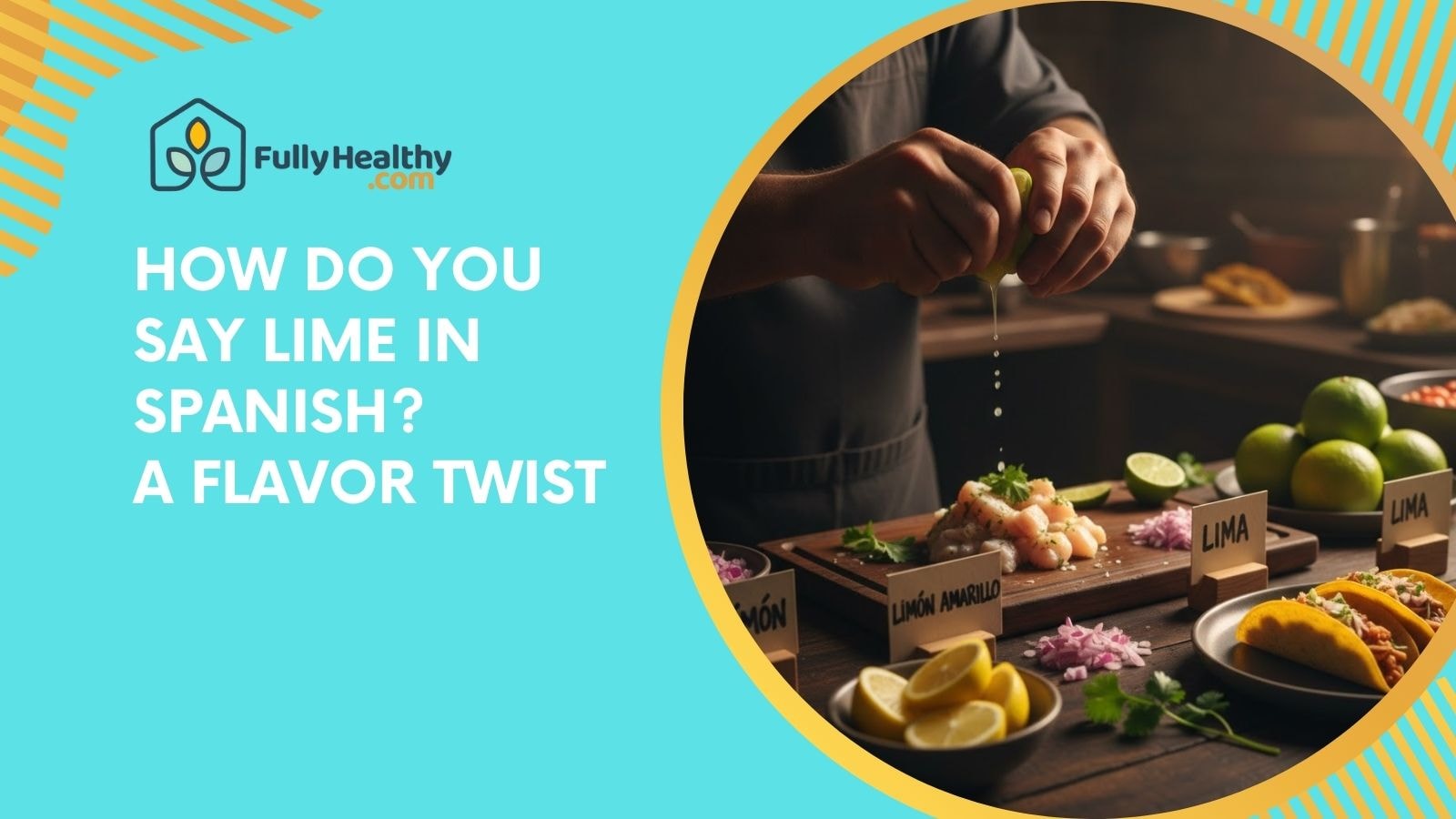
How do you say lime in Spanish? It depends on where you are. It's "lima" in Spain. In many Latin American countries, it's "limón." Yes, this can be hard to understand. In some places, both words are used for different fruits.
This article makes everything clear. It has examples from different countries, cultural background, and product tips to help you not make mistakes when you speak Spanish or go shopping.
Featured Beverage Pick
Poppi // Raspberry Rose Prebiotic Soda - 12 oz
Loading...
How Do You Say Lime In Spanish?
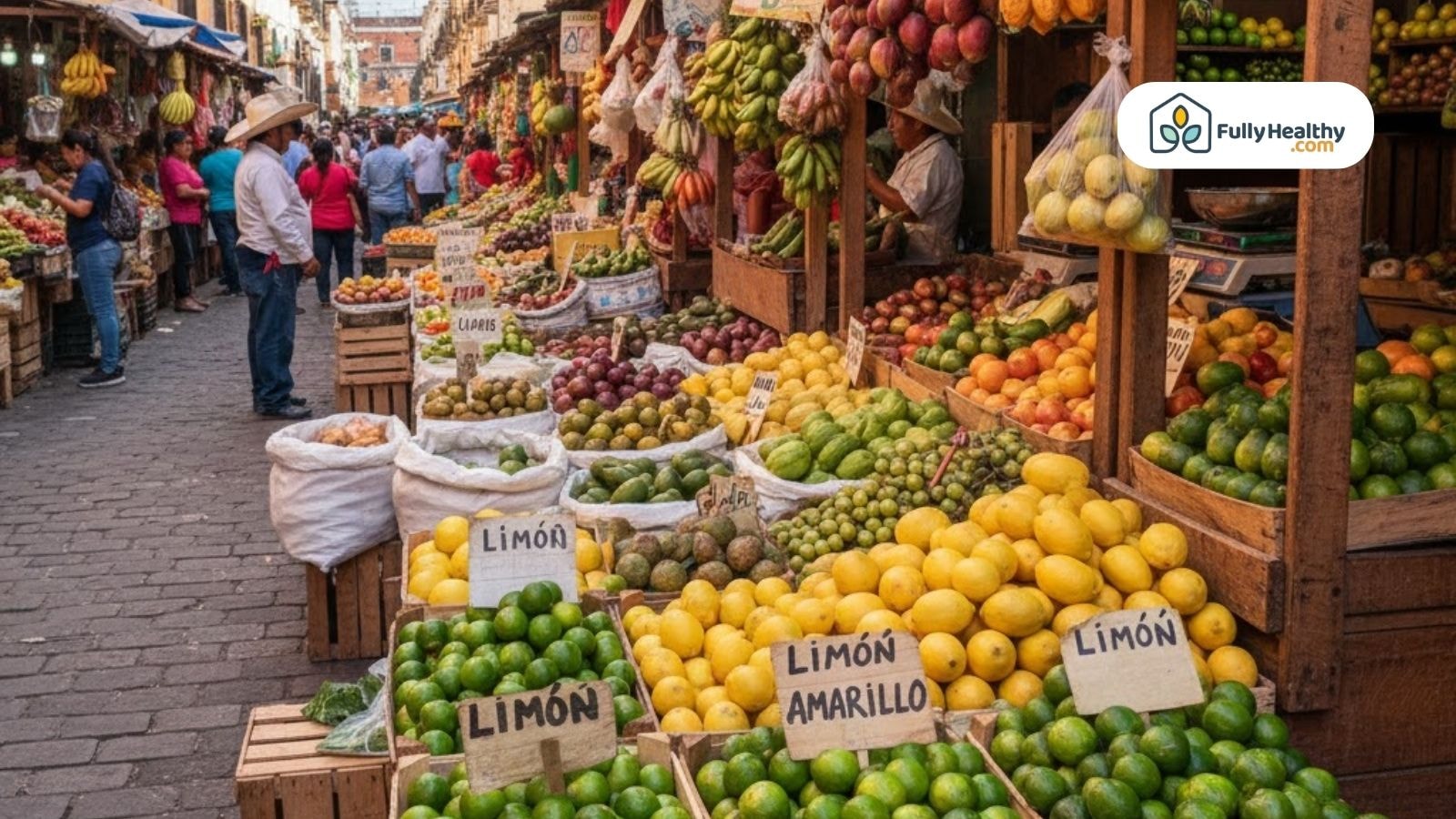
In Spanish, the word for lime changes based on your location. "Lima" is lime and "limón" is lemon in Spain. However, in Latin America, this is usually the other way around. There, limón usually means the green fruit, the lime, and lima is either a different citrus fruit or not used at all.
This is hard for people who speak English, especially when they are in countries where Spanish is spoken, to get food or buy things.
Spanish vs. Latin American Usage
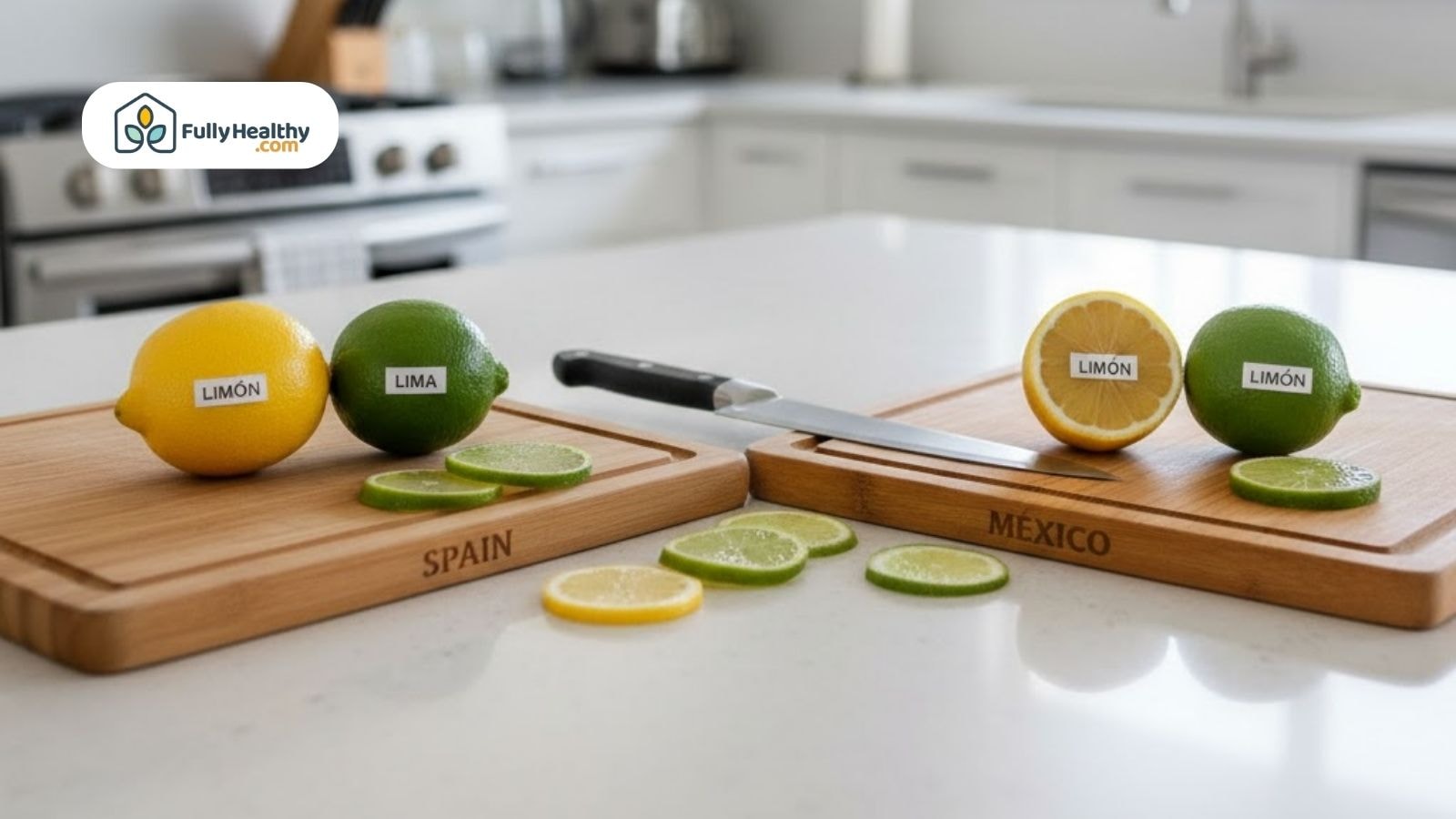
In Spain, the preferred translation and the official dictionary are used to decide how to translate words. For example, lima translates to lime and limón translates to lemon. But most of the Spanish-speaking world is the opposite. This is not a minor detail; it impacts cooking, shopping, and conversation every day in many countries.
-
Spain: Lima = lime (green fruit), limón = lemon (yellow fruit).
-
Mexico, Central America, Caribbean: Limón = lime (green lime), lima = rare or sweet citrus.
-
South America: Different uses. Ecuador, Colombia, and Venezuela usually call lime "limón," while Argentina and Chile use Spain's word.
Examples from Spanish-Speaking Countries
Limes are used in many things in Mexico, from food like tacos to drinks. The small green lime is called limón. Lemon of that color, limón amarillo, is the name given when it is seen. In Chile, lime is sometimes called limón sutil, and in Uruguay, lima de Tahití.
-
Mexico: Lime = limón, lemon = limón amarillo.
-
Chile: Lime = limón sutil, lemon = limón real.
-
Uruguay: Lime = lima de Tahití, lemon = limón.
-
Cuba & Dominican Republic: Lime = limón verde, lemon = not common.
-
Spain: Lime = lima, lemon = limón, same as in the RAE (Real Academia Española) dictionary.
Is A Limón A Lemon Or Lime?

The short answer is that it varies from country to country. Limón means lemon in some areas. In some cases, it means lime. Many Spanish speakers get confused by this difference, especially when it comes to dealing with citrus varieties, such as key lime, bitter orange, or sweet lemon. You might have to ask what kind of fruit is meant, even for a simple drink recipe.
Official Definition vs. Local Use
The Royal Spanish Academy says that "limón" means yellow lemon and "lima" means green lime. But that's not how most Spanish-speaking people talk. When it comes to cooking and language, people often forget about what the dictionary says.
-
RAE (Spain): RAE (Spain) defines limón as the fruit commonly known as lemon, and lima as lime, but these terms are used colloquially and don't refer to botanical species.
-
Latin America: In much of Latin America, limón refers to lime, but usage of 'lima' varies, being more common in countries like Chile and Argentina.
-
In daily use: Even people who speak Spanish don't always know which word to use when they're outside of Spain.
Why The Confusion Exists
The trade in the colonies, farming in the area, and where things grow cause the confusion. For example, in Southeast Asia, the original citron and other kinds of citrus were traded in other ways. Lemons and limes used to be named based on color and taste, but now countries name them based on how easy they are to find.
-
Local farming: "Limón" means lime if limes are the only fruit that grows in the area.
-
Imported fruits: In some places, yellow ones are uncommon, so people usually describe them instead of naming them.
-
Cultural habits: In some places, sour means lime and sweet means lemon, or the other way around.
What Is A Spanish Lime Called?
Even though it's called a lime, the Spanish lime is not a real lime. It's a green fruit from the tropics called mamoncillo. Spanish lime (Melicoccus bijugatus) belongs to the Sapindaceae family, not the Rutaceae family of true citrus fruits like lime and lemon.
It is full of seeds and has a sweet and tangy flavor. It looks like a real lime, but don't use it that way in recipes. You'll see it sold in markets in El Salvador, Colombia, and South America.
Spanish Lime vs. Real Lime
Spanish lime is not used to make juice, add flavor, or make Mexican food. It's not a sour citrus; it's a snack or sweet treat. It has a big seed and flesh that is soft like jelly.
-
Other names: Quenepa, Limoncillo, Kenep, Mamón, Grosella de miel.
-
Regions: El Salvador, Haiti, Puerto Rico, Colombia, Venezuela.
-
Taste: It is sweet and tart, but not acidic like green limes or yellow lemons.
Where And How It’s Used
This green fruit is most often eaten fresh or used in drinks, but it's not used as a substitute for lime juice or lemon zest. It has cultural significance, but it works in a very different way when it comes to cooking.
-
Drinks: Kenep Trempe in Haiti and other local drinks and cocktails.
-
Snacks: Often, she would suck the seed off like it was candy.
-
Not for cooking: Not used in Mexican dishes or when lime is needed for acidity.
Do Mexicans Use Lime Or Lemon?
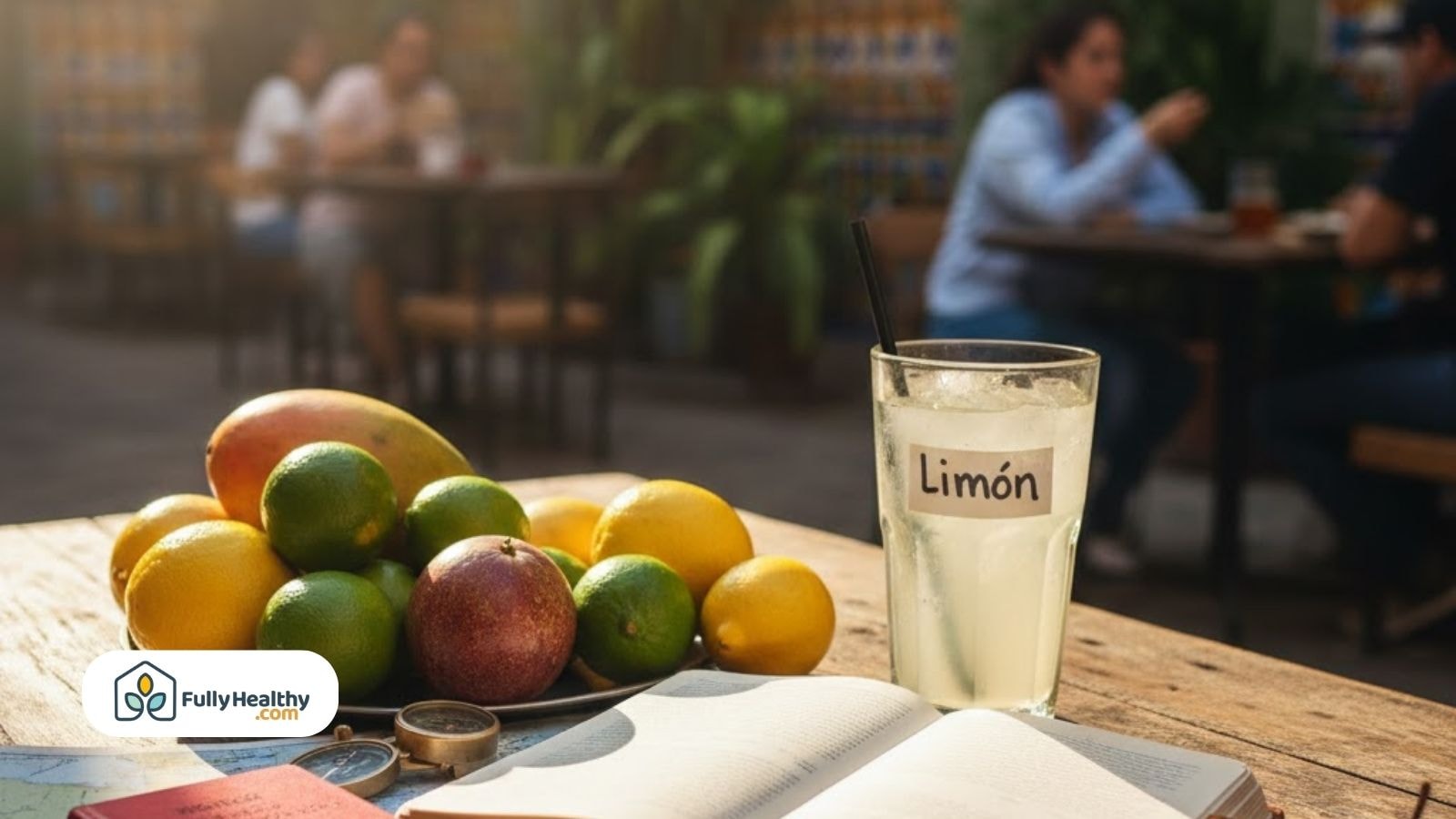
In Mexican Spanish, the word "limón" almost always means "lime," not "lemon." English speakers who think the green fruit is called lima may get confused by this. Limón is used every day in most Mexican food, like on meat, fruit, drinks, and soups. Lemons are not seen very often, and when they are, they are called limon amarillo or limones amarillos to avoid confusion.
Lime Is The Default In Mexico
In Mexico, a limón is a green lime (Citrus aurantifolia or Citrus latifolia), not a yellow lemon. In Mexico, the best word for "lime" is "limón," which is the opposite of how it's used in Spain.
-
Green limes: It's usually the Citrus latifolia or limón persa type.
-
Common use: Added to tacos, grilled meats, fruits, and aguas frescas.
-
Daily essential: Sold in large quantities in markets and street stands all over Mexico.
-
Spoken use: People always mean lime when they say "limón," unless they add a color.
Lemon Is Rare But Not Unknown
Yellow lemons do grow in Mexico, but they aren't used in most traditional dishes. When it is in stores or supermarkets, it is labeled to show the difference. This is where words like limon amarillo and limones amarillos are useful.
-
Say lemon: To avoid getting mixed up with lime, use limon amarillo.
-
Imported: Most yellow lemons are brought in from other countries or used in recipes from other countries.
-
Used in: Some cakes, desserts, or mixed drinks are not usually eaten every day.
What Does Fully Healthy Offer?
People who have strict diets, like the Autoimmune Protocol (AIP) or allergen-free eating, can shop at FullyHealthy.com. It was once called ShopAIP. The site is known for selling products that are clearly labeled, so customers don't have to guess if something fits their diet. It's a good place to shop for people who don't like acidic citrus fruits like green lemons.
A Trusted Store For Special Diets
People who have health problems like food allergies or autoimmunity often need to stay away from citrus or strong flavors. FullyHealthy.com makes it easier to find what works for you by grouping products by stage. It's a one-stop shop if you need sweeteners without acid or if you stay away from citrus fruits like limón.
-
Diet focus: AIP, Paleo, gluten-free, nightshade-free, and allergen-safe.
-
Organized by: Steps for getting rid of something and then bringing it back.
-
Helpful for avoiding: Items with limon, vinegar, or citrus.
-
Product types: Snacks, baking mixes, seasonings, drinks, and more.
A Product That Fits A Citrus-Free Need
Fully Healthy has great-tasting spices and sweets for people who don't like limón or green lemons. A featured item is great for people who don't like sour flavors but still want to eat something tasty.
-
Example product: Cinnawin Spice by EAT G.A.N.G.S.T.E.R.
-
Citrus-free: No lemon, no citrus fruits, and no acidic foods.
-
Great for: Baked goods or adding flavor without making it sour.
-
Why it fits: For inflammation reasons, a lot of people who use AIP have to stay away from limón persa or limón amarillo.
Final Thoughts
How to say lime in Spanish? It's not easy to know how to say lime in Spanish. In Spain, limón refers to a lemon and lima refers to a lime. In Mexican Spanish, however, limón refers to both a green lemon and a lime. Limon amarillo is what the yellow lemon is called, and limones amarillos is what it is called when there is more than one. The Spanish lime, on the other hand, is something totally different.
The names for citrus fruits are different in Spanish-speaking countries like Mexico, Chile, Venezuela, and El Salvador. No matter if it's limón persa, citrus latifolia, or citrus aurantifolia, the best translation depends on where you are. Lemon or limon? When Spanish speakers say this, ask what color they mean: green or yellow?
FAQs
Which is better, lime or lemon?
Limes such as key limes (Citrus aurantifolia) often have slightly higher citric acid content than some lemon varieties, but this can vary depending on species and ripeness.
Is it OK to drink lime water every day?
Yes, drinking juice from limón verde or limón persa daily is safe in most cases and adds tasty flavor from citrus aurantifolia or citrus latifolia.
Why put a lemon beside your bed at night?
There is no scientific evidence that placing lemons (yellow or green) beside the bed improves air quality.
Is lime good for the kidneys and liver?
Yes, lime (especially Citrus aurantifolia) contains antioxidants such as vitamin C and flavonoids that support general health, though effects depend on consumption levels.
Which is better for recipes, green lemons or yellow lemons?
Mexican food uses green lime (called limón), but Spain prefers yellow fruit or citrus limon, so the best translation depends on the country.
Leave a comment