

How Long Does Cooked Pasta Last in the Fridge? Storage & Safety Guide
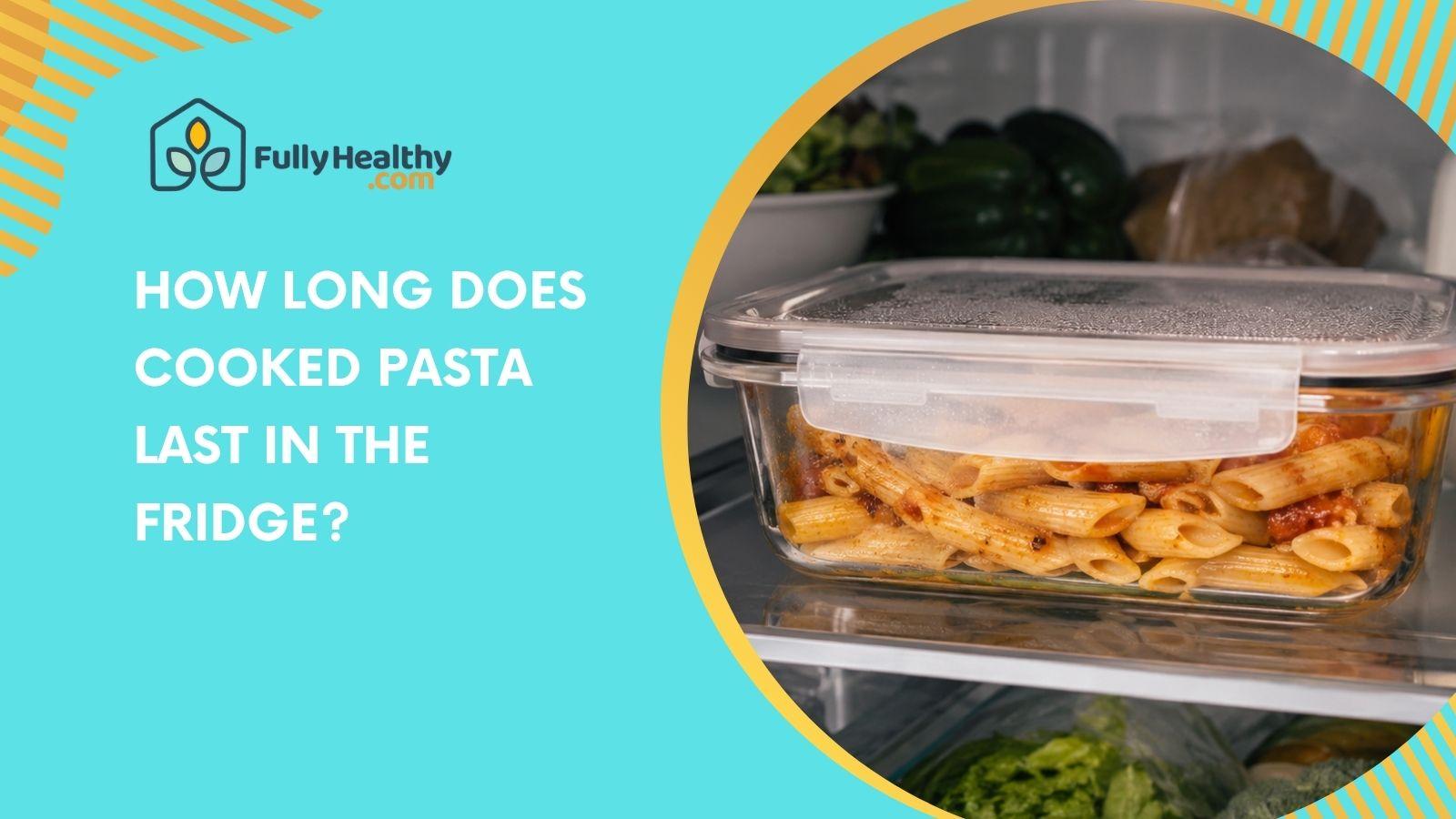
How long does cooked pasta last in the fridge? In most cases, cooked pasta stays safe to eat for 3 to 5 days when refrigerated properly in an airtight container. The exact storage time depends on the sauce, ingredients, and how the pasta is stored after cooking.
Knowing these simple food safety tips can help you keep leftovers fresh longer, reduce food waste, and avoid eating spoiled pasta.
How Long Does Cooked Pasta Last in the Fridge?
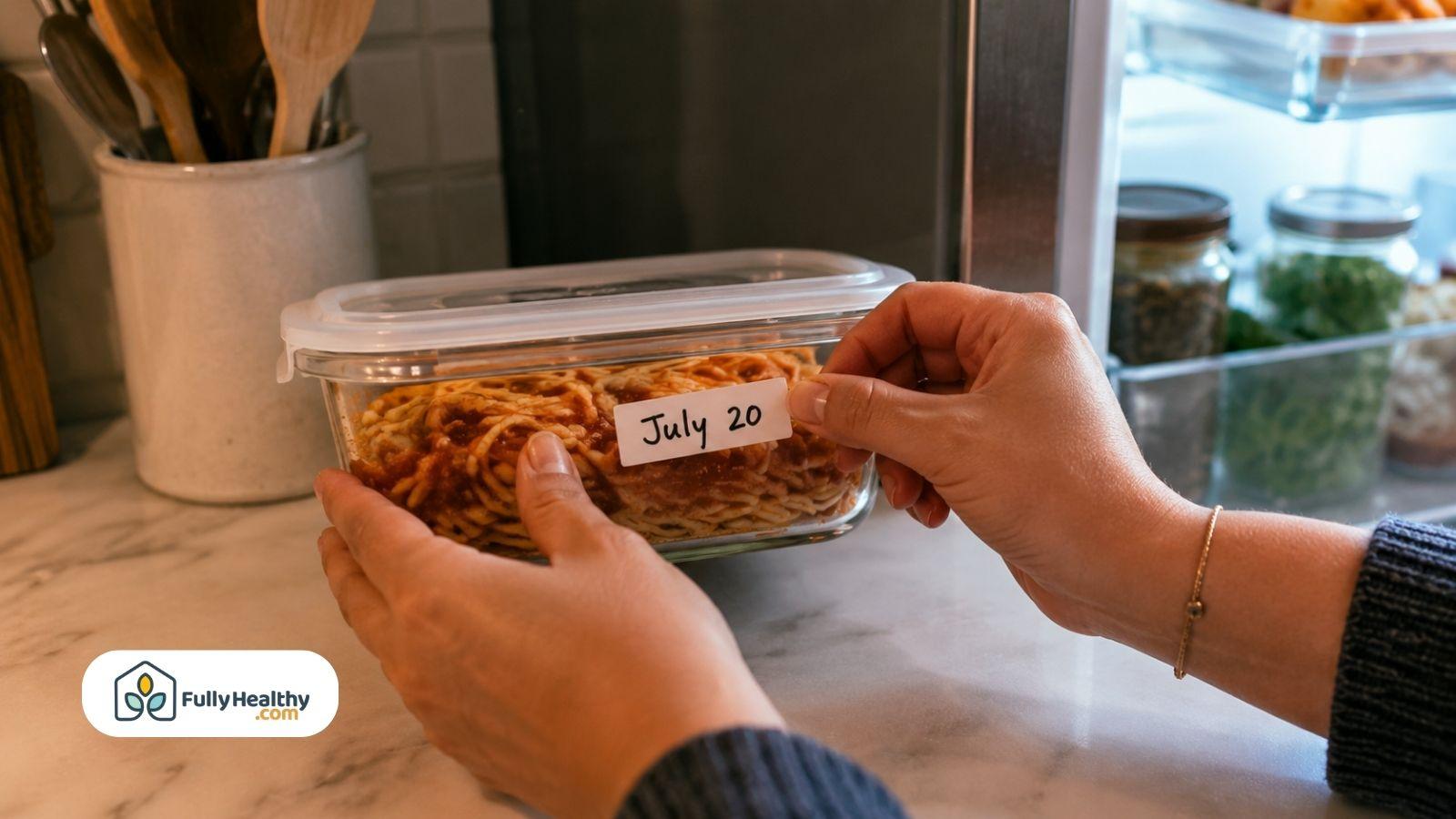
Cooked pasta usually lasts 3 to 4 days in the refrigerator when stored properly at 40°F (4°C) or below. The exact shelf life depends on the pasta type, sauce type, and how quickly you cool and store the leftovers.
Shelf Life of Cooked Pasta
How long does cooked pasta last in the fridge is easy to answer. Plain cooked pasta generally stays safe to eat for 3 to 5 days in the refrigerator when stored properly in an airtight container after it has completely cooled. Ingredients mixed into the dish, such as meat, vegetables, or pasta sauce, usually affect storage time more than the noodles themselves because they spoil faster.
-
Plain Cooked Pasta: Lasts about 3 to 4 days in the refrigerator when stored in an airtight container.
-
Tomato Sauce: Pasta with tomato sauce usually keeps for 3 to 4 days because the sauce is more stable than dairy-based options.
-
Alfredo Sauce: Pasta with sauce made from cream typically lasts 3 to 4 days before quality begins to decline.
-
Meat and Seafood: Cooked pasta dishes containing meat or seafood should generally be eaten within 3 to 4 days, unless a more perishable ingredient or package instruction gives a shorter limit.
-
Food Safety: Harmful bacteria can grow even if food smells fine, so follow USDA guidance instead of relying only on smell or taste.
How to Tell If Cooked Pasta Has Gone Bad
Leftover pasta should be thrown away if it shows signs of spoilage, even when it smells fine at first. Spoiled pasta can develop bacteria that are impossible to see, making appearance, storage time, and texture more reliable indicators than taste.
-
Smell: A sour smell is one of the first signs that cooked pasta should not be eaten.
-
Texture: A slimy texture or sticky surface often means bacteria have started growing.
-
Appearance: Mold, unusual colors, or excessive moisture inside the container mean it is time to discard the food.
-
Storage Time: Any cooked pasta that has stayed longer than 5 days in the refrigerator should be thrown away.
-
Quality: Leftover spaghetti, baked ziti, ravioli, or lasagna may also lose flavor and develop an unpleasant texture before visible mold appears.
Can I Freeze Leftover Pasta?
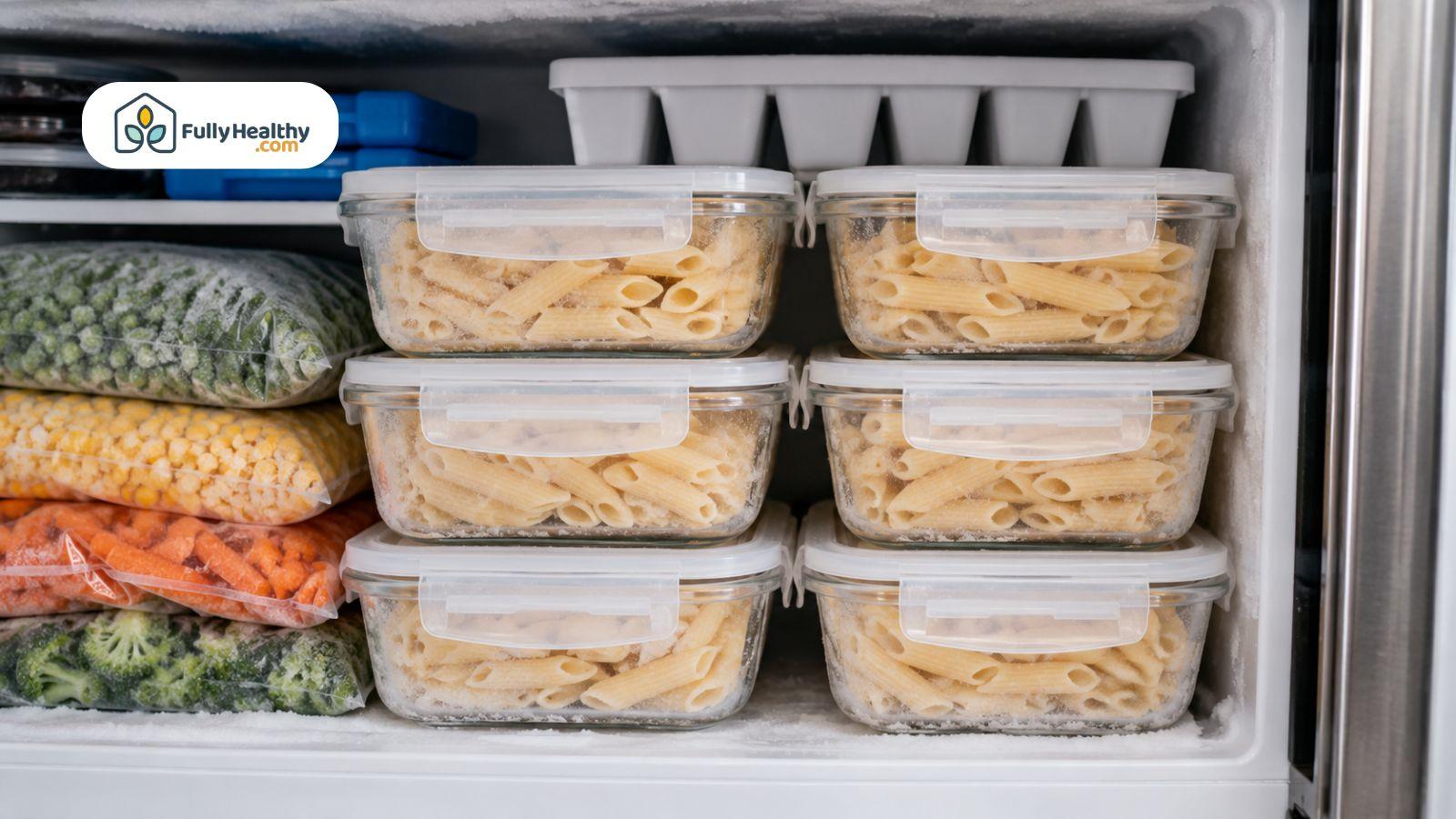
Freezing is a practical way to extend the shelf life of cooked pasta when you cannot eat it within a few days. Proper packaging helps maintain flavor, texture, and food quality while reducing freezer burn.
Freezing Cooked Pasta for Longer Storage
Yes, you can freeze cooked pasta, and it keeps its best quality for about 2 to 3 months when stored properly. Plain cooked pasta, leftover spaghetti, penne, and pasta mixed with tomato sauce generally freeze better than dishes made with cream-based sauces.
-
Cool Slightly: Let cooked pasta cool briefly, then refrigerate or freeze within 2 hours of cooking.
-
Packaging: Use an airtight container, storage bag, resealable plastic bag, or freezer bags with as much air removed as possible.
-
Olive Oil: Toss plain pasta with a little oil before freezing to reduce sticking.
-
Sauce Separately: Store pasta and pasta sauce separately when possible for better texture after reheating.
-
Freezer Burn: Removing as much air as possible helps reduce freezer burn and keeps frozen pasta tasting fresher.
What is the Best Way to Reheat Refrigerated Pasta?
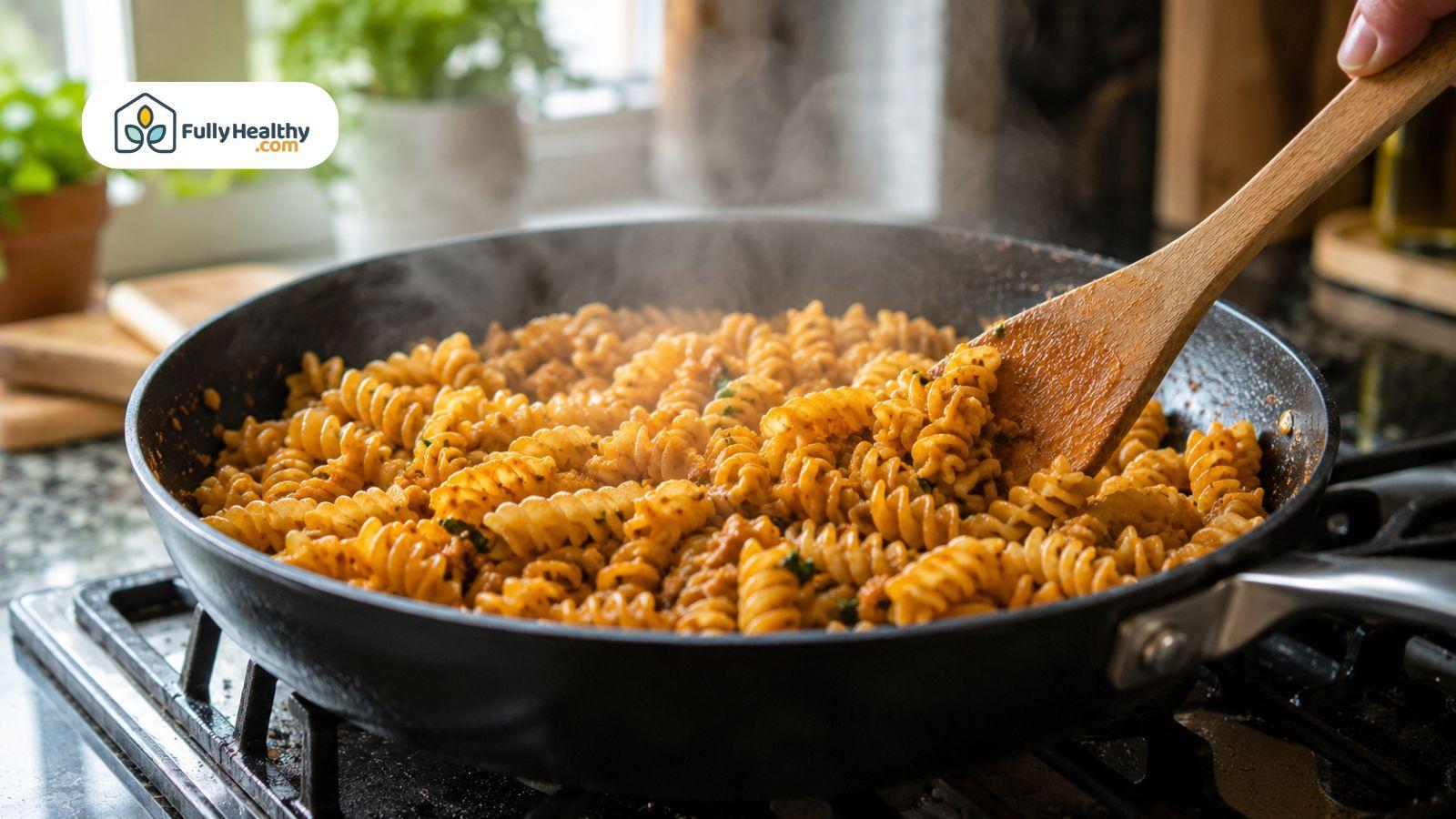
The best reheating method depends on the pasta type and the sauce. Adding a small amount of water, pasta sauce, or olive oil helps restore moisture and improves texture after refrigeration.
Reheating Pasta Without Drying it Out
The best way to reheat cooked pasta is to match the method to the dish. Plain pasta reheats well in boiling water, while pasta with sauce usually stays moist in the microwave, oven, or on the stovetop with a little extra liquid.
-
Boiling Water: Plain pasta or noodles can be reheated for about 30 to 60 seconds in boiling water.
-
Microwave: Cover the container and add a little water or sauce before reheating to reduce drying.
-
Stovetop: Toss pasta gently with olive oil or additional pasta sauce over medium heat.
-
Oven: Lasagna and baked ziti reheat more evenly when covered with foil until heated through.
-
Temperature: Reheat leftovers until they reach 165°F (74°C) for safe eating.
Choosing the Right Reheating Method for Each Pasta Dish
Different pasta dishes respond differently to heat because every sauce type contains different amounts of moisture and fat. Adding a bit of water or extra sauce helps restore the consistency that often changes after several days in the refrigerator.
-
Plain Pasta: A quick dip in boiling water helps restore texture without overcooking.
-
Tomato Sauce: Reheat gently on the stovetop while stirring occasionally.
-
Alfredo Sauce: Warm slowly over low heat because dairy sauces separate at high temperatures.
-
Pasta Mixed With Vegetables: Stir occasionally so the vegetables and noodles heat evenly.
-
Store Bought Meals: Follow package directions when reheating refrigerated or frozen pasta products.
Thawing and Reheating Frozen Pasta Safely
Frozen pasta can be thawed overnight in the refrigerator or reheated directly from the freezer, depending on the recipe. Allowing the dish to thaw first usually produces a better texture, especially for pasta with sauce and baked meals.
-
Refrigerator: Thaw frozen pasta overnight before reheating when time allows.
-
Direct Heating: Plain noodles can go straight into boiling water for quick reheating.
-
Microwave: Reheat in short intervals and stir between each cycle for even heating.
-
Cream Sauces: Alfredo sauce may separate after freezing, so stir gently while reheating.
-
Food Safety: Never leave frozen pasta on the counter for several hours before reheating.
What is the Best Way to Store Leftover Cooked Pasta?
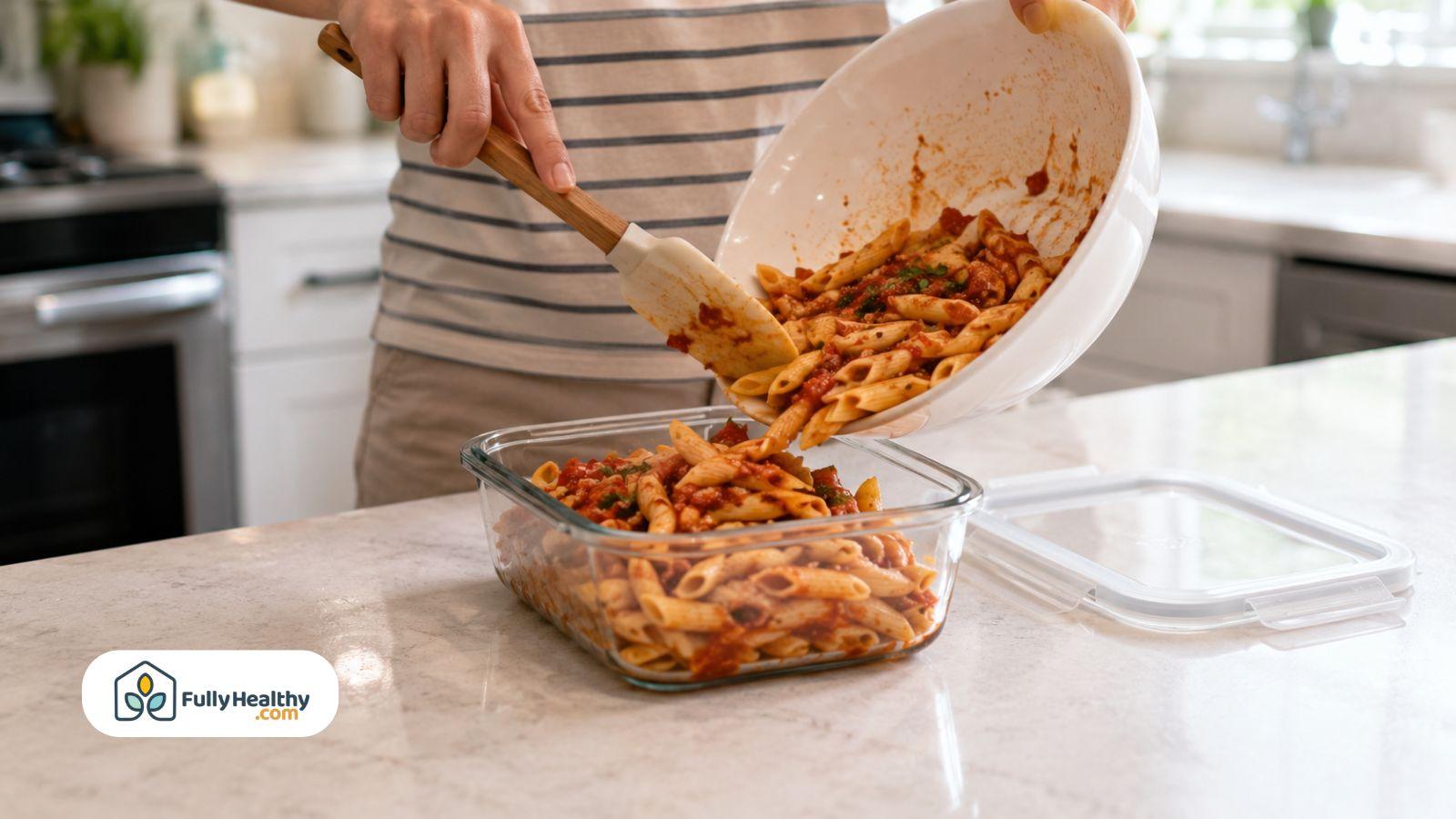
Storing leftover pasta correctly helps it stay fresh longer and reduces food waste. Cooling the dish quickly, using the right container, and limiting exposure to air all help extend the shelf life while keeping the pasta in good condition.
Proper Storage Techniques That Extend Freshness
The best way to store pasta is to cool it quickly and refrigerate it within two hours of cooking. Using an airtight container and reducing air exposure helps maintain flavor, prevents the noodles from drying out, and slows bacterial growth.
-
Cool Promptly: Let cooked pasta cool for a short time before refrigerating, but do not leave it at room temperature for more than two hours.
-
Airtight Container: Store pasta in an airtight container to help preserve moisture and reduce exposure to air.
-
Sauce Separately: Store plain pasta and pasta sauce separately whenever practical because the noodles absorb sauce over time.
-
Shallow Container: Use a shallow container so the food cools evenly in the refrigerator.
-
Portion Sizes: Divide leftovers into smaller containers so you only reheat the amount you plan to eat.
Common Storage Mistakes That Shorten Shelf Life
Simple storage mistakes can shorten the shelf life of cooked pasta and increase the risk of spoiled pasta. Paying attention to temperature, moisture, and handling keeps leftovers safer and tasting better.
-
Room Temperature: Do not leave cooked pasta on the counter for more than two hours, or one hour during very hot weather.
-
Warm Storage: Avoid sealing steaming hot pasta because trapped moisture creates condensation that affects texture.
-
Repeated Reheating: Reheat only the portion you plan to eat instead of warming the entire container every time.
-
Uncovered Food: Never store leftover spaghetti or other pasta uncovered because it dries out and absorbs odors from the fridge.
-
Pantry Storage: Dried pasta belongs in a cool, dry place such as the pantry, while cooked pasta should always stay in the refrigerator.
Why Choose FullyHealthy for Gluten-Free Pasta and Pantry Staples
If you are looking for alternatives to traditional wheat pasta, FullyHealthy offers a wide selection of specialty products for different dietary needs. The store focuses on allergen-friendly foods that make it easier to prepare everyday recipes without sacrificing variety.
About FullyHealthy
FullyHealthy is an online marketplace that specializes in gluten-free, grain-free, Paleo, AIP, and other specialty foods. Along with pantry staples, shoppers can purchase pasta, sauces, snacks, baking ingredients, and other products designed for specific dietary preferences.
-
Specialty Foods: The catalog includes products for gluten-free, grain-free, Paleo, AIP, and other eating plans.
-
Pantry Staples: Customers can shop for pasta, sauces, seasonings, snacks, and everyday cooking ingredients in one place.
-
Convenience: Ordering online makes it easier to keep specialty foods stocked without visiting multiple stores.
-
Recipe Options: The product selection supports everyday recipes ranging from simple spaghetti to baked pasta dishes.
-
Dietary Variety: The store carries products suitable for different food sensitivities and lifestyle preferences.
Gluten-Free and Specialty Pasta Products
FullyHealthy carries several gluten-free pasta options made from cassava or chickpeas, along with specialty pasta sauces that pair well with different recipes. Choosing the right product depends on the flavor, texture, and nutritional profile you want for your meal.
-
Jovial Cassava Spaghetti Pasta: A gluten-free cassava pasta with a classic spaghetti shape that pairs well with tomato sauce, olive oil, meat, or vegetables.
-
Jovial Cassava Elbow Pasta: Short elbow noodles made from cassava flour, ideal for pasta salads, casseroles, and family-friendly recipes.
-
Jovial Cassava Penne Pasta: Tube-shaped gluten-free pasta that holds creamy or tomato-based sauces well for hearty meals.
-
Jovial Cassava Fusilli Pasta: Spiral-shaped cassava pasta that captures pasta sauce in every bite, making it suitable for warm dishes and pasta salads.
-
Banza Chickpea Penne Pasta: Chickpea-based penne that provides more protein and fiber than traditional wheat pasta while remaining gluten-free.
-
Banza Spaghetti: A chickpea spaghetti alternative with a familiar texture that works well in classic spaghetti recipes and other everyday pasta dishes.
-
KC Natural Carrot Marinara Paleo Pasta Sauce: A Paleo-friendly marinara made with carrots instead of tomatoes, suitable for tomato-free pasta recipes.
-
KC Natural Traditional Style Tomato-Free Pasta Sauce: A tomato-free pasta sauce that delivers a classic savory flavor for people avoiding tomatoes while pairing well with gluten-free pasta.
Final Thoughts
Knowing how long does cooked pasta last in the fridge helps you enjoy leftovers safely while reducing food waste. Most cooked pasta stays fresh for 3 to 5 days when refrigerated promptly in an airtight container, but the sauce and ingredients can shorten its shelf life.
Always check storage time, texture, and signs of spoilage before eating. Use these simple storage and reheating tips to keep your next pasta meal safe and delicious.
FAQs
Can I Eat Leftover Pasta After 5 Days?
Five days is the maximum for cooked pasta. Plain cooked pasta lasts 3 to 5 days, while pasta with sauce is best within 3 to 4 days.
How to Tell if Cooked Pasta is Bad in the Fridge?
Cooked pasta is bad if it has a sour smell, mold, discoloration, or a slimy texture, or if it has been stored longer than the recommended storage time.
Is it Okay to Eat Leftover Pasta Cold?
Yes. It is okay to eat leftover pasta cold if it has been stored properly in the refrigerator for no more than 3 to 5 days.
Can You Eat Cooked Pasta After 7 Days?
No. Cooked pasta after 7 days is no longer considered safe to eat, even if it smells fine or appears unchanged.
What 5 Foods Should Not Be Reheated?
Rice, cooked seafood, eggs, mushrooms, and potatoes are five foods that require extra care when reheating because improper storage or reheating can increase food safety risks.
Leave a comment