

How Many Carbs in Spaghetti Squash? Surprising Facts
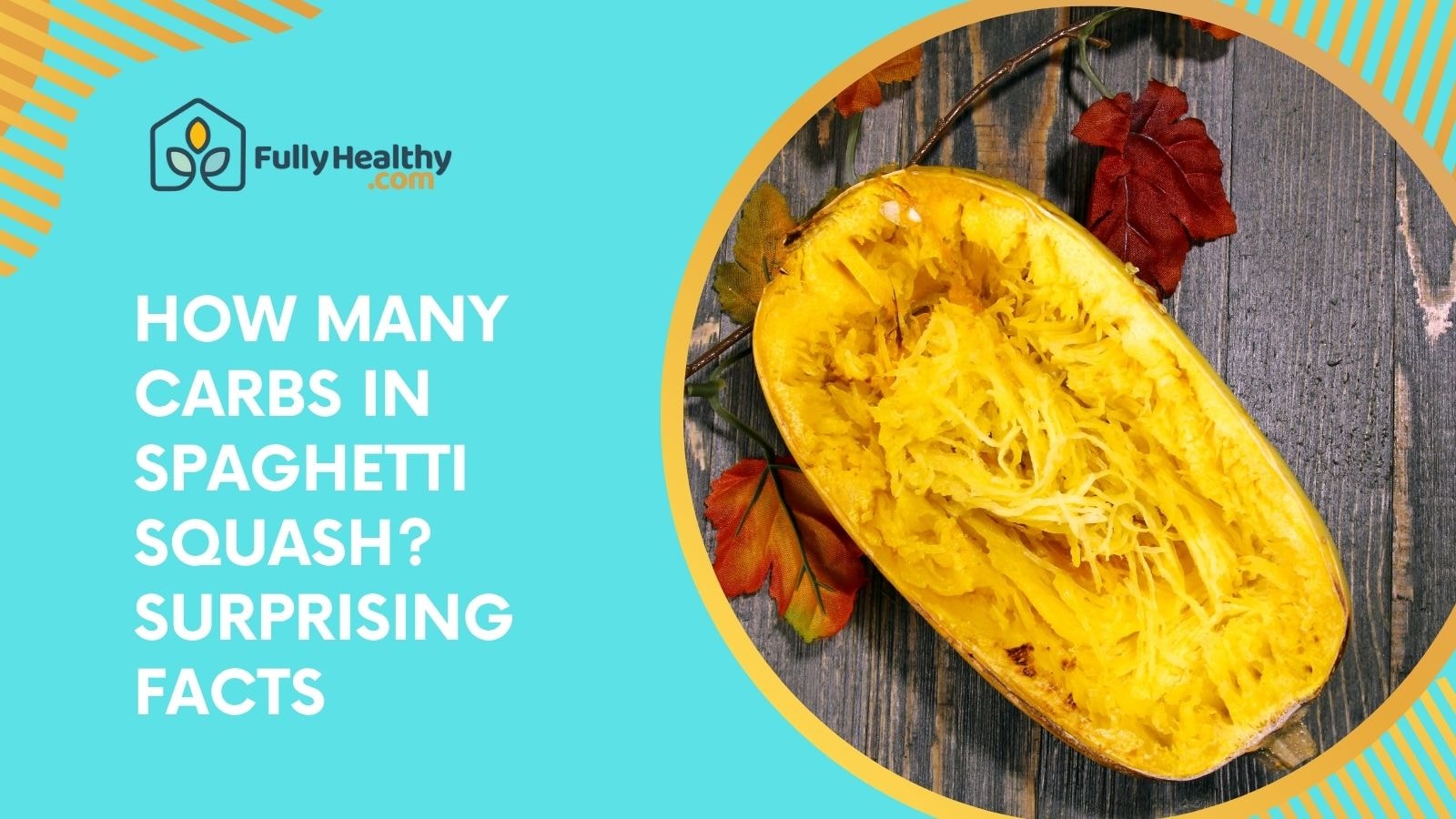 Photo credit: Canva Pro
Spaghetti squash is a popular low-carb vegetable that can easily replace pasta in many dishes. One cup of cooked spaghetti squash contains approximately 10g of carbohydrates (7–8g net carbs) and about 42–46 calories, making it a healthy choice for people watching their carb intake.
Knowing how many carbs in spaghetti squash helps you plan balanced meals that support weight loss, blood sugar control, and overall healthy eating.
Featured Pantry Pick
Farmers Market // Organic Butternut Squash - 15 oz
Loading...
Is Spaghetti Squash Good for a Low-Carb Diet?
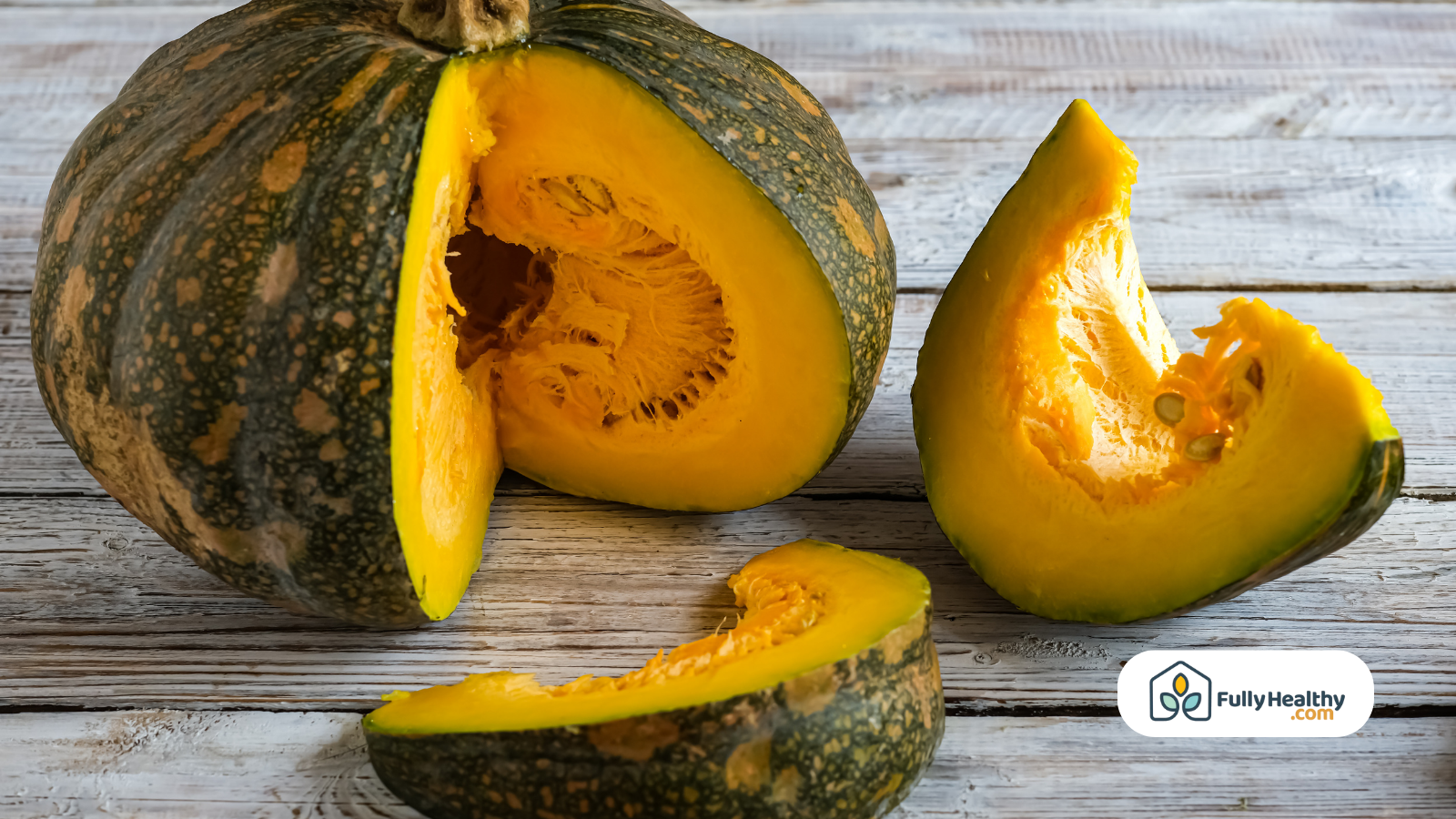 Photo credit: Canva Pro
Spaghetti squash is relatively low in carbohydrates, making it a suitable option for moderate low-carb or calorie-controlled diets. This winter squash is low in calories and high in minerals and vitamins that are good for your health.
About 10 grams of carbs and 40 calories make up one cup of cooked spaghetti squash. This makes it perfect for people who want to cut back on calories but still enjoy pasta-like dishes.
Health Benefits of Spaghetti Squash
Spaghetti squash is low in carbohydrates and easy to cook, which makes it one of the most versatile and nutritious foods for healthy meal planning.
-
Digestive support: Dietary fiber promotes better digestion and gut balance.
-
Weight management: Low calorie and nutrient-dense, ideal for balanced diets.
-
Blood sugar control: Its low carbohydrate and moderate fiber content help maintain stable post-meal blood sugar levels.
-
Nutrient boost: Provides vitamin C, potassium, and other essential minerals.
-
Versatile substitute: Can replace pasta, rice, or other high-carb sides.
How Spaghetti Squash Compares to Pasta
Unlike cooked spaghetti or other whole grains, cooked spaghetti squash contains fewer carbs and calories but still offers satisfying texture.
-
Spaghetti squash: About 10 grams of carbohydrates per cup.
-
Traditional pasta: Around 43 grams of carbohydrates per cup.
-
Calories: Spaghetti squash has about one-fourth the calories of pasta.
-
Fiber: Provides about 2 grams per serving for digestive support.
It tastes mildly nutty and naturally sweet, and goes well with olive oil, lean proteins, and vegetables. This helps you make a healthy meal without too many carbs.
How Many Net Carbs Are in 2 Cups of Spaghetti Squash?
 Photo credit: Canva Pro
Spaghetti squash is a low carbohydrate vegetable often used as a healthy substitute for pasta. Knowing how many carbs in spaghetti squash helps you build a balanced diet while maintaining steady energy. According to spaghetti squash nutrition facts, one cup of cooked squash has about 10 grams of carbohydrates, 2 grams of fiber, and around 40 calories.
Two cups of cooked spaghetti squash provide approximately 14–16 grams of net carbohydrates, making it a great choice for weight loss or low carb diets.
Nutritional Impact of Eating a Whole Squash
The The nutrition facts show that this mild, slightly sweet vegetable offers fewer carbs than pasta. Each serving contributes fiber and essential nutrients that aid digestion and blood sugar stability.facts show that this mild, slightly sweet vegetable offers fewer carbs than pasta. Each serving contributes fiber and essential nutrients that aid digestion and blood sugar stability.
-
Spaghetti squash per cup: 10g total carbs, 2g fiber, 8g net carbs.
-
Two cups total: 16g net carbs, 80 calories, rich in fiber.
-
Comparison: A cup of cooked spaghetti has about 43g of carbs, nearly triple the amount.
-
Benefit: Helps maintain stable blood sugar levels and supports weight loss.
When Moderation Matters
Spaghetti squash is mildly sweet with spaghetti like strands that resemble noodles. It’s easy to prepare—just cut the squash in half lengthwise, scoop out the seeds, and bake on a baking sheet until fork-tender.
-
Protein options: Grilled chicken, turkey, or shrimp to create a balanced meal.
-
Healthy fats: Drizzle olive oil for extra nutrients and flavor.
-
Vegetable toppings: Add spinach, tomatoes, or mushrooms for extra vitamins and minerals.
-
Low carb sauces: Use tomato-based or olive oil sauces instead of cheese-heavy toppings.
-
Serving tip: Keep portions between 1–2 cups for a nutritious and filling dish
Is It Okay to Eat an Entire Spaghetti Squash?
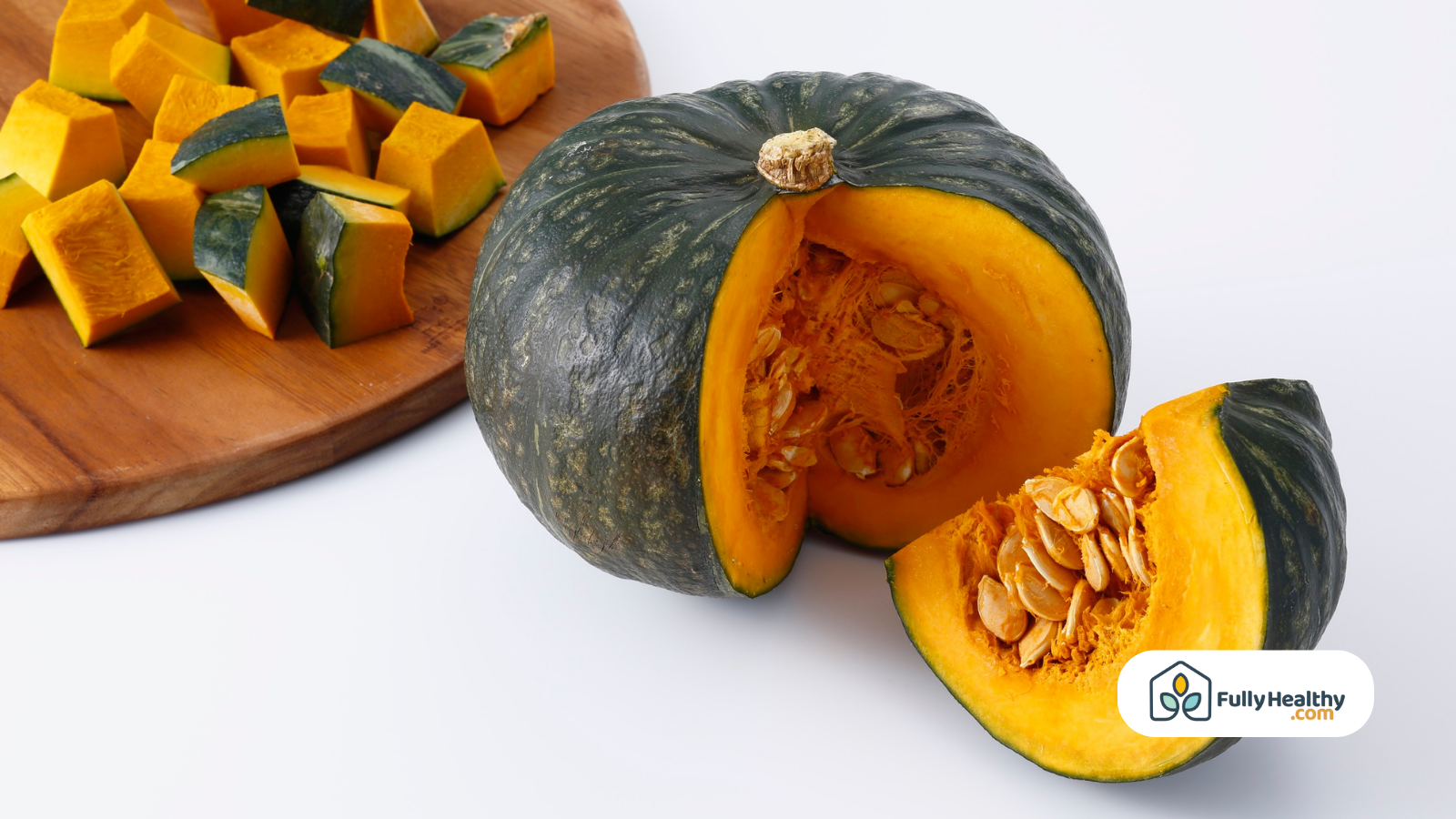 Photo credit: Canva Pro
Eating a whole spaghetti squash is generally safe, but it’s best done in moderation. A medium squash yields about four cups of cooked strands, providing roughly 30–36 grams of carbohydrates and around 150 calories. While this isn’t excessive, balance is important—especially for those monitoring blood sugar or following low carb diets.
The slightly sweet flavor of this vegetable makes it easy to enjoy as a pasta replacement, but portion control ensures steady energy and better glycemic load balance.
Nutritional Benefits of Eating Spaghetti Squash
A whole spaghetti squash provides beneficial nutrients that support hydration, digestion, and energy balance. Even though it’s considered a low carb alternative to pasta, being aware of serving size helps maintain a healthy balance.
-
Calories per medium squash: Around 150, depending on cooking method.
-
Carbs per medium squash: Roughly 40g total carbohydrates.
-
Fiber: Approximately 8g, which helps with digestive health.
-
Vitamins: High in vitamin C, potassium, and manganese.
-
Hydration: Contains about 90% water, aiding in digestion and fullness.
When Moderation Matters
Although spaghetti squash is low in calories, eating too much can slightly increase carbohydrate intake. Practicing portion control ensures you get the benefits without overdoing it.
-
For low carb diets: Limit to 1–2 cups per meal.
-
For diabetics: Combine with lean proteins for balanced blood glucose.
-
As a meal substitute: Use as a base for favorite pasta dishes.
-
For hydration: Enjoy as part of a mixed vegetable bowl.
-
For weight control: Include it as one part of a balanced plate, not the entire meal.
It's low in calories and high in nutrients, and spaghetti squash is a great addition to any healthy diet. It helps you enjoy tasty, filling meals while also improving your health and weight loss.
Is Spaghetti Squash Good for Diabetics?
 Photo credit: Canva Pro
Yes, spaghetti squash is a good choice for diabetics due to its low glycemic impact and fiber content, which help stabilize blood sugar. Its fiber and water content slow digestion, preventing spikes in blood glucose after meals. Compared to pasta or rice, it’s lighter, more nutritious, and better suited for blood sugar control.
How Spaghetti Squash Affects Blood Sugar
The combination of dietary fiber and essential vitamins makes this vegetable ideal for diabetic diets.
-
Low glycemic index: Keeps blood sugar steady after eating.
-
Dietary fiber: Supports digestive health and insulin balance.
-
Essential nutrients: Provides vitamin C and potassium for heart and immune support.
-
Low calories: Allows for larger portions without excess carbs.
-
Weight management: Helps control appetite and maintain healthy glucose levels.
Why Diabetics Can Safely Enjoy It
Spaghetti squash is safe for diabetics when cooked simply and paired with other nutritious foods.
-
Use as pasta substitute: Replace noodles in favorite dishes for fewer carbs.
-
Healthy toppings: Add lean meats or vegetables instead of sugary sauces.
-
Meal balance: Pair with olive oil or avocado for healthy fats.
-
Better blood sugar control: Eat moderate portions to avoid glucose spikes.
-
Daily inclusion: Works well in lunch or dinner meals for sustained energy.
What Does FullyHealthy.com Offer About Spaghetti Squash?
FullyHealthy.com provides natural, allergen-free foods that align with low carb and balanced diets. Their products highlight the nutritional benefits of spaghetti squash while promoting clean eating for overall health.
Healthy Low-Carb Products Related to Spaghetti Squash
The website offers convenient, nutrient-rich options that fit low glycemic lifestyles.
-
Solely One Whole Spaghetti Squash Veggie Pasta: Made from pure squash with no additives, perfect for low carb diets.
-
Farmer’s Market Organic Butternut Squash: Rich in fiber and vitamins, ideal for healthy side dishes or meal prep.
-
Low carb advantage: Both products are gluten-free and easy to prepare.
-
Nutrition focus: Promote better blood sugar control and balanced nutrition.
-
Accessibility: Convenient for people with busy lifestyles or dietary needs.
How FullyHealthy Supports Clean Eating
FullyHealthy.com focuses on making nutrient-dense foods simple and accessible for everyone.
-
AIP and allergen-free: Safe for those with sensitivities or spaghetti squash allergies.
-
Whole-food ingredients: Encourages natural eating without preservatives.
-
Low glycemic food options: Supports stable energy and digestion.
-
Promotes balanced diet: Helps consumers make mindful, nutritious choices.
-
Trusted source: Provides reliable low carb foods that fit modern healthy lifestyles.
FullyHealthy.com demonstrates how spaghetti squash and its related foods can help people enjoy healthier, low glycemic meals without giving up flavor or satisfaction. Whether you have oral allergy syndrome, allergy asthma, or simply want wholesome, clean foods, FullyHealthy’s products deliver both safety and nutrition in every bite.
Final Thoughts
If you want a lighter, healthier meal, spaghetti squash is a great low carb substitute that resembles spaghetti but with far fewer grams of carbohydrates. It’s a low glycemic food packed with essential vitamins, fiber, and beneficial nutrients that help maintain stable blood sugar levels and support heart health.
Its nutty flavor and natural sweetness make it satisfying while keeping calorie intake and carbohydrate intake under control. Depending on the cooking method—baked, steamed, or roasted until fork tender—spaghetti squash can be paired with sauces, meat, or other nutritious foods for a complete dish. For added texture and nutrients, top it with a small amount of roasted squash or pumpkin seeds, which provide protein and healthy fats.
Adding this versatile vegetable to your diet not only satisfies pasta cravings but also promotes digestion and overall wellness—just consult your healthcare provider if you have specific dietary needs.
FAQs
Can spaghetti squash replace pasta in recipes?
Yes, spaghetti squash replace pasta easily in most dishes, offering fewer carbs and more nutrients.
Is spaghetti squash good as a nutritious snack?
Absolutely, it can be enjoyed as a nutritious snack when seasoned lightly or paired with olive oil and herbs.
Can I add pumpkin seeds to spaghetti squash meals?
Yes, pumpkin seeds add healthy fats, crunch, and extra nutrients to spaghetti squash dishes.
How should I store leftover spaghetti squash?
Keep it in an airtight container in the fridge for up to five days for best freshness.
Is spaghetti squash easy to digest?
Yes, its fiber and water content promote gentle digestion and overall gut health.
Leave a comment