

How Many Ounces in a Can of Tuna? Chunk Light, Tuna in Oil & More
 Photo Credit: Canva Pro
People like canned tuna because it's easy to get, but it's important to know how much to eat so you don't overdo it. After being drained, a standard 5 oz can can hold about 3 to 3.5 oz of tuna. How much you get depends on the type and how it's packed. This article will talk about common can sizes, serving suggestions, and the best amount to eat for your health.
Featured Pantry Pick
Wild Planet // Wild Albacore Tuna - 5 oz
Loading...
How Many Ounces in a Can of Tuna?
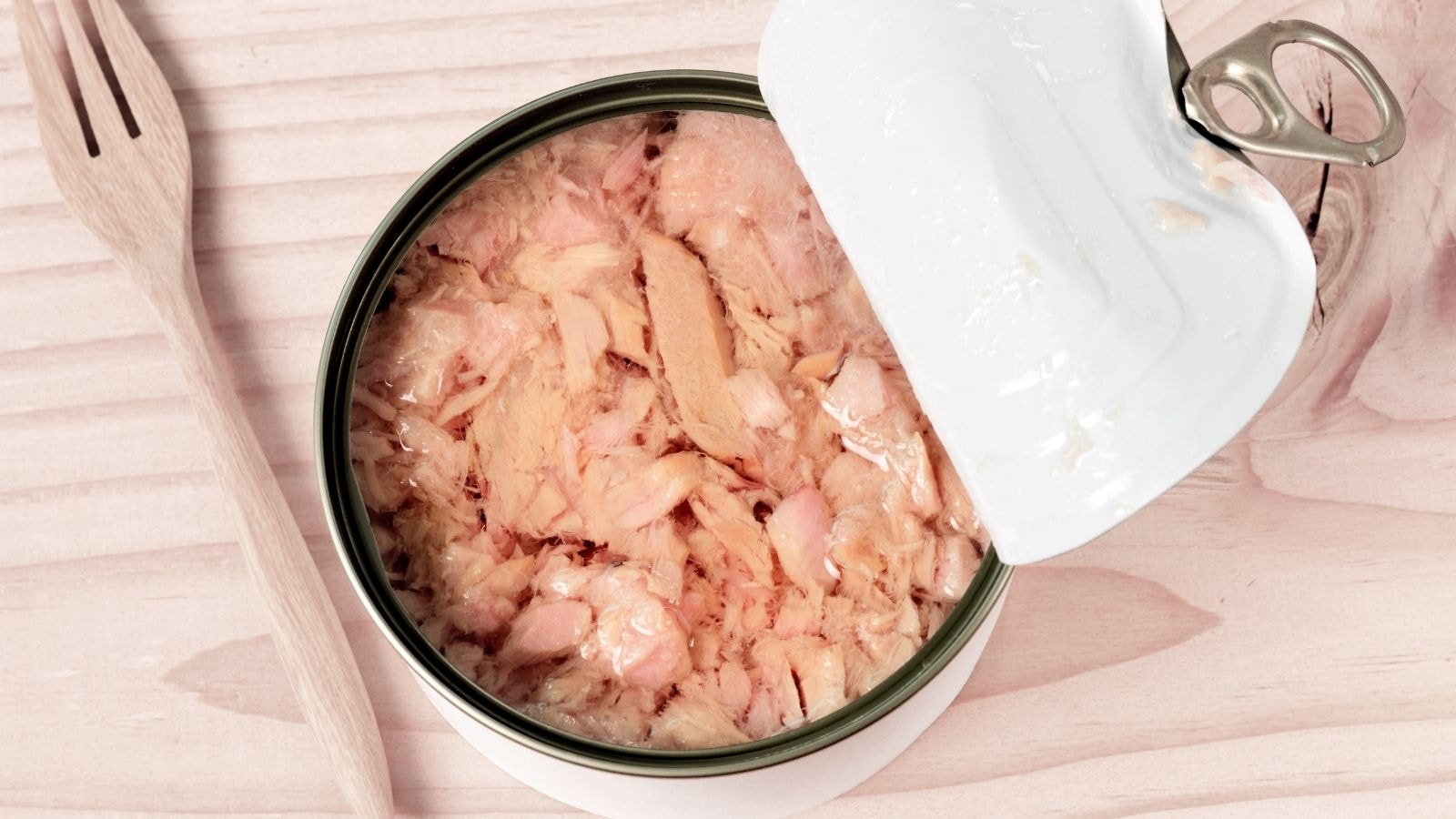 Photo Credit: Canva Pro
To plan meals and keep track of portions, you need to know how many ounces are in a can of tuna. Most tuna in a can comes in different sizes, but the most common is the 5 oz. How much tuna you get from a can, though, depends on what kind of tuna was used and whether it was packed in water, oil, or brine.
Most standard 5 oz cans of tuna have a drained weight of 3 to 3.5 oz. This is the weight of the tuna without the liquid.
Common Tuna Can Sizes
Depending on the brand and what they're used for, tuna cans come in a range of sizes, from small ones for one person to larger family-sized containers.
-
Standard size: Most of the time, a 5 oz. can is used for sandwiches, salads, and one-serving meals.
-
Larger sizes: For larger meals or batch cooking, cans can go up to 12 oz or more, which is good for casseroles and other hot casseroles.
-
Smaller sizes: Another type of can is the 3 oz skipjack tuna can, which is often used for quick snacks or small recipes.
Drained Weight and Packaging Impact
If you drain the tuna, what's left is the drained weight, which can be different for each type of tuna and how it's packed.
-
Tuna in water: It tends to weigh less after being drained, with about 3.5 oz of tuna in a 5 oz can.
-
Tuna in oil: Keeps more of its weight after being drained, with about 3.7 to 4 oz of tuna from a 5 oz can.
-
Tuna in brine: Like tuna in water, but it might have a little more sodium.
How Much Tuna Is in a 5 Oz Can?
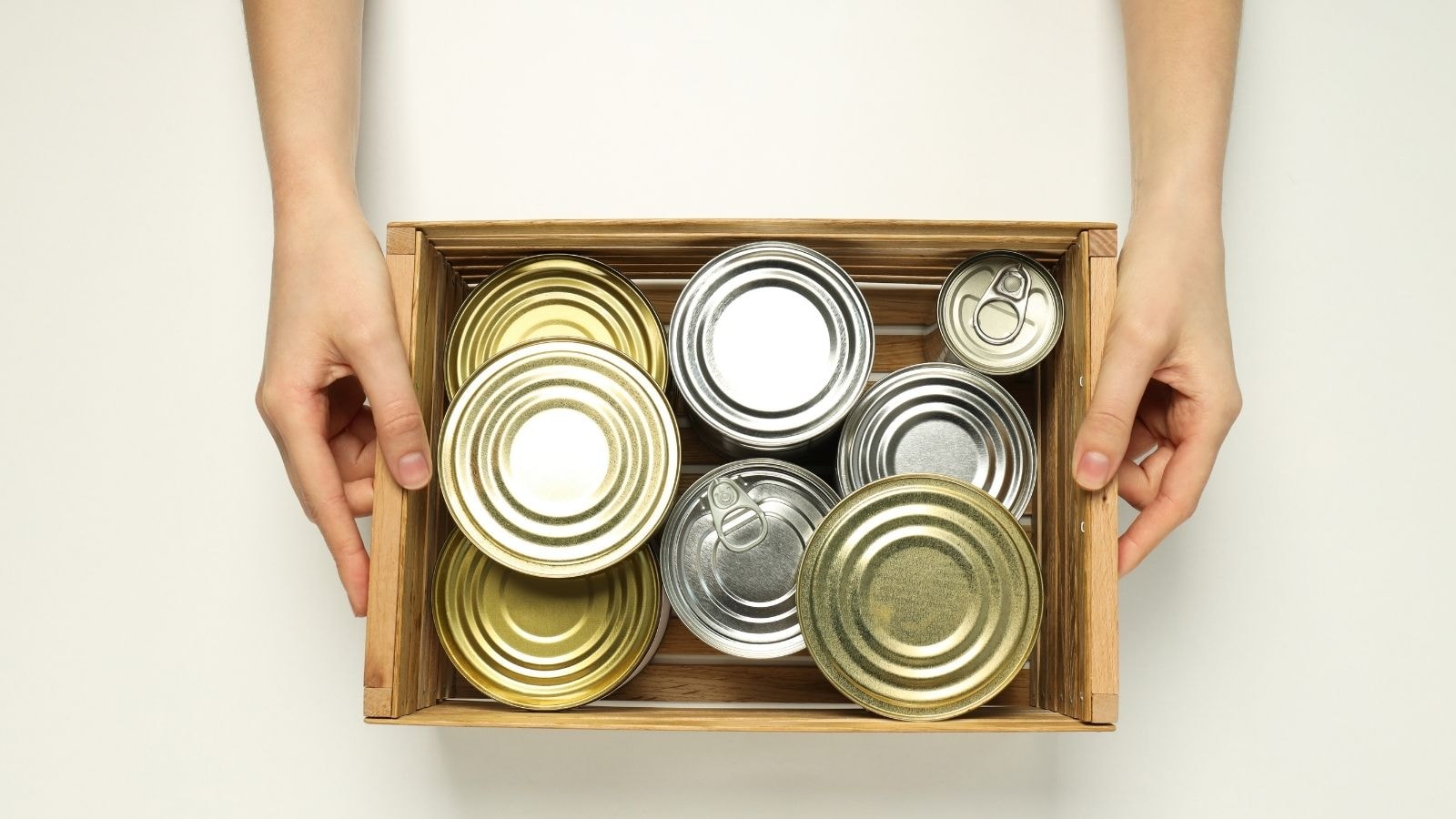 Photo Credit: Canva Pro
For quick meals or cool tuna salads, a 5 oz. can is often the best choice. You'll be left with about 3 to 3.5 oz of tuna after you drain it. Depending on whether you use chunk light tuna, solid white albacore, or another type, this drained weight may be different. Whether it's light tuna in water or oil, the amount that needs to be drained also changes.
Portion Control
Knowing how much tuna is left over after draining it helps you control how much you eat and what nutrients you get.
-
Serving size: According to FDA rules, a 5 oz can usually contains one single serving. This makes it easier to keep track of nutrition facts and portion control.
-
Types of tuna: Chunk light is the least expensive type and is often used in sandwich and quick meal recipes. Solid white albacore costs more but has a firmer texture. It is often used in seafood or Mediterranean recipes.
Nutritional Benefits
Fish like tuna is a great way to get protein and omega-3s, which are important for your health and can help your heart.
-
Protein: Fish like tuna has protein in it, which helps muscles grow and tissues heal.
-
Omega-3s: These good fats, which are found in wild-caught tuna, help keep your heart healthy.
-
Vitamin D: Tuna contains moderate levels of vitamin D, contributing to daily intake. It helps keep bones healthy and the immune system strong.
Is 1 Can of Tuna a Serving?
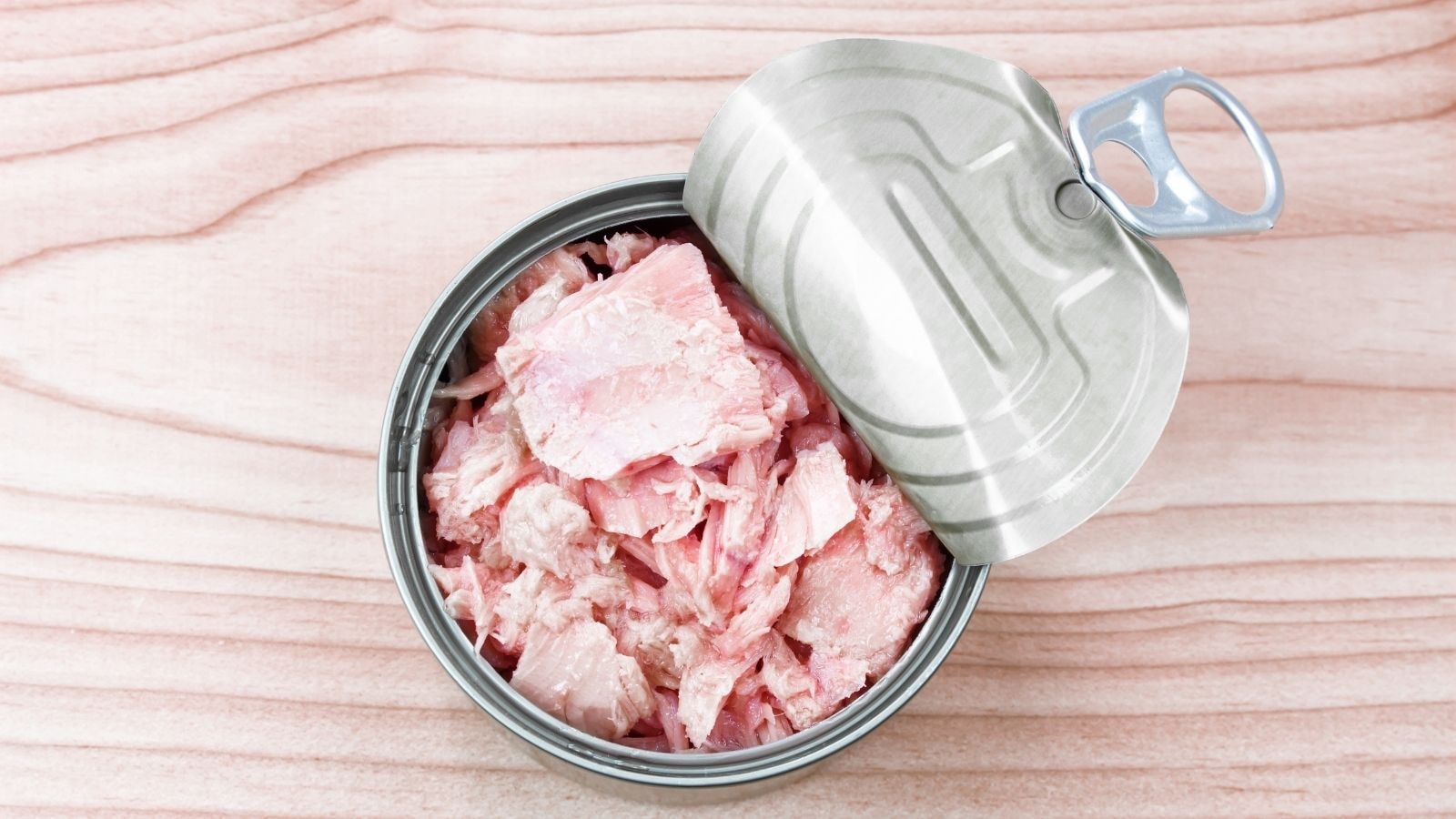 Photo Credit: Canva Pro
A lot of people want to know if a can of tuna is one serving. As per the FDA, a serving size is 3 ounces of drained tuna. This means that the 5 oz can is a bit bigger than the average serving. It is important to know that 5 oz. tuna cans usually have about 3 to 3.5 oz of drained tuna inside of drained tuna inside, which is enough for one meal or portion, depending on the type and nutritional value.
Tuna and Health Benefits
There are many health benefits to eating tuna, such as its high protein and omega-3 content. However, it's important to keep an eye on how much you eat to make sure you don't go over the recommended levels, especially when it comes to mercury exposure.
-
Protein and Omega-3s: Getting enough of these nutrients is important for heart health and staying energetic.
-
Mercury: Some types of tuna, like albacore and white, can have higher mercury levels, so most adults should only eat 4 ounces of albacore per week.
General Nutrition Advice
As a general guideline, consumers should eat tuna regularly, but they should also get protein from other sources.
-
Tuna in water: Excellent for meals and snacks that are low in calories.
-
Tuna in oil: Offers a more flavorful and rich option, but it has more fat and calories.
-
Sodium: When you eat tuna in brine, especially, watch out for the sodium content because it may add extra salt to your daily diet.
Is 8 Ounces of Tuna Too Much?
 Photo Credit: Canva Pro
A lot of people aren't sure if 8 ounces of tuna in one sitting is too much. The answer depends on a number of things, such as the kind of tuna eaten and how often it is eaten. You can get a lot of protein and omega-3s from tuna, especially chunk light tuna or solid white albacore.
However, it's important to know how much mercury is in tuna because too much of it can be bad for your health, especially if you eat it often.
FDA Recommendations for Tuna Intake
There are broad rules from the FDA about how much tuna is safe to eat.
-
Light tuna (like skipjack tuna): Is generally thought to be safer to eat on a regular basis because it has less mercury in it.
-
Since albacore (white tuna) tends to have more mercury, the FDA says that people should limit how much they eat of it.
Tuna Intake and Health
Eating tuna is good for you in many ways, but there are some things to keep in mind.
-
Protein: Proteins like those found in tuna help muscles grow and heal.
-
Omega-3s: Fish caught in the wild has these good fats that are good for your heart.
-
Mercury: To keep mercury levels from rising, you should only eat about 4 ounces of albacore per week.
What Products Does Fully Healthy Offer Related to Tuna?
There are many products at Fully Healthy that make it easier to add tuna to your meals. You can get a healthy source of protein in these products, whether you want something light like tuna in water or something more flavorful like tuna in oil. Tuna in Fully Healthy's range is dolphin safe, which appeals to people who want to buy sustainable, eco-friendly foods.
Healthy Tuna Options Available:
Fully Healthy gives you a number of different ways to eat tuna.
-
Canned Tuna Options: You can buy chunks of light or solid white albacore tuna in a can. The tuna is usually packed in water or oil.
-
Flavor Preference: If you want a mild flavor, chunk light tuna and light tuna in water are good choices. Tuna in oil, on the other hand, has a stronger flavor.
Complementary Products for Tuna Recipes:
You can make healthy and tasty meals by adding tuna to your recipes.
-
Olive oil: Used in a lot of recipes to make tuna dishes taste better and add healthy fats.
-
Vegetable broth: A great way to make tuna taste better in hot casseroles or seafood stews.
-
Sodium: To avoid getting too much salt, keep an eye on the sodium levels, especially in tuna in brine.
Final Thoughts
If you want to know how many ounces are in a can of tuna, you should know that a typical 5 oz can of tuna has about 3 to 3.5 oz of drained tuna inside it. You can get chunk light tuna, flaked tuna, white light tuna, tuna in water, or tuna in oil.
Each type has a mild flavor and different nutrition facts. Chunk light and light tuna are great for people on Weight Watchers or other programs that watch calories because they provide an excellent source of protein. Foods like Bumble Bee and others come in single-serving cans that make it easy to eat foods that help you meet your daily value of essential nutritients.
For flavor, you could add olive oil or vegetable broth, but keep in mind that some packaging designs contain extra sugar and salt. Tuna is a seafood that can be used in many different ways. It tastes great in hot casseroles, salads, and sandwiches, and it gives you a lot of protein for your daily meals.
FAQs
Can I eat 4oz of tuna a day?
For chunk light tuna, yes. However, albacore tuna should not exceed 4 to 6 oz per week due to higher mercury levels.
How many ounces is a standard can?
A standard can of canned tuna typically contains 5 oz of tuna in water or tuna in oil. The 5 ounce cans are the most popular size, depending on whether it’s packed in oil (yields more) or water/brine (yields less).
How much is a 5oz can of tuna?
A 5 oz can of tuna provides a source of protein and contains about 3 to 3.5 oz of drained fish. It's a convenient single serving for meals like salads or sandwiches. The calories and fat content depend on the type, such as chunk light or white tuna.
Is 1 tin of tuna a day ok?
Yes. This is generally safe if you’re consuming chunk light tuna. For albacore tuna, limit intake to once or twice a week due to mercury concerns. Choose chunk light tuna or light tuna in water for a lower fat option. Tuna is a good source of omega-3s, but keep in mind the mercury levels in larger fish like albacore.
Can I eat canned tuna while losing weight?
Yes, canned tuna can be part of a weight loss diet. Light tuna packed in water offers a naturally mild flavor, low calories, and is a source of protein. You can add tuna to Mediterranean meals or salads while keeping an eye on added sugars and sodium in some cans.
Leave a comment