

How to Harvest Cilantro? Cut Smart, Grow Strong Cilantro Leaves
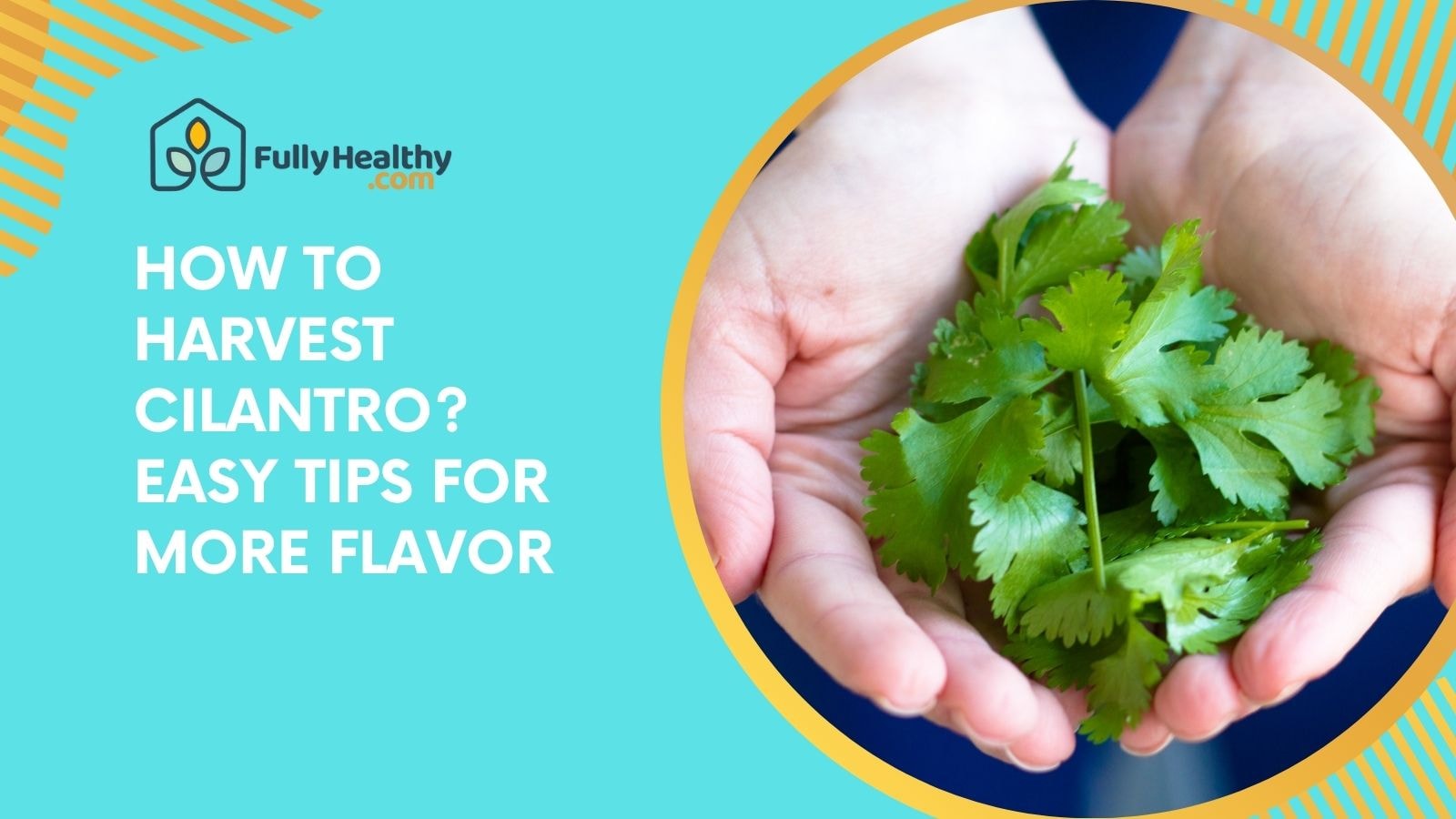 Photo Credit: Canva Pro
How to harvest cilantro? If you pick cilantro the right way, it stays fresh, tastes great, and grows longer. Find out when to cut cilantro, how much to take, and what to do when it flowers in this article. You will learn how to store it, keep it from flowering too soon, and even gather seeds.
These tips will help you get the most out of every cilantro plant, even if you've never gardened before or grown herbs indoors before.
Featured Pantry Pick
Simply Organic // Cilantro - 0.78 oz
Loading...
How to Harvest Cilantro?
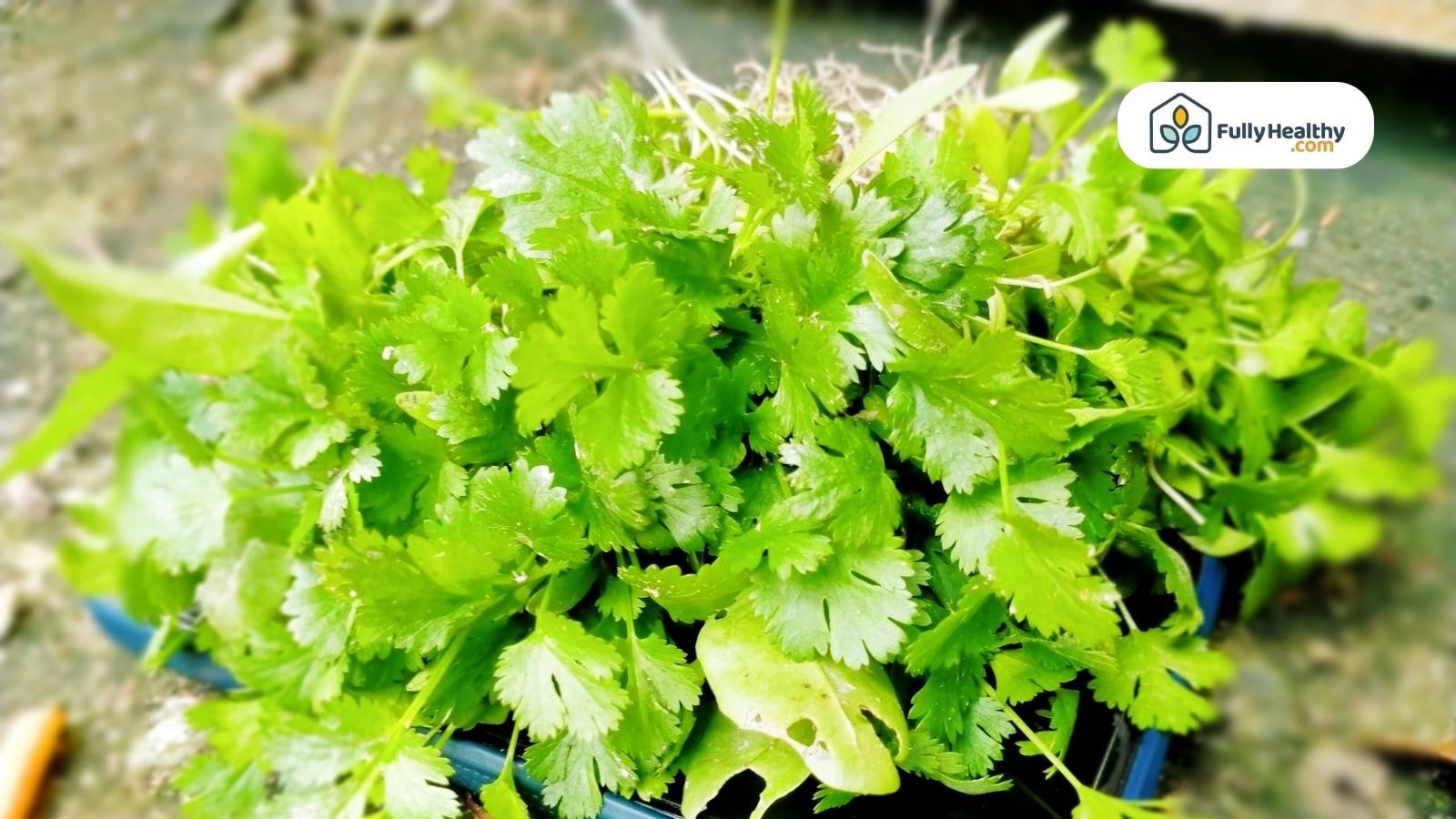 Photo Credit: Canva Pro
One of the tastiest herbs you can grow is cilantro, but it bolts very quickly. How to harvest cilantro? If you know how to pick cilantro the right way, it will keep its flavor and last longer. This part tells you when and how to pick cilantro so that it keeps growing new leaves for weeks.
When and How to Pick for Maximum Flavor
When the cilantro plants are 4 to 6 inches tall and have a few true leaves, you can start picking them. When you cut, don't cut from the center stalk. Instead, cut just a few stems at a time. The best results come from harvesting in the morning, when the leaves are hydrated and most flavorful.
-
Ideal plant size: Start when the plants are 4 to 6 inches tall and develop several true leaves.
-
Cutting technique: Cut off the outside stems with sharp scissors, but leave the middle stem whole.
-
Best time: Pick in the morning to reduce moisture loss; peak flavor may depend on plant age and cultivar.
-
How often: To keep the cilantro plant making leaves, cut it every few days.
-
Growth cycle tip: It's best to plant cilantro early in the spring, because it bolts quickly in the summer heat.
Best Tools and Post-Harvest Storage Tips
To avoid damage and disease, always use clean garden shears. After cutting the cilantro leaves, give them a light rinse. If you don't use your herbs right away, storing them correctly will keep them fresh for longer.
-
Store like flowers: Put the stems in water, loosely cover with a bag, and put them in the fridge. This is called the bouquet method.
-
Freeze for later: Chop the cilantro and freeze it on a tray. Then, put the cubes in a freezer bag and label it.
-
Dry for seasoning: Spread out the leaves on parchment paper. Use a dehydrator or the oven to dry them.
-
Storage tip: Keep dried cilantro away from heat and light in a container that won't let air in.
Can You Still Harvest Cilantro After It Flowers?
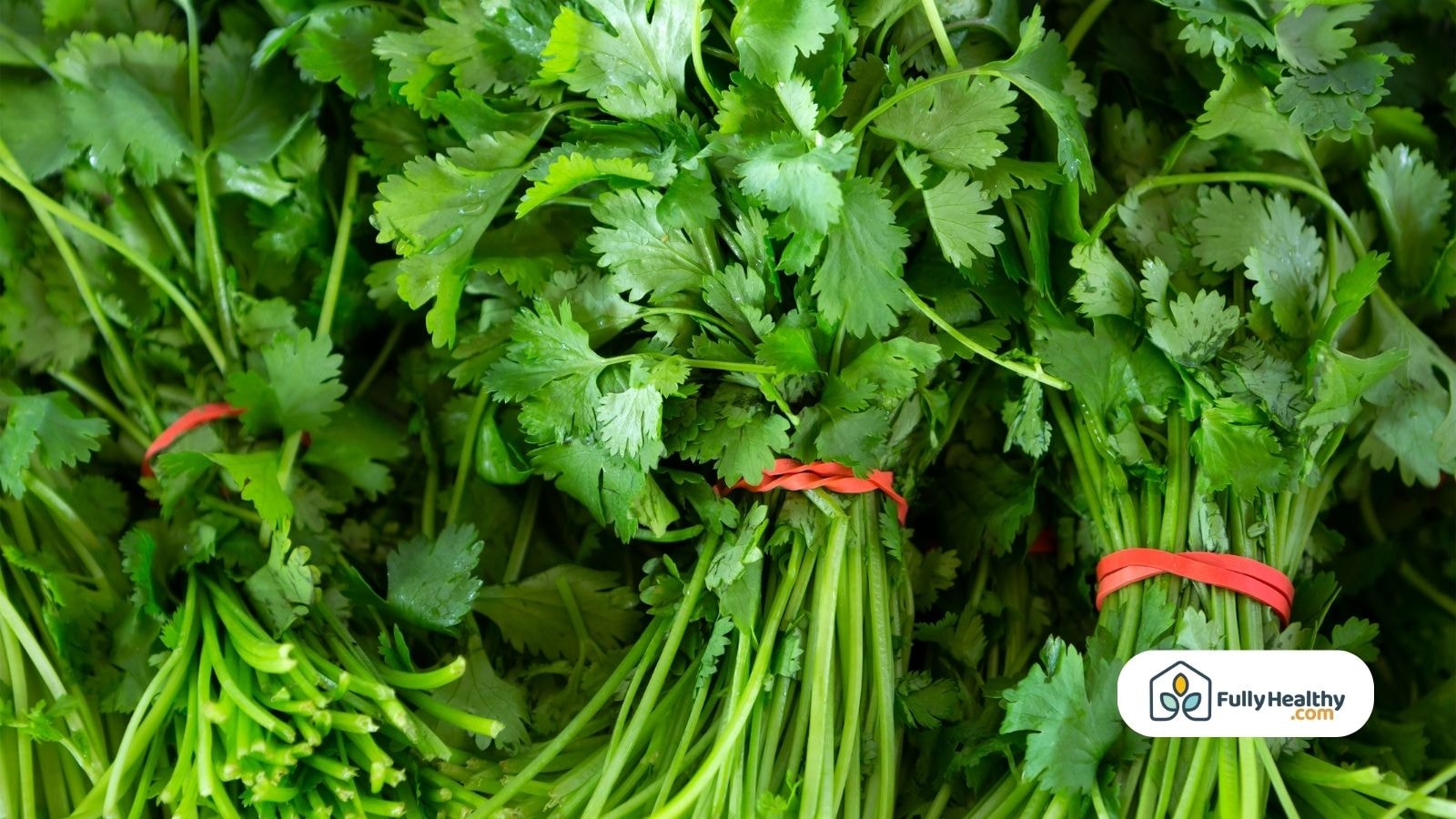 Photo Credit: Canva Pro
On its own, cilantro flowers as part of its life cycle. Once your cilantro plant bolts and begins to set seed, the leaves change. They lose their fresh taste and get feathery. You can still eat the leaves, but now you should focus on gathering the coriander seeds.
How Flowering Affects Taste and Texture
When cilantro bolts, the plant puts its energy into making flowers and seeds. The leaves loose their shape and taste, which is not good for cooking. You can still pick cilantro during this phase, though, if you need to.
-
Leaf changes: After bolting, the plant takes on a feathery shape and a bitter taste.
-
Use cases: While some may still use it in soups, bolted cilantro is generally less suitable for raw dishes due to its bitter and feathery leaves.
-
Reason to harvest early: Keeps plants from putting their energy into flowers.
Harvesting Coriander Seeds After Flowering
When flowers dry out, they leave behind round green seeds that turn brown over time. Those are coriander seeds. You can cook with them or plant them again.
-
Let seeds mature: Let seeds fully mature by allowing flower heads to turn brown and dry before collecting.
-
Collecting method: Put dry stalks into a paper bag by shaking them.
-
Drying process: Place the stalks inside a bag and hang them upside down in a warm spot.
-
Storing seeds: Put in a labeled container that won't let air in for later use.
-
Usage tip: For spice mixes, grind dried coriander into a powder.
How Do I Know My Cilantro Is Ready to Harvest?
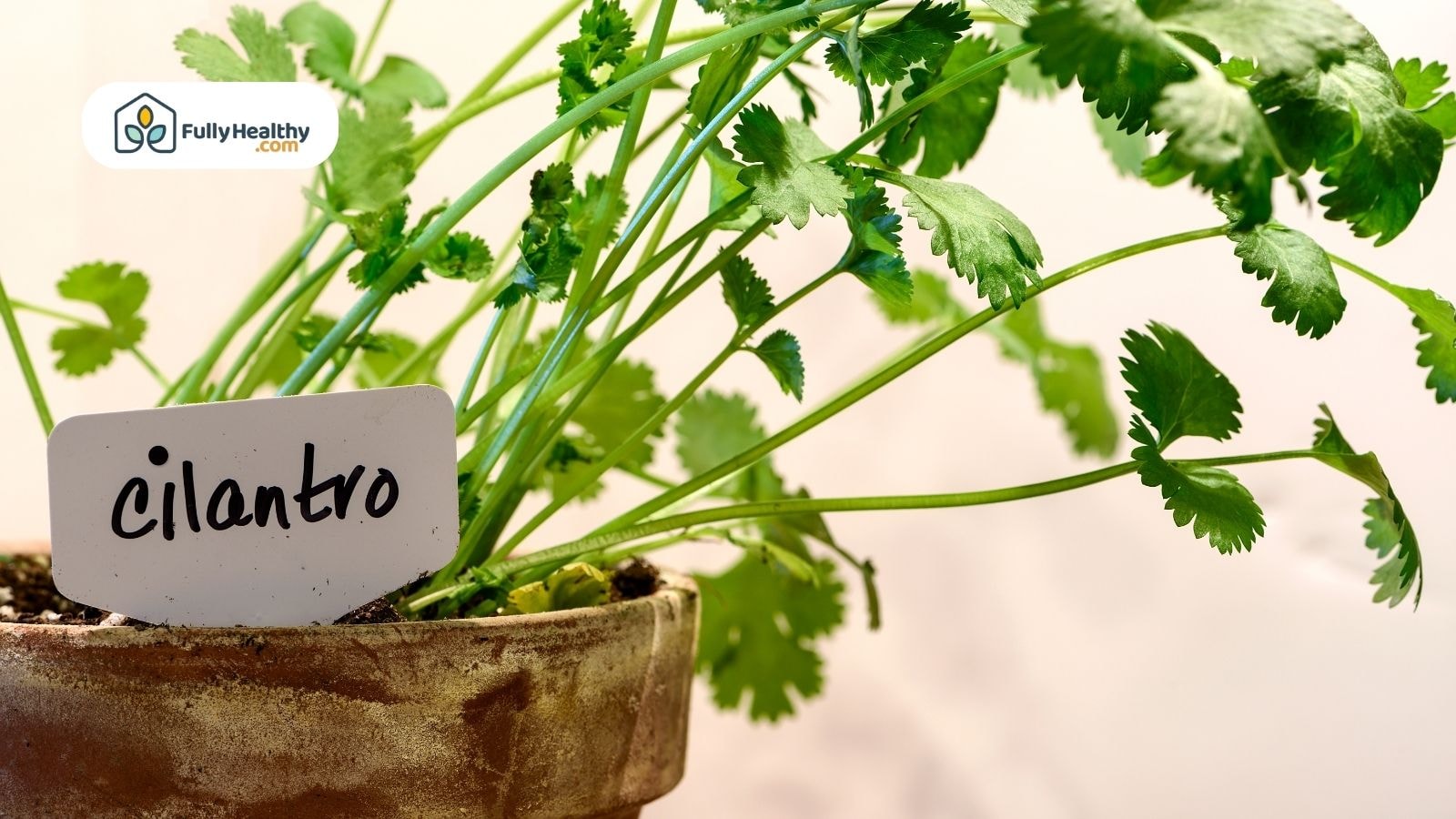 Photo Credit: Canva Pro
It is important to know how to tell when a cilantro plant is ready to harvest. If you pick too early or too late, the food might not taste good or the plants might not grow well. When you harvest your herbs will ensure a better yield and more flavor.
Visual and Size Cues to Check Readiness
It's ready when the cilantro looks like a small bunch of parsley. Find plants with bright green leaves and strong stems. It's not supposed to have a central stalk or flowers yet.
-
Height marker: When it is 4 to 6 inches tall, it is ready.
-
Leaf quality: Finding bright green, lacy cilantro leaves is what you need to do.
-
Avoid premature harvest: Do not cut back growth until there is enough of it.
What Happens If You Wait Too Long
Cilantro starts to bolt if you wait too long. This makes the flavor weaker and the leaf texture rougher. Forget about gathering fresh cilantro leaves as well.
-
Signs of delay: When bolting, the leaves have more feathery tips and a tall center stalk.
-
Flavor change: The flavor of older leaves fades.
-
Plan accordingly: Harvest often to keep from throwing away food and to get more leaves to grow.
How to Keep Cilantro Growing All Season?
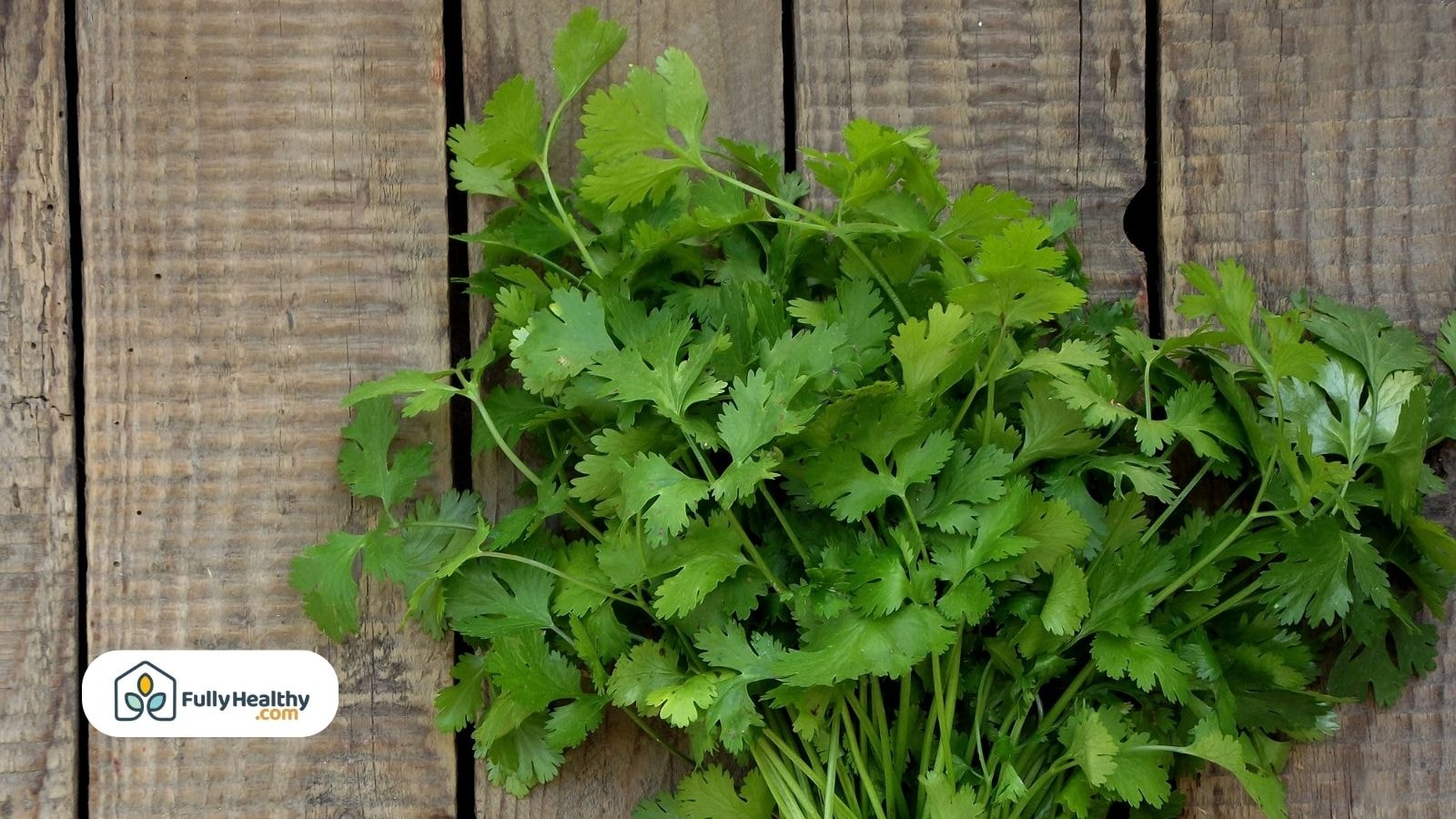 Photo Credit: Canva Pro
The herb cilantro doesn't last long and bolts quickly when it gets warm. You can grow cilantro from early spring to late fall, though, if you know what to do and when to do it. You can get more harvests with better flavor if you wait to bolt. This part talks about how to keep your cilantro plants producing all season long.
Practical Tips to Delay Bolting
Cilantro grows best when it is cool temperatures, the soil is moist, and it is picked regularly. If you pick your cilantro before it goes to seed, you won't be able to get the tasty leaves. Focus on making the right conditions so that stress and early flowering don't happen.
-
Maintain cool conditions: To avoid the heat of summer, grow cilantro in the spring or fall.
-
Use mulch: Use organic mulch to keep the soil cool and the roots moist.
-
Choose the right spot: Choose a location with partial sun and cooler temperatures to delay bolting.
-
Keep soil moist: Water the soil often to keep it from drying out, which can cause bolting.
-
Remove flowering stalks: Removing flowering stalks may slightly delay seed development, but once bolting begins, leaf quality and regrowth diminish.
-
Harvest often: Cutting off a few stems every so often keeps the plant from going to seed.
Succession Planting and Slow-Bolt Varieties
Spread out when you plant your cilantro to make sure you always have fresh cilantro. Succession planting is a reliable way to get more than one harvest during the season. Getting the right seed is another important thing you can do to make your herbs last longer.
-
Sow seeds regularly: Every two to three weeks, plant new cilantro seeds.
-
Pick slow-bolt types: To stop flowers from opening too soon, use types like "Calypso" or "Slow Bolt."
-
Avoid transplanting: Sow right into the ground to keep the roots from being disturbed.
-
Amend soil well: Add compost to your garden to help herbs like parsley and cilantro grow well.
-
Plan by season: For cilantro to grow best, plant it in early spring and again in the fall.
What Does Fully Healthy Offer for Cilantro Lovers?
Fully Healthy doesn't sell fresh cilantro or seeds, but it does help people who want to eat well and use fresh herbs in their cooking. This store has the spices and blends you need to make any kind of dish, from a lettuce wrap to a dish with lots of parsley to salsa with lots of cilantro.
Cilantro-Friendly Seasonings and Pantry Finds
The website has allergen-free spices and sweeteners that are AIP-friendly that go well with cilantro in recipes. These items help make dishes taste better when they have fresh or dried cilantro in them.
-
Seasoning blends: When you cook, try Cinnawin Spice or other mixes that are good for herbs.
-
Sweeteners for balance: When you use cilantro in a sauce, add maple sugar or coconut sugar.
-
Good with herbs: Products are made to go well with strong flavors like parsley and cilantro.
Storage and Dietary Tools for Herb Fans
FullyHealthy.com also has mixes and tools that make it easier to store herbs and cook with them. It doesn't sell airtight containers directly, but making the ingredients clear helps people plan recipes that use cilantro from their garden.
-
Great for planning: Simply list the healthy foods that go well with meals that are high in cilantro.
-
Helpful for preservation: Products that use dried cilantro or other herbs that have been stored since harvest time work well.
-
Diet-focused options: People who grow and use fresh herbs must follow strict rules when making mixes and snacks.
Final Thoughts
How to harvest cilantro? To grow tasty cilantro in your garden, cut off the stems often and pick the plants early in the season. Start in early spring, when the ground is still cool and wet, and cover it with mulch to keep it from getting too hot. You can grind the seeds or store them when the flowers show up.
Dehydrating is optional, but always use an airtight container. Watch videos to learn how to do everything, keep track of your progress, and make plans for each season. Keep cilantro in the fridge so you can use it for fine cooking anytime.
FAQs
How do you pick cilantro so it keeps growing?
Snip the outer stems in early spring, keep the soil moist, and mulch your garden to protect against heat.
Will cilantro grow back after cutting?
Yes, cilantro regrows if you snip above new stems and avoid cutting near the center flowers during the season.
How to harvest and preserve cilantro?
Snip flavorful stems, store fresh leaves in an airtight container, or dry them for cooking and store in a cool spot.
Should I trim my cilantro plant?
Yes, snip often to delay flowers, improve flavor, and log your plan for the growing season in your garden.
Where should I store harvested cilantro?
Store cilantro in the refrigerator or airtight container; watch videos to learn how to store based on heat and moisture.
Leave a comment