

How to Preserve Basil? From Garden to Jar Without Spoiling
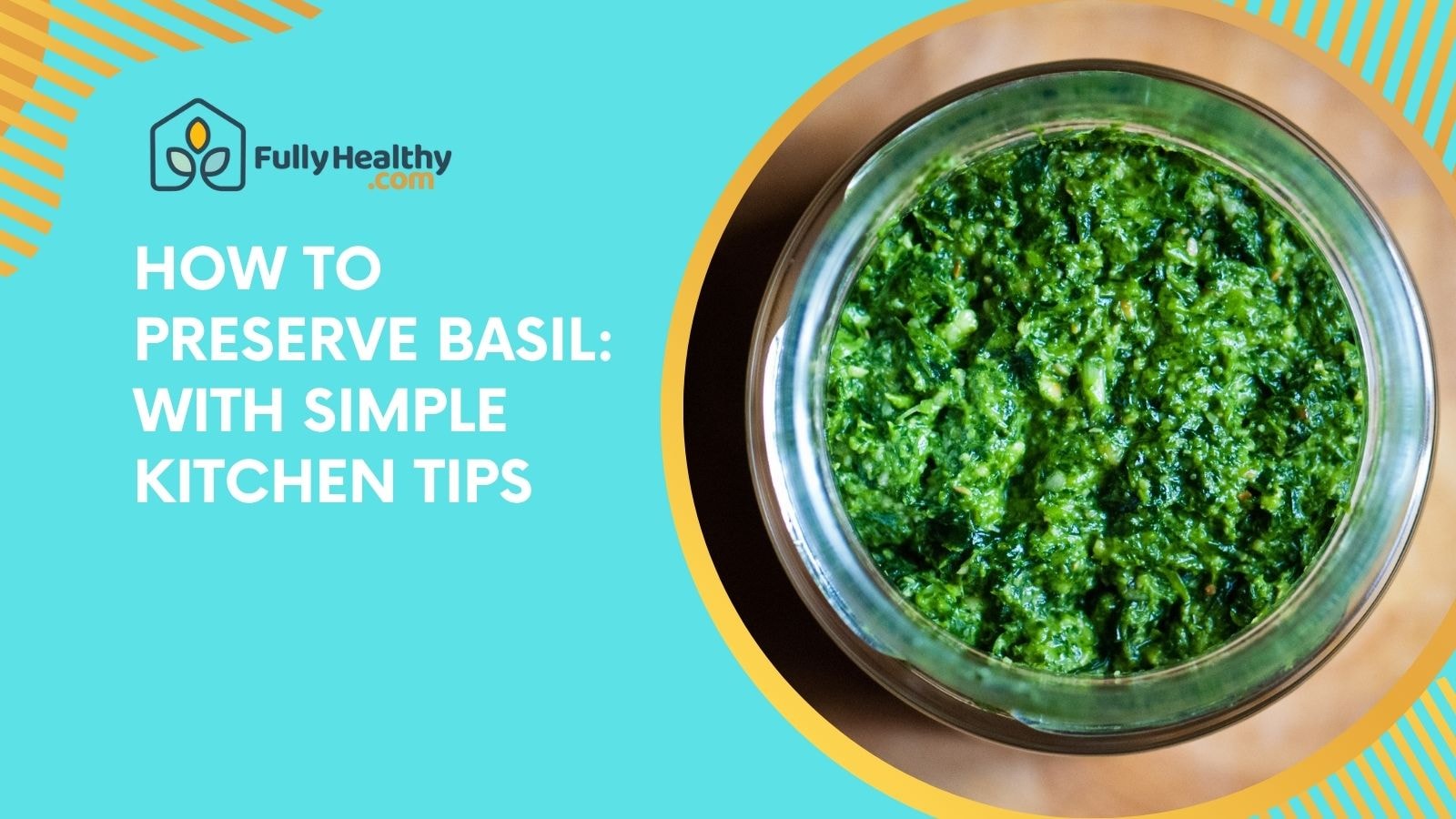 Photo Credit: Canva Pro
You should know how to keep fresh basil from going bad if you grow it or buy it. Basil goes bad quickly, but it's easy to keep it fresh. It can be dried, frozen, or made into pesto, oils, or vinegars. There are different ways that each method keeps the taste. This guide tells you how to keep basil fresh and make sure you use every leaf.
Featured Pantry Pick
Simply Organic // Basil - .54 oz
Loading...
How to Preserve Basil?
 Photo Credit: Canva Pro
The best way to keep basil's fresh flavor long after it's been picked is to preserve it. It's easy for fresh basil to go bad if you don't handle it right, whether you grow it in your garden or buy it at the store. We'll show you how to preserve fresh basil all year long with easy, effective methods that work in both summer and winter.
Drying, Freezing, and Infusing – Which Works Best?
There are pros and cons to each way of storing basil. It's easy to dry basil and you don't need a fridge or freezer for that. Freezing fresh basil keeps more of its flavor. Putting basil in olive oil is another way to keep fresh basil for later use in cooking.
-
Drying basil: Put whole basil leaves on a baking sheet lined with parchment paper. Use a low-temperature oven or a dehydrator to ensure food safety.basil cubes with seasoning to save fresh herbs for soup and sauces in the fr
-
Freezing basil: You can freeze the leaves whole or mix them with olive oil. Freezing basil generally retains more flavor and color than drying, especially if stored properly and used within a few months.
-
Infusing with oil: In a food processor, mix basil and olive oil together. Store immediately in the refrigerator and use within 5–7 days to reduce the risk of botulism. Do not store at room temperature.
Creative Methods: Vinegars, Oils, and Pesto Cubes
Basil can be kept fresh by more than just drying or freezing it. These methods also make recipes better in the long run.
-
Herbed vinegars: Fill a jar with fresh basil leaves. Add warm white wine vinegar on top of the leaves. Seal the jar. Let it sit for two to three weeks before you strain it.
-
Pesto: Mix garlic, basil, salt, olive oil, and Parmesan cheese (if you want) together. Put it in an ice cube tray to make it easier to use.
-
Basil cubes: Chop up basil, add oil or butter, and then freeze the mixture in cubes. Great for cooking all year.
Is It Better to Freeze or Dry Basil?
 Photo Credit: Canva Pro
How you plan to use the basil will tell you whether to freeze or dry it. You can store dried basil on a shelf and sprinkle it on food. When used in cooking, frozen basil keeps its fresh taste better.
Why Freezing Preserves Flavor Better Than Drying
Basil that has just been picked tastes and stays green the best when it is frozen. Basil can be frozen whole, cut up, or made into a paste. It also helps when your basil plants grow quickly in the summer.
-
Freeze whole leaves: Place on parchment paper, freeze flat, and then move to freezer bags.
-
Make basil paste: Mix it with olive oil, then freeze it in small cubes that you can use in soups or sauces.
-
Store properly: To avoid damage from frost or water, use airtight containers or freezer bags.
Freeze-Drying vs. Air-Drying: Pros, Cons, and Taste
Dried basil is easy to do, but it might not taste as good. Freeze-drying retains more flavor compared to air-drying, although access to freeze-drying equipment may be limited in home settings.oil and whole basil leaves in a jar. Store in the fridge for up to two we Tea herbs like mint and holy basil can still be dried.
-
Air-dry herbs: Hang the stems somewhere warm and dry.
-
Microwave method: With the heat on low, put basil leaves between two pieces of paper towel.
-
Use in seasoning: When dried basil is mixed with other herbs, like parsley or cilantro, it works best.
What to Do With Abundance of Basil?
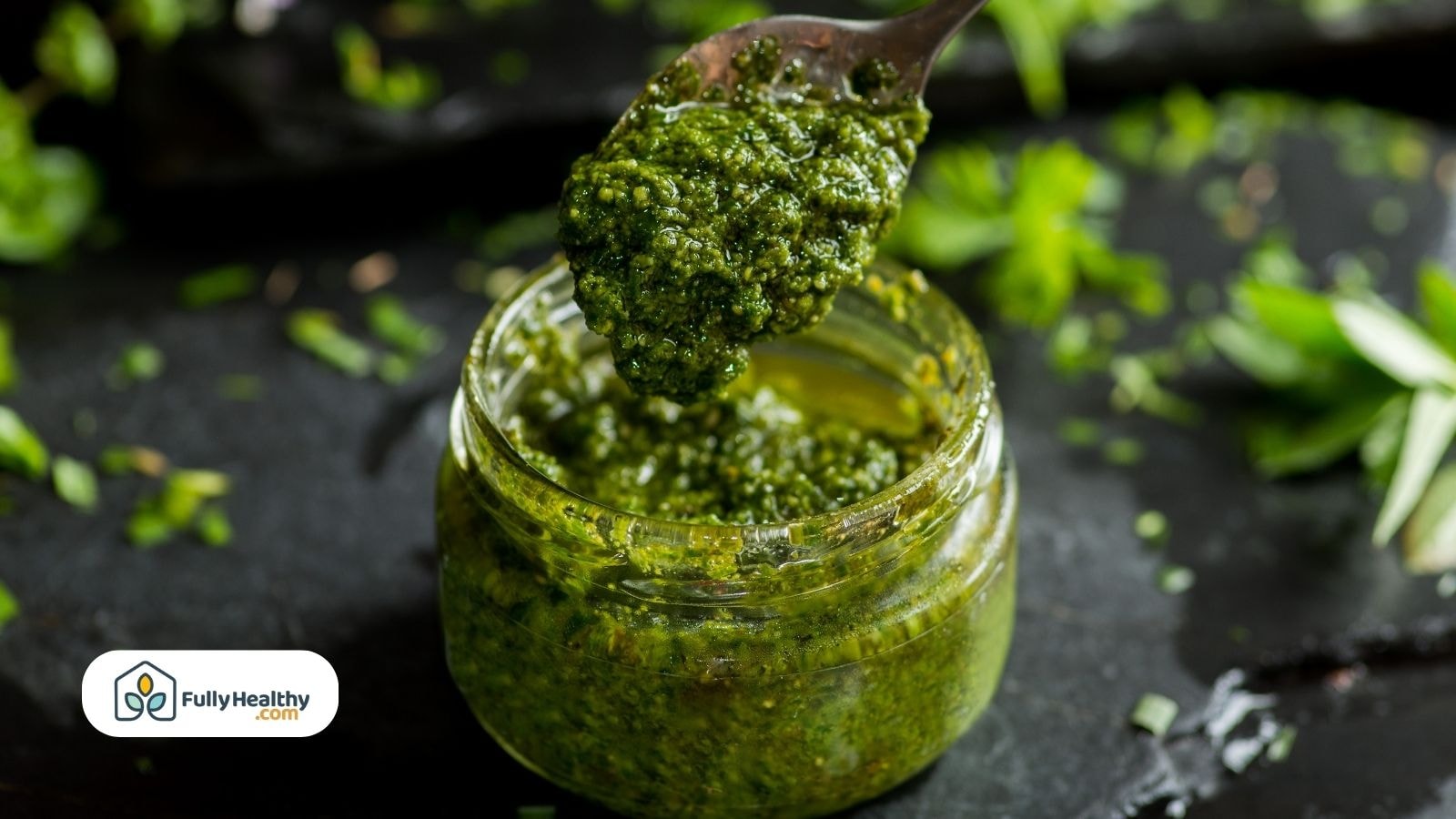 Photo Credit: Canva Pro
Don't throw away basil that's full on the plants or that you brought home in a big bag. It can be used or stored in a lot of different ways before it goes brown or wilts.
28 Recipe Ideas for Fresh or Preserved Basil
From salads to desserts, fresh basil leaves taste delicious in many recipes. They can be chopped, pureed, or blended to make drinks, sauces, and pasta.
-
Toss into salads: When you make tomato and mozzarella, use whole leaves.
-
Make pesto: Mix with oil and garlic, then freeze in cubes.
-
Add to pasta and soup: During cooking, add basil cubes or dried basil and mix it in.
-
Mix into drinks or ice cream: Great for making sweets.
Quick-Use Hacks for Leftover Basil
These quick tips will help you store basil for a short time if you don't have time to cook or freeze it.
-
Bouquet method: Put the stems on the counter in a jar of water. Use a bag to barely cover it.
-
Wrap in paper towels: To keep things from getting too moist, put them in the fridge in a bag.
-
Blanch and freeze: Put basil in boiling water, let it cool in ice water, dry it all out, and then freeze it flat.
-
Layer in oil: Store basil and oil in the fridge and use within 5 days. To store longer, freeze in small portions.
Is It Better to Store Basil Wet or Dry?
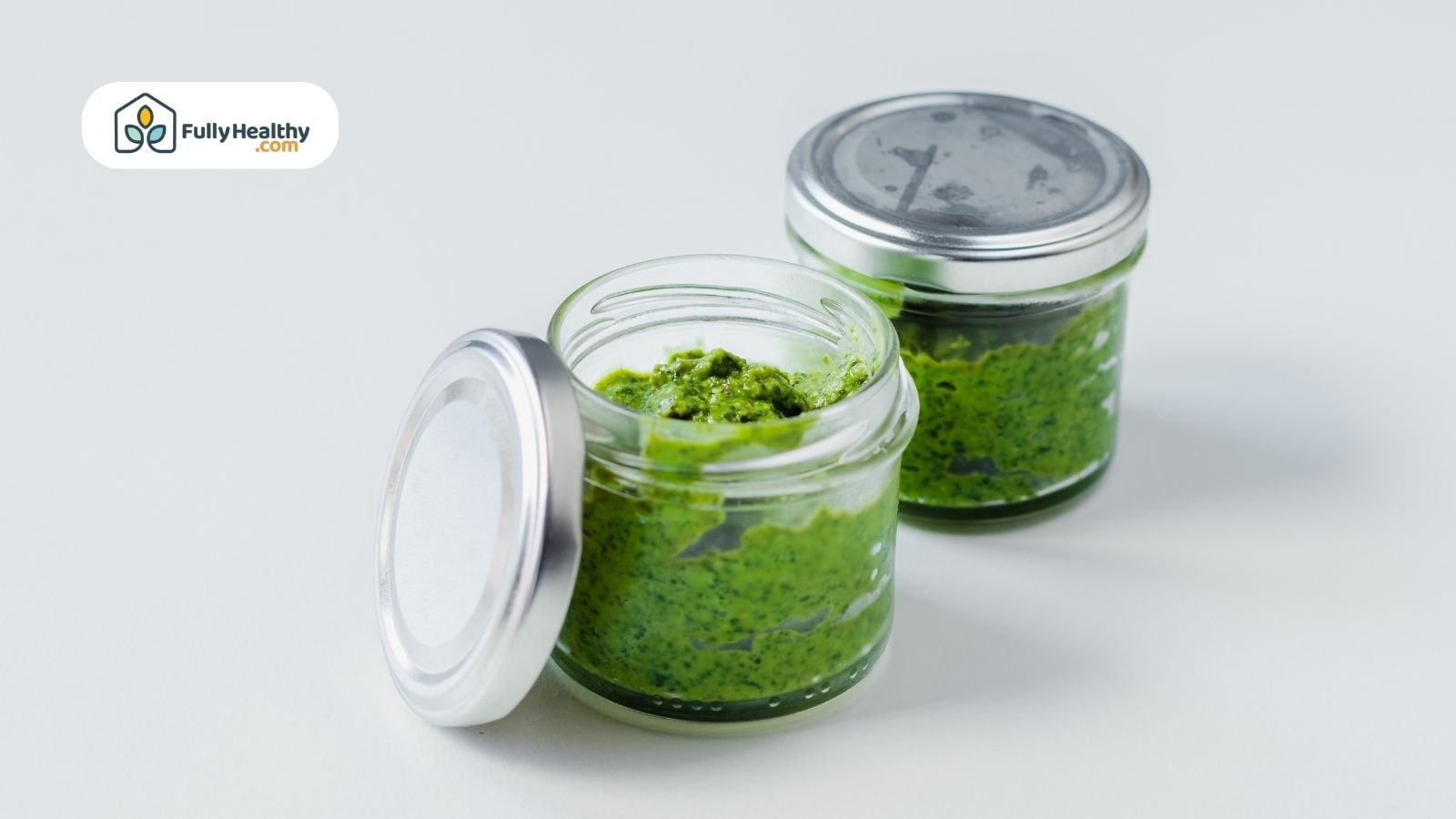 Photo Credit: Canva Pro
If you store your basil the wrong way, it will go bad quickly. The temperature and moisture of basil leaves can change quickly, whether you pick them from your garden or buy them fresh. If you know how to store things right, you can keep basil fresh for longer and enjoy its flavor.
This part talks about the differences between wet and dry storage and the best ways to keep basil fresh all year, not just in the summer.
Fridge Fails: Why Cold and Wet Storage Spoils Basil.
It makes sense to put basil in the fridge, but it often does more harm than good. Basil leaves are from the tropics and don't like being cold. The leaves turn brown and lose their flavor when they are exposed to cold weather. What about moisture? Too much of it can cause mold and rot.
-
Cold exposure leads to browning: Basil leaves get brown after being in the fridge for too long.
-
Moisture creates mold: Basil that is wet and in a sealed bag or container goes bad quickly.
-
Flimsy stems break down: When there is too much water or cold stress on soft stems, they break.
-
Refrigerator is not ideal: Refrigeration can cause browning, but storing basil wrapped in paper towels inside a plastic bag in the crisper drawer may prolong freshness slightly.
Best Room-Temp Methods for Storing Fresh Basil.
To keep fresh basil for a long time, leave it out at room temperature. Take care of it like fresh flowers. If you use the bouquet method, it will last for several weeks longer without losing any of its taste or texture.
-
Bouquet method: Put the stems in a jar or glass with fresh water so they stand up. Keep it on the counter.
-
Cover loosely: Cover the top with a plastic bag to keep air in without keeping water in.
-
Change water daily: This keeps the stems fresh longer and stops them from going bad.
-
Avoid direct sun or heat: Keep basil away from heat sources and in a cool, shady place.
-
Use paper towels for excess basil: Wrap basil in dry paper towels to keep it from getting too wet if you are storing it in bags.
What Can You Find on Fully Healthy for Basil Lovers?
If you’re looking for ways to preserve basil or enhance your recipes using preserved herbs, FullyHealthy.com offers tools and products that help. It helps people who want to keep herbs like basil from going to waste while adding flavor to food by using clean seasonings and ingredients that are easy to store.
Seasonings and AIP-Friendly Options for Basil Users.
Basil goes well with a lot of different herbs and spices, which is great for people on the AIP or allergy-free diet. There are seasonings and mixes on FullyHealthy.com that work well with frozen herbs and basil cubes that have been stored.
-
AIP-safe herbs: For meals, use with dried basil or basil cubes.
-
Salt-free seasoning blends: It helps you control the taste when you drizzle basil oil or puree to recipes.
-
Storage-friendly sugars: Combining basil with sweeteners like maple can make for interesting tastes.
How Their Bundles Help With Meal Planning and Herb Use.
Fully Healthy also has bundles with preserved basil that help you make better meals ahead of time. You can make better recipes, waste less food, and save time with these tools, whether you freeze pesto or use a food processor to blend herbs.
-
Meal prep kits: It goes well with frozen basil or basil paste made in a blender.
-
Clean ingredients: Help make sauces or soups with basil taste better without adding any preservatives.
-
Time-saving tools: Put sauces in containers that don't let air in or freeze them in an ice cube tray..
-
Recipe support: During the summer, use dried basil in recipes or make AIP-friendly treats with fresh herbs.
Final Thoughts
If you know how to preserve basil, you can use fresh herbs from your garden all year long. Basil can be kept for a long time by drying it, freezing it in an ice cube tray to make basil cubes, or blending it into soups and sauces.
Before putting basil away, it should always be washed and dried with paper towels. Use a different method, like putting it in an ice bath, pureeing it to season it, or putting it away in a jar or freezer pot. If you want to keep the flavor of your herbs, follow these tips.
FAQs
Can I freeze basil cubes with seasoning for soup and sauces?
Yes, freeze basil cubes with seasoning for soup and sauces using freezer-safe containers or silicone ice cube trays.
Should I wash basil before using oven or freezer methods?
Yes, always wash basil, dry with paper towels to reduce moisture before using oven or freezer to preserve basil.
Is dried basil better than fresh herbs for flavor?
Fresh herbs have more flavor than dried basil, but both preserve herbs with different methods depending on desired use.
Can I preserve basil plants without blanch or stick them in the refrigerator?
Don’t stick basil plants in the refrigerator; blanch leaves, dry, and preserve in a jar to save moisture.
What’s the easiest way how to preserve basil from my garden?
The easiest way how to preserve basil is to puree herbs, freeze in basil cubes, and store in a freezer pot.
Leave a comment