

Is a Jalapeno a Fruit or a Vegetable? The Real Answer
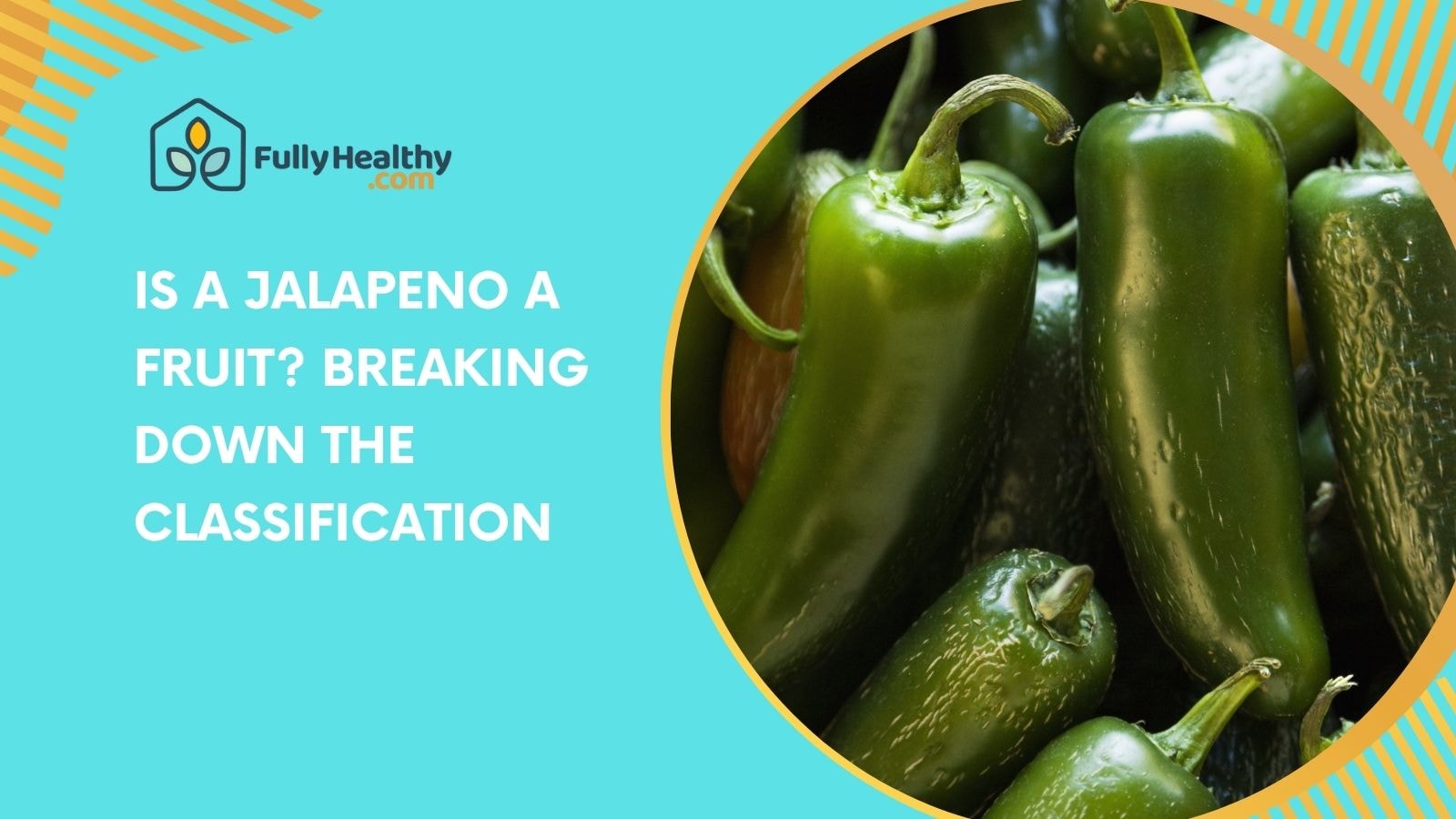 Photo Credit: Canva Pro
Is a jalapeno a fruit? You might be surprised to learn that jalapeños are actually fruits and not vegetables. In botany, they are called fruits because they come from flowers and have seeds inside. In the kitchen, most people still treat them like vegetables.
We'll talk about why jalapeños are fruits, how to eat them, and why they're good for you, plus answers to common questions.
Featured Snack Pick
Chomps // Jalapeno Beef Stick Medium - 1.15 oz
Loading...
Is a Jalapeño a Fruit or Vegetable?
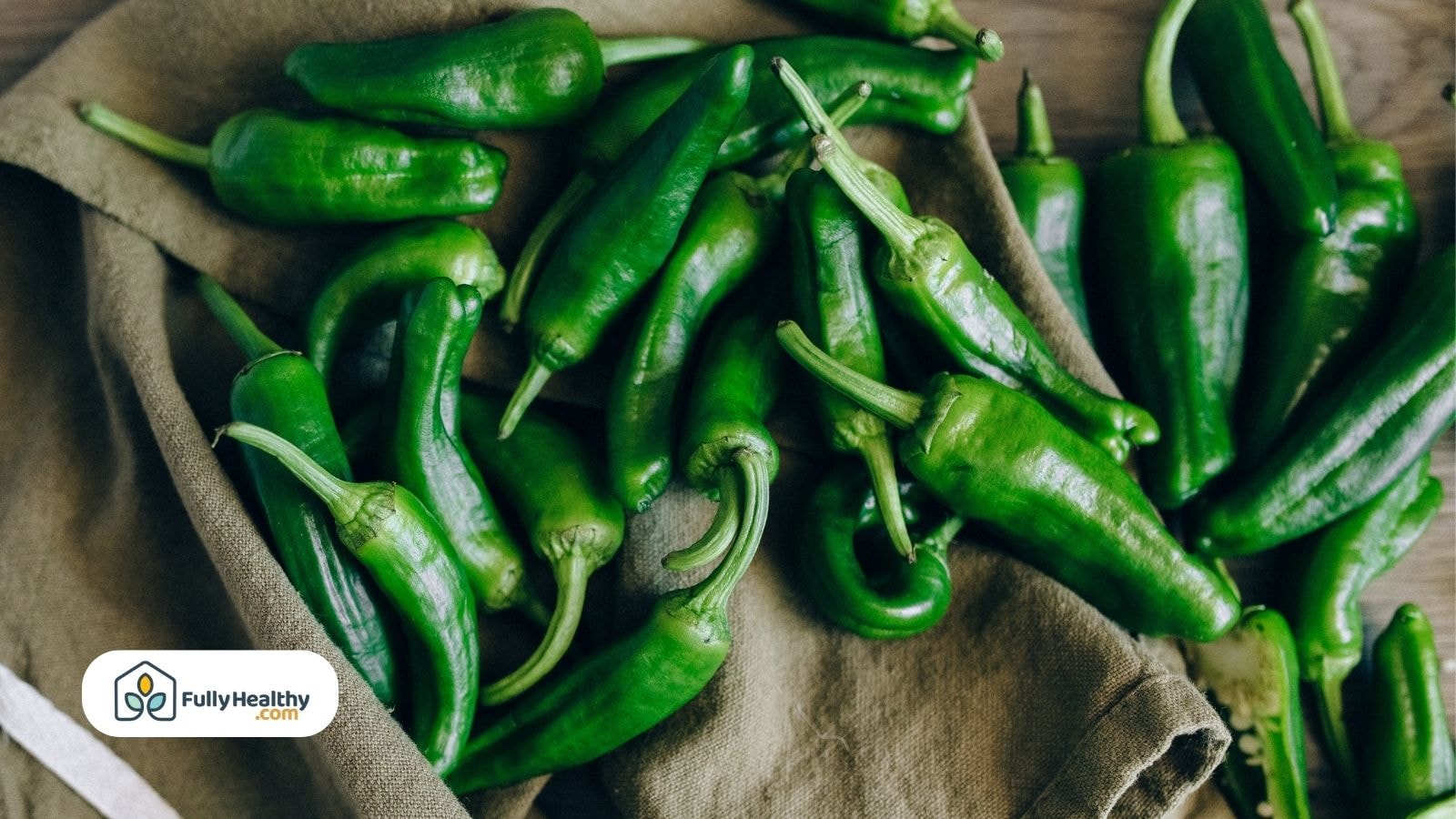 Photo Credit: Canva Pro
The Botanical Perspective
From a botanical point of view, jalapeño peppers are fruits. They are botanical fruits because they come from the flower of the plant and have tiny seeds inside.
-
Botanical definition: A fruit is a seed bearing product that develops from the ovary of a flowering plant.
-
Jalapeño plant structure: The jalapeño comes from the flower of the plant and has seeds inside, so it is botanically a fruit.
-
Same botanical family: Jalapeños are part of the nightshade family, just like tomatoes and bell peppers.
-
Purpose in nature: The fruit exists to support spreading its seeds to grow different varieties of the same plant.
-
Compared to vegetables: Vegetables come from parts that can be eaten, like roots or stems, that don't help seeds spread.
Culinary Classification
Even though it is a plant, the jalapeño is cooked like a vegetable all over the world. This difference stems from how food is used and perceived rather than how it grows.
-
Culinary classification system: In the culinary definition, vegetables have a tougher texture, require cooking, and taste blander than fruits.
-
Culinary perspective: Jalapeños are are used in savory dishes, not fruit salads or desserts.
-
Usage in food: Jalapeños are enjoyed raw or cooked, often as a pizza topping or added to stir fries.
-
Compared to fruits: Hot peppers like jalapeños differ nutritionally from sweet fruits like apples, particularly in vitamin and capsaicin content.
-
Visual indicators: Green jalapeños are common, but as they ripen, red jalapeños appear with slightly sweeter flavor.
Can You Eat Jalapeño Raw?
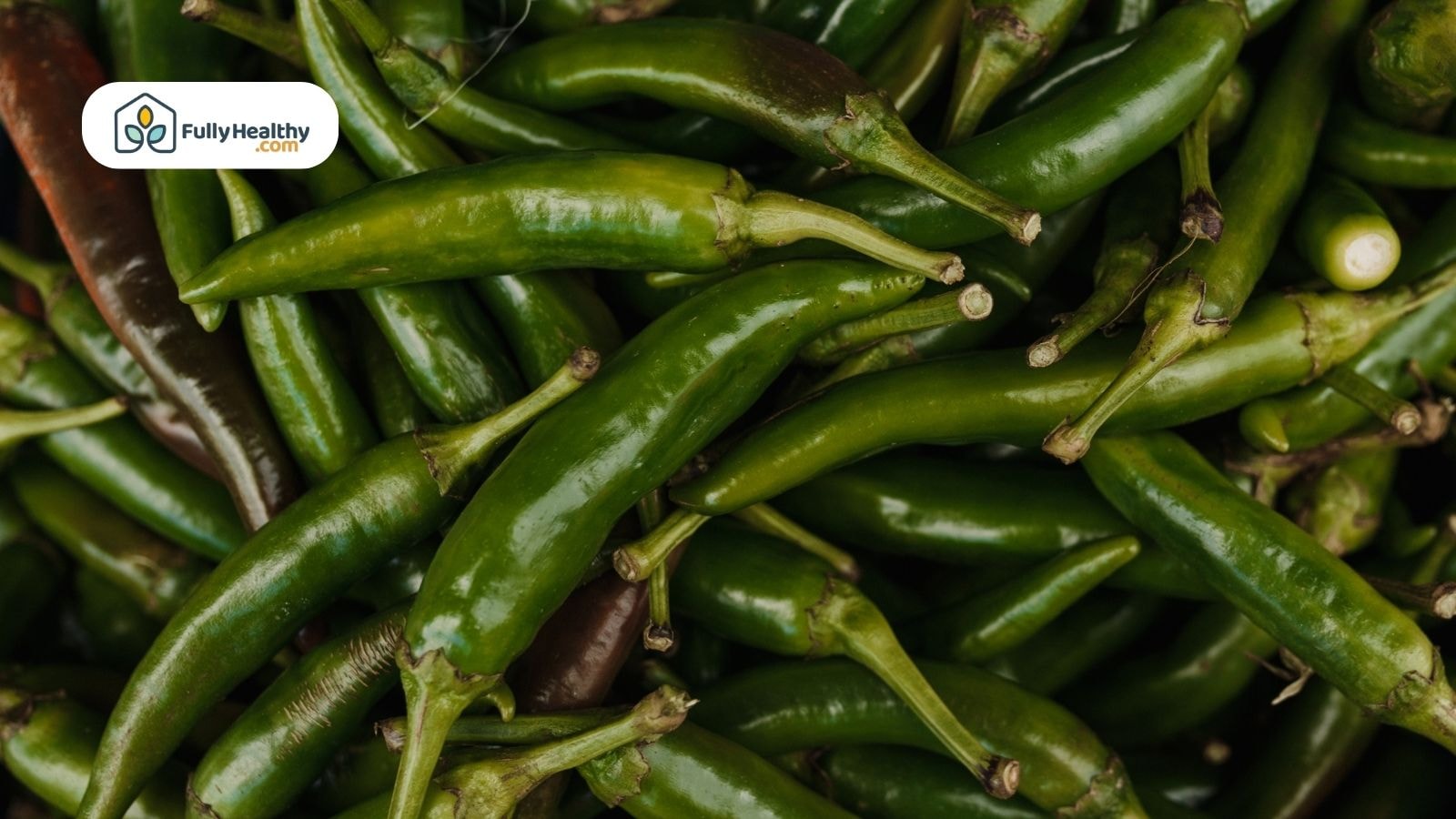 Photo Credit: Canva Pro
Raw Jalapeños in Salsas and Salads
In a lot of different types of food, jalapeños are eaten raw. Because they are crunchy and spicy, they go well with dishes that highlight fresh ingredients.
-
Common dishes: Raw jalapeños are added to guacamole, salsas, and salads for extra flavor and crunch.
-
Spice control: Take out the seeds and white membrane, which is where the capsaicin is concentrated, to turn down the heat.
-
Pairing ingredients: Jalapeños combine well with creamy foods like avocado or cheese to balance spice.
-
Green vs. red: Green jalapenos are firmer and less sweet, while red jalapenos are more mature and often spicier.
-
Serving suggestions: Sliced jalapeños can also be used fresh as toppings for tacos or wraps.
Handling Raw Peppers Safely
Capsaicin can hurt your eyes and skin if you don't handle it properly. It's important to be careful when working with raw spicy peppers like jalapeños.
-
Use gloves: Wearing gloves prevents capsaicin from irritating your hands or being transferred to your face.
-
Avoid contact: Do not touch your eyes or skin after cutting a jalapeno pepper without washing your hands.
-
Clean tools: Wash knives and cutting boards immediately after slicing fresh jalapeños.
-
Cold storage: Store raw peppers in the refrigerator to preserve freshness and reduce moisture loss.
-
Safety for children: Keep raw chili peppers out of reach of children who may touch or ingest them accidentally.
Are Jalapeños Good for You?
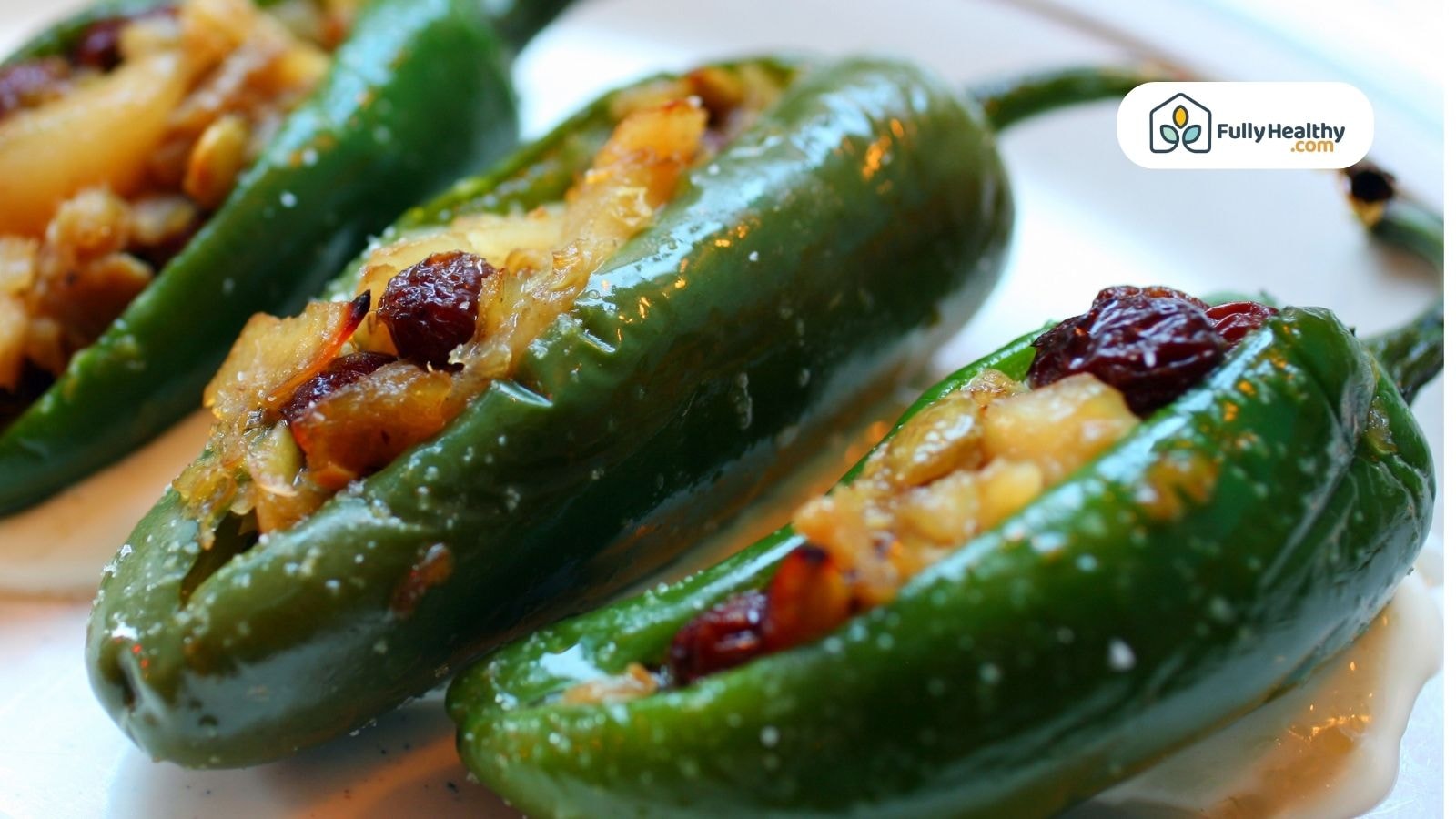 Photo Credit: Canva Pro
Nutritional Benefits of Jalapeños
Not only do jalapeños taste good, they are also full of healthy nutrients. There are not many calories in these peppers, and they have minerals, vitamins, and antioxidants that help keep your immune system healthy.
-
Vitamin content: If you want to boost your immune system and keep your skin healthy, jalapeños are a great food to eat.
-
Antioxidants: The carotene found in jalapeños protects the body from harmful free radicals.
-
Potassium support: Jalapeños have potassium, which helps keep blood pressure in check and helps nerves work properly.
-
Low calorie count: There are not many calories in a jalapeño, so it is a great food to include in a healthy diet.
The Role of Capsaicin
Capsaicin is the compound found in jalapeños that makes them hot. It has been linked to many health benefits for the heart and metabolism.
-
Metabolic effect: Capsaicin can help increase energy expenditure and may assist in fat oxidation.
-
Appetite regulation: It may reduce appetite when consumed regularly, aiding in calorie control.
-
Health studies: Research has shown capsaicin may help reduce body fat and support healthy cholesterol levels.
-
Found in spicy peppers: Capsaicin is present in many hot peppers, not just jalapeños, and is part of the capsicum annuum species.
-
Related compounds: Other related compounds in spicy peppers may work alongside capsaicin to support overall wellness.
Do Peppers Help With Inflammation?
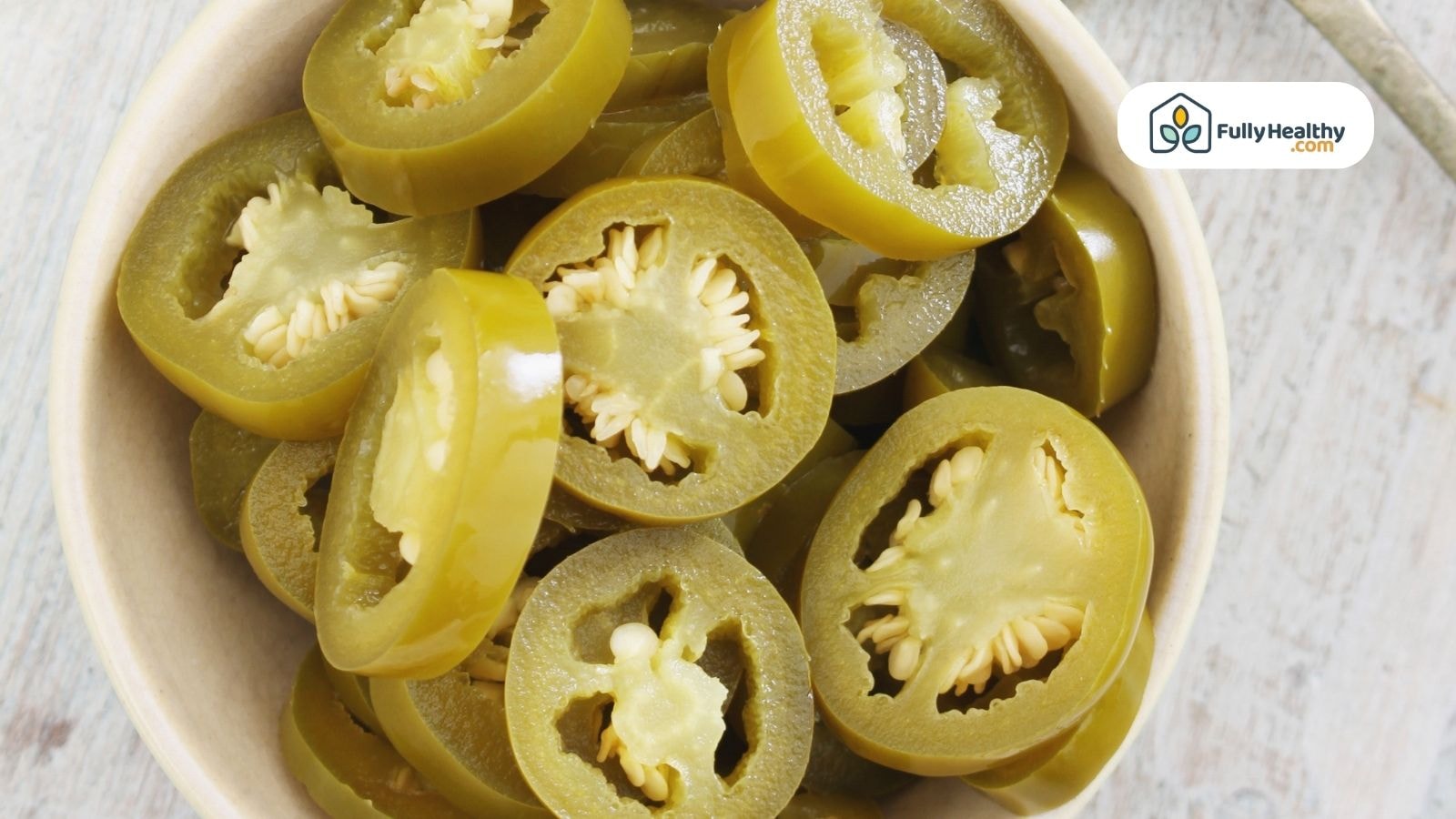 Photo Credit: Canva Pro
Capsaicin’s Anti-Inflammatory Effects
Capsaicin, which is found in jalapeño peppers and other hot peppers, might help the body treat inflammation. It is used to ease pain in both foods and skin care products.
-
Anti-inflammatory role: Capsaicin may decrease inflammatory markers linked to arthritis and heart conditions.
-
Medical usage: Capsaicin is included in creams for muscle and joint pain due to its anti-inflammatory effect.
-
Chili peppers: Even hot peppers like cayenne and red peppers share this benefit, showing its presence across different species.
-
Natural alternative: Jalapeños offer a food-based way to gain benefits without synthetic medications.
Combining Peppers With Other Anti-Inflammatory Foods
When you eat jalapeños as part of a larger anti-inflammatory plan, they work best. Their nutrients work well with those from other whole foods that reduce inflammation.
-
Food pairings: Combine jalapeños with leafy greens, turmeric, olive oil, and berries for better anti-inflammatory results.
-
Color variety: Red jalapeños and green jalapeños both offer antioxidant support in different nutritional compositions.
-
Related compounds: Jalapeños share anti-inflammatory properties with other peppers in the capsicum annuum group.
Get to Know FullyHealthy
Our Mission and Wellness Philosophy
For FullyHealthy, the right foods are very important. To help you eat well and live well every day, you can buy AIP, gluten-free, allergen-free, and other specially made foods.
-
Focused on real wellness: Every product we carry supports elimination diets, allergy-friendly lifestyles, and healthier daily choices.
-
Dedicated to clean labels: We stock only trusted brands that meet strict standards for quality, transparency, and ingredients.
-
Supporting small brands: We proudly work with innovative food makers who share our passion for health-first products.
-
Empowering your lifestyle: Our mission is to provide foods that simplify healthy eating, no matter your dietary needs.
Featured Product – Chomps Jalapeño Beef Stick
We're proud to offer healthy snacks with a lot of protein, like the Chomps Jalapeño Beef Stick. This convenient product has simple, high-quality ingredients that give it the heat of jalapeños.
-
Clean label: The product contains no artificial ingredients, and it supports high-protein diets.
-
Flavor and function: It combines the bold flavor of jalapeño peppers with satisfying nutrition.
-
Cold storage ready: Ideal for meal prep, travel, or quick snack options that align with your lifestyle.
-
Inspired by spicy food lovers: A great fit for those who enjoy hot peppers but want practical options.
-
Tied to food benefits: You enjoy the bold taste of jalapeños while supporting your nutritional goals.
Final Thoughts
Jalapeño peppers are a botanical fruit that can be used in a lot of different ways in cooking. They are also great for your health. They give you flavor and nutrients if you eat them raw or pickled. The pepper plant has dark green peppers that turn red when they are ready to be picked.
From a culinary point of view, they may be called vegetables, but botanical terms clearly describe them as fruit. It's more than just heat that makes them what they are the next time you cut one in half. You can put it on onions or your next taco.
FAQs
What is the botanical classification of jalapeño peppers?
Jalapeño peppers grow from the pepper plant flower which defines fruit using botanical classification in botany caps.
Can jalapeños be classified as vegetables in the culinary perspective?
Yes, people classify foods like jalapeños as vegetables under the culinary perspective even though they’re a botanical fruit.
Do jalapeños and bell peppers have the same nutritional compositions?
No, jalapeño peppers and bell peppers are different species and don’t have the same nutritional compositions.
What is the scoville scale of pickled jalapeños?
Pickled jalapeños rate lower on the scoville scale than fresh ones due to vinegar and mild heat from the growing season.
When do green jalapeños turn red before harvest?
Green jalapeños turn red later in the growing season as they ripen fully on the pepper plant before harvest.
Leave a comment