

Is a Pepper a Fruit or a Vegetable? The Truth Explained about Bell Peppers
Peppers are sometimes thought of as both fruits and vegetables. In the botanical world, they are fruits because they come from flowers and have seeds inside. But because they taste good, they are treated as vegetables when cooking. This article talks about peppers' health benefits and how to eat them in different ways. It also explains why peppers are both fruits and vegetables.
Featured Spice Pick
Simply Organic // Black Pepper - 4 oz
Loading...
Is a Pepper a Fruit or a Vegetable?
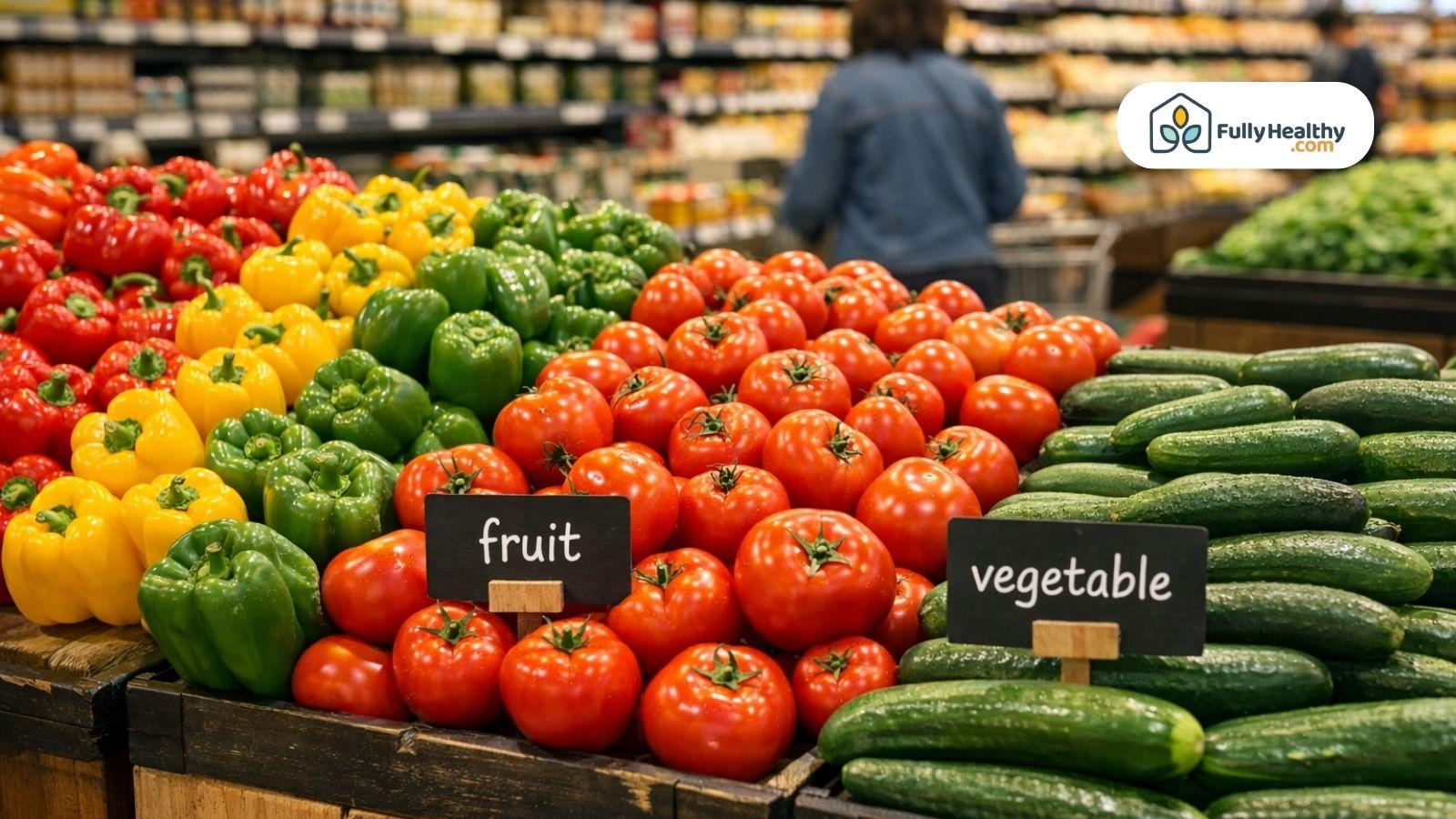
A pepper is often hard to tell whether it is a fruit or a vegetable. Peppers are fruits according to botany because they come from the flowering part of the plant and have seeds inside. But when it comes to cooking, they are treated like vegetables. Peppers are different because of how they are used in cooking and how they taste.
Botanically, Peppers Are Fruits
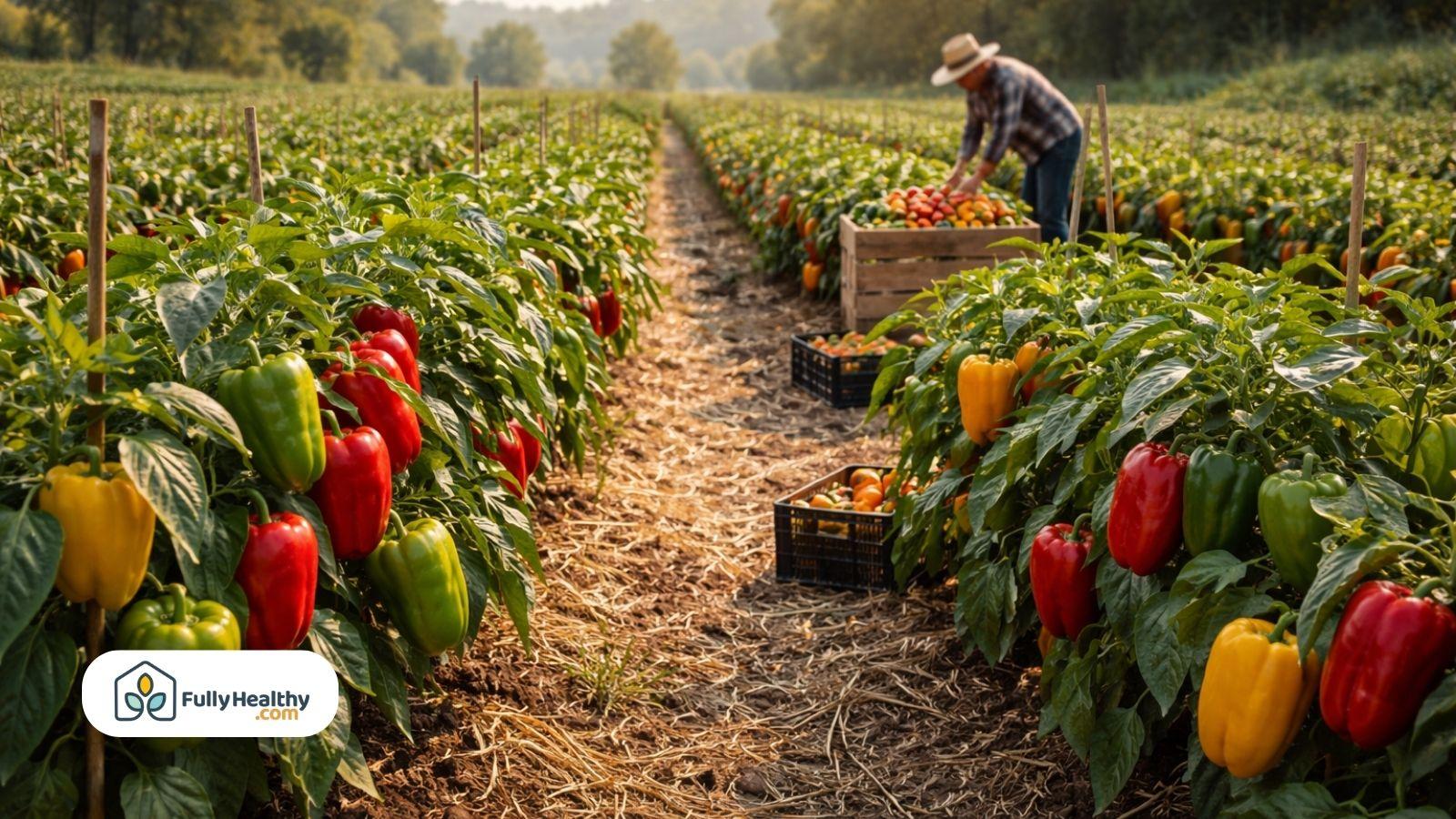
In botanical terms, peppers are fruits because they meet the criteria for being a fruit. They grow from the ovary of the flower and, like other fruits, their main job is to help the seeds spread.
-
Pepper Plant: The pepper plant produces various types of peppers, including bell peppers, all classified as fruits.
-
Botanical Definition: A fruit is defined as the seed-bearing product of a flowering plant.
-
Tiny Seeds: Peppers contain tiny seeds inside that help the plant reproduce.
-
Same Botanical Family: Peppers belong to the same botanical family as tomatoes, cucumbers, and pumpkins.
From a Culinary Perspective, Peppers Are Vegetables
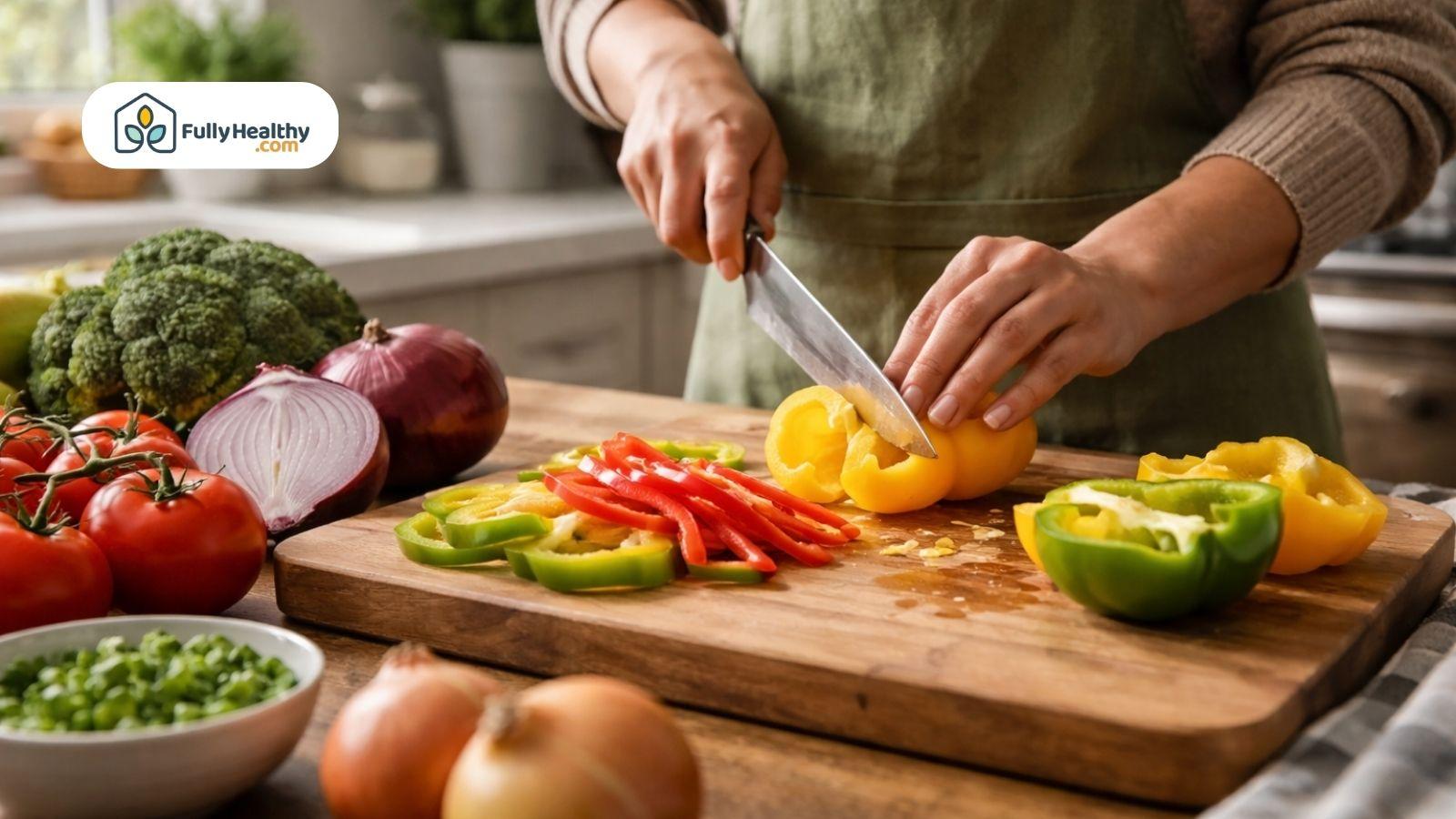
Because they taste savory and are used in cooking, peppers are often thought of as vegetables in the world of food. People often put peppers in salads, stir fries, and other vegetable-based meals. Fruits are usually eaten raw or in desserts, but peppers are used in savory dishes that are cooked.
-
Culinary Classification: Peppers are classified as vegetables because of their flavor and use in savory dishes.
-
Other Vegetables: Like string beans and broccoli, peppers are used in stir fries and salads.
-
Tougher Texture: Compared to sweet fruits like peaches or strawberries, peppers have a tougher texture.
-
Requires Cooking: Unlike fruits such as strawberries or oranges, peppers are often cooked to bring out their best flavor in meals.
What is Both a Fruit and a Vegetable?
Peppers aren't the only vegetable that tastes like a fruit sometimes. Whether you use the botanical definition or the culinary definition, many foods can be put into both groups.
Botanical vs. Culinary Classification
In different situations, foods like peppers, tomatoes, and cucumbers can be put in different groups. In the world of plants, they are fruits because they have seeds and grow from the flower of a flowering plant. But in the world of food, they are called vegetables because they taste good and are used in cooking.
-
Botanical Terms: Botanically, peppers and tomatoes are fruits because they develop from the flower and contain seeds inside.
-
Culinary Definition: According to the culinary classification system, peppers are treated as vegetables due to their savory taste and usage in meals.
-
Other Fruits: Tomatoes, cucumbers, and pumpkins belong to the same botanical family as peppers but are used differently in cooking.
-
Edible Aspects: Although botanically fruits, peppers are classified as vegetables in cooking because of how they are used in recipes.
How Botanical Families Classify Foods
Peppers are fruits, just like tomatoes, cucumbers, and pumpkins. They are all in the same botanical family. Since these foods come from the plant's flower and have at least one seed, they are called fruits. But because they are used in cooking, they are often treated as vegetables in kitchens around the world.
-
Botanical Classification: Peppers, tomatoes, and cucumbers are all classified as fruits in botanical terms.
-
Different Varieties: Peppers come in different varieties, including bell peppers, jalapeños, and green peppers, all belonging to the same family.
-
Culinary Classification: In grocery stores, peppers are typically grouped with other vegetables like cucumbers, which are also used in savory dishes.
-
Same Family: Peppers are in the same botanical family as other fruits like tomatoes, cucumbers, and pumpkins, though their usage in cooking makes them fall under the vegetable category.
Is Pepper a True Fruit?
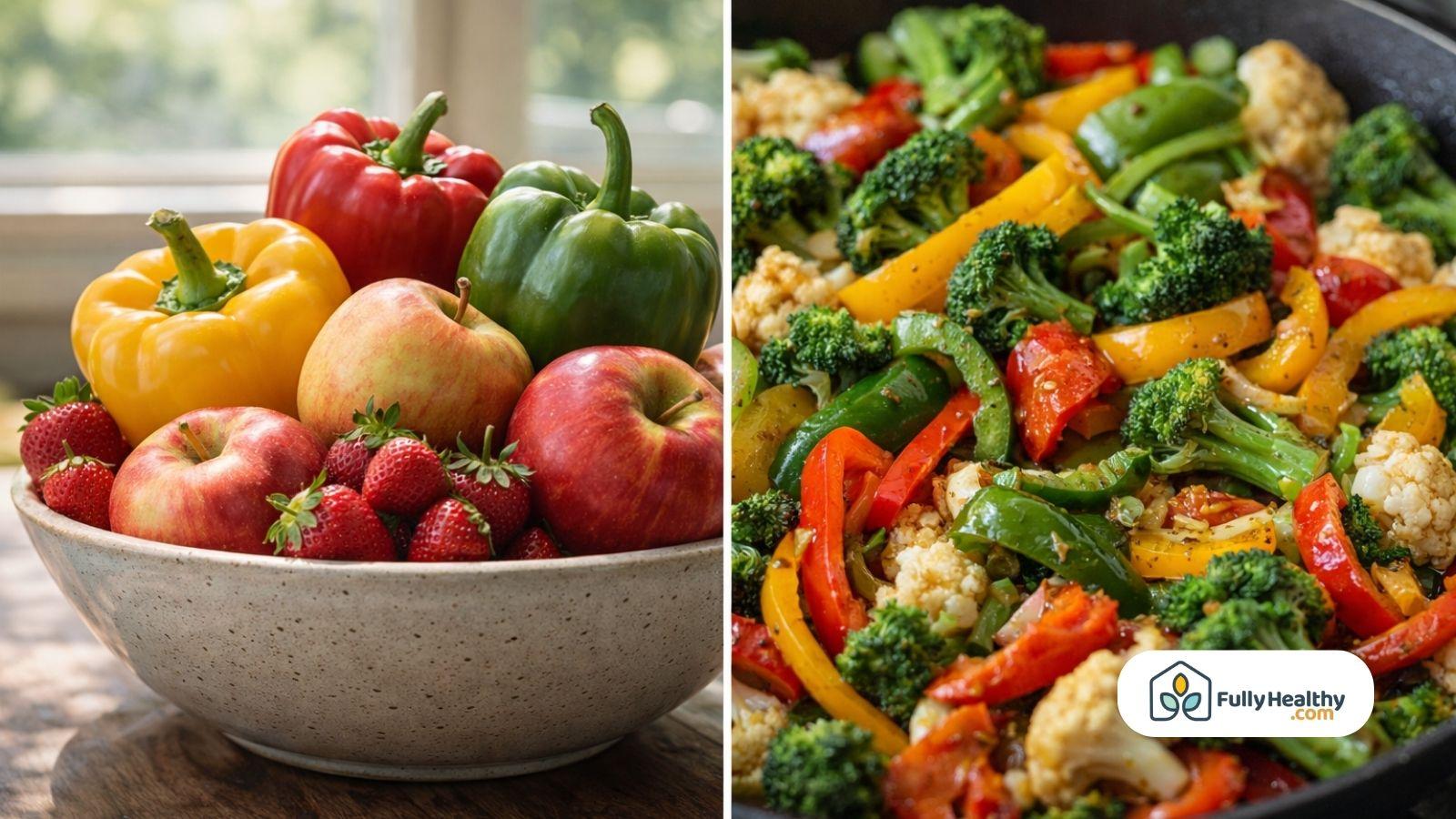
To figure out if a pepper is a real fruit, you have to look at both its botanical and culinary traits. Even though peppers are botanically fruits, they are usually thought of as vegetables in the kitchen. This two-way grouping shows how complicated food language can be.
Why Peppers Are Technically Fruits
According to plants, peppers are fruits. They develop from the flowering part of the plant, contain seeds inside, and their purpose is to aid in spreading its seeds, just like other fruits such as tomatoes, cucumbers, and pumpkins.
-
Seeds Inside: Peppers contain seeds inside their fleshy layers, which makes them fruits.
-
Flowering Part: The pepper plant develops from the ovary of the flower, fulfilling the botanical definition of a fruit.
-
Seed-Bearing Product: Peppers are seed-bearing products, just like other fruits in the same botanical family.
Peppers Are Classified as Vegetables in Cooking
Peppers are technically fruits, but in the kitchen they are used as vegetables. Because they taste savory and are used in cooked meals like salads and stir fries, they are considered vegetables. Peppers are botanically considered fruits, but many people think of them as vegetables because of how they are cooked.
-
Culinary Definition: From a culinary perspective, peppers are classified as vegetables based on their flavor and how they are used in cooking.
-
Not a Vegetable: Botanically speaking, peppers are not a vegetable, but their usage in food often leads them to be classified as vegetables.
-
Used in Stir Fries: Peppers are a key ingredient in many stir fries, where they provide texture and flavor to the dish.
What Is the #1 Healthiest Vegetable?
Spinach is one of the healthiest vegetables that you can eat. Spinach is full of important nutrients that are good for your health as a whole. Vitamin K, vitamin A, vitamin C, and iron are just a few of the important vitamins and minerals that it has. It's not a fruit, but spinach is thought to be one of the healthiest vegetables you can eat.
Why Spinach is Considered the Healthiest Vegetable
Because it has so many nutrients, spinach is often thought to be the healthiest vegetable. It helps keep bones healthy, boosts the immune system, and is full of antioxidants. Spinach is a healthy food that is full of nutrients that you can add to smoothies, salads, or cooked meals.
-
Nutritional Compositions: Spinach is a rich source of vitamin K, vitamin A, iron, and calcium, all essential for a strong body.
-
Low in Calories: Spinach is a low-calorie food, making it perfect for anyone looking to maintain or lose weight.
-
Promotes Bone Health: With its high vitamin K content, spinach helps strengthen bones and aids in calcium absorption.
-
Rich in Antioxidants: Spinach contains powerful antioxidants that help fight oxidative stress and inflammation in the body.
Health Benefits of Eating Vegetables Like Spinach
Eating vegetables like spinach is good for your health because it lowers inflammation, makes digestion better, and makes muscles work better. These vegetables are also good for your heart and help your body's natural detoxification processes.
-
Reduces Inflammation: Spinach is rich in anti-inflammatory compounds, which can help reduce the risk of chronic diseases.
-
Supports Digestion: The fiber in spinach promotes digestion and supports gut health.
-
Boosts Heart Health: Spinach is a great source of magnesium and potassium, which help maintain healthy blood pressure and heart function.
-
Enhances Muscle Function: The magnesium in spinach plays a key role in supporting muscle and nerve function.
What Does Fully Healthy Offer for Those Interested in Pepper-Related Diets?
Fully Healthy is a great place to shop for people who like peppers or need to find alternatives because of dietary needs. They have a lot of products that are good for people with special dietary needs, like foods that don't contain nightshades and products that are approved by the AIP.
A Range of Allergen-Free and AIP-Approved Products
Fully Healthy has many AIP-approved (Autoimmune Protocol) and allergen-free products for people who can't eat nightshades like peppers. The food they sell helps you eat healthy without giving up taste.
-
AIP-Approved Products: Fully Healthy offers nightshade-free options, including seasonings and sauces that can replace peppers in your diet.
-
Free From Common Allergens: Many of their products are designed to be safe for people with food sensitivities or allergies.
-
Alternative Spices: Fully Healthy carries a selection of pepper-free seasonings, allowing you to add flavor to meals without triggering sensitivities.
Explore Pepper Alternatives for AIP Diets
If you are on a certain diet, like the AIP, Fully Healthy has peppers and other edible aspects of nightshades. You can enjoy the tastes of peppers with these products without worrying about how they might affect your health.
-
Pepper-Free Seasonings: Fully Healthy offers a range of seasonings and spices that mimic the flavor of peppers but are safe for those on the AIP diet.
-
Variety of Products: From sauces to spices, the store provides a wide range of options for people who want to avoid peppers but still enjoy flavorful meals.
-
Enhance Flavor Without Peppers: These alternatives let you enjoy tasty meals while following dietary restrictions.
Final Thoughts
Peppers are a great example of how complicated it is to put foods into groups. Botany caps label them as botanical fruits, but because they taste savory, they are cooked like vegetables. Peppers, whether they are hot or purple, come from different species of tomato plants. Their nutritional value is about the same as that of other fruits, but when used in vegetables, they tend to tastes blander than apples or avocados
FAQs
Is Avocado a Fruit?
Yes, avocados are technically fruits. They grow from the flowering part of the avocado tree and contain seeds inside, which is a key characteristic that defines fruit. Despite their creamy texture and savory flavor, avocados are botanically fruits, like apples and other parts of the tomato plant.
Why Is Strawberry Not a Fruit?
Strawberries are often mistaken for fruits, but botanically, they are not. Fruits generally contain seeds inside, while strawberries have seeds on the surface. Strawberries are a berry, but they do not meet the set definition of a fruit as they lack the thin layer that typically surrounds the seeds in most fruits.
Is a Carrot a Fruit?
No, a carrot is not a fruit. Carrots grow from the roots of the plant and do not contain seeds inside. They fall under the general term encompassing vegetables like potatoes, cauliflower, and other veggies that are not spicy or sweet like fruits.
Is a Pickle a Fruit?
No, a pickle is not a fruit. It is made from cucumbers, which are technically fruits, but when pickled, they are classified as vegetables. Pickles are prepared by soaking cucumbers in brine or vinegar, and the culinary classification places them in the vegetable category due to their savory nature.
Is a Pineapple a Fruit or a Vegetable?
Pineapple is a fruit. It grows from the stems of a plant in Central America, and its seeds are enclosed in the fleshy fruit. Pineapples are typically enjoyed raw or in cooking, and like other fruits, they have same nutritional compositions as berries and other fruits generally.
Leave a comment