

Is Almond a Tree Nut? A Simple Allergy Guide
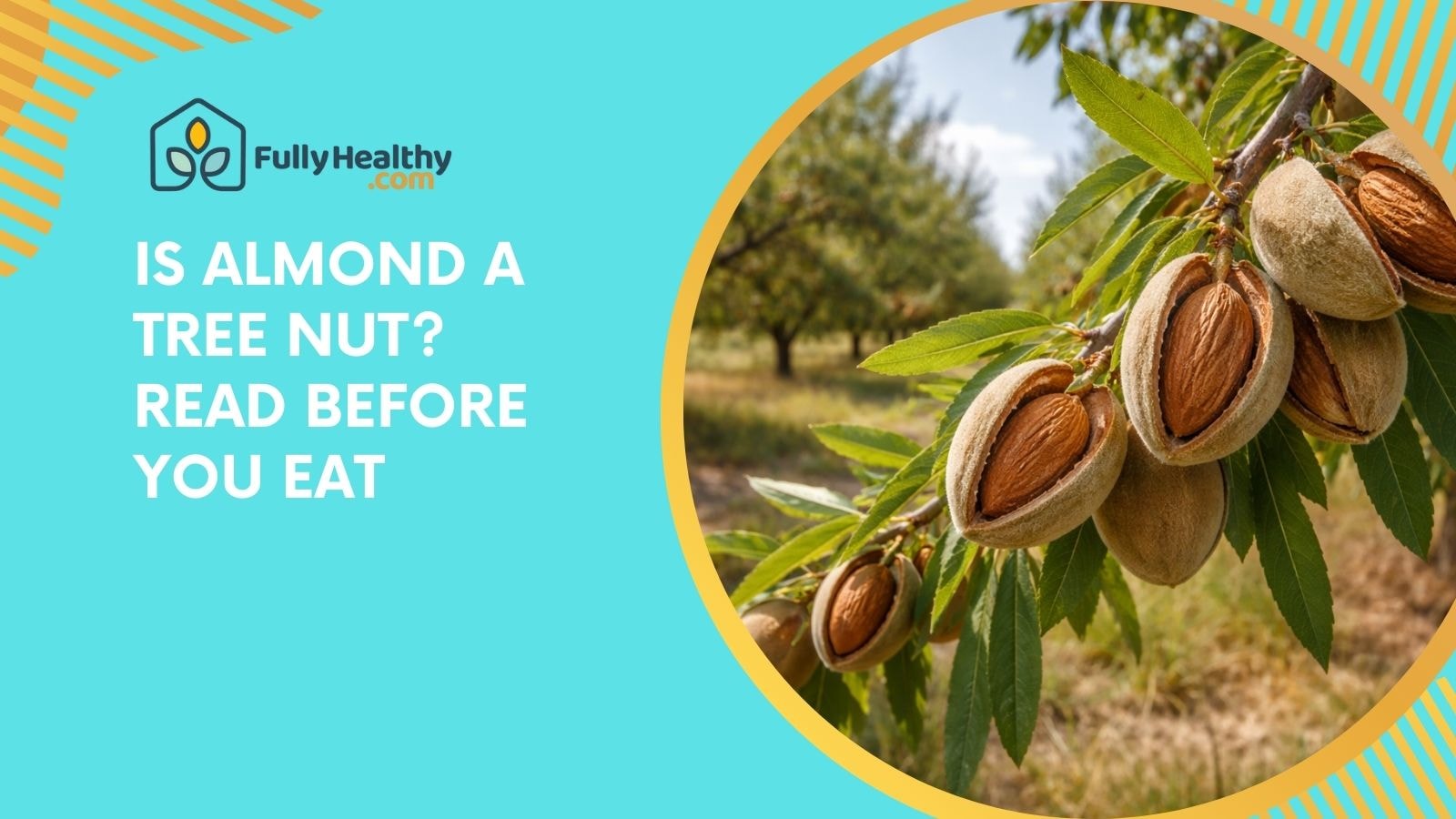
Is almond a tree nut? Naturally. Almonds are actually the seeds of a fruit, but according to laws about food allergies, they are considered tree nuts. Allergies to tree nuts can lead to serious reactions, like anaphylaxis.
This article tells you how almonds are labeled, how they are different from peanuts, which nuts are not tree nuts, and if almond extract is safe for people with allergies.
Featured Pantry Pick
Artisana // Raw Almond Butter - 14 oz
Loading...
Is Almond A Tree Nut?
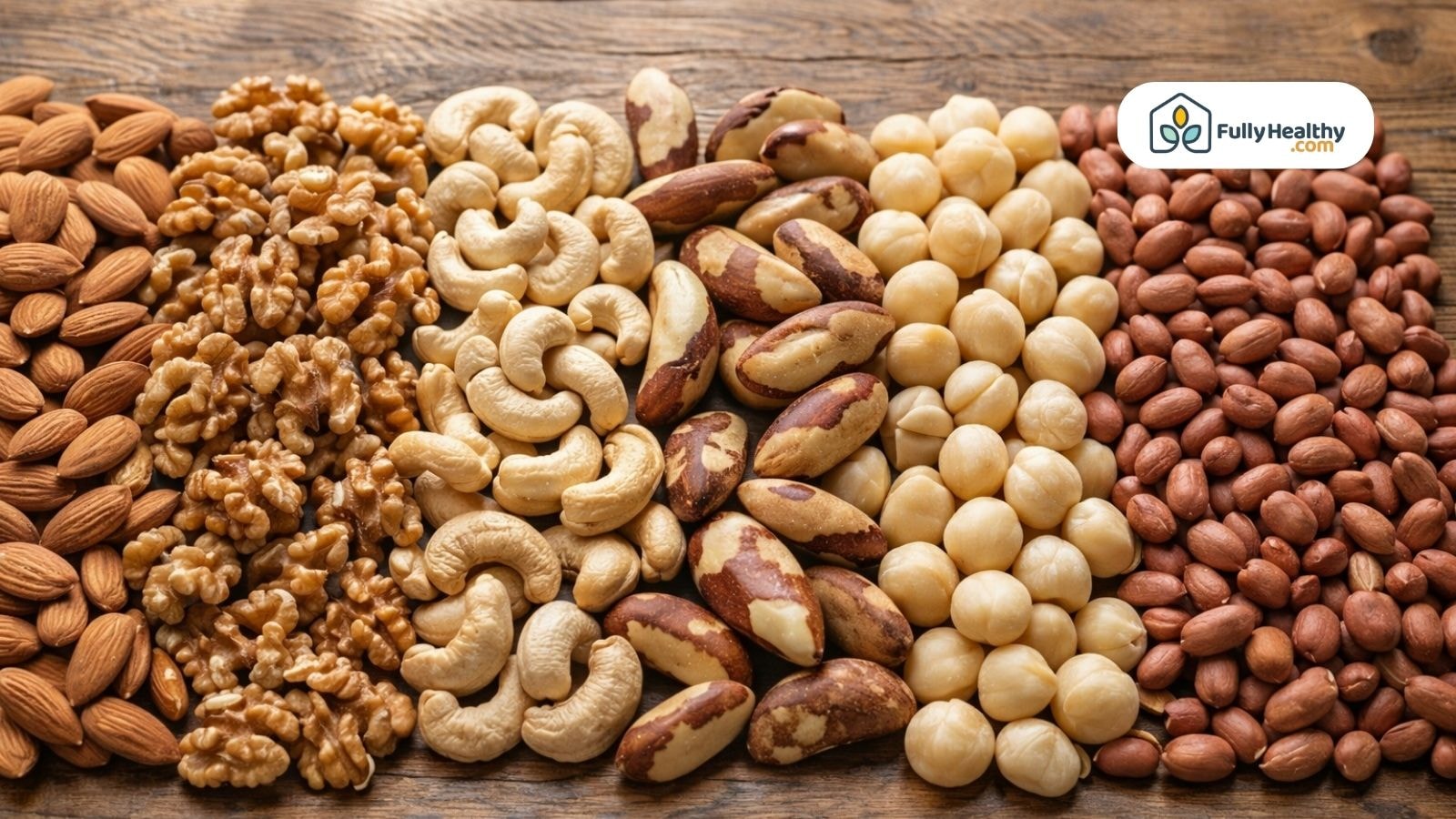
Food labeling laws say that almonds are a type of common tree nut. Even though almonds are seeds, they are considered tree nuts because they grow on trees and can cause allergic reactions.
People who have common food allergies or who are making a dish at home without tree nuts should pay attention to this. Even small amounts of tree nut protein can trigger an allergic reaction in sensitized individuals.
Almond Classification And Why It Matters
Under U.S. food allergen labeling laws, almonds are classified as tree nuts, along with walnuts, pistachios, macadamia nuts, Brazil nuts, pecans, cashews, hazelnuts, and others. If someone is sensitive to one type of tree nut, they might be sensitive to other types as well.
This is due to potential cross-reactivity between certain tree nuts, meaning proteins in different nuts may be structurally similar.
-
Legal Status: Labels on packaged foods that contain tree nuts must make it clear that the food also contains almonds.
-
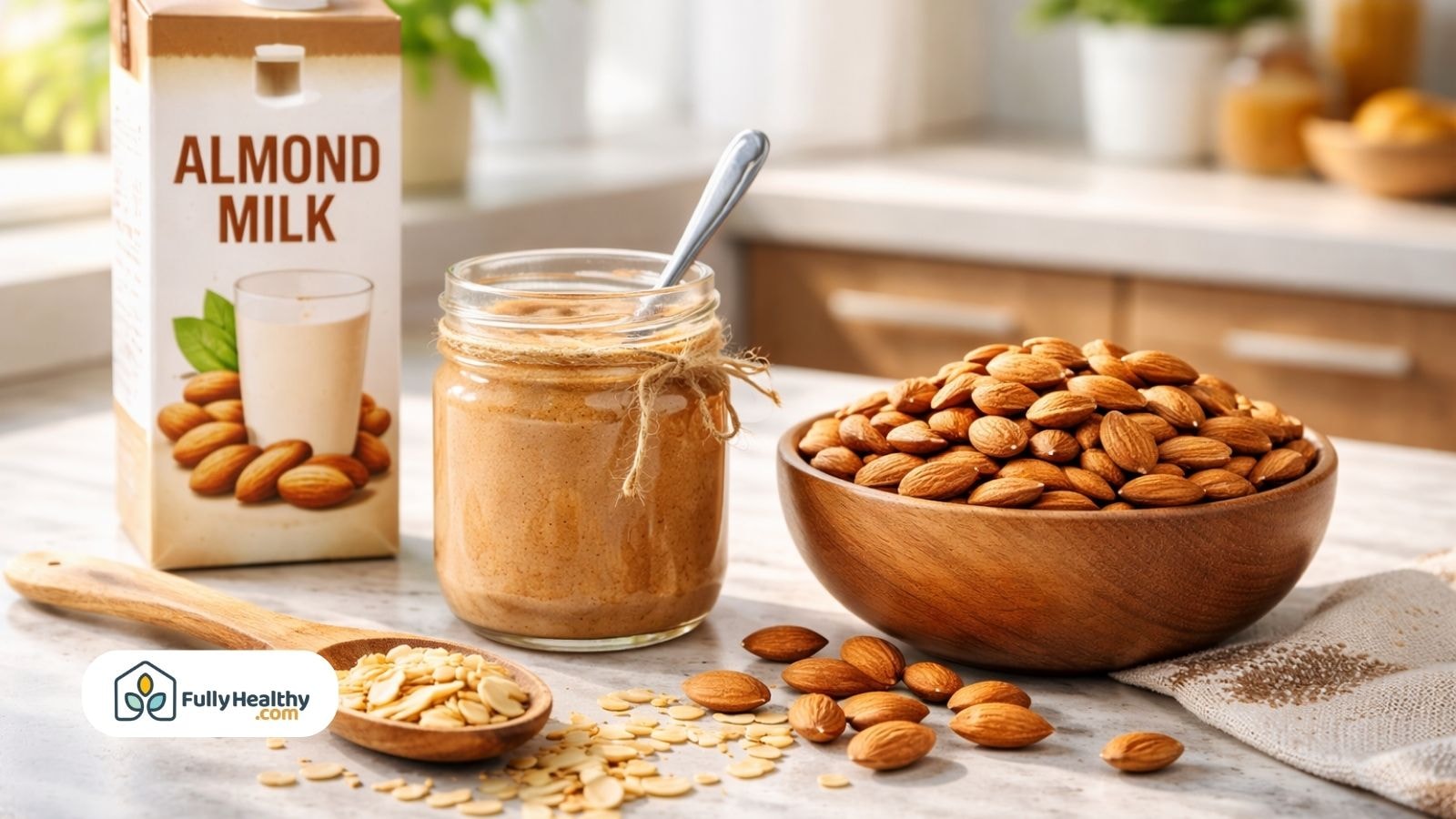
Common Forms: Nut butters like almond butter, almond milk, almond oil, almond paste, nut paste, and lots of others.
-
Hidden Sources: Breakfast cereals, energy bars, baked goods, and chopped toasted nuts.
-
Oils And Extracts: There may still be tree nut proteins in nut oils, walnut oil, and walnut hull extract.
Cross Reactivity With Certain Tree Nuts
Different types of tree nuts can make some people sick. Cashew and pistachio allergies are strongly associated due to shared protein structures. A doctor or nurse should always check a child's allergy before introducing new foods.
-
Multiple Allergies: Studies suggest that 30–50% of children allergic to one tree nut may be sensitized or allergic to additional tree nuts, though this varies by population.
-
Peanut Difference: Although peanuts are legumes, they often get mixed up with tree nuts in factories.
-
Unexpected Items: Some ingredients like pink peppercorn, nut distillates, and even some nut flavorings may make you nervous.
-
Imported Risks: There may be different rules for labeling imported chocolate and ethnic foods.
What Is The Deadliest Nut Allergy?
No single nut is inherently the most dangerous; severity depends on the individual’s immune response and level of sensitivity. One thing that is high risk, though, is eating peanuts and tree nuts. In rare cases, severe allergic reactions (anaphylaxis) to peanuts or tree nuts can be life-threatening without prompt treatment.
In the worst situations, blood pressure can drop severely and breathing can become difficult. It's very important to get treatment quickly.
Peanut Allergy And Anaphylaxis Risk
Peanut allergy is one of the most common food allergies, particularly in children, but milk and egg allergies are also highly prevalent. Often, it leads to care in an emergency. Both peanut and tree nut allergies are different, though.
-
Symptoms: Nasal congestion, swelling, vomiting, hives, and breathing problems.
-
Emergency Tool: The first line treatment is to use an epinephrine auto-injector or some other device to deliver epinephrine.
-
Child Safety: A healthcare provider and a child should work together to make an allergy plan.
-
Avoid Exposure: Individuals with allergies should avoid foods that may be cross-contaminated.
Are Tree Nuts Equally Dangerous
Peanuts and tree nuts can both be very dangerous. Things happen based on how the immune system reacts. It's possible for even small amounts to be harmful.
-
Common Foods: Baked goods, commercially prepared baked goods, breakfast cereals, barbecue sauce, barbeque sauces, cold cuts, flavored coffee, and alcoholic beverages.
-
Food Service Areas: Many coffee shops and ice cream parlors sell toasted nuts and nut pieces.
-
Processing Risk: Since the equipment is shared, packaged foods may have tree nuts in them.
-
Ongoing Care: Someone who is very likely to need epinephrine should always have an auto-injector with them.
Can Someone With A Tree Nut Allergy Have Almond Extract?
Depending on the kind used, almond extract can be hazardous. Pure almond extract is typically made from bitter almond oil; while highly refined oils may contain minimal protein, individuals with almond allergy should consult an allergist before consumption.
Some artificially flavored extracts don't actually contain almonds; they use nut flavoring made from chemicals instead.
Pure Almond Extract Vs Artificial Extracts
Individuals who are allergic to almonds may experience allergic reactions. Perhaps artificial nut flavoring is safer, but labels need to be carefully read.
-
Protein Concern: Pure almond extract may still contain almond proteins.
-
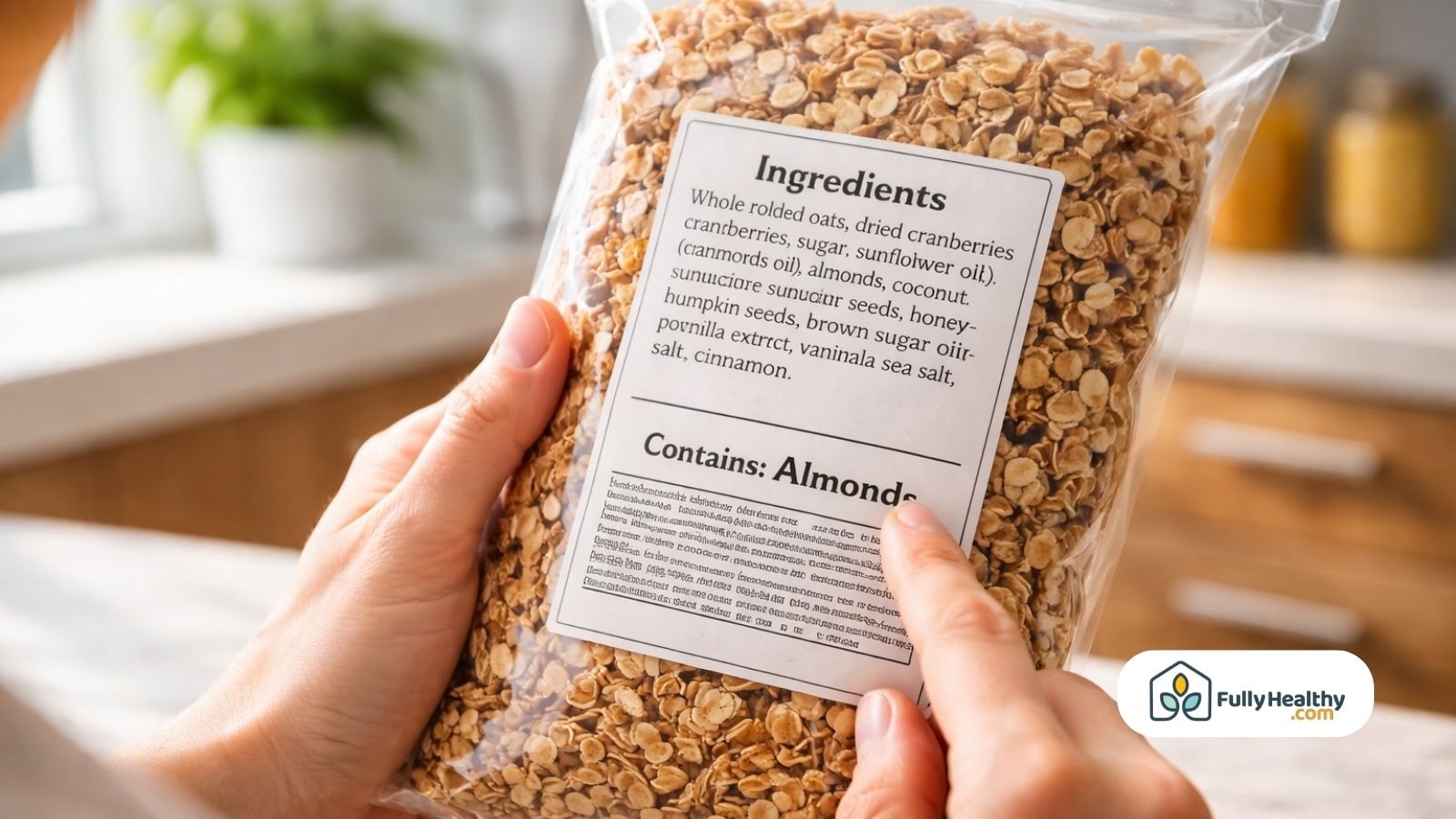
Label Check: Clear warnings must be on food labels for items that contain tree nuts.
-
Other Nut Sources: On the same property, macadamia nuts, Brazil nuts, pine nuts, cashew butter, and cashew milk may all be processed.
-
Oil Question: Labels don't always make it clear when nut oils have been refined.
Practical Safety Tips
Readers with food allergies must always read the labels. Check a product before assuming it doesn't contain nuts.
-
Watch For Ingredients: Almond butter, almond milk, nut paste, nut pieces, and butternut squash dishes with added nuts.
-
Dining Out: Some foods, frozen desserts, and nutritional supplements with chopped toasted nuts are found.
-
Hidden Additions: Natural flavor extracts, nut distillates, and flavored coffee may still be dangerous.
-
Emergency Ready: Never go without an epinephrine delivery device, because reactions can quickly become life-threatening.
Which Nuts Are Not Tree Nuts?

As the name suggests, not all foods that are called "nuts" are actually tree nuts.Tree nuts grow on trees and are regulated under food allergen labeling laws. Of course, some foods sound like nuts but aren't at all like nuts.
Families can avoid foods safely and make a tree nut free dish when they need to, when they know the difference. Also, getting clear information lowers the risk of allergic reactions that happen because of being confused.
Peanuts, Coconut, And Other Misleading Names
Soybeans, not tree nuts, are what peanuts are. They don't belong to the same family as tree nuts like almonds or Brazil nuts because they grow underground. Others also make people confused because of their names, even if they are not really nuts.
-
Peanuts: It's a legume, not a tree nut, but it's often processed in the same factories as tree nuts, which raises the risk of contact.
-
Coconut: In the United States, coconut is classified as a tree nut for labeling purposes, although botanically it is a drupe. True coconut allergy is relatively uncommon.
-
Water Chestnut: Although it's called a nut, it's actually a vegetable.
-
Bush Nut: This is a broad term used in some places, not a regulated allergen group.
-
Pink Peppercorn: Although it's not a real tree nut, some people may still react badly to it.
Even though these foods aren't tree nuts, they could still be contaminated with tree nuts while they're being made. If you aren't sure, talk to your doctor before adding new foods.
Labeling Rules And Cross Contact Risks
Laws about food allergen labels require companies to make it clear when their products contain tree nuts. Even so, rules can be different in each country. Some rules may be different for imported chocolate, ethnic foods, and specialty snacks.
-
Contains Statement: Packed foods have to say what kind of tree nut was used, like walnut or almond.
-
May Contain Warning: It means the product was made on shared tools, which means it could be contaminated with other things.
-
Shared Production Lines: Many baked goods, frozen desserts, and breakfast cereals are made in places that also handle nuts.
-
Hidden Ingredients: Some sauces, toppings, and snack foods contain nuts, toasted nuts, or nut flavoring.
Once you read the labels carefully, you can lower your risk.
What Does FullyHealthy Offer For Tree Nut–Sensitive Shoppers?
This is an online store called FullyHealthy that was made for people who have special dietary needs. It helps people with common food allergies and autoimmune diseases. It doesn't replace medical advice, but it does help people find foods that are good for people with strict eating plans, like ones that are nut-free.
Specialty Diet Marketplace Overview
The Autoimmune Protocol and other elimination diets are what FullyHealthy specializes in. That makes it easier for families to shop when they have to stay away from foods that might contain tree nuts.
-
Diet Categories: AIP Elimination and AIP Reintroduction stages.
-
Product Selection: Fruits, vegetables, breakfast foods, baking mixes, and health supplements.
-
Clear Listings: Shopping for food is easier when there are detailed pages about the ingredients.
-
Important Reminder: Before buying something, you should always make sure that it doesn't contain tree nuts.
It's important to read labels even if a product seems safe because ingredients and suppliers can change.
Products And Smart Shopping Tips
Not all specialty foods contain common tree nuts, but it's still important to read the labels carefully. For people who are more likely to be allergic, even small amounts of tree nut proteins can make them sick.
-
Common Products: Energy bars, baked goods, frozen desserts, and flavored coffee alternatives.
-
Ingredient Swaps: Not all brands use nuts as an ingredient. Some use seeds instead.
-
Manufacturer Contact: Ask businesses about how they handle cross-contamination and using the same tools.
-
Medical Safety: If you have severe allergies, you should carry an epinephrine auto injector and do what your doctor tells you.
While shopping in specialty stores can help you relax, you should always read labels and make smart decisions when it comes to safety.
Final Thoughts
Is almond a tree nut? Yes, and that classification is important for people who have a common tree nut allergy. Almonds belong to a type of common tree nut that is controlled by food allergen labeling laws. This means that even small amounts of tree nut proteins can cause severe allergic reactions.
Watch out for cross-contamination and always read food labels. If you are at a high risk, carry an epinephrine auto injector with you. If you're not sure, talk to a qualified healthcare provider before adding new foods.
FAQs
What To Avoid If You Are Allergic To Tree Nuts?
Avoid foods that contain tree nuts such as almonds, walnuts, cashews, pecans, pistachios, Brazil nuts, macadamia nuts, and pine nuts, as well as products labeled “may contain” due to cross-contamination.
Can I Drink Almond Milk If I'm Allergic To Tree Nuts?
No, almond milk contains almonds, which are classified as tree nuts and can trigger allergic reactions in people with a tree nut allergy.
What Triggers A Tree Nut Allergy?
A tree nut allergy is triggered when the immune system reacts to tree nut proteins, causing symptoms that range from mild itching to life-threatening anaphylaxis.
Can You Be Allergic To Only One Tree Nut Like Almonds?
Yes, some individuals are allergic to only one specific tree nut, such as almonds, while others may have allergies to multiple tree nuts due to cross-reactivity or co-sensitization; proper evaluation, including clinical history and testing by a board-certified allergist, is important to determine true allergy.
What 8 Foods Are Responsible For 90% Of Allergies?
The original ‘Big Eight’ allergens—milk, eggs, peanuts, tree nuts, wheat, soy, fish, and shellfish—accounted for approximately 90% of major food allergies. In 2021, sesame was added in the U.S., creating the ‘Big Nine.
Leave a comment