

Is Almond Flour Gluten Free? Smart Swaps for Celiac Diets
Is almond flour gluten free? Yes, almond flour is naturally gluten free because it is made from finely ground almonds, not wheat flour. Because it doesn't have any gluten proteins, it's often used in grain-free and gluten-free baked goods.
This article tells you how it's different from regular flour, how it changes the texture of baked goods, and what you should look for before you buy it.
Featured Pantry Pick
Bob's Red Mill // Gluten Free Baking Flour 1 to 1 - 44 oz
Loading...
Is Almond Flour Gluten Free?
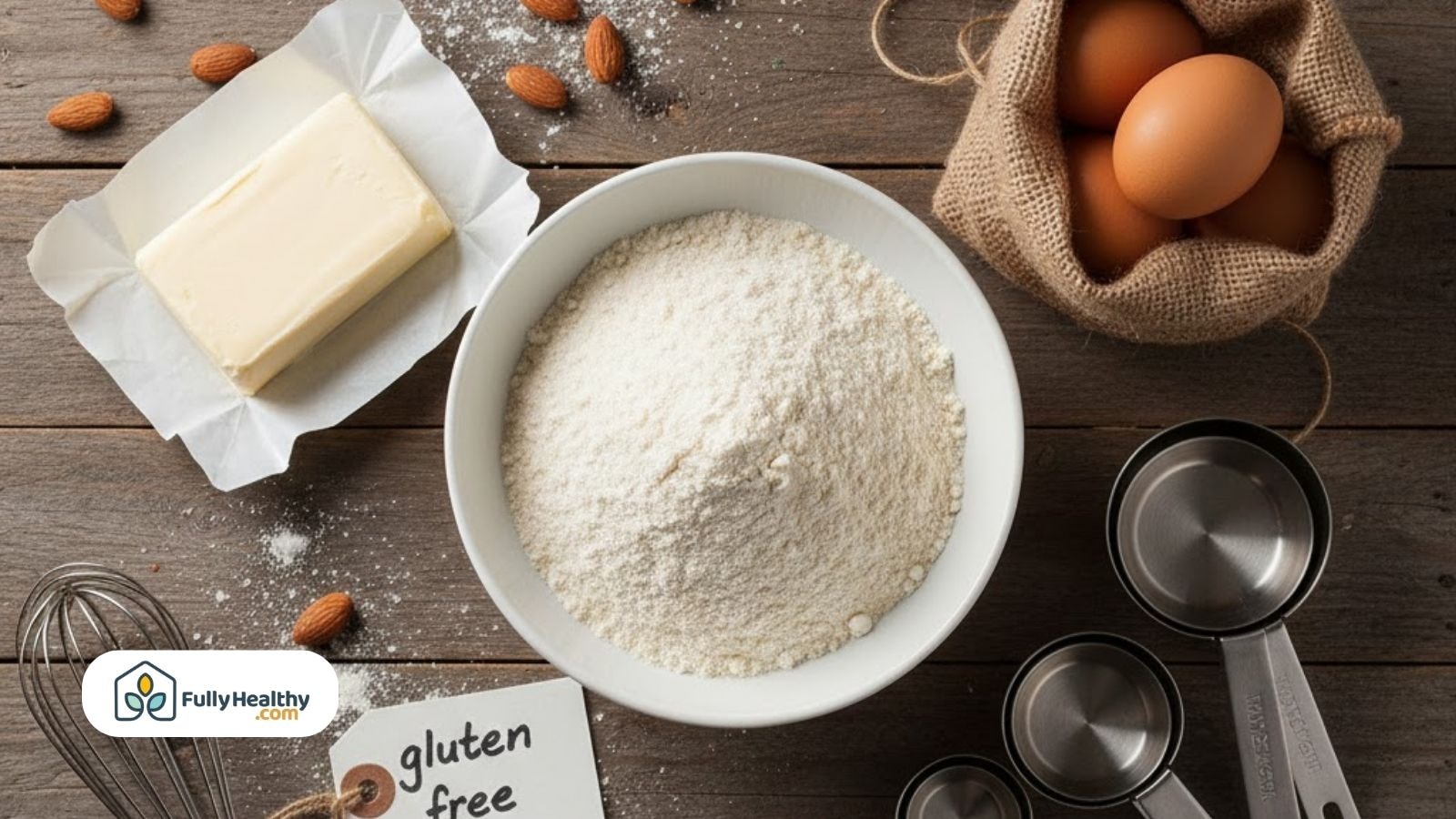
A lot of people bake with almond flour, especially those who can't have regular flour or are on a gluten-free diet. The question if almond flour is gluten-free and how it works in everyday recipes is still asked by many.
Almond Flour Is Naturally Gluten-Free
Almonds, which are tree nuts and naturally gluten-free, are ground up into a fine powder to make almond flour. It doesn't have any of the gluten found in wheat flour, regular wheat flour, or other traditional flour products because it only has ground almonds in it.
-
Naturally Gluten Free: Almond flour contains no wheat, rye, or barley proteins that create gluten.
-
Grain Free Ingredient: It is grain free and fits well within a paleo diet or keto diet.
-
Blanched Almond Flour: Blanched almond flour removes skins for a fine texture and lighter color in baked goods.
-
Almond Meal Difference: Almond meal includes skins and produces a darker color with a noticeably grainy texture.
-
Only Almond Flour: Products labeled only almond flour contain no added regular flour or fillers.
Certification, Cross-Contact, And Label Reading
Even though almond flour doesn't have gluten naturally, it can get contaminated in places that process wheat flour. For extra safety, people who can't eat gluten or have celiac disease should look for labels that say "certified gluten free flour."
-
Certified Gluten Free Flour: Certification confirms testing standards to reduce gluten exposure risk.
-
Shared Equipment Risk: Some other brands process wheat flour in the same facility.
-
Organic Almond Flour: Organic almond flour may also carry gluten free labeling for extra assurance.
-
Gluten Free Alternative: Proper labeling makes almond flour a reliable gluten free alternative.
-
Ingredient Review: Always confirm there is no added wheat or traditional flour in blends.
What Is The Healthiest Gluten-Free Flour?
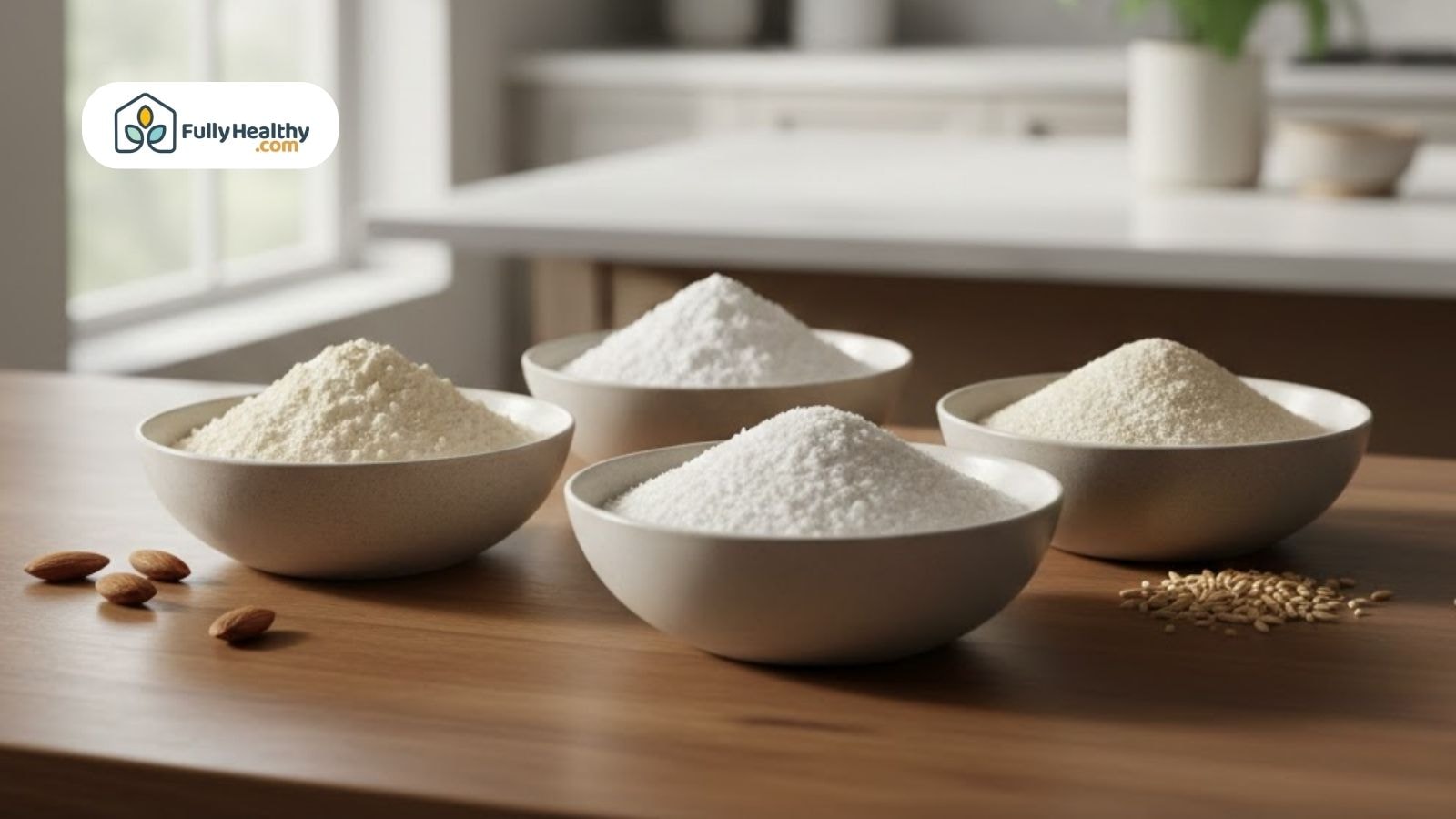
Often, people compare gluten-free flours based on how healthy they are, how good they taste, and how nutritious they are overall. People think that almond flour is a healthier alternative to wheat flour because it has more healthy fats and fewer carbs.
Comparing Other Gluten-Free Flour Options
There are other gluten-free flours that taste and feel different, like sorghum flour, coconut flour, and buckwheat flour. Some are more similar to wheat flour than others, and when used in baking, they give different flavors.
-
Coconut Flour: Highly absorbent and requires more eggs for balance.
-
Sorghum Flour: Offers a milder taste closer to wheat flour.
-
Buckwheat Flour: Has a darker color and earthy flavor.
-
Brazil Nuts And Seeds: Ground nuts and seeds can also create alternative flours.
-
Healthy Alternative Choice: Selection depends on taste preference and baking purpose.
Almond Flour’s Nutritional Profile
Almond flour is low carb and contains protein, fiber, and healthy fats from nuts. It supports keto friendly and grain free eating patterns while adding natural flavor.
-
Low Carb: Contains fewer carbohydrates than traditional flour.
-
Healthy Fats: Provides beneficial fats from almonds.
-
Protein Content: Offers more protein than many gluten free flour options.
-
Whole Foods Based: Aligns with whole foods focused eating habits.
-
Grain Free And Paleo Friendly: Suitable for paleo diet and keto diet plans.
What Happens When You Replace All-Purpose Flour With Almond Flour?
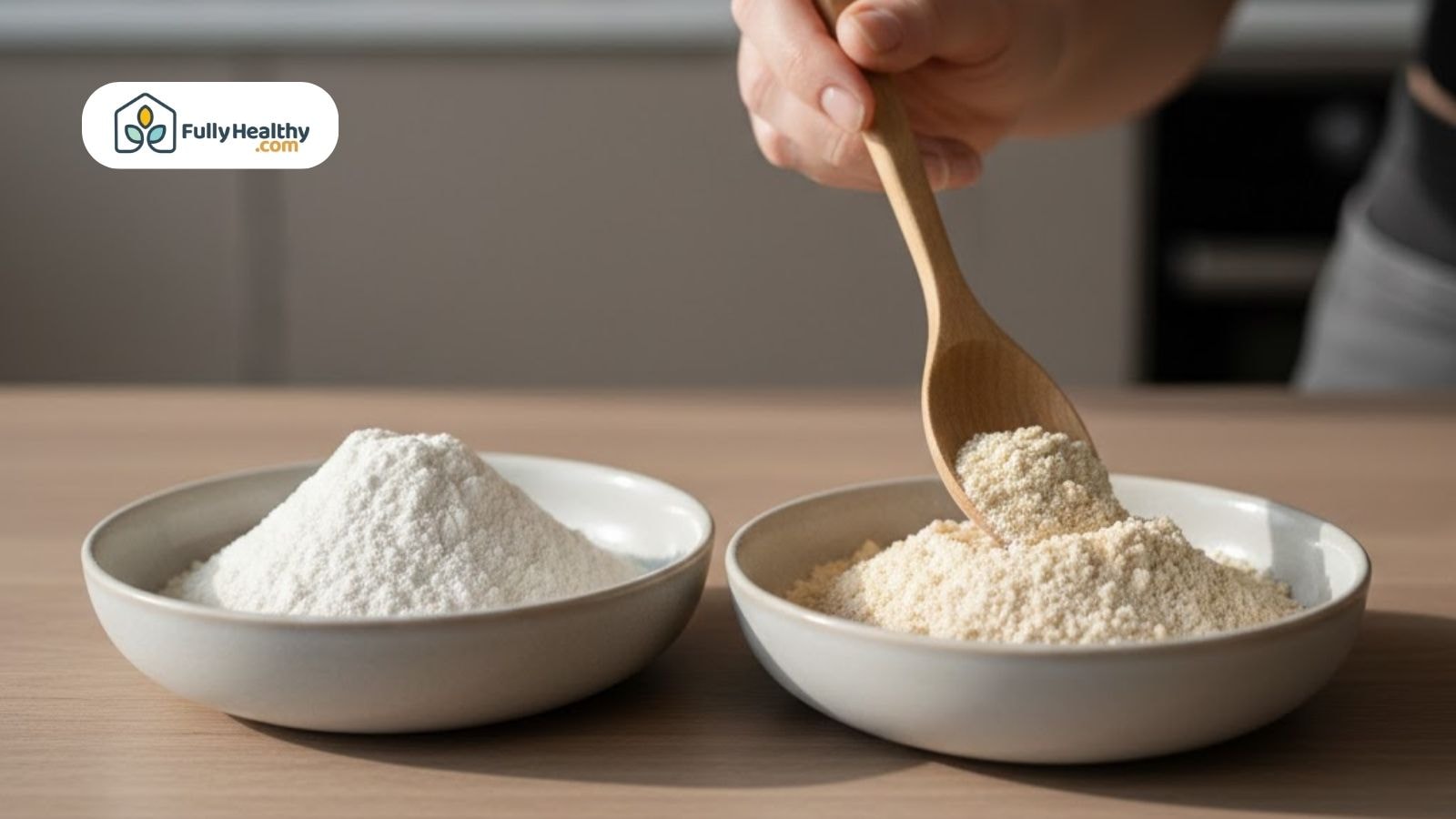
Replacing all purpose flour with almond flour changes the structure and texture of baked goods because gluten is absent. Understanding these differences improves success in baking.
Texture, Rise, And Structural Differences
Almond flour doesn't make gluten, so it can't make bread or muffins stretchy like wheat flour does. Baked goods made with almond flour tend to be denser, moister, and a little more tender, and they have a strong nutty flavor.
-
No Gluten Network: Almond flour cannot trap air the way wheat flour does.
-
Denser Texture: Cakes and muffins will be heavier than those made with regular flour.
-
Moist Interior: Healthy fats from almonds create softness and richness.
-
Nutty Flavor: The natural taste of almonds enhances flavor in baked goods.
-
Great Texture When Balanced: Correct ratios can still produce delicious baked goods.
Ratio Adjustments And Recipe Modifications
You cannot always substitute almond flour directly for all purpose flour in most recipes because the moisture balance changes. Adjustments in eggs, liquid, or adding xanthan gum help maintain structure.
-
Increase Eggs: Eggs provide structure when gluten is missing.
-
Reduce Liquid: Almond flour absorbs differently than regular flour.
-
Add Xanthan Gum: Xanthan gum supports binding in gluten free flour recipes.
-
Good Substitute In Designed Recipes: Almond flour recipes created specifically for it perform best.
-
Cool Completely: Allow baked goods to cool completely to stabilize texture before slicing.
What Are The Common Mistakes When Using Almond Flour?
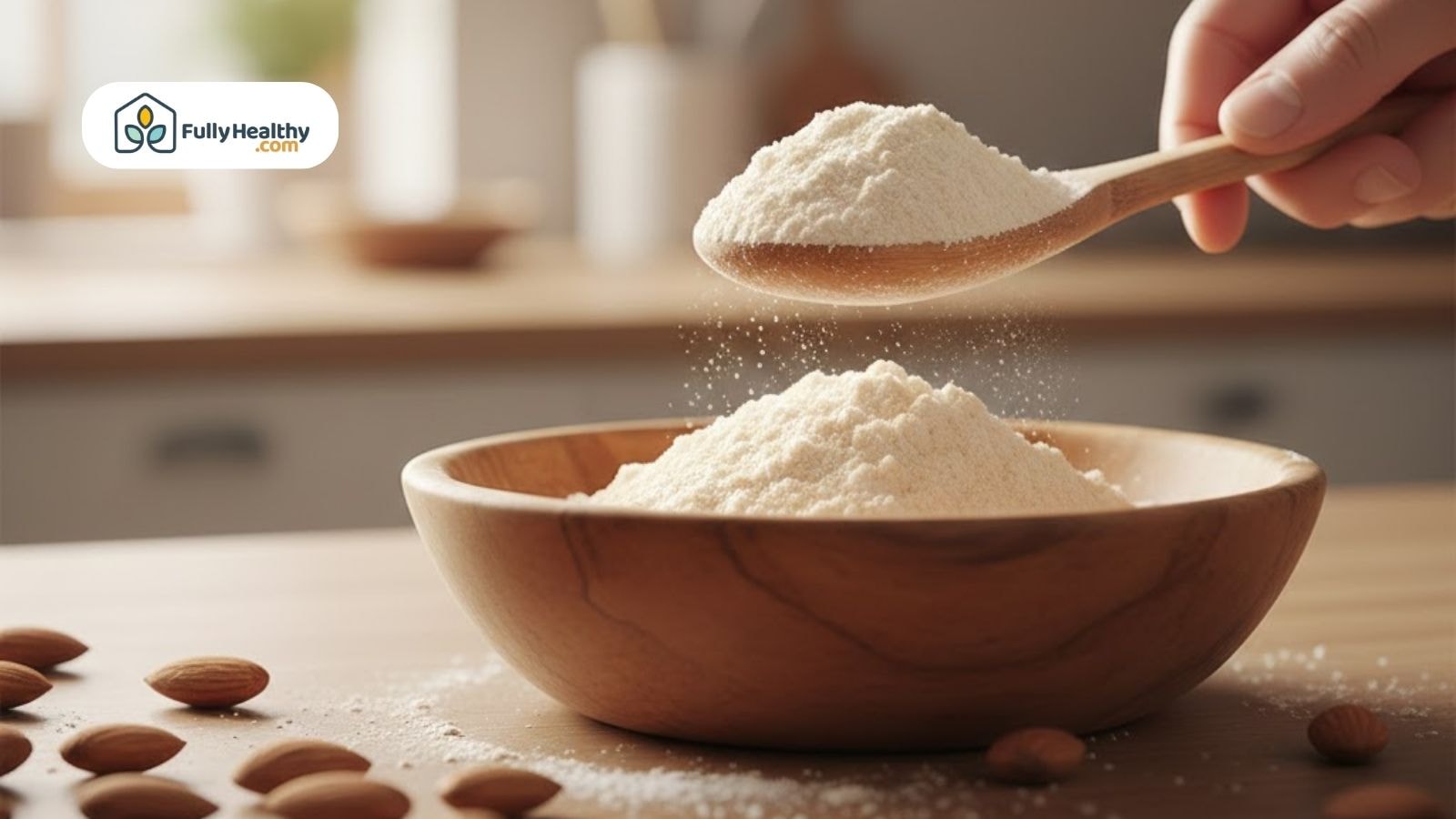
Almond flour behaves differently than regular flour, which can lead to baking mistakes. Understanding common errors helps improve results.
Using Almond Flour Like Wheat Flour
Because almond flour doesn't have gluten, people often mistake it for wheat flour and use it in the same way. Structure and ability to absorb water are very different from regular flour.
-
Overmixing Batter: Can create dense almond flour baked goods.
-
Wrong Ratios: Equal swaps in many recipes often fail.
-
Ignoring Structure: Gluten free baked goods require additional binding.
-
Expecting Bread Rise: Almond flour bread will not rise like wheat bread.
-
Skipping Adjustments: Failing to adjust sugar or liquid affects texture.
Improper Storage And Freshness Issues
Almond flour contains healthy fats that can spoil faster than traditional flour if stored incorrectly. Proper storage extends shelf life and preserves taste.
-
Refrigerate After Opening: Helps prevent rancidity and preserve flavor.
-
Freezer Storage: Extends shelf life significantly.
-
Cool Dry Place: Store sealed away from heat and moisture.
-
Check Smell: A sour odor indicates spoilage.
-
Buy Smaller Bags: Smaller quantities help maintain freshness and great price value.
About FullyHealthy
Choosing the right foods can simplify gluten free baking and everyday meal planning. FullyHealthy focuses on specialty products that support grain free and keto friendly lifestyles.
Who FullyHealthy Serves
FullyHealthy helps consumers who have celiac disease, gluten intolerance, or need to follow a gluten-free diet for their own health. It also helps people who are looking for low-carb, paleo, or nutrition based on whole foods.
-
Gluten Free Diet Support: Products avoid wheat flour, regular wheat flour, and traditional flour ingredients.
-
Grain Free Selection: Many items are grain free and use nuts or seeds instead of wheat.
-
Keto Friendly Choices: Several options support keto diet and low carb eating plans.
-
Allergen Conscious Foods: Items are curated for customers sensitive to gluten and other common triggers.
-
Healthy Alternative Options: Products provide convenient baking mixes without relying on regular flour.
Almond Flour-Based Mixes Available
FullyHealthy carries baking mixes that use almond flour as a primary grain free ingredient for easy preparation. These mixes help create delicious baked goods without using wheat flour.
-
Simple Mills Pizza Dough Almond Flour Mix: Almond flour based mix designed to create a crisp, flavorful crust without traditional flour.
-
Simple Mills Pancake & Waffle Almond Flour Mix: Makes pancakes and waffles with great texture while remaining gluten free.
-
Simple Mills Artisan Bread Almond Flour Mix: Supports bread baking using almond flour instead of regular wheat flour.
-
Simple Mills Banana Muffin & Bread Almond Flour Mix: Creates moist muffins and quick breads with natural flavor and a tender crumb.
-
Simple Mills Pumpkin Muffin & Bread Almond Flour Mix: Delivers seasonal flavor and soft texture in gluten free baked goods.
-
Simple Mills Crunchy Almond Flour Cookies Toasted Pecan: Provides convenient almond flour baked goods with a rich nutty flavor and satisfying crunch.
Final Thoughts
So, is almond flour gluten free? Yes, natural almond flour and super fine almond flour are both made from ground almonds. Since they don't have gluten, they can be used in place of wheat flour in many recipes. You can even use a food processor or high-powered blender to make your own almond flour.
For a stronger flavor in baking, add almond extract. When you add the right amount of eggs and water, almond flour works well in muffins, pancakes, and bread. Start easy, test small amounts, and get comfortable in your gluten-free kitchen.
FAQs
Can I just replace flour with almond flour?
You cannot always directly replace traditional flour with almond flour because it absorbs moisture differently and may require more eggs or structure support.
Which flour is lowest in gluten?
Natural almond flour and super fine almond flour contain no gluten at all, while wheat based flour contains the highest gluten content.
What are the symptoms of gluten intolerance?
Symptoms of gluten intolerance can include bloating, stomach discomfort, fatigue, and digestive issues after eating foods made with wheat flour.
What is almond flour best used for?
Almond flour is best used for muffins, pancakes, cookies, and other gluten free baked goods where moisture and nutty flavor improve texture.
Is there a trick to baking with almond flour?
A key trick to baking with almond flour is adjusting eggs and liquid, using fine grind texture from a food processor or high powered blender, and letting baked goods cool completely before slicing.
Leave a comment