

Is Bone Broth Good For Dogs? Smart Feeding Guide For Pet Owners
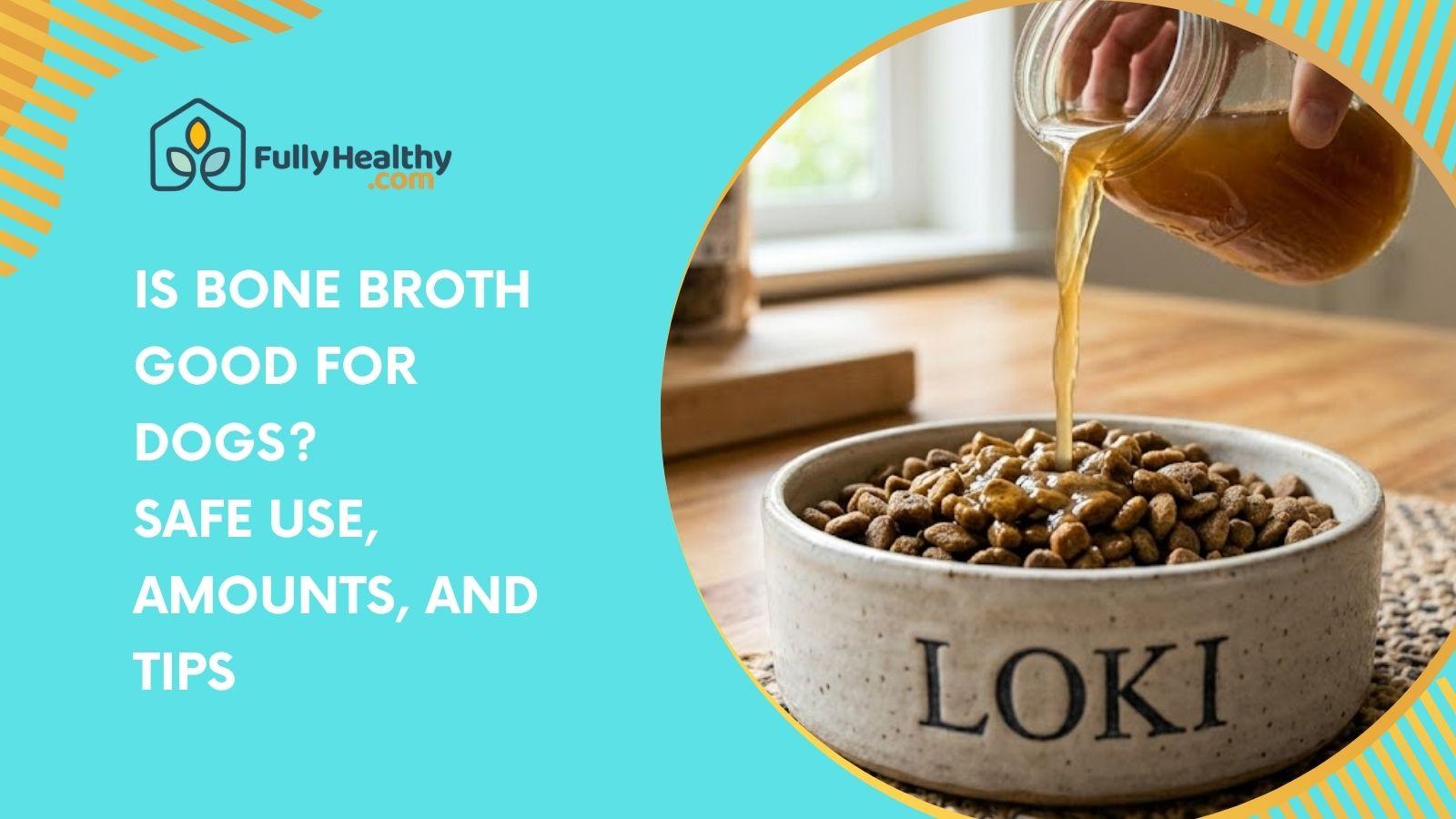
Is bone broth good for dogs? Yes, bone broth can add moisture, flavor, and some nutrients to a dog's food, and if it's made right, it may even help them eat more. Instead of being a full meal, it works best as a simple topping.
It also helps picky eaters enjoy their food. If you want to know if bone broth is good for your dog, this article tells you about the risks, how to use it safely, and the right amount.
Featured Pantry Pick
EPIC // Tuscan Style Chicken Bone Broth - 14 oz
Loading...
Is Bone Broth Good For Dogs?
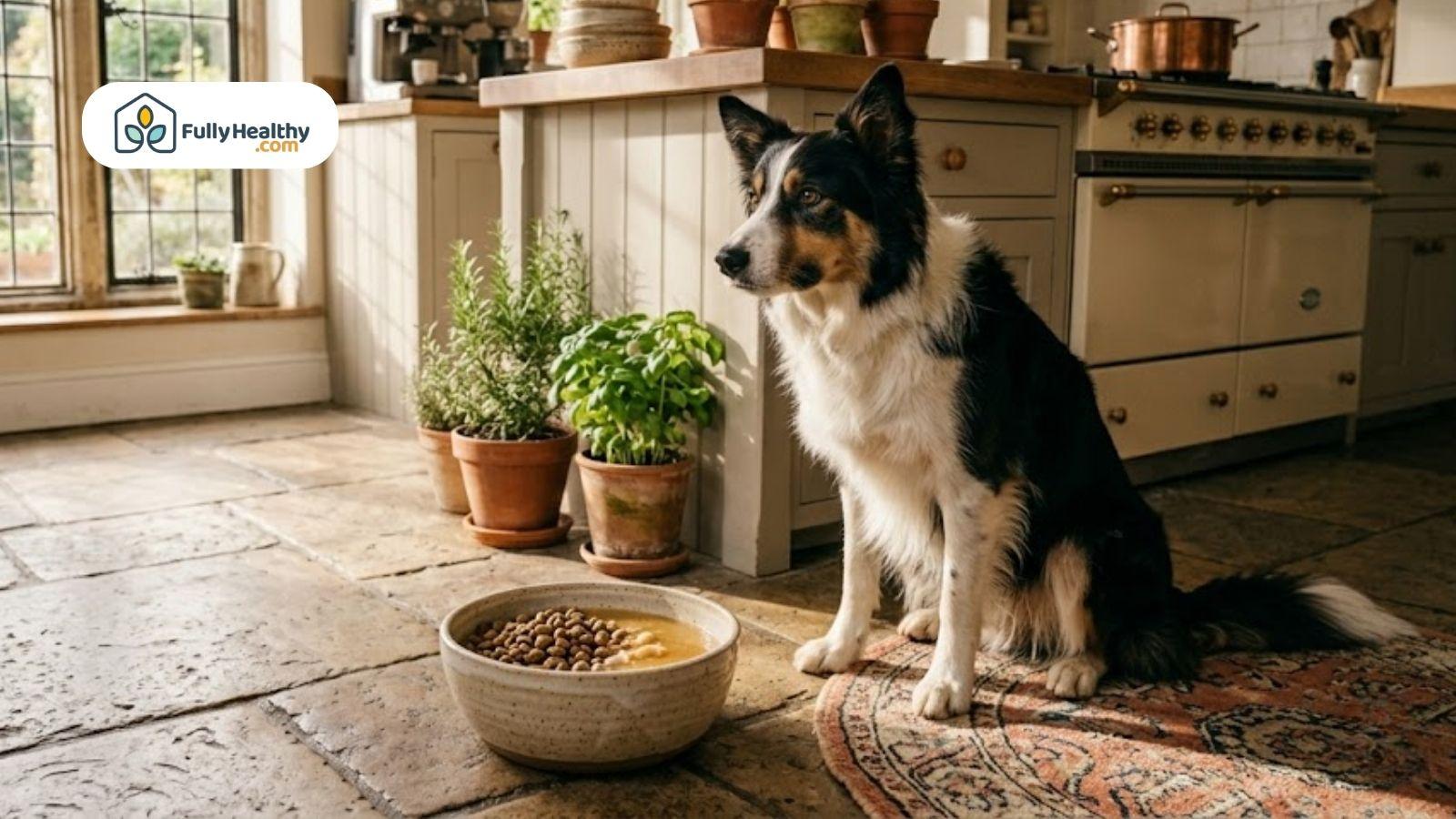
Fur parents often put bone broth on top of food to make it taste better and add moisture. When eaten in small amounts, it can be helpful, but it's not a complete source of nutrition. It helps with daily health and is easy for many dogs to digest.
How Bone Broth Supports Dogs Day To Day
Yes, is bone broth good for dogs because it supports hydration, improves appetite, and adds extra nutrition to the dog’s diet. Bone broth helps many dogs stay consistent with eating while supporting recovery and daily comfort.
-
Hydration Support: Helps with proper hydration by adding moisture to dry food.
-
Appetite Boost: Encourages picky eaters to eat more consistently.
-
Recovery Support: May be easier to consume for dogs with reduced appetite or mild stomach upset.
-
Digestive Ease: Added moisture and mild flavor may make meals easier to eat for some dogs.
-
Nutrient Boost: Adds amino acids and essential nutrients that support the dog’s health.
Is Bone Broth Good For Dogs’ Overall Health?
Bone broth contains collagen-derived compounds and amino acids, but it should be described as a supplemental food rather than a proven treatment for joint, digestive, or coat problems.
-
Joint Health Support: Contains collagen-related compounds that may complement an overall joint-support plan.
-
Digestive Health: Added moisture and mild flavor may help some dogs eat more comfortably.
-
Skin And Coat Health: Helps maintain healthy skin and a shiny coat through collagen and connective tissue support.
-
Immune Support: Adds some nutrients but should not be considered an immune booster.
Which Bone Broth Is Safe For Dogs?
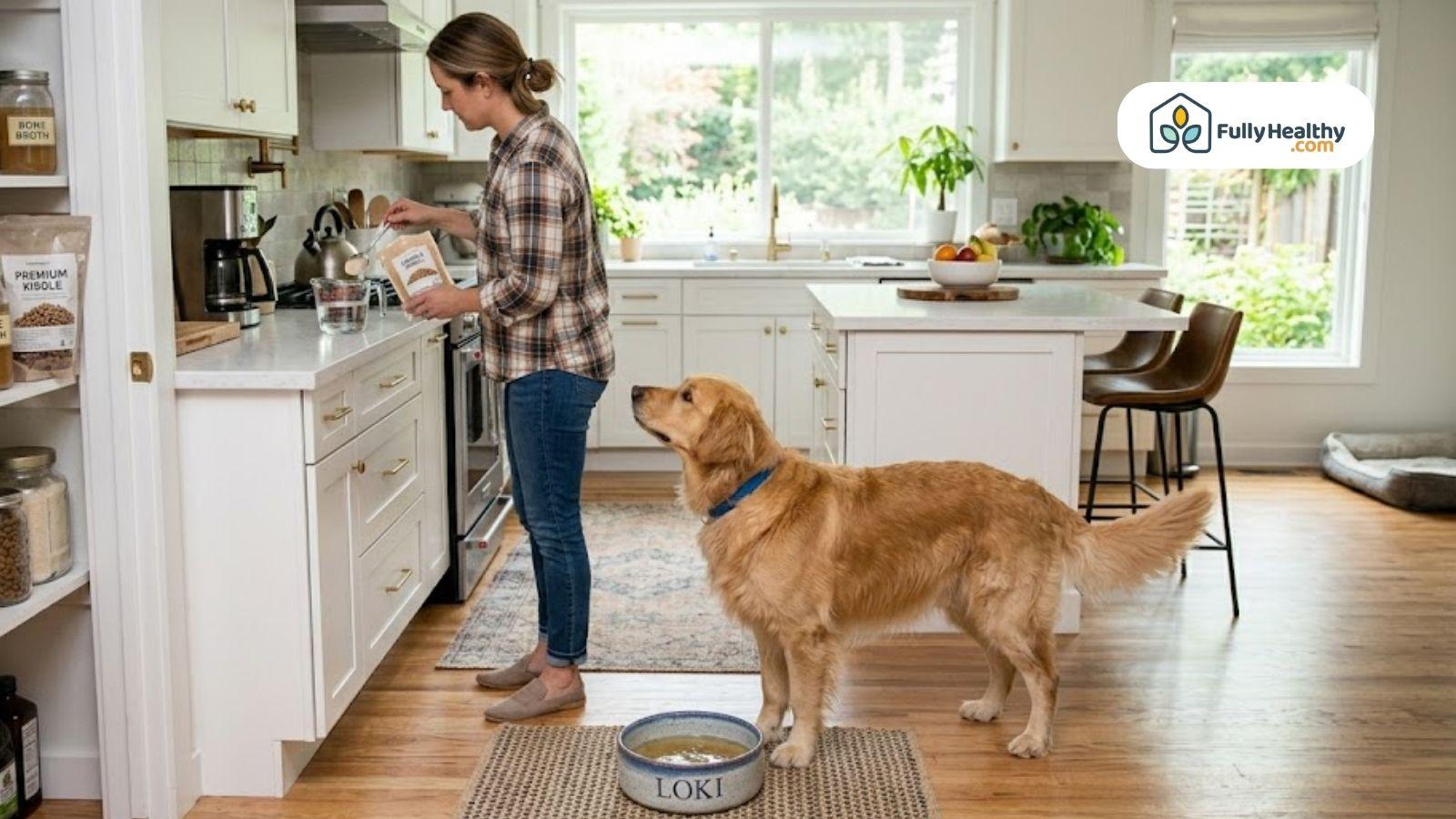
Not all bone broth is safe, so ingredient quality and preparation matter for protecting a dog’s health. Safe bone broth avoids harmful additives and focuses on clean, simple ingredients.
Ingredients That Make Bone Broth Safe
Safe bone broth for dogs is made with simple ingredients and no harmful additives like onions or added salt. It should be prepared slowly to extract nutrients while keeping it gentle for the digestive system.
-
No Toxic Additives: Avoid onions, garlic, and added salt that can harm dogs.
-
Low Sodium: Choose low-sodium options to avoid unnecessary salt intake, especially in dogs with health conditions.
-
Clean Ingredients: Use broth with dog-safe ingredients and no onion, garlic, or heavy seasoning.
-
Proper Cooking: Simmer bones at low heat using a slow cooker or instant pot.
-
Fat Removal: Remove excess fat after cooling to avoid digestive issues.
Best Types Of Bones And Broth Choices
The best bone broth uses high-quality animal bones that release gelatin, minerals, and nutrients during slow cooking. Choosing the right bones improves the benefits of bone broth for dogs and overall safety.
-
Beef Bones: Use grass-fed beef bones for nutrient-dense beef bone broth and beef broth.
-
Chicken Bones: Chicken bones and chicken feet create rich chicken bone broth with gelatin.
-
Animal Bones: Use safe animal bones like turkey necks for added collagen and amino acids.
-
Homemade Broth: Prepare broth with apple cider vinegar to extract minerals from bones.
-
Store Bought Options: Choose pet-safe store bought bone broth with no harmful additives.
Should You Give Your Dog Bone Broth Every Day?
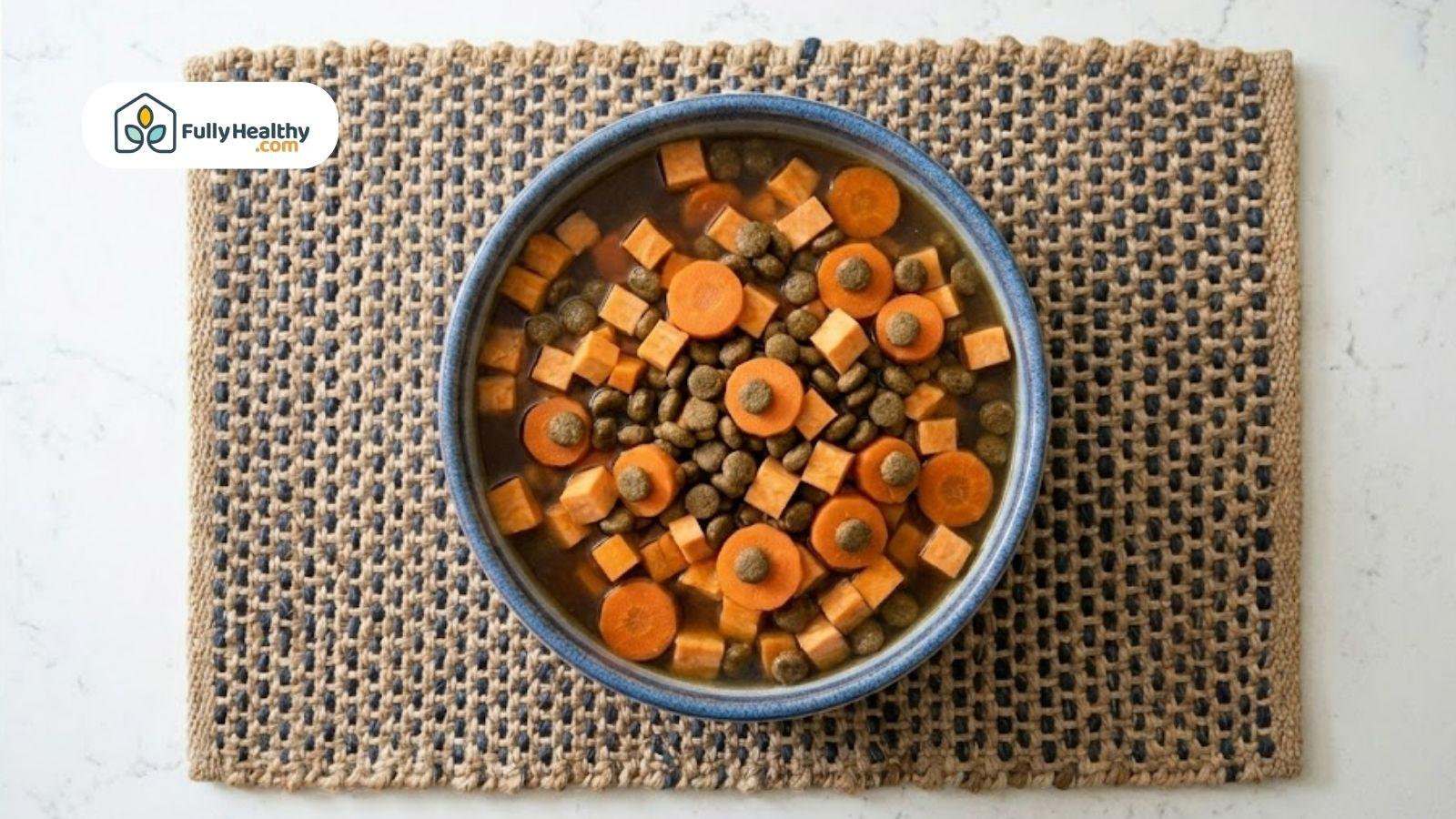
Bone broth can be used daily, but portion control is important to keep it safe and balanced. It should always support a complete diet, not replace it.
Daily Feeding Guidelines Based On Sources
Giving bone broth daily is safe when used in moderation as a nutritious topper. Most dogs benefit from small, consistent portions added to their dog food.
-
Serving Size: About one ounce per ten pounds of body weight for safe intake.
-
Start Small: Introduce slowly to avoid upset stomach and digestive issues.
-
Adjust Intake: Modify based on size, age, and dog’s health needs.
-
Meal Topper Use: Add bone broth to dry food or mix into the dog’s diet.
-
Hydration Boost: Helps support proper hydration for active dogs and older dogs.
Why Moderation Still Matters
Bone broth should stay a supplement because dogs still need balanced nutrition from their main dog food. Too much broth can affect digestion and reduce intake of a complete diet.
-
Not A Full Meal: Bone broth does not replace a complete diet or balanced dog food.
-
Digestive Balance: Too much may lead to digestive upset or loose stool.
-
Calorie Control: Excess broth can add unnecessary calories to the dog’s diet.
-
Sensitive Dogs: Dogs with sensitive stomachs may need smaller portions.
-
Consistent Use: Moderate use provides numerous benefits without causing imbalance.
What Are The Side Effects Of Bone Broth For Dogs?

Bone broth is usually safe, but some dogs may have problem if they are given it too soon or not properly prepared. Doing research on these risks can help dog owners keep their dogs healthy.
Common Side Effects To Watch For
Some dogs may react to bone broth depending on fat content, sodium levels, or sensitivity in the digestive tract. These issues are usually mild and manageable with proper preparation.
-
Digestive Upset: Sudden introduction can lead to upset stomach or loose stool.
-
High Fat Content: Excess fat may trigger discomfort or issues in sensitive stomachs.
-
Sodium Levels: Store bought bone broth with added salt can harm the dog’s health.
-
Food Sensitivities: Some dogs may react if ingredients do not match their pet’s diet.
-
Overfeeding: Giving bone broth in large amounts may affect proper digestion.
Less Common But Important Risks
Less common risks are usually tied to preparation methods or ingredient quality rather than bone broth itself. Keeping preparation clean and simple reduces these concerns.
-
Bone Fragments: Poorly strained broth may contain small pieces from cooked bones.
-
Heavy Metals: Trace amounts may exist, but levels are considered very low risk.
-
Low Quality Ingredients: Using poor quality animal bones may reduce benefits of bone broth.
-
Improper Storage: Spoiled broth can negatively affect digestive health.
-
Added Ingredients: Garlic, onions, or seasoning can be harmful to dogs.
FullyHealthy Bone Broth Options
Choosing the right bone broth matters when looking for clean ingredients that support daily nutrition and overall wellness. FullyHealthy offers options that focus on simple, transparent sourcing and quality standards.
NOTE: These products are intended for human use, so ingredient labels must be checked carefully before giving any to dogs.
About FullyHealthy
FullyHealthy focuses on clean-label products designed for people who want simple, high-quality ingredients in their diet. Their selection highlights natural source options that support digestive health and overall balance.
-
Clean Label Focus: Products use human grade ingredients with minimal processing.
-
Specialty Diet Support: Options fit different dietary needs without unnecessary additives.
-
Simple Ingredients: Focus on natural source nutrition without harmful fillers.
-
Quality Standards: Products support digestive health and overall wellness.
-
Trusted Selection: Helps consumers choose reliable bone broth options.
Bone Broth Products Available
FullyHealthy offers different bone broth formats that fit into daily routines and nutrition goals. Each option is designed for convenience while maintaining ingredient quality.
-
Epic Homestyle Savory Chicken Bone Broth: A ready-to-use chicken bone broth made with simple ingredients, ideal for adding warmth and flavor to meals.
-
Bare Bones Instant Chicken Bone Broth: A powder form option that mixes easily with water for quick preparation and daily use.
-
Bare Bones Instant Beef Bone Broth: A convenient beef broth powder sourced from beef bones and connective tissue for collagen and amino acids.
-
Kettle & Fire Gluten-Free Beef Bone Broth: A slow-simmered liquid broth made from beef bones, offering a rich source of nutrients.
-
Epic Tuscan Style Chicken Bone Broth: A flavored chicken broth option designed for variety while maintaining clean-label ingredients.
-
Kettle & Fire Organic Mushroom Chicken Bone Broth: A blend of chicken bone broth and mushrooms that adds depth and additional nutrients.
-
Fond Liquid Light Chicken Bone Broth: A lighter chicken broth option with a clean taste and balanced ingredient profile.
Final Thoughts
By supporting joint health, digestive health, and staying properly hydrated, bone broth is very good for your dogs. It also helps their skin and nervous system through collagen, amino acids, and hyaluronic acid. It's an easy way to serve bone broth with meals, especially for older dogs that need extra help.
While it supports recovery and comfort, it should match the dog’s diet and avoid triggers like food allergies or unsafe raw or cooked bones.
FAQs
Can I give my dog human bone broth?
Yes, dogs can have bone broth as long as it is plain, with no added onion, garlic, or high salt content.
What three meats should dogs avoid?
Dogs should avoid fatty meats like bacon and sausage, processed deli meats such as ham and bologna, and raw or undercooked meat to reduce the risk of pancreatitis, weight gain, and bacterial infections.
How do you feed bone broth to dogs?
You can serve bone broth by pouring it over dog food, mixing it with dry meals, or letting dogs drink bone broth as a warm topper.
What is the healthiest vegetable for dogs?
The healthiest vegetables for dogs are nutrient-rich, low-calorie options that provide fiber and vitamins, including carrots, green beans, broccoli, sweet potatoes, and leafy greens like spinach.
What are the first signs of dog allergies?
Early signs of food allergies include itching, digestive upset, and changes in dog’s skin, which may require adjusting the dog’s diet.
Leave a comment