

Cacao vs Cocoa: Is Cacao Powder the Same as Cocoa Powder?
 Photo credit: Canva Pro
However, cacao powder and cocoa powder are not the same thing. They both come from the same cacao bean. How they are processed makes a difference. Cacao comes from unroasted beans, which may retain higher levels of certain antioxidants, though mineral content remains similar to cocoa.
Roasting cocoa beans can reduce antioxidant levels slightly while enhancing flavor smoothness and aroma. This helps you pick the right one for baking or making smoothies.
Featured Pantry Pick
Foods Alive // Cacao Powder - 8 oz
Loading...
Is Cacao Powder the Same as Cocoa Powder?
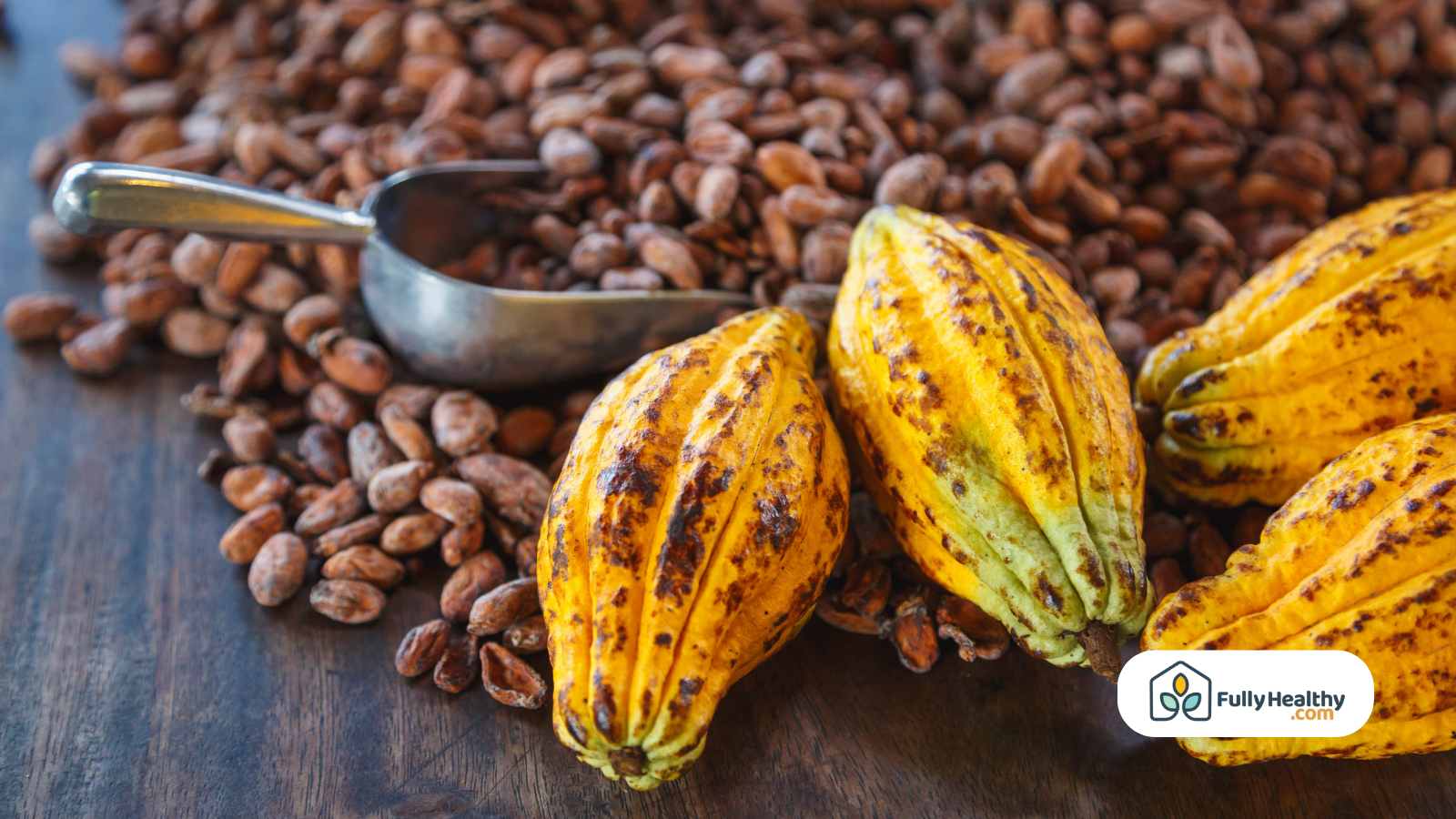 Photo credit: Canva Pro
Both cocoa powder and cacao powder come from the theobroma cacao tree. They're not the same, though. Both cacao and cocoa come from fermented beans; cacao is dried and processed at low heat, while cocoa is roasted at higher temperatures.
The roasting process changes the color, taste, and nutritional value of the food. Cacao is the less processed form, while cocoa powder is typically roasted; sweetened cocoa mixes may include dairy or sugar.
Processing Difference Between Cacao and Cocoa
Cacao and cocoa start as seeds inside cacao pods. Once harvested, the beans are fermented, dried, and processed. The key difference lies in heat.
-
Raw cacao: Made by grinding fermented, unroasted beans, often with minimal heat during processing.
Cocoa powder: Produced by roasting beans at a higher temperature, creating a smoother taste but losing some nutrients. -
Cocoa butter: Natural fat that gives chocolate its rich flavor and texture.
-
Alkalized cocoa powder: Treated to reduce acidity, giving a darker color and milder taste.
-
Natural cocoa powder: Lighter in color and slightly acidic, which reacts with baking soda or baking powder in recipes.
This difference explains why cacao offers more nutritional benefits while cocoa provides a familiar chocolate flavor for baked goods and hot chocolate.
Flavor and Use in Foods
Cocoa is smoother and sweeter than cacao powder, which has a more bitter, earthy taste. So, cocoa is great for making sweets like brownies, cakes, and more, and cacao is great for making healthy recipes, smoothies, and raw desserts.
-
Raw cacao: Best for those who want maximum nutrients such as iron and magnesium.
Cocoa: Ideal for baking where sweetness and smoother texture are preferred. -
Alkalized cocoa: Common in milk chocolate and other processed cocoa products.
-
Natural cocoa: Best in recipes that rely on acidity, like chocolate cake.
-
Cacao and cocoa: Both add a rich chocolate flavor that satisfies chocolate cravings.
You should pick either cacao or cocoa based on your taste or nutrition goals.
Can I Replace Cocoa Powder with Cacao Powder?
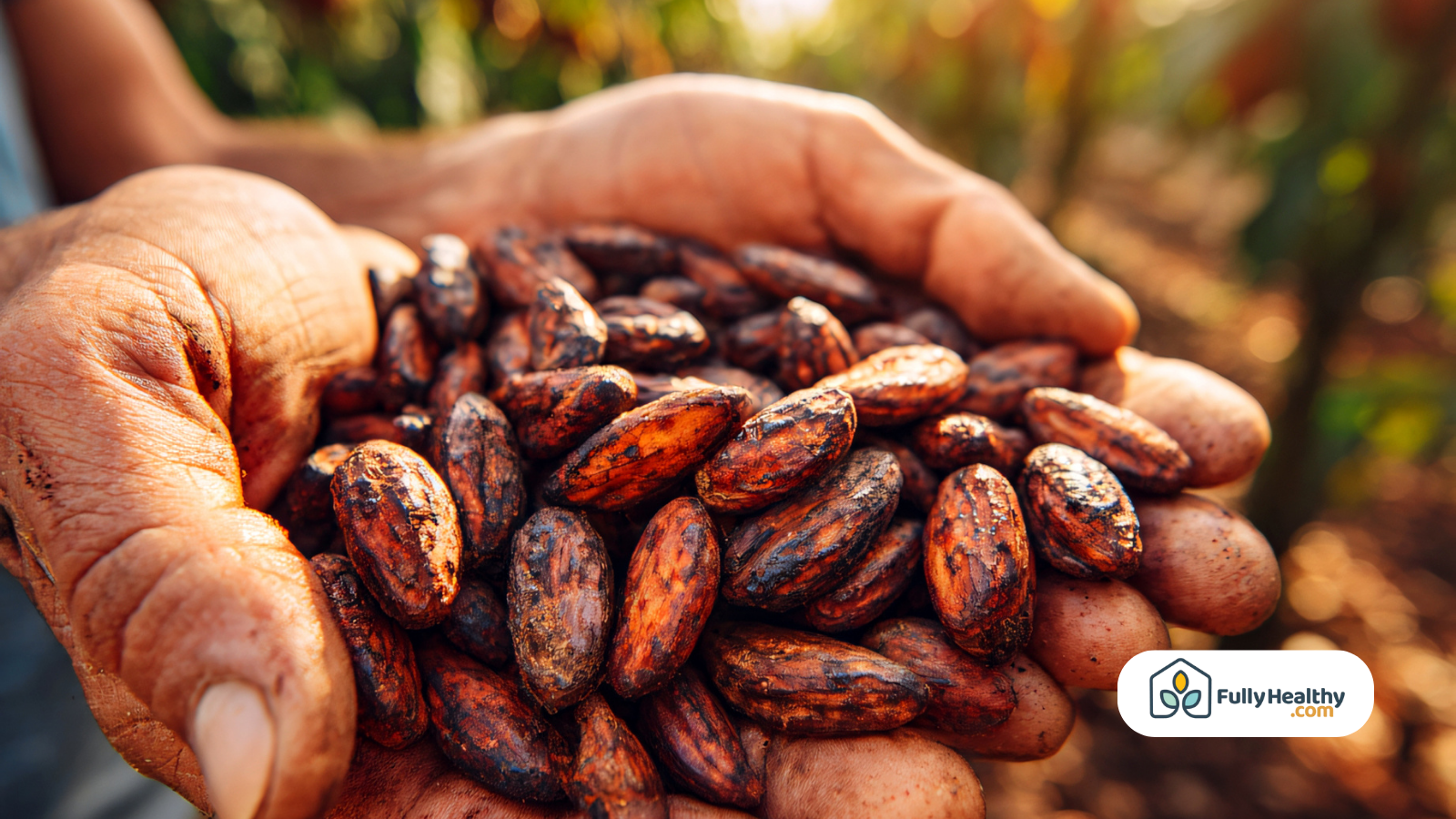 Photo credit: Canva Pro
Cacao and cocoa come from the same cacao plant, but using one instead of the other affects your recipe’s flavor and texture. You can use cacao powder instead of cocoa powder in most recipes, but you will need to change how bitter, acidic, and wet the mixture is.
Substitution Tips for Baking
Because cacao is less processed, it behaves differently in baked goods.
-
Substitute cacao powder: Use slightly less to avoid a bitter taste.
-
Add liquid: Cacao absorbs more moisture, so increase liquids slightly.
-
Leavening choice: If a recipe calls for baking powder, use baking soda instead since cacao is acidic.
-
Temperature caution: Avoid using raw cacao in recipes that require very high heat.
-
Small amounts: Use cacao in small portions for no-bake desserts or smoothies to keep nutrients intact.
These adjustments help maintain the right balance of taste and texture while preserving cacao’s nutritional value.
When Substitution Works Best
Raw desserts, energy bites, and smoothies are good places to use cacao because they don't change the nutrients in the food much. When baking things that need to be sweet and have structure, cocoa works better.
-
Raw desserts: Best made with cacao for maximum health benefits.
-
Baked goods: Cocoa gives smoother results and a more balanced sweetness.
-
Alkalized cocoa: Offers mild flavor and deep color for fancy desserts.
-
Cacao and cocoa: Both deliver the chocolate flavor people love.
-
Everyday tip: Use cacao when you want nutrients and cocoa when you want comfort and sweetness.
Which is healthier cocoa or cacao?
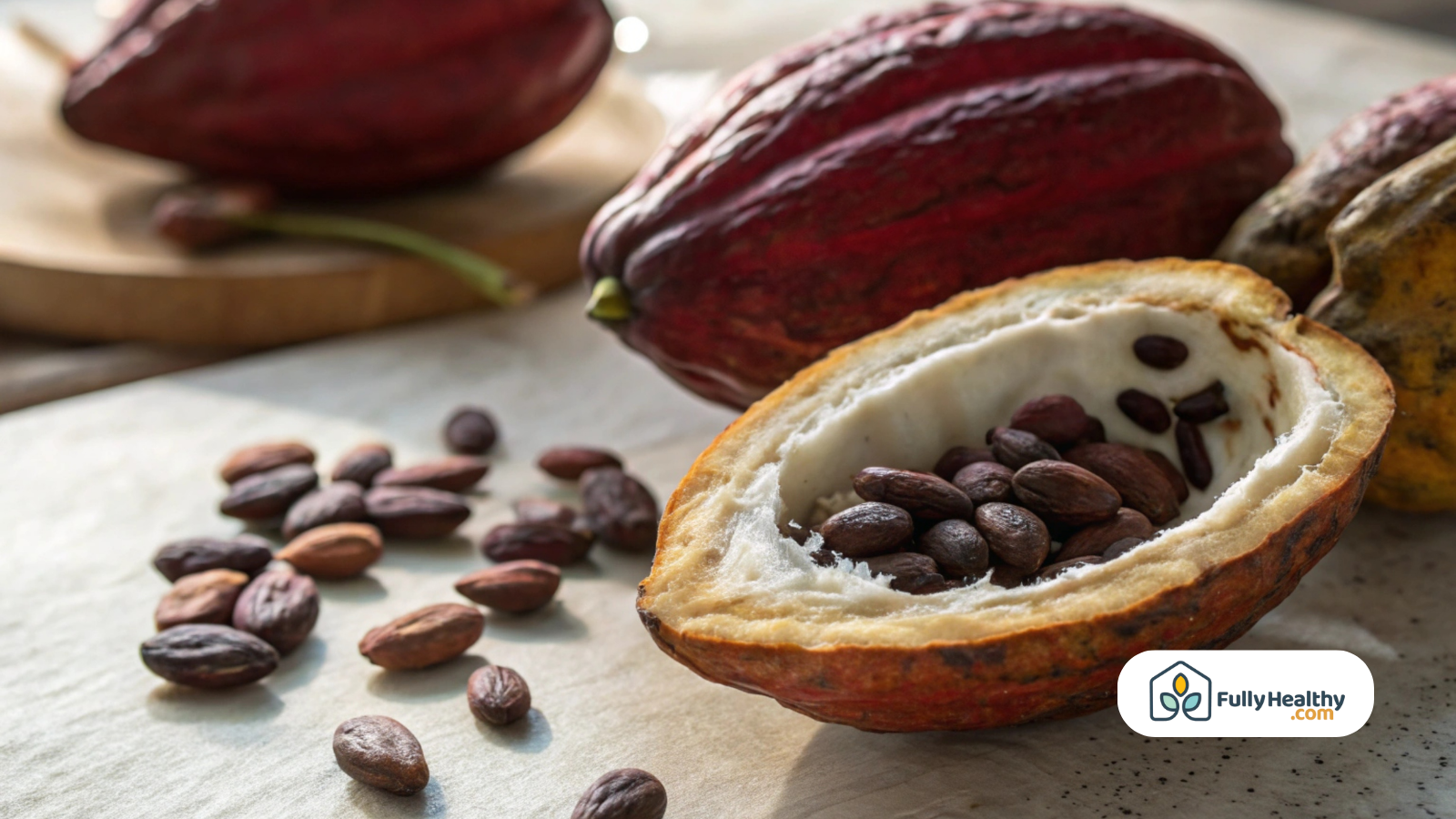 Photo credit: Canva Pro
To tell cacao from cocoa, the main difference is in the nutrients they contain and how they are processed. Cacao is raw and has more health benefits than cocoa. When cocoa is roasted, it loses some of its natural health benefits but gains sweetness and a softer flavor.
Nutritional Value and Health Benefits
Cacao is often labeled as raw or organic and may retain higher levels of polyphenols and antioxidants compared to roasted cocoa.
-
Nutrients retained: Cacao powder holds magnesium, iron, and antioxidants that support heart and brain health.
-
Nutrients lost: Cocoa roasted at high heat retains most minerals but may lose some heat-sensitive antioxidants.
-
Natural fat: Both contain cacao butter, which adds smoothness and flavor.
-
Processing: Minimally processed cacao products are richer in nutrients than heavily processed cocoa.
-
Roasting process: Reduces some beneficial compounds but enhances taste and aroma.
Eating cacao in raw desserts or smoothies helps the body gain more natural nutrients and less sugar.
Taste, Texture, and Diet Preferences
Taste and texture also guide your choice between cacao and cocoa.
-
Cacao flavor: Raw, bitter, and ideal for clean-eating or vegan diets.
-
Cocoa taste: Sweeter, smoother, and perfect for baking or hot chocolate.
-
Natural cocoa: Lighter, slightly acidic, good for recipes using baking soda.
-
Alkalized cocoa: Milder, dark, and great for milk chocolate or fancy cakes.
-
Same source: Both come from the cacao tree’s fruit, the cocoa pod, and share the same origin.
Chocolate and cocoa both come from the same beans, but they are used for different things. Cacao is processed as little as possible to keep its nutrients, while roasting cocoa makes it sweeter for desserts and everyday chocolate treats.
Is 100% Cocoa Powder the Same as Cacao Powder?
 Photo credit: Canva Pro
What are cocoa trees and cocoa beans? They are in the pods of cacao beans. A lot of people ask, "Is cacao powder the same as cocoa powder?" After being picked, the beans are fermented, dried, and put through other steps. The short answer is "no." Cooler or warmer is the main difference. The cacao beans that are used to make chocolate and cacao are the same.
Clarifying the Difference Between 100% Cocoa and Cacao
Cacao and cocoa share one origin but go through different steps after harvest.
-
Cacao powder: Comes from raw fermented cacao beans with minimal processing, keeping more antioxidants and nutrients.
-
Cocoa powder: Made by roasting beans at higher temperatures, resulting in a smoother powder and sweeter flavor.
-
Nutritional benefits: Cacao generally retains more antioxidants, while both cacao and cocoa contain similar levels of magnesium and iron.
-
Natural cocoa powder: Retains some acidity, giving it a sharper taste in baking recipes.
-
Cocoa butter: Extracted during processing, adds texture and smoothness to chocolate desserts.
This difference affects how each performs in food. Cacao gives depth to raw desserts and smoothies, while cocoa fits better in baking where heat enhances sweetness.
How Roasting Affects Flavor and Nutrition
The roasting process primarily affects antioxidant compounds, with minimal impact on overall macronutrients and minerals.
-
Taste: Roasting brings out chocolate sweetness and removes bitterness.
-
Nutrients: Heat reduces some beneficial compounds in cacao.
-
Health benefits: Cacao’s raw nature supports better antioxidant intake.
-
Desserts: Cocoa suits cakes and cookies; cacao is better for smoothies or fruit-based recipes.
-
Cacao and cocoa: Both contribute to the comforting flavor people associate with chocolate.
Choosing between cacao and cocoa depends on whether you prioritize flavor or nutrition in your food.
What FullyHealthy.com Says About Cacao and Cocoa
FullyHealthy.com is known for promoting foods that are clean, free of allergens, and high in nutrients. It sells a variety of cocoa products that are made from premium cacao beans that have been processed carefully to keep their health benefits and flavor. Cacao, which is often called one of the purest forms of chocolate, can be used in all kinds of foods, from breakfast to dessert.
Fully Healthy’s product philosophy and audience
FullyHealthy’s cacao lineup delivers rich taste and nutritional value for those trying to satisfy chocolate cravings without sacrificing quality:
-
Foods Alive Cacao Powder: Made from raw cacao, perfect for smoothies, baking, and raw desserts. It delivers rich chocolate flavor and high nutritional value without added sweeteners.
-
Foods Alive Cacao Nibs Superfoods: Crunchy pieces from crushed cacao seeds that add texture and antioxidants to food. Ideal for fruit bowls, cereals, or desserts.
-
Lovebird Rise and Fly Cacao Cereal: A nutritious breakfast made with cacao for natural sweetness and chocolate taste, great for kids and adults.
-
Solely Banana with Cacao: Combines organic fruit and cacao for a healthy, naturally sweet snack without artificial additives.
How the brand supports cacao use
FullyHealthy's cacao and cocoa products aren't just tasty; they're also carefully sourced and processed as little as possible to keep their natural health benefits. If you want to stop craving chocolate or add antioxidant-rich superfoods to your diet, these products will do the following:
-
Nutrient density from raw and cold pressed cacao
-
Naturally sweet options without added sugar
-
Versatile uses in breakfast, snacks, smoothies, and baking
FullyHealthy makes it easy to enjoy the bold flavor of cacao while staying committed to clean eating and whole-food nutrition.
Final Thoughts
Cacao and cocoa come from the same source — the cocoa pod of the cacao tree — but they differ in how they are processed and used. Cacao refers to the raw, minimally processed form that’s packed with nutrients, while cocoa powder is roasted, offering a sweeter taste that’s perfect for baking and desserts.
Both cacao and cocoa add rich chocolate flavor to food—whether it’s smoothies, baked goods, or raw treats. The choice between cocoa and cacao depends on your goal: whether you're aiming for maximum nutritional benefits or that comforting chocolatey sweetness.
Cacao products often come without added sweeteners, making them ideal for clean eating, while cocoa-based recipes may include natural or refined sweeteners to enhance taste.
FAQs
Is cacao powder the same as cocoa powder?
No. Cacao powder is raw and less processed, while cocoa powder is roasted and milder in flavor.
Can I use cacao instead of cocoa for baking?
Yes, but adjust for taste—cacao is stronger and more bitter, so use a smaller amount.
Which is healthier, cacao or cocoa?
Cacao offers more antioxidants and minerals because it’s less processed than cocoa.
What’s the best way to use cacao powder?
Add it to smoothies, raw desserts, or oatmeal for a rich chocolate flavor and nutrient boost.
Does cocoa powder still have health benefits?
Yes. Even though roasting reduces some nutrients, cocoa powder still provides antioxidants and great taste for desserts and hot drinks.
Leave a comment