

Is Gelatin Vegan? Ingredients, Alternatives, and Hidden Sources
Is gelatin vegan? The short answer is no. Gelatin is made from animal collagen taken from the bones, skin, and connective tissue of animals, making it unsuitable for a vegan diet. Because it is found in foods, candies, desserts, vitamins, and other everyday products, it is easy to overlook. Knowing what gelatin is and the best plant-based alternatives can help you make more informed choices.
Is Gelatin Vegan?
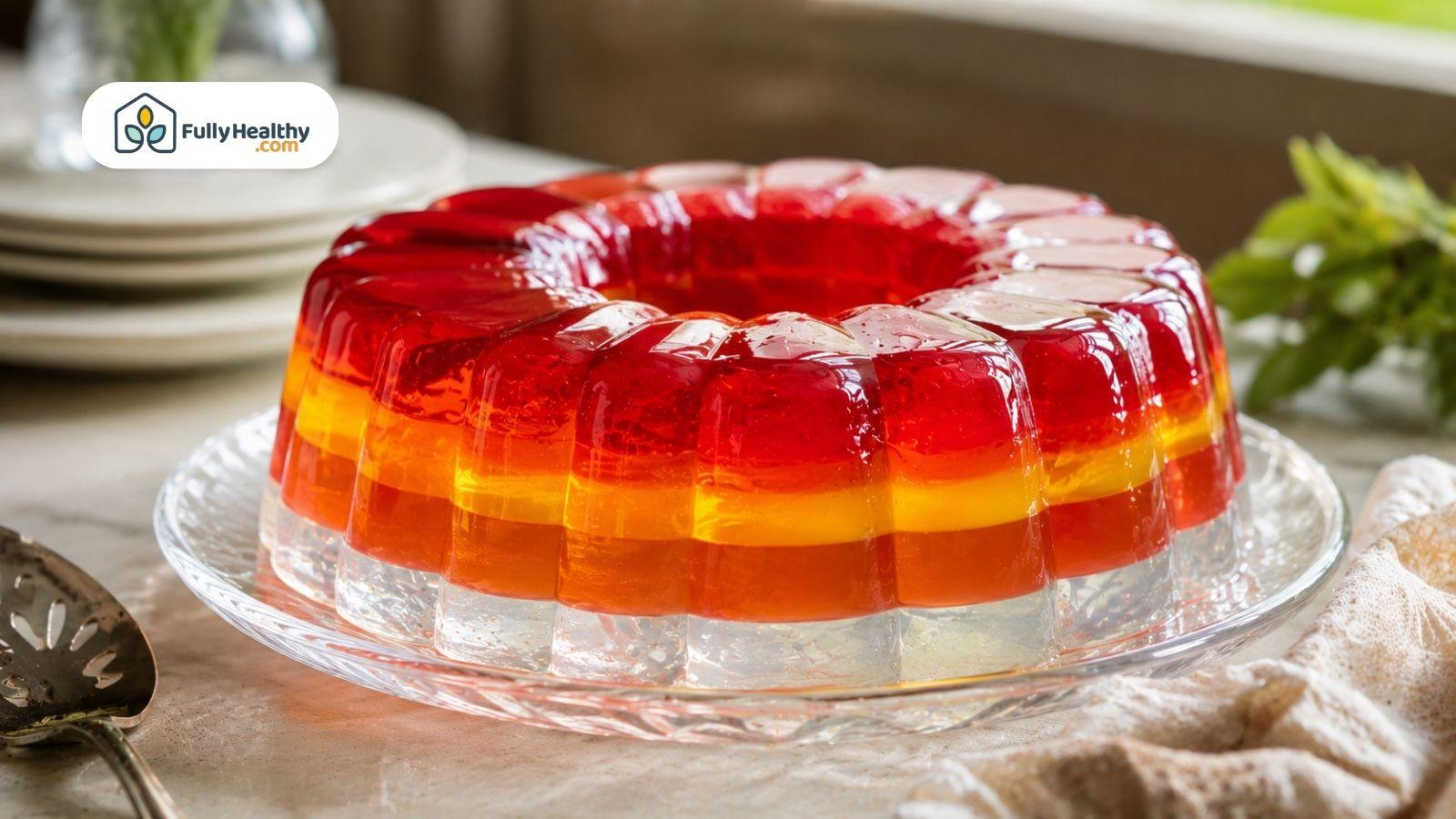
No, gelatin is not vegan because it is derived from animal collagen. Learning how gelatin is produced and where it appears in everyday food makes it easier to avoid animal ingredients and choose vegan versions instead.
How Gelatin is Made
No, gelatin is not vegan because it is made by extracting collagen from the connective tissue of animals. Manufacturers use animal bones, skin, cartilage, and tendons from cows, pigs, and sometimes fish, then process them into gelatin powder or gelatin sheets used throughout the food industry.
-
Main source: Gelatin is produced from collagen found in animal bones, skin, cartilage, and connective tissue.
-
Production process: The raw material is cleaned, treated with acid or alkaline solutions, boiled in hot water, filtered, dried, and ground into powder.
-
Common forms: Gelatin is sold as gelatin powder and gelatin sheets, with each form used in different recipes.
-
Why it is used: Gelatin gives desserts, puddings, jello, cakes, sauces, and candies their firm yet flexible texture.
-
Byproducts: Manufacturers often use waste material from the meat and leather industries instead of raising animals specifically for gelatin production.
Why Gelatin is Not Vegan
Gelatin is considered animal-derived because every batch starts with collagen taken from an animal. Since vegan diets avoid animal products and reduce animal cruelty, vegans eat gelatin only by mistake and should always check ingredient labels carefully.
-
Animal origin: Gelatin is derived from cows, pigs, and fish, making it unsuitable for anyone following a vegan lifestyle.
-
Kosher gelatin: Kosher gelatin follows Jewish dietary rules, but it is not automatically vegan because it may still come from animal sources.
-
Common foods: Marshmallows, gummy candies, jell o, gummies, desserts, yogurt, vitamins, and some cosmetics often contain gelatin.
-
Fish gelatin: Fish gelatin is still animal-derived, even though it does not come from land animals.
-
Label reading: Some products are accidentally vegan, but foods containing gelatin should always be avoided by vegans and most vegetarians.
What is the Vegan Version of Gelatin?
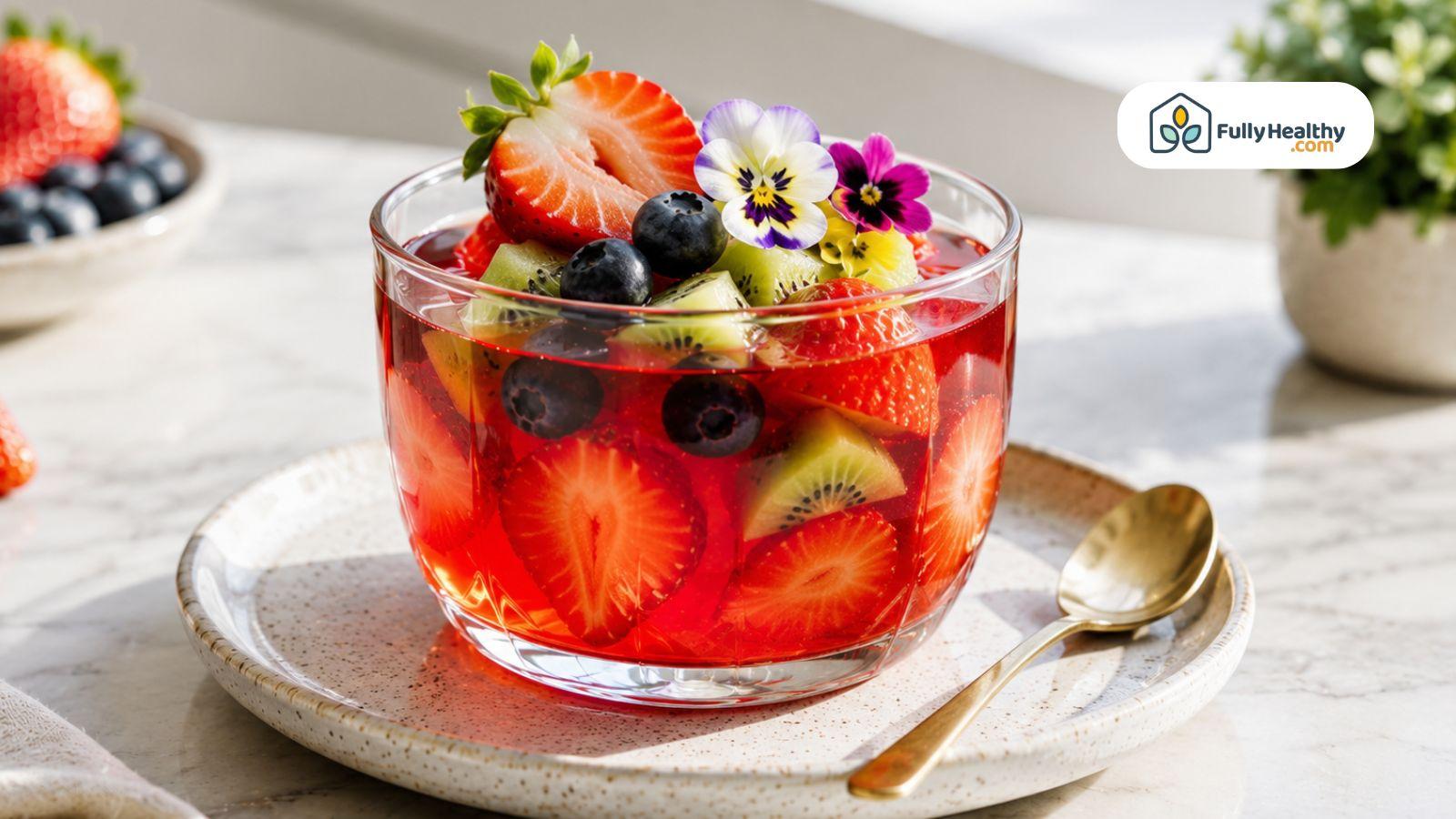
The vegan version of gelatin is not gelatin itself but plant-based gelling agents such as agar agar, pectin, konjac, and gellan gum. These ingredients replace gelatin without using animal products, but each creates a different texture, so the best choice depends on what your recipe calls for.
Popular Plant-Based Gelatin Alternatives
Vegan gelatin is made from ingredients that come from plants, algae, or seaweed instead of collagen. These vegan alternatives help thicken, stabilize, or gel food while remaining suitable for a plant based diet.
-
Agar agar: Made from seaweed, agar agar creates a firm gel and is one of the most popular vegan gelatin substitutes.
-
Pectin: This natural substance comes from fruit and works well in jams, jellies, and fruit desserts.
-
Cornstarch: Cornstarch thickens liquid but does not create the same firm texture as gelatin.
-
Konjac and gellan gum: These plant based ingredients are widely used in the food industry to improve consistency.
-
Tapioca and arrowroot: These starches help thicken sauces, fillings, and puddings while keeping recipes vegan.
Choosing the Right Substitute for Your Recipe
The best substitute depends on the texture you want and how you plan to cook the dish. Some vegan versions create a firm gel, while others simply thicken a mixture without becoming solid.
-
For gummies: Agar agar creates a firmer texture than cornstarch.
-
For puddings: Cornstarch produces a smooth and creamy consistency.
-
For jams: Pectin remains the preferred choice because it forms a reliable fruit gel.
-
For sauces: Tapioca starch and arrowroot help thicken without changing flavor.
-
For baked desserts: Agar agar and gellan gum provide better stability than starches alone.
Who Should Not Eat Gelatin?
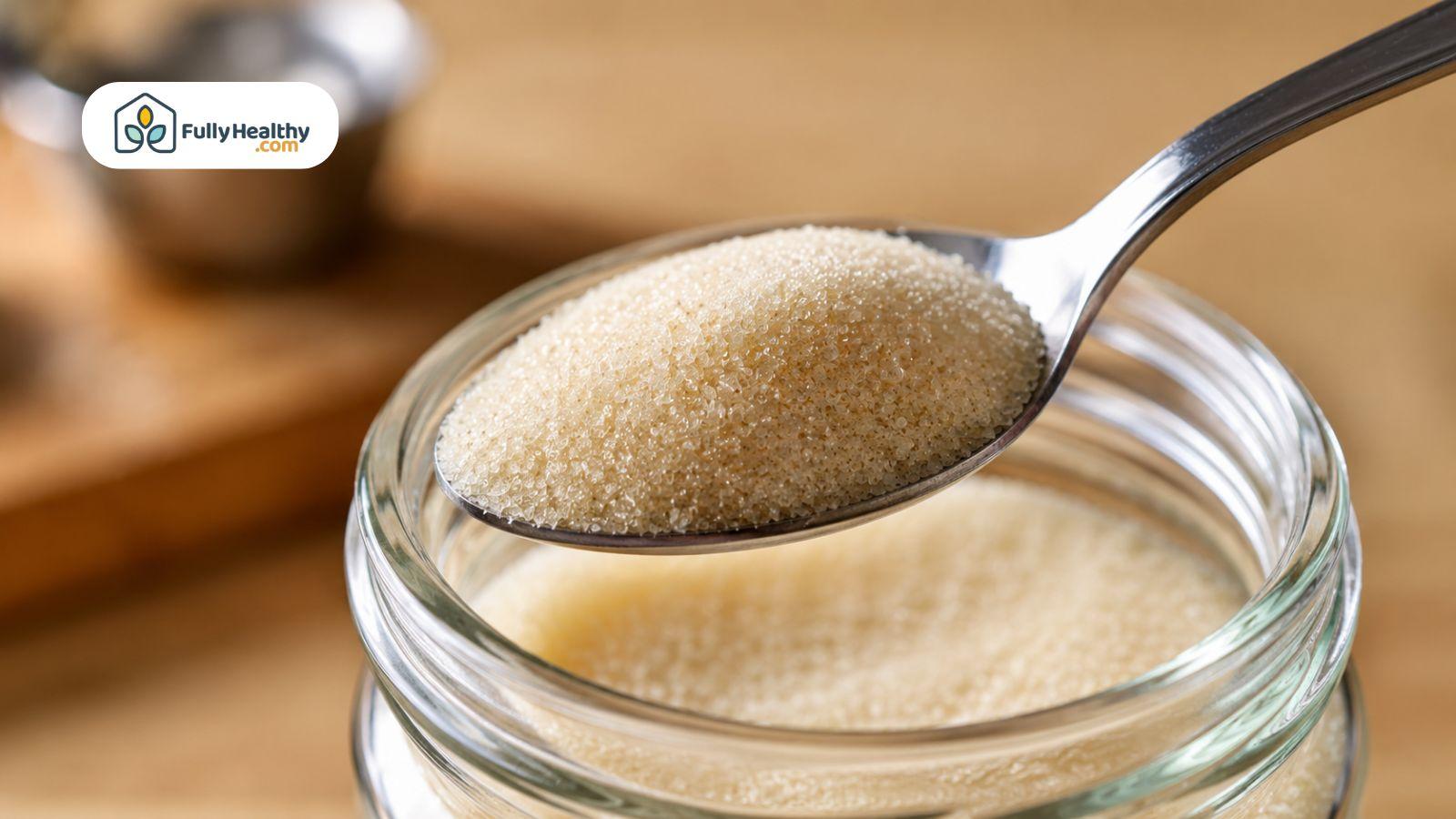
Although gelatin is safe for many people, it is not suitable for everyone. Personal beliefs, dietary preferences, allergies, and certain health conditions may affect if someone should eat gelatin.
People Who Should Avoid Gelatin
Some people choose not to eat gelatin because of ethical beliefs, while others avoid it for religious or medical reasons. Knowing who should avoid gelatin makes shopping and meal planning much easier.
-
Vegans: Vegans do not eat gelatin because it is made from animal collagen.
-
Vegetarians: Most vegetarians also avoid gelatin since it is derived from animal parts.
-
Religious diets: People following kosher or halal dietary practices should verify the exact source of gelatin before eating it.
-
People with allergies: Individuals with gelatin allergies should avoid foods, supplements, and medicines containing gelatin.
-
Medical advice: Some people may be advised by a healthcare professional to limit gelatin depending on their health needs.
Health and Safety Considerations
Gelatin is generally considered safe when consumed in typical food amounts, but some individuals may experience side effects or need to be more cautious. If you have allergies, medical conditions, or concerns about supplements containing gelatin, consult a healthcare professional before adding them to your routine.
-
Allergic reactions: Some people may develop itching, swelling, hives, or other allergic symptoms after consuming gelatin.
-
Digestive effects: Large amounts of gelatin may cause bloating, heartburn, or an unpleasant feeling of fullness in some individuals.
-
Supplement use: Gelatin is commonly found in capsules, vitamins, and protein supplements, so always read ingredient labels carefully.
-
Dietary goals: People following a vegan or plant based lifestyle should choose vegan gelatin made from agar agar, pectin, or other plant based ingredients instead.
-
Balanced diet: Gelatin contains protein from collagen, but it should not replace a varied diet that includes nutrient-rich foods containing calcium, vitamins, and other essential nutrients.
Can I Use Cornstarch Instead of Gelatin?
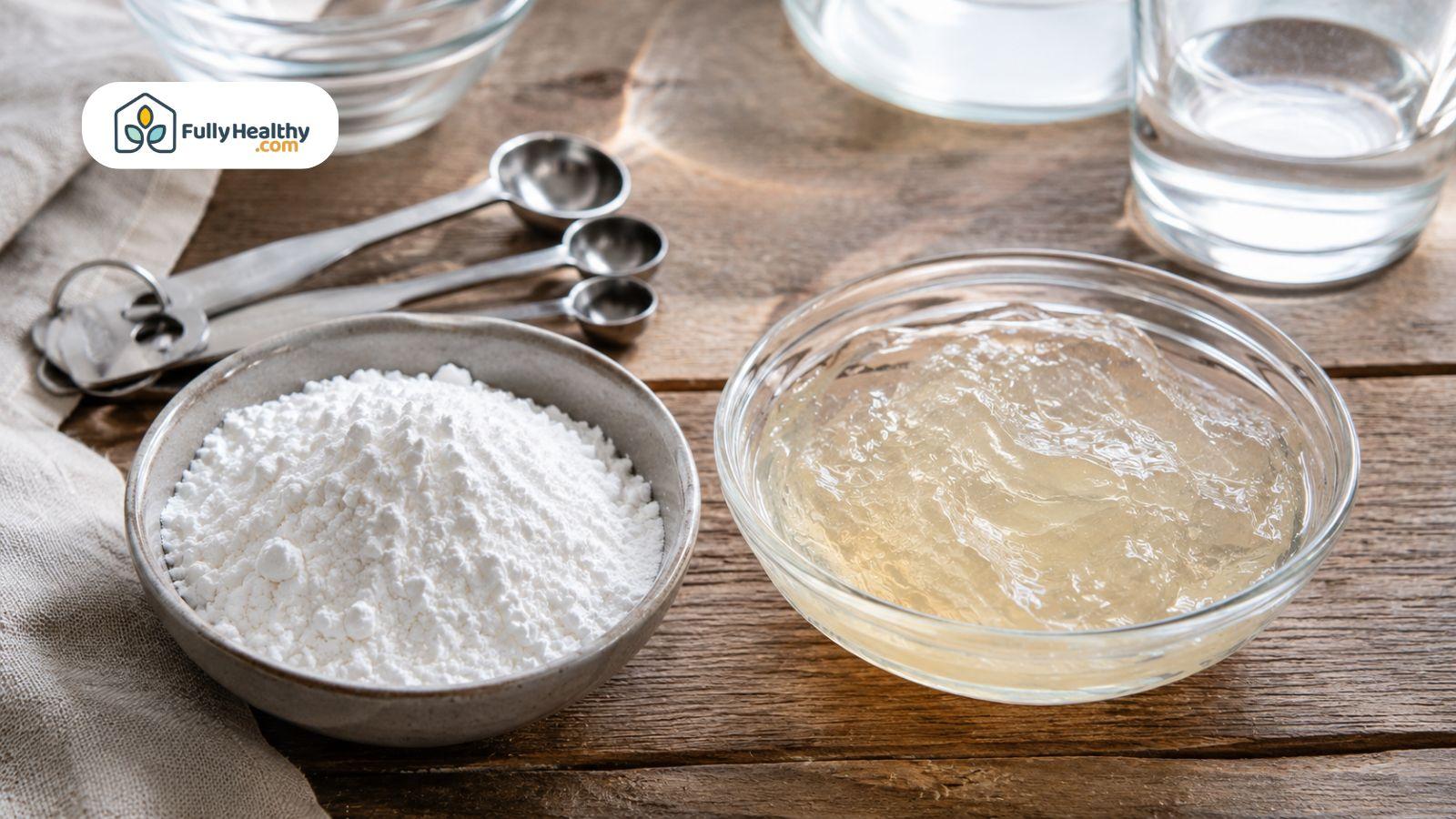
Cornstarch and gelatin can both change the texture of food, but they do not work the same way. Understanding the difference helps you choose the right ingredient and avoid disappointing results in your recipe.
How Cornstarch Compares to Gelatin
Yes, you can use cornstarch instead of gelatin in some recipes, but it only thickens liquid instead of forming a firm gel. If your recipe calls for a sliceable or chewy texture, cornstarch will not produce the same results as gelatin or vegan gelatin.
-
Main function: Cornstarch thickens soups, sauces, gravies, and puddings, while gelatin creates a firm, springy texture.
-
Texture: Gelatin forms a smooth gel after cooling, whereas cornstarch produces a soft and creamy consistency.
-
Cooking method: Cornstarch must be heated to activate, while gelatin powder is dissolved in hot water before setting as it cools.
-
Best uses: Cornstarch works well in puddings, pie fillings, and sauces that need a thicker consistency.
-
Recipe tip: A tablespoon of cornstarch is not a direct replacement for a tablespoon of gelatin because they perform different functions.
Better Alternatives for Firm Gel Desserts
If you want desserts that hold their shape, plant based alternatives usually perform better than cornstarch. The right substitute depends on the texture, ingredients, and cooking method used in your recipe.
-
Agar agar: Agar agar is the closest vegan alternative for jello, gummies, and firm desserts because it creates a strong gel from seaweed.
-
Pectin: Pectin is ideal for fruit-based recipes such as jams and jellies because it naturally forms a stable gel.
-
Gellan gum: Gellan gum is commonly used in the food industry to stabilize beverages and specialty desserts.
-
Konjac: Konjac creates a firm and slightly elastic texture that works well in certain vegan recipes.
-
Choose carefully: Matching the substitute to your recipe produces better results than replacing gelatin with starches in every dish.
Why Choose FullyHealthy for Vegan-Friendly Foods?
Choosing vegan food is easier when you shop from a store that clearly labels ingredients and supports different dietary lifestyles. FullyHealthy offers a wide selection of products, making it simple to avoid animal ingredients while enjoying flavorful meals and snacks.
About FullyHealthy
FullyHealthy is an online marketplace that specializes in foods for people with dietary preferences, food sensitivities, and specialty nutrition needs. Its carefully selected products make it easier to shop for vegan, gluten-free, and allergen-friendly options with confidence.
-
Wide selection: FullyHealthy carries products for vegan, gluten-free, paleo, AIP, and other specialty diets.
-
Transparent choices: Product pages clearly identify ingredients to help customers make informed decisions.
-
Trusted brands: The store partners with well-known companies that prioritize quality and clean ingredients.
-
Convenient shopping: Customers can browse foods, pantry staples, snacks, and cooking essentials in one place.
-
Diet support: The marketplace helps simplify shopping for households with different dietary needs.
Vegan Products Available at FullyHealthy
FullyHealthy offers many foods made with plant based ingredients. These products are a great choice if you are avoiding gelatin and following a vegan lifestyle.
-
Wild Zora Vermicelli Vegan Minestrone Noodle Soup: A quick vegan soup made with wholesome plant based ingredients.
-
The Wizard's Organic Gluten Free Vegan Worcestershire: A vegan Worcestershire sauce made without animal ingredients.
-
Coyotas Organic Cassava Tortillas: Soft cassava tortillas that pair well with many vegan meals.
-
NUCO Coconut Wraps: Coconut-based wraps that are perfect for sandwiches, tacos, and snacks.
If you prefer collagen instead of vegan alternatives, FullyHealthy offers these products:
-
Great Lakes Gelatin Co. Grass-Fed Collagen Hydrolysate: Made from grass-fed bovine collagen.
-
Great Lakes Gelatin Co. Marine Collagen Peptides: Made from marine collagen sourced from fish.
-
Great Lakes Wellness Grass-Fed Bovine Collagen Peptides: Bovine collagen packets for non-vegan diets.
-
Great Lakes Gelatin Co. Grass-Fed Collagen Hydrolysate: An unflavored collagen supplement made from cows.
Final Thoughts
Gelatin is made from animal collagen, making it unsuitable for a vegan lifestyle. Fortunately, there are many plant-based alternatives that can replace gelatin in desserts, candies, and everyday recipes.
Reading ingredient labels and choosing vegan products can help you avoid animal ingredients with confidence. Check labels carefully and choose the option that best fits your lifestyle.
FAQs
What is the Vegan Version of Gelatin?
The vegan version of gelatin is agar agar, pectin, or other plant-based ingredients. Vegan marshmallows also use these alternatives instead of animal-derived gelatine.
What are Three Substitutes for Gelatin?
Three substitutes for gelatin are agar agar, pectin, and cornstarch. Agar agar is often considered the purest form when a recipe needs a firm gel.
What's the Difference Between Agar & Gelatin?
Agar comes from seaweed, while gelatin comes from animal collagen. Agar is vegan, but gelatin is not.
How Do You Know if Gelatin is Vegan?
Gelatin is not vegan because it is made from animals. Check the ingredient label for agar agar, pectin, or other plant-based alternatives instead.
Can Vegans Eat Foods With Gelatin?
No, vegans should not eat foods with gelatin because it is animal-derived. Even if you do not eat meat, dairy products, eggs, or milk, gelatin is still not vegan.
Leave a comment