

Is Ketchup Wheat-Free? Safe Choices For Gluten-Free Diets

Wondering, is ketchup is wheat-free? There isn't much wheat in ketchup because it's mostly made of tomatoes, vinegar, sugar, salt, and spices. Some brands may use gluten-containing ingredients or manufacture ketchup on shared equipment or in shared facilities.
Read the ingredient list and allergen statement every time; wheat must be declared, but barley, rye, and malt ingredients may appear only in the ingredient list. This blog tells you when ketchup is safe to eat, what ingredients to look out for, and which condiments might have wheat in them.
Featured Pantry Pick
KC Natural // Carrup Tomato-Free Ketchup 14 oz
Loading...
Is Ketchup Wheat-Free?
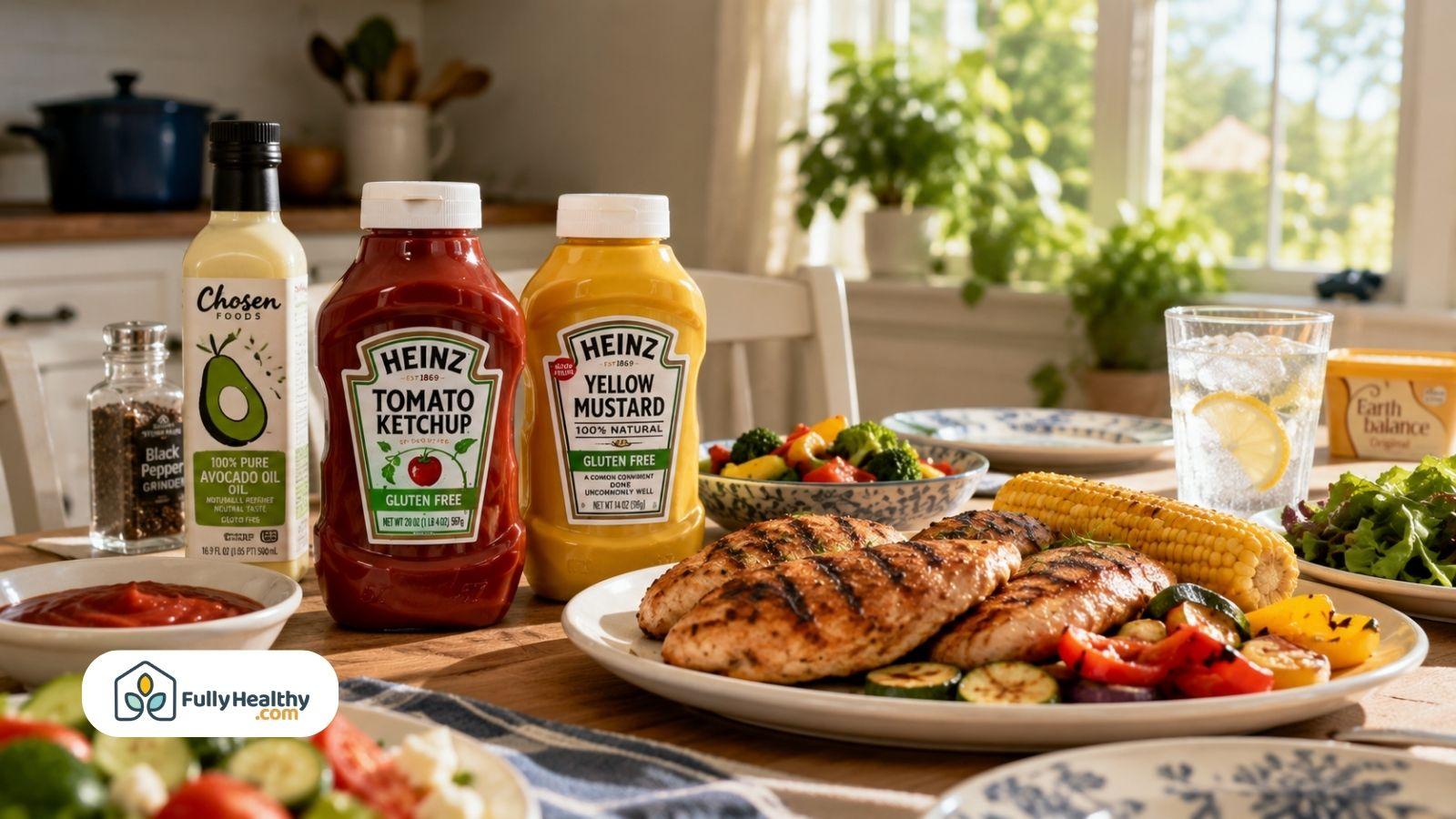
Most ketchup is made from red ripe tomatoes, tomato concentrate or tomato paste, salt, sweeteners, and seasonings. It is safe for people on a gluten-free diet to eat most ketchup because it doesn't contain gluten grains.
There are, however, differences in the recipes between brands. Before you buy something, it's always a good idea to read the ingredient list, allergen statement, and any gluten-free certification or claim if you have celiac disease or a gluten-free lifestyle.
Why Is Most Ketchup Naturally Wheat-Free?
Some of the naturally gluten-free ingredients in ketchup are tomato concentrate, distilled vinegar, salt, onion powder, and sweeteners like cane sugar, corn syrup, or high fructose corn syrup. Since barley, rye, and wheat aren't used very often, most ketchup is naturally gluten-free.
-
Common Ingredients: Ketchup is made with tomato paste or tomato concentrate, distilled white vinegar, salt, sweeteners, onion powder, and natural flavors.
-
Why It Is Usually Safe: Traditional ketchup recipes do not contain wheat or other gluten grains, making ketchup gluten-free in most cases.
-
Popular Choices: Heinz Ketchup, French's Ketchup, Great Value Ketchup, Annie's Organic Ketchup, Organicville Ketchup, and Walden Farms are among the many brands that offer gluten-free options.
When Ketchup May Not Be Safe For Gluten-Free Diets?
While most ketchup is gluten-free, it might not be right for everyone in some situations. Some items might be made on shared tools, and others might have ingredients that need to be looked at more closely.
-
Check the Packaging: Look for products labeled gluten-free, labeled GF, certified gluten-free, or certified GF for added confidence.
-
Understand The Standard: Products labeled gluten-free must contain less than 20 ppm gluten under FDA rules.
-
Watch For Risks: Cross-contamination, shared equipment, modified food starch, malt vinegar, or other gluten-containing ingredients can sometimes be concerns.
Does Ketchup Contain Wheat?
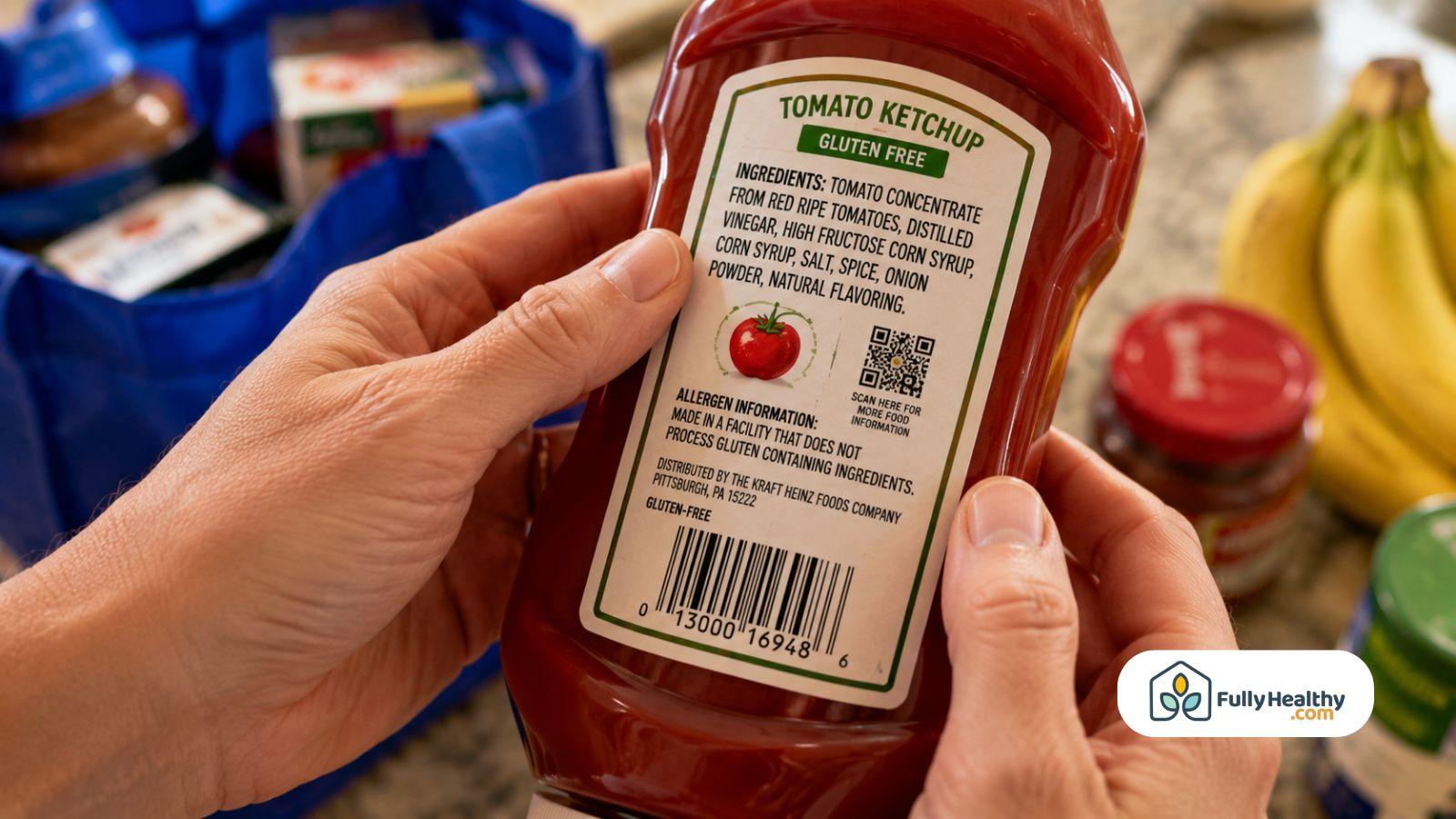
Unfortunately, not for most types of ketchup. Most standard ketchup does not contain wheat-based ingredients, but recipes vary by brand and product. However, not all foods are the same, so it's important to read the label, especially if you have celiac disease or a wheat allergy.
How To Tell If Ketchup Contains Wheat?
Read the allergen statement and ingredient list to find out if a ketchup product has wheat in it. In the U.S., packaged foods must declare major allergens such as wheat, but gluten-containing barley, rye, and malt ingredients are not required to appear in the allergen statement. This helps customers make smart decisions.
-
Read the Ingredient List: Always review the ingredient list and nutrition label, even if you have purchased the product before.
-
Look For Warning Signs: Watch for wheat, barley, rye, malt vinegar, soy sauce, or other gluten ingredients.
-
Verify With The Brand: The Heinz website and other manufacturer websites often provide the latest ingredient information and allergy guidance.
Is Ketchup Wheat-Free If It Has Vinegar?
Many people want to know if vinegar changes the fact that ketchup is wheat-free. Because gluten proteins are taken out during distillation, distilled vinegar and distilled white vinegar are usually thought to be gluten-free. Although malt vinegar is not like other vinegars because it is made from barley.
-
Generally Safe Vinegars: Plain distilled vinegar, distilled white vinegar, and apple cider vinegar are generally gluten-free; malt vinegar is not gluten-free, and flavored or specialty vinegars should be checked by label.
-
Ingredients To Avoid: Malt vinegar should be avoided by people following a strict gluten-free diet because it comes from barley.
-
Simple Rule: When in doubt, choose a gluten-free ketchup product that clearly states it is labeled gluten-free.
What Organ Is Affected By Gluten?

In celiac disease, gluten triggers an immune-mediated reaction that damages the lining of the small intestine. This very important organ takes in nutrients from food and makes sure the body uses minerals and vitamins correctly. In people with celiac disease, gluten exposure can trigger immune-mediated small-intestinal damage over time.
How Gluten Affects The Small Intestine In Celiac Disease?
People who have celiac disease have an immune system attack the lining of the small intestine when they eat foods that contain gluten. It might be harder for the body to take in nutrients this way.
-
Main Organ Affected: The small intestine is the primary organ affected by gluten in people with celiac disease.
-
Possible Results: Damage to the intestinal lining can reduce nutrient absorption and cause digestive symptoms.
-
Medical Importance: Anyone who suspects celiac disease should seek testing and guidance from a healthcare professional.
Why Gluten Reactions Can Cause Body-Wide Symptoms
Because of how important the small intestine is for absorbing nutrients, being exposed to gluten regularly can have effects on more than just digestion. Not absorbing things well could hurt your health and energy levels in general.
-
Common Effects: Fatigue and nutrient deficiencies may develop when the body is not absorbing nutrients properly.
-
Diet Support: Choosing gluten-free ingredients, gluten-free ketchup brands, and other safe foods can help support a gluten-free lifestyle.
-
Everyday Meals: Many people safely eat ketchup with hot dogs or chicken nuggets when they choose a product that is verified as gluten-free.
What Condiments Are Not Gluten-Free?

While many condiments don't have gluten in them by nature, some may contain ingredients that are made from wheat or barley. In some cases, gluten-based thickeners, flavorings, or malt ingredients are used. Those with celiac disease or who follow a gluten-free diet can avoid accidentally eating gluten by knowing which condiments need extra care.
Condiments Most Likely To Contain Gluten
Different types of condiments have different levels of gluten content depending on how they are made. These products usually have ingredients made from wheat or barley.
-
Soy Sauce: Traditional soy sauce is usually made with wheat, making it one of the most common sources of hidden gluten.
-
English Mustard: Some varieties contain wheat flour, so it is important to check the label.
-
Bread Sauce: Traditional bread sauce is made with breadcrumbs and is not gluten-free.
-
Brown Sauce: Certain brands use gluten-containing ingredients, although recipes can vary.
-
Malt-Based Condiments: Products made with malt ingredients may contain barley and should be avoided unless clearly labeled gluten-free.
Condiments That Need A Label Check Every Time
Some condiments might not be gluten-free in some brands but not in others. Readers should always check the label because recipes and ingredients can change.
Heinz ketchup, for example, has gluten-free information on their website, but it's still a good idea to check the packaging before buying. Furthermore, some customers also prefer options that are corn syrup-free, non-GMO, vegan, or made without artificial flavors and artificial colors.
-
Ketchup: Many ketchup products are gluten-free, but ingredient lists can vary between brands.
-
BBQ Sauce: Some varieties contain gluten-based ingredients, while others are gluten-free.
-
Salad Dressings: Ingredients differ widely, so checking the label is essential.
-
Relishes and Pickles: Some recipes may contain hidden gluten sources or malt-based ingredients.
-
Best Practice: Always review the ingredient list and allergen statement before buying any condiment.
How Can Fully Healthy Help People Looking for Wheat-Free Ketchup Alternatives?
People who are sensitive to certain foods often spend a lot of time reading labels and comparing different brands. The process is made easier by Fully Healthy, which has foods in one place that are gluten-free, allergen-friendly, and good for special diets.
How Can Fully Healthy Help People Looking For Wheat-Free Ketchup Alternatives?
Fully Healthy is made for people who need to buy foods that meet certain dietary needs. Customers don't have to look in multiple stores; instead, they can browse products that fit their dietary needs and preferences.
-
Specialty Diet Marketplace: The platform focuses on gluten-free, allergen-friendly, and specialty diet products.
-
Simplified Shopping: Products are organized to make finding suitable foods easier.
-
Label-Conscious Options: The site helps shoppers discover products that meet specific dietary requirements.
-
Time-Saving Resource: Customers can explore multiple brands and categories in one location.
What Products Does Fully Healthy Offer For Restricted Diets?
Fully Healthy has a lot of different specialty foods and pantry staples that might be useful for people who want to eat more than just ketchup and other common grocery items. There are products in the marketplace for people with different dietary needs, such as vegan and non-GMO options.
-
Food Categories: Snacks, breakfast items, seasonings, bundles, and specialty pantry products.
-
Popular Products: Coconut sugar, maple sugar, maple syrup, cookie mixes, banana bread mixes, and brownie mixes.
-
Diet-Friendly Choices: Many products are suitable for shoppers looking for non-GMO or specialty-diet foods.
-
Convenient Ordering: Free shipping is available on qualifying orders, subject to the site's terms and conditions.
-
Who It Helps: People following gluten-free, allergen-conscious, elimination, or other restricted eating plans can benefit from the curated selection.
Final Thoughts
Tomato concentrate, distilled vinegar, salt, and either corn syrup or cane sugar are used to make ketchup, which means that most of it doesn't contain wheat. Still, not every brand of ketchup is the same, so always read the label to see the list of ingredients, the allergen statement, and the gluten-free label.
For people with celiac disease or gluten sensitivity, the safest way to enjoy ketchup is to choose a product that clearly states that it is gluten-free.
FAQs
Is Heinz Ketchup Gluten-Free?
Yes, Heinz Ketchup is generally considered gluten-free, and the manufacturer states that Heinz Ketchup does not contain gluten ingredients.
What Food Is Highest In Gluten?
Foods made from wheat, barley, and rye—such as bread, pasta, cereals, and baked goods—are among the highest sources of gluten.
What Are The First Signs Of Being Gluten Intolerant?
Possible symptoms after gluten-containing foods include bloating, abdominal pain, gas, diarrhea, fatigue, and headache, but diagnosis requires medical evaluation because symptoms overlap with other conditions.
What Does A Gluten Belly Look Like?
Abdominal bloating after eating gluten-containing foods may occur in some people, but appearance alone cannot diagnose celiac disease, wheat allergy, or gluten sensitivity.
Which Bread Has The Most Gluten?
Breads made with high-protein wheat flour, such as bread flour, typically contain more gluten-forming proteins than lower-protein wheat products, but amounts vary by recipe and flour type.
Leave a comment