

Is Tomato Ketchup Gluten-Free? Facts About Ingredients and Labels
Is tomato ketchup gluten-free? In most cases, yes. Most ketchup is made from tomatoes, vinegar, sweeteners, and spices that do not contain gluten. However, some products may carry cross-contamination risks or use ingredients that require closer label review.
This guide explains what makes ketchup gluten free, which tomato products and condiments are usually safe, and how to build a gluten free pantry with confidence.
Featured Pantry Pick
KC Natural // Carrup Tomato-Free Ketchup 14 oz
Loading...
Is Tomato Ketchup Gluten-Free?
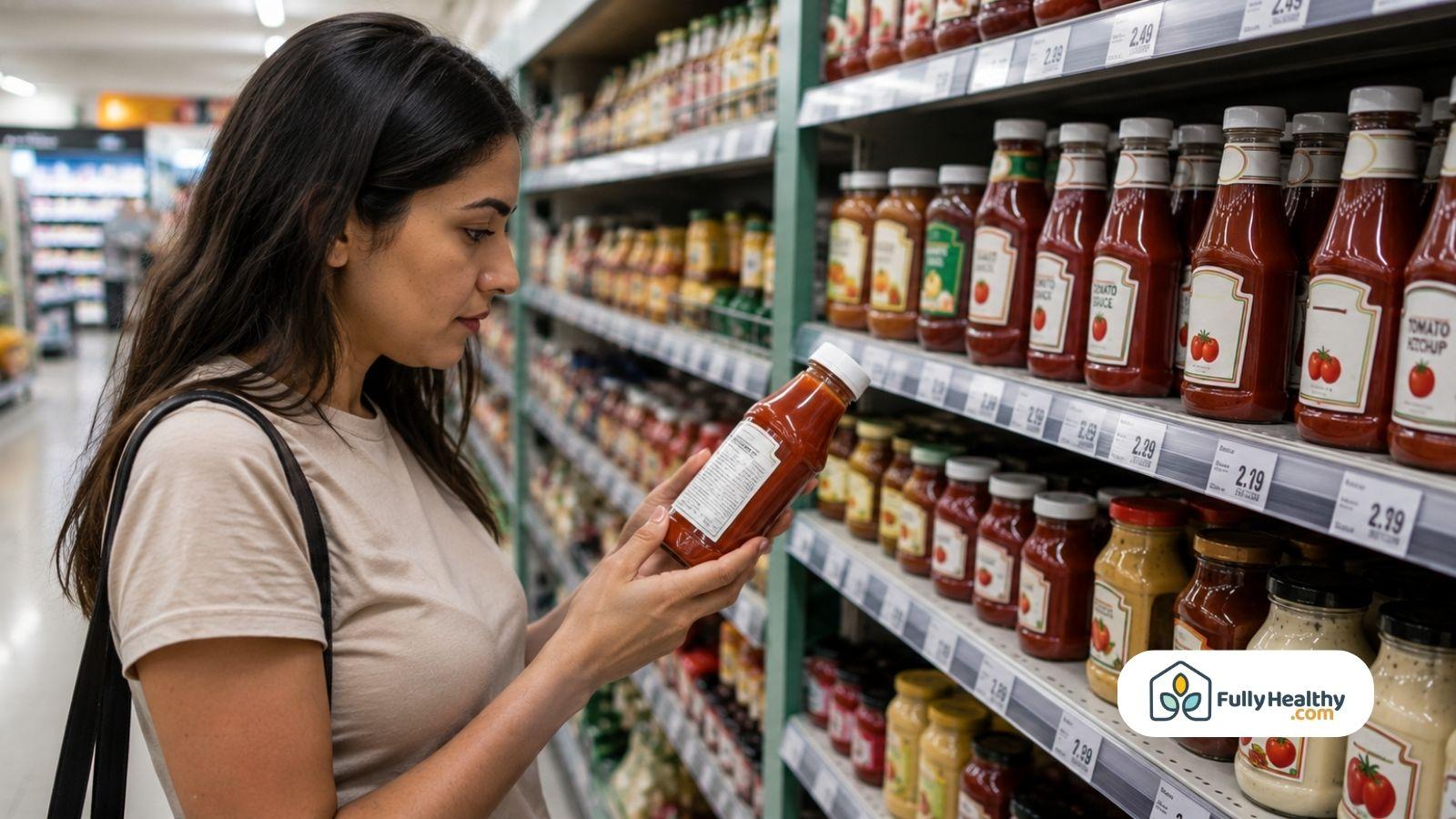
Yes, tomato ketchup is usually gluten-free because its main ingredients do not contain gluten. Most ketchup products are made from tomato concentrate, vinegar, sweeteners, and seasonings, making them suitable for people following a gluten-free diet.
Why Most Tomato Ketchup is Naturally Gluten-Free
Most tomato ketchup is considered gluten-free because its core ingredients do not contain wheat, barley, or rye. Traditional ketchup is typically made from tomato concentrate, vinegar, sweeteners, salt, and spices, all of which are naturally free from gluten when sourced and processed appropriately.
-
Tomato Concentrate: Made from red ripe tomatoes and naturally gluten free.
-
Distilled White Vinegar: Commonly used in ketchup and generally considered safe.
-
Sweeteners: Many brands use cane sugar, corn syrup, or high fructose corn syrup.
-
Seasonings: Salt, onion powder, spices, and natural flavor help create the familiar taste.
What Can Make Ketchup Unsafe for Gluten-Free Diets?
Although ketchup is gluten-free in many cases, manufacturing practices and ingredient variations can create concerns for people with celiac disease or gluten sensitivity. Reading the ingredient list and looking for a gluten-free label is important.
According to the Food and Drug Administration (FDA), foods labeled gluten free must contain fewer than 20 parts per million (ppm) of gluten.
-
Cross Contamination: Some manufacturers process ketchup near gluten containing foods.
-
Shared Equipment: Production lines may also handle products containing wheat or barley.
-
Gluten Ingredients: Specialty sauces may include ingredients that introduce gluten.
-
Highly Sensitive Consumers: People with celiac may prefer products that are certified gluten free.
-
Restaurant Use: Condiment stations and shared bottles can increase contamination risks.
Are Processed Tomato Products Gluten-Free?
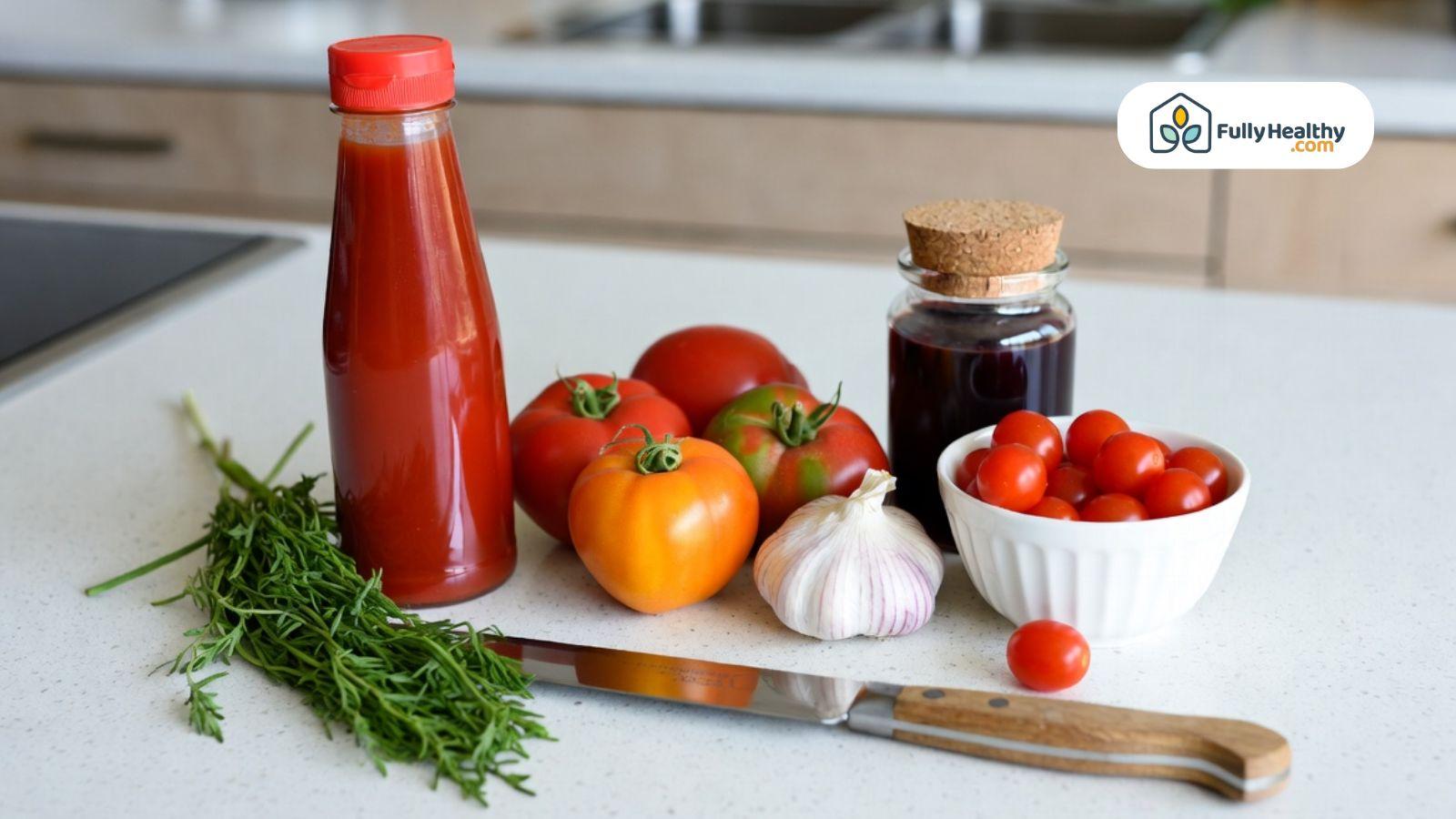
Most processed tomato products are naturally gluten-free because tomatoes do not contain gluten. The main concern comes from added ingredients, flavorings, or manufacturing processes rather than the tomato itself.
Which Processed Tomato Products are Usually Gluten-Free?
Many tomato products contain only tomatoes and a few basic ingredients, making them suitable for a gluten free diet. Tomato paste, tomato sauce, canned tomatoes, and tomato juice are often considered safe when they do not contain unnecessary additives.
-
Tomato Paste: Usually contains concentrated tomato with minimal ingredients.
-
Tomato Sauce: Tomato sauce is often gluten-free, but check labels for added thickeners, seasonings, or gluten-containing ingredients.
-
Canned Tomatoes: Diced, crushed, and whole tomatoes are commonly naturally gluten free.
-
Tomato Juice: Frequently contains only tomato and salt.
-
Organic Products: Many organic ketchup and tomato products use simple ingredient lists.
When Should You Check the Label on Tomato Products?
Not every processed tomato product follows the same recipe, so reading labels is important. Additional flavors, seasonings, and thickening agents can change a product's gluten status.
-
Added Flavors: Some flavor blends may contain gluten ingredients.
-
Seasoning Mixes: Prepared tomato products sometimes include complex spice blends.
-
Sauces: Pasta sauces and specialty tomato sauces may contain unexpected ingredients.
-
Manufacturers: Production methods vary from brand to brand.
-
Ingredient List: Always review labels before purchasing packaged food.
Which Condiments Are Gluten-Free?
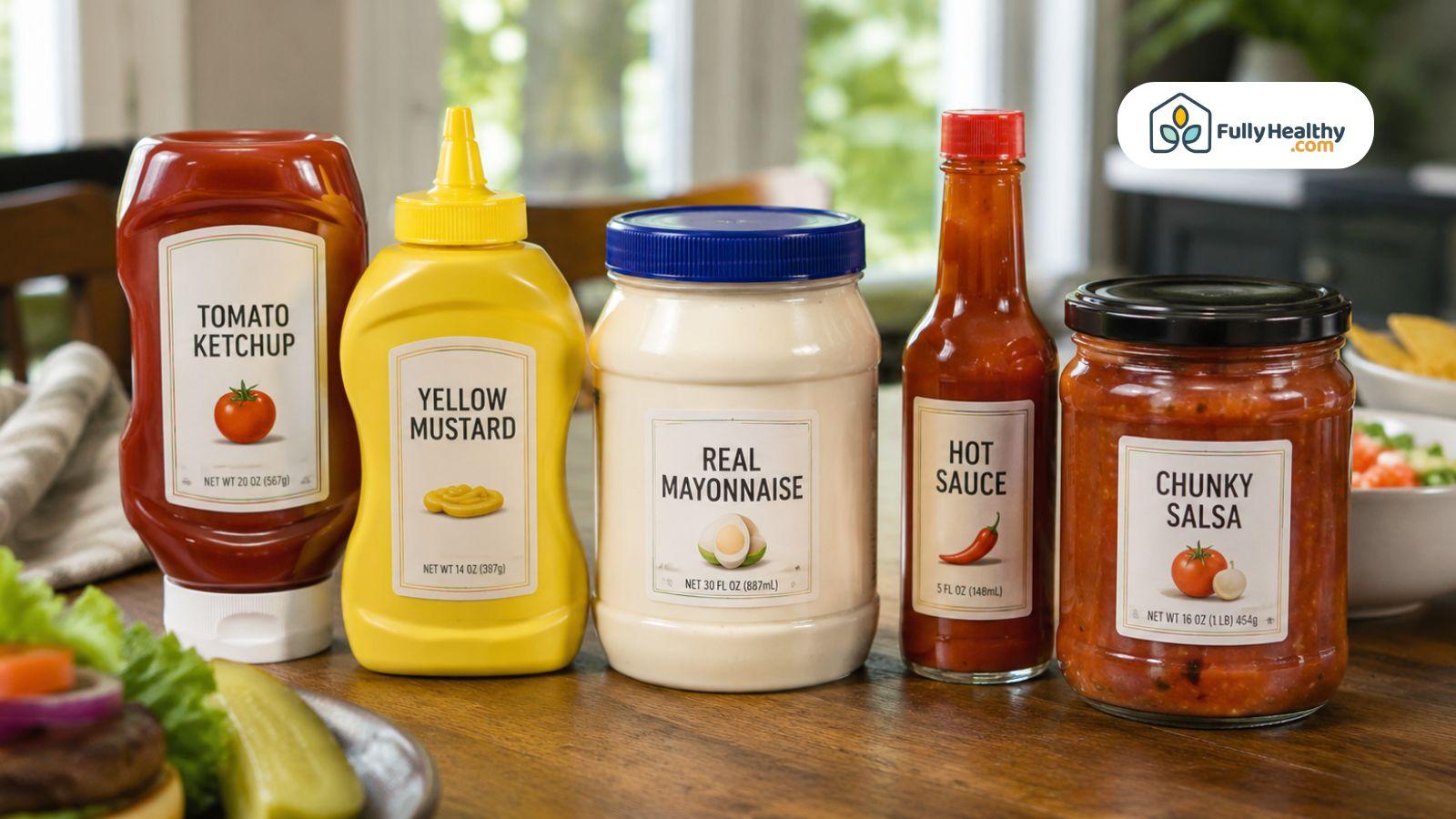
Some popular condiments are naturally gluten-free, but some require extra attention because they may contain wheat-based ingredients or hidden sources of gluten. Reading labels helps identify products that are considered safe for regular use.
Condiments That Are Usually Safe On A Gluten-Free Diet
Several everyday condiments are commonly made without gluten containing ingredients. These products often fit easily into a gluten free diet when they are properly labeled and manufactured.
-
Mayonnaise: Typically made with oil, eggs, and vinegar.
-
Mustard: Most yellow, Dijon, and brown mustards are gluten free.
-
Ketchup: Most ketchup products use naturally gluten free ingredients.
-
Hot Sauce: Many pepper-based sauces are free from gluten.
-
Salsa: Tomato-based salsa is often naturally gluten free.
Condiments That Often Contain Gluten
Some condiments require closer attention because gluten can be introduced through ingredients, flavorings, or thickening agents. These products should always be checked carefully before consumption.
-
Soy Sauce: Traditional versions are commonly made with wheat.
-
Barbecue Sauces: Some recipes use gluten containing ingredients.
-
Salad Dressings: Certain varieties contain thickening agents and flavor blends.
-
Marinades: Prepared marinades may include hidden gluten sources.
-
Specialty Sauces: Ingredient lists can vary significantly between brands.
How Do You Build A Gluten-Free Pantry?
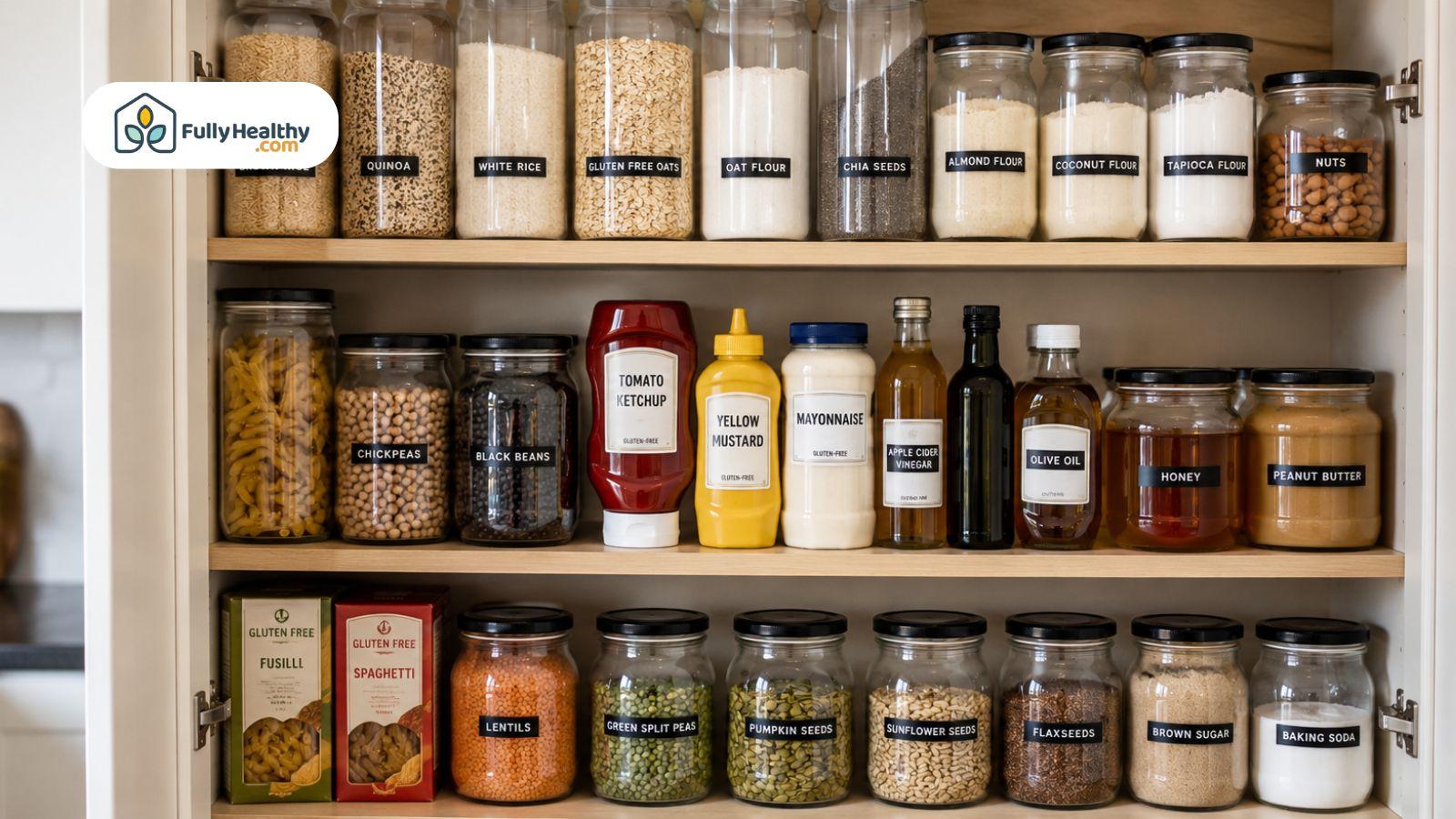
A well-stocked gluten free pantry makes daily meal planning easier and helps reduce accidental gluten exposure. Keeping trusted staples on hand can simplify shopping and support long-term success for people with celiac disease or gluten sensitivity.
Pantry Staples Every Gluten-Free Kitchen Should Have
Building a gluten free pantry starts with choosing simple foods that are naturally free from gluten. Focus on ingredients with short ingredient lists and products that clearly identify major allergens when applicable.
-
Naturally Gluten Free Grains: Rice and quinoa are naturally gluten-free. Oats should be certified because cross-contact is common.
-
Gluten Free Flours: Almond flour, coconut flour, and rice flour work well for baking and cooking.
-
Canned Goods: Tomatoes, beans, vegetables, and tomato products can support quick meals.
-
Condiments: Gluten free ketchup, mustard, hot sauce, and mayonnaise are useful pantry staples.
-
Snacks: Nuts, seeds, popcorn, and gluten free crackers can help maintain variety.
How To Prevent Cross-Contamination At Home
Even foods that are considered safe can become problematic when cross contamination occurs in the kitchen. Small habits can help protect people who are highly sensitive to gluten from accidental exposure.
-
Separate Storage: Keep gluten free products away from gluten containing foods.
-
Dedicated Toaster: Crumbs from regular bread can transfer gluten.
-
Clean Utensils: Use separate knives, spoons, and cutting boards when possible.
-
Shared Jars: Avoid dipping used utensils into condiments such as ketchup or mustard.
-
Food Preparation: Clean surfaces thoroughly before preparing gluten free meals.
FullyHealthy: Specialty Foods For Gluten-Free Living
People managing dietary restrictions often benefit from retailers that focus on ingredient transparency and specialty products. FullyHealthy offers products designed for individuals seeking gluten free, allergen-friendly, and specialized food options.
How FullyHealthy Supports Specialty Diets
FullyHealthy focuses on products that help consumers navigate dietary needs with greater confidence. The platform features foods that support gluten free lifestyles while also addressing other common dietary concerns.
-
Ingredient Transparency: Products include detailed ingredient information.
-
Specialty Categories: Shoppers can browse foods designed for specific dietary needs.
-
Allergen Awareness: Many products provide information about major allergens.
-
Convenient Shopping: Multiple specialty foods are available in one location.
-
Dietary Support: Options are available for gluten free and other restricted diets.
Sauces and Condiments Available in FullyHealthy
FullyHealthy carries several condiments and seasonings that can fit into a gluten free pantry. These products focus on simple ingredients and provide alternatives to heavily processed sauces.
-
KC Natural Carrup Tomato-Free Ketchup: A tomato-free ketchup alternative made for people seeking a different option from traditional ketchup while still enjoying a familiar sweet and tangy flavor.
-
KC Natural Garden Cherry Tomato Salsa: A tomato-based salsa made for consumers seeking cleaner ingredient options and bold flavor.
-
Eden Foods Organic Brown Mustard: A mustard made with simple ingredients that can complement sandwiches, dressings, and everyday meals.
-
Hearty Sauces AIP Pesto Mix: A seasoning mix that helps create pesto-style sauces while supporting specialty dietary needs.
-
Hearty Sauces AIP Ranch Mix: A convenient blend for making ranch-style dressings, dips, and sauces at home.
-
Hearty Sauces AIP Taco Seasoning: A flavorful seasoning mix that can be used for tacos, meat dishes, and other savory recipes.
Final Thoughts
Ketchup is only one part of a larger gluten free lifestyle. While most ketchup products are considered safe, the same attention should be given to tomato products, sauces, seasonings, and other popular condiments that may contain hidden sources of gluten.
Understanding ingredient labels, recognizing cross contamination risks, and stocking a pantry with trusted products can make everyday food choices much easier. A few extra seconds spent checking labels today can help you eat with greater confidence tomorrow.
FAQs
Does Tomato Ketchup Have Gluten in it?
No, most tomato ketchup does not contain gluten and is generally considered safe when it is clearly labeled gluten free.
What Organ is Affected by Gluten?
Gluten primarily affects the small intestine in people with celiac disease, which can interfere with nutrient absorption from food.
What Condiments are Not Gluten Free?
Some soy sauces, barbecue sauces, marinades, and specialty condiments may contain gluten and should be checked carefully before you eat them.
Which Country Eats the Least Gluten?
There is no reliable single-country answer. Gluten intake varies by diet patterns, wheat consumption, and food culture.
Is Mayonnaise Gluten-Free?
Yes, most mayonnaise products are gluten free because they are typically made from oil, eggs, and vinegar rather than gluten-containing ingredients.
Leave a comment